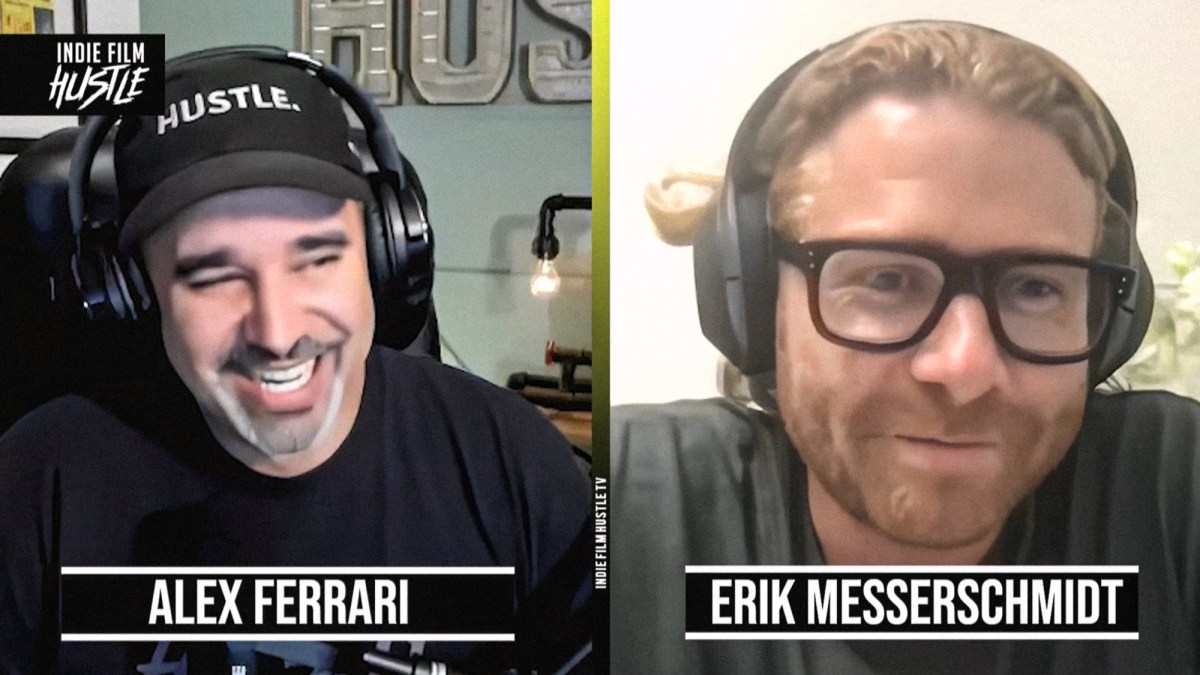
Watch our interview with Erik Messerschmidt – famous cinematographer, who presented the film Ferrari directed by Michael Mann during this year’s edition of EnergaCAMERIMAGE Festival. We also discuss his collaborations with David Fincher in Mindhunter and The Killer.
The next day, a screening of Zodiac was followed by a discussion with the director about the film and his career, “David Fincher par David Fincher, une leçon de cinéma” (“David Fincher by David Fincher, a lesson in cinema”).
After casting Holt McCallany in Alien 3 and later in Fight Club in the types of tough-guy roles that have largely defined his four-decade career, David Fincher finally let the 60-year-old actor showcase his softer side as FBI agent Bill Tench in Netflix’s psychological thriller Mindhunter. It was that performance, in which McCallany was able to balance steely professionalism and quiet melancholy, that earned him a meeting with director Sean Durkin, who was looking for the right person to play the patriarch of the Von Erich clan inThe Iron Claw, his biopic of the legendary Texas wrestling dynasty. As Fritz Von Erich, a loving but severe father who pushed his four sons (played by Zac Efron, Jeremy Allen White, Harris Dickinson, and Stanley Simons) beyond their limits—often with tragic results—McCallany is earning the best reviews of his career, and even, to his own shock, some Oscar buzz. As he told Fincher over Zoom a couple of weeks ago, he’s still letting it all sink in.
DAVID FINCHER: Hey Holtster! How have you been?
HOLT MCCALLANY: I’ve been great David, because there were a couple of articles, one in Variety, one in Vulture, that picked me as somebody who could get a possible Academy Award nomination for Supporting Actor, even though it’s going to be a very tough year.
Also on this episode, “The Iron Claw” actor Holt McCallany talks about playing the legendary wrestler Fritz Von Ehrich in Sean Durkin’s powerful new drama. He discusses coming to peace with many of his scenes that were cut from the film, and what we can expect from his upcoming directorial effort “The Star Maker” after getting script notes from David Fincher.
A quintessential “that guy” performer in the eyes of most audience members, this veteran character actor boasts over 80 credits in a three-decade career, including turns in “Nightmare Alley” and Netflix’s “Mindhunter.” As the hardened patriarch of a family of pro wrestlers in A24’s sports drama, McCallany exudes an intense and thorny power, expertly revealing the dangers of a particular form of pressurized ambition. It’s a performance that’s reminiscent of J.K. SimmonsOscar-winning turn as the abusive music teacher in “Whiplash.”
El director de fotografía Erik Messerschmidt, ASC, habla sobre su trabajo en Devotion (J. D. Dillard, 2022), Mank (2020), y la serie de TV Mindhunter (2017, 2019).
Entrevista en inglés con interpretación simultanea al español.
Director of Photography Erik Messerschmidt, ASC, talks about his work on Devotion (J. D. Dillard, 2022), Mank (2020), and the TV series Mindhunter (2017, 2019).
Interview in English with simultaneous interpretation to Spanish.
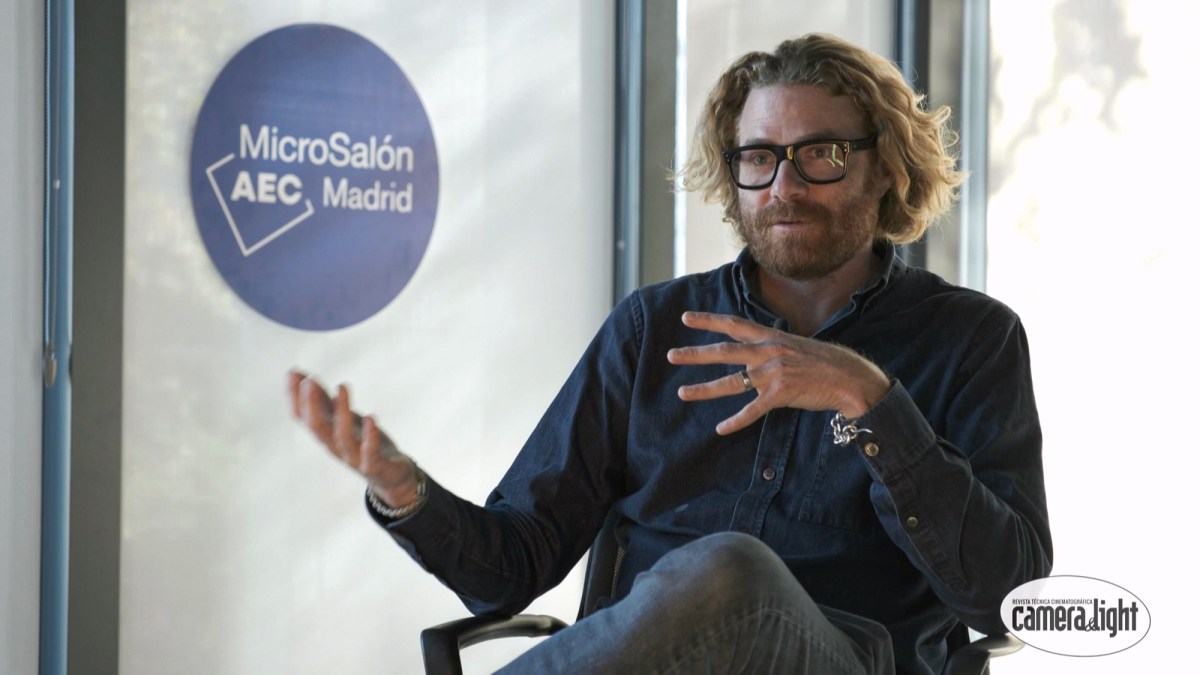
Durante el MicroSalón Madrid 2022 tuvimos la oportunidad de charlar con el invitado especial de la AEC, el director de fotografía Erik Messerschmidt ASC.
Os ofrecemos la conversación que mantuvo con Julio Gómez (al que hemos cortado porque no le pusimos micro) sobre sus trabajos con David Fincher (“Mank“, “Mindhunter“) y también trabajaos recientes en colaboración con Dana Gonzáles, como “Fargo” o “Legión“.
Entrevista filmada y montada por Juan Esparza Cevallos para Camera & Light.
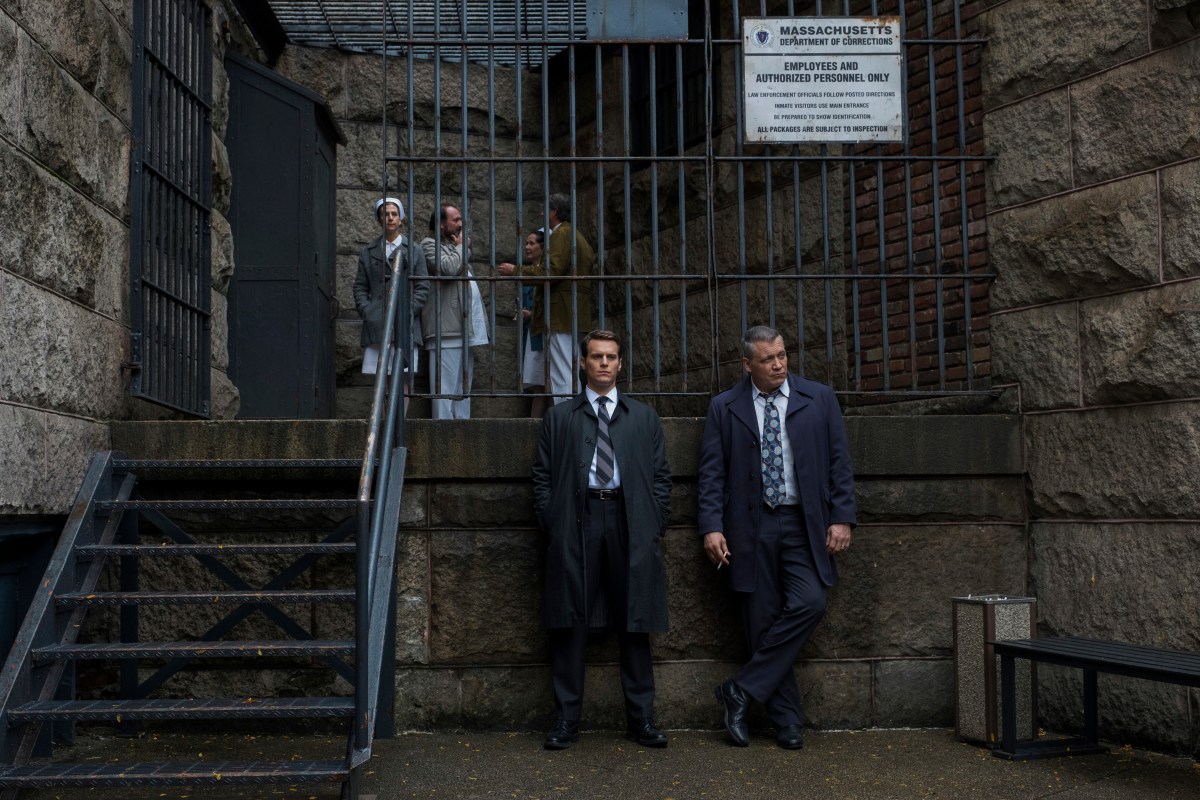
It’s safe to say that in recent years, Netflix has struggled to generate the kind of “prestige” dramas that still routinely draw viewers and critical buzz to premium cable networks or streamers such as HBO. Few among us could hope to understand the demographics being sought by such a massive entertainment juggernaut, or decrypt the desires of the unknowable algorithm as it tries to translate social media hype and bots sharing GIFs into subscriber predictions for three quarters from now. Trying to account for every variable would take supremely gifted intuition and insight into the human condition … the exact skillset of the fictional (but reality inspired) protagonists of Mindhunter. And Netflix let Mindhunter lay fallow, so who’s going to save us now?
The drama devised by creator-writer Joe Penhall and showrunner David Fincher was the rarest kind of Netflix project—a beautifully rendered, big budget, period piece drama with near universal critical praise and audience plaudits to match. And yet, as is so often the case with these diamonds in the rough, the show simply didn’t seem to have the groundswell of support and widespread hype to match the adoration it received from its rapt viewers. At the very least, it wasn’t as widely adopted as Netflix seemingly demands every show be in order to avoid the ever-looming axe, although Mindhunter was never truly canceled with finality—instead, it was sent into “indefinite hiatus” as Fincher’s attention drifted by necessity to an array of other projects. That “hiatus” has now stretched for more than three years, and although rumblings of a Mindhunter revival always seem to be percolating, each passing month only renders a third season less likely when all is said and done.
And that truly is a shame, because Mindhunter was one of the most gripping, unnerving, brilliantly designed and powerfully acted series that Netflix has ever brought to the world of streaming. It’s also a painfully incomplete narrative, as its second season concluded with numerous major storylines dangling in space, robbed of their dramatic possibilities. Watching the series again in retrospect, it’s clear that Mindhunter had a map for where it was headed over several more seasons, but it feels very unlikely we’ll ever see the satisfying payoff of its journey into the darkest parts of the human psyche.
Frame & Reference is a conversation between Cinematographers hosted by Kenny McMillan. Each episode dives into the respective DP’s current and past work, as well as what influences and inspires them. These discussions are an entertaining and informative look into the world of making films through the lens of the people who shoot them.
In this episode, Kenny talks with cinematographer Erik Messerschmidt, ASC, about the new film “Devotion.” Erik has had a very interesting career including work on series such as “Mindhunter”, “Legion”, “Fargo” and as the DP of “Mank” for which he won an Oscar.
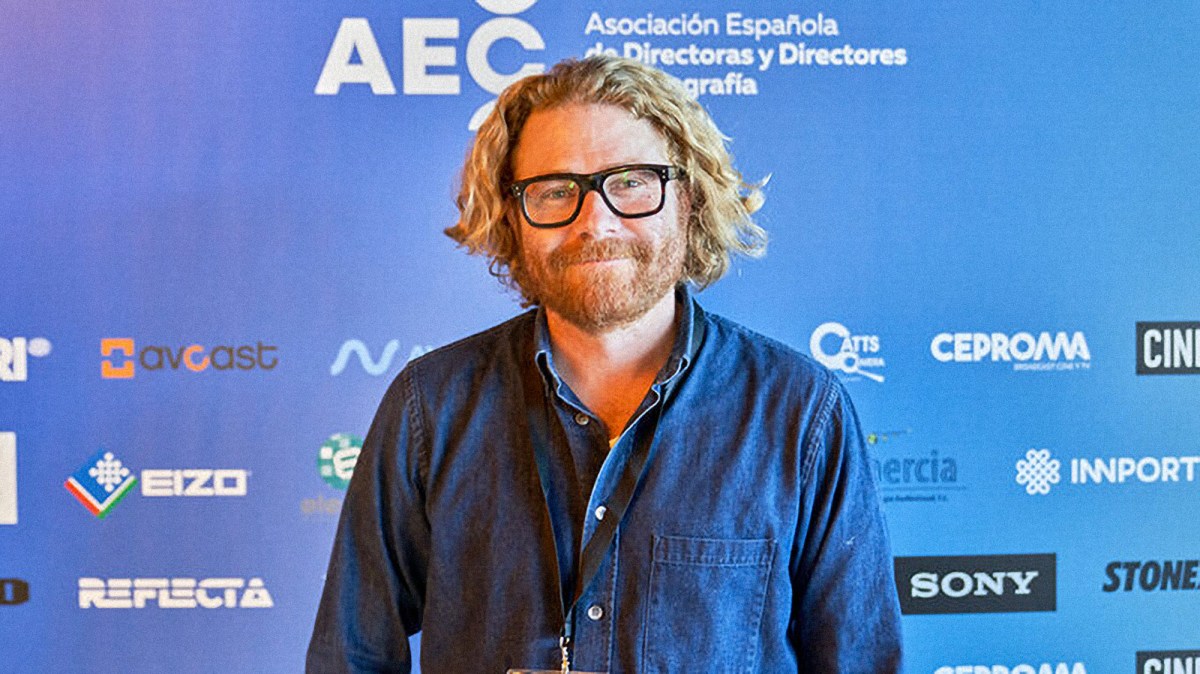
Entrevistamos a Erik Messerschmidt, director de fotografía estadounidense, en el marco del evento MicroSalón AEC, con sede en Madrid. Messerschmidt es habitual colaborador del cineasta David Fincher y obtuvo un premio Óscar a la mejor fotografía por Mank.
Me gustaría preguntarte si consideras que el cine proviene de la fotografía, si te parece que el cine proporciona movimiento a las fotografías o si proviene de una transformación técnica más compleja.
Es una gran pregunta. Creo que el cine es storytelling extendido en el tiempo. Es esculpir en el tiempo, como decía Tarkovski. La fotografía tiene que ver con la historia de un momento singular. El cine manipula y hace progresar el tiempo. Tiene más en común con la literatura y los sueños que con la fotografía.
Award-winning director of photography Erik Messerschmidt, ASC has a natural eye for arresting and spellbinding images, thriving in a role that allows him to combine his love of art, craft and science. Recently, he lensed Devotion for director J.D. Dillard, based on the real-life story of a Black naval officer who befriends a white naval officer during the Korean War, with both becoming heroes for their selfless acts of bravery.
He also finished shooting Michael Mann’s biographical film Ferrari, starring Adam Driver, Shailene Woodley, and Penélope Cruz, and David Fincher’s The Killer, starring Michael Fassbender and Tilda Swinton.
Previously, Messerschmidt shot Fincher’s passion project Mank, chronicling the screenwriter Herman Mankiewicz’s turbulent journey to write Citizen Kane alongside Orson Welles. Messerschmidt’s meticulous and striking black and white recreation of the period’s aesthetic earned him the Academy Award for Best Cinematography, an ASC Award for Outstanding Cinematography in a Feature Film, a BSC Award for Best Cinematography in a Theatrical Feature Release, a BAFTA Award nomination for Best Cinematography, as well as Best Cinematography award nominations from the San Francisco Bay Area Film Critics Circle, the Broadcast Film Critics Association Critics Choice, and the Alliance of Women Film Journalists.
In addition, Messerschmidt co-lensed several episodes of the HBO Max original series Raised by Wolves from producer Ridley Scott. He also shot the first and second seasons of Fincher’s hit thriller series Mindhunter for Netflix, earning a 2020 Emmy Award nomination for Outstanding Cinematography for a Single-Camera Series (one-hour) for episode 206.
With a background in the fine arts world, Messerschmidt honed his skills while working with such renowned cinematographers such as Dariusz Wolski, ASC, Jeff Cronenweth, ASC, Phedon Papamichael, ASC, Claudio Miranda, ASC, and Greig Fraser, ASC. Messerschmidt now lives in Los Angeles and is a member of IATSE Local 600. He is represented by DDA.




 The Fincher Analyst