The cinematographer of David Fincher’s hit Netflix series, Mindhunter, Erik Messerschmidt ASC takes us behind the scenes the show.
Erik and Go Creative Show host, Ben Consoli, discuss how he created the distinct look of Mindhunter, why David Fincher shoots so many takes, mastering good camera movement, how Erik preps for shoots, and more!
What you will learn in this episode:
Importance of film school and on-set experience (02:22)
What Erik is watching during COVID-19 (12:08)
Visual approach to MINDHUNTER (15:48)
Mastering good camera movement (20:08)
Camera and lens package (22:22)
Why David Fincher shoots so many takes (27:28)
Compositing multiple takes together (42:05)
Approach to lighting (44:57)
Shot diagrams and storyboarding (54:18)
Lighting the prison scenes (01:01:59)
Exposing for dark cinematography (01:04:25)
Color theory and how it affects the audience (01:05:21)
Mike Bauman & Paul Royalty April 24, 2020 LiteGear
Welcome to LiteGear Live, our community outreach portal where we host panel discussions, educate, and discuss all things related to Set Lighting. Join us for weekly conversations with Cinematographers, Gaffers, Rigging Gaffers, Fixtures Technicians, Programmers, and many more. We’ll be sharing behind-the-scenes photographs, production stills, and clips, all while chatting in real-time with the filmmakers who made it happen.
Our second edition of LiteGear Live presents a conversation with Cinematographer Erik Messerschmidt, Chief Lighting Technician Danny Gonzalez, and Rigging Gaffer Bobby Dechellis, discussing their most recent work on the popular Netflix series Mindhunter.
Hosted by Co-Founder of LiteGear Mike Bauman and Vice President of Sales at LiteGear, Paul Royalty, they delve into a wide range of questions for each guest intended to dig deep into the style choices and challenges faced on the show. The group also shares some behind-the-scenes photographs, production stills, and clips from Mindhunter.
Watch Mindhunter exclusively on Netflix.
Thank you to Netflix for allowing the use of Mindhunter stills and clips.
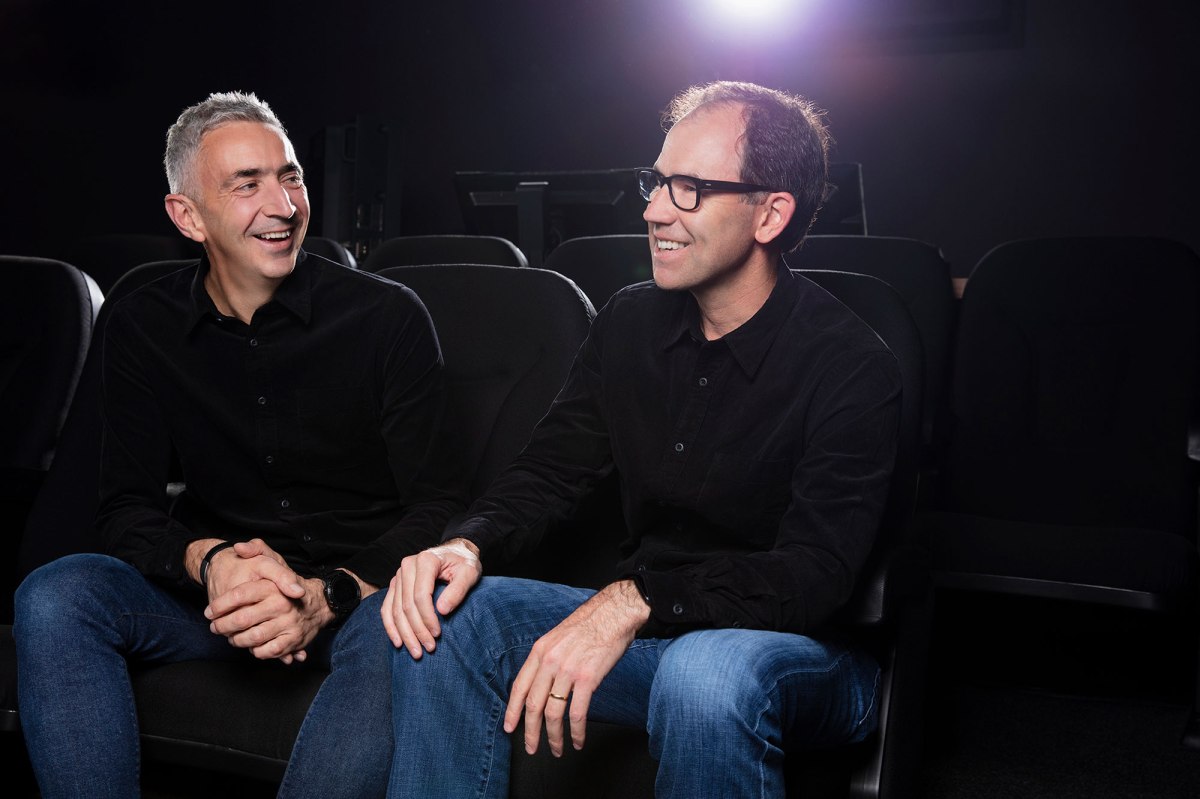
We took the opportunity to sit down with the founders of PIX and CODEX, Eric Dachs and Marc Dando, to learn more about why PIX acquired CODEX and what the future holds for X2X.
“I was fortunate enough to meet David Fincher on Panic Room in 2001 when I was working as a sound editor and the relationship I developed with him and his No. 13 production company has carried through until today with Mindhunter. He’s someone I can bounce ideas off and he’s constantly challenging us. For the second season of Mindhunter he asked to design a real-time telestration solution that would enable him to communicate the thoughts and ideas he came up with during production via annotations attached to the image captured by the camera. We came up with PIX RT it immediately creates clips of the take and presents this clip to the director and certain other approved crew members via a tablet, so he or she can make annotations and notes on the image. This media, metadata and the notes are then securely synchronized with the PIX cloud to all the approved members of the production who can review them. And of course, it is completely secure and integrated with all of our other services. And now we’re working with the CODEX team on the next evolution of these tools.”
Marc Dando:
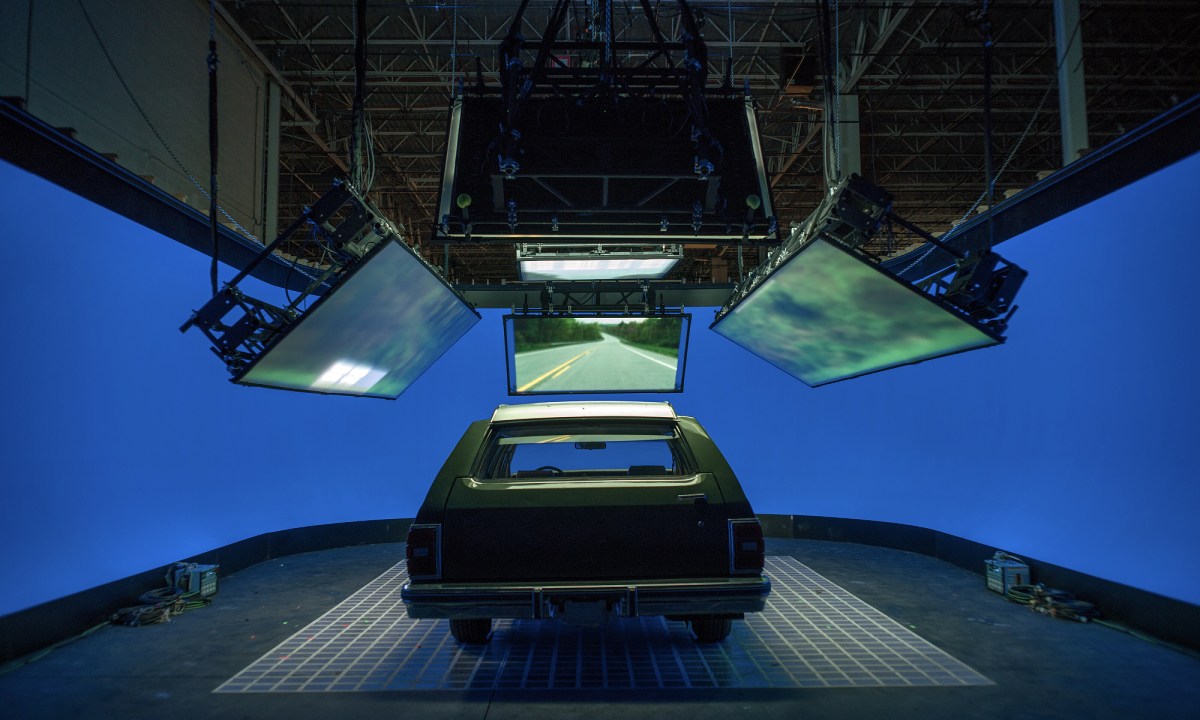
“Sometimes it takes working with the most demanding and yet most exceptionally talented people to push you to design the best products. That’s certainly the case with cinematographers like Bob Richardson and Emmanuel “Chivo” Lubezki. On Gravity we worked with Chivo and his crew along with our services company to design an efficient, color critical, ARRIRAW workflow that would support this complex, multi-camera shoot which involved “The Cage”. The Cage was a lightbox consisting of 196 2’x2′ LED panels which simulated the light coming from stars and the sun and reflected light from Earth, but could also project images of Earth, distant stars, or, images of Sandra Bullock‘s child character, as the actor was suspended within. It was ground-breaking. And funnily enough, I recall that Chivo talked to David Fincher before the shoot and he thought that it was a couple of years too early to pull it off. Projects like Gravity inspire us to push the boundaries of what is possible.”
Read the full interview (part one) on the X2X magazine app (App Store & Google Play). You’ll find interviews and Q&A’s with some of the world’s leading DITs, directors, and cinematographers. Best of all, it’s free!
Erik Messerschmidt, ASC had a childhood dream of becoming a cinematographer, which he began pursuing at Emerson College, where he studied film production. While in school, he hit the ground running, working on film sets as an electrician, which then led to work as a gaffer in features, television and commercials. Before he graduated, he was able to join the IATSE Local 481 in Boston. During this time, he also served as a lighting technician and lighting director for many well-known photographers, including Gregory Crewdson, Mike and Doug Starn and Larry Sulton.
Following graduation, Messerschmidt relocated to Los Angeles to further his career in the industry. Shortly thereafter, he met Mark Doering-Powell, ASC and Mark Weingartner, ASC, who served as early mentors. Doering-Powell hired Messerschmidt on several smaller feature projects as a grip and later gaffer, which allowed him to join Local 728 as a gaffer. He developed relationships with numerous ASC members, including Claudio Miranda, Jeff Cronenweth and Tami Reiker, who Messerschmidt calls his “closest mentors.”
Gordon Lonsdale, ASC hired Messerschmidt as his gaffer on the television series Bones, and the two worked together for six seasons. During this time, Messerschmidt also gained experience as a director of photography, shooting several commercials, short films and documentaries.
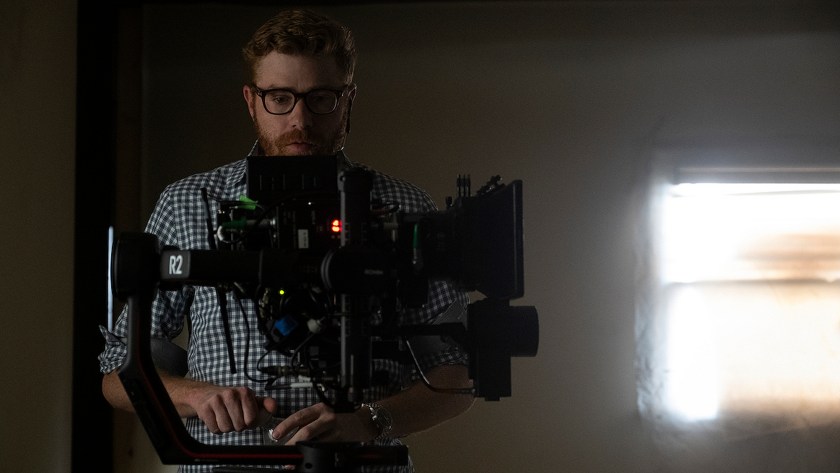
Erik Messerschmidt, ASC on the set of the Netflix series Mindhunter.
Cronenweth hired Messerschmidt as his gaffer on David Fincher’s Gone Girl, and subsequently encouraged the director to hire Messerschmidt to photograph his next project, the Netflix series Mindhunter. Since then, the cinematographer has shot the bulk of episodes on both seasons. (See story here.)
Messerschmidt has also photographed several episodes of the television series Legion as well as second-unit work on the feature Sicario: Day of the Soldado, shot by Dariusz Wolski, ASC. On the recommendation of Wolski, Messerschmidt was hired to photograph the HBO Max series Raised by Wolves.
His upcoming credits include Fincher’s latest feature, Mank, depicting the life of screenwriter Herman J. Mankiewicz and the writing of the script to Citizen Kane.
Some might consider high-dynamic-range (HDR) displays a technology of the future, but the reality is it’s here now and very much a contemporary delivery format. At the forefront of this delivery is Netflix, the streaming and production giant, which reports that roughly a quarter of the devices used to access its service monthly — more than 165 million — are configured for HDR. As a result, Netflix is making a concerted effort to provide HDR content and currently has more than 1,000 hours of such programming available.
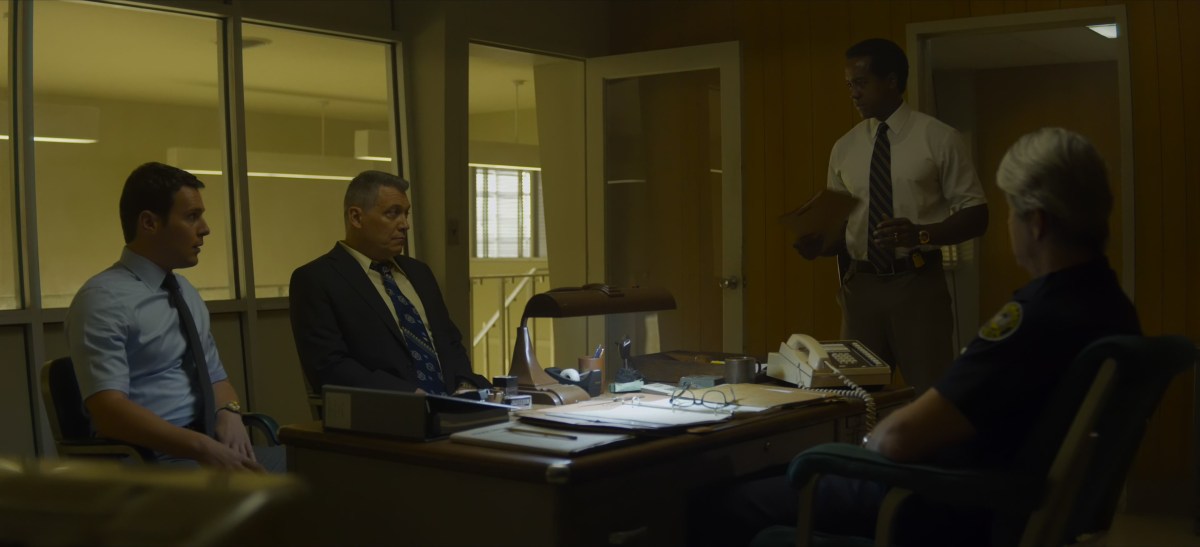
One of these titles is David Fincher’s gritty, period procedural Mindhunter, which earned Christopher Probst, ASC an ASC Award nomination for its pilot in 2017. The series is photographed by Erik Messerschmidt, who notes that production incorporated HDR into the second season. “With Mindhunter, we try to be very subtle with the photography,” says Messerschmidt. “The story and themes of the show are complex and nuanced, so it’s really important that the photography never draws attention to itself. HDR helps because it enables me to be very subtle in my use of color and contrast, particularly in the toe of the exposure. Everyone likes to talk about the bright whites in HDR, but I think perhaps the added range in the shadows is more interesting and more important than added range in the highlights.
“I think cinematographers have always advocated for a better experience for the audience, whether it’s fast film stocks with tighter grain, better projection technology, or higher quality digital-capture and display technologies,” he continues. “HDR is just another step in that direction. Standard-dynamic-range video distribution can only show a narrow exposure band of the modern digital sensor’s dynamic range. The opportunity to use more of the sensor’s range when we want to is a very exciting development.”
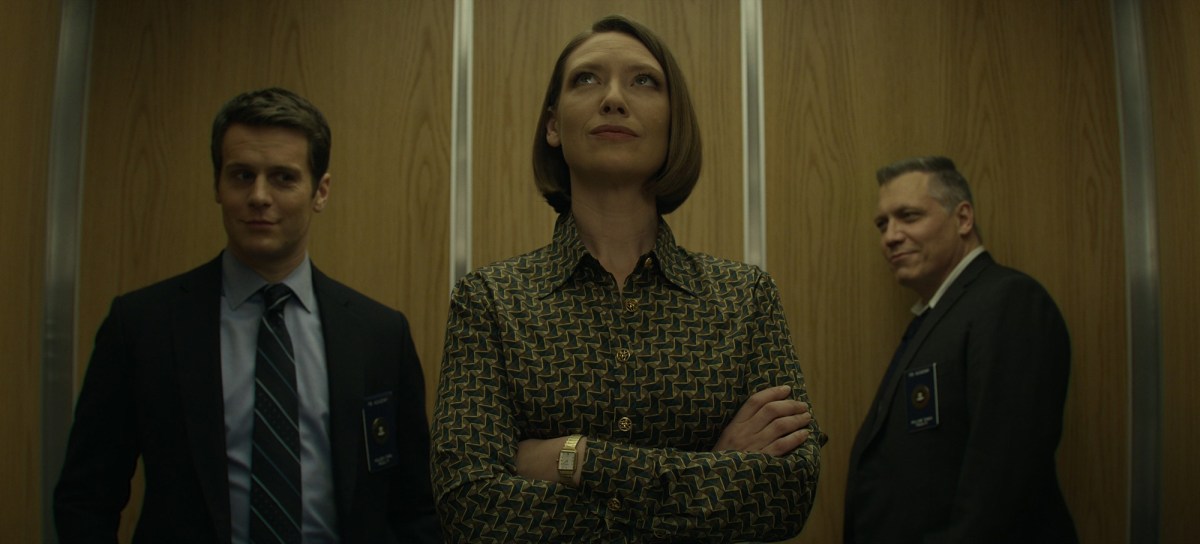
Mindhunter is not like other crime shows. In this video essay, Thomas Flight explores some of the inventive techniques creators Joe Penhall and David Fincher employ to inject drama and conflict into the show.
This is a detailed analysis of the ways in which Mindhunter pulls the audience into the lives of its characters as they explore the minds of some of the worst criminals on earth.
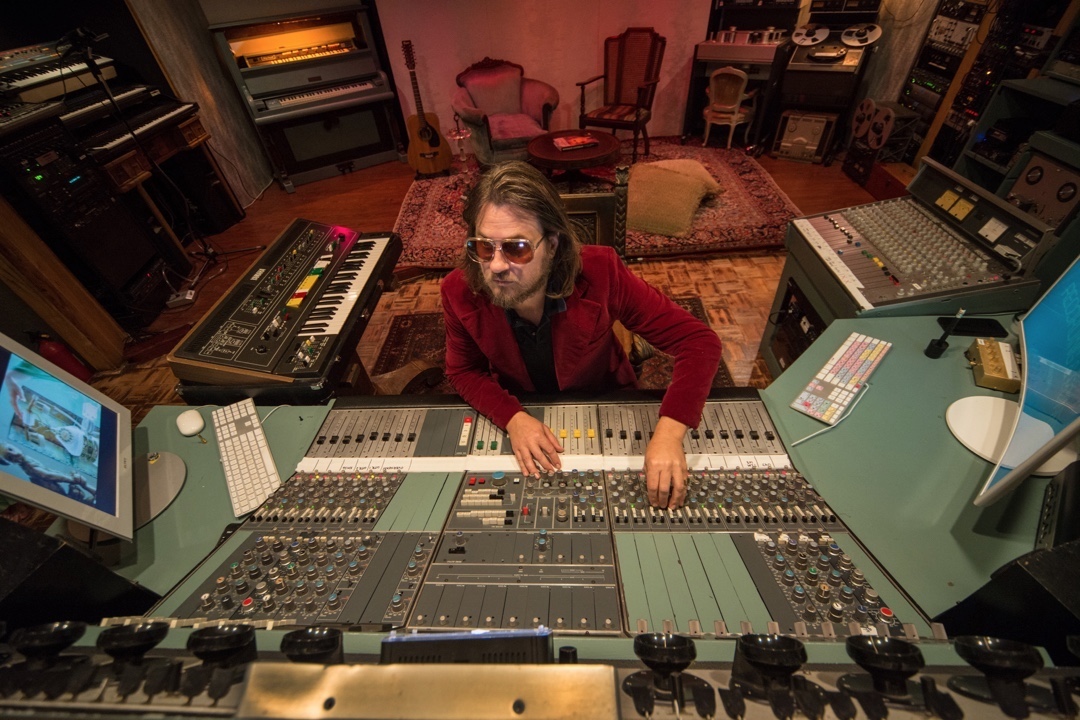
Jason Hill is the hypnotic composer, producer, recording artist, songwriter, and multi-instrumentalist, admired for his arcane musical stylings and idiosyncratic approach. He is the frontman and thought leader of controversial post-punk band, Louis XIV, member of alternative supergroup, Vicky Cryer, and founder of The Department of Recording and Power, a voluminous vintage studio in Glendale, California. A contrarian musical nomad, Jason has thrived in myriad roles within the music business, working with David Bowie, The Killers, Robbie Williams, New York Dolls, Jet, Sky Ferreira, Macy Gray, The Virgins, Richard Butler of The Psychedelic Furs, and many others. After being tapped to fulfill the official trailer and teaser for Gone Girl, legendary director, David Fincher invited Jason to conjure a musical macrocosm for Netflix’s gripping criminal psychology thriller series, Mindhunter. Over two critically acclaimed seasons, Jason’s score negotiates the liminal space between masks of normalcy and unbridled savagery, masterfully evoking unseen traumas. In our sprawling discussion, Jason details his lifelong rejection of sonic mores and how he made Netflix history with his haunting re-imagining of the Mindhunter theme for the season two finale.
Before becoming a composer for media, you explored many artistic avenues in the music industry — Louis XIV, Vicky Cryer, and beyond. Could you describe some of your most fulfilling pursuits before you changed your professional trajectory? What are the advantages of having a strong pre-existing relationship to storytelling through music?
Well, it’s an interesting thought about the storytelling aspect. With songwriting, you’re trying to tell these mini stories, but I’ve had many, many fulfilling artistic projects. Louis XIV, I absolutely loved doing, and in fact, for the first time in 10 years, we’re in the middle of making another record. We’ve got a few songs so far, and it’s fun to come back around to it after we went pretty hard, toured the world, and made records. “The Best Little Secrets are Kept” is one of the records I’m very, very proud of. I just loved making it.
Looking back, I lived in this little, tiny…it wasn’t even an apartment, and it overlooked a Shell gas station. It didn’t have a shower or anything. I would literally connect a hose to the faucet and drag it out on the balcony that overlooked the gas station. In the middle of the night, I would hose myself to take a shower unless I was staying at girlfriends’ houses. I had a futon in the corner, but the rest of the place was just my recording gear. I was broke, but I was happy to be making music. That’s where all the Louis XIV material came about. It was essentially from those late nights, and that was a really great experience.
I’ve actually had so many great experiences related to music. There were times when me and my past bandmates moved to a place called Jamul up in the mountains, about an hour outside of downtown San Diego. We lived in this old adobe house on forty-six acres that an artist built. That was one of the places where we learned to sing harmonies and write together. That was also where I really learned how to record. We just had reel-to-reels, and I figured out how to do it. I’ve always lived in pursuit of trying to figure out how to do things by myself. If I signed a record deal, instead of giving another producer a bunch of money in the studio to make a record, it was like, “No. Let’s just buy a bunch of gear ourselves, and now, we can make records for the rest of our lives.” That’s why I have the arsenal of stuff I have to this day.
There are so many incarnations of my life in music, starting from the moment I first fell in love with it. I remember as a little kid; I was actually plagued by these things in my head, which later I learned were melodies. It would drive me nuts. To be honest with you, as a nine-year-old kid, I would have all these tiny, weird symphonies playing in my mind, but I didn’t know what they were until I started figuring out what music really was. Of course, I knew what music “was,” and I even wrote a song around age five, but at that point, I didn’t know how to make these melodies I was hearing come to life. It was like, “How do I get this out of my head and into the cosmos? How do I play it on a guitar or a piano?”. Oh god, it was so tough. That was a thing like, “I gotta figure this out because otherwise, it’s going to kill me.”
I think it’s always been a pursuit of the fog. It’s like a foggy mirror after a hot shower. Little by little, the fog comes clear, and you are able to see your reflection. That’s what music has been, for me, for my entire life, and now, I just have a lot more control over it. That said, it’s still this elusive thing, and I love that elusive thing. I love the feeling of not knowing, so I still dance in that realm.
The Glass Armonica, invented by Benjamin Franklin.
Taking place in the late ’70s through the early ’80s, Mindhunter charts the origin of the FBI’s Behavioral Science Unit and the practice of criminal profiling. Together, agents, Holden Ford and Bill Tench, alongside psychologist, Wendy Carr interview and analyze incarcerated serial killers across the nation, applying this groundbreaking knowledge to solve cases. In your collaboration with David Fincher, what concepts and musical references does he bring to the table, and how does that inform your approach?
[David Fincher] is so articulate. He’s a brilliant man. I can’t stress that enough, really. He gives you these prompts, but they’re rarely specific. Nowhere in there is he saying, “Do this,” or “Make this piece exactly like this.” He just gives you these open-ended questions.
This time around, one of his prompts was ‘the death of disco’ and what that sounded like. It was a very interesting thing to consider when you think of our score and where it ended up. How does finding out what the death of disco sounds like translate to season two of Mindhunter? I still don’t know, but it led me in a place of trying to figure it out, which was a bit of a mind fuck.
Pelayo de las Heras Álvarez Septiembre 2, 2019 Mondo Sonoro
Jason Hill fue miembro de los relativamente efímeros Louis XIV, ahora volvemos a tenerle por aquí en una faceta bien distinta. Suya es la banda sonora original de la serie televisiva de Netflix “Mindhunter“. Aprovechamos el estreno de su segunda temporada para charlar con él.
Es la década de 1970 y los coches, brillantes y alargados, recorren las ciudades de Estados Unidos bajo la macilenta luz de las farolas. Jimmy Carter es presidente, J. Edgar Hoover lleva muerto varios años y la guerra fría sigue en marcha. Salir a la calle ya no parece tan seguro como lo era en la idealizada década de 1950, pero el país vive, entre todas, una particular pesadilla: los asesinatos en serie. El miedo al otro se instala en la sociedad norteamericana. ¿Conseguirá el FBI modernizarse a tiempo de una forma adecuada y eficaz? Sigamos la serie para descubrirlo. Una serie, por cierto, que destaca entre los thrillers televisivos actuales. Y uno de los motivos es por la atractiva banda sonora de Jason Hill, vocalista y guitarrista de Louis XIV, una banda que publicó tres álbumes en cuatro años durante la década pasada.
La banda sonora original de “Mindhunter” parece siempre sutil, delicada. Es como en la introducción de la serie, con la pieza de los créditos, en la que la subversión se esconde detrás de esa música y la perfección y cuidado de los agentes manejando la grabadora. Eso debe haber sido difícil de lograr. ¿Cómo fue el proceso creativo?
Era cuestión de encontrarle la voz, de encontrarle color al movimiento. Fue como un enigma. Yo desde el principio comencé a sentirlo como una bruma, una especie de niebla o agua. Era líquido, resbaladizo… pero también era como esa característica ilusoria de los pensamientos, que también es algo de lo que se trata en la serie, especialmente en la primera temporada: las cosas que ocurren y tienen lugar en las mentes de las personas y luego el camino y la acción que toman. Los pensamientos son muy extraños, no puedes tocarlos. Eso sucede muchas veces con la música también. Quería que la música fuera así, cuando no puedes tocarla exactamente, resbalándose entre los dedos.
Entonces, la banda sonora tiene una fuerte carga psicológica.
¡Sí! Por suerte, llevo trabajando con Fincher alrededor de cinco o seis años, y mucho de ese tiempo ha servido para identificar el sonido y la estética de las cosas y los temas [en particular]. Desde entonces ha sido fantástico; más o menos siempre lo encontramos juntos. Con “Mindhunter” he empezado a trabajar desde una fecha bastante temprana, incluso ocho meses antes de ver siquiera una sola imagen. De hecho, empecé desde el momento en que me dijo: ‘¿te apetecería hacer esto?’. Me mandó el guión y lo leí… ¡pero fue difícil! Me considero una persona muy relacionada con todo lo visual y sonoro, pero no es como que al leer el guión se me haya ocurrido la música. Nada de eso. Gran parte del proceso, por tanto, fue para encontrar algo que yo sintiese que era correcto. Cuando vi una imagen, entonces sí, todo adquirió sentido. La “sensación” o esencia que debía transmitir la serie surgió de mí al momento.
Parece que funcionó, porque la música encaja a la perfección con la serie. Había dado por hecho que habías comenzado a partir de las imágenes.
Oh no, no. Hay una canción titulada “The Crime Of The Century” que fue la primera que compuse a partir de una imagen. Fue como: ‘whoah, vale, este es el sonido de la serie (aunque por entonces ya había trabajado largo tiempo en ello). Esa fue la parte en la que sentí que había encontrado lo que buscaba, algo de un aspecto y movimiento acuoso, espeso. Se asemeja a cuando lanzas una piedra en un lago y ésta va formando pequeños círculos o anillos. Así sentía yo esa pieza en relación con la música y con el resto de canciones que estaban por venir. A veces me sentaba al piano y, aunque es difícil de explicar, sentía que la forma en la que estaba tocando era la que se suponía que debía de ser. Es decir, que ese ritmo era el que debía haber en la serie. Extrañamente, a pesar de que desde pequeño siempre creaba canciones, yo nunca entré en el mundo de la música para ser compositor.
Mindhunter is the 4th time David Fincher has examined serial-killers. Far from resorting to tired clichés, with the 2nd season he has again broken new ground.
From the infamous tales of his multi-take shooting style to the sheer technical precision consistently on display in his work, it is apparent that Fincher is methodical in his craft, a director who knows what he wants and sees very little point in doing the job if he is ever willing to settle for less than that.
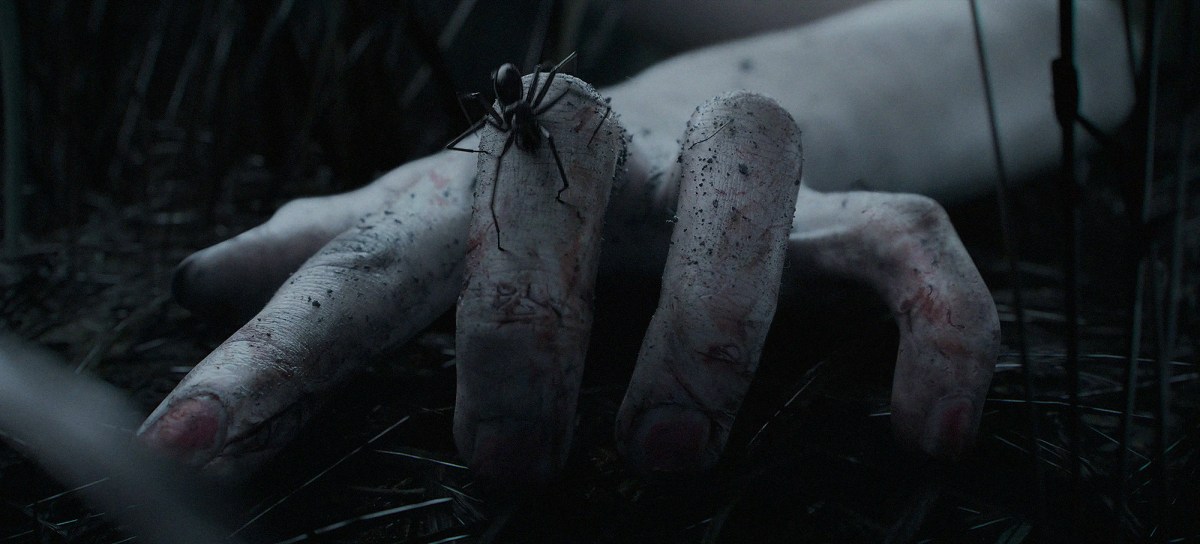
Which is why, in a truly unique way, the opening intro to Fincher’s latest Netflix series, Mindhunter, is essentially a distillation of his entire filmmaking career into a single minute-and-a-half of unnervingly brilliant and precise cinematic craft.
Fincher’s first credit as a filmmaker may have technically been Alien 3, but his career didn’t really begin properly until 1995, with the release of Seven. The tale of a pair of detectives investigating the grisly murders of a serial killer, Seven is in many ways, in hindsight, the perfect introductory statement for Fincher’s body of work as a whole. On the surface, it’s a tightly-woven and meanly constructed narrative about a serial killer and the men trying to catch him. But just beneath the surface (and for our purposes, much more importantly) Fincher is using the narrative as a framework through which to explore themes such as the perverseness of mankind, the lasting wounds of grieving, and obsession.
That last one is important: obsession. Because it’s one he’s come back to again and again, and explored in increasingly interesting ways. Fight Club saw him creating a pop-cultural satire, one that delved deep into the depravity of its time and how the obsessions of a generation essentially derailed the concept of mental stability. Zodiac saw him confronting it in his most direct way yet, showing how Robert Graysmith’s and the nation-at-large’s obsession with the Zodiac murders came to engulf them.
What’s so intriguing about Mindhunter is that it tackles this thematic staple of Fincher’s work in a very similar way, yet it does so without even necessitating a single minute of footage from the series proper.





 The Fincher Analyst