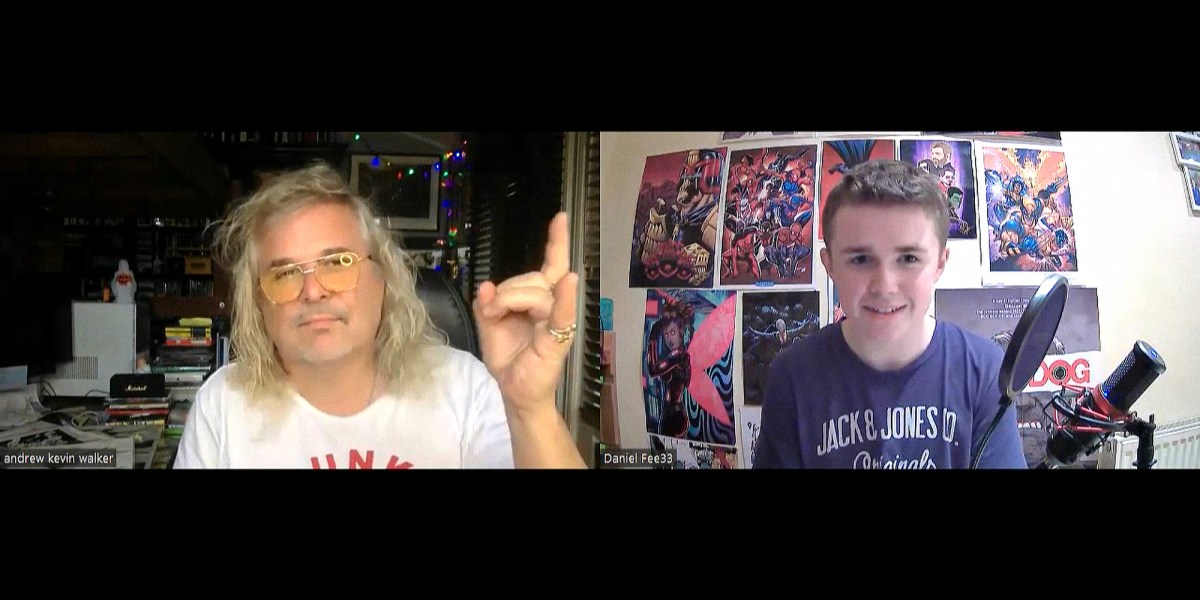
In this video, I’m lucky enough to sit down with Andrew Kevin Walker! Screenwriter behind projects such as SE7EN, the David Fincher directed crime thriller, starring Brad Pitt & Morgan Freeman! Andrew is also the screenwriter behind Brainscan, Nerdland, he co-wrote Windfall, and he also wrote an episode of hit TV Show, Love Death and Robots! It was such an honour to chat with Andy!
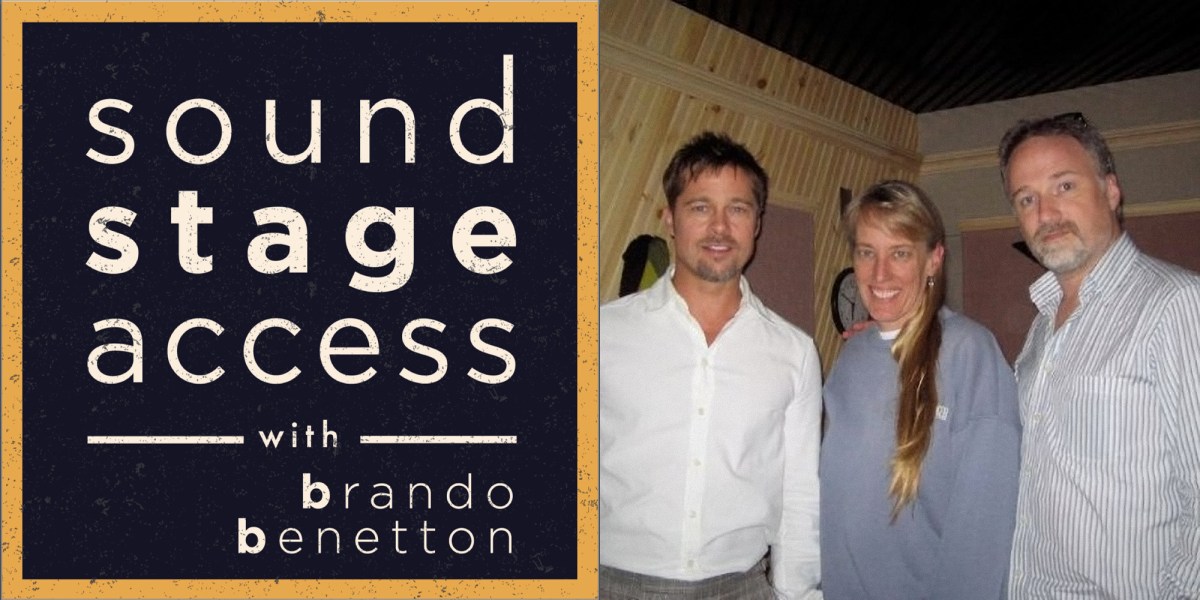
For this masterclass on the Art of Sound in film and TV, we welcome on the show Gwen Yates Whittle, a 2-time Oscar-nominated sound professional whose credits include this summer’s Jurassic World: Dominion, Saving Private Ryan, Top Gun: Maverick and the upcoming Avatar: The Way of the Water.
In today’s conversation, the Skywalker Sound member and I break down some of Hollywood’s biggest sound moments. We discuss Gwen’s beginning in the industry and why the prospect of sound editing intrigued her in ways that sound mixing never did; her relationship with detail-oriented directors like Steven Spielberg, James Cameron, and David Fincher (Fight Club, Panic Room, Zodiac, Benjamin Button, Gone Girl); the process of layering animal sounds to create the dinosaur voices in the Jurassic World franchise—as well as how the pandemic suddenly impacted Gwen’s work. All of this… and much more!
Gwen’s newest movies Jurassic World: Dominion and Top Gun: Maverick are now in theaters across the world, with Avatar: The Way of the Water opening in December 2022.
Editing dialog and working with the original recordings from the set is one of the most under-appreciated arts in cinema sound. In this episode of “Conversations with Sound Artists,” two-time Academy Award nominee Gwen Yates Whittle talks with the Dolby Institute’s Glenn Kiser about why George Lucas thinks dialog editing is one of the most important parts of the process, why she loves working on low-budget independent films (“They talk more,”), and why David Fincher and Meryl Streep love doing ADR.
This show celebrates Ryan’s love for film, games, art and entertainment through personal retrospective analysis that aims to explore what made them so good.
Time stamps:
00:00: The Story & Characters 04:20: The Intense Filmmaking 08:37: The Panic Room Explained 12:27: Ending Spoilers
David Fincher’s Panic Room turns 20 years old this week. The film starring Jodie Foster and Kristen Stewart featured a somewhat memorable troubled production history, partly because the original principal actor Nicole Kidman had to pull out of the project after shooting had began, among other events.
From a visual effects perspective, however, the film is memorable for different reasons. One is the incredible approach taken to extremely long takes inside the main location–a New York brownstone townhouse built on a stage in Redondo Beach–featuring ‘deliberately’ impossible camera moves. These were the result of meticulous previs, motion control and other camera work and a photogrammetry approach to VFX orchestrated by BUF, which had done some similar work on Fincher’s Fight Club.
Another memorable aspect of the film is its unsettling opening titles in which cast and crew names appear as giant lettering framed within New York buildings and locations. The work here was done by Picture Mill and ComputerCafe.
Overseeing those two key visual effects components of Panic Room was visual effects supervisor Kevin Tod Haug, who had also worked with Fincher on Fight Club. He revisits the production in this anniversary chat with befores & afters, looking back at the planning, previs and shoot, and the approach to those impossible camera moves and the unique titles.
Winner, Theatrical Feature: Eric Weidt, for ‘Mank’
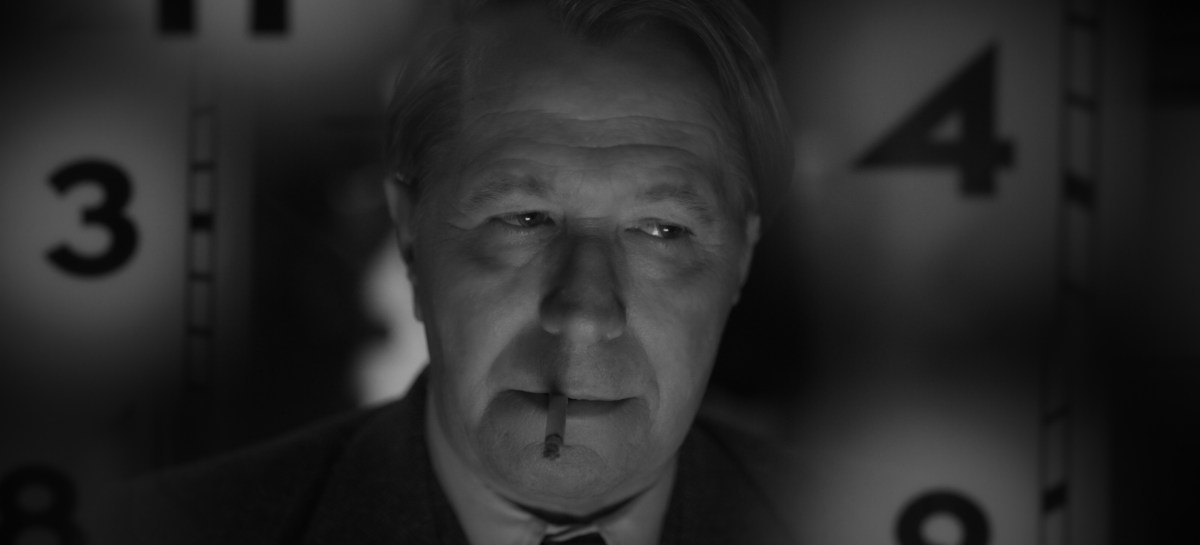
The award for the grading of a theatrical feature went to Eric Weidt, who worked with DoP Erik Messerschmidt on ‘Mank’. Shot on an 8K REDcamera, the movie is striking for its 30s Hollywood look combined with the crystal-sharp resolution.
Weidt also talks about his projects with Fincher for 2022.
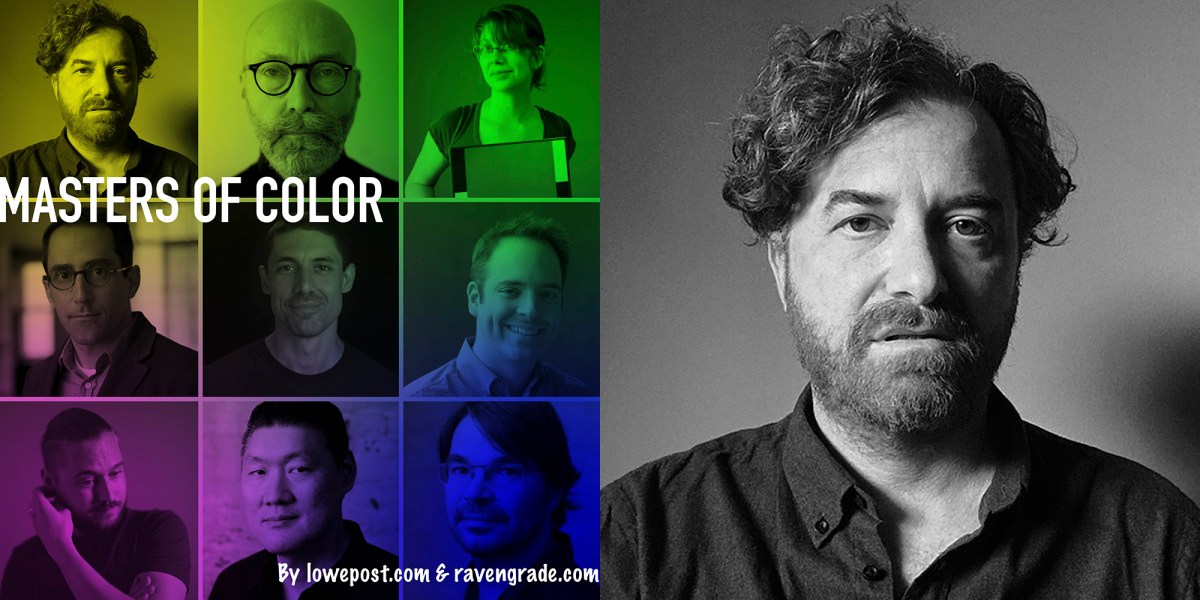
In this episode, we talk with director David Fincher’s favorite colorist Eric Weidt about the art and craft of color grading.
Eric has an incredible list of credits that includes Mank and Mindhunter. His works on these projects extend far beyond traditional tasks of color grading, incorporating complex look modeling and incredibly detailed adjustments on virtually every frame.
The techniques and insights he shares in this episode are unique and includes topics such as how to sculpt the viewers experience with textural and spatial tools, the lens treatment techniques used on Mindhunter, the process and swan curve treatment behind the day-for-night shots on Mank, advanced grain work and so much more.
This episode is sponsored by Pixelview, an industry standard and affordable streaming solution for editors and colorists.
For this very special edition of Bonus Features, Jacob and Marten talk to David Prior, the writer/director behind last year’s criminally underseen horror picture The Empty Man. Over the course of our lengthy chat, David dives into his career as a special features pioneer during the the early days of DVD, and just what happened to his future cult classic at Disney/Fox.
Last October, a horror movie came and went. It wasn’t the first time a Hollywood studio dumped a horror movie in the middle of Halloween; given the ongoing pandemic, few films with a theatrical release could have moved the needle in 2020. But in the case of David Prior’s The Empty Man, this release was just the tip of the iceberg, the near-final act in a first-time filmmaker’s multi-year struggle to bring his vision to the screen.
In this conversation, Prior explains how he went from being David Fincher’s protégé to the director of 2020’s most ambitious — and most abandoned — horror film. We also explore how a perfect storm of production problems and studio politics nearly killed the film, and how a passionate audience has already started to turn The Empty Man into a future cult classic.
From DVDs to David Fincher
History doesn’t repeat itself, but it often rhymes. If The Empty Man survives its troubled production and halfhearted theatrical release to become a household name for genre fans, then perhaps this story will serve as a fitting beginning to Prior’s career as a feature filmmaker. For years, Prior worked as a production documentarian for filmmakers such as David Fincher and Peter Weir, but one of his big breaks came with Antonia Bird’s Ravenous, itself a studio disaster that took years to find a passionate audience.
In the years before Ravenous’s theatrical release, Prior had built relationships in 20th Century Fox’s home video department thanks to his contributions to the isolated score track on the Alien DVD release. So when Prior stumbled across Ravenous in theaters — despite a trailer that he describes as a “piss-poor representation of the movie” — he saw an opportunity to build on those connections and bring some much-deserved love to Bird’s film.
His gamble worked. According to Prior, the special-edition release of Ravenous sold three times its initial projections, forcing 20th Century Fox to rush extra copies of the film into production. With his credentials established, Prior was given his pick of future home video releases, and his decision resulted in one of the most influential relationships of Prior’s professional career. “I said, ‘I don’t know what Fight Club is, but I really want to meet David Fincher, so I’ll do that one. And that led to a relationship with Fincher that goes on to this day.”
Over the next decade, Prior became a powerhouse in behind-the-scenes documentaries, shooting features for such films as Master and Commander, Zodiac, and The Social Network. It proved to be a successful and stable career, just not the one that Prior had in mind when he went to Hollywood. “I remember at the time thinking, ‘This is gonna be something where if I’m not careful, ten, fifteen years of my life is going to go by doing this instead of what I’d rather be doing,’” the director says. So Prior took another gamble, this time using some of his own money to produce the short film that would eventually land him his role with The Empty Man.
“In 40 short minutes, David Prior shows why he is one of the most promising directors I’ve ever seen. People always ask me what to do for a ‘calling card’ in Hollywood. Well do something like this, and try to do it half as well.”
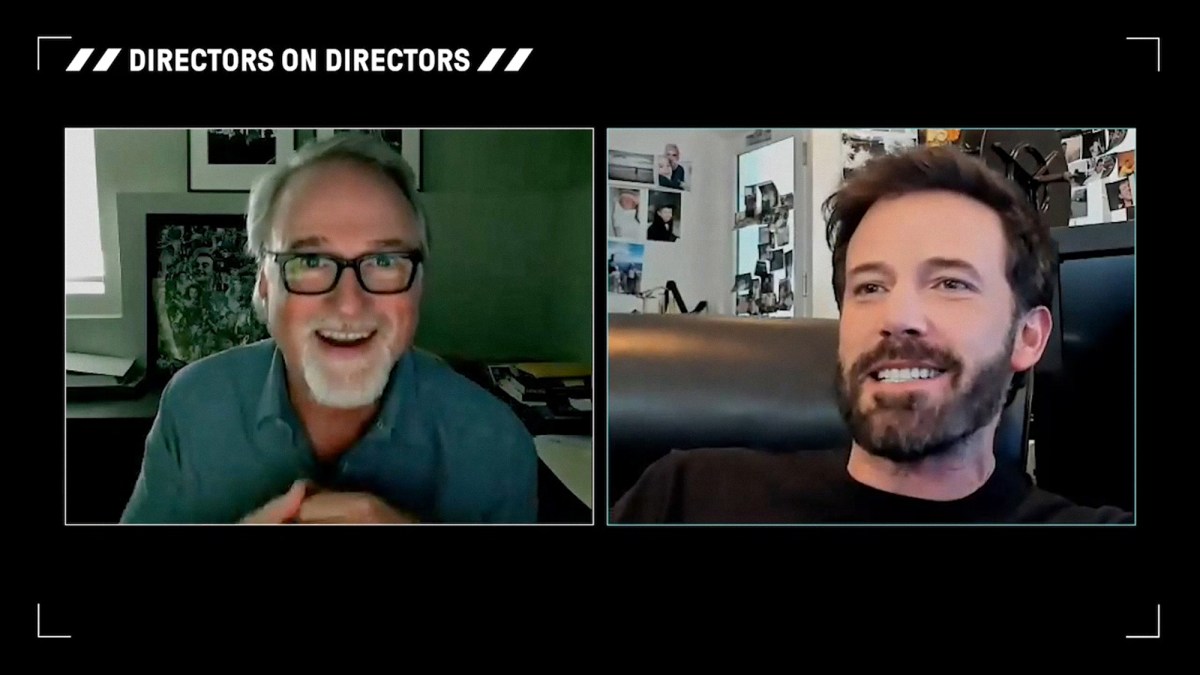
That’s how the actor-director framed his duty of leading a conversation with longtime friend and “Gone Girl” boss David Fincher, the esteemed director whose Netflix film “Mank” has emerged as a top awards contender for 2021.
“This is a real role reversal from having to just be Fincher bitch, having to go over and over again,” Affleck teased the director, alluding to Fincher’s notorious preference for many consecutive takes of the same scene.
Appearing in Variety‘s “Directors on Directors” conversation series, the pair recently held a virtual reunion where Affleck dug into the decades-long process of bringing the story of famed screenwriter Herman J. Mankiewicz to screen.
In perhaps the broadest conversation Fincher has had about the film’s themes, Affleck gets to the heart of the original script from the director’s father, the value of creative credit at the dawn of Hollywood’s golden age, and the rare glimmer of heart and hope in a David Fincher film.




 The Fincher Analyst