It’s been a good two years for Rooney Mara. The Oscar nominee has received strong reviews for her back-to-back appearances in Guillermo del Toro’s “Nightmare Alley” and Sarah Polley’s “Women Talking,” but those films were preceded by a multi-year hiatus from acting. Fans of the actress have had to make peace with her sporadic work habits, given that she has become famously selective about the roles she’s willing to take.
In a new appearance on the LaunchLeft podcast, Mara explained that her selectivity is partially a result of an unpleasant on-set experience in the late 2000s that almost led her to quit acting.
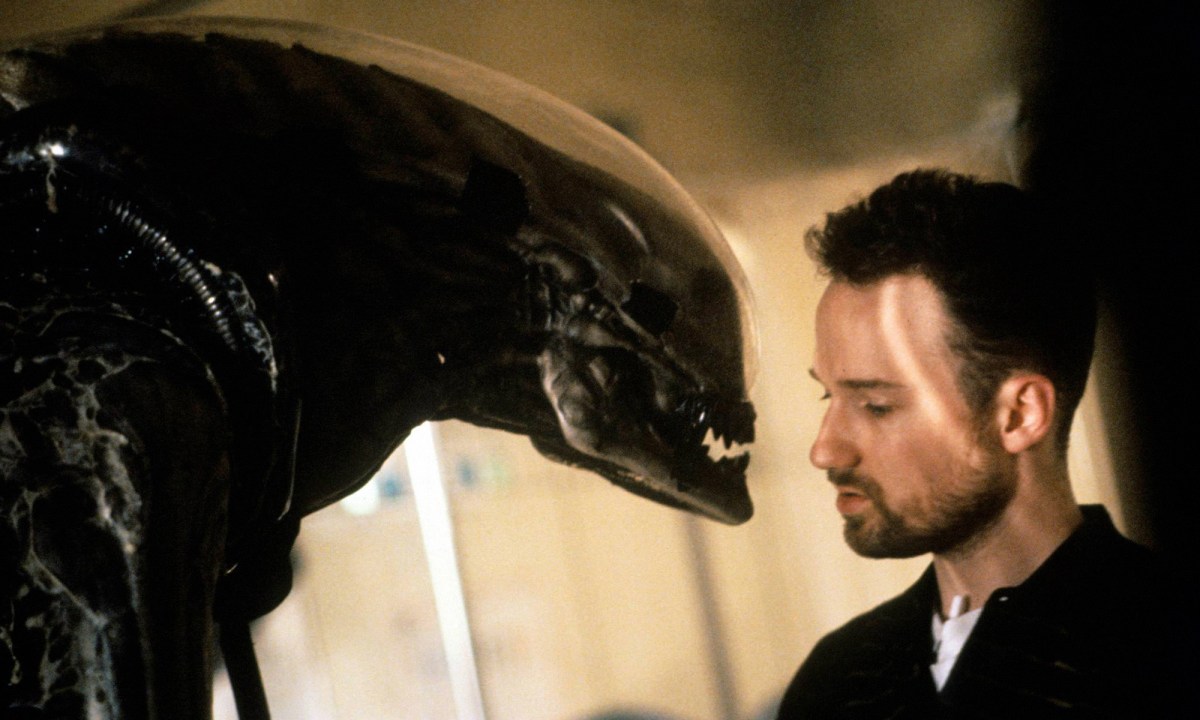
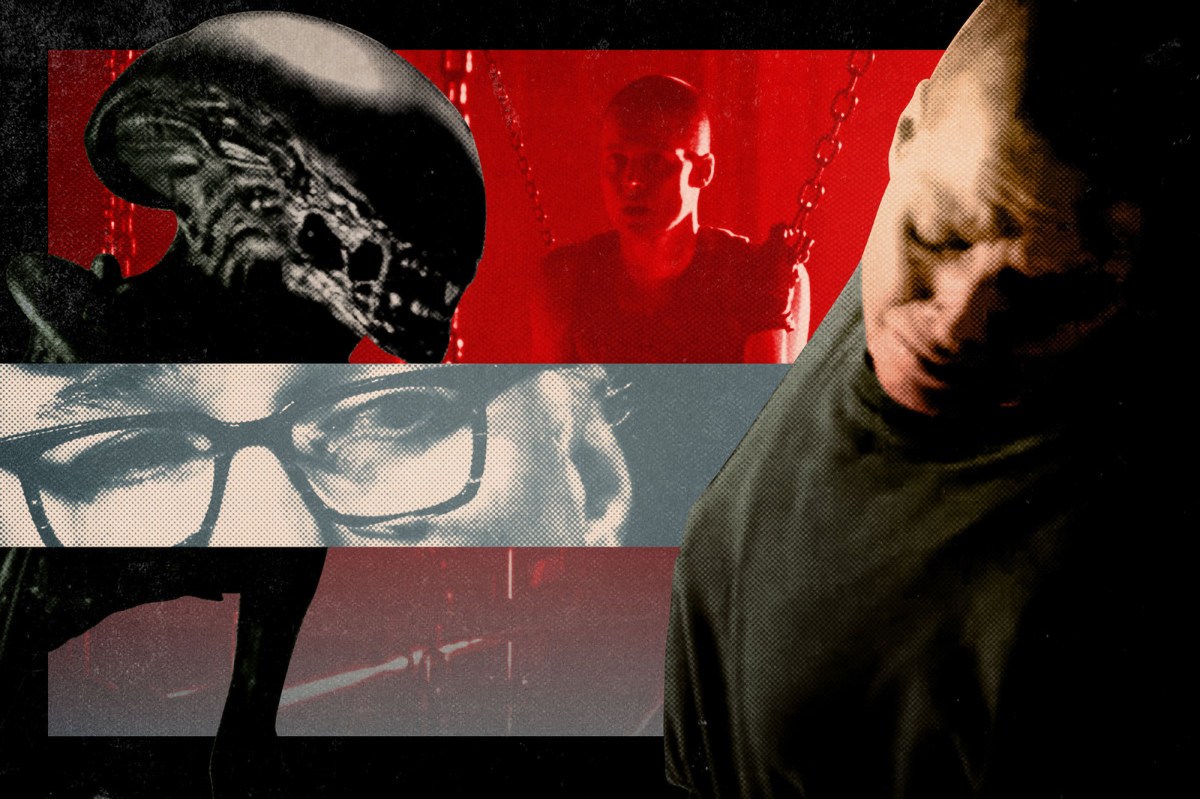
Looking at the differences between the 1992 Theatrical Cut of Alien 3 and the 2003 Assembly Cut Special Edition. It’s almost like two different movies, but which is better?
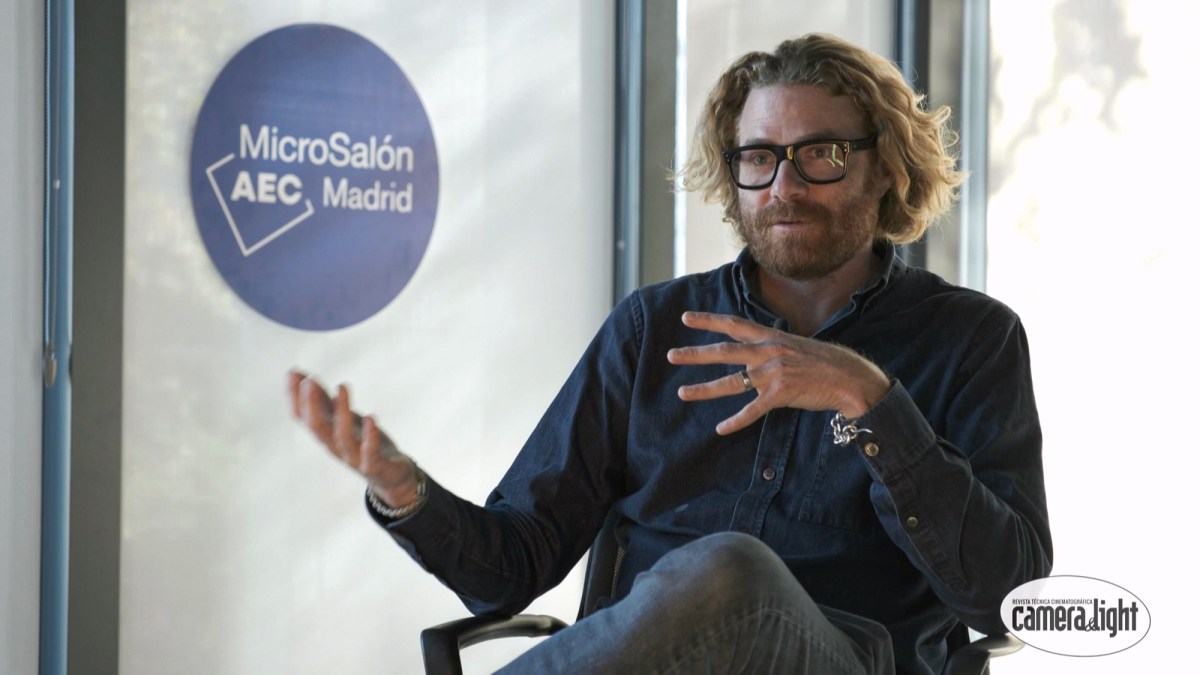
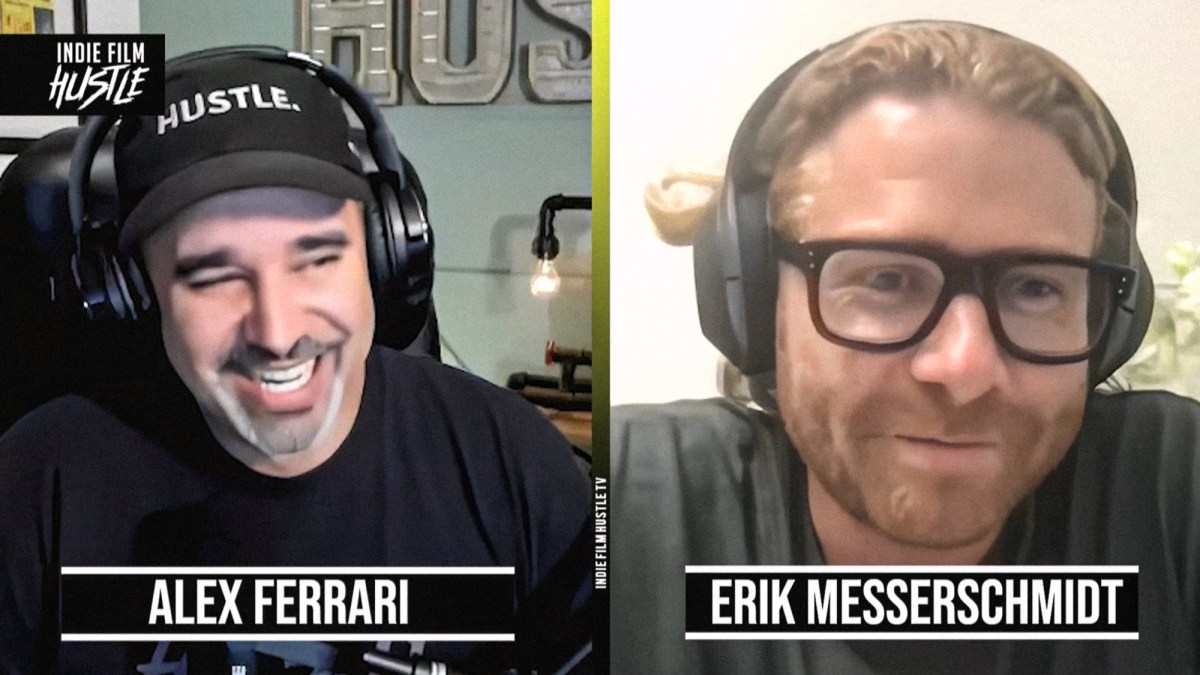
Durante el MicroSalón Madrid 2022 tuvimos la oportunidad de charlar con el invitado especial de la AEC, el director de fotografía Erik Messerschmidt ASC.
Os ofrecemos la conversación que mantuvo con Julio Gómez (al que hemos cortado porque no le pusimos micro) sobre sus trabajos con David Fincher (“Mank“, “Mindhunter“) y también trabajaos recientes en colaboración con Dana Gonzáles, como “Fargo” o “Legión“.
Entrevista filmada y montada por Juan Esparza Cevallos para Camera & Light.
Frame & Reference is a conversation between Cinematographers hosted by Kenny McMillan. Each episode dives into the respective DP’s current and past work, as well as what influences and inspires them. These discussions are an entertaining and informative look into the world of making films through the lens of the people who shoot them.
In this episode, Kenny talks with cinematographer Erik Messerschmidt, ASC, about the new film “Devotion.” Erik has had a very interesting career including work on series such as “Mindhunter”, “Legion”, “Fargo” and as the DP of “Mank” for which he won an Oscar.
Follow the fourth season of Michael Fassbender’s journey to compete at the world’s ultimate motorsport event in this weekly YouTube series.
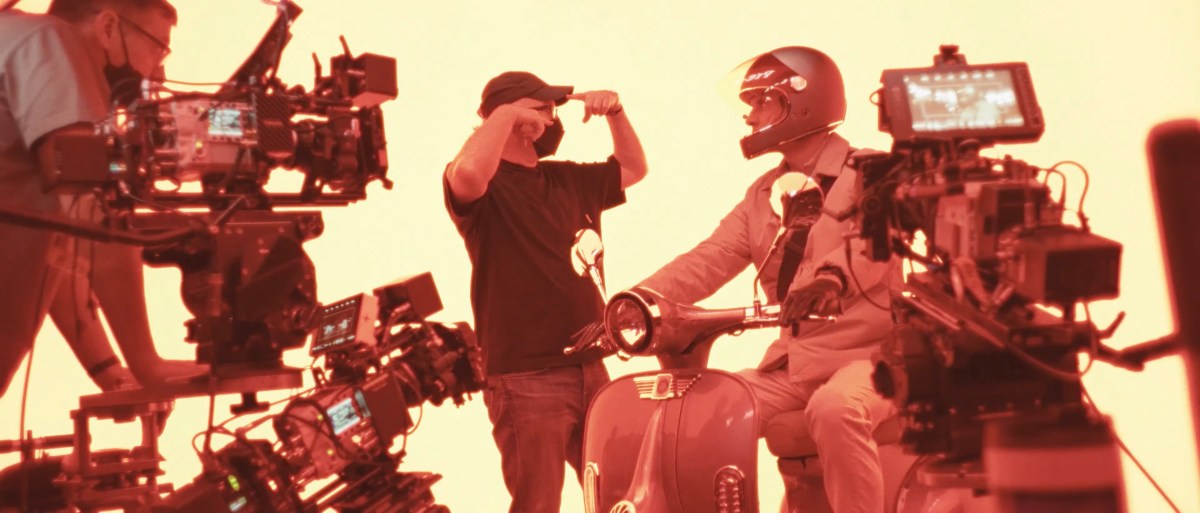
Starting at minute 2:14, there is a three-minute clip of Fassbender shooting car process scenes for The Killer with Fincher and his team on Sound Stage 2 at Triscenic Production Services. Andrew Kevin Walker, the screenwriter of the film, is also visiting.
The actor discusses working on the film during the off-season of his other passion, car racing:
I had the great privilege and honor of working with David Fincher on The Killer. I have the lead role in his film. To have a small window of opportunity to go to work and then to be able to work with one of the best filmmakers out there was just a dream come true.
It felt really good to go back to work. The film that I’ve done before was just before lockdown. But that was 2019, so I was definitely ready to go back to work.
With somebody of David’s caliber, it was a very special opportunity for me: quite a few locations over a five-month period.
What was interesting for me was taking the experience from what we’re doing on track and bringing it on set, especially with somebody like David who films very precisely and everything is dealing in fractions in terms of how you deliver things and movement and exactly how the frame is occupied.
You have to step on and deliver in a period of time. And David is looking for perfection and to do that within a take, however long that take is. It might be 40 seconds. It might be six minutes long, but within that time frame, you’re looking to do everything exactly as it should be.
You’ve taken on board all the notes and there’s plenty of them to digest, but in the moment when you’re trying to deliver those notes, you’re not thinking at all.
It was a real honor. I felt like I learned a lot from him. It was a full-on shoot, very long hours sometimes six-day weeks. So there was literally not enough time for me to get into car and do any training whatsoever.
So we wrapped up the film in L.A., end of March, and I got directly on a flight the next day and then came straight to the track.
Award-winning director of photography Erik Messerschmidt, ASC has a natural eye for arresting and spellbinding images, thriving in a role that allows him to combine his love of art, craft and science. Recently, he lensed Devotion for director J.D. Dillard, based on the real-life story of a Black naval officer who befriends a white naval officer during the Korean War, with both becoming heroes for their selfless acts of bravery.
He also finished shooting Michael Mann’s biographical film Ferrari, starring Adam Driver, Shailene Woodley, and Penélope Cruz, and David Fincher’s The Killer, starring Michael Fassbender and Tilda Swinton.
Previously, Messerschmidt shot Fincher’s passion project Mank, chronicling the screenwriter Herman Mankiewicz’s turbulent journey to write Citizen Kane alongside Orson Welles. Messerschmidt’s meticulous and striking black and white recreation of the period’s aesthetic earned him the Academy Award for Best Cinematography, an ASC Award for Outstanding Cinematography in a Feature Film, a BSC Award for Best Cinematography in a Theatrical Feature Release, a BAFTA Award nomination for Best Cinematography, as well as Best Cinematography award nominations from the San Francisco Bay Area Film Critics Circle, the Broadcast Film Critics Association Critics Choice, and the Alliance of Women Film Journalists.
In addition, Messerschmidt co-lensed several episodes of the HBO Max original series Raised by Wolves from producer Ridley Scott. He also shot the first and second seasons of Fincher’s hit thriller series Mindhunter for Netflix, earning a 2020 Emmy Award nomination for Outstanding Cinematography for a Single-Camera Series (one-hour) for episode 206.
With a background in the fine arts world, Messerschmidt honed his skills while working with such renowned cinematographers such as Dariusz Wolski, ASC, Jeff Cronenweth, ASC, Phedon Papamichael, ASC, Claudio Miranda, ASC, and Greig Fraser, ASC. Messerschmidt now lives in Los Angeles and is a member of IATSE Local 600. He is represented by DDA.
Alien 3 has been a divisive film for 30 years now, garnering many different reactions. Could the film serve as an allegory for the HIV/AIDS crisis of the 1980s?
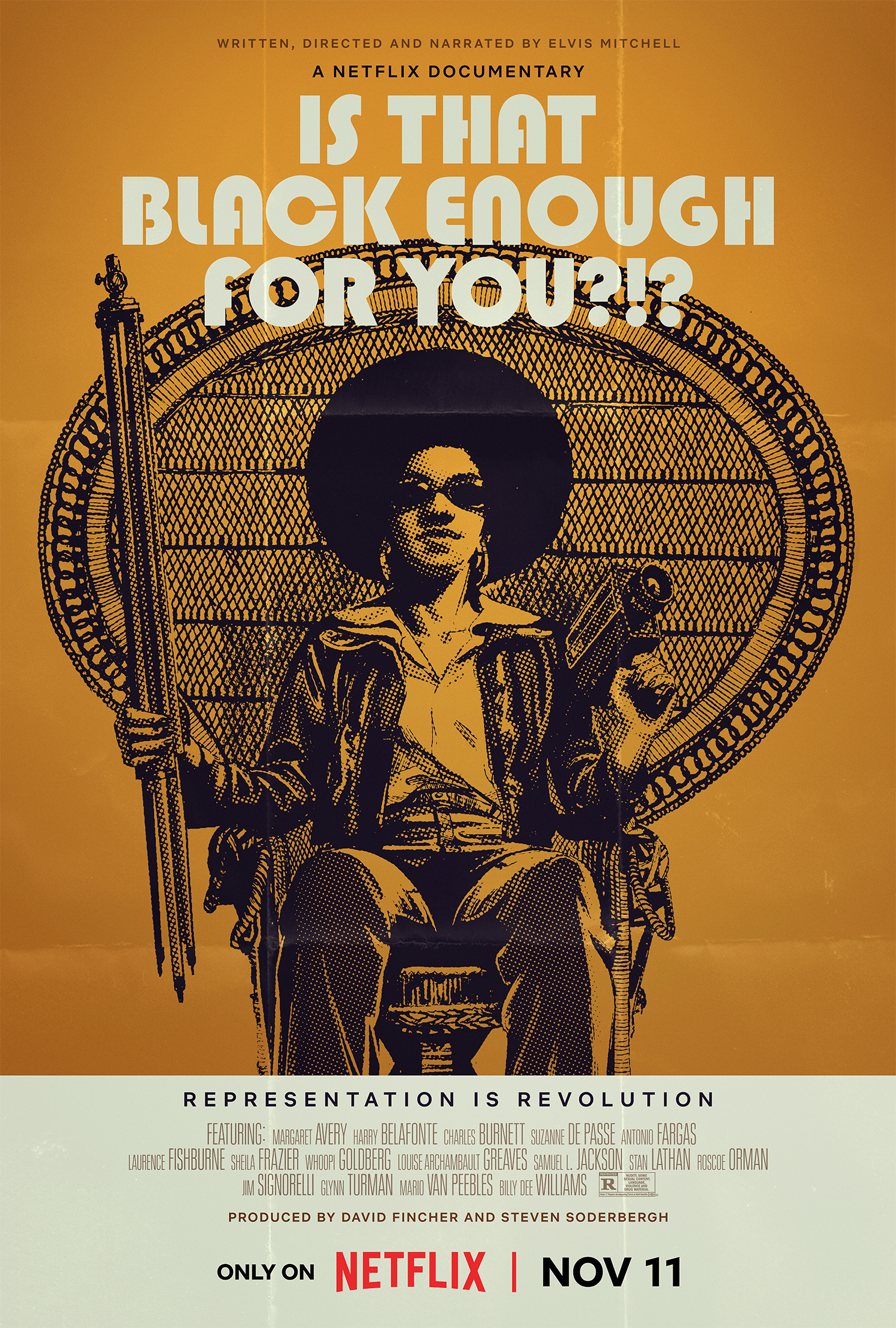
From celebrated writer and film historian Elvis Mitchell, Is That Black Enough for You?!? is both a documentary and a deeply personal essay. The film examines the craft and power of cinema from a perspective often overlooked: the African American contribution to films released from the landmark era of the 70s. It is a deep dive into the impact that point of view had on movies, as well as popular culture, and serves as a love letter to film, posing questions that have never been asked, let alone answered.
Crucial artistic voices, including director Charles Burnett, Samuel L. Jackson, Whoopi Goldberg, Laurence Fishburne, Zendaya and others, offer their distinctive prism on the creators and films that dazzled and inspired. The film provides insight into the history of Black representation going back to the earliest days of cinema, and the cultural impact of witnessing unapologetic Blackness.
Produced by Steven Soderbergh, David Fincher, Angus Wall and Ciara Lacy, Is That Black Enough for You?!? marks Mitchell’s directorial debut.
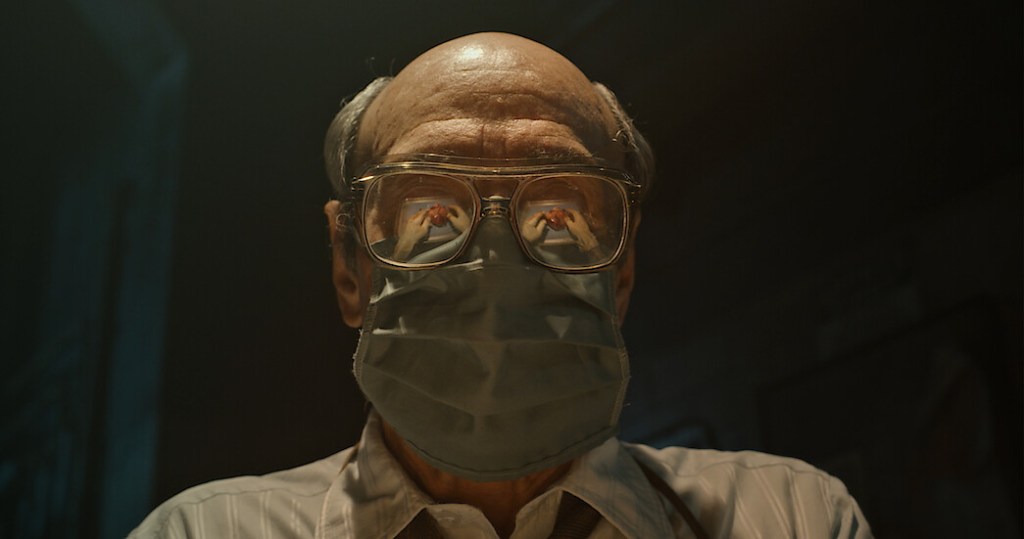
Some bodies are more than meet the eye, as seen in the “The Autopsy” installment of Guillermo del Toro’s Cabinet of Curiosities. Based on Michael Shea‘s short story of the same name, the episode sees a coroner brought in to do the autopsies of several miners who died when one of them set off an explosion with a mysterious object, only to learn of the surprising truth behind him.
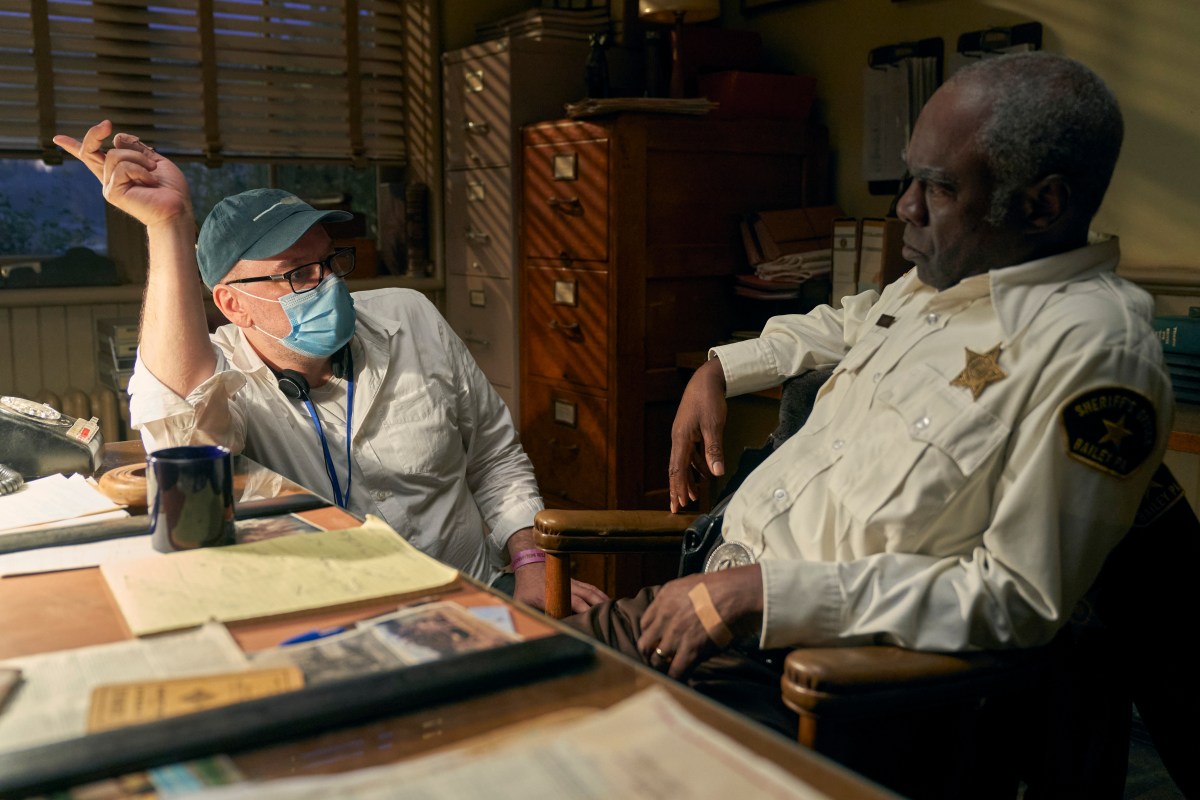
F. Murray Abraham and Luke Roberts lead the cast of “The Autopsy“, which hails from The Empty Man writer-director David Prior. Primarily set in an isolated location, the episode is a chilling game of mental chess as Abraham’s Dr. Carl Winters grapples with the revelation of why the miners died, and how he may be next.
In anticipation of its premiere, Screen Rantspoke exclusively with director David Prior to discuss Guillermo del Toro’s Cabinet of Curiosities, his installment “The Autopsy,” his and del Toro’s shared love of reading, The Empty Man‘s mishandled release, and more.
“The Empty Man” director discusses his masterful entry in Netflix’s “Cabinet of Curiosities” anthology series and its creative debts to Guillermo Del Toro, “The Exorcist,” and H.R. Giger.
[Editor’s Note: The following interview contains spoilers for “Guillermo Del Toro’s Cabinet of Curiosities” Episode 3, “The Autopsy.”]
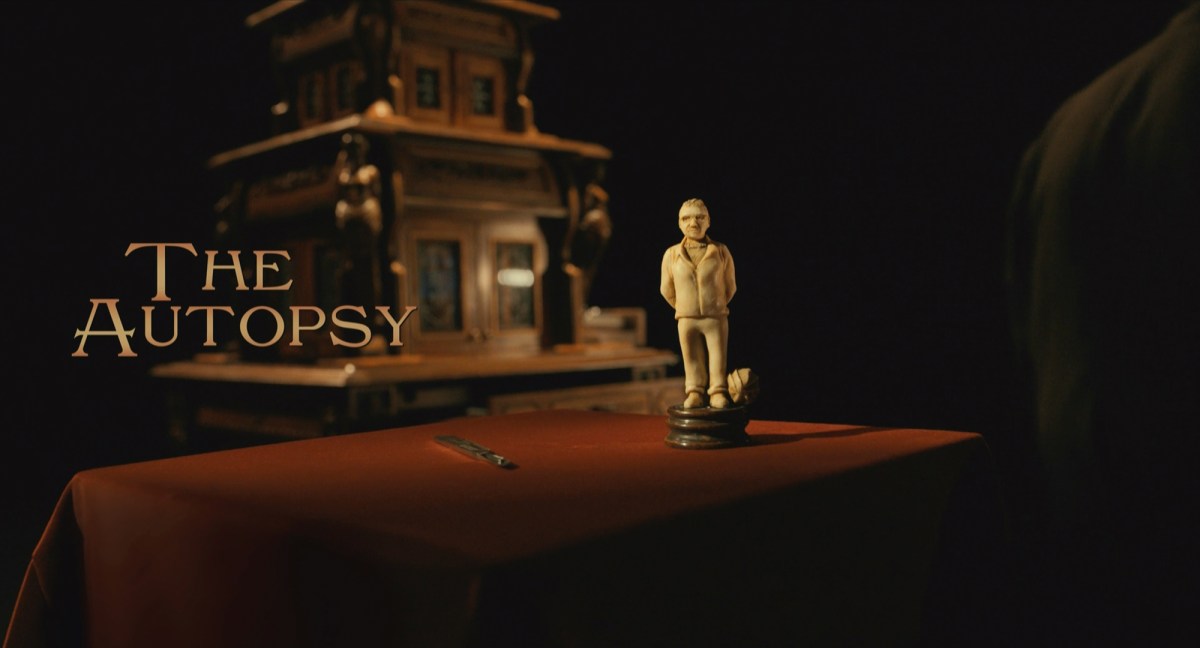
A little while ago, director David Prior got an unexpected gift. A package showed up in the mail. Inside was a tiny figurine of a bearded man.
“I got it in the mail before I even knew what it was. I thought, ‘Oh, that’s nice. A little souvenir. Did Guillermo whittle this himself?’” Prior said. “I assumed it was Dr. Winters when I got it.”
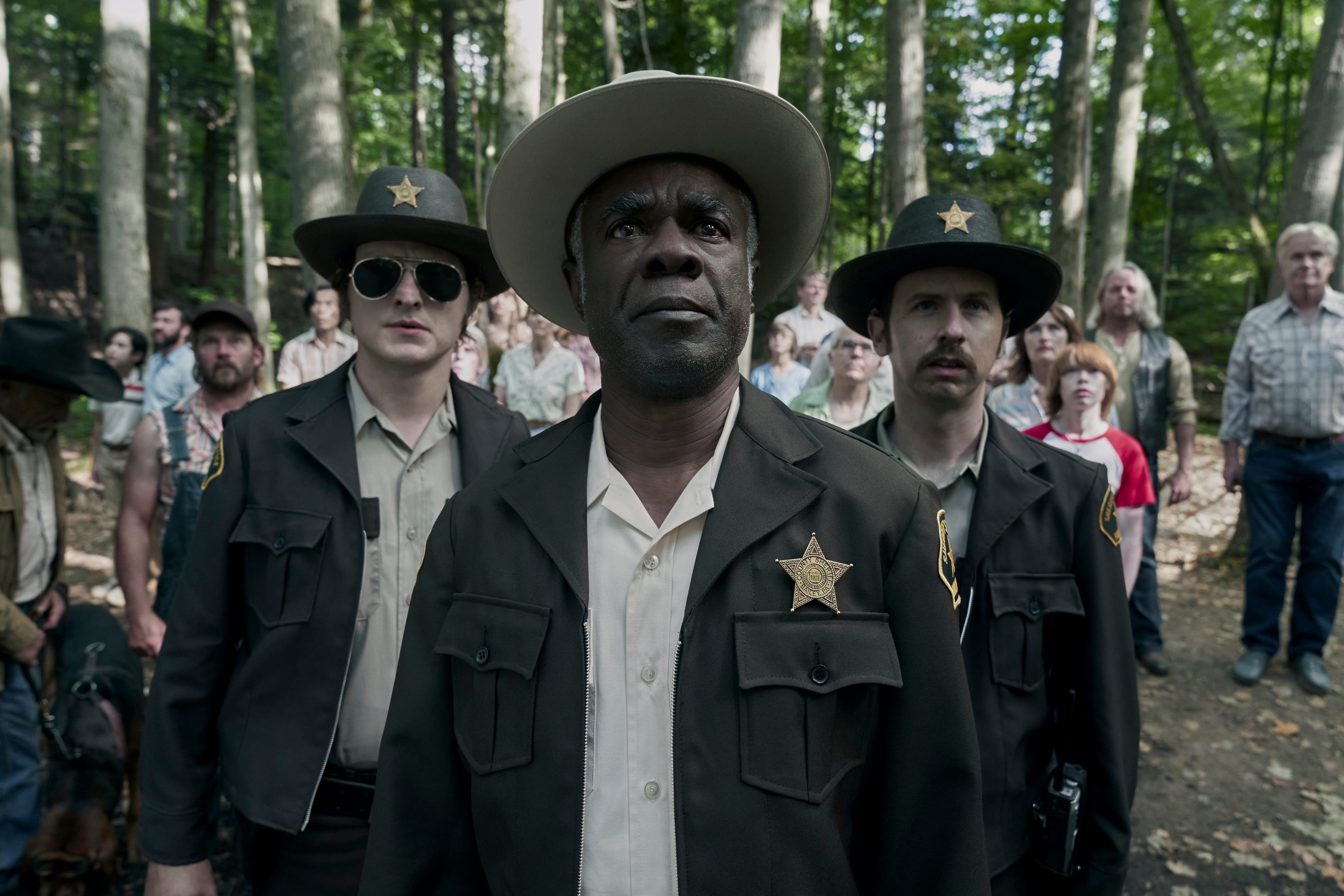
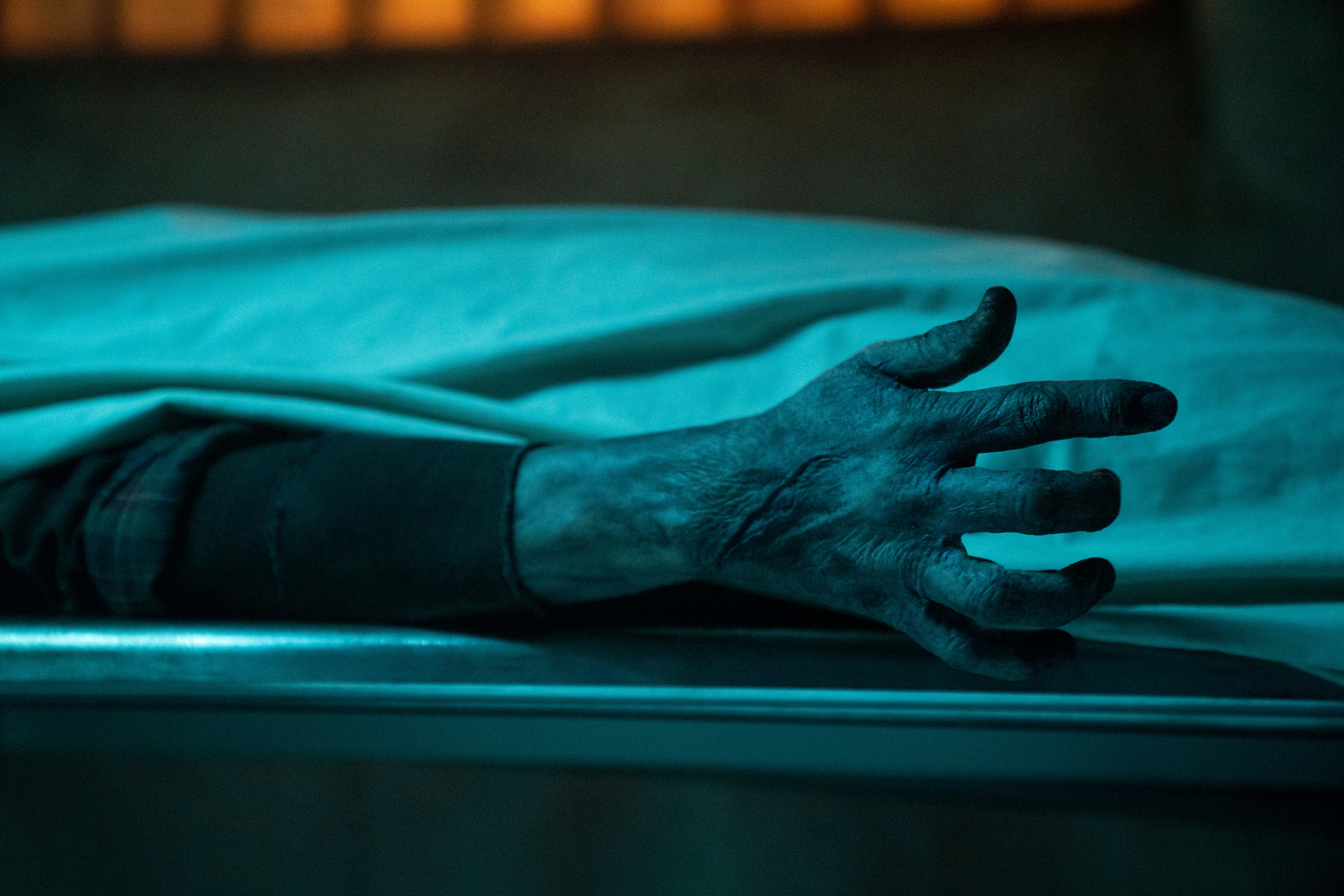
Dr. Winters is the main character in “The Autopsy,” the episode of the Netflix series “Guillermo Del Toro’s Cabinet of Curiosities” that Prior directed. In this version of Michael Shea’s short story, adapted with the help of screenwriter David S. Goyer, Winters is called on to help an investigation into what local police believe is a tragic mining explosion. By the time he gets a chance to examine the bodies pulled from the wreckage, Winters discovers that something about those deaths wasn’t exactly natural.
But as Prior discovered when he watched the completed episode, the small statue was of him, not his protagonist. In each of the “Cabinet of Curiosities” installments, Del Toro continues in the tradition of past anthology hosts with a short introduction. Each ends with him tipping his hat to the director of the episode audiences are about to see, with their figurine likeness front and center.
That kind of onscreen salute is far from the support that Prior’s debut feature, “The Empty Man,” got when it was released almost exactly two years before. A victim of studio merger jockeying, a theatrical distribution model in chaos, and a whole host of marketing bungles, “The Empty Man” took a groundswell of devoted fan support to gradually reach the audience it deserved.
“The Autopsy” doesn’t have quite the immense and global scope of that debut feature, but the same meticulous, precise spirit of Prior’s visual storytelling comes through. It’s a detective story of a different kind, with Winters (played by F. Murray Abraham) bringing a key emotional match to the jargon-heavy work of his profession. What this doctor finds is beyond the anatomical puzzle he expected.
And it’s another story that marries the technical craft of unsettling audiences (split fingernails! corpses in bags covered in insects!) with heady thematic ideas about what life is worth and how to spend it. From the mine explosion set piece to the insert shot of whiskey splashing into a coffee mug, everything in “The Autopsy” serves a purpose. Prior spoke with IndieWire about the process of joining a horror playground in progress and adding another impressive tale to his own collection.



 The Fincher Analyst