Tim discusses his beginnings in animation, his journey to directing his first live action movie at 50 and why he’s glad that for all the challenges that came along the way. If that wasn’t enough, he shares thoughts on why his Netflix collaboration with David Fincher works, why film studios will be ‘fossils’ if they don’t keep up with the streamers, and what to expect from Love, Death & Robots Series 2!
Red Carpet Rookies guests are recorded over Zoom. All efforts are made to get the best quality possible but we are victim to the connection!
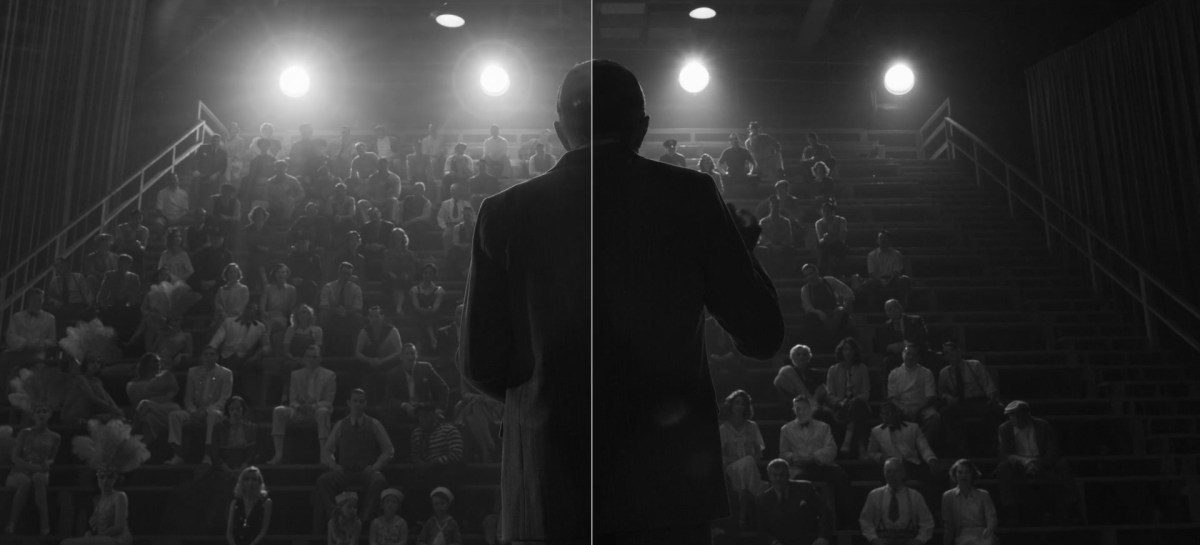
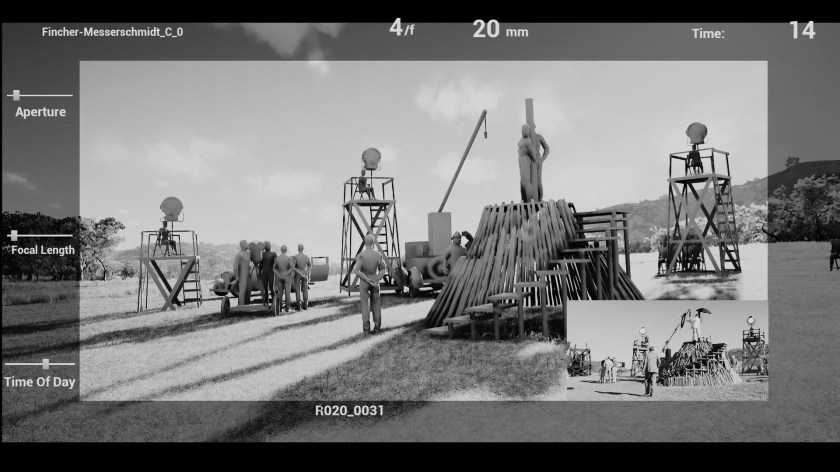
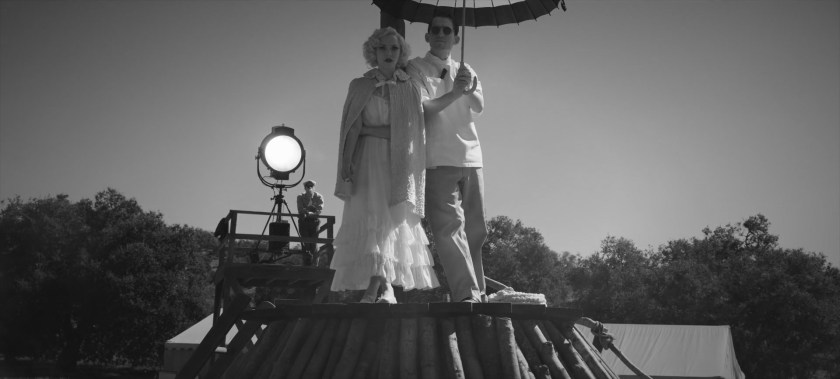
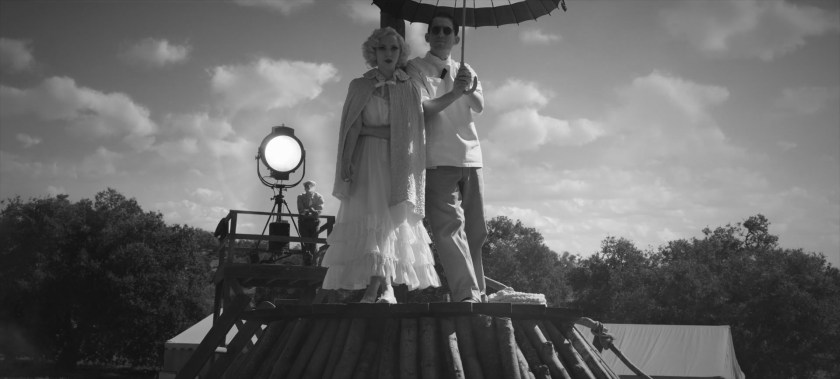
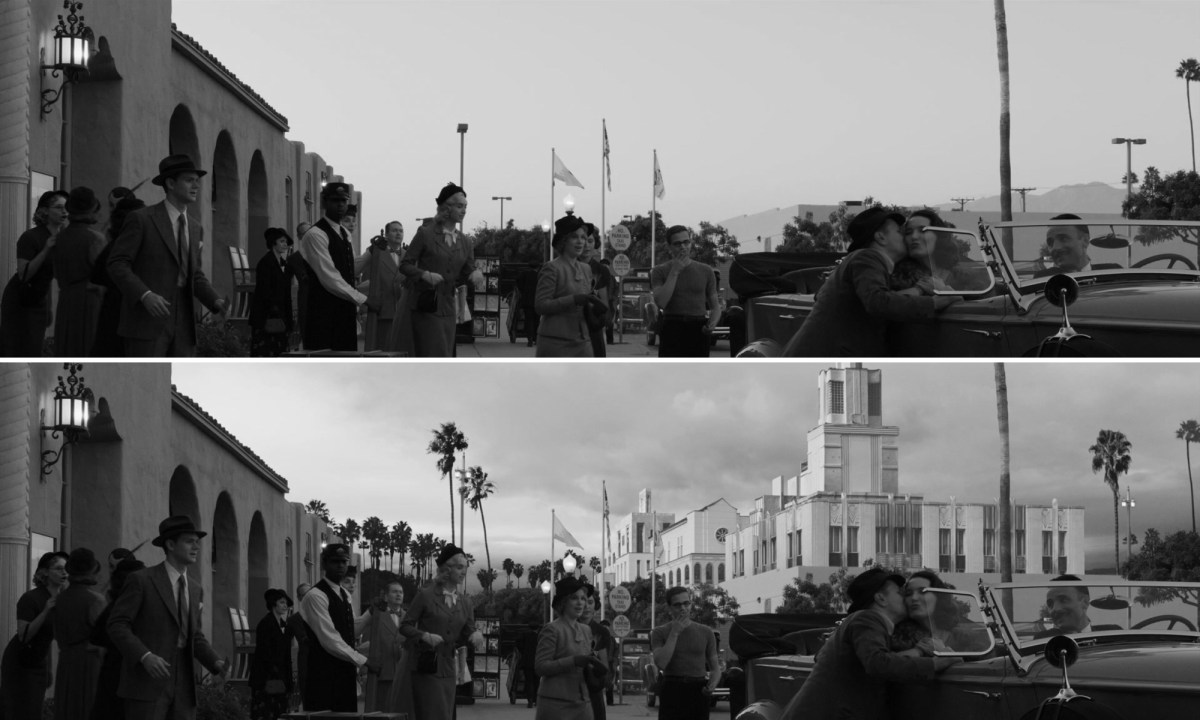
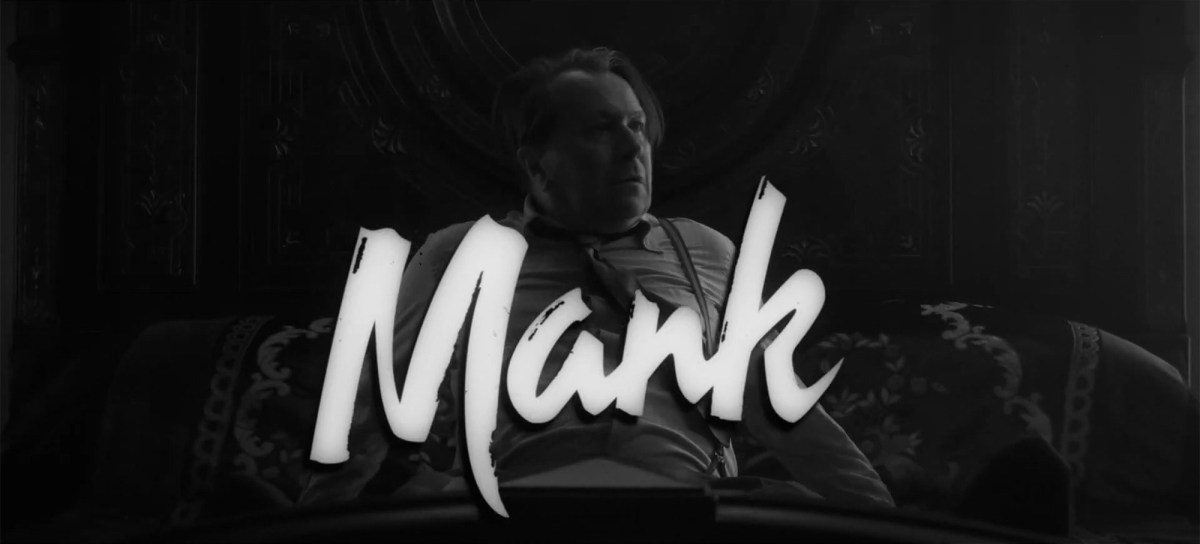
David Fincher’s highly-anticipated Netflix film MANK is here! Cinematographer Erik Messerschmidt ASC explains how modern equipment and techniques were used to create an authentic-looking 1930s black and white film.
Erik and Go Creative Show host, Ben Consoli, discuss why they chose not to shoot on film, how shooting & lighting black and white is different than color, Erik’s philosophy on camera coverage, and so much more!
MZed: Education for Creatives PostLab: Collaborative Editing for Final Cut Pro and Premiere Pro
Go Creative Show is now on Patreon! Get access to exclusive content, become a show co-host, vote on future guests, receive executive producer credit, and more!
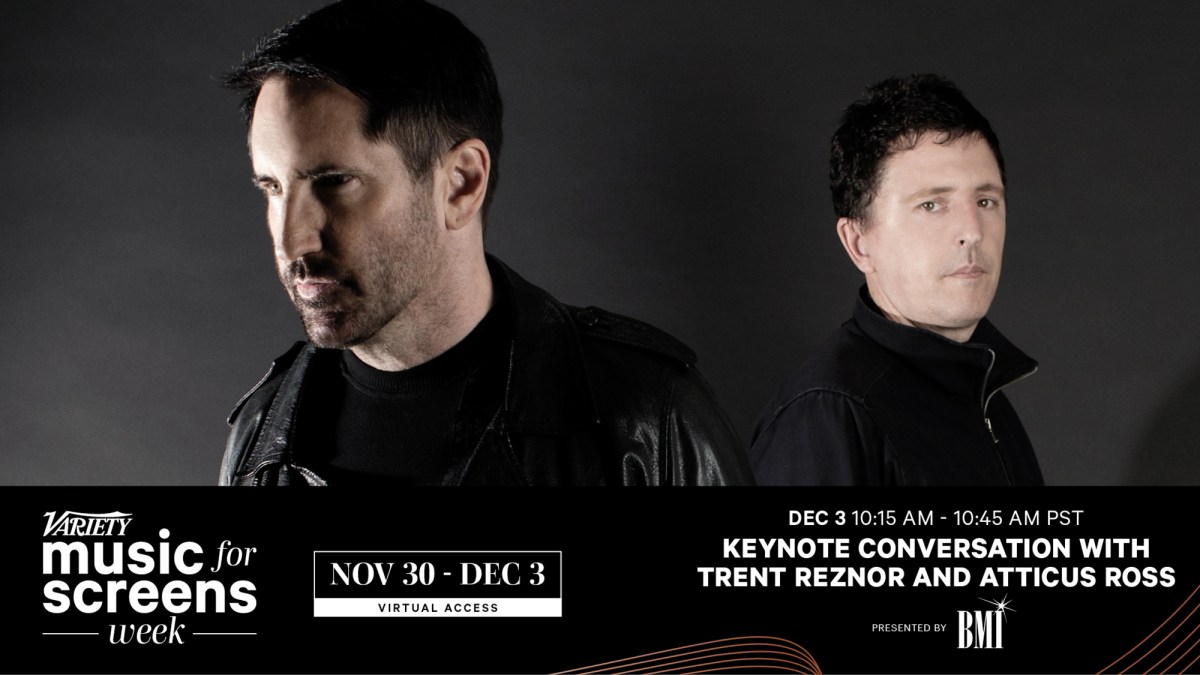
Composers Trent Reznor and Atticus Ross discuss the unique style, sound, and authenticity of the music in Mank and their approach in tackling the unique challenges presented while scoring during the COVID-19 pandemic.
Scoring Films Allows Writers to Explore a Range of Styles
Members of Nine Inch Nails produce more than just rock content. During the keynote conversation with Trent Reznor and Atticus Ross, moderator Shirley Halperin dug into their scoring success on a range of film projects, from “The Social Network” to “Watchmen,” “Soul” and “Mank.”
Writing music for the screen has given the artists their fair share of challenges, the most recent being composing big band and orchestral scores. But without the opportunity to score films, the band members said they’d miss out on exploring the various realms of music.
“We feel really proud to be involved, and proud of the journey that we were put on,” Reznor said. “That’s one of the things that’s great about working on films. In our life in Nine Inch Nails, we kind of don’t know what to expect — we have a pretty good idea of what road we’re going to go down or what the future might hold. With film, it’s like you’re on a finite, intense journey that might lead you down paths that in our other lives we wouldn’t get to go on.”
Watch the Keynote Conversation with Trent Reznor and Atticus Ross:
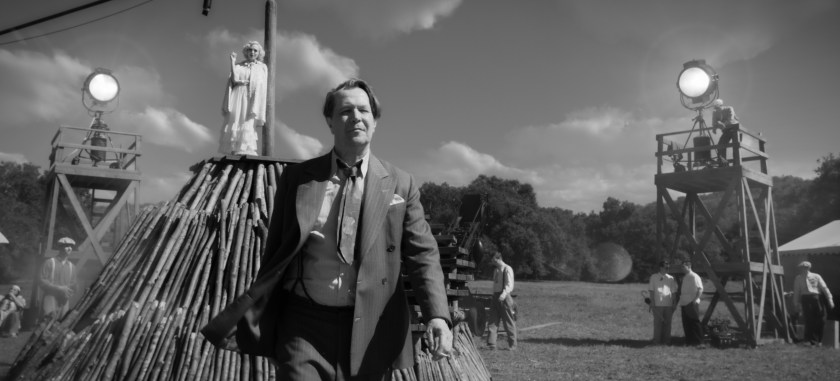
Starring Academy Award Winner Gary Oldman, Amanda Seyfried, Lily Collins, Arliss Howard, Tom Pelphrey, Sam Troughton, Ferdinand Kingsley, Tuppence Middleton, Tom Burke, and Charles Dance.