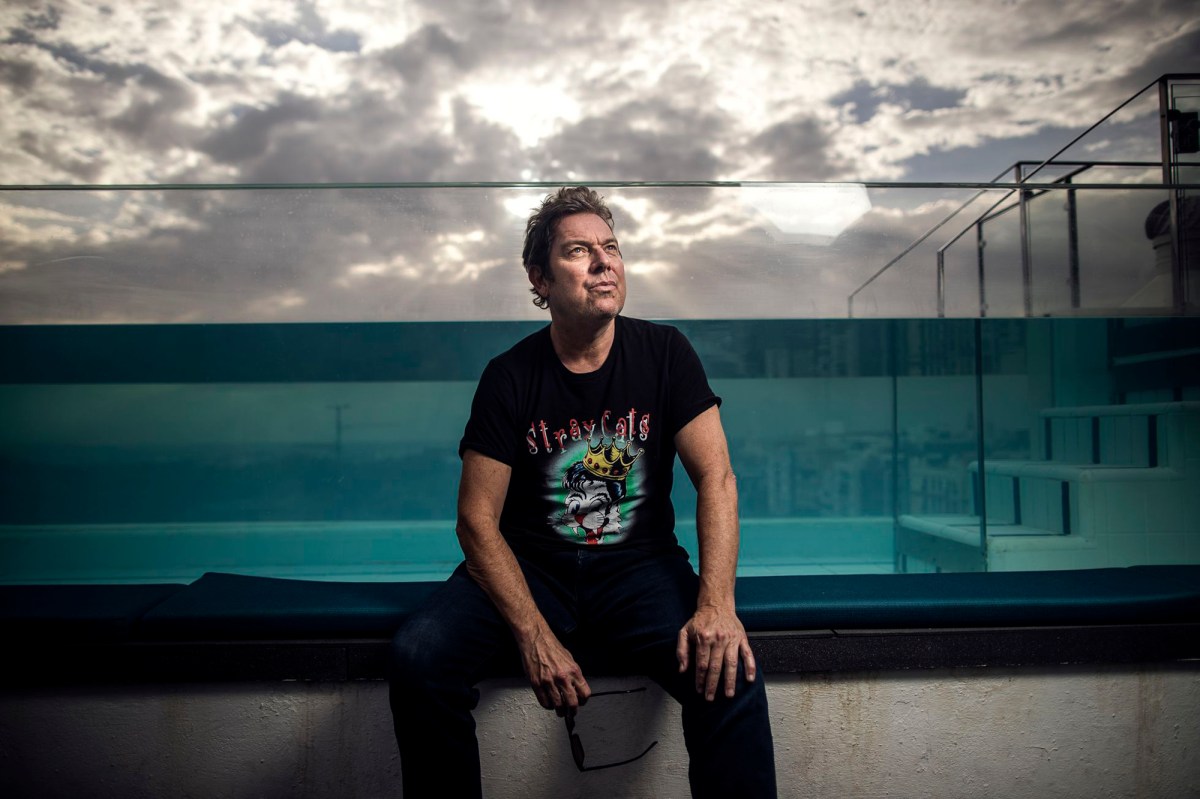
Script Apart: Gillian Flynn (Gone Girl, Sharp Objects)

Al Horner
October 22, 2023
Script Apart

Gillian Flynn is an author, screenwriter and showrunner who delights in writing what she calls “bad women” – fascinatingly flawed female characters who she grants the freedom to kill, lie, harm and harass in a way that sometimes ruffles feathers. Take her 2012 novel Gone Girl, for example, which she later adapted into a smash hit movie with David Fincher. That murder-mystery tale of a marriage steeped in deceit captivated the world and sparked near-endless conversation about the poison and/or empowerment of its main character, Amy Dunne.

That novel and movie – released within two years of each other – didn’t just make Flynn a literary darling. It also catapulted her to the summit of film and TV. In 2018, she co-wrote the brilliant Widows with Steve McQueen, and adapted her first novel, Sharp Objects, into a gloriously slow-burning limited series starring Amy Adams. Since then, she’s won cult acclaim for her streaming adaptation of Utopia, the British Channel 4 series.

In the conversation you’re about to hear, we ask Gillian how she pens her captivating characters and the social importance of allowing women to run riot on-screen and in her novels, the way that male anti-heroes are frequently permitted to do. She reflects on the accusations of misogyny that her work attracted from some female writers in the aftermath of Gone Girl’s release and reveals an alternative ending to that story that would have taken the tale of Nick and Amy Dunne in an entirely different direction.

Listen to the podcast:

Script Apart
Apple Podcasts
Spotify
Amazon Music
Google Podcasts

Script Apart is hosted by Al Horner and produced by Kamil Dymek.

Follow Script Apart on Twitter and Instagram. Support for this episode comes from ScreenCraft and WeScreenplay. To get ad-free episodes and exclusive content, join us on Patreon.

Why Seven still has one of the most shocking endings in cinematic history

“What’s in the box?!”

C. Molly Smith and Will Robinson
September 21, 2023
Entertainment Weekly

In 1995, Brad Pitt‘s exclamation of fear and dread jolted audiences and left a lasting cultural imprint. The ending of Seven, director David Fincher‘s breakout film, is one of the most shocking, disturbing, and iconic twists in modern cinema, capping a tight, wrought thriller.

The film’s initial introduction to its world, a metropolis mired in unrest, is normal enough. Cool veteran Detective Somerset (Morgan Freeman) is paired with young hothead Detective Mills (Pitt) in pursuing a serial killer who picks his victims based on the seven deadly sins. They follow the clues and corpses, and the murderous John Doe (Kevin Spacey) eventually makes it into their custody, promising to reveal his two final victims—targeted for envy and wrath.

But the third act abandons cinematic tropes and convention. The promise of the final two corpses is questioned when a mysterious box arrives that is Doe’s coup de grace; it contains the head of Mills’ wife, Tracy (Gwyneth Paltrow)—never seen on screen, but revealed through dialogue and reaction. Doe acted on his envy of Mills’ normal life and incurs Mills’ lethal wrath. Though he’s killed at the hands of the good guy, the bad guy’s death serves as a loss for the positive forces of the world.

And it was all this close to not happening; “What’s in the box?!” nearly missed its canonization. Fincher, scribe Andrew Kevin Walker, and some of the cast, including Brad Pitt, fought for the original planned finale, against the studio’s protests. The producers eventually conceded to uphold the work’s artistic integrity. “There’s nothing wrong with up endings, it’s just that the dark ending of Seven was what it was about,” Walker told Uproxx. “To change the ending to something else was to remove the very heart of the story.”

Entertainment Weekly looks at how off-camera elements of the film successfully crafted suspense and resulted in Seven‘s enduring ending.

Read the full profile

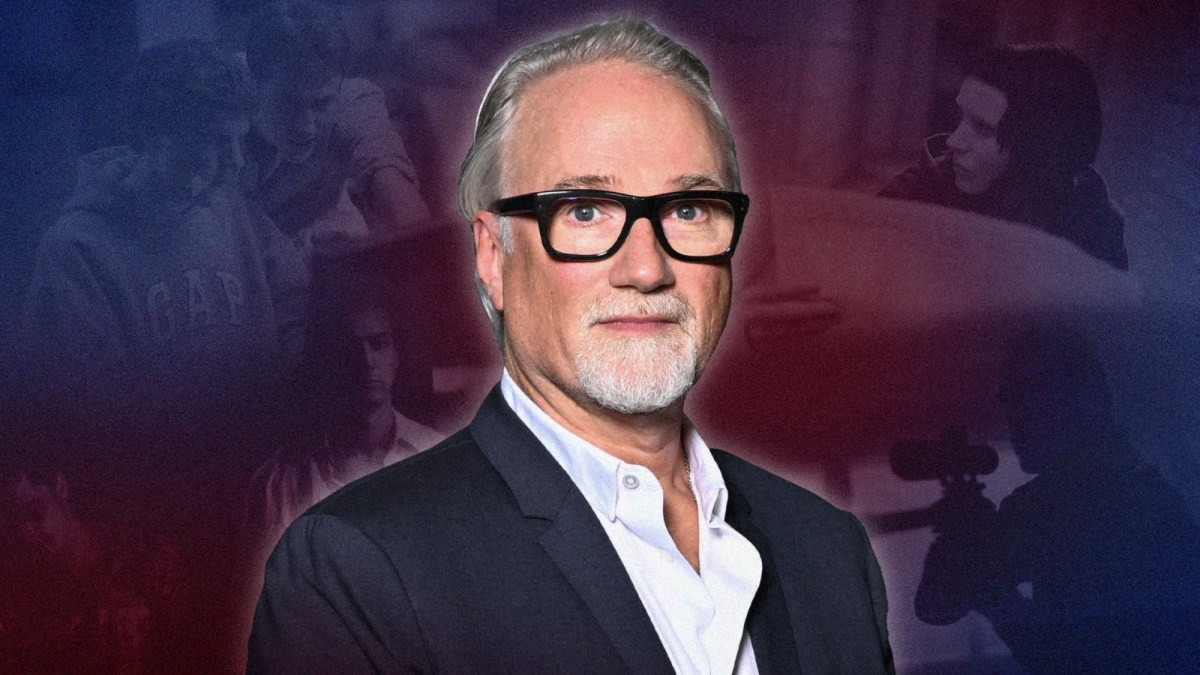
“The Killer” interview with the director David Fincher

Chiara Nicoletti
September 8, 2023
FRED, The Festival Insider

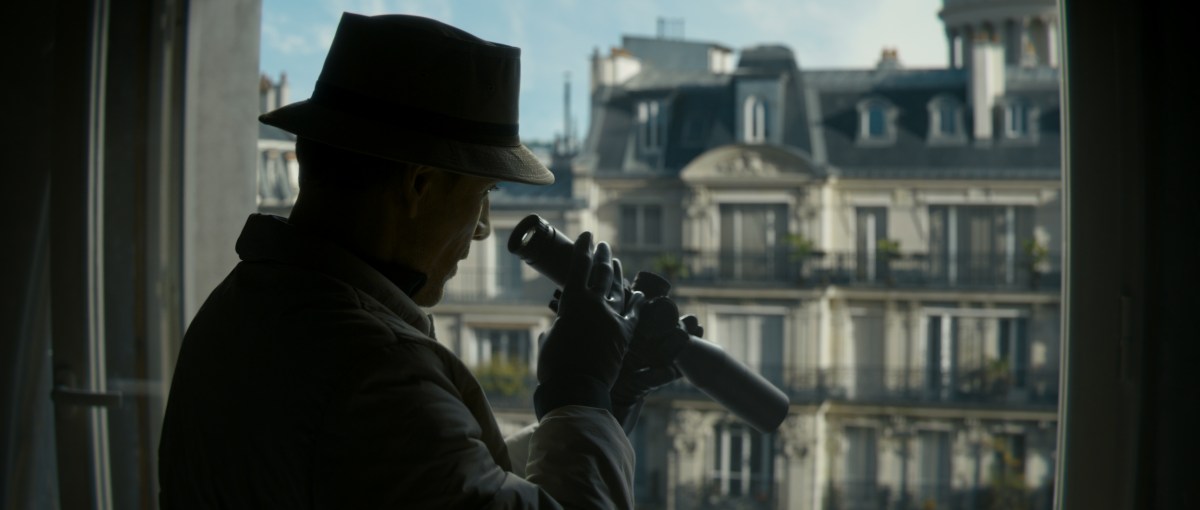
David Fincher, director of “The Killer“: “We thought it would be interesting if the ‘cool’ assassin movie tropes were all taken away”.

For his twelfth film, The Killer, in competition at the 80th Venice International Film Festival, the director David Fincher reunites with Andrew Kevin Walker, with whom he created the indelible serial killer thriller Se7en (1995).

Adapted from the acclaimed graphic novel written by “Matz” (Alexis Nolent), the film explores the boundaries of the revenge movie and sees Michael Fassbender in the role of a hitman failing at his main task and being threatened because of this.

In his production notes, David Fincher writes: “We thought it would be interesting if the ‘cool’ assassin movie tropes were all taken away”. The director describes how he decided to let the audience into the protagonist’s train of thoughts as to understand that “what he does and what he thinks do not match”.

The Killer releases globally on Netflix November 10, 2023.

Listen to the interview

Mostly Horror Podcast: David Prior. The Empty Man, The Autopsy

Sean Parker & Steve Goldberg
February 6, 2023
Mostly Horror

Sean Parker (Illustrator) and Steve Goldberg (NY Nets Content Manager) discuss the horror genre; interviewing the amazing people who contribute to it and discussing our love for horror films, television and more!

In this episode, they talk about The Last Of Us, Infinity Pool, The Boogeyman, and the super secret stuff they have coming up.

Then, they’re joined by director David Prior. They discuss horrifying formative childhood memories, his Fincher featurettes, the video clerk to director pipeline, and more!

Listen to the podcast:

Apple Podcasts
Spotify
Wondery

Follow Mostly Horror: Twitter, Instagram

‘The Girl with the Dragon Tattoo’ is the Dark Cousin of ‘Knives Out’ and ‘Glass Onion’

Between a gritty thriller and two cozy whodunits, the similarities are easier to spot than a red herring.

Chris Sasaguay
January 14, 2023
Collider

“You will be investigating thieves, misers, bullies, the most detestable collection of people you will ever meet. My family.” Should the detective take the case, this lies it all out. It’s a warning, though more importantly, it’s an invitation to investigate. Christopher Plummer could deliver the dialogue in either two of the murder mysteries he acts in. Both have him play the elder patriarch to a clan of scumbags. Among the Vangers or Thrombeys, some family members are worse than others. Should you pay a visit to any residence, it would make for a distressing time all around. The David Fincher adaptation of Stieg Larsson’s novel, bleak and intense, couldn’t be more different from Rian Johnson‘s satirical, colorful Knives Out movies. What they share in common, is where The Girl with the Dragon Tattoo (2011) turns into a dark cousin in crime.

Read the full article

David Prior Interview: Guillermo del Toro’s Cabinet of Curiosities

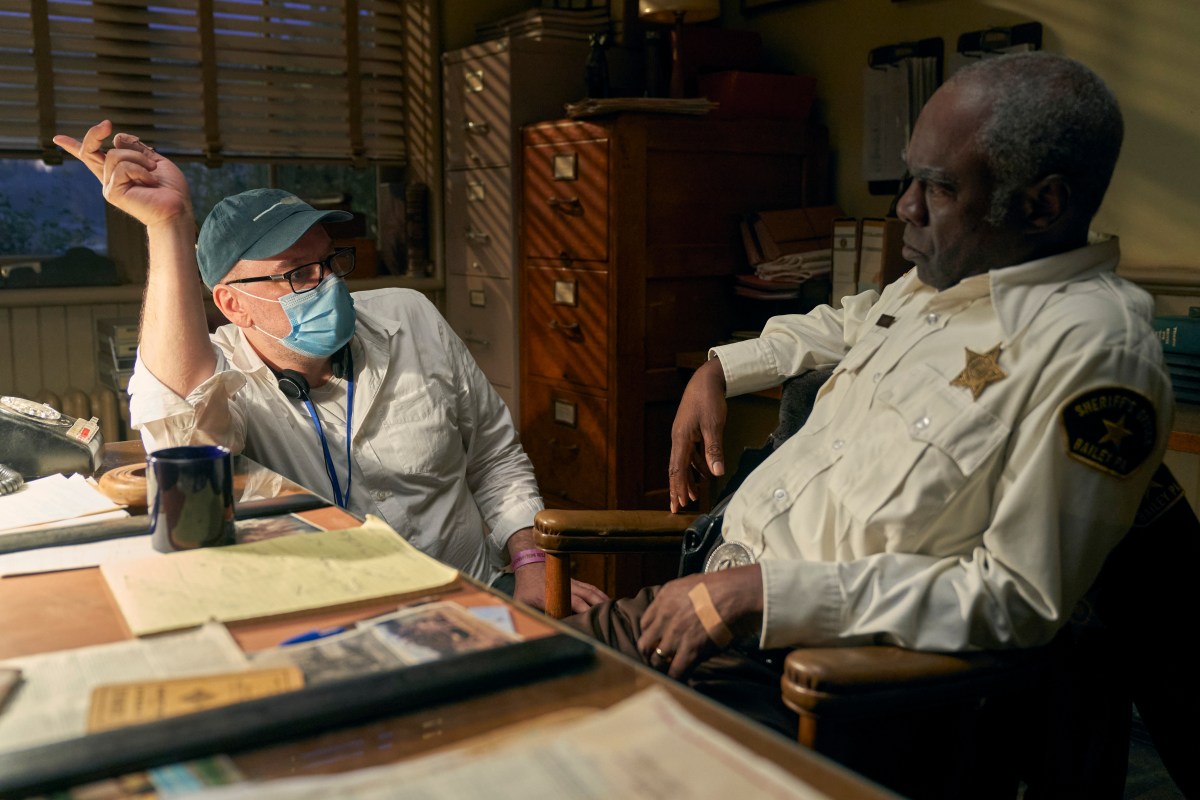
Director David Prior discusses Guillermo del Toro’s Cabinet of Curiosities, his love for “The Autopsy” short story, and The Empty Man‘s release.

Grant Hermanns
November 2, 2022
ScreenRant

Some bodies are more than meet the eye, as seen in the “The Autopsy” installment of Guillermo del Toro’s Cabinet of Curiosities. Based on Michael Shea‘s short story of the same name, the episode sees a coroner brought in to do the autopsies of several miners who died when one of them set off an explosion with a mysterious object, only to learn of the surprising truth behind him.

F. Murray Abraham and Luke Roberts lead the cast of “The Autopsy“, which hails from The Empty Man writer-director David Prior. Primarily set in an isolated location, the episode is a chilling game of mental chess as Abraham’s Dr. Carl Winters grapples with the revelation of why the miners died, and how he may be next.

In anticipation of its premiere, Screen Rant spoke exclusively with director David Prior to discuss Guillermo del Toro’s Cabinet of Curiosities, his installment “The Autopsy,” his and del Toro’s shared love of reading, The Empty Man‘s mishandled release, and more.

Read the full interview

Watch Guillermo del Toro’s Cabinet of Curiosities on Netflix

Step by Step, David Fincher’s ‘The Game’ Drags You Into a Living Nightmare

The most overlooked entry in David Fincher’s filmography is also one of his best.

Matthew Mosley
November 1, 2022
Collider

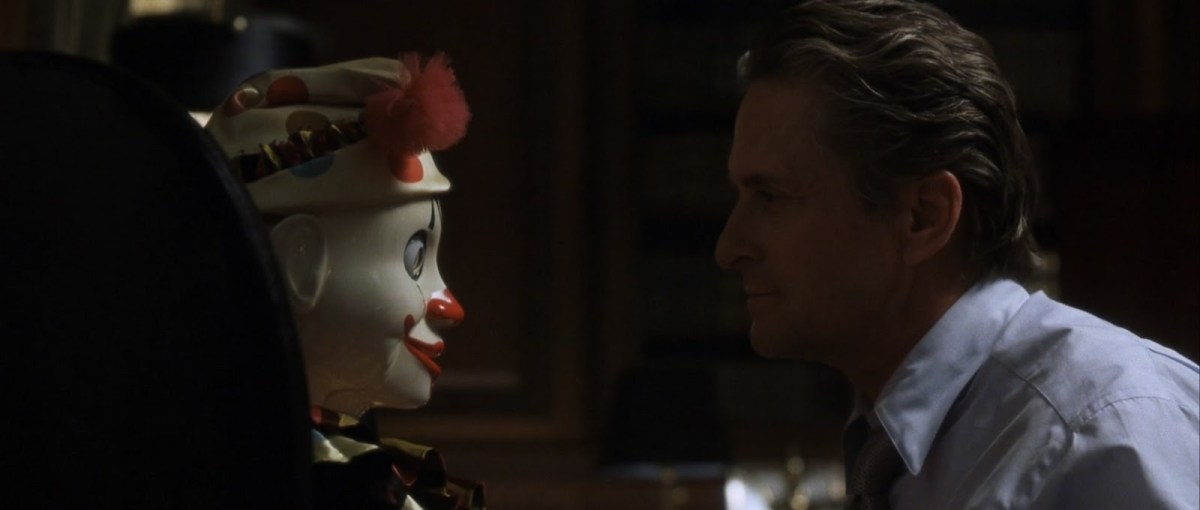
The Game had a lot to live up to. It was the film David Fincher chose as his follow-up to the wildly acclaimed Seven, a film that had thrust the young director into the limelight and prevented his career from reaching a premature end after the mixed reaction to his debut, Alien 3. Suddenly, he was no longer the man who’d killed the little girl we’d spent all of Aliens trying to save. Instead, he was a fully realized auteur ready to carve out his place in the annals of cinema, and all eyes were on him to see what he would do next. What he came back with was The Game, a Hitchcockian thriller for the modern age that toned down the controversial subject matter of its predecessor to focus on being a more straightforward genre pic – a decision that raised a few eyebrows.

The film centers on Nicholas Van Orton (Michael Douglas), a wealthy investment banker who has everything but the one thing money can’t buy – happiness. For his 48th birthday, his estranged brother Conrad (Sean Penn) gives him a voucher for a mysterious game operated by the equally mysterious Consumer Recreation Services. Nicholas initially rejects the gift, but curiosity gets the better of him and he agrees to participate. However, it doesn’t take long before reality and the game become one and the same, and Nicholas finds himself caught in a web of conspiracy that grows tighter the more he tries to escape. It’s classic thriller stuff and would make for perfect late-night viewing for someone looking to escape into the fantastical world of movies. It’s the sort of thing Alfred Hitchcock excelled at, and while it’s an oversimplification to say that that’s all the film has going for it – touches of psychological thriller era Brian De Palma are scattered throughout, alongside the occasional moment of surrealism that feels closer to what Charlie Kaufman would later popularize – it’s undeniably a more crowd-pleasing experience than Fincher’s previous work.

Read the full article

Director David Prior’s ‘The Autopsy’ Is an Instant Horror Classic

The Empty Man” director discusses his masterful entry in Netflix’s “Cabinet of Curiosities” anthology series and its creative debts to Guillermo Del Toro, “The Exorcist,” and H.R. Giger.

Steve Greene
October 27, 2022
IndieWire

[Editor’s Note: The following interview contains spoilers for “Guillermo Del Toro’s Cabinet of Curiosities” Episode 3, “The Autopsy.”]

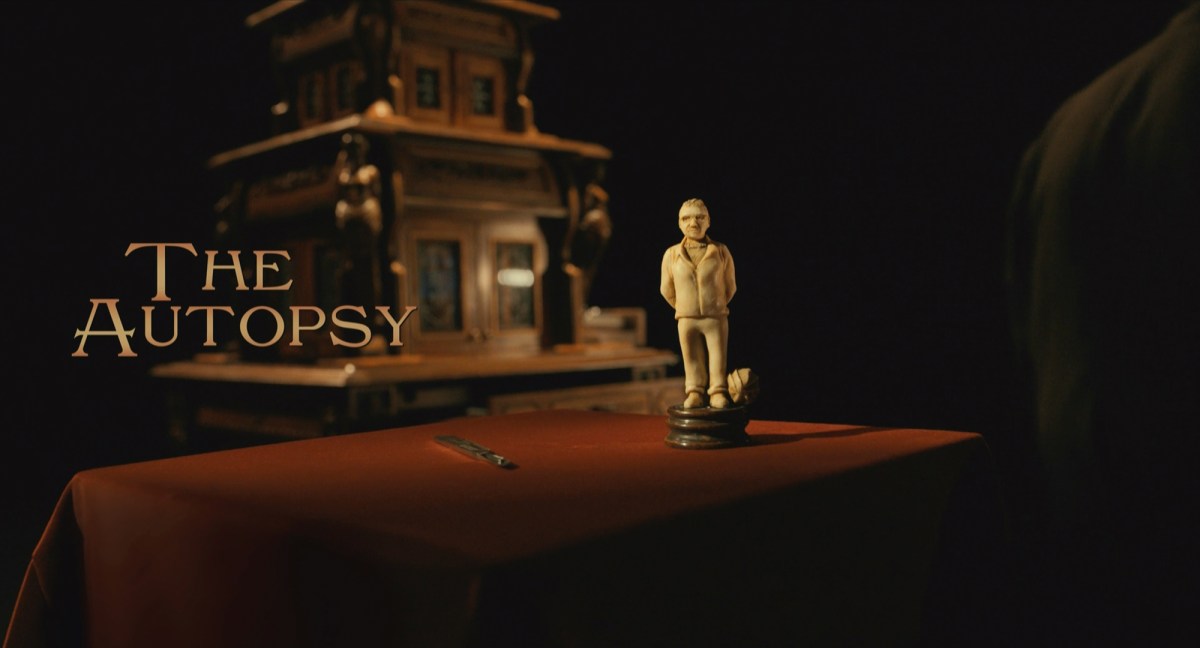
A little while ago, director David Prior got an unexpected gift. A package showed up in the mail. Inside was a tiny figurine of a bearded man.

“I got it in the mail before I even knew what it was. I thought, ‘Oh, that’s nice. A little souvenir. Did Guillermo whittle this himself?’” Prior said. “I assumed it was Dr. Winters when I got it.”

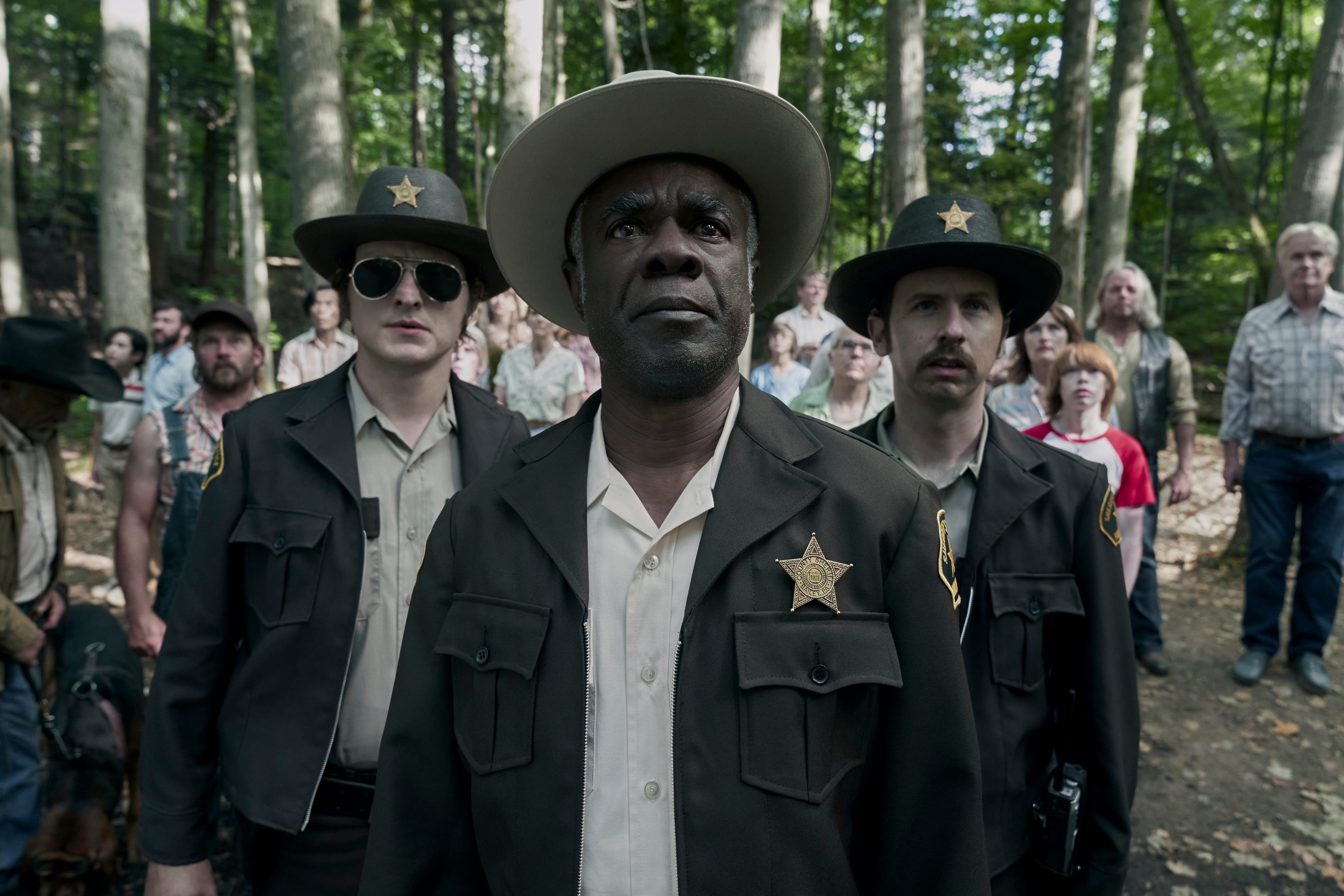
Dr. Winters is the main character in “The Autopsy,” the episode of the Netflix series “Guillermo Del Toro’s Cabinet of Curiosities” that Prior directed. In this version of Michael Shea’s short story, adapted with the help of screenwriter David S. Goyer, Winters is called on to help an investigation into what local police believe is a tragic mining explosion. By the time he gets a chance to examine the bodies pulled from the wreckage, Winters discovers that something about those deaths wasn’t exactly natural.

But as Prior discovered when he watched the completed episode, the small statue was of him, not his protagonist. In each of the “Cabinet of Curiosities” installments, Del Toro continues in the tradition of past anthology hosts with a short introduction. Each ends with him tipping his hat to the director of the episode audiences are about to see, with their figurine likeness front and center.

That kind of onscreen salute is far from the support that Prior’s debut feature, “The Empty Man,” got when it was released almost exactly two years before. A victim of studio merger jockeying, a theatrical distribution model in chaos, and a whole host of marketing bungles, “The Empty Man” took a groundswell of devoted fan support to gradually reach the audience it deserved.

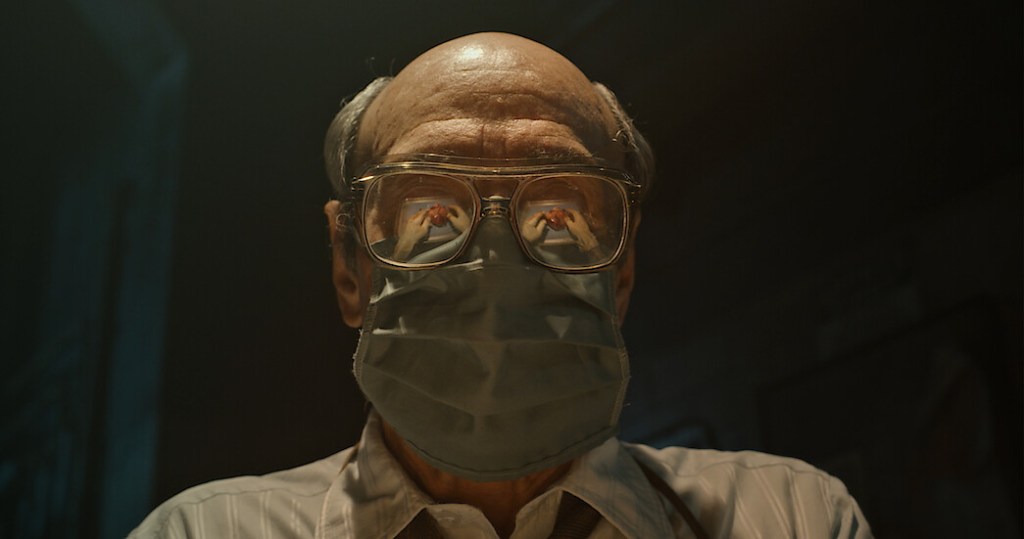
The Autopsy” doesn’t have quite the immense and global scope of that debut feature, but the same meticulous, precise spirit of Prior’s visual storytelling comes through. It’s a detective story of a different kind, with Winters (played by F. Murray Abraham) bringing a key emotional match to the jargon-heavy work of his profession. What this doctor finds is beyond the anatomical puzzle he expected.

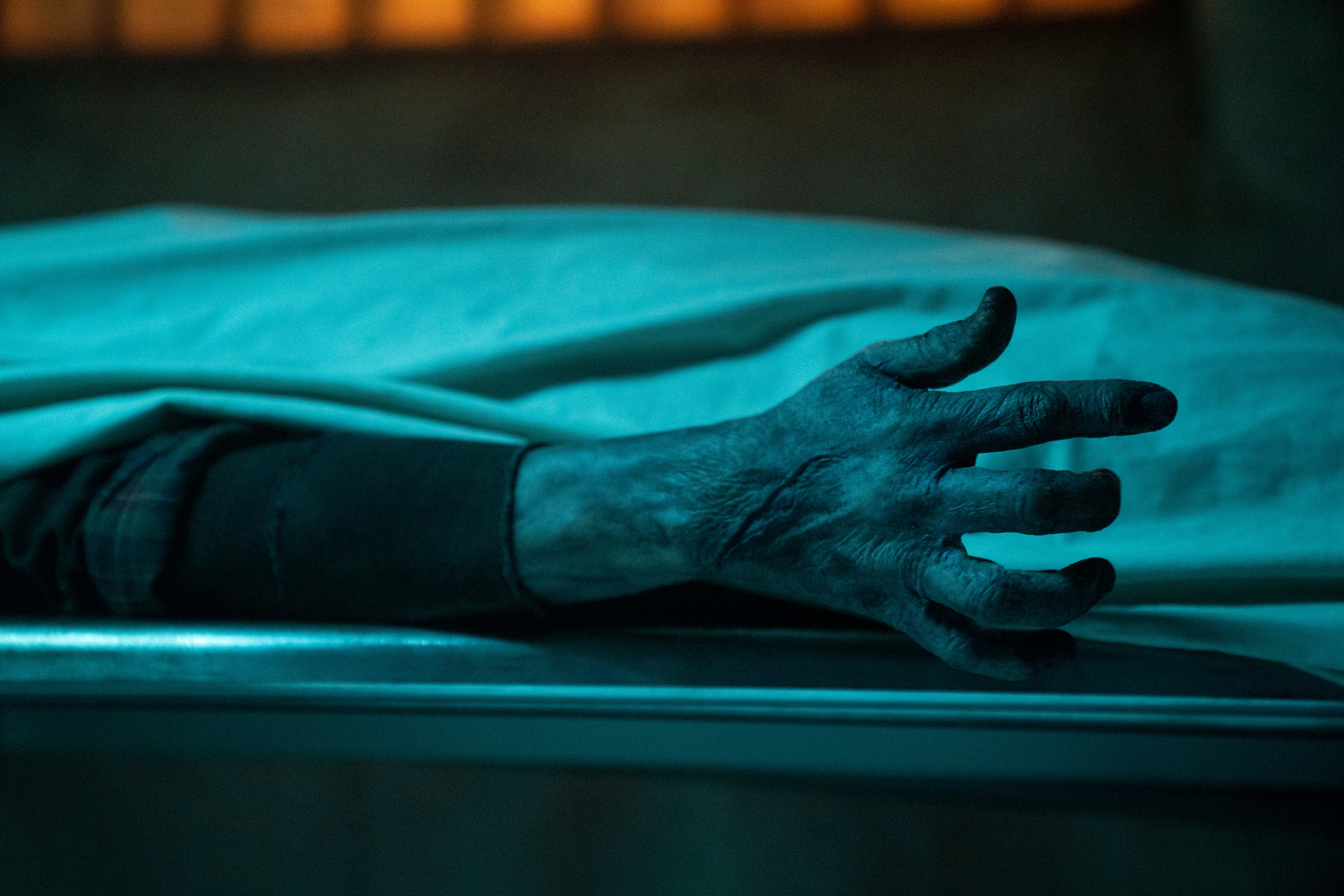
And it’s another story that marries the technical craft of unsettling audiences (split fingernails! corpses in bags covered in insects!) with heady thematic ideas about what life is worth and how to spend it. From the mine explosion set piece to the insert shot of whiskey splashing into a coffee mug, everything in “The Autopsy” serves a purpose. Prior spoke with IndieWire about the process of joining a horror playground in progress and adding another impressive tale to his own collection.

Read the full interview

A Complete Autopsy of ‘The Autopsy’

Breaking down David Prior’s episode of Guillermo del Toro’s Cabinet of Curiosities.

John DiLillo
Tudum (Netflix)

Watch Guillermo del Toro’s Cabinet of Curiosities on Netflix

Por qué nos fascinan los asesinos en serie

Joe Penhall, creador de la serie ‘Mindhunter’, en Madrid (Samuel Sánchez)

El creador de ‘Mindhunter’ repasa las entrañas de un género en auge en la ficción: “Hollywood los convierte en personajes icónicos, pero solo son seres tristes y muy jodidos”

Natalia Marcos
31 octubre 2022
El País

Aunque la segunda temporada de Mindhunter (Netflix) se emitió en 2019, todavía muchos de sus seguidores siguen preguntando si volverá la producción que, en sus dos entregas, seguía el trabajo de dos agentes del FBI y una psicóloga que ponen en marcha la Unidad de Análisis de la Conducta del cuerpo en los años setenta. La serie, que tiene entre sus directores y productores al cineasta David Fincher, se basa en las memorias del exagente John E. Douglas y el escritor Mark Olshaker. A partir de ese material y muchas entrevistas con policías reales, expertos en análisis del comportamiento, e incluso con los agentes que capturaron a asesinos en serie como Green RiverTed Bundy, el autor teatral y guionista Joe Penhall (Londres, 55 años) ficcionó las vidas de quienes trataron de meterse en la mente de los criminales más peligrosos.

Lee la entrevista completa / Read the full interview in Spanish

Translated from Spanish:

Are we totally saying goodbye to the option of a 3rd season of Mindhunter?

“I think so. Never say never, but Fincher loves making movies, and making movies is easier than 10 episodes of Mindhunter. The thing is that to make series for Netflix you have to make them like in a sausage factory. You have to get the episodes out with little money. I did 25 or 30 script rewrites per episode. It became impossible. Fincher realized that he couldn’t do that for a long time and also make movies. The budget was too high, we had the best directors… To move forward we would have to lower the quality, and that is why I think it will not happen. But I have told David [Fincher] that I have more seasons in mind. He always tells me, ‘well, we’ll see, who knows…’. In fact, Penhall wrote in 75 pages the main lines of what he devised as 5 seasons of the series. “In the 5th, Tench [played by Holt McCallany] and Holden [Jonathan Groff] become authors, they write books. They go to Hollywood premieres and no longer work as agents, become famous and sign autographs, and have a battle with other rivals over who invented behavioral science and even become consultants on a Hollywood movie. It was a very playful idea”, he smiles.

Interview with Andrew Kevin Walker, writer of Se7en

Daniel Fee (Twitter)
September 15, 2022
Daniel Fee33 (YouTube)

In this video, I’m lucky enough to sit down with Andrew Kevin Walker! Screenwriter behind projects such as SE7EN, the David Fincher directed crime thriller, starring Brad Pitt & Morgan Freeman! Andrew is also the screenwriter behind Brainscan, Nerdland, he co-wrote Windfall, and he also wrote an episode of hit TV Show, Love Death and Robots! It was such an honour to chat with Andy!

I would really appreciate it if anyone could donate to the National Deaf Children’s Society! (Twitter) Every cent helps! Thanks!

Andrew Kevin Walker: website, Twitter, Instagram

Mentioned podcast:

David Koepp in conversation with Andrew Kevin Walker

September 11, 2019
Live Talks Los Angeles (Apple Podcasts)