Join Alanah Pearce (game writer), Troy Baker (voice actor), Mike Bithell (game director), and Austin Wintory (game composer) as they talk about all the games, movies, TV and ‘whatever else’ that took their interest that week, from four unique perspectives in the games industry.
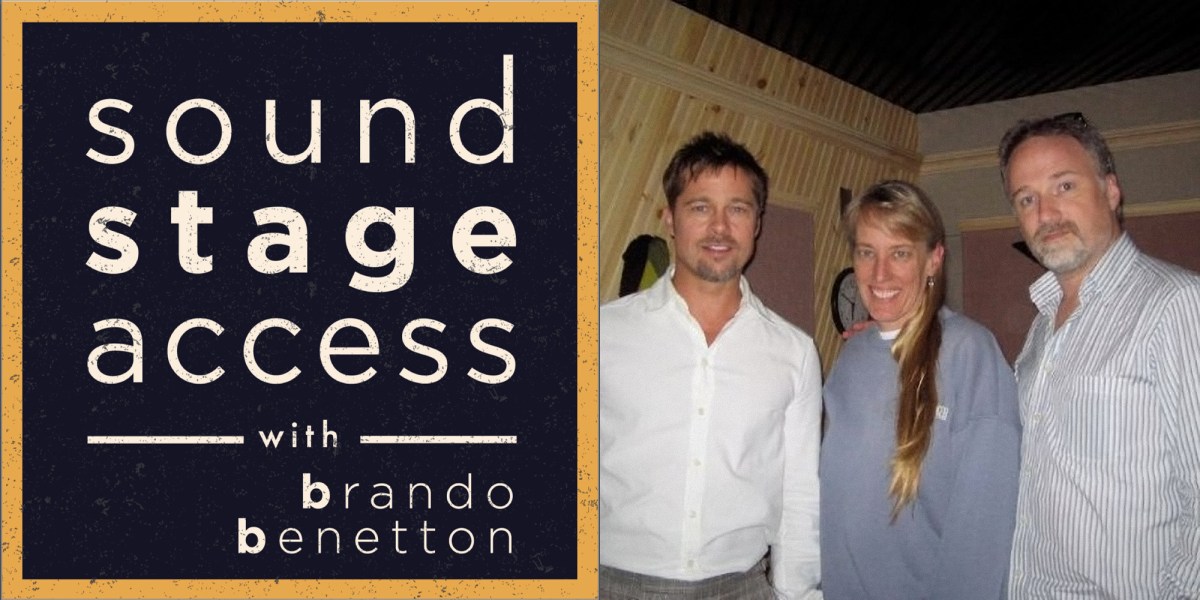
For this masterclass on the Art of Sound in film and TV, we welcome on the show Gwen Yates Whittle, a 2-time Oscar-nominated sound professional whose credits include this summer’s Jurassic World: Dominion, Saving Private Ryan, Top Gun: Maverick and the upcoming Avatar: The Way of the Water.
In today’s conversation, the Skywalker Sound member and I break down some of Hollywood’s biggest sound moments. We discuss Gwen’s beginning in the industry and why the prospect of sound editing intrigued her in ways that sound mixing never did; her relationship with detail-oriented directors like Steven Spielberg, James Cameron, and David Fincher (Fight Club, Panic Room, Zodiac, Benjamin Button, Gone Girl); the process of layering animal sounds to create the dinosaur voices in the Jurassic World franchise—as well as how the pandemic suddenly impacted Gwen’s work. All of this… and much more!
Gwen’s newest movies Jurassic World: Dominion and Top Gun: Maverick are now in theaters across the world, with Avatar: The Way of the Water opening in December 2022.
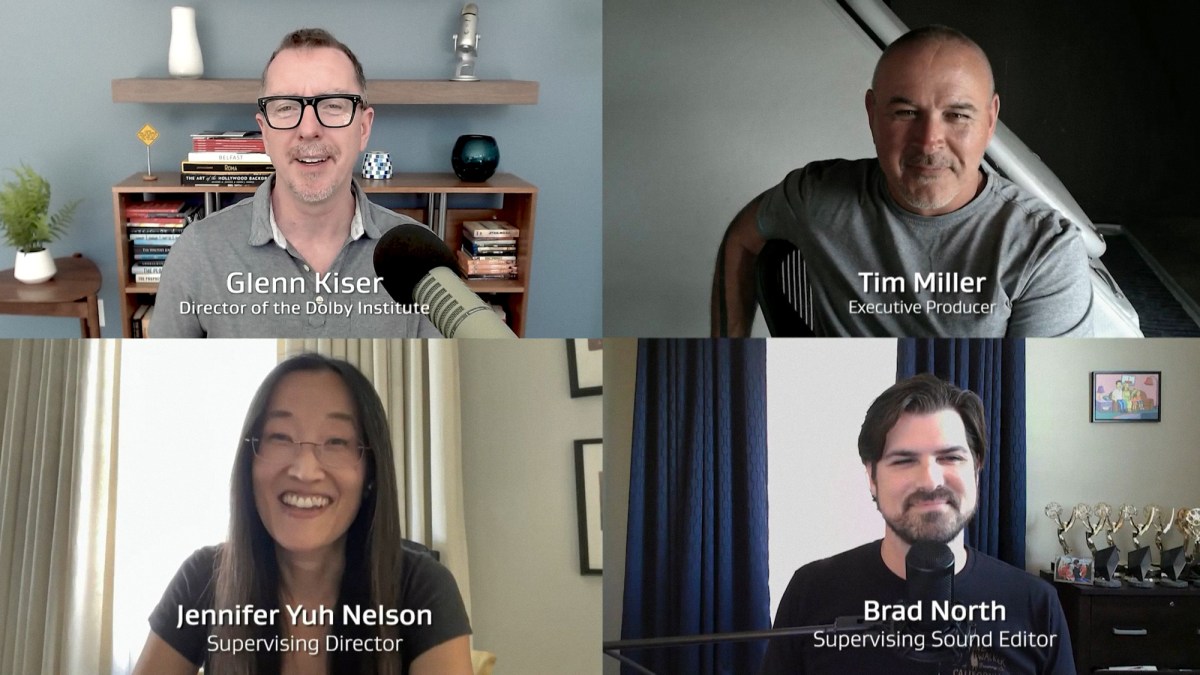
Editing dialog and working with the original recordings from the set is one of the most under-appreciated arts in cinema sound. In this episode of “Conversations with Sound Artists,” two-time Academy Award nominee Gwen Yates Whittle talks with the Dolby Institute’s Glenn Kiser about why George Lucas thinks dialog editing is one of the most important parts of the process, why she loves working on low-budget independent films (“They talk more,”), and why David Fincher and Meryl Streep love doing ADR.
Frame & Reference is a conversation between Cinematographers hosted by Kenny McMillan. Each episode dives into the respective DP’s current and past work, as well as what influences and inspires them. These discussions are an entertaining and informative look into the world of making films through the lens of the people who shoot them.
In this episode, Kenny talks with legendary cinematographer Jeff Cronenweth, ASC about the Oscar Nominated film “Being the Ricardos.” You likely know Jeff from his work on films such as “Fight Club“, “Gone Girl“, “The Social Network” & “The Girl with the Dragon Tattoo.”
It’s Showtime! When Steven Soderbergh joins Rob, the two friends get to ask the questions they’ve never asked one another. In this episode find out about Steven’s new film Kimi, and how he thinks Sex, Lies, and Videotape now feels like a Jane Austen novel.
Join your Season 2 hosts, Mario Sikora and TJ Dawe, as well as their special guest hosts throughout the season, as they discuss how the themes of the Enneagram are reflected in the work of great film directors such as Clint Eastwood, Martin Scorsese, Steven Spielberg, Wes Anderson, Michael Mann, and others.
Mario and TJ analyze the films of David Fincher in two episodes to explore Enneagram Type 5, “Striving to Feel Detached.” They discuss “Seven”, “Fight Club”, The Social Network” and “Girl with a Dragon Tattoo.”
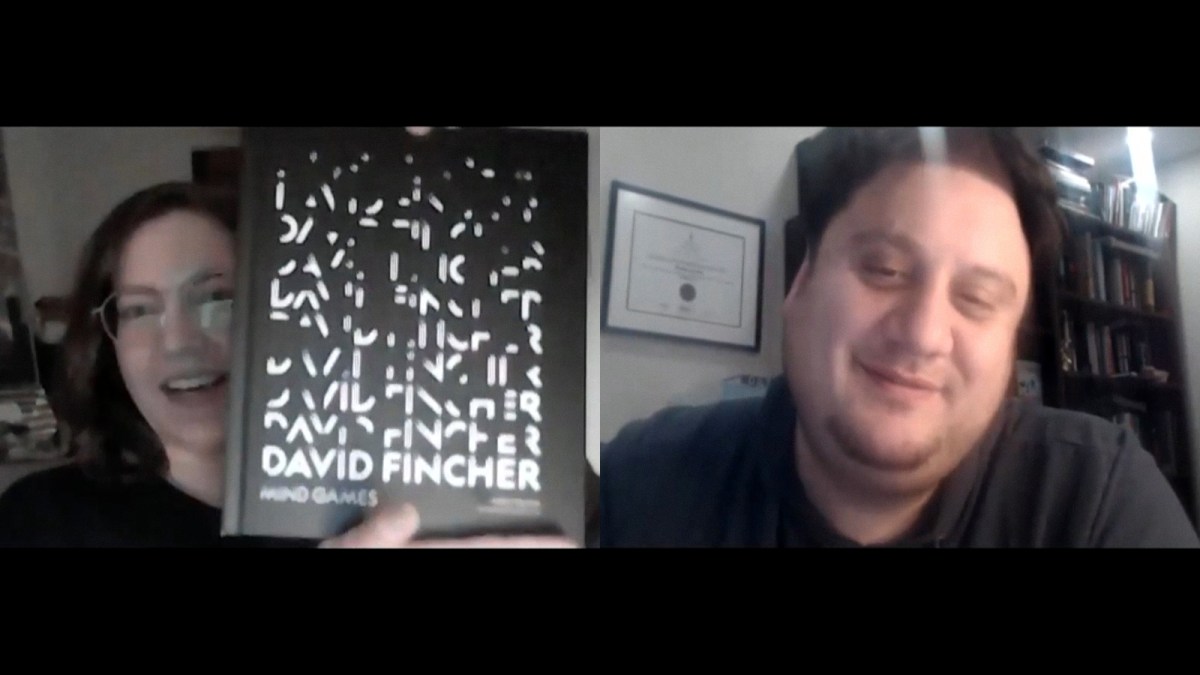
David Fincher: Mind Games is the definitive critical and visual survey of the Academy Award– and Golden Globe–nominated works of director David Fincher. From feature films Alien 3, Se7en, The Game, Fight Club, Panic Room, Zodiac, The Curious Case of Benjamin Button, The Social Network, The Girl With the Dragon Tattoo, Gone Girl, and Mank through his MTV clips for Madonna and the Rolling Stones and the Netflix series House of Cards and Mindhunter, each chapter weaves production history with original critical analysis, as well as with behind the scenes photography, still-frames, and original illustrations from Little White Lies‘ international team of artists and graphic designers. Mind Games also features interviews with Fincher’s frequent collaborators, including Jeff Cronenweth, Angus Wall, Laray Mayfield, Holt McCallany, Howard Shore and Erik Messerschmidt.
Grouping Fincher’s work around themes of procedure, imprisonment, paranoia, prestige and relationship dynamics, Mind Games is styled as an investigation into a filmmaker obsessed with investigation, and the design will shift to echo case files within a larger psychological profile.
In this episode, we’re joined by one of the world’s greatest Cinematographers, Jeff Cronenweth. Born into the film business, he grafted his way through the rungs of the camera department and music video scene of the 1990s, until he got the call from David Fincher to take the reins of Fight Club. From there it’s been a run of legendary movies including, One Hour Photo and Gone Girl, as well as The Social Network and The Girl With The Dragon Tattoo both of which he picked up Oscar nominations.
What you’ll learn from Jeff:
Jeff’s opinion on whether film school is still necessary
Whether music videos are still useful starting grounds for DPs
How Jeff get imposter syndrome on Fight Club
What it’s like to work with Aaron Sorkin
How does the DP Director relationship work
Jeff’s opinion on the film fanboys that constantly copy the ‘Fincher/Cronwneth aesthetic!’
Whether Jeff has taught David Fincher anything
What a day of prep is like for Fincher and Jeff
And of course in our quick-fire: Jeff’s no 1 piece of advice, favourite film, book to read, person to work with, and more.
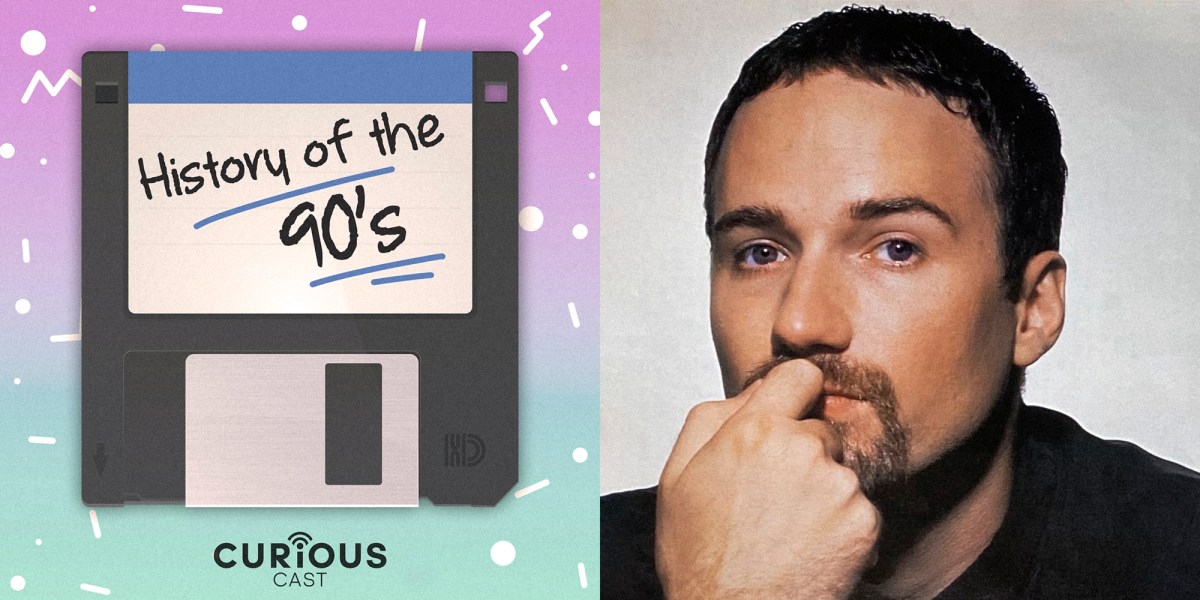
On History of the 90’s we’ll travel back in time through the stories that defined a decade. The last 10 years of the 20th century was a time like no other, from Columbine to Ruth Bader Ginsburg to Seinfeld, Air Jordan, and the Spice Girls… if it happened in the 90’s you’ll hear about it on this podcast. Join Kathy Kenzora as we journey through the History of the 90’s every other Wednesday.
In the 1990’s director David Fincher brought us classic movies like Seven and Fight Club, making his mark on the industry as one the best film makers of his generation. But Fincher’s impact on the decade stretches beyond movies. Through dozens of TV commercials and music videos Fincher helped style the 90s.
Riverside Chats is a series of conversations hosted by Tom Knoblauch exploring culture of all kinds, broadcast from the Heartland. Listen on KIOS 91.5 Omaha Public Radio on Mondays and Saturdays or on your favorite podcast app.
Adam Nayman is a critic at The Ringer and Cinema Scope and he is also the author of The Coen Brothers: This Book Really Ties the Room Together and Paul Thomas Anderson: Masterworks, which he discussed in an earlier episode of this show.
His latest book, David Fincher: Mind Games is a critical and visual survey of the filmmaker behind incredibly influential works include Seven, Fight Club, The Curious Case of Benjamin Button, The Social Network, The Girl with the Dragon Tattoo, and Gone Girl, and more. Nayman gives context, analysis, links themes, and conducts interviews with various people involved across Fincher’s career, grouping Fincher’s work around themes of procedure, imprisonment, paranoia, prestige, and relationship dynamics. Today he talks about Fincher’s career and shifting place in the cinematic landscape.