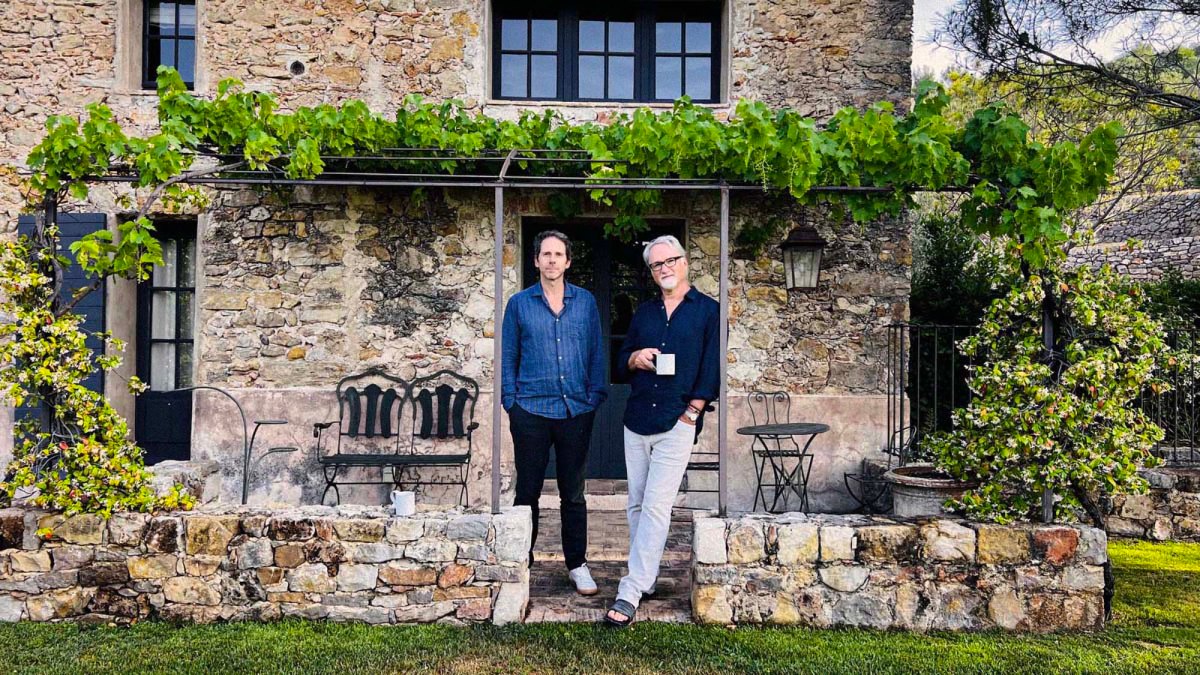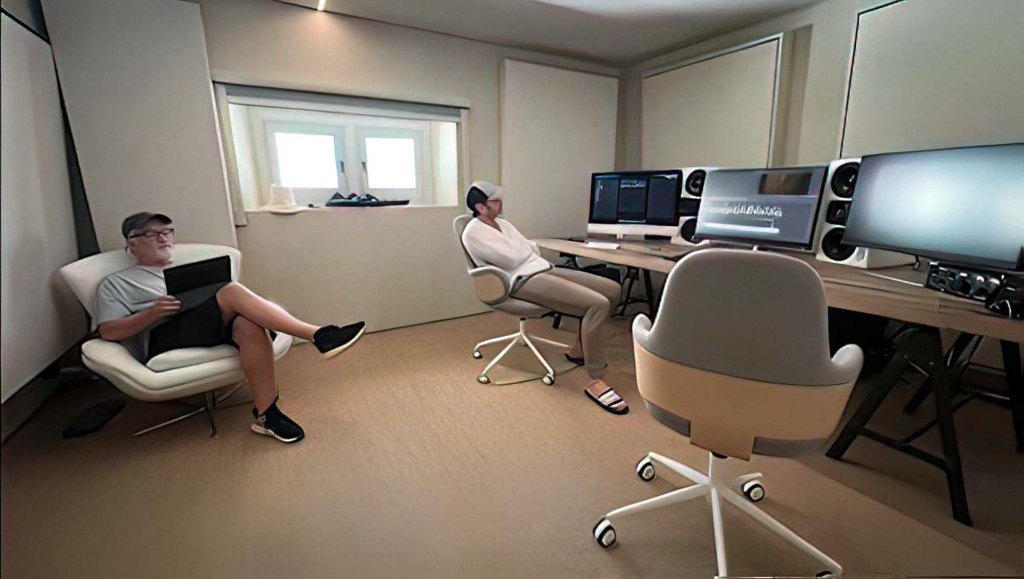
Today on Art of the Cut, we’re talking with Kirk Baxter, ACE, about editing David Fincher’s latest: The Killer, which is now on Netflix.
Kirk’s been on Art of the Cut before – for Gone Girl and for Mank. He was nominated for an Oscar, a BAFTA and an ACE Eddie for The Curious Case of Benjamin Button. He won an Oscar, a BAFTA and an ACE Eddie for The Social Network. He was nominated for an ACE Eddie and won an Oscar for The Girl with the Dragon Tattoo. Was nominated for an Emmy for House of Cards. Was nominated for an ACE Eddie for Gone Girl. Was nominated for an ACE Eddie for Mindhunter. Was nominated for an ACE Eddie for Mank and won an ACE Eddie for Love, Death and Robots.
Kirk Baxter, ACE, director David Fincher’s long-time editor, talks about the power of believing in the process, pacing, and voiceover changes on the action-packed thriller.
We have a bumper episode for you with not one, not two, but three Oscar-nominated or Oscar-winning filmmakers who work with David Fincher. We have Cinematographer Erik Messerschmidt, Editor Kirk Baxter, and Sound Designer Ren Kylce, who have all worked with Fincher multiple times. We talk about their latest collaboration, The Killer, which starring Michael Fassbender and Tilda Swinton.
Follow the podcast on Twitterand Instagram. Support it on Patreon and access bonus episodes, industry survival guides, and feedback on your film projects!
This month, The Film Board is taking on David Fincher’s latest, The Killer. Cinematographer Erik Messerschmidt sat down with Justin Jaeger and Tommy Metz III to talk about making the movie, how movies are made, and why David Fincher’s reputation in one important area is wildly overstated.
Gillian Flynn is an author, screenwriter and showrunner who delights in writing what she calls “bad women” – fascinatingly flawed female characters who she grants the freedom to kill, lie, harm and harass in a way that sometimes ruffles feathers. Take her 2012 novel Gone Girl, for example, which she later adapted into a smash hit movie with David Fincher. That murder-mystery tale of a marriage steeped in deceit captivated the world and sparked near-endless conversation about the poison and/or empowerment of its main character, Amy Dunne.
That novel and movie – released within two years of each other – didn’t just make Flynn a literary darling. It also catapulted her to the summit of film and TV. In 2018, she co-wrote the brilliant Widows with Steve McQueen, and adapted her first novel, Sharp Objects, into a gloriously slow-burning limited series starring Amy Adams. Since then, she’s won cult acclaim for her streaming adaptation of Utopia, the British Channel 4 series.
In the conversation you’re about to hear, we ask Gillian how she pens her captivating characters and the social importance of allowing women to run riot on-screen and in her novels, the way that male anti-heroes are frequently permitted to do. She reflects on the accusations of misogyny that her work attracted from some female writers in the aftermath of Gone Girl’s release and reveals an alternative ending to that story that would have taken the tale of Nick and Amy Dunne in an entirely different direction.
David Fincher, director of “The Killer“: “We thought it would be interesting if the ‘cool’ assassin movie tropes were all taken away”.
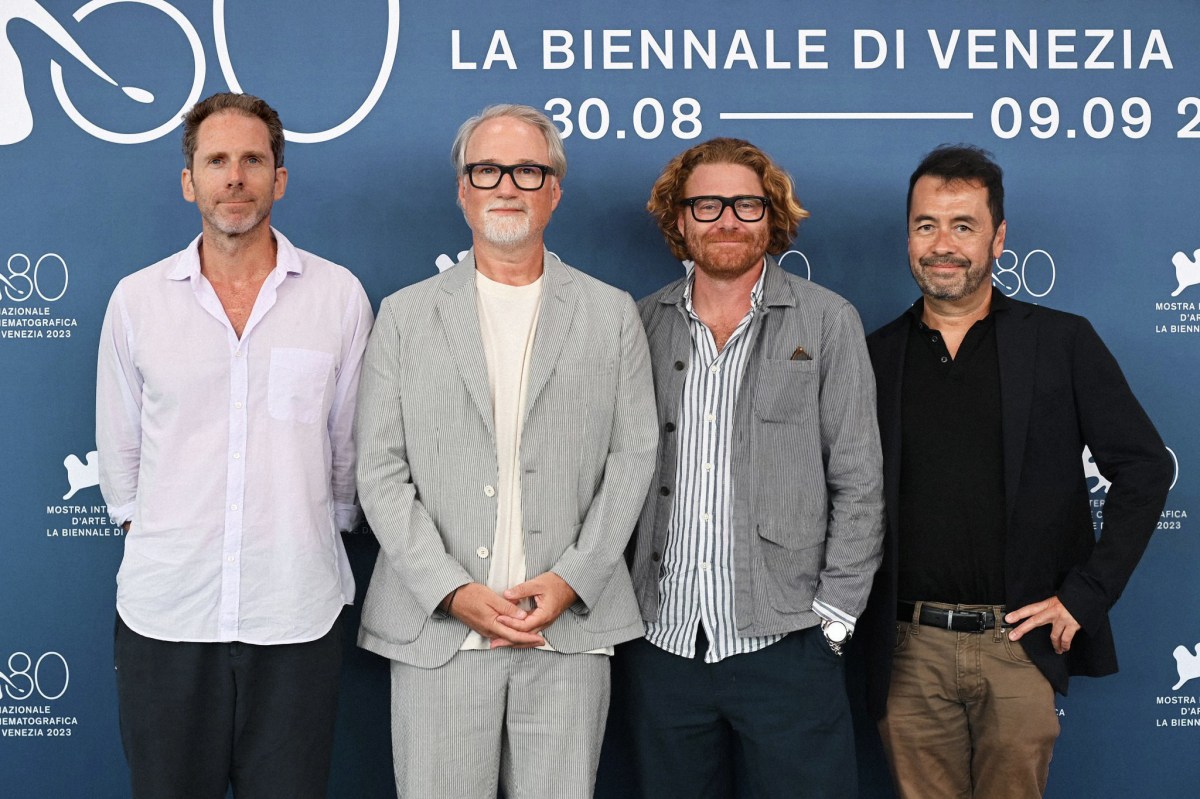
For his twelfth film, “The Killer“, in competition at the 80th Venice International Film Festival, the director David Fincher reunites with Andrew Kevin Walker, with whom he created the indelible serial killer thriller “Se7en” (1995).
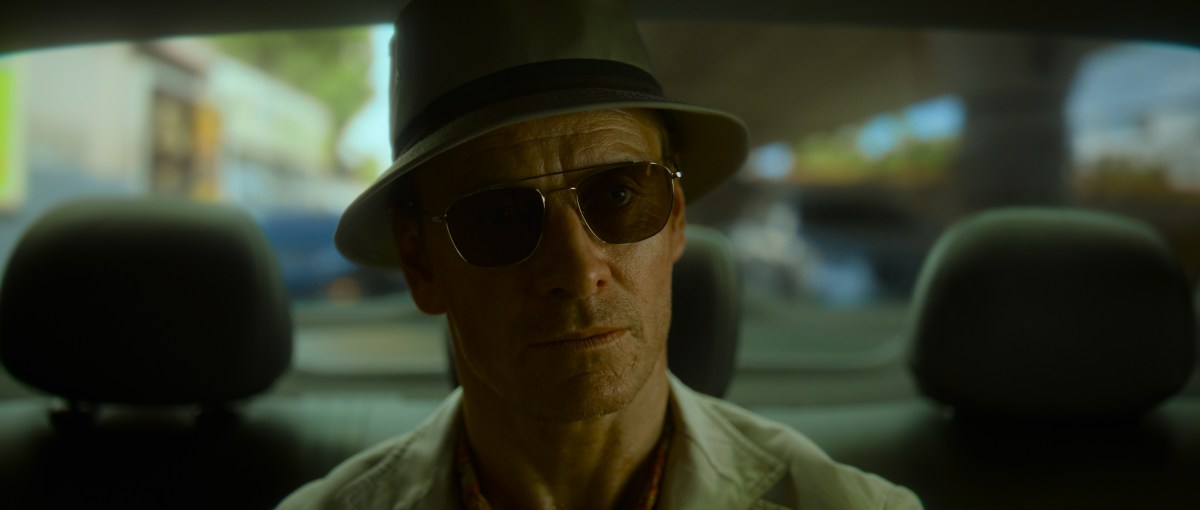
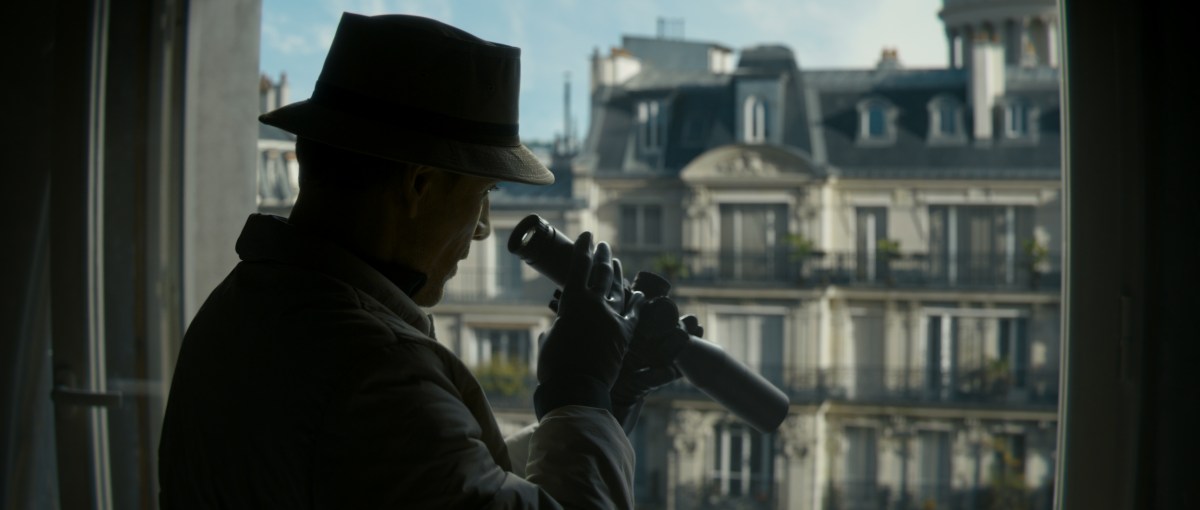
Adapted from the acclaimed graphic novel written by “Matz” (Alexis Nolent), the film explores the boundaries of the revenge movie and sees Michael Fassbender in the role of a hitman failing at his main task and being threatened because of this.
In his production notes, David Fincher writes: “We thought it would be interesting if the ‘cool’ assassin movie tropes were all taken away”. The director describes how he decided to let the audience into the protagonist’s train of thoughts as to understand that “what he does and what he thinks do not match”.
“The Killer“ releases globally on Netflix November 10, 2023.
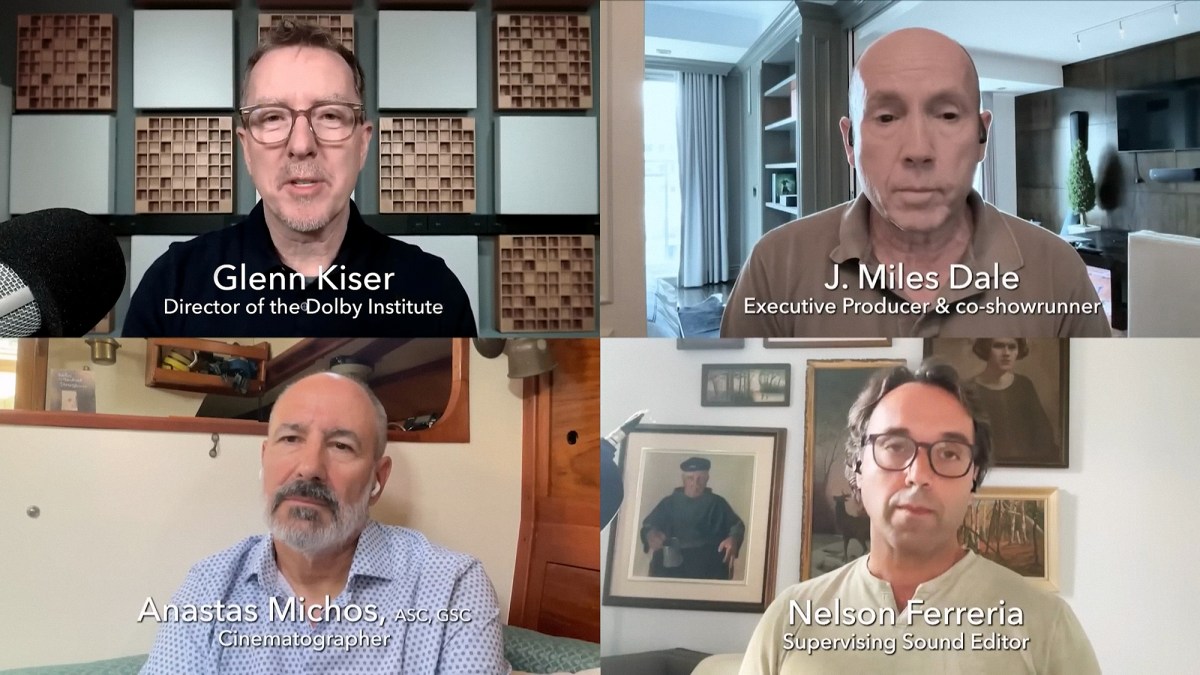
Executive Producer (and co-showrunner) J. Miles Dale joins us on the podcast to discuss the horror anthology series Guillermo del Toro’s Cabinet of Curiosities, which was recently nominated for seven Primetime Emmy Awards. Joining the conversation are nominees: Supervising Sound Editor Nelson Ferreira, MPSE, and Director of Photography Anastas Michos, ASC, GSC.
To avoid spoilers, be sure to watch “The Autopsy” before watching this podcast! But be forewarned, it is extremely dark — both thematically and visually — which was entirely by design. Anastas Michos:
“The genre is squarely within a horror/sci-fi mode. It is about what we don’t see in life. That’s what makes shooting horror films or thrillers so interesting. That we allow the audience to only see what we want them to see, and tease the rest of it into the blacks [of the image].”
Frame & Reference is a conversation between Cinematographers hosted by Kenny McMillan. Each episode dives into the respective DP’s current and past work, as well as what influences and inspires them. These discussions are an entertaining and informative look into the world of making films through the lens of the people who shoot them.
Step into the fascinating realm of cinematography with our special guest, Anastas Michos, ASC, GSC. A seasoned expert in the field, Anastas unlocks the mysteries of television and feature film cinematography, highlighting the way technology is reshaping these two distinct mediums. We navigate the landscape of artificial intelligence and its impact on the world of filmmaking, as well as the unique perspectives of different unions and guilds.
In this engaging discussion, we venture into the realm of personalized creativity in cinematography. We grapple with the thorny issue of image authorship and the absence of laws in the United States that safeguard the creators of these images. Anastas enlightens us on how he navigates projects without relying on the safe and familiar, and what elements give a project an organic feel. We also explore the role of lenses, both physical and virtual, in crafting the look of an image.
As the conversation evolves, we explore the creative process of filmmaking. Anastas shares his insights on the influence of nostalgia and artificial intelligence on new ideas. We touch on the unique work of filmmaker Guillermo del Toro, delve into the intriguing concept of Guillermo del Toro’s Cabinet of Curiosities, and discuss Anastas’ experience working with actor F Murray Abraham. Brace yourself for a riveting expedition into the world of film production, full of collaboration, innovation, and a dash of humor. Don’t miss out!
Cinematographer Anastas MichosASC, GSC humbly calls himself a journeyman cinematographer. However, after 25 years and multiple awards, Anastas possesses expert skill and versatility that can be seen across all genres. Most recently, Anastas was nominated for an Emmy for “The Autopsy,” an episode of Guillermo del Toro’s Cabinet of Curiosities anthology TV series on Netflix.
Del Toro selected the directors for each episode of Cabinet of Curiosities, and he chose idiosyncratic directors who brought their own sensibilities to each piece. Anastas had worked with “The Autopsy” director David Prior before on a horror film called The Empty Man, and they enjoyed collaborating together again. Anastas enjoyed working on Cabinet of Curiosities because it felt like making a short film rather than a TV show, with each piece a crafted short story rather than a serialization. For a consistent look, each episode used the same production designer, Tamara Deverell, who also did the production design for del Toro’s Nightmare Alley. While shooting the episode, Anastas was always conscious that “The Autopsy” should fall under the look of del Toro’s brand.
Anastas has always enjoyed shooting horror films because they explore the human condition in a very specific way. The cinematographer can creatively stretch the imagination and the image in a way that can’t be done as much in dramas, comedies, or romances, since they’re usually based on our day-to-day reality. But Anastas likes to switch around among genres- after working on an intense horror film such as Texas Chainsaw 3D, a light rom-com might sound really good. He’s interested in any project that has a great story, script, director, and crew.
Before finding his way behind a camera, Anastas thought he’d go into the music business since he grew up in a musical family. Instead, he became a news cameraperson, learning visual storytelling on the job. He’s found that his music background has actually served him well as a cinematographer- he feels musicality is very much a part of camera movement. One memorable time early in his career, Anastas was working Steadicam for Born on the Fourth of July. Director Oliver Stone pulled him aside and had Anastas put on a Walkman so that he could move the camera to the pace of the music Stone wanted.
After working as a camera and Steadicam operator for several years, Anastas got to shoot his first feature as a DP for Man on the Moon. Anastas found director Milos Forman to be simultaneously generous and demanding, with the capability of recognizing someone’s potential and holding them to it.