Few figures from Hollywood’s Golden Age loom as large as Orson Welles.
The mercurial wunderkind first made a name for himself with his voice, in his Mercury Theater‘s Shakespeare productions and his iconic radio adaptation of The War of the Worlds. Then he took Hollywood by storm as a creative force, acting, directing, and producing his own work, including his most famous film, Citizen Kane, which is central to David Fincher‘s new movie Mank.
As Welles aged, he became larger than life, both in his increasing girth and his tempestuous approach to filmmaking, a realm in which he was often at odds with studio brass and even himself (see: thelong-unfinished The Other Side of the Wind).
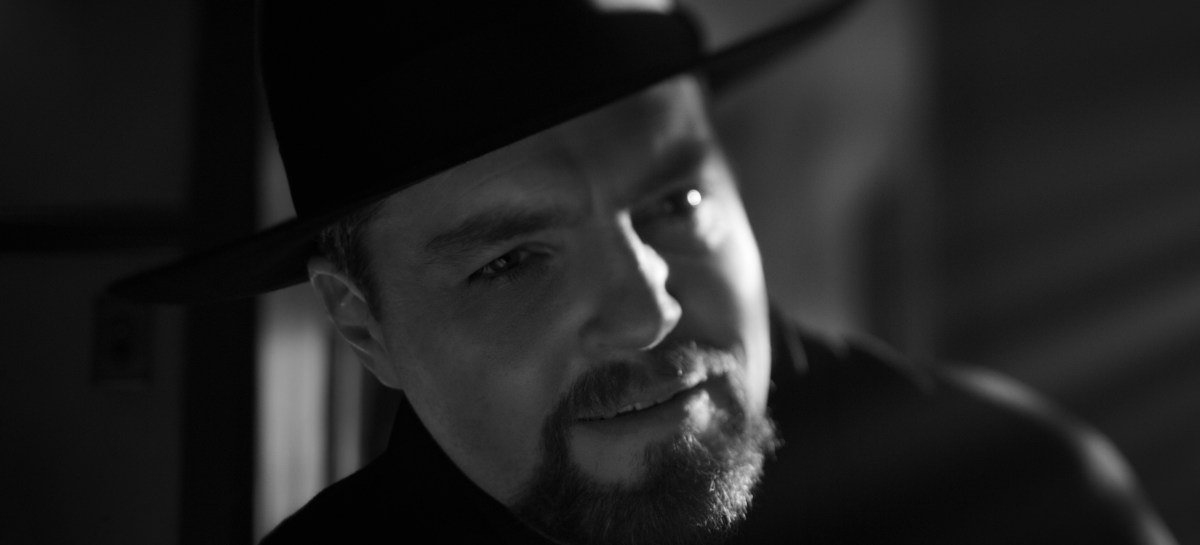
How then do you find the right person to portray such a towering figure? It’s been done before several times, by the likes of Vincent D’Onofrio, Angus MacFadyen, and even Jack Black.
Actor Tom Burke reveals how he perfected the voice of Orson Welles for his new film, Mank, and Rob Savage explains how he made lockdown horror movie Host.
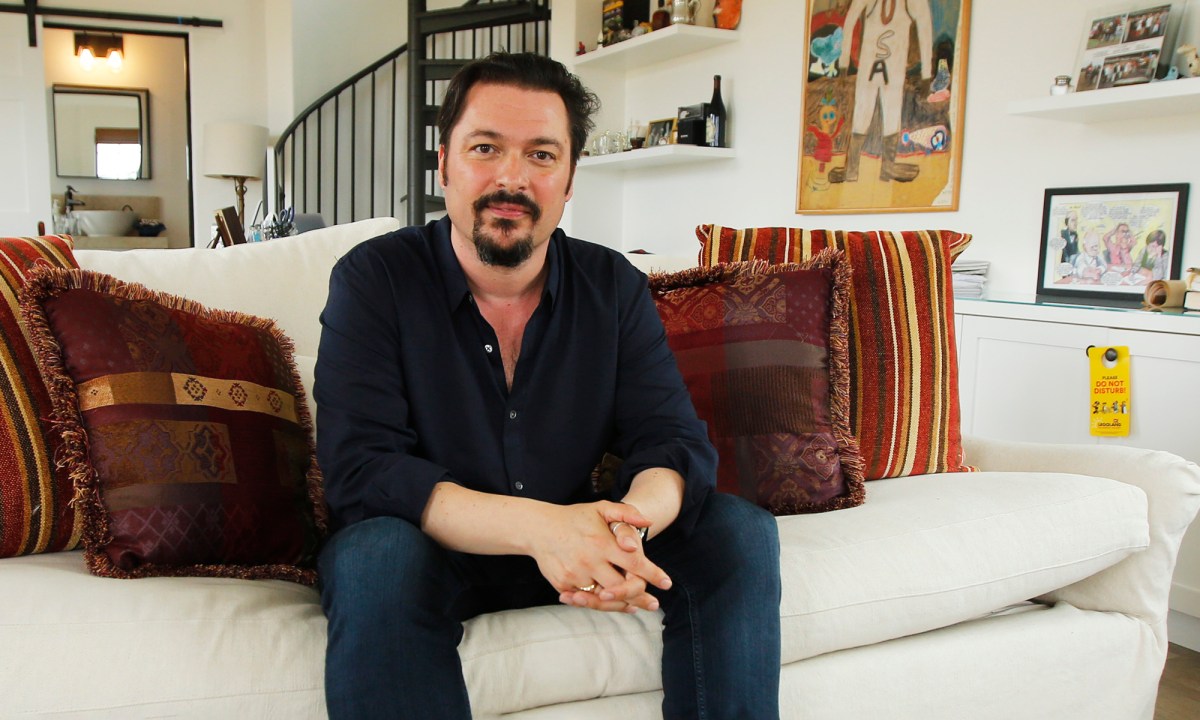
This week we’re joined by the excellent James Vanderbilt, screenwriter of the 2007 David Fincher thriller, Zodiac. James has had an impressively eclectic Hollywood career: on top of writing action adventures like White House Down, detective comedies like Murder Mystery, sci-fi sequels like Independence Day 2 and the odd Spider-Man blockbuster or two, he’s also produced horror hits (Slender Man, Ready Or Not) and stepped behind the camera to direct his own gripping historical drama (2015’s Truth). Before all that, though, came this cult smash: a slow-burn dramatisation of the hunt for the most notorious serial killer in American history.
Zodiac was a labour of love. Vanderbilt obsessed over the mysterious murderer’s identity for decades before writing the film, based on the 1986 non-fiction book of the same name by Robert Graysmith. Graysmith was a cartoonist working at the San Francisco Chronicle when a string of gruesome killings across the Bay Area, by one unknown assailant, left the region in a state of panic and paranoia. The killer, known as the Zodiac, wrote cryptic letters to Graysmith’s paper that perplexed police, and sent Graysmith on a personal mission to uncover the killer’s identity. The Zodiac was never caught. Vanderbilt’s film tells the story of Graysmith’s ultimately unsuccessful search for the truth.
If you’re wondering how you write a satisfying thriller in which the killer gets away, don’t worry: James did too. I chatted to James from his home in LA to hear about the conventions he had to break to make this incredible movie, the dizzying amount of research that he and Fincher undertook to make sure they were telling the victims’ stories responsibly, and whether or not he’d ever consider making of sequel of sorts, about the notorious 1970s killer the Son of Sam.
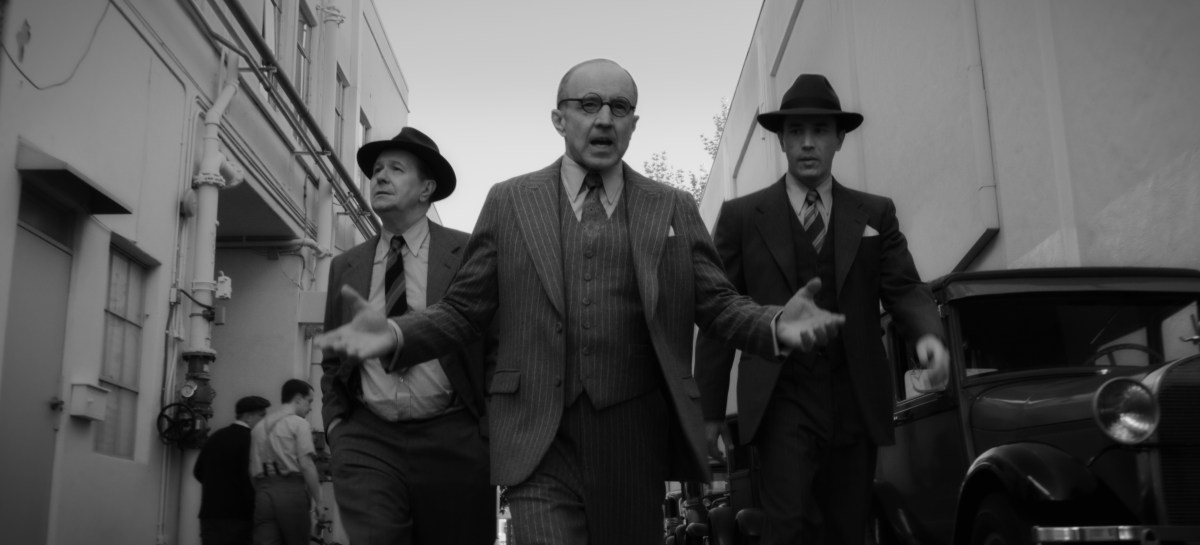
Don’t miss this exclusive and compelling conversation with actor, writer, and director Arliss Howard (Full Metal Jacket, Natural Born Killers, The Lost World: Jurassic Park, Amistad, Moneyball, Manhunt)
A journey into his process, his brilliant performance as MGM’s Louis B Mayer in David Fincher’s new epic feature ‘Mank’, working with Fincher, Kubrick, Spielberg and Stone and so much more!
‘Mank’ premieres theatrically in some territories on Nov 13th. On Netflix Dec 4.
“A place to unload all my cinematic truths.” —Newton Thomas Sigel, ASC
How do you cultivate a career in Hollywood? What does it take to make iconic work? There’s an art to everything in life and the Art of the Shot explores the answers to those questions and more through deep-dives into the minds of master filmmakers. Join host Derek Stettler, young filmmaker and writer for the ASC and SOC magazines since 2016, as he learns from the artists behind today’s most strikingly-shot projects. Enjoy compelling conversations on the craft, insights from successful careers, tips, techniques + more!
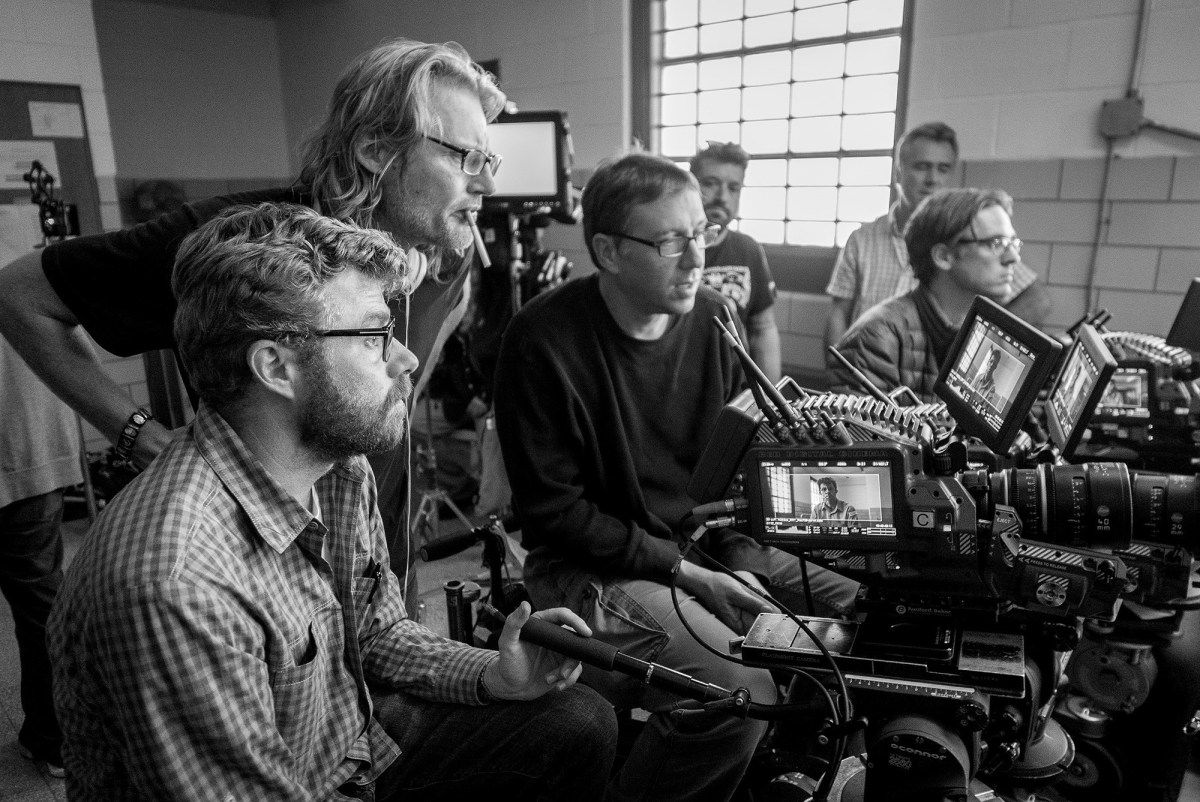
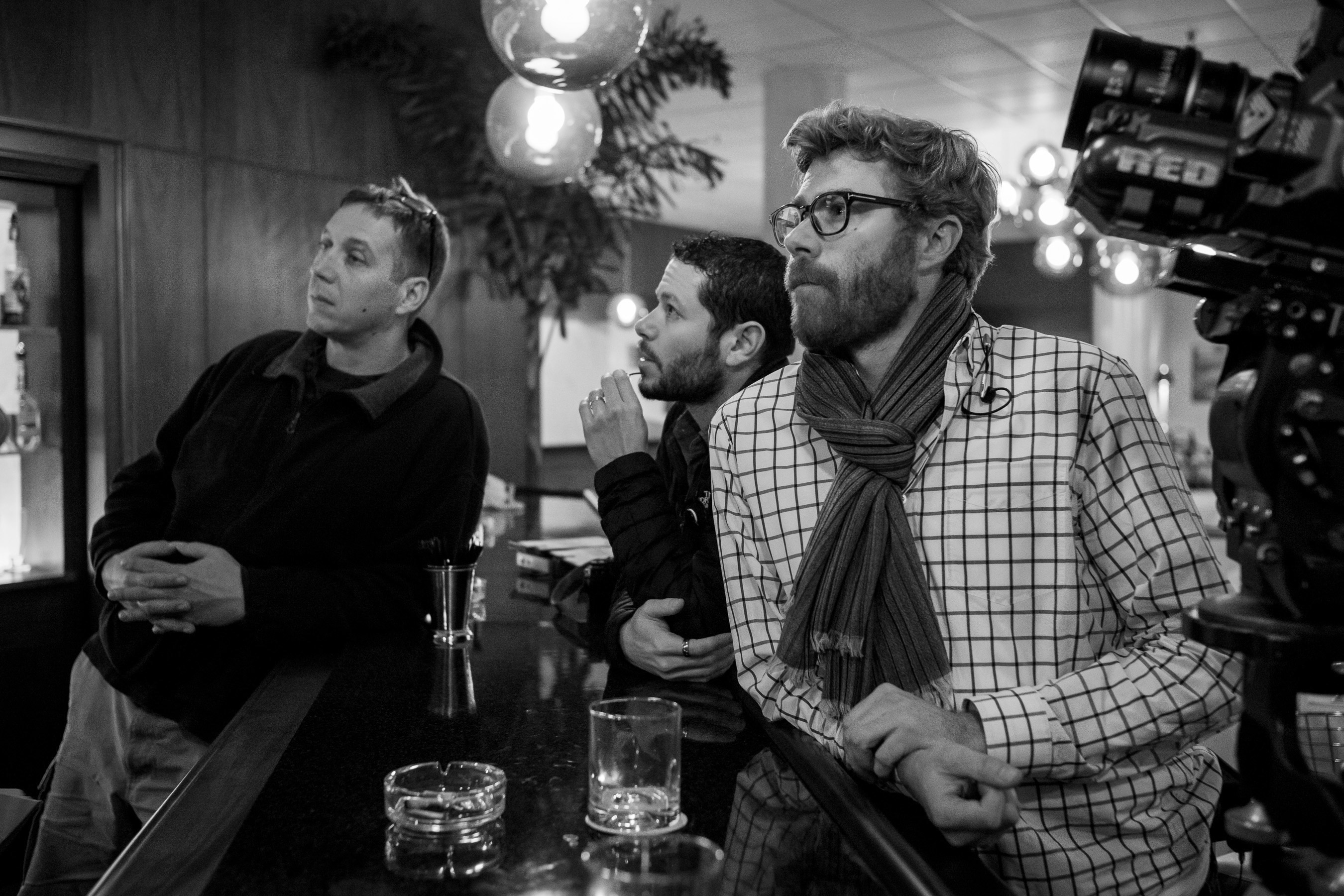
In this episode, you’ll hear from both the cinematographer and the “A” camera operator of Mindhunter, who worked together throughout Season 1 and 2 to shoot every single episode. Please enjoy this exclusive interview with Erik Messerschmidt, ASC and Brian Osmond, SOC!
Brian Osmond, Gaffer Danny Gonzalez, and Erik Messerschmidt (Nikolai Loveikis)
In this episode, you’ll learn:
– Erik’s career path (00:04:06) – Erik’s favorite part of the job (00:06:42) – What DP’s should know to best work with their gaffers, from Erik’s experience working as a gaffer before becoming a DP (00:07:02) – Unique skills Erik gained from his experience as a gaffer (00:07:56) – How Brian got his career started (00:11:19) – Brian’s favorite part of his job (00:12:19) – What other directors can learn from how David Fincher treats his crew (00:18:39) – The thought process & techniques behind Mindhunter‘s precise camera movement (00:22:50) – The strategic use of handheld camera operating (00:34:27) – The collaborative nature of the Mindhunter set (00:37:34) – The importance of having a dedicated camera operator on set, especially on a David Fincher set (00:41:19) – Erik’s role as “quality control supervisor” (00:44:21) – Why a monitor on a David Fincher set is covered in smudges (00:46:57) – Why there’s no such thing as a B camera “bonus shot” on Mindhunter & how shots are planned out for multiple cameras (00:48:23) – What Erik thinks is the hardest shot to do well (00:52:04) – How Erik lights & shoots with 2 cameras simultaneously (00:53:41) – Erik’s approach to lighting Mindhunter & techniques used (00:56:55) – Erik’s preference for real fluorescent lighting (01:03:30) – Mindhunter‘s production design and how much of the locations were built (01:05:01) – Favorite set of Season 2 (01:06:26) – How getting scripts in advance helps them work better (01:10:44) – The innovative car process shooting on Mindhunter & how it works (01:12:38) – How virtual production helps realize every filmmaker’s dream, stopping time, & how Erik used that to shoot a 9-minute dialog scene at dawn (01:18:02) – How the car process shooting on Mindhunter evolved from Season 1 (01:22:37) – How the custom RED digital cinema camera, dubbed the Xenomorph, evolved from Season 1 (01:27:22) – Why Brian prefers a fluid head over a geared head to achieve those smooth, precise shots David Fincher loves (01:37:34) – How to shoot a scene & why “Fix it in prep!” should be every filmmaker’s mantra (01:42:08) – All about the lenses used on Mindhunter & how Erik art directed the artifacts & nuances of every optical aberration (01:48:10) – Tips from Brian on getting really precise shots with a fluid head, what operating technique Erik has learned from Brian, & how being self-critical is a key to his success (01:56:42) – What Erik & Brian feel is the most rewarding part of working on Mindhunter (02:02:47)
If you haven’t yet, please be sure to subscribe to be notified of future episodes, and share this podcast with others to help grow the show and spread the knowledge!
The Art of the Shot podcast is brought to you by Evidence Cameras, an outstanding rental house in Echo Park specializing in high-end digital cinema camera packages, lenses, support, and accessories.
From the inky shadows to red-hot festivals and everywhere in between, Set Decorator Andrew Baseman gives us an up-close-and-personal tour of Mindhunter Season 2 and Gotham, and sneak-peeks into upcoming projects In The Heights and Trial of The Chicago Seven.
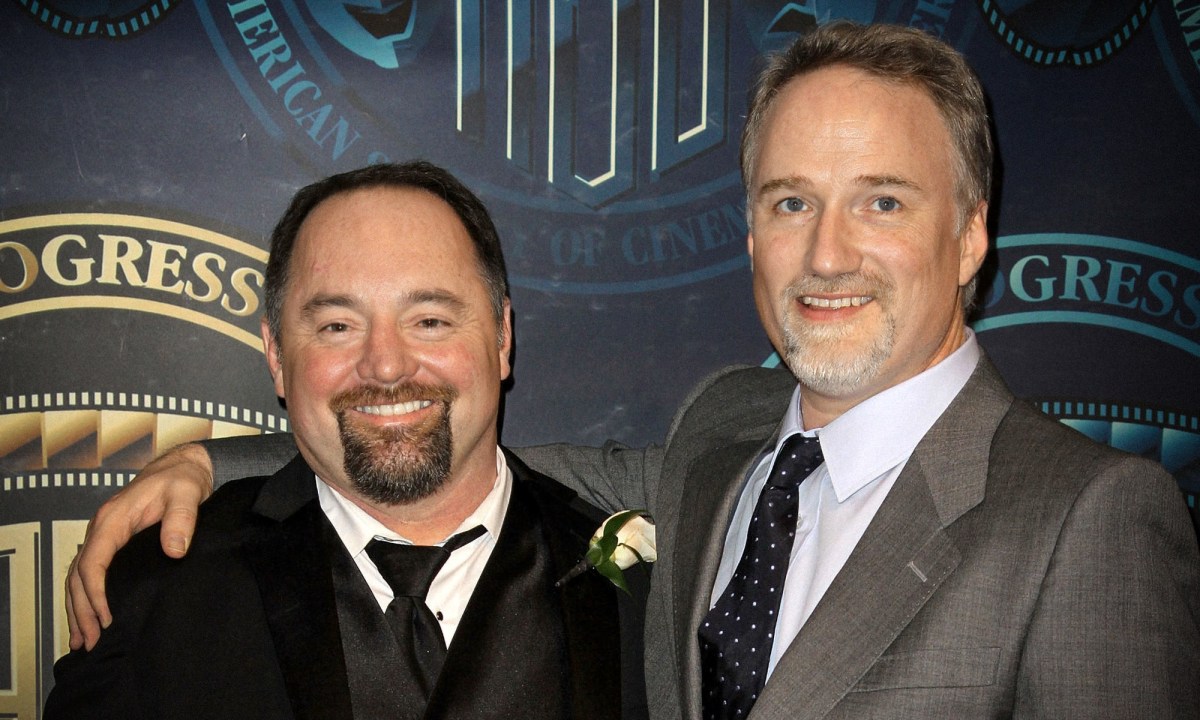
25th Annual American Society Of Cinematographers (ASC) Awards (2011)
A podcast about how to build a career in filmmaking. No Film School shares the latest opportunities and trends for anyone working in film and TV. We break news on cameras, lighting, and apps. We interview leaders in screenwriting, directing, cinematography, editing, and producing. And we answer your questions! We are dedicated to sharing knowledge with filmmakers around the globe, “no film school” required.
Oscar-nominated camera wizard Jeff Cronenweth sat down with us to talk about his origins in the film industry.
As a young man, Cronenweth spent time on the set of Blade Runner as his father, Jordan Cronenweth shot it. He walks us through the next chapter of his career, starting out as an AC for legendary DP Sven Nykvist and how his longtime working relationship with David Fincher began when shooting pickups for a Madonna music video.
We discuss his experiences crafting the look of Fight Club, The Social Network, and Gone Girl, among other great films. Now in 2020, he is up for an Emmy for his work on the Amazon series Tales From The Loop.
The Bret Easton Ellis Podcast is an audio trip inside the mind of the controversial best-selling author of Less Than Zero, The Rules of Attraction, American Psycho and White. The podcast has been delivering compelling discussion of film, television, music and pop culture since 2013. Each new episode will be released exclusively on Patreon.
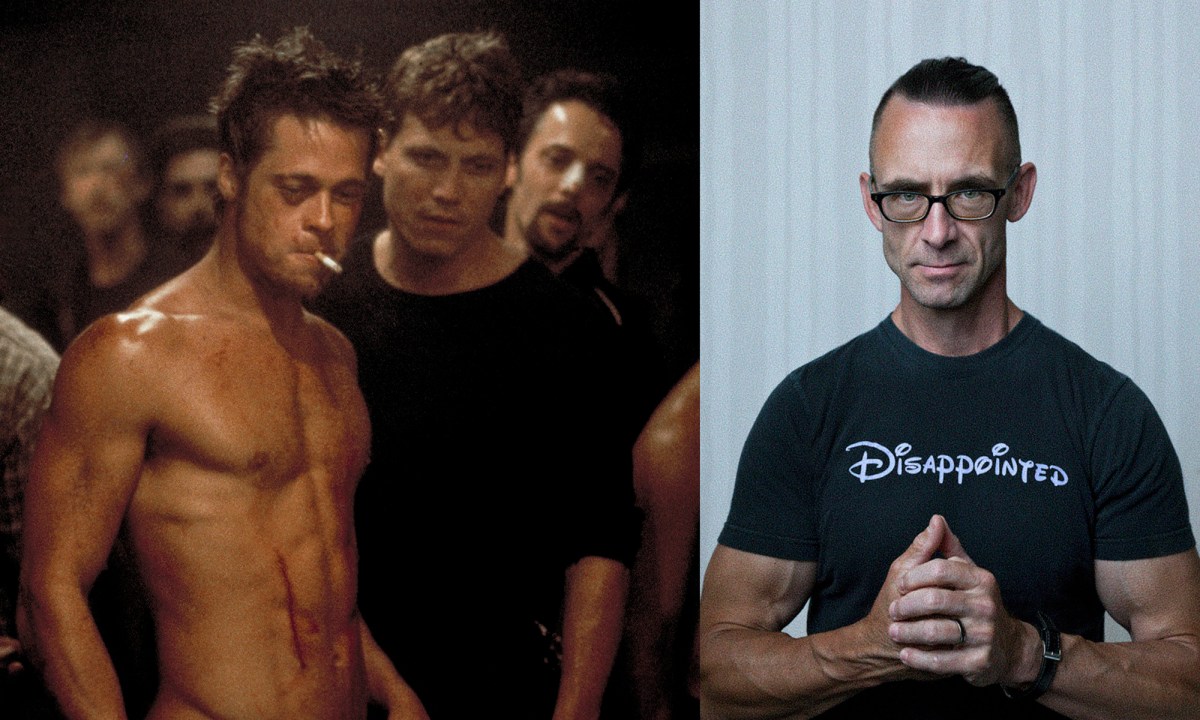
All things Fight Club, the bygone days of literary stardom, DFW to Vonnegut to Nathaniel West, video games replacing the novel, best movie adaptations, financial ruin…
Enjoy this free episode of The Bret Easton Ellis Podcast with author Chuck Palahniuk. Like what you hear? Subscribe for $2 and gain instant access to new episodes and all earlier Patreon episodes dating back to April 2018. You are NOT charged to listen to old episodes… You are only charged $2 for new episodes when they are released every two weeks. Thanks for listening!
A chilling series of murders by the self-titled Zodiac Killer sends Northern California into a state of frenzy. Aided and abetted by SF’s finest, cartoonist Robert Graysmith is willing to sacrifice his marriage, his career and his sanity to track down the killer. David Fincher’s period tale of obsession didn’t perform at the box office and was largely ignored at awards season, but its reputation has built over time, and it is now regarded by many one of the greatest American movies since the turn of the century.
All The Right Movies have gone door to door to find out everything there is to know about Zodiac.
For this very special episode we are joined by screenwriter Liz Hannah (“The Post,” “Long Shot,” “Mindhunter”). We find out why she loves the franchise (especially “Mission: Impossible – Rogue Nation”), her appreciation for Rebecca Ferguson’s Ilsa and what she wants out of the two new movies. She also talks about working with David Fincher. And we also get Liz – and her husband – to rank Tom Cruise’s hairstyles!
Cinema director David Fincher created one of the first original streaming series with House of Cards, and his innovative spirit infuses the Netflix original series Mindhunter, now in its second season.
In this podcast episode, the sound team discuss Fincher’s unique approach to the sound of serial killer interrogation scenes, a hallmark of this fascinating, dark series. The team discuss setting the acoustic tone of the series, including the oppression of the FBI agents’ basement office (and a very special door), why it was important to Fincher to always hear trainee agents at Quantico at target practice, and the joy of receiving Fincher’s incredibly detailed mix notes.
Steve Bissinger – Sound Effects Editor Scott Lewis – Re-Recording Mixer Stephen Urata – Re-Recording Mixer


 The Fincher Analyst