Cinematographer Jeff Cronenweth joins Movies We Like hosts Andy Nelson and Pete Wright to explore Ridley Scott’s groundbreaking 1982 film Blade Runner. As the son of the film’s original cinematographer, Jordan Cronenweth, Jeff brings a unique perspective on both the technical achievements and lasting influence of this sci-fi noir masterpiece. With his recent work on Tron: Ares hitting theaters, Cronenweth reflects on how Blade Runner continues to inspire filmmakers and cinematographers four decades later.
From early experiences on film sets with his father to becoming David Fincher’s go-to cinematographer on films like Fight Club, The Social Network, and The Girl with the Dragon Tattoo, Cronenweth has built a career focused on visual storytelling that serves character and narrative. He describes his approach as seeking human stories within any genre, whether period drama or science fiction. His transition from film to digital cinematography reflects broader industry changes, while maintaining his commitment to thoughtful, story-driven imagery.
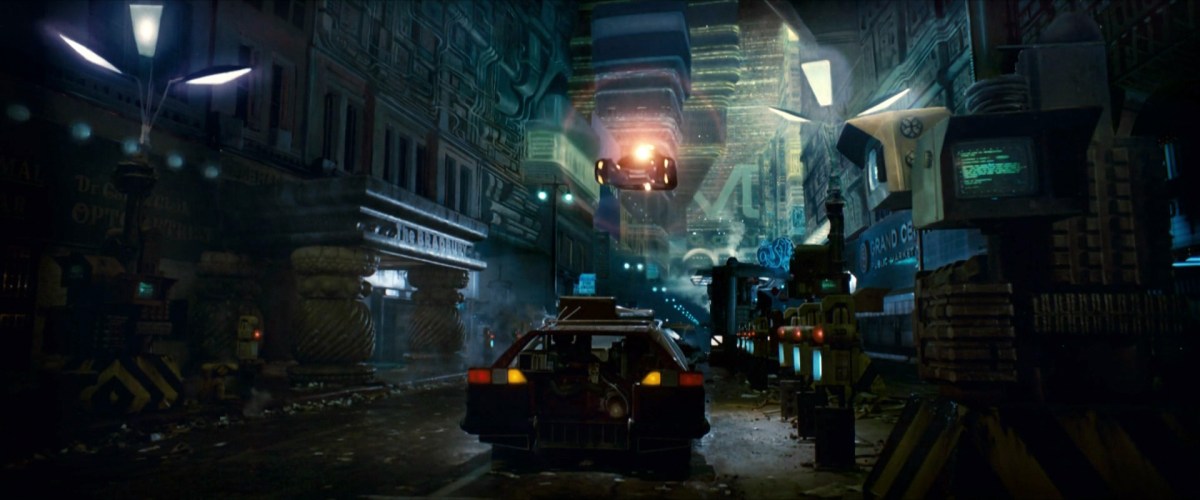
The conversation explores how Blade Runner created its influential neo-noir aesthetic with remarkably limited technical resources, including just three xenon lights for its iconic beam effects and borrowed neon lights from Francis Ford Coppola’s One from the Heart set. Cronenweth shares insights into the film’s production challenges and creative solutions, from practical lighting techniques to Ridley Scott’s visionary production design. The discussion examines how the film balances its high-concept science fiction premise with intimate character moments, creating a template for genre storytelling that continues to resonate. Cronenweth also offers a perspective on the various cuts of the film and its 2017 sequel.
Through this engaging conversation, Cronenweth illuminates not just the technical mastery behind Blade Runner, but its enduring impact on cinema. His unique connection to the film through his father, combined with his own distinguished career, offers viewers fresh insights into this landmark work of science fiction and its continuing influence on visual storytelling.
In this episode, we welcome two-time Oscar-nominated cinematographer Jeff Cronenweth, ASC. Jeff has shot films including Fight Club, One Hour Photo, The Social Network, The Girl with the Dragon Tattoo, Hitchcock, Gone Girl, Being the Ricardos, and Tron: Ares. In our chat, Jeff shares his origin story, experiences working with David Fincher — and all about his latest movie, Tron: Ares. He also offers extensive insights and recommendations for today’s cinematographers and filmmakers.
Mark Laurila, retired teacher of English and Film at California State University August 21, 2023 (Updated in June 2025) Marechal1937 (YouTube)
“My aesthetic has always been tied to the Gordon Willises of the world, the Jordan Cronenweths, the Conrad Halls, the James Wong Howes… the people who took risks.”
David Fincher ‘Seven‘ Criterion Laserdisc commentary, 1996
“With all our modern technology, there is no one who can match James Wong Howe’s ability to control light in the service of story.”
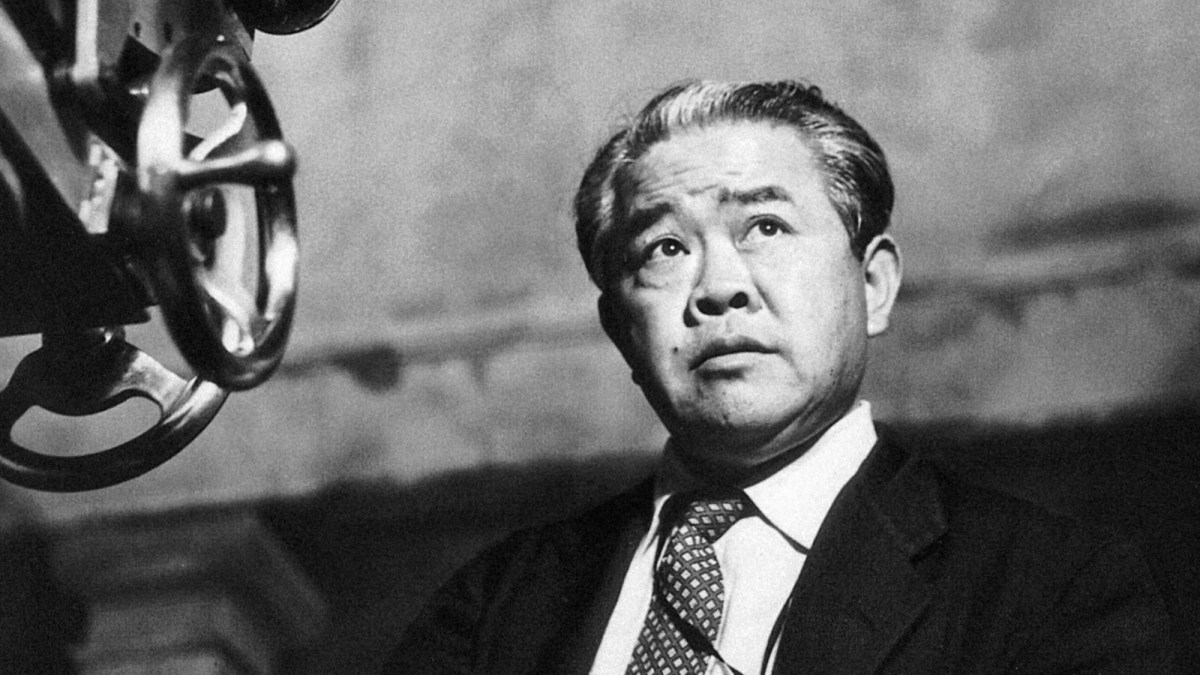
James Wong Howe ASC was a legendary Hollywood cameraman who remains too little known today, despite having been nominated ten times for Academy Awards (and winning twice). A master of black and white, he brought his characteristic, nuanced control of darkness, and light to cinematography.
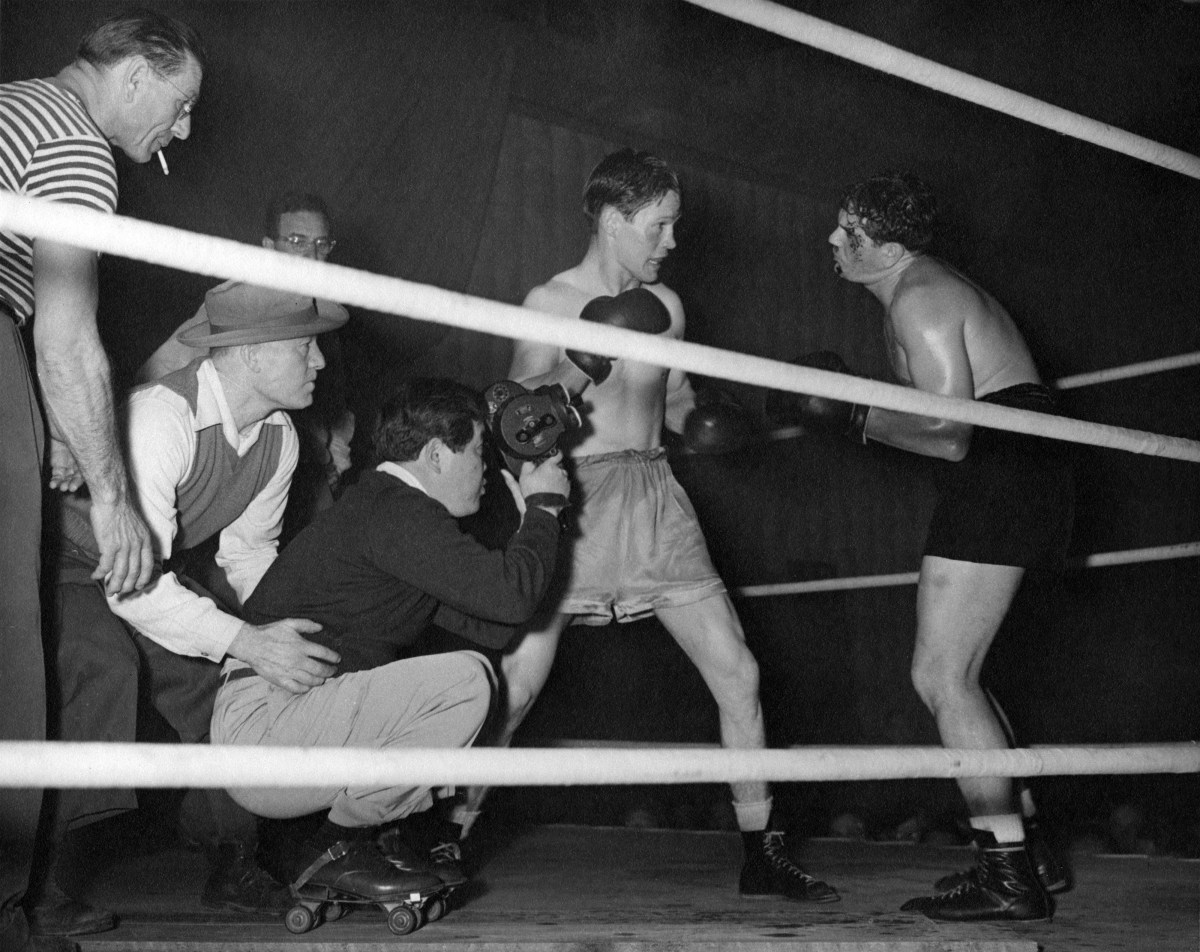
He loved to tell the story of how he put on roller skates and picked up a handheld camera in order to capture the excitement of the climactic boxing match in the classic Film Noir Body and Soul (1947), starring John Garfield. The footage Wong Howe captured inside the ring became a major inspiration for Martin Scorsese when he made Raging Bull (1980). How exactly was Wong Howe’s approach so different from what had come before? This video shows examples of earlier boxing movies, such as Golden Boy (1939) and They Made Me a Criminal (1939), and compares them to Wong Howe’s achievement in Body and Soul.
The resulting analysis is surprising and will likely change perceptions of the film and of Chinese-born/American-raised James Wong Howe. Regarding the film, the innovative camerawork combines the smoothness of the Mitchell BNC with the instability of the handheld Eyemo. Regarding Wong Howe, racism was a constant presence in his life, as he experienced racist movie crews, was denied citizenship because of the Chinese Exclusion Act, and was barred from marrying the writer Sanora Babb because she was white. Additional Wong Howe movies referenced here include Sweet Smell of Success (1957), The Prisoner of Zenda (1937), Yankee Doodle Dandy (1942), Transatlantic (1931), Air Force (1943), He Ran All the Way (1951), Hud (1963), Peter Pan (1924), and The Heart is a Lonely Hunter (1968).
Best of James Wong Howe: The Thin Man (1934)
This video presents the highlights of Wong Howe’s cinematography in the 1934 Comedic Mystery The Thin Man, an adaptation of the novel by Dashiell Hammett. William Powell and Myrna Loy play Nick and Nora Charles, a famous detective and his heiress wife who team up (with the help of their dog Asta) to solve the mystery behind a murder and a missing suspect.
The video demonstrates Wong Howe’s brilliance in several modes: Revealing the Main Characters (in which the characters are first seen from behind, with a moving camera allowing their surprising actions to help define them), Shadowy Characters (in which Wong Howe employs the kind of light and dark that he would use in future Films Noir), Pioneering Whip Pans (in which he uses the ultra-fast panning that would become best known decades later in the films of the French New Wave), The Artful Close-up (which shows the painstaking, glamorous lighting techniques that made him so in demand among the era’s leading ladies…and men) and Character Motivates Camera Movement (which shows how Wong Howe preferred to move his camera only if it had the purpose of better showing characters’ actions).
The success of The Thin Man resulted in the production of five (less-effective) sequels between 1936 and 1947.
Best of James Wong Howe: Body and Soul (1947)
This video presents the highlights of Wong Howe’s cinematography in the 1947 John Garfield Film Noir boxing drama Body and Soul. The movie shows how money, along with sex, can lead to corruption, a theme often found in Garfield’s movies.
The video demonstrates Wong Howe’s brilliance in several modes: Emotion and the Moving Camera (in which emotions are enhanced through the choice to move the camera through space), Romance Night and Day (showing how the mood could be created differently, depending on the time), Picturing Lust (in which he used a composition to suggest objectification), Noir Style, Deep Focus, and Pioneering Hand-held Camera.
Body and Soul was created through Garfield’s own independent production company and resulted in a Best Actor Academy Award nomination for Garfield. It won for Best Editing by Robert Parrish. The film co-stars Lili Palmer, Hazel Brooks, William Conrad, Canada Lee, and Lloyd Gough (billed here as Lloyd Goff).
The film’s director Robert Rossen, its screenwriter Abraham Polonsky, and Garfield were all eventually targeted by HUAC, the House Committee on Un-American Activities, during the Hollywood Blacklists in the 1950s. Because of his blacklisting, Garfield’s career was destroyed, and he soon died of a heart attack at the age of 39.
Best of James Wong Howe: He Ran All the Way (1951)
This video presents the highlights of Wong Howe’s cinematography in the 1951 crime melodrama Film Noir He Ran All the Way, which contains the final on-screen performance by John Garfield.
The video demonstrates Wong Howe’s brilliance in several modes: Introducing a Character (which involves a fast pan, a startling push-in, and reframing to emphasize a gun), Darkness and Light (showcasing Wong Howe’s mastery of Film Noir style), Camera Placement in Pool (in which Wong Howe put on swim trunks and lowered his camera into Long Beach’s Plunge to get the play of light off the water and onto the actors’ faces), All in a Single Shot (virtuosic, and always helpful on a low budget movie), High-Angle Vulnerability (nearly a God’s Eye View looking down on human weakness), Trapped Inside Frames (fitting for a hostage story), and John Garfield’s Final Scene on Film (a collaboration with an actor that Wong Howe had loved and worked with since the 1930s).
The script was mostly written by Dalton Trumbo, but because of his blacklisting and impending prison sentence, his name was removed from the credits. The film’s director, John Berry, was also blacklisted, and he left the U.S. in order to continue working in Europe.
Best of James Wong Howe: Picnic (1955)
This video presents the highlights of Wong Howe’s cinematography in the 1955 Cinemascope and Technicolor classic Picnic, directed by Joshua Logan and based on the play by William Inge.
By the time this film was made, nearly half of all Hollywood feature films were still being shot in black and white. Wong Howe’s reputation still largely rests on his black and white work, but by the 1950s, studios increasingly chose to make films in color, pushing Wong Howe outside his comfort zone. The Technicolor company required DPs to be “assisted” by a supposed Technicolor expert who would try to dictate color use and lighting. But Wong Howe resisted, making enemies at Technicolor. He continually aimed to use less high key and more low key light than the Technicolor engineers pushed for, and he was always ready to desaturate the colors to give a more earthbound look, rather than a gaudy Hollywood one.
Picnic was the movie that made Kim Novak a star, and William Holden became a major sex symbol for his many shirtless scenes and for the sexual chemistry between him and Novak. Although most of the interiors were shot on Columbia Pictures sound stages in Hollywood, the many exteriors were shot on location in several small Kansas towns. Wong Howe loved the challenge of location shooting. And in this case, he also loved that the director, Joshua Logan, was mostly a New York stage director. As Todd Rainsberger writes, “Haskell Wexler, a Howe assistant at the time, says that Logan was not cinematically inclined and relied heavily upon Howe to visualize the story.” As Logan himself wrote in a letter to Jimmie, “If I have been a successful director in this picture, it is enormously due to the encouragement, ideas and editing that you gave to me so generously…” Wong Howe, known in the industry as a “frustrated director,” loved the opportunity to put his imprint on the movie’s look.
Best of James Wong Howe: Sweet Smell of Success (1957)
This video presents the highlights of Wong Howe’s cinematography in the 1957 Film Noir masterpiece Sweet Smell of Success. Burt Lancaster plays powerful and ruthless New York newspaper columnist J.J. Hunsecker who manipulates Press Agent-on-the-make Sidney Falco, played by Tony Curtis, into doing his bidding, breaking up his younger sister’s romantic relationship.
The video demonstrates Wong Howe’s brilliance in several modes: Sidney Falco and the Restless Camera (in which the constantly moving camera emphasizes the press agent’s non-stop hustling), Faces in Darkness (often suggesting hidden intentions and toxic influence), and EXT. NEW YORK CITY – NIGHT (in which Wong Howe’s mastery of location and night shooting astonishes).
Sweet Smell of Success began as a short story by Ernest Lehman, best known for writing Alfred Hitchcock‘s North by Northwest. Lehman wrote the first script, but after the director Alexander Mackendrick was hired, playwright Clifford Odets rewrote much of it, and the film’s famous acidic dialogue seems overtly Odetsian.
“Sweet Smell of Success is a crazy movie. You know, directors look at films in a pretty special way. We all have a kind of lexicon. For us, shots are common nouns and verbs that, together, form sentences or paragraphs, a language. And this language is constantly evolving. Sweet Smell of Success is part of my lexicon. It is there even when I don’t consciously refer to it. I love it because it stays true to its concept all the time. It never stops to take you by the hand, it pulls you in, period.”
This video presents the highlights of Wong Howe’s cinematography for Hud, the 1963 adaptation of a Larry McMurtry novel that showcased one of Paul Newman’s most iconic performances and that won Patricia Neal her Academy Award for Best Actress. Wong Howe won the Academy Award for Best Cinematography.
This video demonstrates Wong Howe’s brilliance in several modes: Ultra Widescreen Panavision for Dynamism, Making a Cadillac Emblematic of a Reckless Man (which shows how the pictorial qualities involving Hud’s pink Cadillac were used to reveal personality and, simultaneously, excite audiences), Tracking Two-Shots that Emphasize Connection…And Ultimate Disconnection (which shows how Wong Howe developed a motif over the course of the film), Filters Remove Clouds for a Stark, White-Hot Sky (which shows the use of light-blue filters to create an effect that Wong Howe bragged about in almost every interview he gave after this), Location Night Shooting Enhances Emotion and Realism (which actually benefits from the local bugs attracted to the photo floods), Wide Angle Lens (25mm) and Slow Pan Underlines the Isolation of a Barren Landscape (which shows one unbroken, high angled shot that made the surrounding farms look much farther away than they actually were), Matching a Location’s Bare-Bulbed Lighting for Small Town Authenticity (an instance in which Wong Howe proclaimed he resisted any use of his “special touch” with light), Mid-Gray, Rather than High Contrast to Create a Hot and Drab Environment (which shows how “Low Key Howe” stifled his favored mode for the sake of what was most appropriate for the story), Unglamorous Lighting to Suggest a Hard Life (which shows several scenes with Patricia Neal’s character, Alma), and One Virtuosic, Continuous Shot to Give Finality to a Character’s Arc (giving the kind of big send-off that couldn’t have hurt Neal’s chances on Oscar night).
“My aesthetic has always been tied to the Gordon Willises of the world, the Jordan Cronenweths, the Conrad Halls, the James Wong Howes… the people who took risks.”
David Fincher ‘Seven‘ Criterion Laserdisc commentary, 1996
This May on TCM, we’re celebrating the work of groundbreaking cinematographer James Wong Howe. In this episode of Film 101, we explore how his techniques transformed cinema, the personal and professional obstacles he had to overcome, and why his work on films such as ‘He Ran All the Way’ (1951), ‘Picnic’ (1955), ‘Sweet Smell of Success’ (1957), and ‘Hud’ (1963) are celebrated to this day.
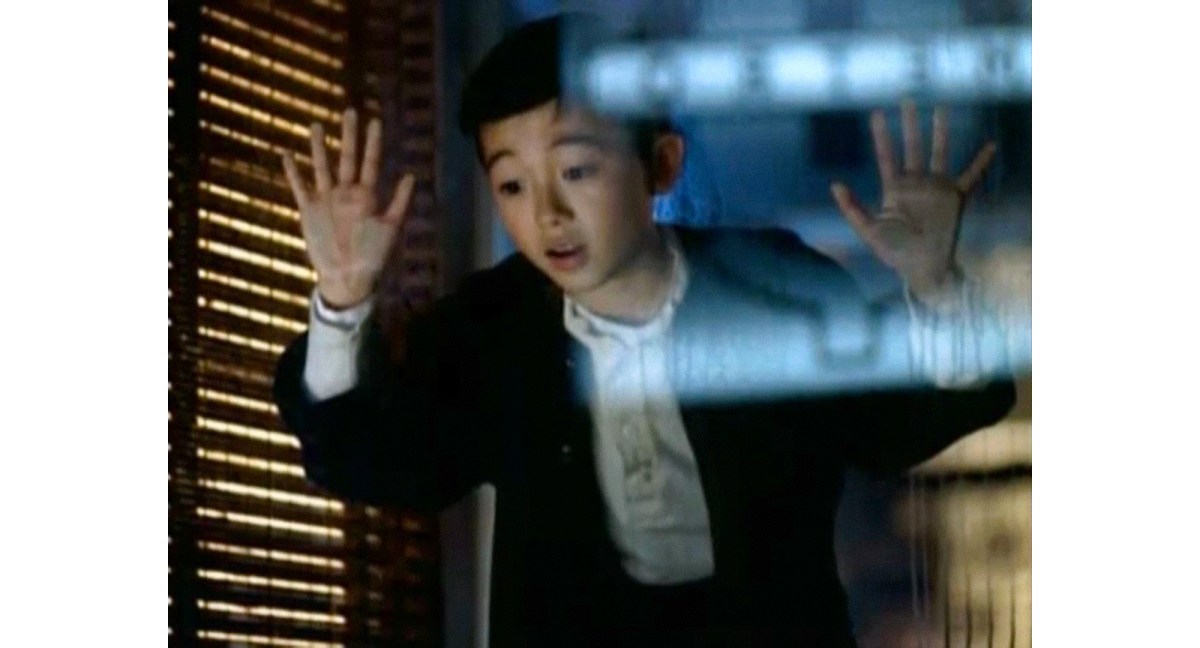
In 2021 AD, the futuristic megalopolis of ZERO-CITY is under martial law. When the authorities try to enforce a curfew, a gang of renegade “Blade Rollers” defy it rollerblading daredevil-style through the deserted rain-slicked streets.
For this stylistic homage to Blade Runner (Ridley Scott, 1982), director David Fincher recruited the cinematographer of the classic film, Jordan Cronenweth, ASC, one of his all-time heroes.
It was also the first collaboration between Fincher and Producer Ceán Chaffin.
Watch all the versions of the commercial and read The Fincher Analyst dossier:
Directors who have worked with Jeff Cronenweth, ASC observe that he is quiet, centered, and possesses a very dry sense of humor. Working in an eclectic mix of genres and styles, he quickly zeroes in on central concepts, often exceeding expectations with the results. His career as a feature cinematographer began auspiciously with David Fincher’s eye-popping Fight Club (AC Nov. ’99), and his filmography since then includes The Social Network (AC Oct. ’10), Gone Girl (AC Nov. ’14), One Hour Photo (AC Aug. ’02) and the Amazon miniseries Tales From the Loop (AC April ’20). Cronenweth has also shot stylistically bold, groundbreaking music videos for David Bowie, Taylor Swift, Janet Jackson, Nine Inch Nails and many other top artists.
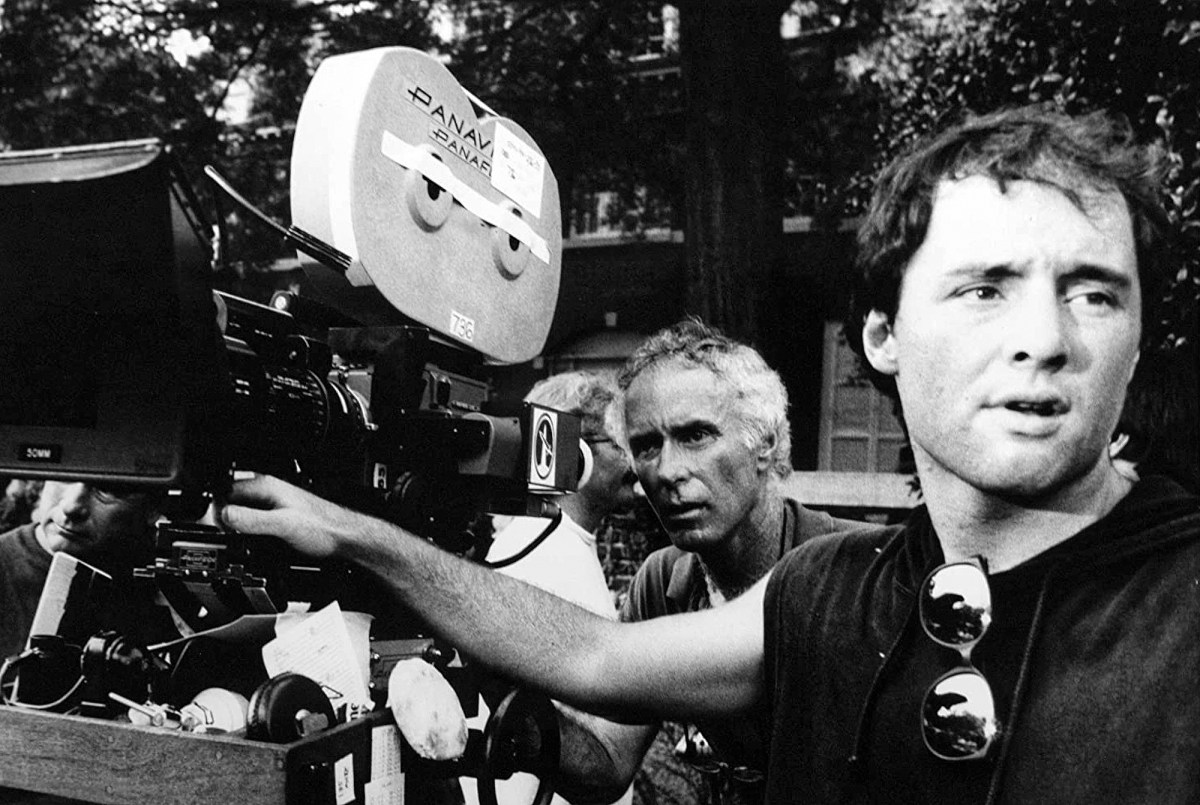
Jeff with his father, Jordan Cronenweth, ASC.
It wouldn’t be at all hyperbolic to say Cronenweth was born into filmmaking. His great-grandfather owned and operated a photographic-equipment store in Wilkinsburg, Pa.; his grandfather Edward worked as a portrait photographer for Hollywood studios during the peak of that unique specialty, earning an Academy Award for his work; his grandmother Rosita was a Busby Berkeley dancer; and his father, renowned ASC member Jordan Cronenweth, served as director of photography on Blade Runner (AC July ’82), Peggy Sue Got Married (AC April ’87), Altered States (AC March ’81), Gardens of Stone (AC May ’87), and many classic music videos for leading artists of the 1980s and ’90s.
Taking this lineage a step further, Jeff Cronenweth has also collaborated with his brother Tim, a successful commercial director, on more than 500 spots.
“A storyteller doesn’t want to tell the same story over and over, and I don’t want to, either. I always want to find something new and challenging to work on.” — Jeff Cronenweth, ASC
Cinematographer Jeff Cronenweth, ASC, is the son of Jordan Cronenweth, ASC, one of the most influential cinematographers in history, most notable for Blade Runner.
He worked with his father as a camera loader and second assistant camera during high school, graduated from the USC School of Cinematic Arts, and worked his way up to first assistant camera and then camera operator until the mid-1990s. He also worked for legendary Swedish cinematographer Sven Nykvist.
The first major motion picture where he acted as a DP was for David Fincher‘s Fight Club. Other notable feature films on which he worked as a DP are One Hour Photo, directed by Mark Romanek, K-19: The Widowmaker, Down With Love, The Social Network, Hitchcock, The Girl with the Dragon Tattoo, Gone Girl, and recently, Being the Ricardos, written and directed by Aaron Sorkin.
He was nominated twice for an Academy Award for Best Cinematography for his work on Fincher’s The Social Network (2010) and The Girl with the Dragon Tattoo (2011).
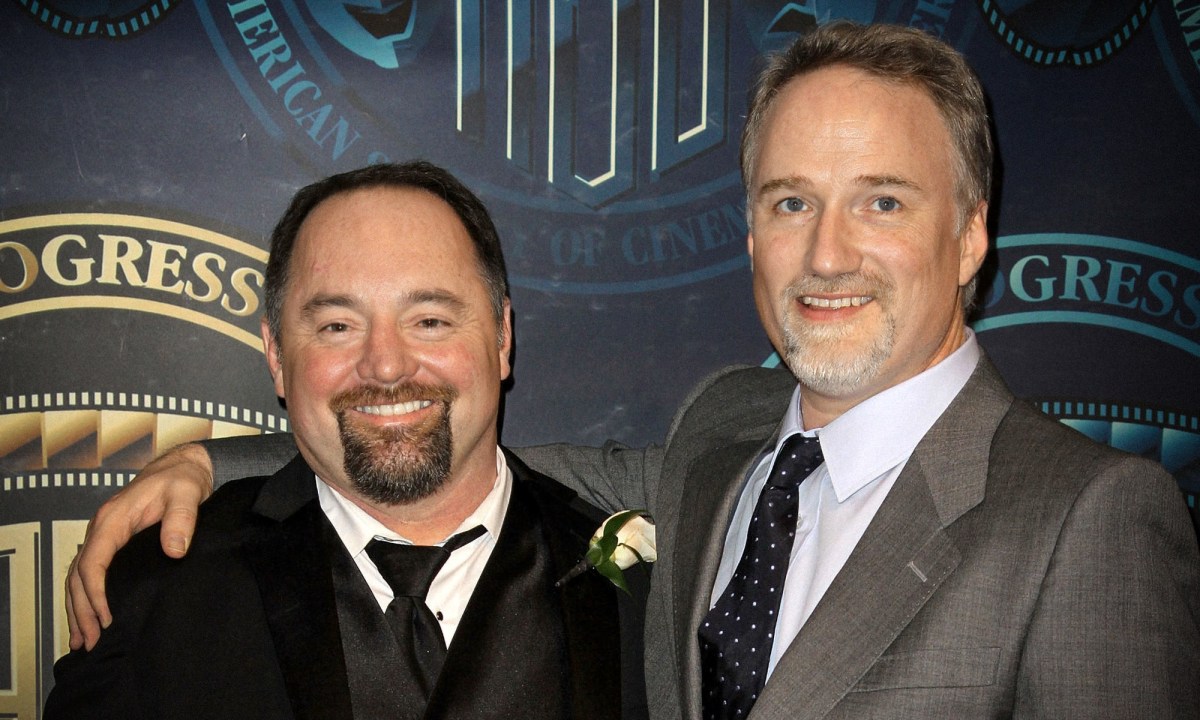
25th Annual American Society Of Cinematographers (ASC) Awards (2011)
A podcast about how to build a career in filmmaking. No Film School shares the latest opportunities and trends for anyone working in film and TV. We break news on cameras, lighting, and apps. We interview leaders in screenwriting, directing, cinematography, editing, and producing. And we answer your questions! We are dedicated to sharing knowledge with filmmakers around the globe, “no film school” required.
Oscar-nominated camera wizard Jeff Cronenweth sat down with us to talk about his origins in the film industry.
As a young man, Cronenweth spent time on the set of Blade Runner as his father, Jordan Cronenweth shot it. He walks us through the next chapter of his career, starting out as an AC for legendary DP Sven Nykvist and how his longtime working relationship with David Fincher began when shooting pickups for a Madonna music video.
We discuss his experiences crafting the look of Fight Club, The Social Network, and Gone Girl, among other great films. Now in 2020, he is up for an Emmy for his work on the Amazon series Tales From The Loop.
Welcome to the Art of the Shot podcast! Join writer and filmmaker Derek Stettler for conversations with the artists behind the camera on strikingly-shot films, series, music videos and commercials. Discover how they made their careers happen, hear about their creative process, and learn how they make the shots that make us say: wait, how did they do that?
For the third episode, Derek speaks with none other than Jeff Cronenweth, ASC!
Jeff is the two-time Oscar-nominated cinematographer behind many of David Fincher’s films, including The Social Network, The Girl with the Dragon Tattoo, and their first film together–and Jeff’s first feature film–Fight Club.
(And if you’re worried, no, they don’t talk about Fight Club… much.)
Jeff has also shot numerous commercials and music videos for some of the biggest artists, including Madonna, David Bowie, Shakira, Taylor Swift and Katy Perry.
And this month marked the release of Jeff’s first foray into television, with the pilot to the Amazon Prime original series, Tales from the Loop: a sci-fi anthology adapted from the paintings of Swedish artist Simon Stålenhag.
What you may not know is that Jeff Cronenweth is the son of legendary cinematographer Jordan Cronenweth, the eye behind the era-defining look of Blade Runner. Enjoy this in-depth conversation about everything from how Jeff forged his own path while following in his father’s footsteps, and his approach to lighting based on story, to working with David Fincher, his work on Tales from the Loop (including how he achieved a never-before-seen lighting effect), and his trick for making sure eye lights look more natural.
Note, due to the COVID-19 pandemic, this conversation was recorded remotely, but all efforts were made to ensure quality audio.
The Art of the Shot podcast is brought to you by Evidence Cameras, an outstanding rental house in Echo Park specializing in high-end digital cinema camera packages, lenses, support, and accessories.
If you like what you hear, please subscribe to be notified of future episodes, and share this podcast with others to help grow the show!
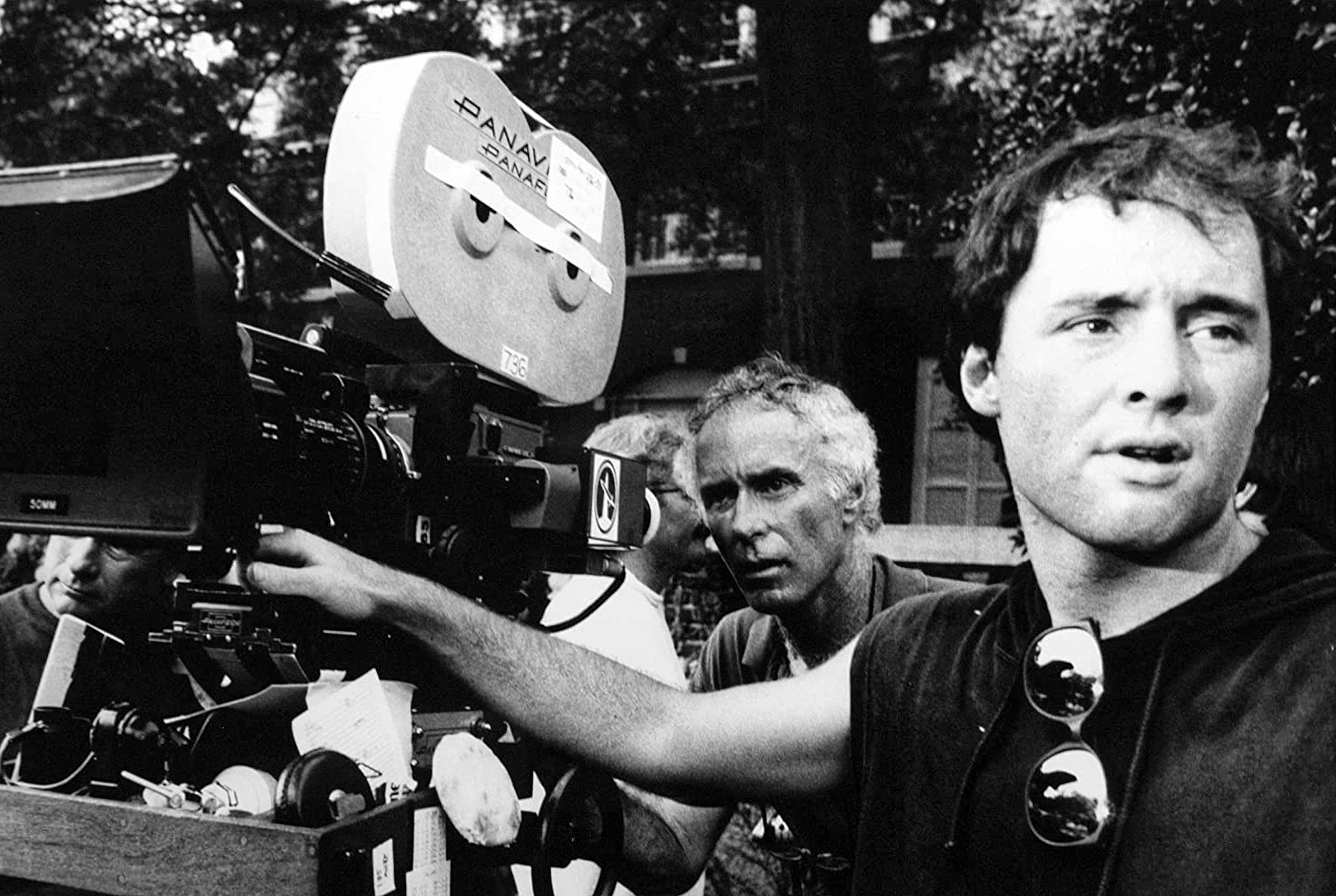
Jordan and Jeff Cronenweth on the set of Francis Ford Coppola‘s Gardens of Stone
Jeff Cronenweth, ASC on David Fincher, Fight Club, growing up in Hollywood, music videos, Mark Romanek, One Hour Photo, Gone Girl, The Social Network and the new Amazon series Tales from the Loop.
Jeff Cronenweth comes from three generations in the film business and followed his father, cinematographer Jordan Cronenweth (Blade Runner) into a career as a director of photography. Growing up on film sets and working alongside his father enabled Jeff to take a hands-on role in the camera department. He started as a loader and camera assistant, getting into the union while attending USC. He met David Fincher while working on the Madonna music video “Oh Father” as a camera assistant. Fincher gave Jeff his first opportunity to DP for the filmFight Club. Jeff’s collaboration with Fincher later earned him two Oscar nominations- one for The Social Network and one for The Girl with the Dragon Tattoo. He also began working with director Mark Romanek on music videos, such as Eels “Novocaine for the Soul” and Nine Inch Nails’ “The Perfect Drug.” Jeff and Romanek also worked together on the feature film, One Hour Photo starring Robin Williams. The film presented many lighting challenges since the bulk of it takes place inside a store with flat white lights before the darker undertones of the movie are revealed.
Jeff also shot the pilot for Tales from the Loop with director Mark Romanek, streaming now on Amazon Prime.

 The Fincher Analyst