Frame & Reference is a conversation between Cinematographers hosted by Kenny McMillan. Each episode dives into the respective DP’s current and past work, as well as what influences and inspires them. These discussions are an entertaining and informative look into the world of making films through the lens of the people who shoot them.
In this episode, Kenny talks with legendary cinematographer Jeff Cronenweth, ASC about the Oscar Nominated film “Being the Ricardos.” You likely know Jeff from his work on films such as “Fight Club“, “Gone Girl“, “The Social Network” & “The Girl with the Dragon Tattoo.”
Directors who have worked with Jeff Cronenweth, ASC observe that he is quiet, centered, and possesses a very dry sense of humor. Working in an eclectic mix of genres and styles, he quickly zeroes in on central concepts, often exceeding expectations with the results. His career as a feature cinematographer began auspiciously with David Fincher’s eye-popping Fight Club (AC Nov. ’99), and his filmography since then includes The Social Network (AC Oct. ’10), Gone Girl (AC Nov. ’14), One Hour Photo (AC Aug. ’02) and the Amazon miniseries Tales From the Loop (AC April ’20). Cronenweth has also shot stylistically bold, groundbreaking music videos for David Bowie, Taylor Swift, Janet Jackson, Nine Inch Nails and many other top artists.
Jeff with his father, Jordan Cronenweth, ASC.
It wouldn’t be at all hyperbolic to say Cronenweth was born into filmmaking. His great-grandfather owned and operated a photographic-equipment store in Wilkinsburg, Pa.; his grandfather Edward worked as a portrait photographer for Hollywood studios during the peak of that unique specialty, earning an Academy Award for his work; his grandmother Rosita was a Busby Berkeley dancer; and his father, renowned ASC member Jordan Cronenweth, served as director of photography on Blade Runner (AC July ’82), Peggy Sue Got Married (AC April ’87), Altered States (AC March ’81), Gardens of Stone (AC May ’87), and many classic music videos for leading artists of the 1980s and ’90s.
Taking this lineage a step further, Jeff Cronenweth has also collaborated with his brother Tim, a successful commercial director, on more than 500 spots.
“A storyteller doesn’t want to tell the same story over and over, and I don’t want to, either. I always want to find something new and challenging to work on.” — Jeff Cronenweth, ASC
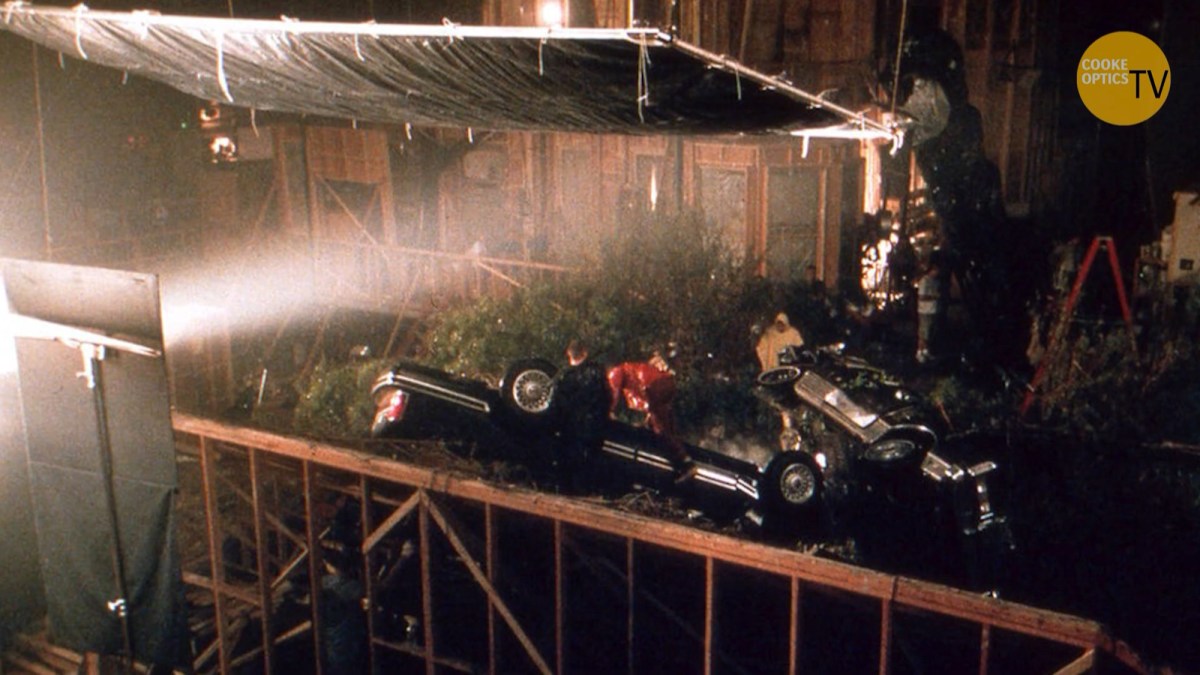
Cinematographer Jeff Cronenweth talks to Cooke Optics TV about working on the iconic 90’s movie Fight Club. A long-time collaborator with director David Fincher, Cronenweth reflects on how they work together, giving insight into how some of the most recognisable scenes were shot, and revealing a surprising inspiration for the look of the movie, a Prada fashion campaign.
In this episode, we’re joined by one of the world’s greatest Cinematographers, Jeff Cronenweth. Born into the film business, he grafted his way through the rungs of the camera department and music video scene of the 1990s, until he got the call from David Fincher to take the reins of Fight Club. From there it’s been a run of legendary movies including, One Hour Photo and Gone Girl, as well as The Social Network and The Girl With The Dragon Tattoo both of which he picked up Oscar nominations.
What you’ll learn from Jeff:
Jeff’s opinion on whether film school is still necessary
Whether music videos are still useful starting grounds for DPs
How Jeff get imposter syndrome on Fight Club
What it’s like to work with Aaron Sorkin
How does the DP Director relationship work
Jeff’s opinion on the film fanboys that constantly copy the ‘Fincher/Cronwneth aesthetic!’
Whether Jeff has taught David Fincher anything
What a day of prep is like for Fincher and Jeff
And of course in our quick-fire: Jeff’s no 1 piece of advice, favourite film, book to read, person to work with, and more.
Cinematographer Jeff Cronenweth, ASC, is the son of Jordan Cronenweth, ASC, one of the most influential cinematographers in history, most notable for Blade Runner.
He worked with his father as a camera loader and second assistant camera during high school, graduated from the USC School of Cinematic Arts, and worked his way up to first assistant camera and then camera operator until the mid-1990s. He also worked for legendary Swedish cinematographer Sven Nykvist.
The first major motion picture where he acted as a DP was for David Fincher‘s Fight Club. Other notable feature films on which he worked as a DP are One Hour Photo, directed by Mark Romanek, K-19: The Widowmaker, Down With Love, The Social Network, Hitchcock, The Girl with the Dragon Tattoo, Gone Girl, and recently, Being the Ricardos, written and directed by Aaron Sorkin.
He was nominated twice for an Academy Award for Best Cinematography for his work on Fincher’s The Social Network (2010) and The Girl with the Dragon Tattoo (2011).
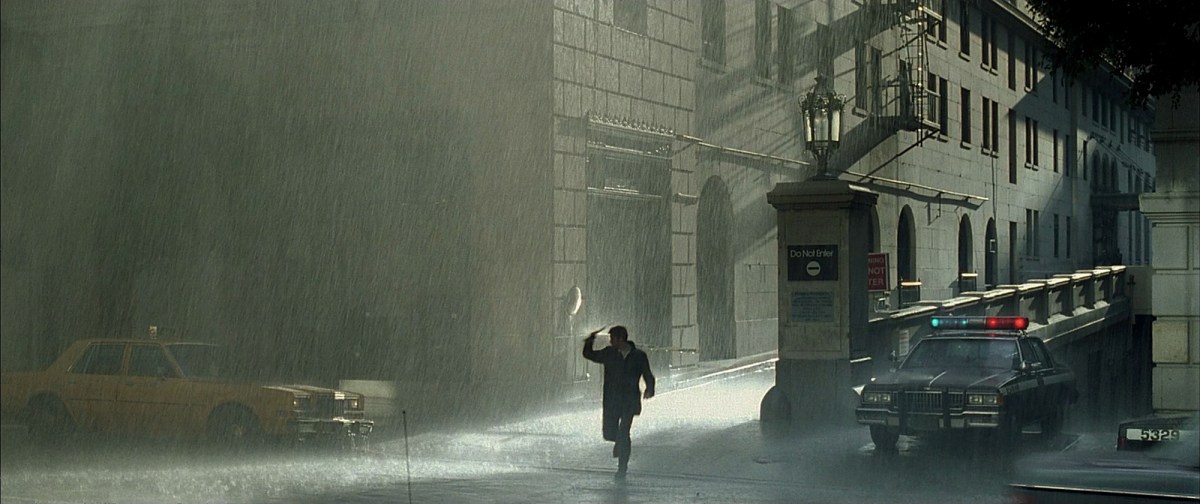
After watching a few David Fincher films I realised that one way he presents a cinematic world which is an exaggerated version of real life is through the weather.
0:00: Introduction 0:50: Seven 4:08: Sponsored Message 5:06: The Girl With The Dragon Tattoo 7:48: The Social Network 9:00: Conclusion
Music: Rhythm Scott – ‘Tribal Splash’ Dear Gravity – ‘Finish Remember Begin Again’ Doug Kauffman – ‘The River Brethren’ We Dream Of Eden – ‘After the Storm’ Ottom – ‘Quiet Street’
The first 1,000 people to use this link will get a 1 month free trial of Skillshare.
DISCLAIMER: Some links in this description are affiliate links. If you purchase a product or service with these links I may receive a small commission without an additional charge to you. Thank you for supporting my channel so I can continue to provide you with free videos!
In this edition I’ll look at Jeff Cronenweth, who, to a large extent, is responsible for popularising a style of ‘dark cinematography’, through his work on movies such as Fight Club or The Social Network.
DISCLAIMER: Some links in this description are affiliate links. If you purchase a product or service with these links I may receive a small commission without an additional charge to you. Thank you for supporting my channel so I can continue to provide you with free videos!
3 Things That Working With Jeff Cronenweth Taught Me About Cinematography
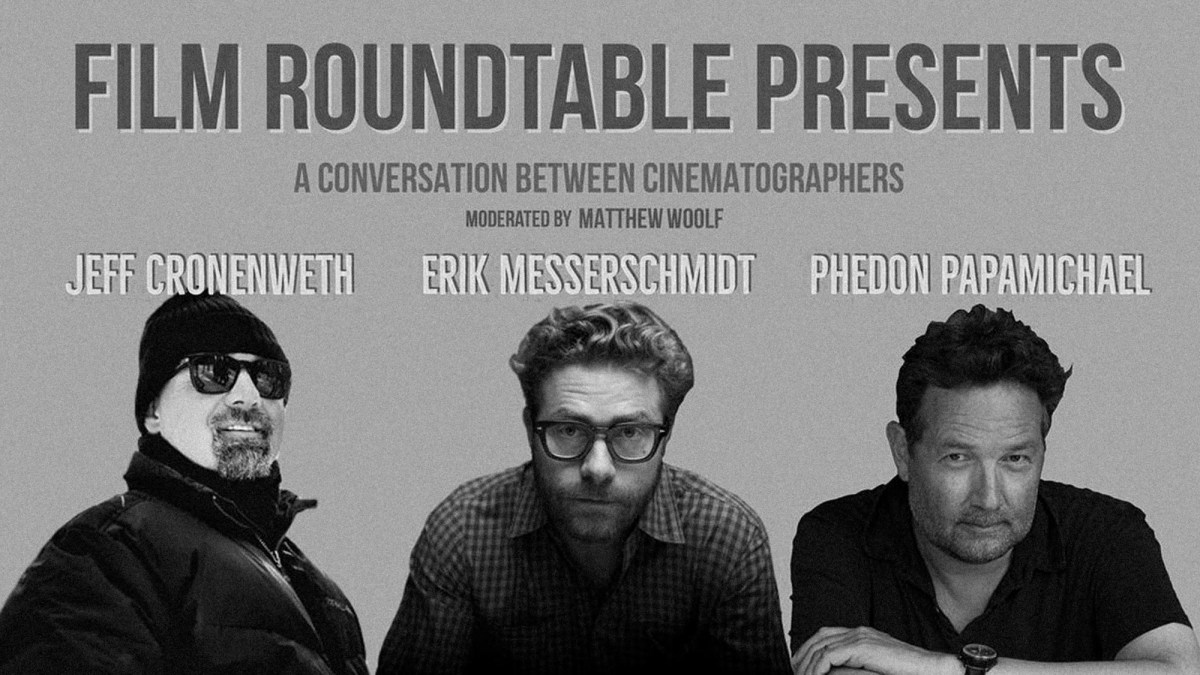
In our latest Film Roundtable discussion we talked with Jeff Cronenweth, Erik Messerschmidt, and Phedon Papamichael about how the love of the image fosters the collaborative relationship amongst Cinematographers.
With films including Se7en, Zodiac and Fight Club, David Fincher has explored the darkest edges of humanity. Yet there’s more to his unique vision, writes Gregory Wakeman, as the director’s film Mank is released.
David Fincher fans have had plenty to celebrate over the past few months. September marked the 25th anniversary of Se7en, Fincher’s deeply disturbing psychological thriller that established the then 33-year-old as one of the most iconoclastic young directors in Hollywood. Then, just a couple of weeks later, The Social Network, Fincher and screenwriter Aaron Sorkin’s searing exploration of Mark Zuckerberg and the origins of Facebook, turned 10. Most exciting of all for Fincher aficionados, though, is the fact that, more than six years after the release of his last feature film Gone Girl, Mank will finally arrive on Netflix on 4 December.
Fincher has waited around 20 years to find the perfect home for the film, which was originally written by his father Jack in the late 1990s. But while most major Hollywood studios were put off by the idea of a black and white biopic of Citizen Kane screenwriter Herman J Mankiewicz, Netflix gave Fincher carte blanche to fulfil his vision.
The early reviews for Mank have been extremely positive, and Fincher has immediately become one of the main contenders for the best director Oscar. Covid-19’s disruption of the 2020 cinematic calendar means that Fincher’s competition isn’t quite as strong as it could have been. But it’s to the Academy Awards’ great shame that this titan of modern filmmaking has somehow only received best director nominations for The Curious Case of Benjamin Button and The Social Network. Despite this oversight, Fincher’s place in the cinematic pantheon has long been secure. No other modern filmmaker has examined alienation, depression, obsession, and the dark side of intelligence like he has, while keeping a stylish, visceral, and, most importantly of all, entertaining approach.






 The Fincher Analyst