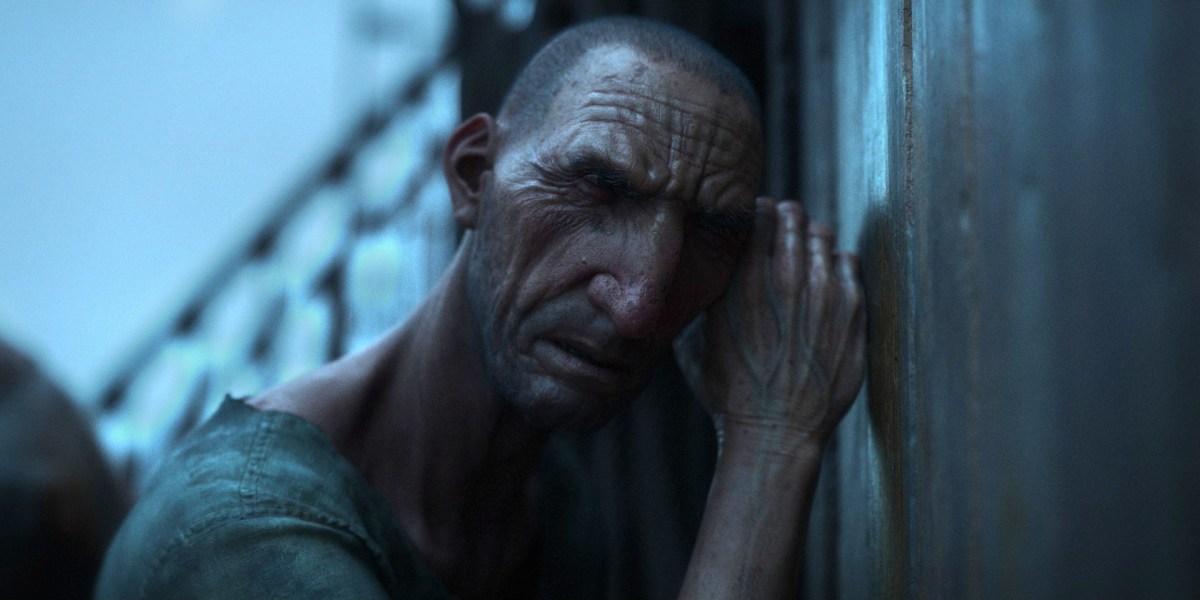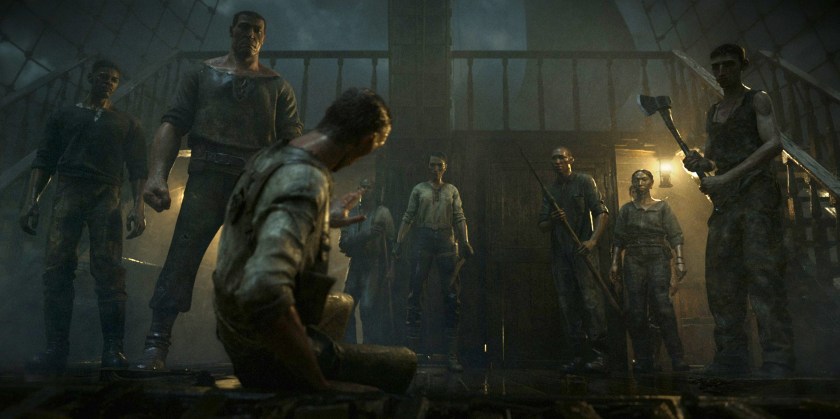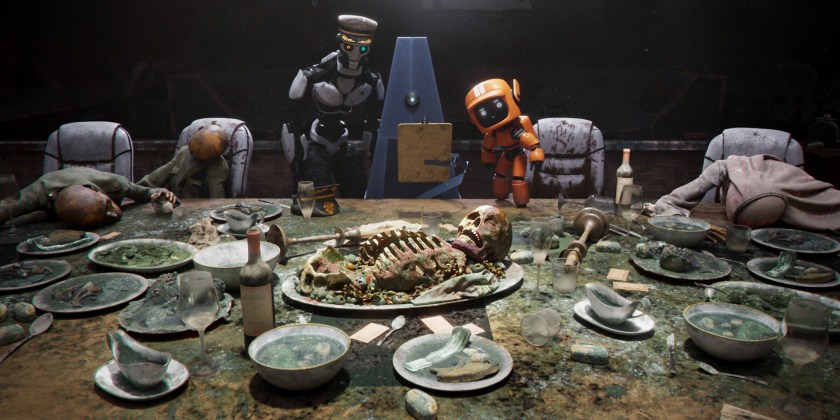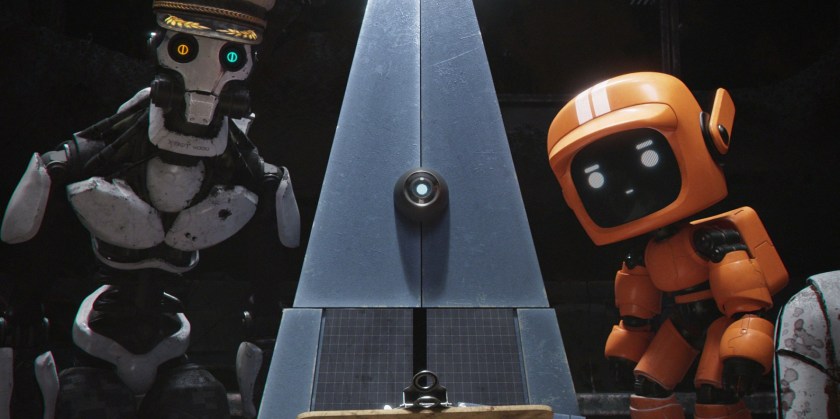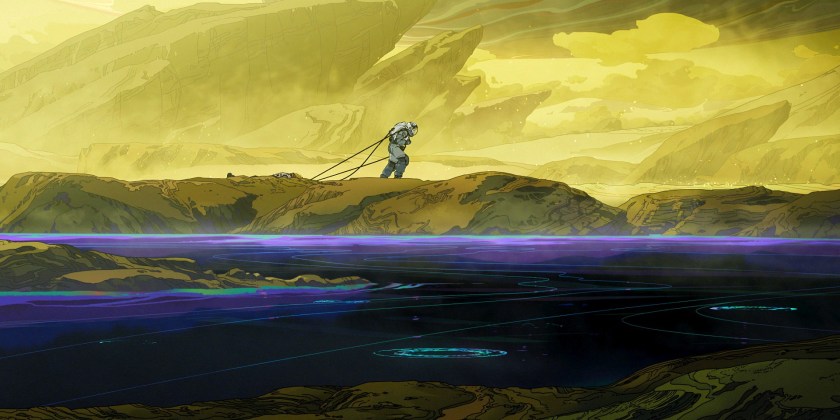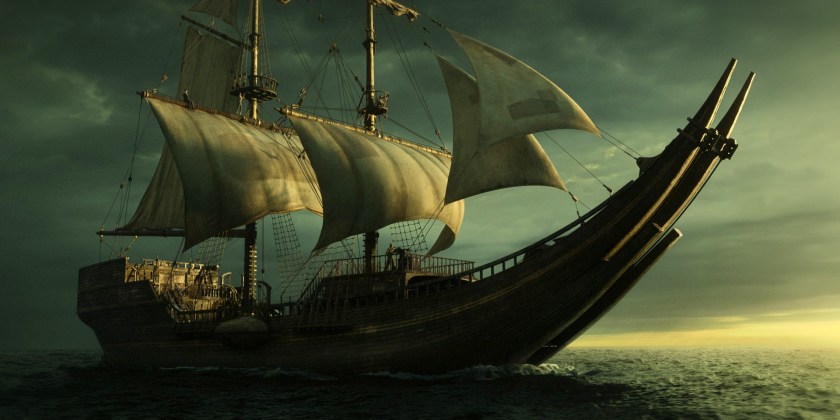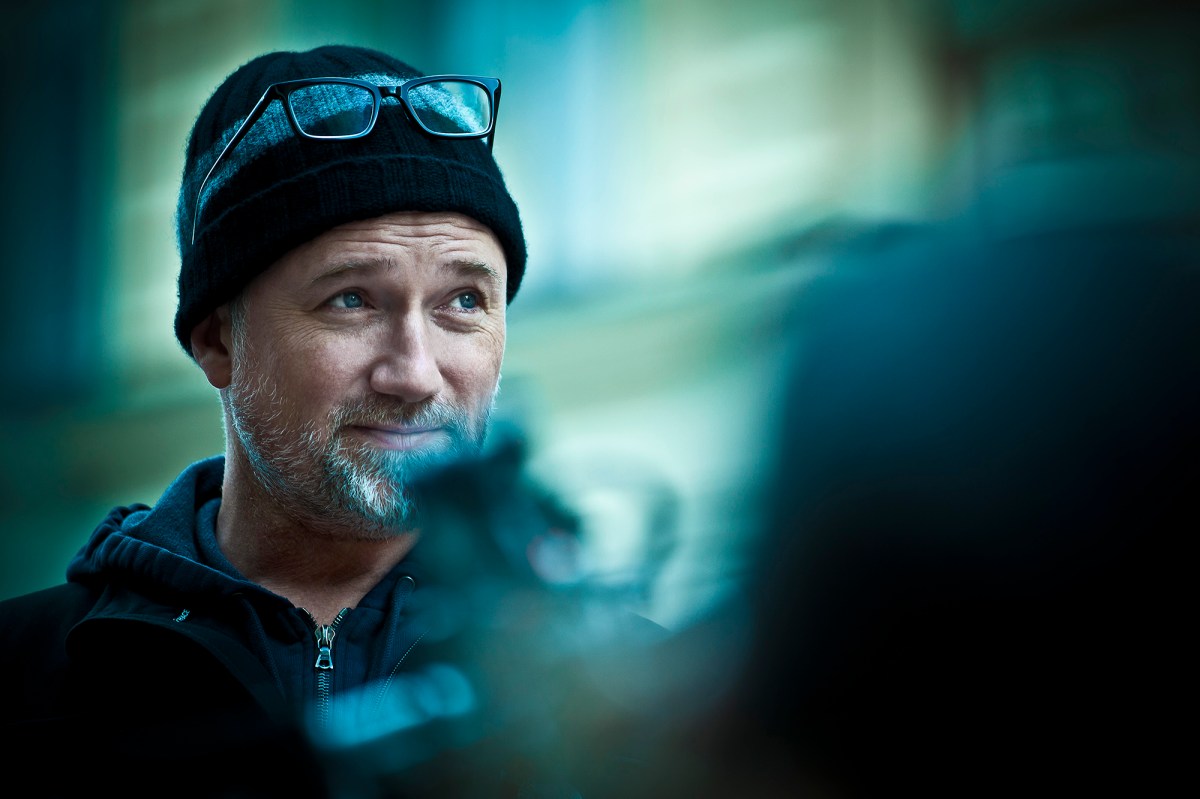
It’s easy to see why David Fincher chose “Bad Travelling” as his first foray into directing animation. He made his feature debut with the ill-fated “Alien 3,” after all, and the premise of this third-season episode of “Love, Death + Robots” is a bit like setting the plight of the Nostromo on the high seas: A giant, slimy crab devours the crew of a shark-hunting vessel, with only the cunning navigator surviving to battle the beast. (It also makes up for Fincher’s aborted take on “20,000 Leagues Under the Sea” at Disney.)
Fincher also likens “Bad Travelling” to “Ten Little Indians” meets “Deadliest Catch,” with the ship’s navigator, Torrin (Troy Baker), contending with mutiny, betrayal, and a starving Thanapod crustacean that bizarrely communicates through ventriloquism.
“You don’t necessarily want to see them come to unnatural ends,” Fincher said about the crew in the production notes. “The idea was not to make them despicable, but self-serving. That’s the thing I always loved about Harry Dean Stanton and Yaphet Kotto in ‘Alien’….”
For this masterclass on the Art of Sound in film and TV, we welcome on the show Gwen Yates Whittle, a 2-time Oscar-nominated sound professional whose credits include this summer’s Jurassic World: Dominion, Saving Private Ryan, Top Gun: Maverick and the upcoming Avatar: The Way of the Water.
In today’s conversation, the Skywalker Sound member and I break down some of Hollywood’s biggest sound moments. We discuss Gwen’s beginning in the industry and why the prospect of sound editing intrigued her in ways that sound mixing never did; her relationship with detail-oriented directors like Steven Spielberg, James Cameron, and David Fincher (Fight Club, Panic Room, Zodiac, Benjamin Button, Gone Girl); the process of layering animal sounds to create the dinosaur voices in the Jurassic World franchise—as well as how the pandemic suddenly impacted Gwen’s work. All of this… and much more!
Gwen’s newest movies Jurassic World: Dominion and Top Gun: Maverick are now in theaters across the world, with Avatar: The Way of the Water opening in December 2022.
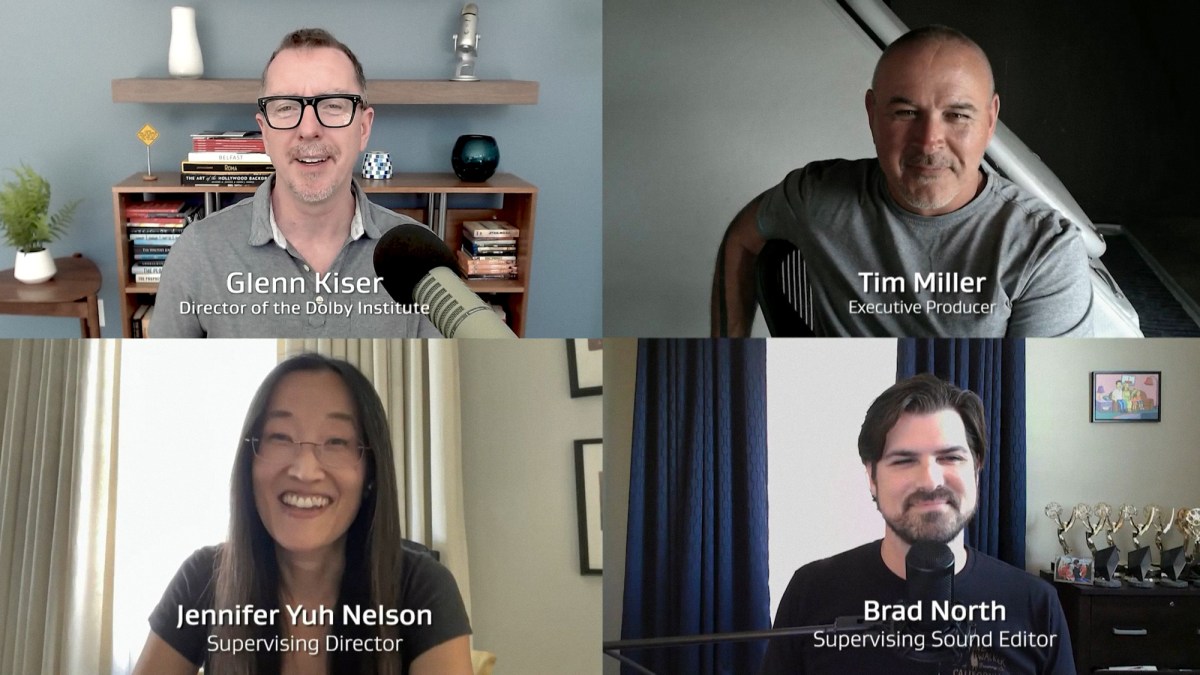
Editing dialog and working with the original recordings from the set is one of the most under-appreciated arts in cinema sound. In this episode of “Conversations with Sound Artists,” two-time Academy Award nominee Gwen Yates Whittle talks with the Dolby Institute’s Glenn Kiser about why George Lucas thinks dialog editing is one of the most important parts of the process, why she loves working on low-budget independent films (“They talk more,”), and why David Fincher and Meryl Streep love doing ADR.
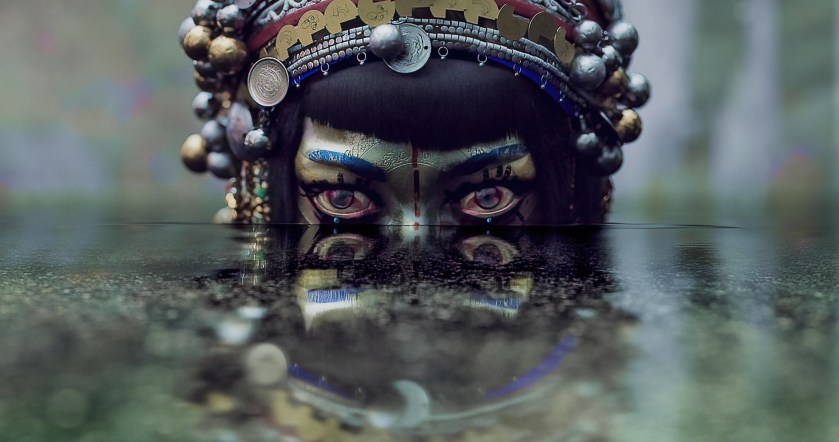
Emmy and Oscar award-winner Alberto Mielgo’s animated short “Jibaro” thrills in Season 3 of Tim Miller and David Fincher’s groundbreaking anthology series Love, Death + Robots.
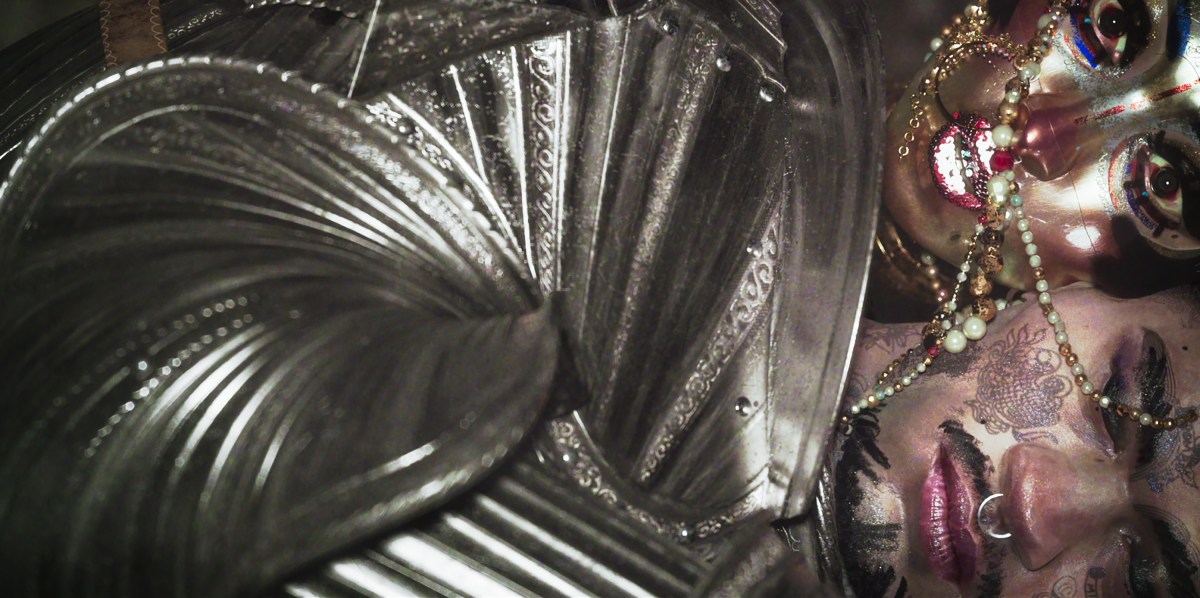
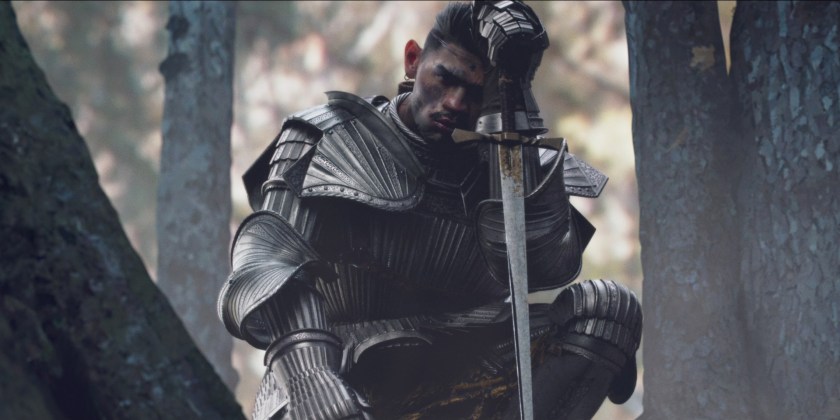
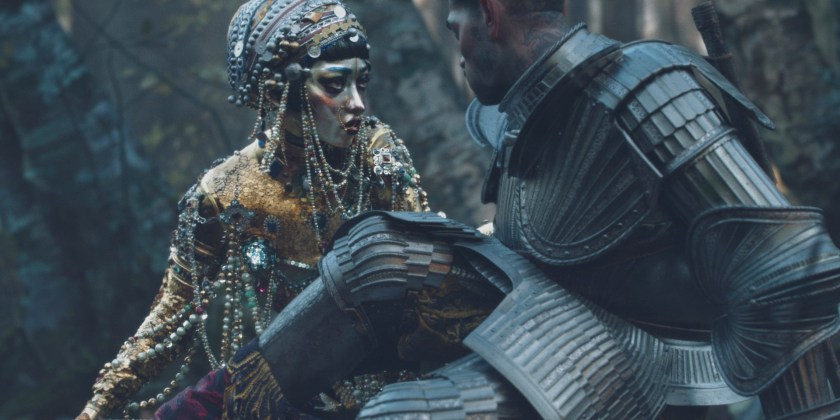
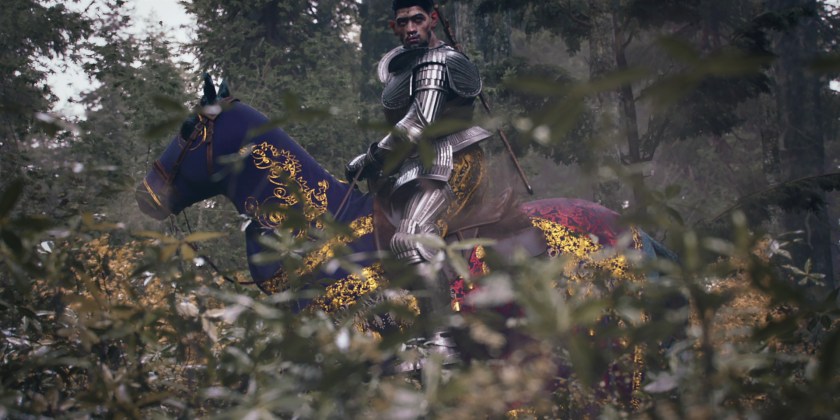
When Oscar and Emmy winner Alberto Mielgo was invited to pitch a story for the latest volume of the 11-time Emmy-winning series Love, Death + Robots, the Spanish director, artist, and animator decided to use a folkloric lens to examine the lengths to which some people will go to obtain what they cannot have. The resulting short, “Jibaro,” centers the battle of a deaf knight desperate to slay a golden siren and claim her as a trophy. The mythic creature grows increasingly frustrated, failing to understand why her opponent is immune to the powers of her song.
“It was inspired by those videos on National Geographic where there is an alligator fighting a jaguar for food,” Mielgo says. “It’s a crazy, toxic relationship between two characters, two predators, who both want and need each other.”
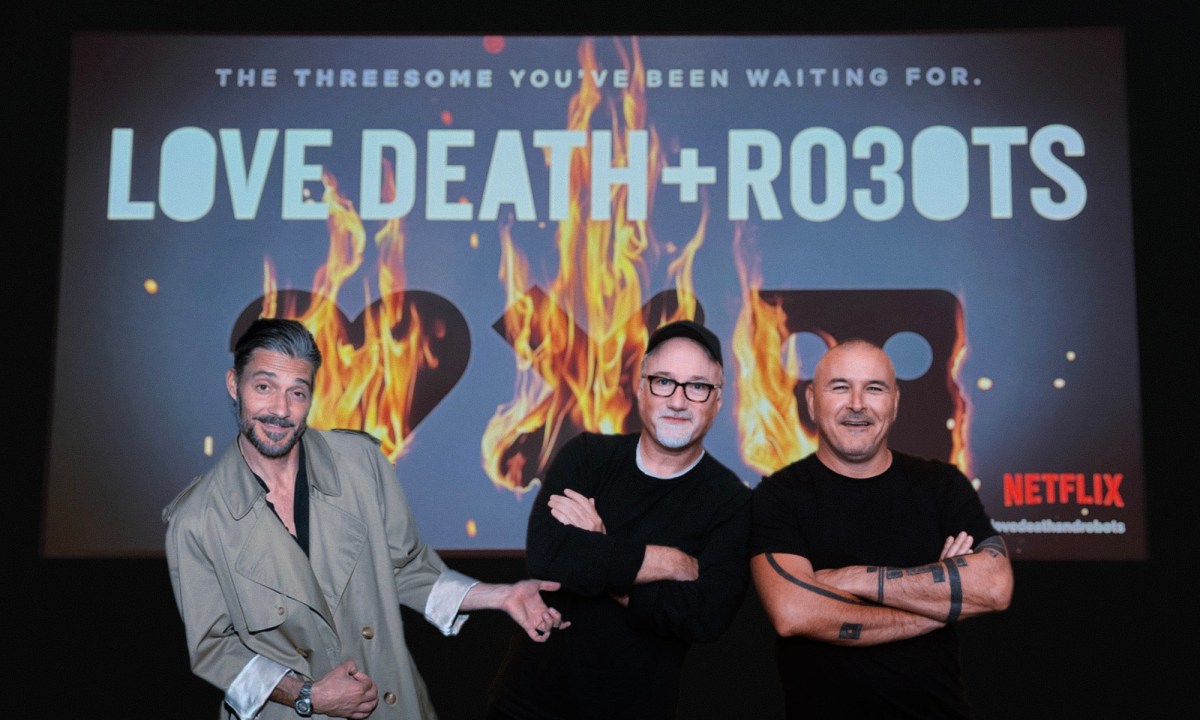
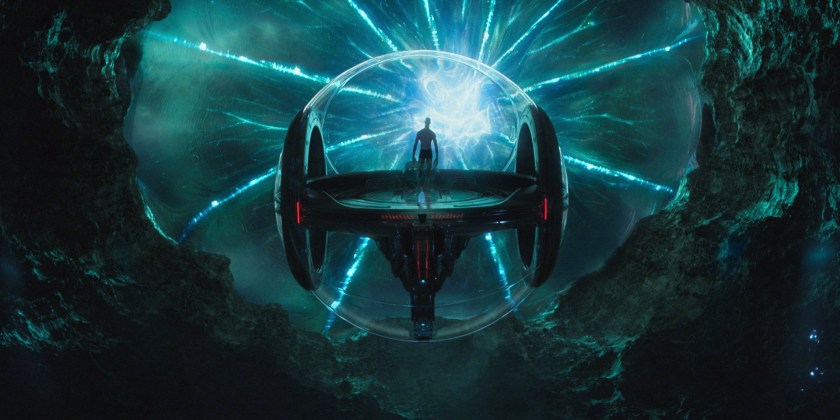
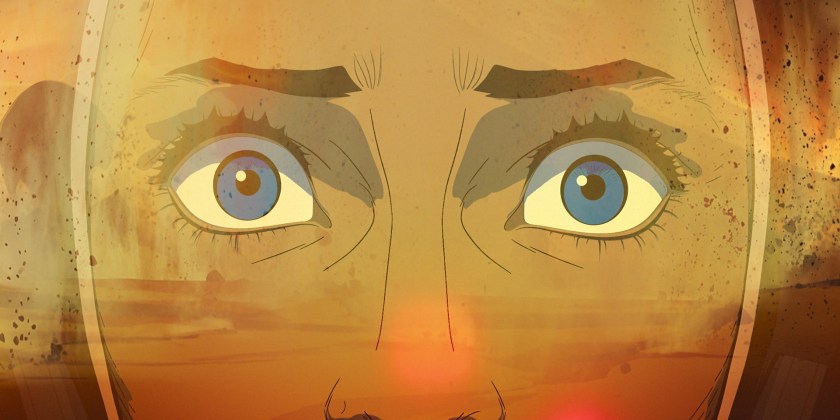
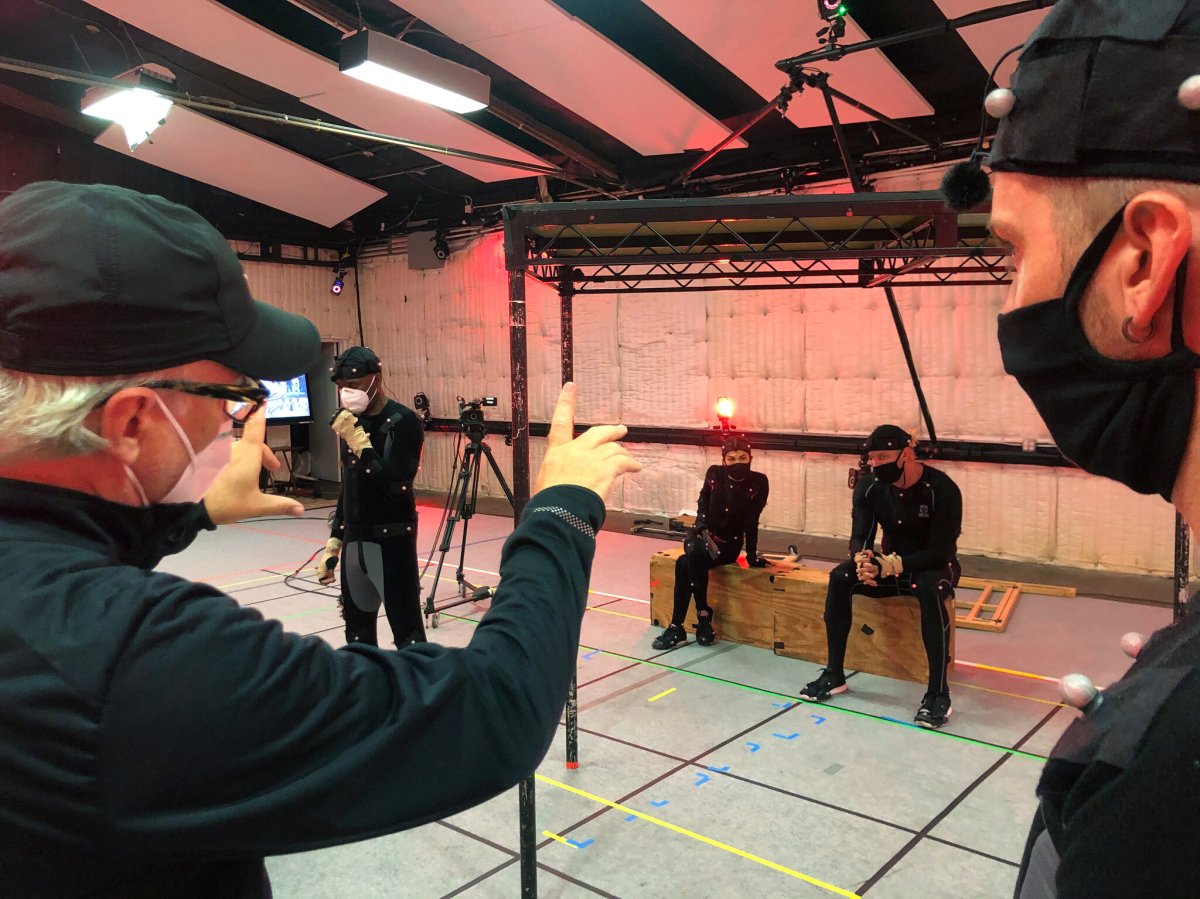
The unconventional and breathtaking episode is among nine new shorts included in the third volume of Love, Death + Robots. When executive producers Tim Miller and David Fincher first dreamed up the concept for Love, Death + Robots, they had a clear creative objective: “Let’s make a sandbox where anything’s possible,” explains Fincher, the Oscar-nominated director best known for live-action films like Mank, as well as the TV series MINDHUNTER. Fincher makes his animated directorial debut with the Volume 3 short “Bad Travelling,” a motion-capture masterpiece following a crew of degenerate sailors contending with a giant crustacean who boards their ship with an appetite for destruction. “We’re just telling stories. I think that the best of it works on a childlike level — and a naughty teenager level. As an adult looking at it, I appreciate that.”
Oscar and Emmy winner Alberto Mielgo tells IndieWire about returning to the anthology with an animated original about a golden siren and an armored knight.
After nearly 40 years in the entertainment business, 3-time Oscar-nominee, David Fincher, has seemingly done it all. From his early years directing music videos for Madonna and Aerosmith, crafting memorable films like Seven and The Social Network, and working on acclaimed TV shows such as House of Cards and Mindhunter, Fincher’s resume appears to be complete. But what about animation?
With the launch of Volume 3 of Netflix‘s mind-bending Love, Death and Robots anthology series, Fincher can finally check animation off his bucket list with his episode, titled “Bad Travelling.” In this seafaring horror story, a group of Jable shark hunters on a far-away planet are attacked by a giant crustacean. With the sailors’ lives in jeopardy, chaos and mutiny ensue.
Although Fincher has decades of experience working behind the camera on live-action projects, we wanted to know if animation brought any new challenges to the seasoned director.
“Ultimately, directing comes down to understanding context and sculpting time, light, and behavior with that innate understanding,” Fincher told IGN. “In some cases, like in the case of motion capture, there are people in onesies with ping pong balls hanging off them, and you’re going, ‘Okay, now remember the ship is rocking and all…’ You’re there to add a little imagination sauce to all the other shit that they’re trying to keep in their heads. I mean, it does tend to look a little like Saturday Night Live. It’s a ridiculous thing to be asking somebody to do a one-act play, dressed in pajamas. So that aspect of it, it’s the same thing. You’re playing dress up, right? And you’re trying to say, ‘Look, from the audience’s standpoint, this needs to happen a little faster here, a little… This can go a little slower. Find that word.’ It’s all the same shit.”
If you’re a fan of David Fincher and Love, Death + Robots, you’re about to be very happy. Not only is Love, Death + Robots Volume 3 now streaming on Netflix, David Fincher directed one of the episodes, Bad Travelling, and it’s fantastic. Written by Se7en screenwriter Andrew Kevin Walker, it’s about a giant crustacean and a shark-hunting sailing vessel. I’d love to tell you more…but the best thing about Love, Death + Robots is not knowing anything about what you’re going to watch and just letting it happen.
Shortly after watching the episode, I was able to get on the phone with Fincher for a deep dive conversation about directing Bad Travelling and the making of Love, Death + Robots. During the sprawling conversation, Fincher talked about his history with animation, how he decided on the style of animation for his episode, how they decided where something should end, how everyone involved in the series is doing it for the love of the genre, and if they’ve thought about making a Love, Death + Robots feature film or doing a live-action version. In addition, he talked about his love of director Alberto Mielgo’s Jibaro (another Love, Death + Robots Volume 3 episode) and how he’s “never seen anything like it. I’ve never been that mesmerized.”
Trust me, if you’re a fan of Fincher and this amazing series, you’ll learn a lot about how it’s made.
The director made his first animated short for the new season of this Netflix anthology. “It was an incredibly freeing, eye-opening, mind-expanding way to interface with a story,” he said.
Before David Fincher became an A-list director and multiple Oscar and Emmy nominee — lauded for of-the-moment films like “Fight Club” and “The Social Network” and the TV series “House of Cards” and “Mindhunter” — he was one of the co-founders of the production company Propaganda Films. Propaganda was known for its visually dazzling TV commercials and music videos, and Fincher honed his craft in dozens of miniature movies made in myriad styles.
Yet until recently, he had never directed animation, even though he loves the medium so much that he signed on a few years ago to be an executive producer of the Netflix anthology animation series “Love, Death + Robots,” which returns for its third season on Friday.
“Love, Death + Robots” sprung from the ashes of a project Fincher had been developing with the “Deadpool” director Tim Miller since the late 2000s: a revival of “Heavy Metal,” the animated movie series inspired by the adults-only science-fiction and fantasy comics magazine. The first season of “Love, Death + Robots” debuted in 2019, featuring 18 episodes (ranging in length from 6 to 17 minutes) that adapted short stories by genre favorites like Peter F. Hamilton, John Scalzi and Joe Lansdale. An eight-episode second season followed in 2021.
Despite his involvement, Fincher never made a short of his own until Season 3, when he and the screenwriter Andrew Kevin Walker (who wrote Fincher’s crime thriller “Seven”) tackled a tale by the British science-fiction author Neal Asher called “Bad Travelling.” Set on the high seas on a distant planet, the story follows a merchant ship as it is tormented by a giant, intelligent crab that manipulates the crew members and then eliminates them one by one. Fincher described the short as “like a David Lean movie crossed with ‘Ten Little Indians.’”
It’s not often that we as viewers and lovers of television get an inside scoop on what the future of a favorite show would have been — especially once it’s canceled. In the case of Netflix’s Mindhunter, which released its second season back in 2019, the series technically wasn’t canceled so much as a possible third season was put on “indefinite hold” per David Fincher, though the series’ executive producer has also confirmed in interviews since that Season 3 likely isn’t happening, partly due to the fact that it would have required an even steeper budget than the previous one. Now, thanks to Season 2 director Andrew Dominik, we have even more of a sense of why Mindhunter‘s dead-in-the-water third season would’ve had a higher price tag.
In speaking with Collider‘s own Steve Weintraub in a long-spanning interview about his documentary about Nick Cave and Warren Ellis, This Much I Know to Be True, the director also briefly touched on not only his experience with directing two of Mindhunter‘s Season 2 episodes, but also what the third season would have entailed in terms of its main story — as well as which real-life figures the FBI Behavioral Science Unit team consisting of Holden Ford (Jonathan Groff), Bill Tench (Holt McCallany), and potentially even psychologist Wendy Carr (Anna Torv) would have crossed paths with.
Frame & Reference is a conversation between Cinematographers hosted by Kenny McMillan. Each episode dives into the respective DP’s current and past work, as well as what influences and inspires them. These discussions are an entertaining and informative look into the world of making films through the lens of the people who shoot them.
In this episode, Kenny talks with legendary cinematographer Jeff Cronenweth, ASC about the Oscar Nominated film “Being the Ricardos.” You likely know Jeff from his work on films such as “Fight Club“, “Gone Girl“, “The Social Network” & “The Girl with the Dragon Tattoo.”