El director de fotografía Erik Messerschmidt, ASC, habla sobre su trabajo en Devotion (J. D. Dillard, 2022), Mank (2020), y la serie de TV Mindhunter (2017, 2019).
Entrevista en inglés con interpretación simultanea al español.
Director of Photography Erik Messerschmidt, ASC, talks about his work on Devotion (J. D. Dillard, 2022), Mank (2020), and the TV series Mindhunter (2017, 2019).
Interview in English with simultaneous interpretation to Spanish.
It’s been a good two years for Rooney Mara. The Oscar nominee has received strong reviews for her back-to-back appearances in Guillermo del Toro’s “Nightmare Alley” and Sarah Polley’s “Women Talking,” but those films were preceded by a multi-year hiatus from acting. Fans of the actress have had to make peace with her sporadic work habits, given that she has become famously selective about the roles she’s willing to take.
In a new appearance on the LaunchLeft podcast, Mara explained that her selectivity is partially a result of an unpleasant on-set experience in the late 2000s that almost led her to quit acting.
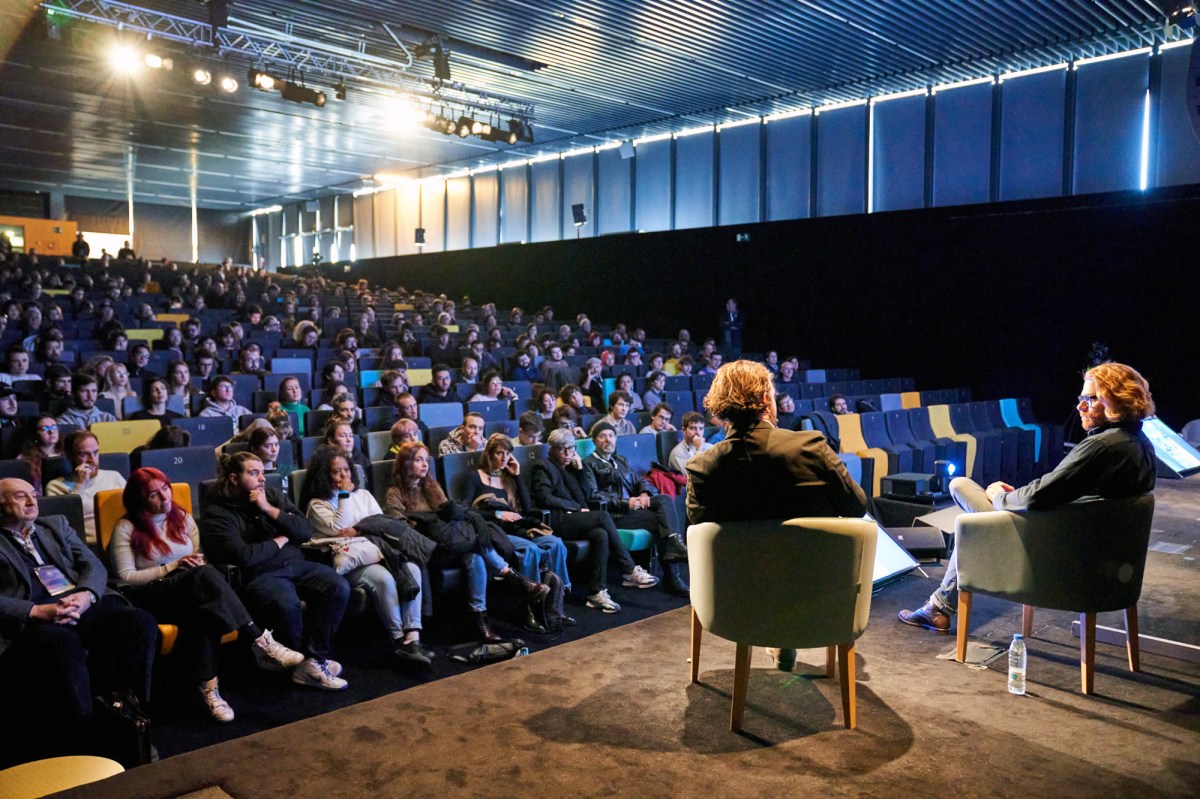
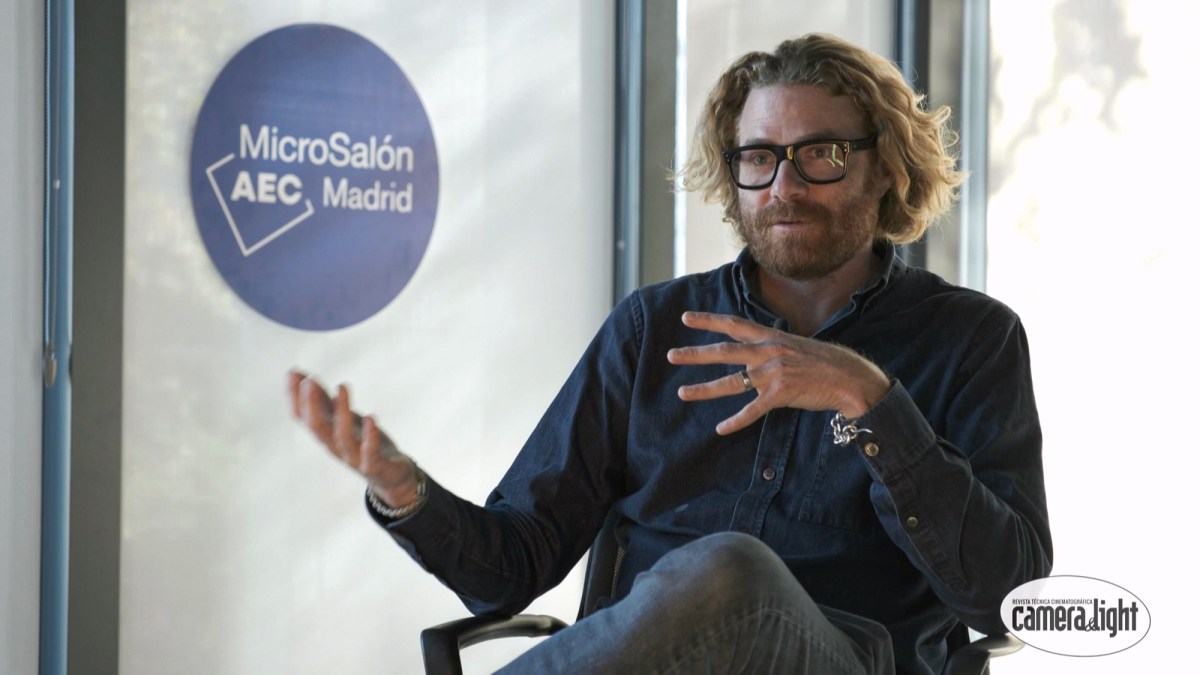
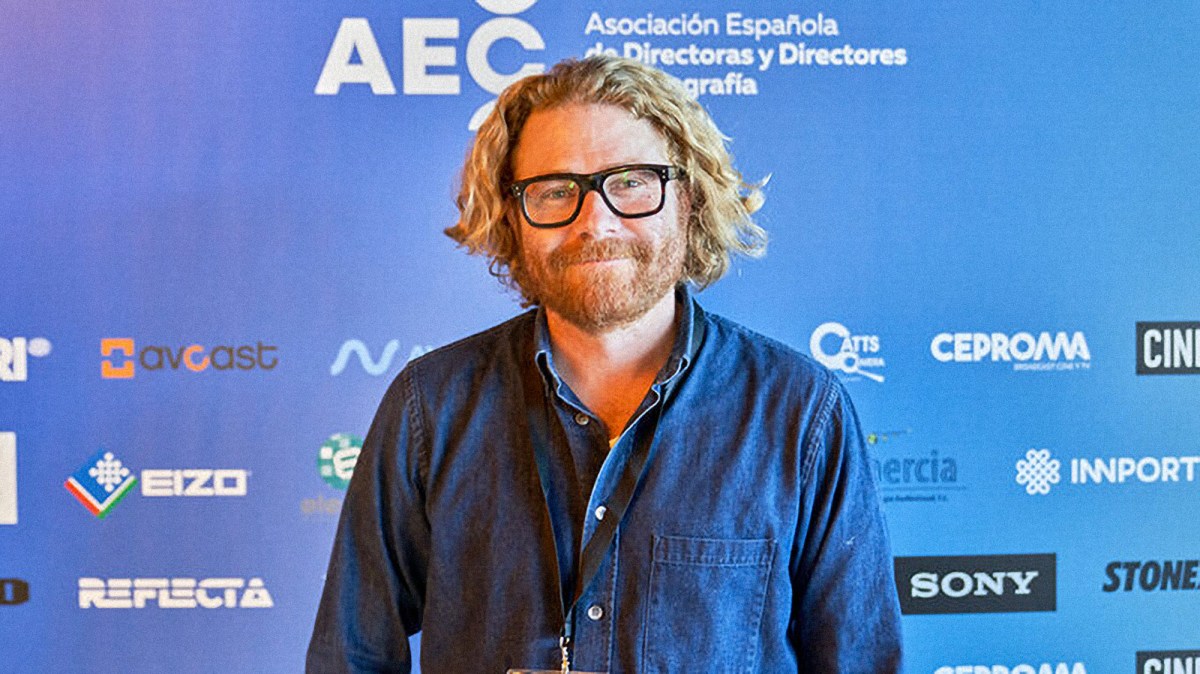
Durante el MicroSalón Madrid 2022 tuvimos la oportunidad de charlar con el invitado especial de la AEC, el director de fotografía Erik Messerschmidt ASC.
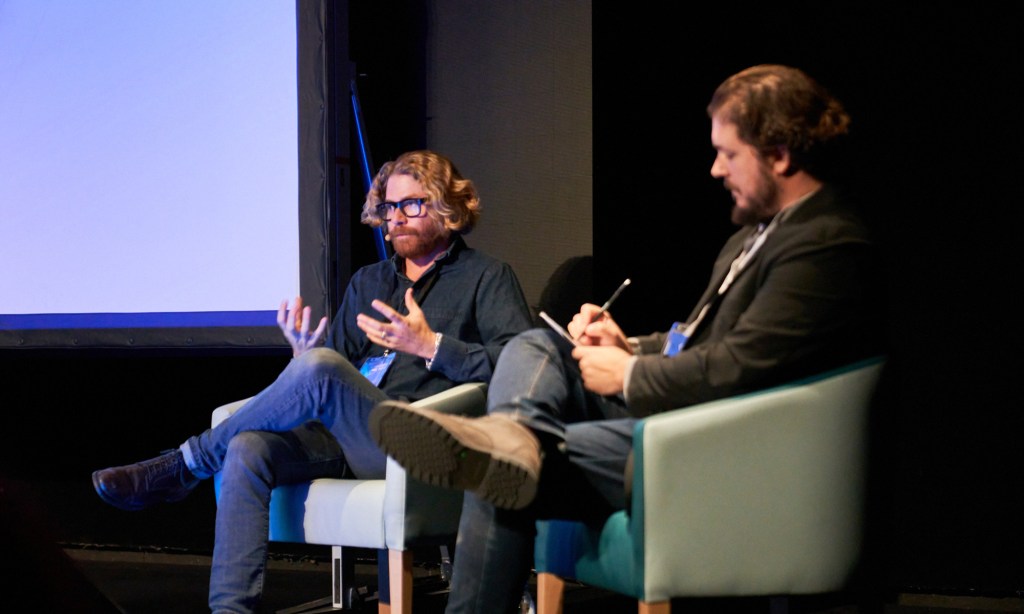
Os ofrecemos la conversación que mantuvo con Julio Gómez (al que hemos cortado porque no le pusimos micro) sobre sus trabajos con David Fincher (“Mank“, “Mindhunter“) y también trabajaos recientes en colaboración con Dana Gonzáles, como “Fargo” o “Legión“.
Entrevista filmada y montada por Juan Esparza Cevallos para Camera & Light.
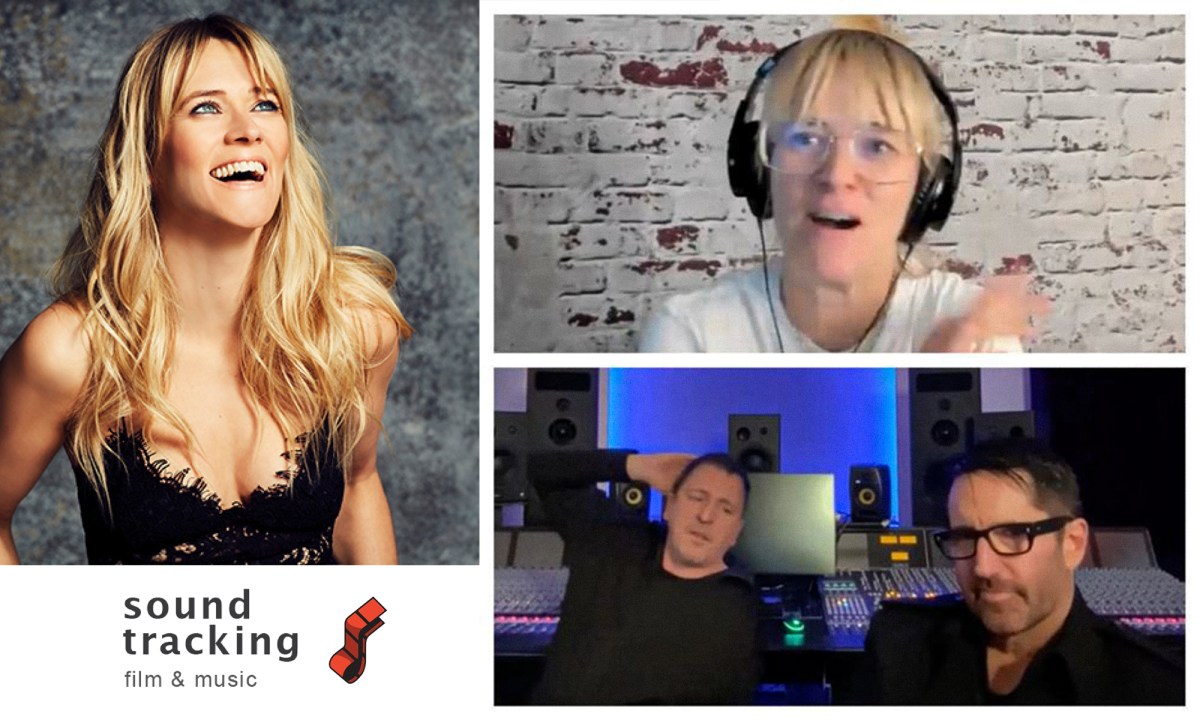
Now, Christmas week is just about to get a whole lot cooler, as we welcome Trent Reznor and Atticus Ross to Soundtracking for a second time
Edith LOVES talking to this dynamic duo about film music, and the good news is we have two of their scores to unpack: the first being for Luca Guadagnino‘s Bones And All and the second for Sam Mendes‘ Empire Of Light.
They also confirm that they have scored The Killer for David Fincher.
Frame & Reference is a conversation between Cinematographers hosted by Kenny McMillan. Each episode dives into the respective DP’s current and past work, as well as what influences and inspires them. These discussions are an entertaining and informative look into the world of making films through the lens of the people who shoot them.
In this episode, Kenny talks with cinematographer Erik Messerschmidt, ASC, about the new film “Devotion.” Erik has had a very interesting career including work on series such as “Mindhunter”, “Legion”, “Fargo” and as the DP of “Mank” for which he won an Oscar.
Follow the fourth season of Michael Fassbender’s journey to compete at the world’s ultimate motorsport event in this weekly YouTube series.
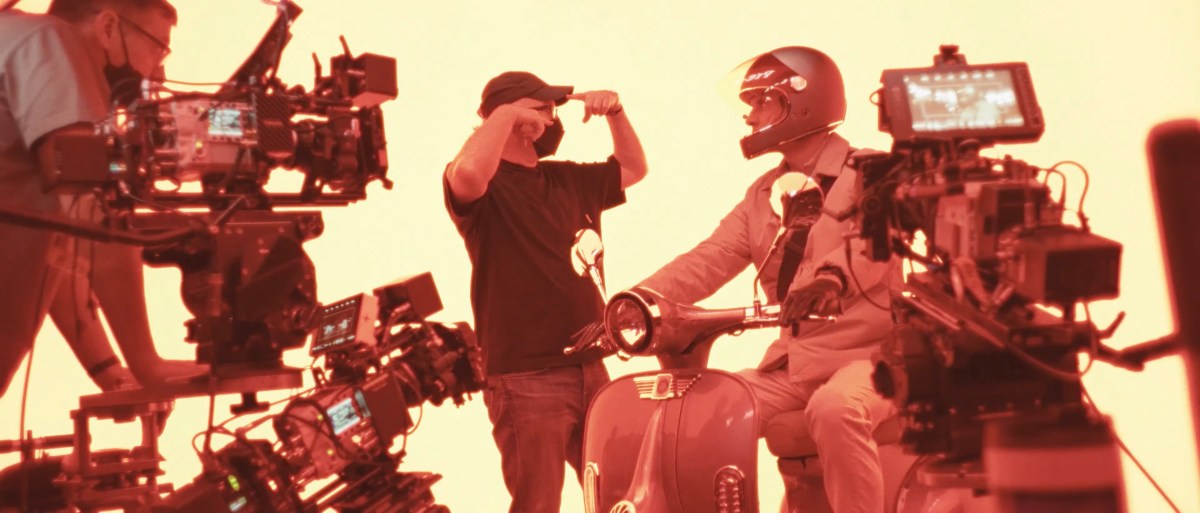
Starting at minute 2:14, there is a three-minute clip of Fassbender shooting car process scenes for The Killer with Fincher and his team on Sound Stage 2 at Triscenic Production Services. Andrew Kevin Walker, the screenwriter of the film, is also visiting.
The actor discusses working on the film during the off-season of his other passion, car racing:
I had the great privilege and honor of working with David Fincher on The Killer. I have the lead role in his film. To have a small window of opportunity to go to work and then to be able to work with one of the best filmmakers out there was just a dream come true.
It felt really good to go back to work. The film that I’ve done before was just before lockdown. But that was 2019, so I was definitely ready to go back to work.
With somebody of David’s caliber, it was a very special opportunity for me: quite a few locations over a five-month period.
What was interesting for me was taking the experience from what we’re doing on track and bringing it on set, especially with somebody like David who films very precisely and everything is dealing in fractions in terms of how you deliver things and movement and exactly how the frame is occupied.
You have to step on and deliver in a period of time. And David is looking for perfection and to do that within a take, however long that take is. It might be 40 seconds. It might be six minutes long, but within that time frame, you’re looking to do everything exactly as it should be.
You’ve taken on board all the notes and there’s plenty of them to digest, but in the moment when you’re trying to deliver those notes, you’re not thinking at all.
It was a real honor. I felt like I learned a lot from him. It was a full-on shoot, very long hours sometimes six-day weeks. So there was literally not enough time for me to get into car and do any training whatsoever.
So we wrapped up the film in L.A., end of March, and I got directly on a flight the next day and then came straight to the track.
Entrevistamos a Erik Messerschmidt, director de fotografía estadounidense, en el marco del evento MicroSalón AEC, con sede en Madrid. Messerschmidt es habitual colaborador del cineasta David Fincher y obtuvo un premio Óscar a la mejor fotografía por Mank.
Me gustaría preguntarte si consideras que el cine proviene de la fotografía, si te parece que el cine proporciona movimiento a las fotografías o si proviene de una transformación técnica más compleja.
Es una gran pregunta. Creo que el cine es storytelling extendido en el tiempo. Es esculpir en el tiempo, como decía Tarkovski. La fotografía tiene que ver con la historia de un momento singular. El cine manipula y hace progresar el tiempo. Tiene más en común con la literatura y los sueños que con la fotografía.
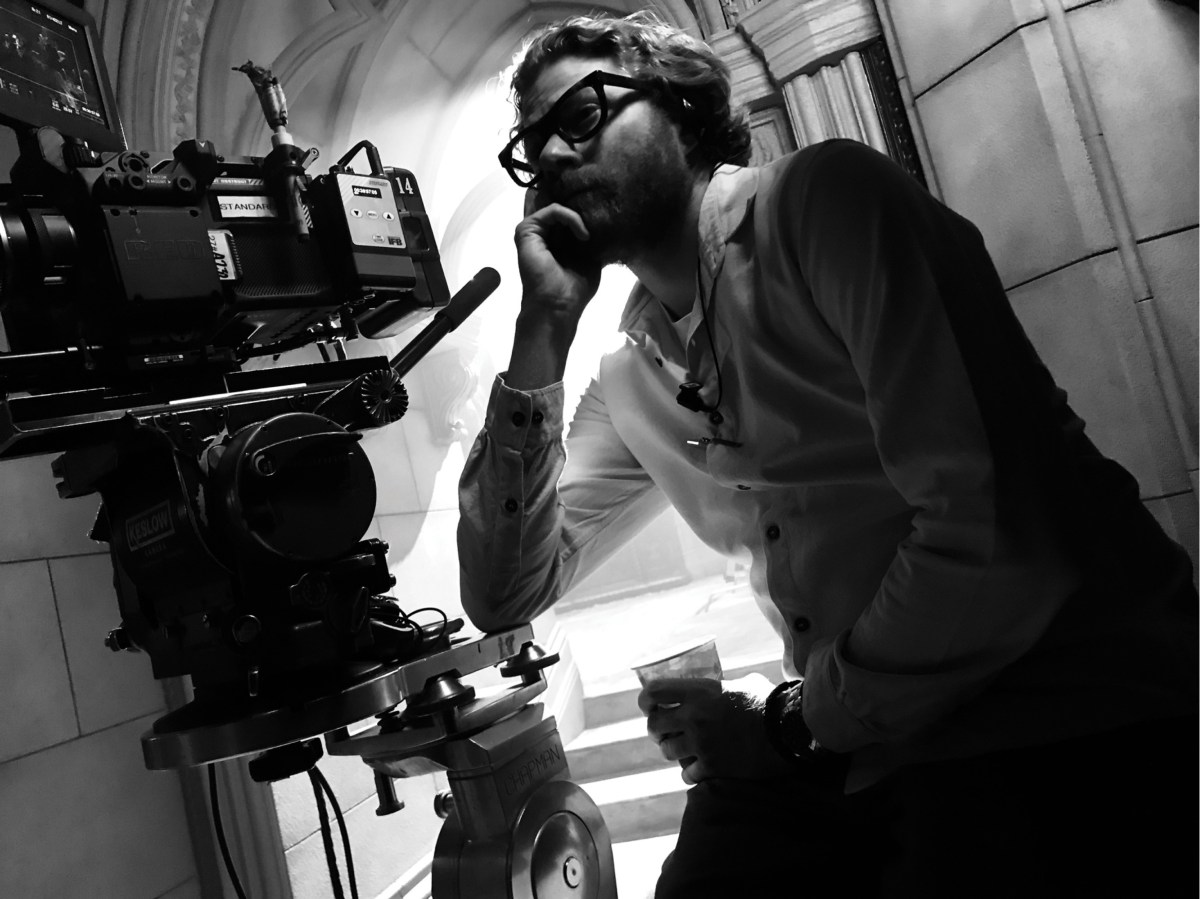
Award-winning director of photography Erik Messerschmidt, ASC has a natural eye for arresting and spellbinding images, thriving in a role that allows him to combine his love of art, craft and science. Recently, he lensed Devotion for director J.D. Dillard, based on the real-life story of a Black naval officer who befriends a white naval officer during the Korean War, with both becoming heroes for their selfless acts of bravery.
He also finished shooting Michael Mann’s biographical film Ferrari, starring Adam Driver, Shailene Woodley, and Penélope Cruz, and David Fincher’s The Killer, starring Michael Fassbender and Tilda Swinton.
Previously, Messerschmidt shot Fincher’s passion project Mank, chronicling the screenwriter Herman Mankiewicz’s turbulent journey to write Citizen Kane alongside Orson Welles. Messerschmidt’s meticulous and striking black and white recreation of the period’s aesthetic earned him the Academy Award for Best Cinematography, an ASC Award for Outstanding Cinematography in a Feature Film, a BSC Award for Best Cinematography in a Theatrical Feature Release, a BAFTA Award nomination for Best Cinematography, as well as Best Cinematography award nominations from the San Francisco Bay Area Film Critics Circle, the Broadcast Film Critics Association Critics Choice, and the Alliance of Women Film Journalists.
In addition, Messerschmidt co-lensed several episodes of the HBO Max original series Raised by Wolves from producer Ridley Scott. He also shot the first and second seasons of Fincher’s hit thriller series Mindhunter for Netflix, earning a 2020 Emmy Award nomination for Outstanding Cinematography for a Single-Camera Series (one-hour) for episode 206.
With a background in the fine arts world, Messerschmidt honed his skills while working with such renowned cinematographers such as Dariusz Wolski, ASC, Jeff Cronenweth, ASC, Phedon Papamichael, ASC, Claudio Miranda, ASC, and Greig Fraser, ASC. Messerschmidt now lives in Los Angeles and is a member of IATSE Local 600. He is represented by DDA.
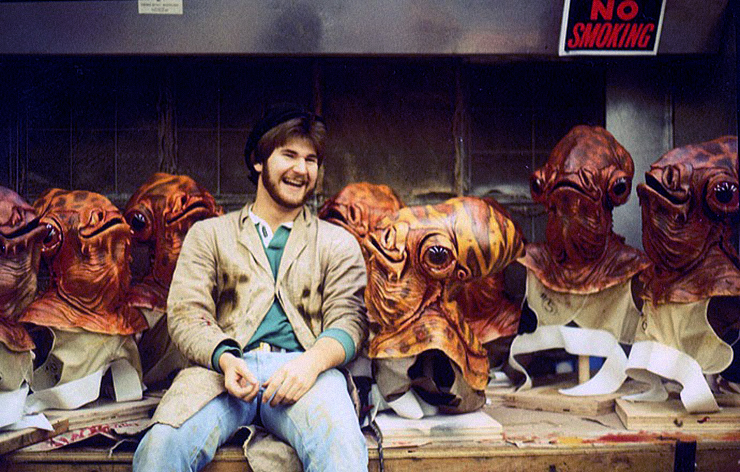
Collider’s own Steve Weintraub recently got the chance to sit down with legendary multi-hyphenate Kirk Thatcher to discuss his prolific career working in numerous roles throughout the industry. The Emmy-winning writer/director/actor/producer/effects whiz is now known for everything from Muppets Tonight to Star Trek IV: The Voyage Home and, more recently, Werewolf By Night, but during the interview, he also elaborated on his roots rising up through Industrial Light & Magic (ILM). It was there that Thatcher would blossom and meet a friend who would help him kick off his career – David Fincher.
Before he even started at ILM, Thatcher describes his fascination with Star Wars that would one day lead him to the studio. At 15, he’d heard the hype surrounding the revolutionary sci-fi film and made sure he was there on opening day to see it unfold. “So I kind of knew it was coming out, and I went and saw opening day at Man’s Chinese, the first screening, the 12-noon screening at Man’s Chinese, completely blown away and just became a huge Star Wars fan instantly.,” he told Weintraub. Bought the books, including the Star Wars sketchbook by Joe Johnston.” His love for the films would almost immediately lead him to an important industry connection. “So maybe within three months of that opening, my mom came home from church on a Sunday afternoon and said, “Hey, I just met a gal at church, a really nice lady, whose son worked on Star Wars.” Her son was Johnston, then a concept artist and special effects technician for Star Wars: A New Hope.
Has any cinematographer had so fast an ascendancy as Erik Messerschmidt? While no newcomer—his IMDb dates back to 2001, his first cinematography credit from 2003—work on Gone Girl earned the attention of David Fincher, by whom Messerschmidt was then enlisted to shoot his Netflix series Mindhunter. (Impressive then, all the more sterling since as an example of streaming television that doesn’t look or move like streaming television.) Which led into Mank which led into The Killer, Fincher’s much-anticipated thriller arriving next year.
Somewhere along the way Michael Mann called. I talked to Messerschmidt at ENERGACamerimage, where he was promoting the new feature Devotion and mere weeks from wrapping Ferrari, Mann’s first feature in longer than you’d believe and a passion project of equal gestation—nothing you leave in the hands of an amateur. Certainly not if you’re as obsessive, fastidious, demanding as Michael Mann. Meeting in Toruń’s CKK Jordanki, we were quick to start.


 The Fincher Analyst