American Cinema Editors (YouTube)
May 6, 2018
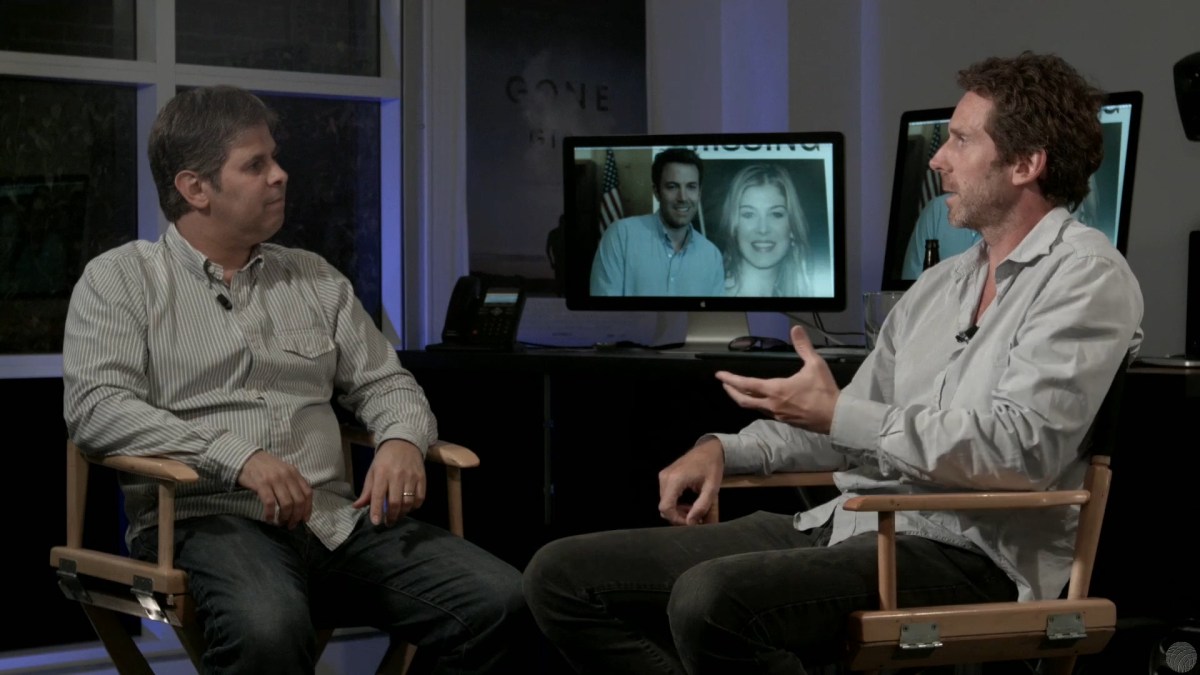
Editors on Editing: Glenn Garland, ACE talks to Kirk Baxter, ACE about editing the film, GONE GIRL.
Original release:
Gone Girl: Kirk Baxter, ACE
October 2014
moviola.com
American Cinema Editors (YouTube)
May 6, 2018
Editors on Editing: Glenn Garland, ACE talks to Kirk Baxter, ACE about editing the film, GONE GIRL.
Original release:
Gone Girl: Kirk Baxter, ACE
October 2014
moviola.com
Merrick Morton / Netflix
Fincher was very particular about conveying control and dominance through lighting and production design in his Netflix FBI crime drama.
Bill Desowitz
June 18, 2018
IndieWire
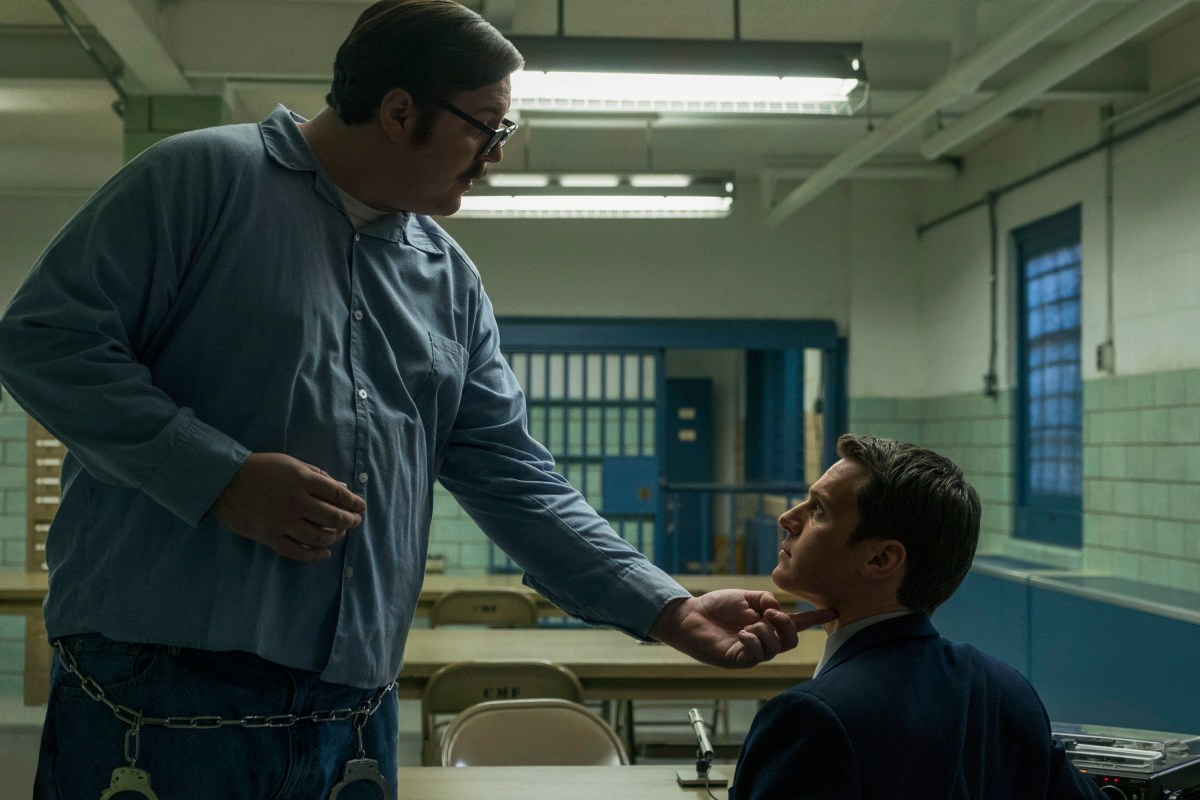
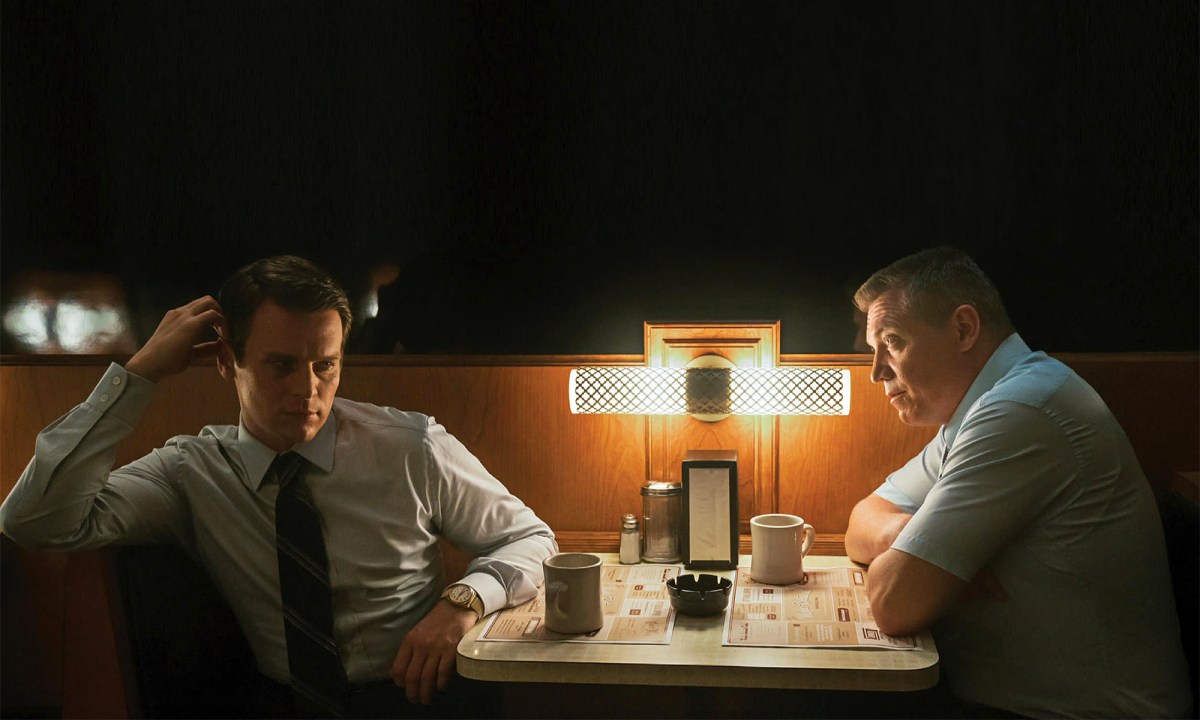
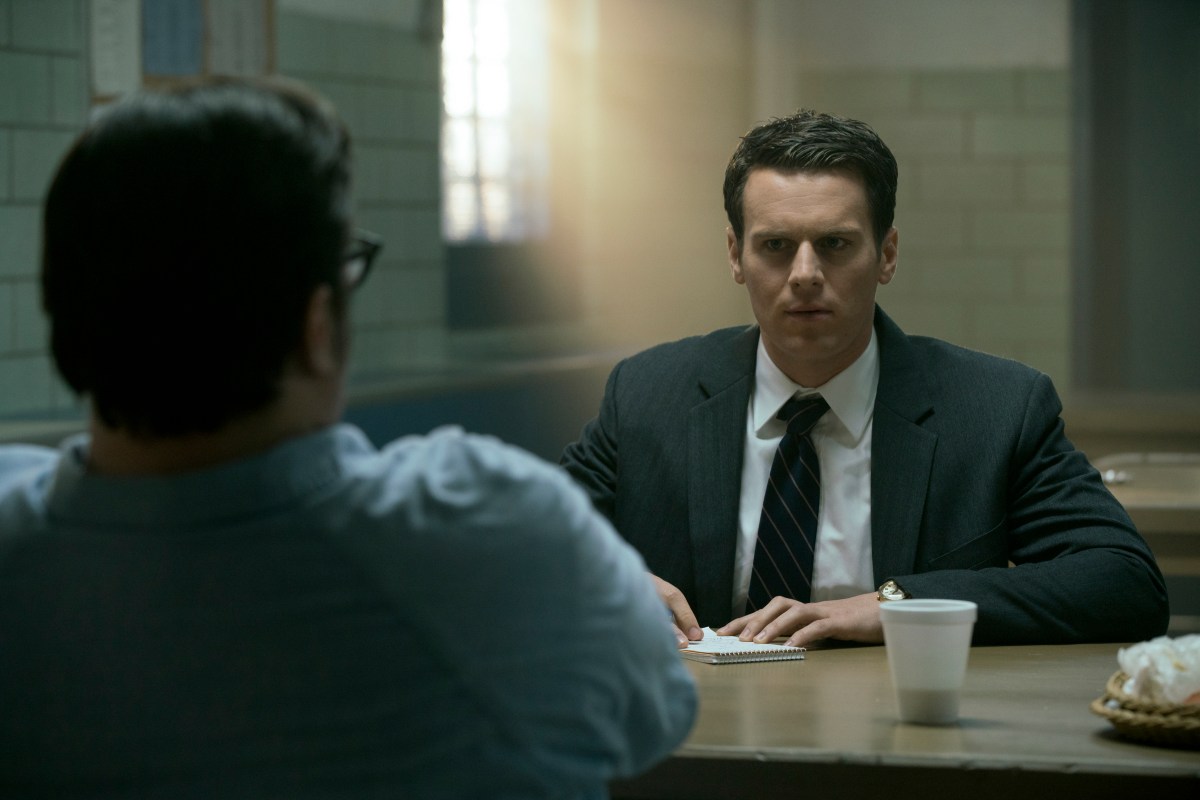
David Fincher brilliantly pushes his cinematic formalism in “Mindhunter,” Netflix’s 10-episode crime drama that explores the FBI’s fledgling Behavioral Science Unit in Quantico, Virginia, in the late ’70s. But, for the dialogue-heavy creepy interrogations with imprisoned serial killers by agents Holden Ford (Jonathan Groff) and Bill Tench (Holt McCallany), executive producer/co-director Fincher manages to visually convey constant power shifts.
“It’s about control and dominance and also about misogyny,” Fincher said. “People forget that this goes all the way back to Jack the Ripper.”
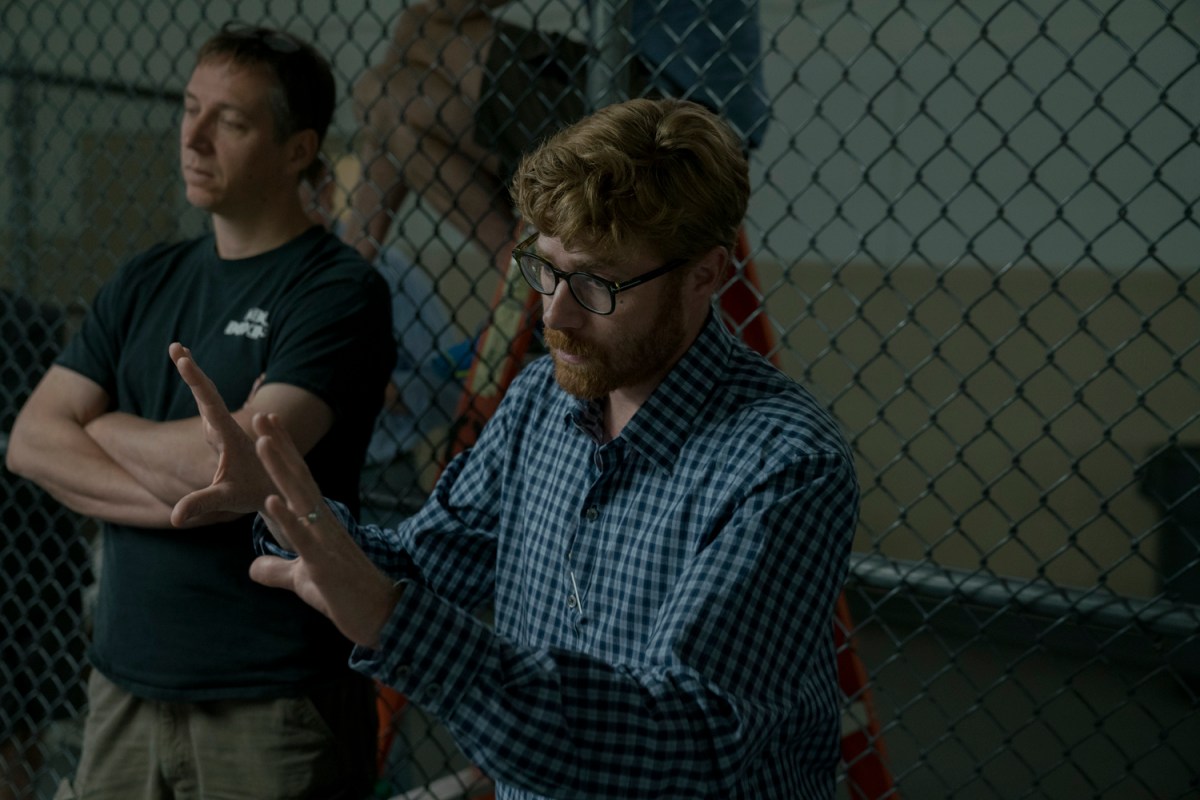
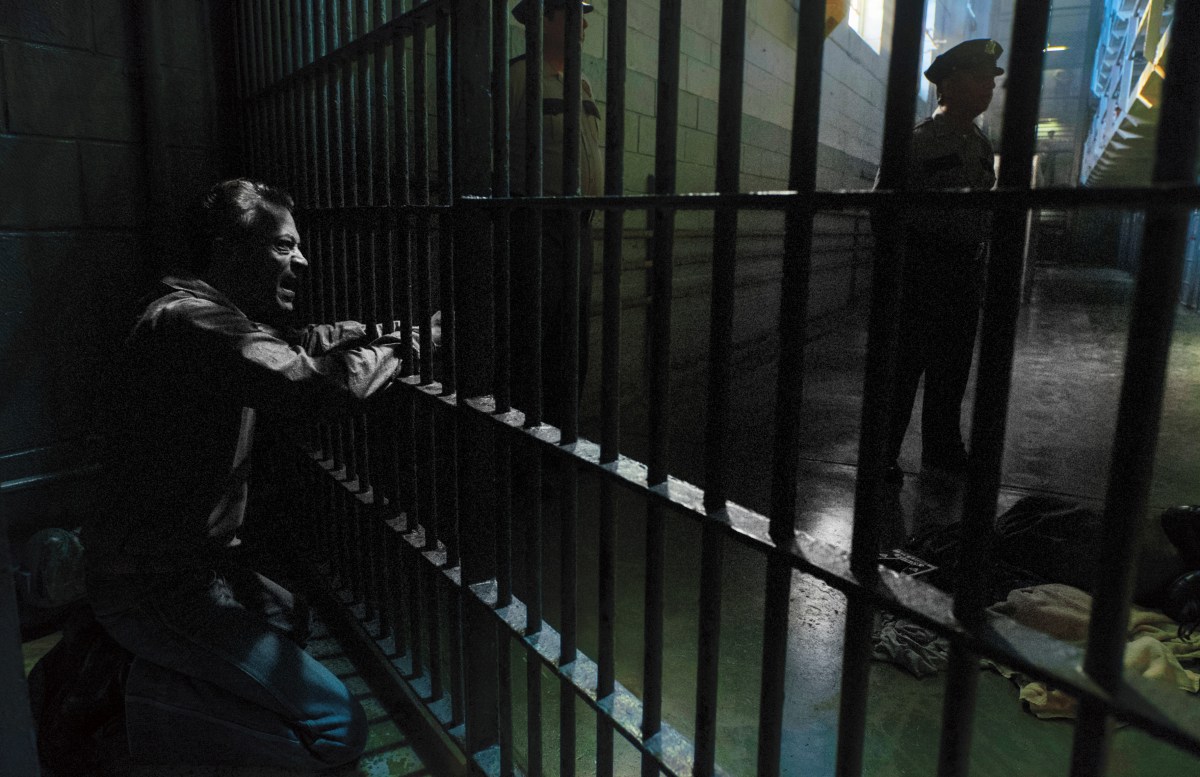
And Fincher’s collaboration with production designer Steve Arnold (“House of Cards”) and gaffer-turned cinematographer Erik Messerschmidt (“Mad Men”) was crucial to the authentic ’70s look and dynamic blocking of the interrogation scenes, particularly those involving Ed Kemper (Cameron Britton), who captivates and mentors Holden.
Matt Grobar
June 7, 2018
Deadline
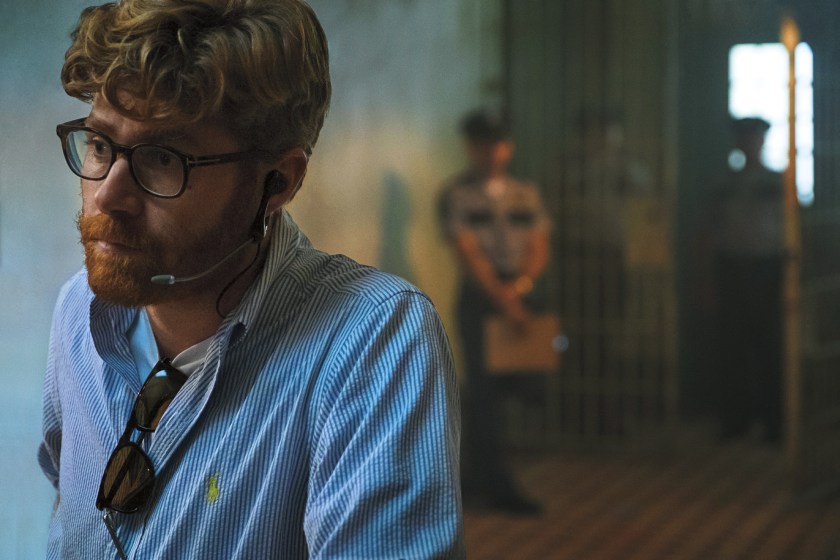
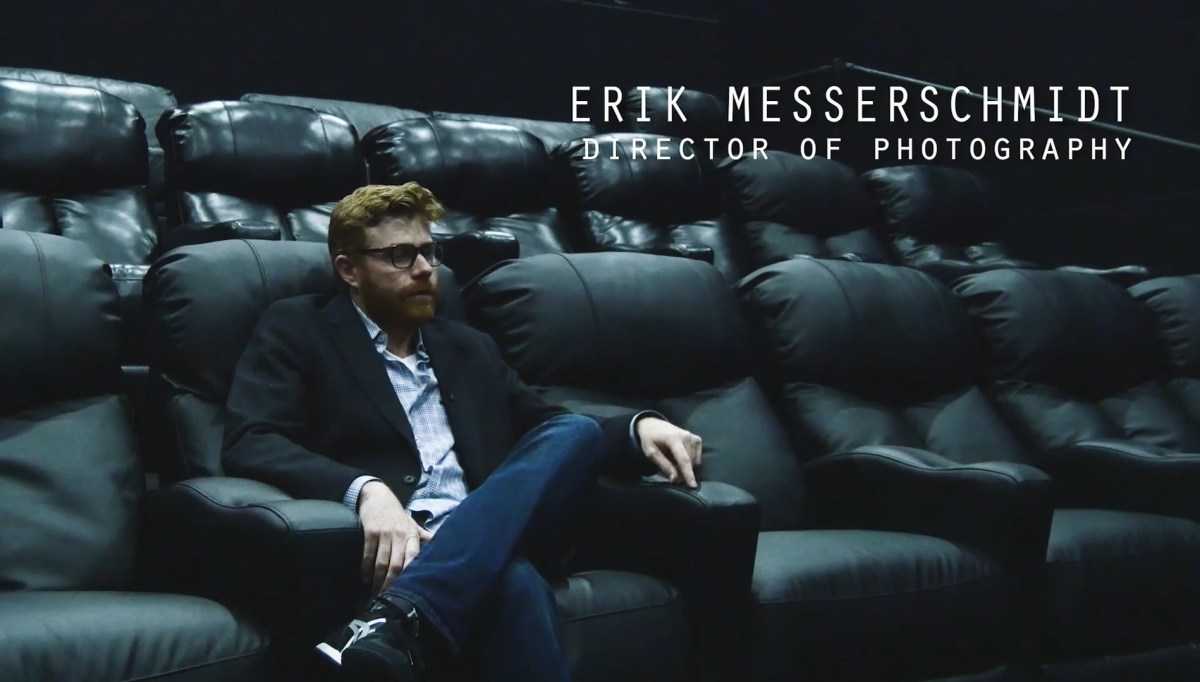
Erik Messerschmidt first worked with David Fincher as a Gone Girl gaffer—in collaboration with DP Jeff Cronenweth. But Messerschmidt got his chance to mine the auteur’s rich, iconic aesthetic as cinematographer of Netflix’s crime drama Mindhunter.
Created by Joe Penhall, with Fincher on as a director and executive producer, the 1970s-set series follows two FBI agents (played by Jonathan Groff and Holt McCallany) who look to expand criminal science by delving into the psychology of murder, coming uncomfortably close to the real-life monsters who would later be deemed “serial killers.”
Messerschmidt has been praised this season for the striking, atmospheric visuals he brought to Mindhunter—his first full series as a DP— though he prefers that his work remain invisible, operating beneath the surface:
“The second the audience is aware that a human is operating the camera, subconsciously there’s an awareness that someone else is in the room. Hopefully, the audience doesn’t notice the operating, they don’t notice my work, they are only seeing what’s happening on-screen between the characters. That’s the goal.”
Erik Messerschmidt with Camera Operator Brian Osmond (Patrick Harbron / Netflix)
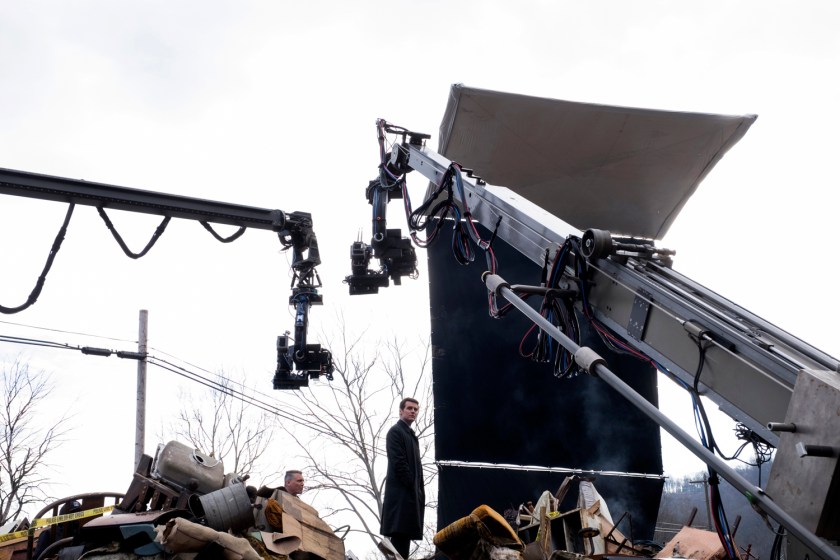
Merrick Morton / Netflix
Adam Chitwood
May 28, 2018
Collider
The Netflix original series Mindhunter is, by far, one of the best new shows currently running. The true story-based, 1977-set drama chronicles the early days of criminal psychology and criminal profiling primarily through the eyes of three people at the FBI’s Behavioral Science Unit: eager newcomer Holden Ford (Jonathan Groff), somewhat jaded veteran Bill Tench (Holt McCallany), and brilliant psychology professor Wendy Carr (Anna Torv). That this show is immaculately crafted from top to bottom will come as no surprise to those aware that it’s the brainchild of David Fincher, who serves as executive producer and directed nearly half of the series’ first season.
This is without doubt one of the best looking pieces of entertainment released in 2017, regardless of medium, with classical framing, motivated camera movement, and a tremendous palette that gives a mere peek into the darkness inside the minds of the criminals and serial killers who are the subject of the Behavioral Science Unit’s interviews.
So when I got the chance to speak with cinematographer Erik Messerschmidt about his work on the series, I was thrilled. Messerschmidt shot eight of the first season’s 10 episodes, including the Fincher-directed closing installments, and as he revealed during our interview, this was essentially his first major gig as a cinematographer. Messerschmidt had worked previously as a gaffer on shows like Mad Men and Bones, and then later the feature film Gone Girl where he first came into contact with Fincher. Based on their work together on that film, Fincher called Messerschmidt up when they were looking for a new DP for Mindhunter after the show’s original cinematographer exited over creative differences.
This promotion from gaffer to DP is a familiar refrain with Fincher’s cinematographers, as he did the same with his The Game and Fight Club gaffer Claudio Miranda, who was brought on as DP for The Curious Case of Benjamin Button and went on to win the Oscar for Best Cinematography for his work on Life of Pi.
Messerschmidt’s rise to the primary cinematographer of Fincher’s brand new TV show elicits similarly spectacular results, as the DP’s work on Mindhunter is elegantly classical and incredibly motivated by character and theme. During the course of our conversation, Messerschmidt talked about the road that led to him becoming the cinematographer on Mindhunter, the specifics of his working relationship with Fincher, what it’s like to serve as a DP in the world of episodic television, how the work of production designers and costumes designers goes under-appreciated, and trying to maintain a consistent aesthetic with multiple directors. He also teased a bit about Mindhunter Season 2, including revealing their extensive shooting schedule.
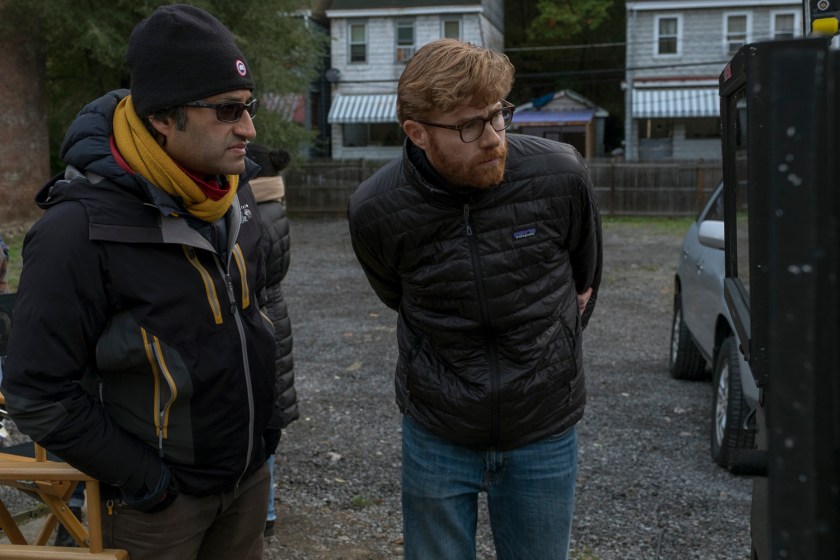
Erik Messerschmidt with Episodes 3 & 4 Director Asif Kapadia (Merrick Morton / Netflix)
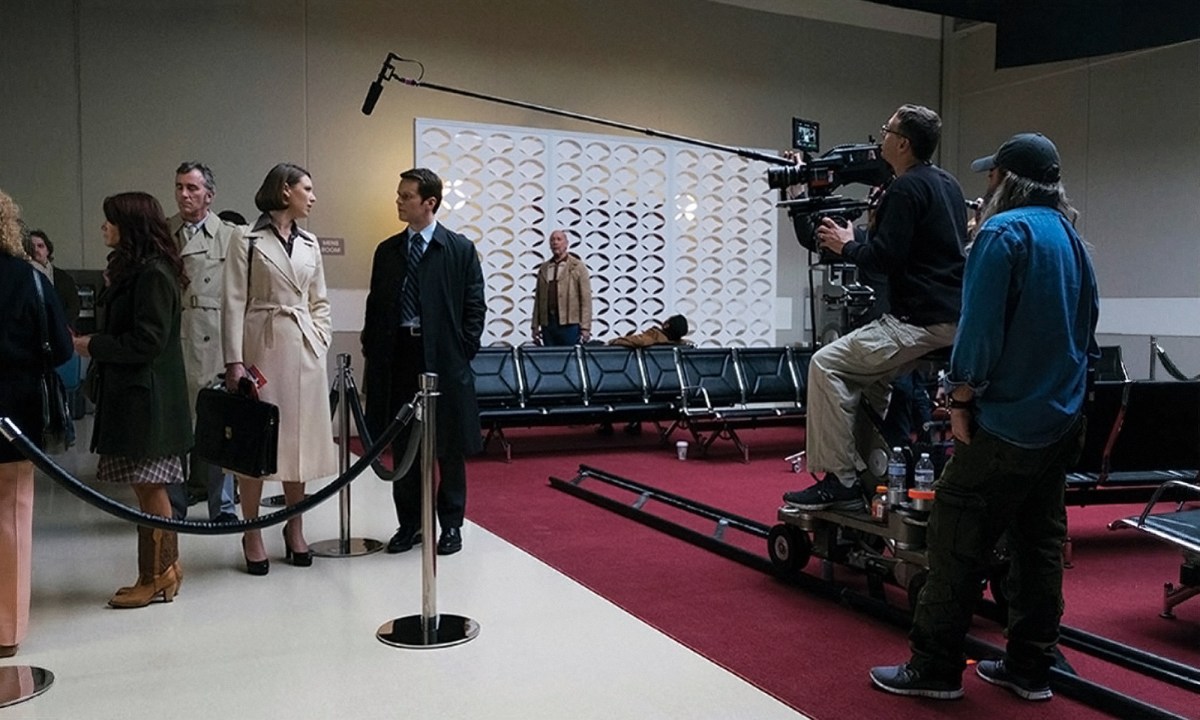
Operator Brian Osmond, SOC and dolly grip Dwayne Barr push in on a dialog scene between Anna Torv and Jonathan Groff (Merrick Morton / Netflix)
With Brian Osmond, SOC.
Derek Stettler
May 2018 (Spring 2018)
Camera Operator (Society of Camera Operators)
With Mindhunter, Netflix reunites with director David Fincher for the first time since he helped the streaming service launch into original programming with their first series, House of Cards. In Mindhunter, Fincher’s attention to detail proved a perfect match for creating the dark world of obsession and intrigue that is the true story of the origin of the FBI Behavioral Science Unit. Based on the real-life experiences of FBI special agent, John Douglas, who pioneered the practice of psychological profiling, Mindhunter takes place in the 1970’s and follows two FBI agents who radically expand criminal science as the study the methods and motivations of serial killers. But getting so close to real world monsters has consequences, and their encounters with the darkest of humanity begin to change them and the way they work.
Read the full interview:
LumaForge (YouTube)
May 3, 2018
Over the last few years, 8K has become accepted as an acquisition format for 2K & 4K delivery. Michael Cioni, of Panavision & Light Iron, believes that it is time to start pushing 8K as a distribution format. Listen as he challenges common misconceptions about the validity of 8K exhibition.
Cioni uses Moore’s Law to explore the idea that the resolution of our capture and delivery of video will continue to grow far into the future. In the early years of Light Iron, Michael and his team faced many challenges in moving from a 2K to 4K digital intermediate for their customers. But they overcame those challenges and are now working toward supporting 8K distribution.
David Fincher went looking for the 1970s — and found them in Pittsburgh. but that was just the start for the esteemed producer-director and his team, who recreated the era for Mindhunter, the Netflix series about two pioneering FBI profilers.
Liane Bonin Starr
April 13, 2018
Emmys (Television Academy) / Emmy Magazine
Watching the Netflix series Mindhunter, you may shudder as convicted serial killer Ed Kemper (Cameron Britton) casually chats about his string of brutal murders, or flinch when — spoiler alert! — a bird hits the fan courtesy of mass murderer Richard Speck (Jack Erdie).
What you’re less likely to notice is the precision with which the show’s late-’70s landscape has been created. David Fincher considers that a win.
“It’s really important that it feels like two people having a conversation — and that 40 people aren’t on their iPhones simultaneously just outside of frame,” says Fincher, who is executive-producing the series with Joshua Donen, Charlize Theron and Ceán Chaffin. “The great news is, I lived through the ’70s, so I remember what that looks like.”
Created by Joe Penhall — and based loosely on FBI agent John Douglas‘s book Mindhunter: Inside the FBI’s Elite Serial Crime Unit — the series explores the birth of criminal profiling.
Special agent Holden Ford (Jonathan Groff, playing a fictionalized version of Douglas) and his partner, Bill Tench (Holt McCallany), work alongside psychologist Wendy Carr (Anna Torv) to dig into what makes murderers tick. Shot in Pittsburgh, the show is a window on a time before the term serial killer had been coined, much less become the focus of TV shows and casual conversations.
While that seemingly more innocent time is reflected partly in the show’s relative lack of gore, the decade’s thornier complexities required a critical eye (or, in this case, eyes) to see past the polyester-covered clichés.
“David is the most holistic filmmaker I’ve ever met,” director of photography Erik Messerschmidt says. “The tone of every scene is important, and [so are] how the costumes and lighting and set decoration and everything play a part in creating the finished product.”
Fincher, who directed four of the first season’s 10 episodes, is famously meticulous, but he says the secret to getting it right is finding the right people.
“I don’t think you keep a project in a kind of design and aesthetic wheelhouse by being a dictatorial influence. Just stomping your feet and holding your breath is not going to make stuff work,” he says. “A lot of times, you have to empower people who are the advance troops and the follow-up troops to make decisions that are based on conversations that you have.”
In this case, one of the first decisions — where to shoot — was daunting.
“Our biggest issue,” Fincher says, “was: where do we find 1978?”
Andrew Price
April 12, 2018
Blender Guru (YouTube)
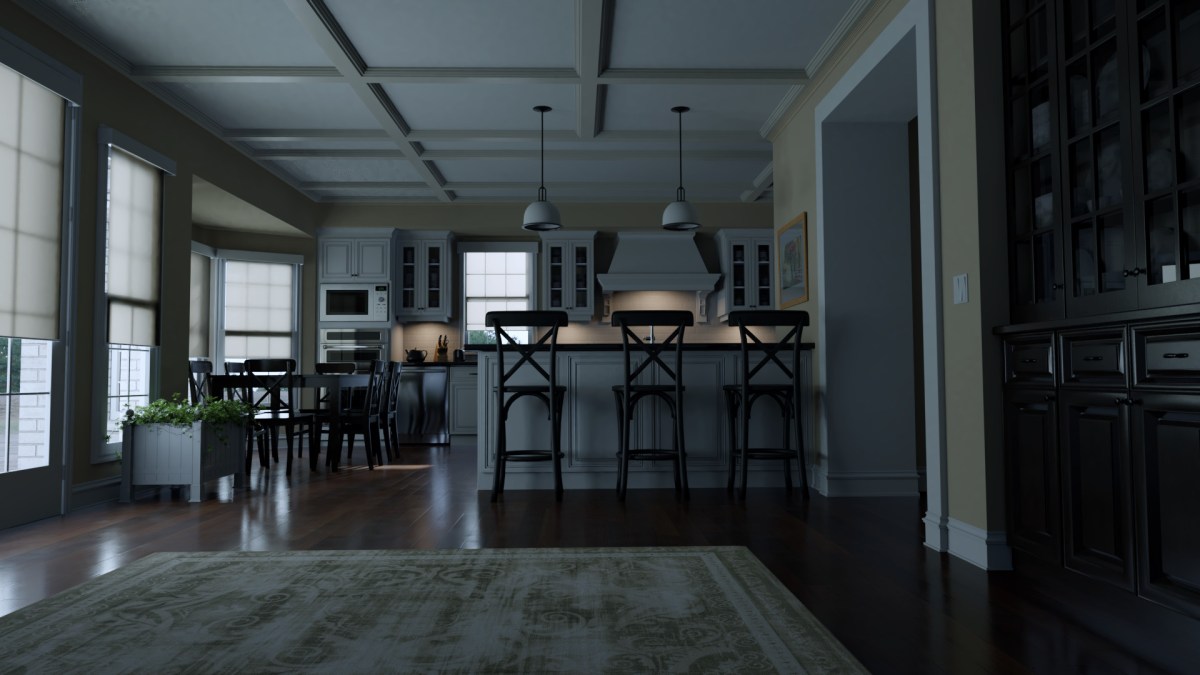
A homage to one of my favourite David Fincher films: Gone Girl! In this summary tutorial, I’ll show you how I recreated the lounge room from Gone Girl.
Andrew Price
April 12, 2018
ArtStation
I loved the lighting and cool palette of Gone Girl, and wondered if there was any “secret” to making it look like this. So as a learning exercise, I recreated the lounge room entirely in Blender and rendered with Cycles.
Took about 30 hours to create in total + another 49 hours for the tutorial.
Debra Minoff & Susannah McCullough
April 12, 2018
ScreenPrism (YouTube)
David Fincher’s Netflix hit Mindhunter shows the power of dialogue done right.
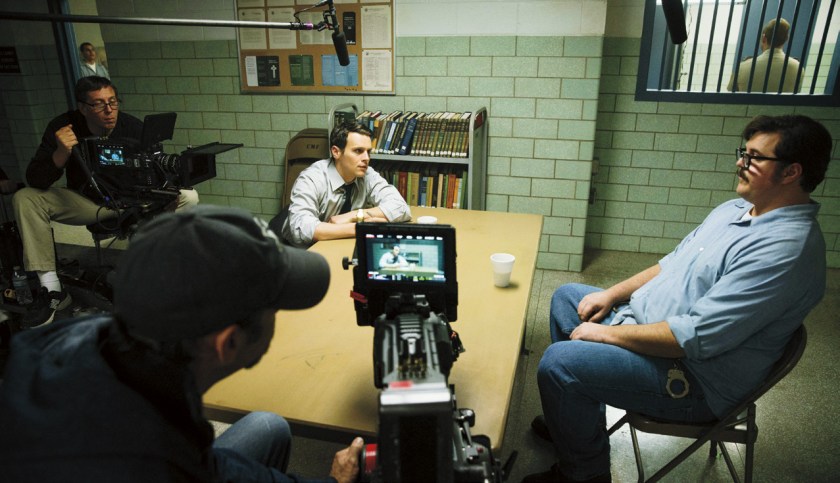
Erik Messerschmidt and Chris Probst, ASC, also have made “smart” use of LED technology, as detailed in our cover story on Mindhunter (page 36). David Fincher, who first started using LED’s for process work on Zodiac, 11 years ago, not only customized a high-resolution RED camera for the show (dubbed the “Xenomorph”), but also devised one of the most ingenious LED-driven plate projection/interactive lighting processes for driving shots TV has ever seen. Messerschmidt’s description of Fincher’s commitment to innovation mirrors those Sundancers bending technology in the service of new ways to tell a story: “For David, the frame is sacred; what we choose to include is intrinsic to what the audience thinks is important. They are one and the same.”
David Geffner, Executive Editor
ICG Magazine
Visualizing the daring and often scary world of David Fincher requires new technologies and processes rarely attempted in series television.
Matt Hurwitz
Photos by Patrick Harbron & Merrick Morton, SMPSP
April 2018
ICG Magazine
In the season 1 finale of Netflix’s MINDHUNTER, a disturbed FBI agent, Holden Ford (Jonathan Groff), bursts wildly from a hospital room, as a handheld camera gives chase. The move begins as shaken as ford is, but, as it lands with the agent, who collapses in the hallway, it’s as if the camera has floated to a butter-smooth stop inches from the floor, the maneuver executed like it was on a perfectly balanced Jib arm, crane, or even Steadicam. But it’s none of those. What can viewers assume from this?
David Fincher has returned to television.
FOR THIS SERIES ABOUT A PAIR OF AGENTS WORKING IN THE FBI’S ELITE BEHAVIORAL SCIENCES UNIT in 1979, and attempting to understand the mind of a serial killer, Fincher used a number of leading-edge technologies – interactive LED lighting, custom built high-resolution cameras, and, as in the shot with Agent Ford, image stabilization/smoothing in postproduction – to keep the viewer visually embedded. Fincher’s aim with MINDHUNTER, which has no graphic violence, is for viewers to “access their own attics. There’s far scarier stuff up there than anything we can fabricate,” the filmmaker insists. “I wanted people to register what’s going on in [characters’] eyes and where the gear changes are taking place. At what point do I [as the viewer] feel like, ‘OK, I’ve got an insight,’ and at what point do they feel like: ‘oh, I’m being sold something. It’s all about the nuance in how the balance of power is changing.”
Fincher’s longtime postproduction supervisor, Peter Mavromates, says he creates an “experience of omniscience,” similar to Kubrick’s A Clockwork Orange, “where you’re in a straitjacket with your eyelids pinned open, and David’s forcing you to watch these horrible things.” In fact, the show’s unique visual process began more than a year before production started in Pittsburgh (on area locations and on stages at 31st Street Studios, a former steel mill), with the development of a unique RED camera system.
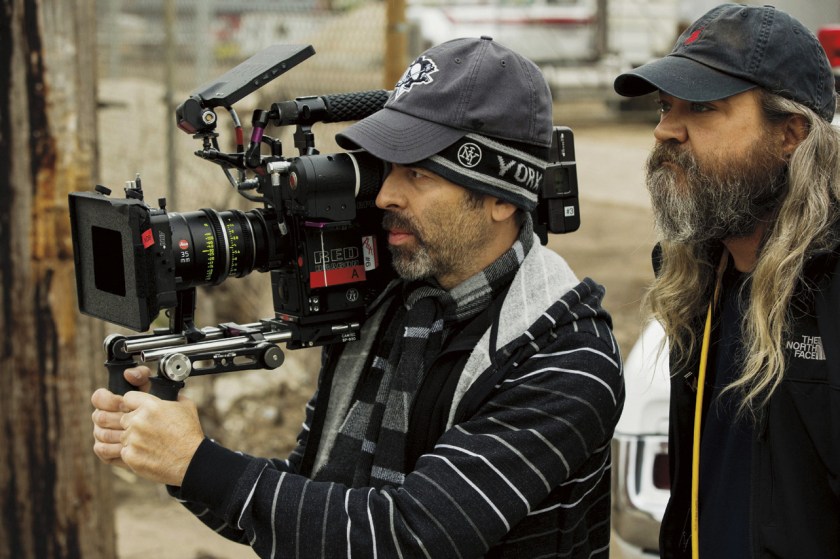
Christopher Probst, ASC – who shot MINDHUNTER’S pilot and second episode – was asked for his input on a RED prototype system, which had been designed by Jarred Land and RED’s Chief Designer Matt Tremblay according to Fincher’s specific needs. “David wanted to take all of the different exterior add-ons that create a jungle of wires, and put them inside the camera body,” Probst explains.
Fincher puts it even more directly: “It just seems insane that we’ve been bequeathed a [camera] layout [dating back to] D.W. Griffith and Charlie Chaplin that looks like some bizarre Medusa. [The camera] should be something that people want to approach, touch, and pick up.”
In fact, the custom system built for Season 1 [Land created a 2.0 version being used in Season 2] had an RTMotion MK3.1 lens-control system, Paralinx Arrow-X wireless video, and Zaxcom wireless audio (with timecode) integrated into the RED body, with the only visible cable being to control the lens. Slating was all but eliminated, with clip-number metadata being shared wirelessly between the camera and the script supervisor, who used Filemaker software to associate takes and clips. An audio scratch track from the mixer was recorded onto the REDCODE RAW R3D files and received wirelessly.
The base camera was one of RED’s DSMC2 systems, the then-new WEAPON DRAGON, with its 6K sensor. The shell design, accommodating the added gear inside, with its angular shape and heat venting fins on top, had a “Xenomorph” appearance (à la Alien), and was dubbed as such by Land and Fincher. “When the camera arrived in Pittsburgh, they had actually engraved “Xenomorph” on the side,” Probst says.
Read the full profile:
Website version of the profile