Colorist Ian Vertovec’s Instagram Notes on His Work for David Fincher

Ian Vertovec & Michael Cioni
March 17, 2019
Ian Vertovec (Instagram)
Michael Cioni (Instagram)

Ian Vertovec is Supervising Colorist at Light Iron, which he co-founded, a Panavision company specialized in dailies, digital intermediate, archival, and data services for projects originated on file-based motion cameras.

View this post on Instagram

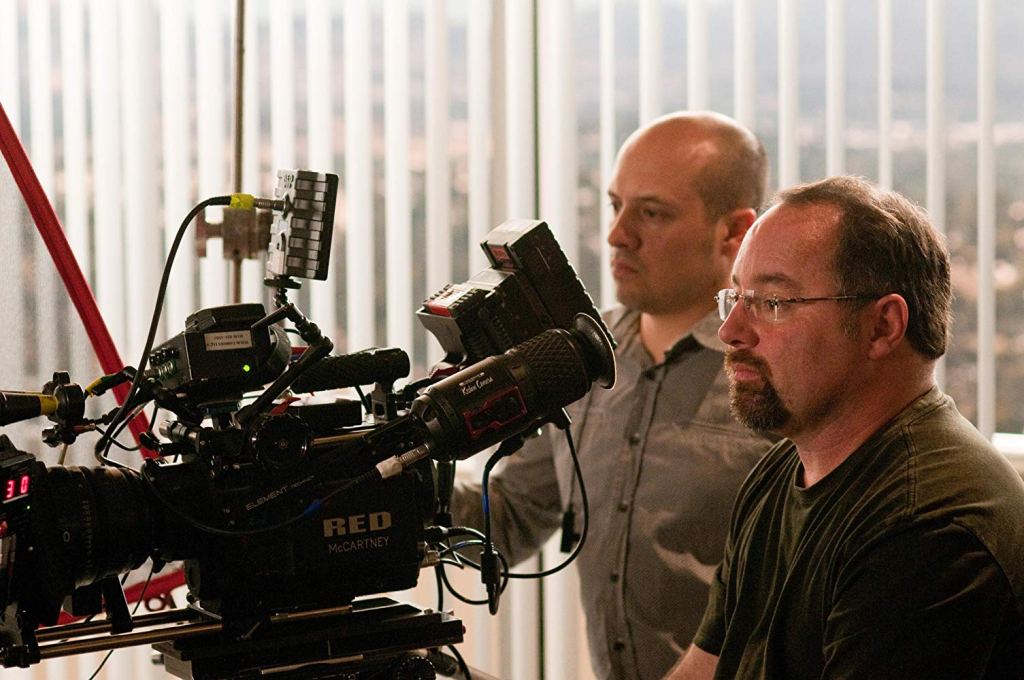
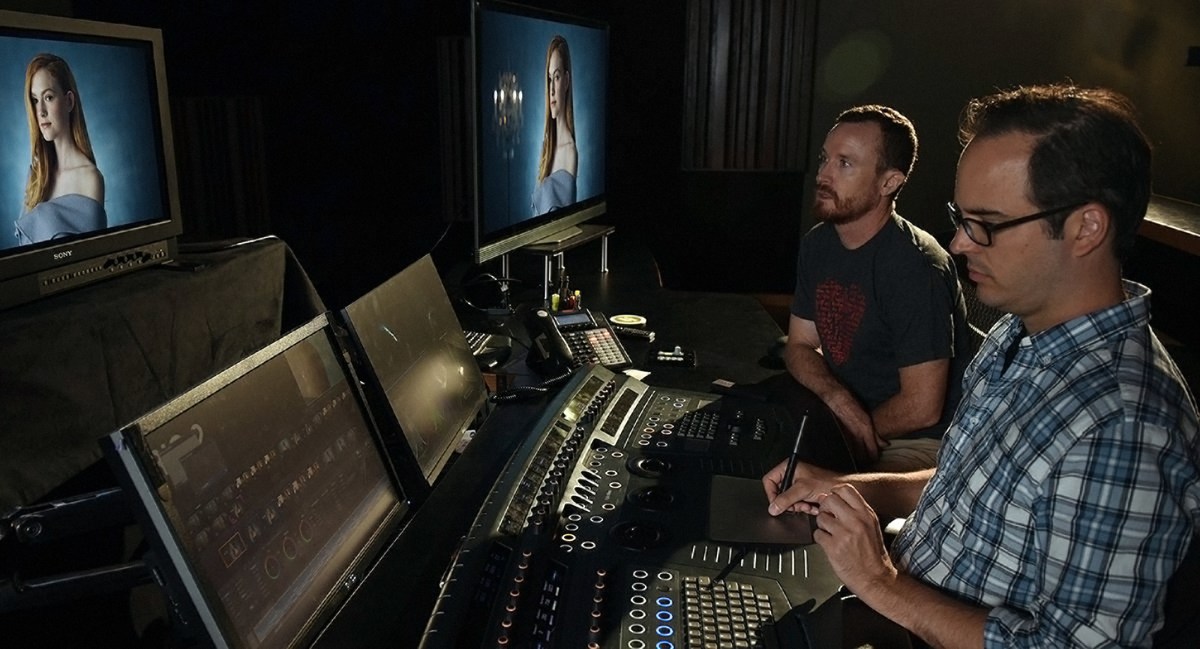
Reposted from @ianvertovec – The Girl with the Dragon Tattoo Dir: David Fincher DP: Jeff Cronenweth One of the best technical and creative accomplishments of our team's career was collaborating on this film. GDT included scenes shot on the first RED Epic camera (mixed in with lots of RED ONE MX) and was the first 5K RAW DI. We had to work with Quantel at the time to innovate a new way to do DI in a 5K extraction and display in 4K. It was our first time making 5K DSM non-scaled 2.40 and 1.78 masters so no blow-up was required for deliverables. It also means there is a 4K 4:3 version somewhere! The creative techniques and technology discovered on this film went into hundreds of films we did thereafter. Sometimes I travel the world and people ask, "How do you get RED cameras to look so good?" I tell them, "Don't worry so much about it. We all have access to the exact same technology to make these pictures look great. The difference is in who actually touches the tech." Colorist @ianvertovec is the key to these images and leads the Light Iron creative team to bring the best color regardless of the camera. Now you can follow his colorful journey on Instagram. Follow @ianvertovec #thegirlwiththedragontattoo #davidfincher #rooneymara #danielcraig – #regrann #regrann  #redcamera #redepic #redcamerausers #lightiron #lightironcolor #digitalintermediate #colorcorrection #cinematographer #cinematography #resolution

A post shared by Michael Cioni (@michaelcioni) on

Conversations with Darius Khondji

Visit with Darius Khondji, ASC, AFC

Darius Khondji, ASC, AFC (Marianne Chemetov / American Cinematographer)

Benjamin B
February 11 & 22, 2019
American Cinematographer (Blogs), The Film Book

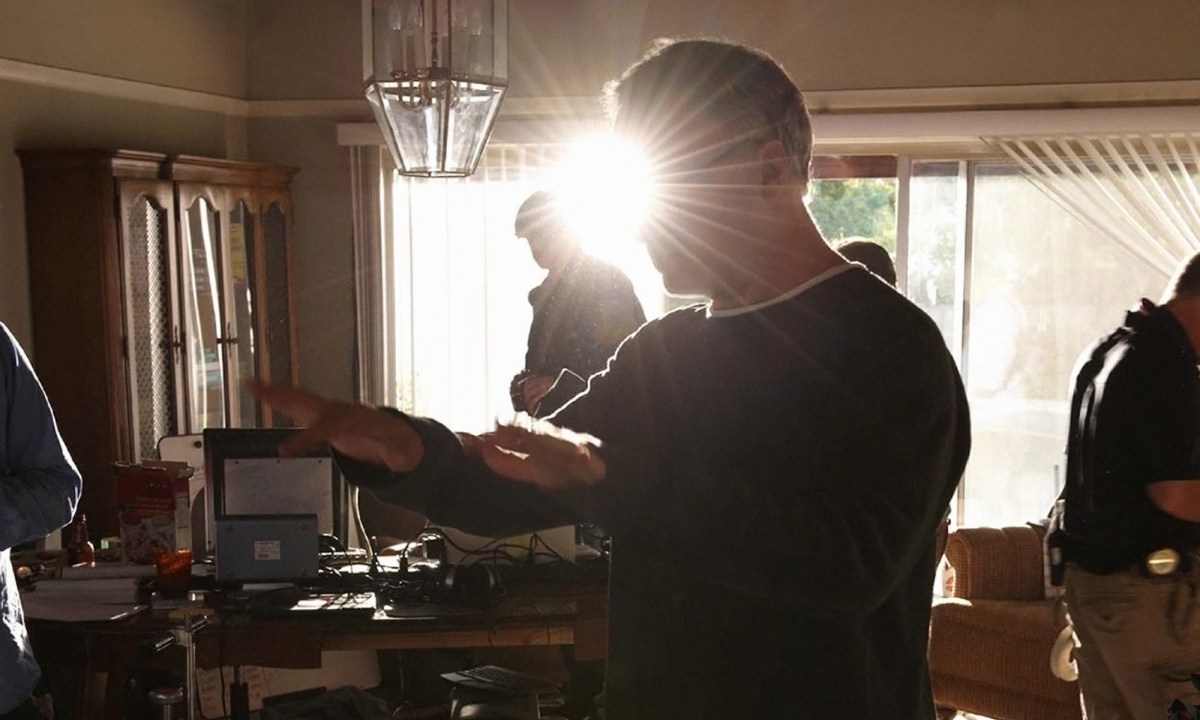
When I visit Darius Khondji, ASC, AFC, in his home in Paris recently for coffee, tea and talk about his art and craft, we speak in his dark living room, with a small pool of light from a lamp on a nearby table, and soft daylight coming through French windows that give on to a snowy courtyard.

Darius’ wife, photographer Marianne Chemetov, kindly agrees to shoot a still of her husband for me near a window. They discuss the lighting. Darius asks to be in silhouette, and, afterwards he darkens Marianne’s photo on his iPhone even further. I ask him about this, and he says: “I like the radical quality of this chiaroscuro.”

Part 1: Book, Dimming, Colors, Direction

Part 2: Sources, Exposure, Contradictions, Directors

Book Excerpt: Conversations with Darius Khondji

The esteemed ASC member reflects on his breakthrough feature Se7en, which helped change the face of Hollywood horror and suspense features and remains a cinematic touchstone.

November 05, 2018
American Cinematographer

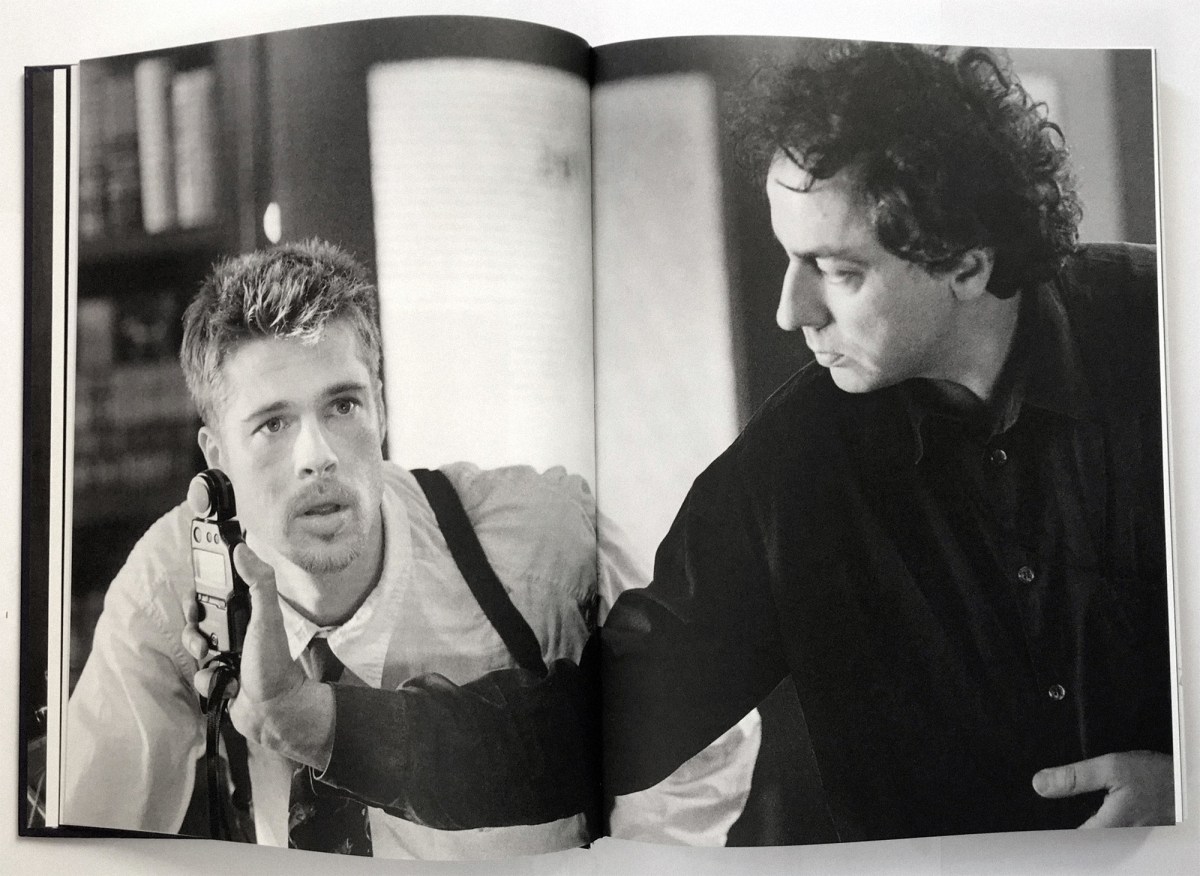
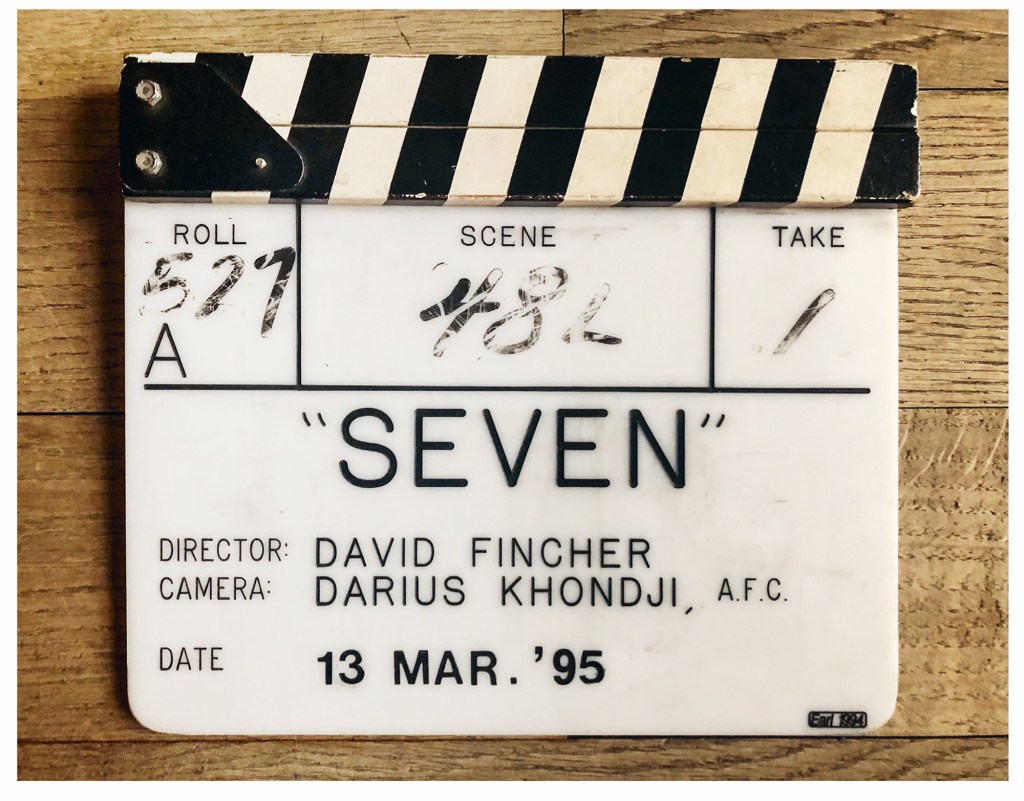
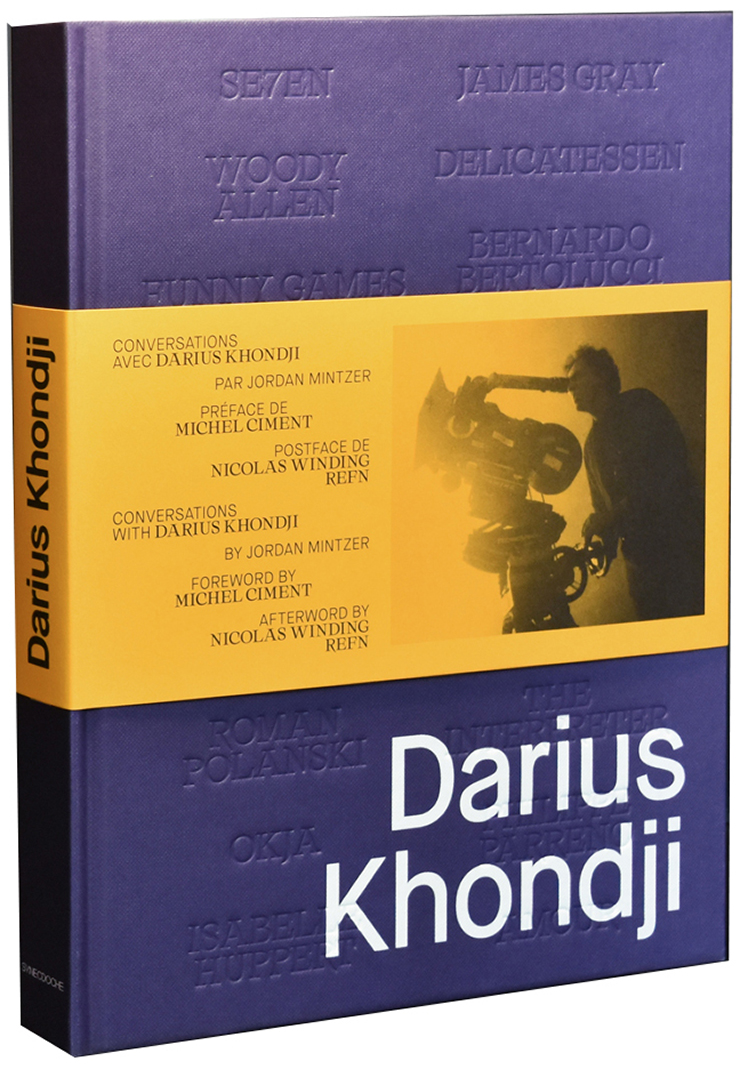
The following is an excerpt from the new book Conversations with Darius Khondji, written by The Hollywood Reporter film critic Jordan Mintzer and published in a French-English bilingual edition by Synecdoche in Paris. The excerpt is taken from the chapter “Out of the Shadows,” which begins with Khondji describing his work on David Fincher’s Se7en (1995) — the first feature he shot in Hollywood.

Read the excerpt

Order the beautiful limited-edition hardcover book: Conversations with Darius Khondji, by Jordan Mintzer (Synecdoche, Paris). HIGHLY RECOMMENDED!

ASC List of 100 Milestone Films in Cinematography of the 20th Century includes “Seven”

January 08, 2019
The American Society of Cinematographers (ASC)

Throughout 2019, the Society will honor the best-photographed films of the 20th century, as voted on by ASC members.

Founded on January 8, 1919, the American Society of Cinematographers celebrates its 100th anniversary today.

As part of the centennial festivities, the Society released their members’ list of the 100 milestone films in the art and craft of cinematography of the 20th century. Organized by Steven Fierberg, ASC (The Affair, Good Girls Revolt, Entourage) and voted on by ASC members, the list is the first of its kind to showcase the best of cinematography as selected by professional directors of photography. […]

The 100 films list will serve as a library of influential, key titles that all cinematographers should see as well as an educational tool for students, teachers and film lovers to better understand and appreciate the importance of cinematography. “It is our hope that the list will help cinematography to be better understood by the public — the audience — [and to showcase] each of us as an artist who is an essential contributor to the magic of cinema,” offers Fierberg.

The list represents a range of styles, eras and visual artistry, but, most importantly, it commemorates films that are inspirational or influential to ASC members and have exhibited enduring influence to generations of filmmakers.

The list culminates in a Top 10 by number of votes, while the other 90 titles are unranked.“We are trying to call attention to the most significant achievements of the cinematographer’s art,” Fierberg assures. “We do not presume to call one masterful achievement ‘better’ than another.”

Members chose to frame this list around the 20th century to ensure that enough time has passed for the titles and work to reasonably exhibit enduring influence.

The process of cultivating the 100 films began with ASC members each submitting 10 to 25 titles that were personally inspirational or perhaps changed the way they approached their craft. “I asked them — as cinematographers, members of the ASC, artists, filmmakers and people who love film and whose lives were shaped by films — to list the films that were most influential,” Fierberg explains. A master list was then complied, and members voted on what they considered to be the most essential 100 titles. […]

Detailed essays and historical information on each title will be published over the coming months, celebrating the diverse, global art form of cinematography throughout the ASC’s Centennial year. […]

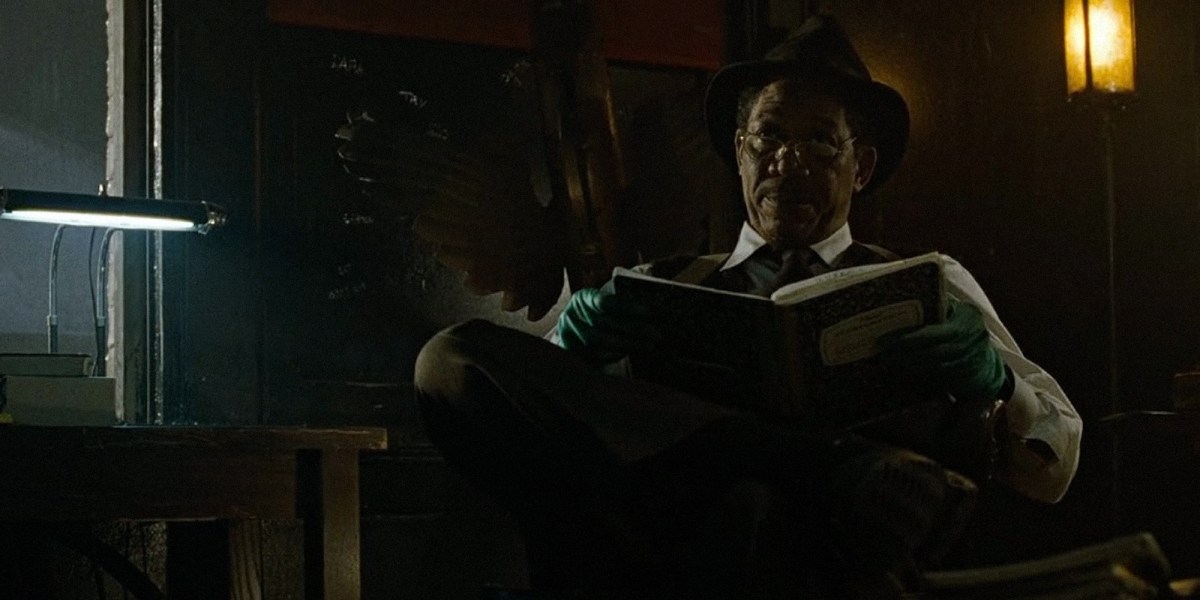
  • Seven (1995), shot by Darius Khondji, ASC, AFC

See the full list

Mindhunter Season 2 has Wrapped

5 Visual Aesthetics of David Fincher’s MINDHUNTER: A Video Essay

Vashi Nedomansky
November 28, 2018
VashiVisuals

“I thoroughly enjoyed the visual sensibilities and filmmaking techniques used in the first season of  Mindhunter on Netflix. Here are 5 of my favorite cinematography and film editing techniques that I feel made it a very distinctive show. Created and directed by David Fincher, he used many of the stylistic choices from his feature films such as dark cinematography and glass-like camera movement but also added some new tools to his arsenal as well.”

More by Vashi Nedomansky:

All 25 Subliminal Shots in David Fincher’s MINDHUNTER Title Sequence

Fincherphilia & Beyond

Cinephilia & Beyond - Logo

Just a small sample of all the precious filmic resources bestowed by Cinephilia & Beyond:

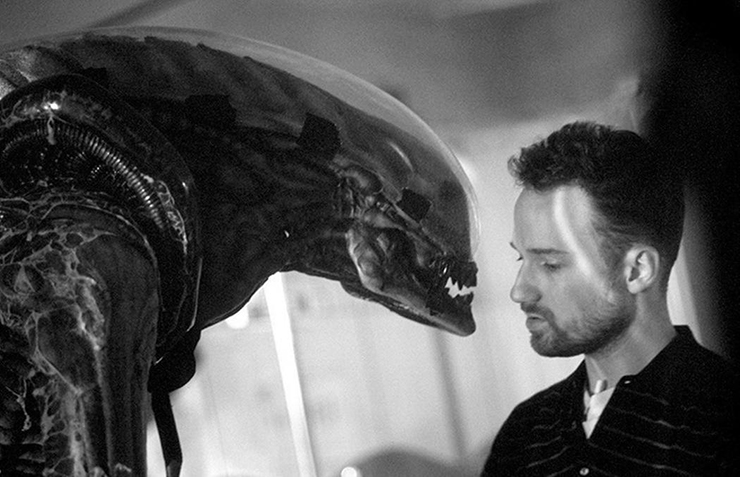
1993. Alien3 01

Alien3: “Take all of the responsibility, because you’re going to get all of the blame”

1995. Se7en

Se7en: A Rain-Drenched, Somber, Gut-Wrenching Thriller that Restored David Fincher’s Faith in Filmmaking

1995. The Game

Downwards Is the Only Way Forwards: Welcome to David Fincher’s The Game

1999. Fight Club

Fight Club: David Fincher’s Stylish Exploration of Modern-Day Man’s Estrangement and Disillusionment

2007. Zodiac

Fincher’s Zodiac As Easily One Of The Best Thrillers Of The Millennium So Far

1982. David Fincher at ILM

Harmonica Cinema: Zodiac

Another comprehensive article by Spanish DP, Producer and cinematography scholar Ignacio Aguilar, this time on the cinematography of Zodiac. Time to practice your rusty Spanish or get help from a good web translator.

Harmonica Cinema - Logo

Excepcional adaptación cinematográfica del libro de Robert Graysmith, basado en su propia investigación sobre los asesinatos cometidos en la zona de San Francisco a finales de la década de los 60 y comienzos de los 70, por un asesino que además enviaba cartas a los períodicos, anunciando sus planes y próximas víctimas. El film está protagonizado, además de por el propio Graysmith (interpretado por Jake Gyllenhaal), por su compañero en el San Francisco Chronicle, Paul Avery (Robert Downey, Jr.) y por el detective de homicidios Dave Toschi (Mark Ruffalo), los cuales uno a uno, se van obsesionando por el caso que les ocupa a medida que profundizan en el mismo y creen encontrarse cerca de resolverlo. Se trata quizá del mejor y más sólido trabajo de David Fincher detrás de las cámaras, quien deja de lado su conocida solvencia técnica y se lanza a narrar minuciosamente todo lo concerniente al caso que inspiró películas como “Dirty Harry” (1971), tomando una estructura y formas muy parecidas a las de una de sus películas de referencia: “All The President’s Men” (Alan J. Pakula, 1976), escrita por William Goldman y protagonizada por Dustin Hoffman y Robert Redford. Anthony Edwards, Chloe Sevigny, Elias Koteas, John Carroll Lynch y Brian Cox, entre otros, completan el reparto de un film absolutamente modélico.

Ignacio Aguilar
1 agosto 2018
Harmonica Cinema

El director de fotografía fue Harris Savides [ASC], un hombre cuya carrera en cine, entre su tardía llegada y su prematuro fallecimiento por un cáncer cerebral a los 55 años de edad en el año 2012, desgraciadamente fue demasiado corta. Procedente de los videoclips y de los anuncios publicitarios, debutó en 1996 con “Heaven’s Prisoners” a las órdenes de Phil Joanou. Ya el año anterior había rodado metraje adicional para David Fincher en “Se7en” (1995), quien le contrató para su siguiente film, “The Game” (1997), la película que puso a Savides en el mapa. Posteriormente destacó mucho con “The Yards” (James Gray, 2000) y con varios trabajos para Gus Van Sant: “Finding Forrester”, “Gerry”, “Elephant”, “The Last Days” y “Milk”, además de por su trabajo para Jonathan Glazer en “Birth”. Además tuvo tiempo para colaborar con Ridley Scott en “American Gangster”, con Woody Allen en “Whatever Works” o con Sofia Coppola en “Somewhere”. Su estilo, muy sencillo y poco recargado, a menudo estaba dominado por la subexposición y la luz cenital, a veces asumiendo grandes riesgos, siguiendo en muchos aspectos la línea de Gordon Willis durante la década de los 70.

Savides por lo tanto era el director de fotografía ideal para Fincher en este proyecto, ya que el citado modelo “All The President’s Men” precisamente fue fotografiado por el autor de “The Godfather”. Ambientada desde finales de los años 60 hasta principios de los 80, “Zodiac” sorprendió mucho porque fue el primer proyecto de David Fincher rodado en formato digital y porque hasta aquél momento, dicha forma de adquisición se había empleado principalmente en películas como “Attack of the Clones” (2002) y “Revenge of the Sith” (2005), “Collateral” (2004) y “Miami Vice” (2006) o incluso “Apocalypto” y “Superman Returns” (2006), sin que ninguna de ellas (dejando de lado del film de Gibson) fueran películas de época. Savides (ante la insistencia de Fincher) recurrió a la cámara Thomson Viper Filmstream, la misma usada por Michael Mann en las dos películas citadas anteriormente, pero a diferencia del director de “The Last of the Mohicans”, en el caso de “Zodiac” los cineastas no lo hicieron para rodar con niveles de luz muy bajos o luz disponible, sino que rodaron en HD iluminándolo de forma muy parecida a como lo hubiesen hecho rodando en 35mm. Por ello, el efecto vídeo de las películas de Mann, tanto por la textura de la imagen como por emplear el obturador abierto, no está presente en absoluto en “Zodiac”, que en muchas ocasiones es mencionada como un hito precisamente porque su estética digital fue la primera que demostró que en este formato podían seguir obteniéndose imágenes de parecida calidad a las que se conseguían con el celuloide. Y aunque la Viper era una cámara limitada (con un sensor pequeño y no tanta latitud como las modernas) lo cierto es que prácticamente nunca se perciben dichas limitaciones.

Lee el artículo completo

Harmonica Rental - LogoHarmonica Films - Logo

Editors on Editing: Kirk Baxter, ACE talks GONE GIRL

American Cinema Editors (YouTube)
May 6, 2018

Editors on Editing: Glenn Garland, ACE talks to Kirk Baxter, ACE about editing the film, GONE GIRL.

Original release:

Gone Girl: Kirk Baxter, ACE
October 2014
moviola.com

‘Mindhunter’: The David Fincher Look is All About Power and Control

Merrick Morton / Netflix

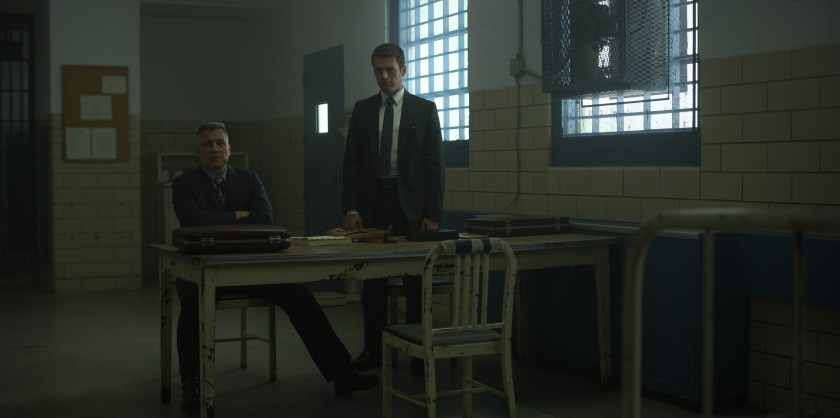
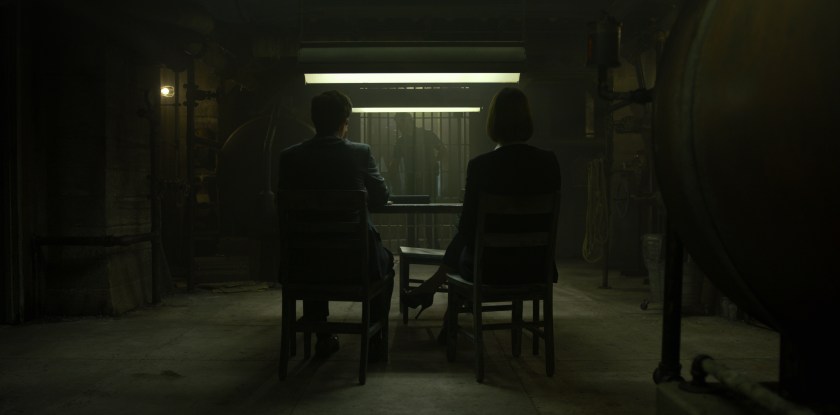
Fincher was very particular about conveying control and dominance through lighting and production design in his Netflix FBI crime drama.

Bill Desowitz
June 18, 2018
IndieWire

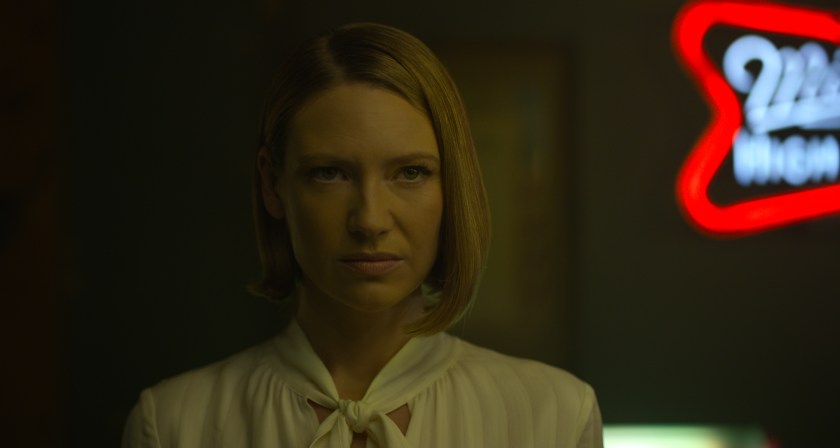
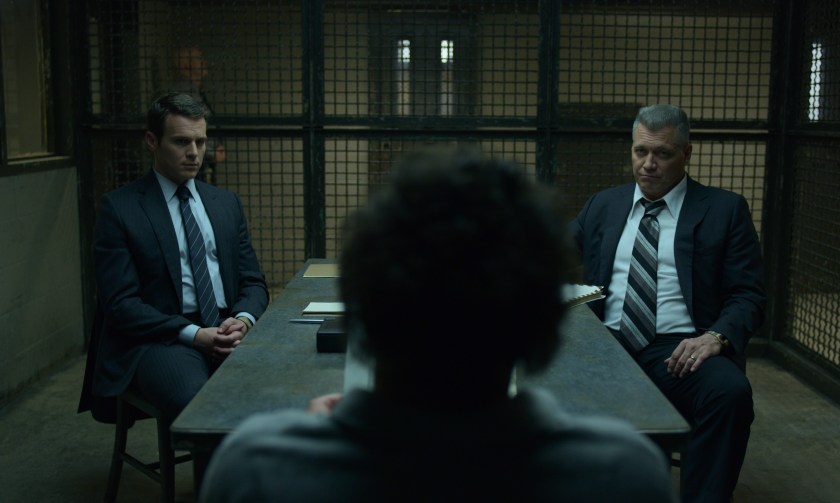
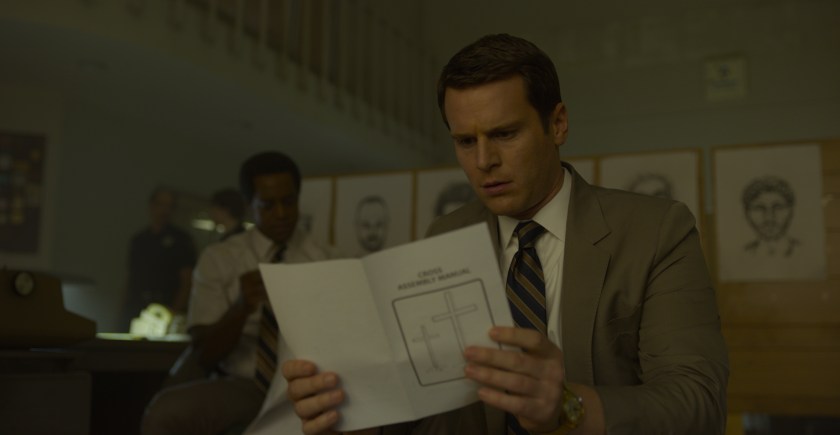
David Fincher brilliantly pushes his cinematic formalism in “Mindhunter,” Netflix’s 10-episode crime drama that explores the FBI’s fledgling Behavioral Science Unit in Quantico, Virginia, in the late ’70s. But, for the dialogue-heavy creepy interrogations with imprisoned serial killers by agents Holden Ford (Jonathan Groff) and Bill Tench (Holt McCallany), executive producer/co-director Fincher manages to visually convey constant power shifts.

“It’s about control and dominance and also about misogyny,” Fincher said. “People forget that this goes all the way back to Jack the Ripper.”

And Fincher’s collaboration with production designer Steve Arnold (“House of Cards”) and gaffer-turned cinematographer Erik Messerschmidt (“Mad Men”) was crucial to the authentic ’70s look and dynamic blocking of the interrogation scenes, particularly those involving Ed Kemper (Cameron Britton), who captivates and mentors Holden.

Read the full profile

Production Value: Erik Messerschmidt Rises To Become David Fincher’s DP With ‘Mindhunter’

Matt Grobar
June 7, 2018
Deadline

Erik Messerschmidt first worked with David Fincher as a Gone Girl gaffer—in collaboration with DP Jeff Cronenweth. But Messerschmidt got his chance to mine the auteur’s rich, iconic aesthetic as cinematographer of Netflix’s crime drama Mindhunter.

Created by Joe Penhall, with Fincher on as a director and executive producer, the 1970s-set series follows two FBI agents (played by Jonathan Groff and Holt McCallany) who look to expand criminal science by delving into the psychology of murder, coming uncomfortably close to the real-life monsters who would later be deemed “serial killers.”

Messerschmidt has been praised this season for the striking, atmospheric visuals he brought to Mindhunter—his first full series as a DP— though he prefers that his work remain invisible, operating beneath the surface:

“The second the audience is aware that a human is operating the camera, subconsciously there’s an awareness that someone else is in the room. Hopefully, the audience doesn’t notice the operating, they don’t notice my work, they are only seeing what’s happening on-screen between the characters. That’s the goal.”

Watch the full video