CineTalk: Peter Rosenfeld SOC, Camera Operator

Hugo Will
November 25, 2025
CinePro

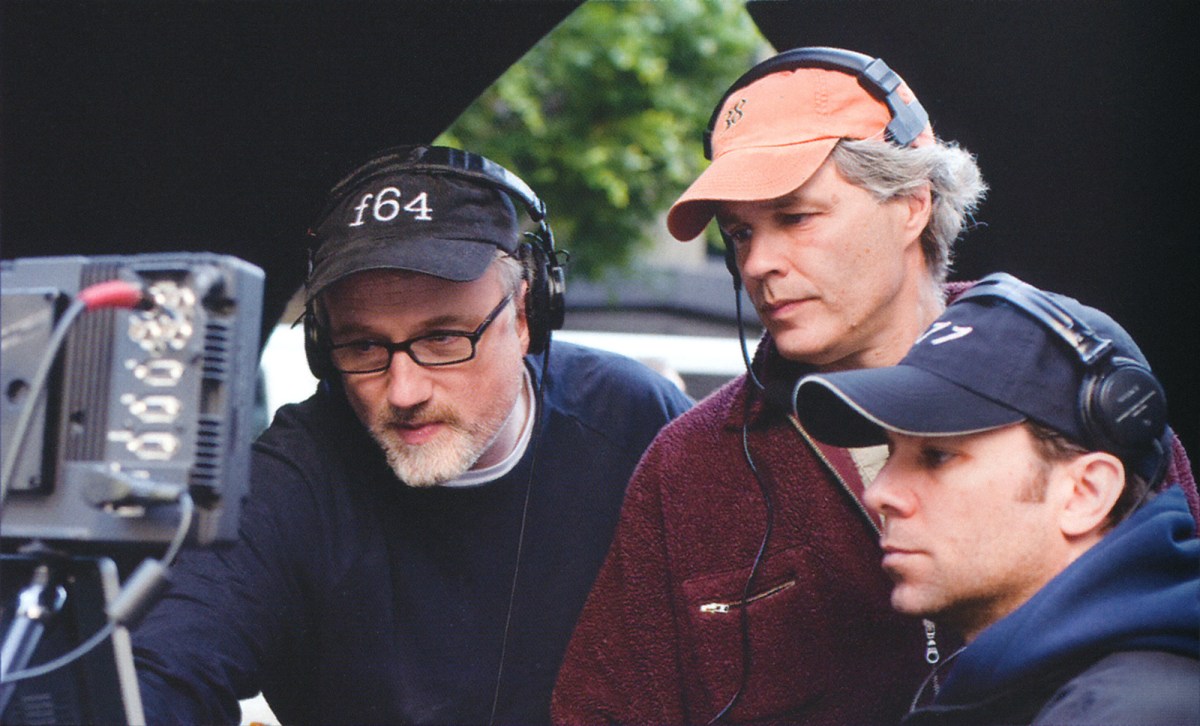
Peter Rosenfeld, SOC, is one of Hollywood’s most respected camera and Steadicam operators, with credits on The Social Network, Gone Girl, American Sniper, Memoirs of a Geisha, Spider-Man: No Way Home, and more. In this episode of CineTalk, we dive into his decades of experience working alongside filmmakers like David Fincher, Clint Eastwood, Kathryn Bigelow, Rob Marshall, and Aaron Sorkin.

Peter breaks down the craft of camera operating, problem-solving on set, collaborating with directors, and the mindset required for a long-lasting career. A must-watch for anyone serious about cinematography or pursuing camera department work.

Watch the full episode on CinePro Academy

“Fight Club” Cinematographer Jeff Cronenweth ASC on his Career, Working with David Fincher, Shooting “Tron: Ares,” & More

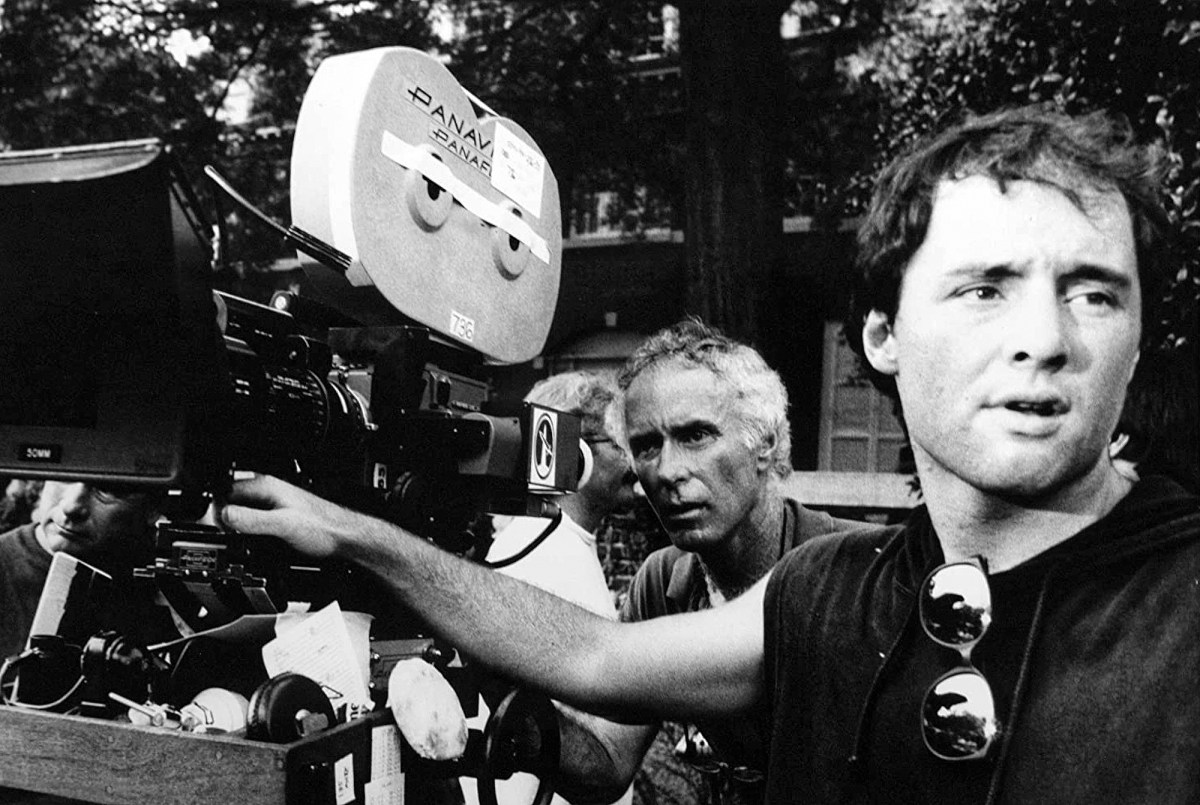
Jordan and Jeff Cronenweth on the set of Francis Ford Coppola‘s Gardens of Stone

Mike Valinsky
October 25, 2025
The Making Of

In this episode, we welcome two-time Oscar-nominated cinematographer Jeff Cronenweth, ASC. Jeff has shot films including Fight ClubOne Hour PhotoThe Social NetworkThe Girl with the Dragon TattooHitchcockGone GirlBeing the Ricardos, and Tron: Ares. In our chat, Jeff shares his origin story, experiences working with David Fincher — and all about his latest movie, Tron: Ares. He also offers extensive insights and recommendations for today’s cinematographers and filmmakers.

Listen to the podcast:

The Making Of (Substack)
Apple Podcasts

Spotify

Follow The Making Of: Instagram, Ex-Twitter

Follow Mike Valinsky: Instagram, Ex-Twitter

AC Gallery: Gone Girl

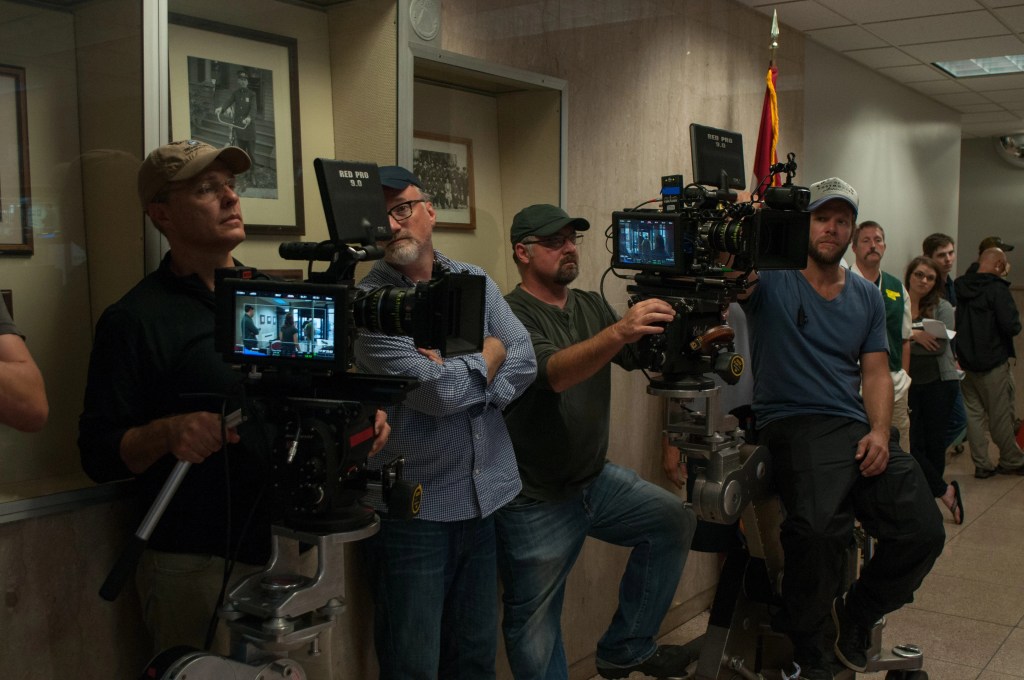
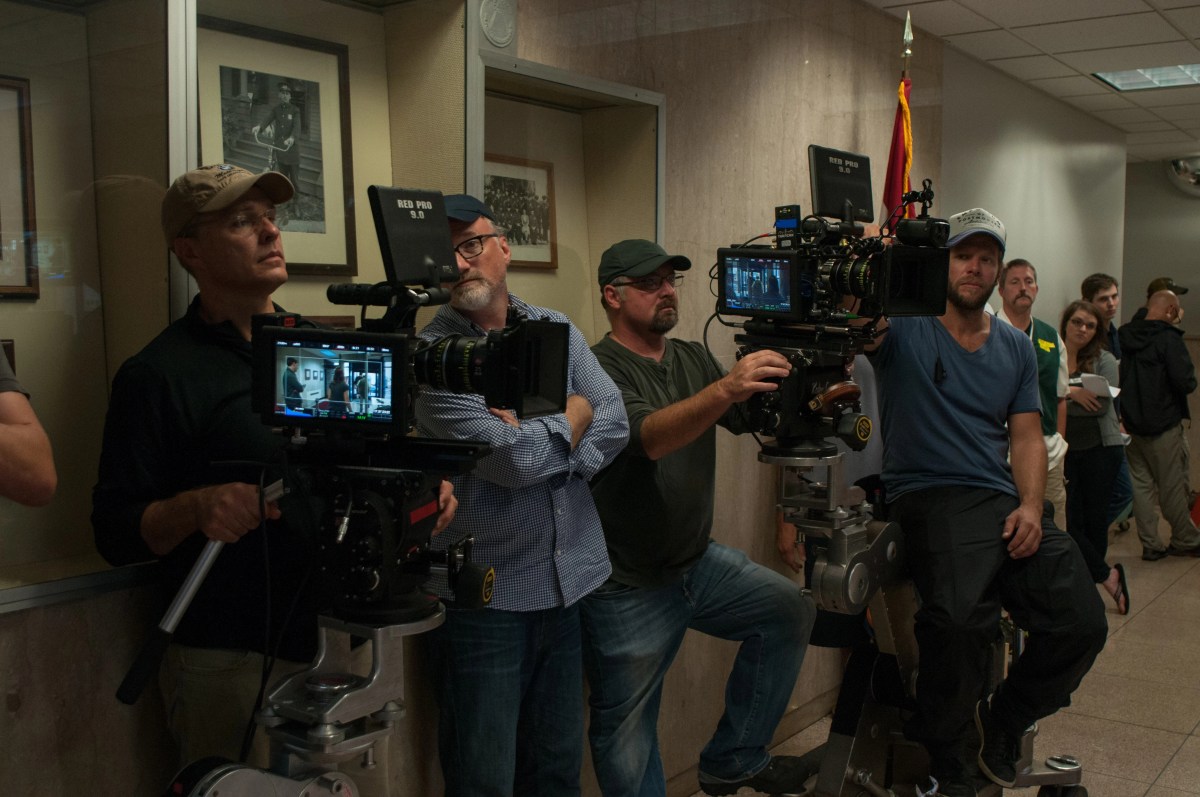
A collection of stills and images from the making of David Fincher’s 2014 mystery drama.

Brian Kronner
April 14, 2025
American Cinematographer

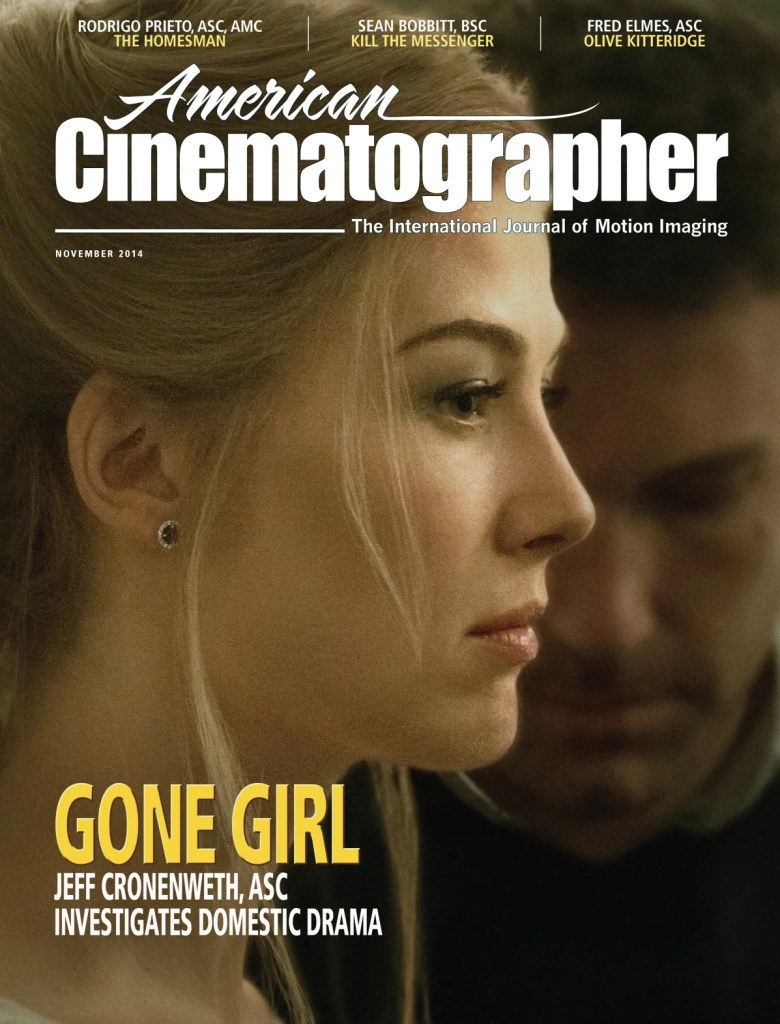
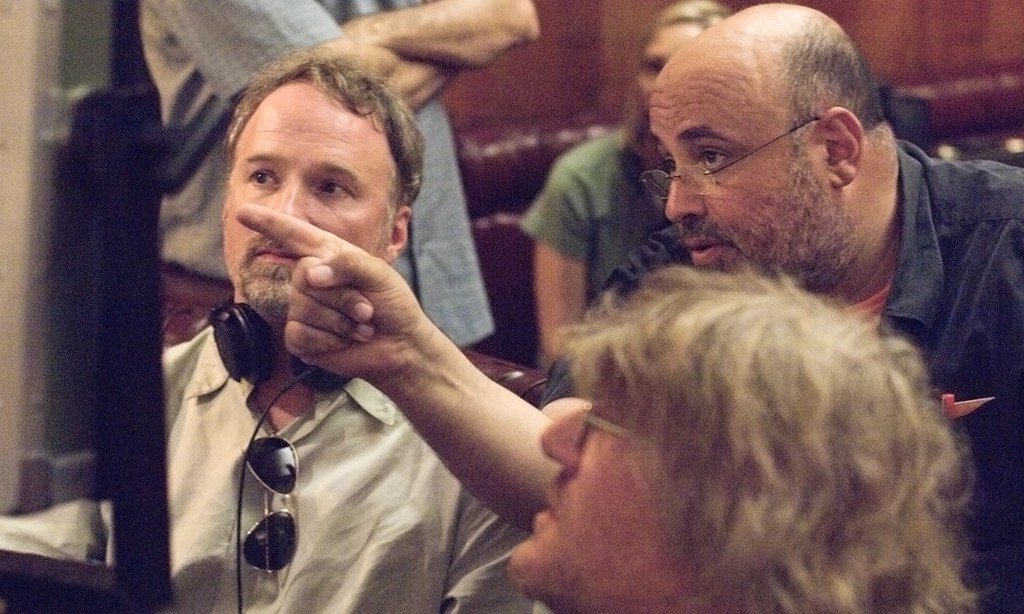
Gone Girl was the fourth feature collaboration between director David Fincher and cinematographer Jeff Cronenweth, ASC since 1999; Fight Club, The Social Network and The Girl with the Dragon Tattoo being the other three. Additionally the pair worked together on multiple commercials and music videos, creating a working chemistry.

Their 2014 feature Gone Girl, for which Rosamund Pike earned a Best Actress nomination from the Academy, was deftly shot and flowed quicker than its 149-minute runtime would suggest, resulting in one of the best psychological thrillers of the 2000s.

The film was shot digitally on Red Dragon cameras, using Leitz Summilux-C lenses and “a fairly comprehensive lighting package,” which included ETC Source Fours, Mole-Richardson incandescents, and Arri M Series HMIs. Further details can be found in our cover story published in AC Nov. 2014.

In addition to Pike, the filmmakers rounded out the cast with Ben Affleck, Carrie Coon, Neil Patrick Harris, Tyler Perry, Kim Dickens, Patrick Fugit, Missi Pyle, Emily Ratajkowski, Casey Wilson, Boyd Holbrook, and Scoot McNairy.

Cronenweth’s chief lighting technician on this show was Erik Messerschmidt — now an ASC member whose feature credits as a cinematographer include Fincher’s Mank and The Killer.

What follows is a curated collection of unit photography by Merrick Morton, a founding member of the SMPSP who also shot stills for features including L.A. ConfidentialFight ClubZodiac, and The Bad Batch, and the series Mindhunter.

View the full gallery

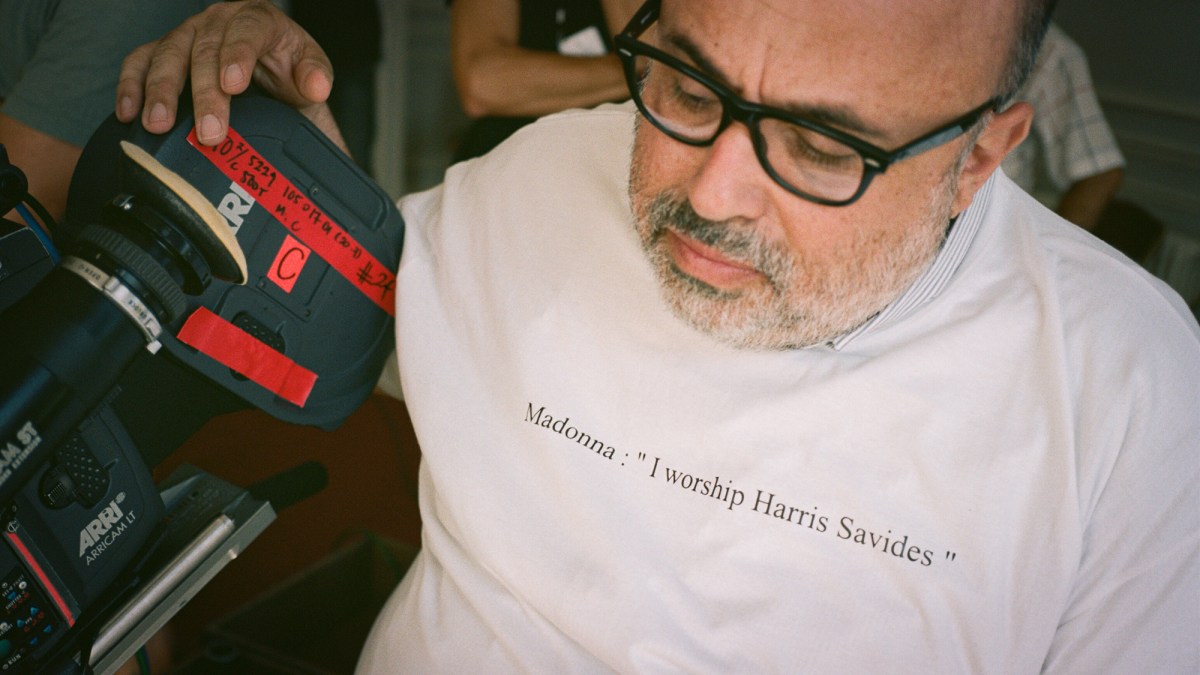
‘The Best of the Best’: Honoring the Magic, Guts, and Generational Talent of Cinematographer Harris Savides

Sofia Coppola, Gus Van Sant, Noah Baumbach, Jonathan Glazer, David Fincher, and today’s best cinematographers reflect on the giant hole in the heart of cinema that was left when Harris Savides died in 2012.  

Chris O’Falt
August 15, 2024
IndieWire

This article is part of IndieWire’s 2000s Week celebration. Click here for a whole lot more.

When cinematographer Bradford Young was fresh out of Howard University, he would have done anything to get near the set of his idol Harris Savides. He eventually found a way to shoot behind-the-scenes footage for the French director Fabian Barron, who hired Savides to shoot an Armani fragrance commercial in Hawaii. When Young got to the forest set, with shafts of light streaming through the trees, he became confused when he flipped on his DV camera to capture the scene.

“The model came on set, and I was like, ‘How’s he going to light her face?,’” recalled Young, who couldn’t believe what happened next: Savides walked on to set with a flashlight in hand and shined it at the model. “He was completely secure with this little flashlight on this million-dollar set. With my eye on the day, I didn’t understand what was happening, ‘How’s he still getting exposure?’ And then I saw the commercial. It was that God particle thing that Harris had. This was complete technical mastery and a complete mystery to observe.”

There was a sense of magic surrounding what Savides was able to do. When discussing what his go-to cinematographer was using to light a scene, director David Fincher used to joke, “I don’t know, Harris’ got a jar of fireflies.”

“Beyond the technical process, there was always something else going on in the picture that I couldn’t account for, something that was only him,” writer/director Noah Baumbach told IndieWire. “Something that I guess we call genius.”

Read the full profile

Filmmaking Masterclass: Recreating THE KILLER with Anamorphic DZO PAVO Lenses

June 21, 2024
Media Division

With The Killer, David Fincher created a masterpiece of cinematic storytelling.

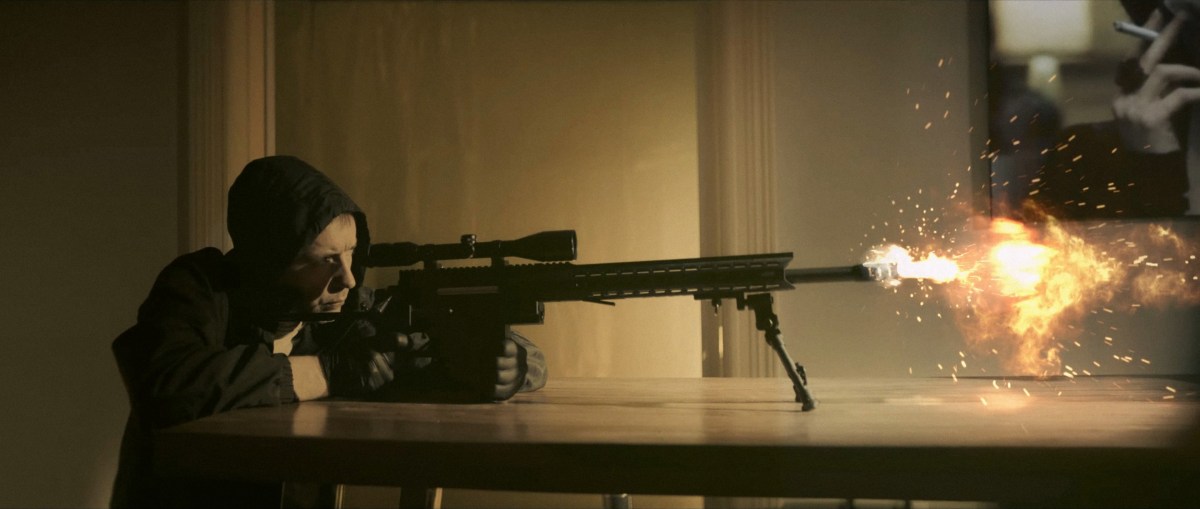
In the first act – the Paris hit – Fincher and his team combined three sets in post. They also added typical artifacts like horizontal flares and distortions to give The Killer an anamorphic vibe.

To learn and explore, we set out to recreate the climax of the first act of The Killer, BUT to do it for real: One real location and real anamorphic lenses. We even developed a way to do film through a real rifle scope – anamorphic of course.

This was possible as DZO just introduced three new focal lengths to their awesome PAVO lineup of 2x anamorphic lenses, a 135mm, a 180mm, and a 65mm Macro. This new focal length and the general short minimum focus distance of the PAVO made them the ideal companions to shoot our short.

We take you behind the scenes, share our experiences with you, and, of course, show you the result: “The Killers” gives the original a slightly different spin…

Disclaimer: We collaborated with DZOfilm and got the full PAVO set of 9 lenses to shoot our short. As always, we strive to give you our honest opinion based on our experience and tests.

Please join the ranks of the Media Division: YouTube, Instagram, Facebook

Links to Collaborators and Partners: Morty Films, Chris Karibu (behind the scenes footage), Matthias Herrmann & Valentin Loustalet (location visit in Paris), Tim from Lemac Film and Digital (rentals for the Fujinon images), Artemple (VFX Breakdown).

00:00: Intro & Contents
02:48: The Killer / A Cinematic Masterpiece
03:44: Subjective Camera Movement
05:00: Subjective Sound Design
05:41: Subjective Edit
06:25: Paris: A Real Fake Location
10:08: Faking the Anamorphic Look|
12:14: Reimagining The Killer
15:49: Gear: The Lenses
23:18: The Rifle Scope
25:01: Gear: The Cameras
27:45: Feature: The Killers
31:08: A Second Killer & Verdict
33:16: Thank You
34:02: Member Shout Out

The Theatrical Cut of “Zodiac” is Now Available in 4K UHD HDR for Streaming

Bill Hunt
June 4, 2024
The Digital Bits

Paramount has just made David Fincher’s Zodiac (2007) available in 4K Digital on Apple TV, Vudu, Kaleidescape, and more. Given the amount of effort Fincher puts into his remasters, we believe it’s safe to assume that Zodiac will be coming to physical 4K Ultra HD from Paramount sooner than later as well.

Zodiac, it should be remembered, was shot mostly in 10-bit RAW in 1080p HD (4:4:4) using the Thomson Viper FilmStream camera, along with some footage in 35 mm photochemical film (Super 35 format). But anyone who doubts that it could look great upscaled and remastered in 4K would do well to take a look at HBO’s Game of Thrones: The Complete First Season in 4K UHD. The advantages of high data rate and low compression, combined with an HDR grade, really make a difference. Zodiac in particular was very well lit and photographed.

And it looks good! The color grade in particular is excellent. HDR is subtle, but it makes a difference. There’s obviously not as much detail as you’d see in native 4K, but the image is very dimensional. Color is really lovely. Should make a good UHD disc. Definitely an improvement over the Blu-ray. The best this film has ever looked.

Read the original article and Tweet

Follow Bill Hunt and The Digital Bits on Ex-Twitter and Facebook

Frame & Reference Podcast: Michael Cioni, CEO & Founder of Strada

Kenny McMillan
April 18, 2024
Frame & Reference

Frame & Reference is a conversation between Cinematographers hosted by Kenny McMillan. Each episode dives into the respective DP’s current and past work, as well as what influences and inspires them. These discussions are an entertaining and informative look into the world of making films through the lens of the people who shoot them.

In this episode, we’re joined by my friend Michael Cioni to talk about his new company Strada (YouTube).

Michael is a serial entrepreneur whose career includes numerous awards for his creative work and technical achievements. He is an accomplished director, cinematographer, musician, four-time Emmy winner, member of the Motion Picture Academy, and Associate Member of the American Society of Cinematographers.

A U.S. patent holder of digital cinema technology, Michael was the founder and CEO of the post house Light Iron where he pioneered tools and techniques that emerged as global workflow industry standards. After Light Iron was acquired by Panavision, Michael served as product director for Panavision’s Millennium DXL 8K camera ecosystem.

He then joined the cloud startup company Frame.io where he served as Senior Vice President of Global Innovation. After Frame.io was acquired by Adobe, Michael led numerous workflow innovations including the breakthrough Camera to Cloud technology program as Senior Director of Global Innovation.

He continues to be motivated by the desire to democratize professional workflows and focuses his efforts on inventing new ways for filmmakers to create through his technology. Michael is a well-known and gifted speaker, advocate for the community, and serves as a mentor and educator throughout the global media industry.

Listen to the podcast:

Apple Podcasts
Spotify
YouTube

Support the podcast on PatreonBuy Me a Coffee
Follow Frame & ReferenceTwitterInstagram
Follow Kenny McMillanInstagramOWL BOT

Silent Killer

A Conversation with Brian Osmond, SOC

David Daut
March 2024 (Winter 2024)
Camera Operator (Society of Camera Operators)

Having been in development since 2007, David Fincher’s adaptation of the French comic series The Killer arrives as a slick, stylish, and darkly funny film about a professional assassin desperately trying to project an image of cold, exacting competence, all the while struggling to keep his head above water in the aftermath of a job gone wrong.

With its solo protagonist who goes for long stretches of the film without saying aloud a single word, The Killer often resembles a silent film as much as anything else. Camera Operator had the opportunity to talk with A camera operator Brian Osmond, SOC, about working with Michael Fassbender in this unique role, the camera as “straight man” for the film’s sly comedy, and the professional relationship he’s developed with director David Fincher over the past seven years.

With no name and no background to go on, we meet “The Killer” in Paris, France, in the midst of his preparations to assassinate a similarly unnamed target. After days of meticulous planning, the moment finally comes with the target in sight, ready to take the shot, and he misses! Our mysterious assassin is left trying to pick up the pieces of this botched assassination all the while the situation continues to spiral out of control. The Killer is directed by David Fincher from a screenplay by Andrew Kevin Walker and stars Michael Fassbender, Arliss Howard, Charles Parnell, Kerry O’Malley, Sala Baker, Sophie Charlotte, and Tilda Swinton.

Camera Operator: Let’s talk about the first 20 minutes of the movie. That’s the part that really stuck in my head after the movie. That long, slow burn setup to what’s kind of the movie’s main punch line: him missing the shot after all that meticulous buildup and preparation. Can you talk a little bit about what went into shooting that sequence?

Brian Osmond: Yeah, it is a slow burn, isn’t it? It’s a bit painstaking, but ultimately I really like the sequence. His meticulous nature is obviously on display, and when it finally comes to the moment to pay it all off, he misses! And that sets up the rest of the movie. Shooting it was a lot of work, as you can imagine. The entire sequence, structurally, was made from three pieces: there was the Paris work, there was the stage work with Michael, and there was the stage work for everything across the street, and those are seamlessly combined with compositing and editing.

Read the full interview

Why “Shot On iPhone” Commercials Look So Good! Ft. Claudio Miranda

Gene Nagata
February 5, 2024
Potato Jet

Huge Shoutout to Claudio Miranda & the Crew.

Claudio Miranda, Director of Photography, ASC ACC: Instagram
Josh Davis, Gaffer
Yong Ok Lee, Production Designer
Robert Smathers, 1st AC
Angie Su, Director

Phone rigged by TILTA Khronos (still in development) but will be available publicly soon.