Frame & Reference is a conversation between Cinematographers hosted by Kenny McMillan. Each episode dives into the respective DP’s current and past work, as well as what influences and inspires them. These discussions are an entertaining and informative look into the world of making films through the lens of the people who shoot them.
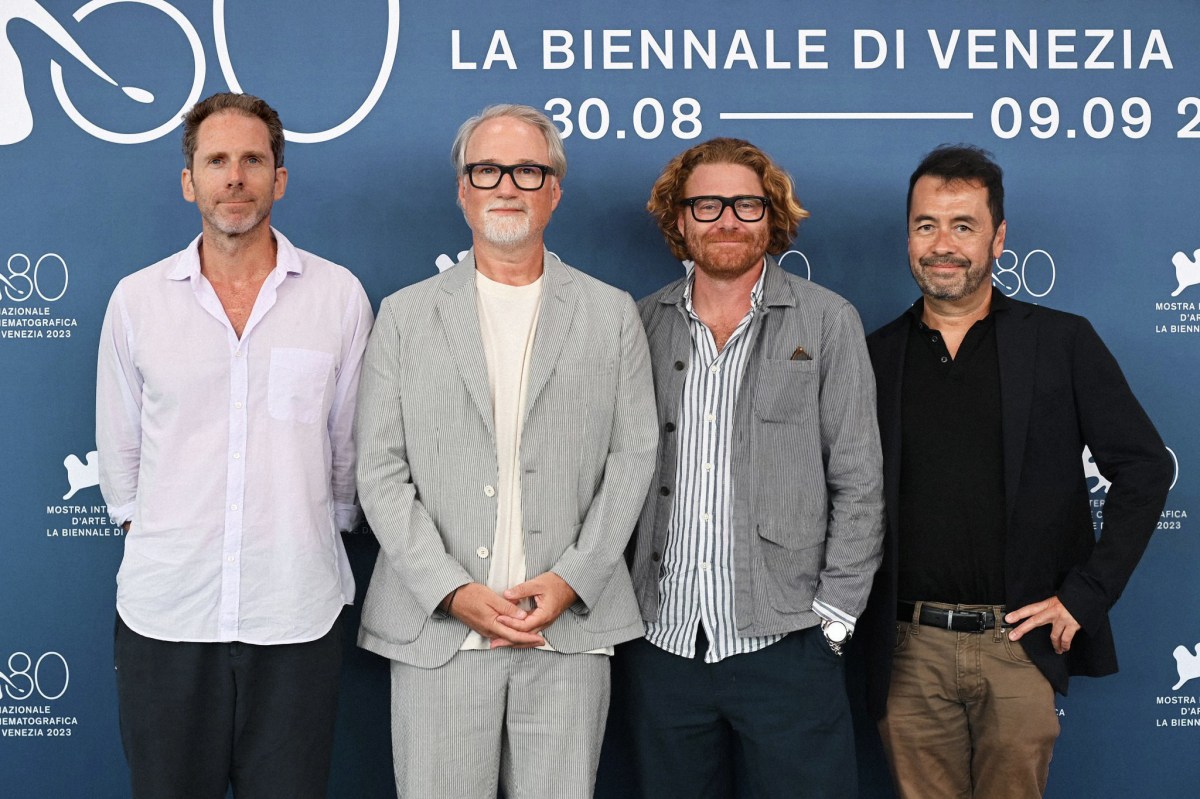
Our third ever returning guest and a crowd favorite, Erik Messerschmidt, ASC is here! In this episode we talk about his work on Michael Mann‘s “Ferrari” as well as David Fincher‘s “The Killer“. Enjoy!
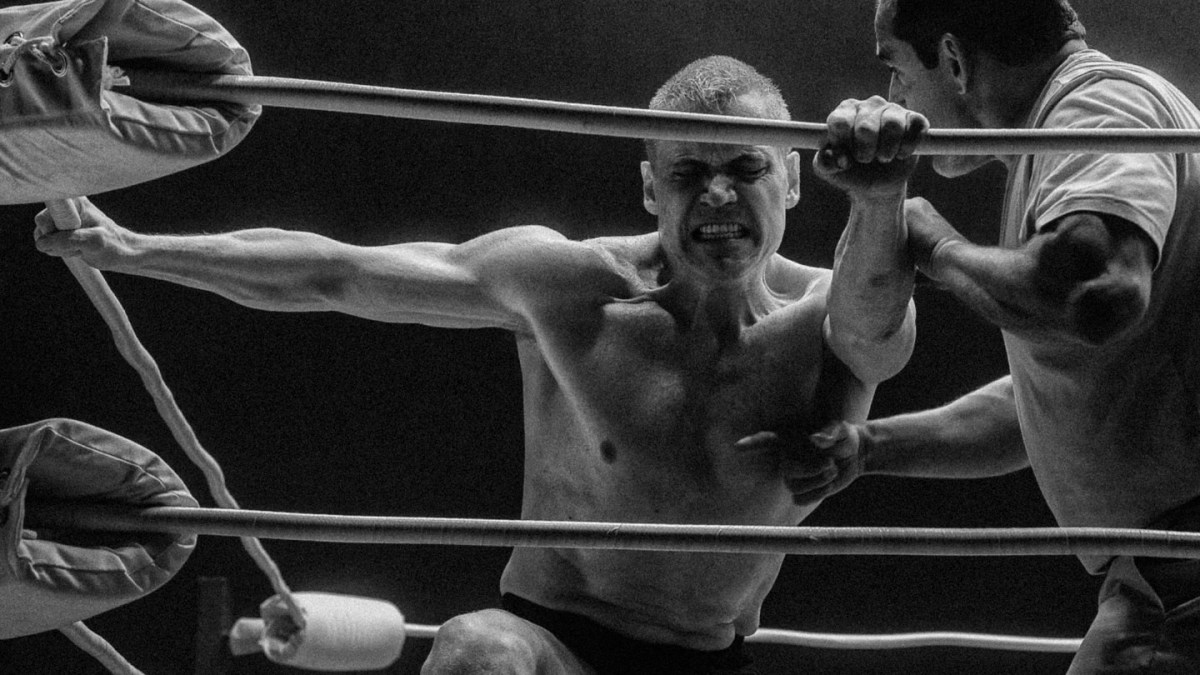
After casting Holt McCallany in Alien 3 and later in Fight Club in the types of tough-guy roles that have largely defined his four-decade career, David Fincher finally let the 60-year-old actor showcase his softer side as FBI agent Bill Tench in Netflix’s psychological thriller Mindhunter. It was that performance, in which McCallany was able to balance steely professionalism and quiet melancholy, that earned him a meeting with director Sean Durkin, who was looking for the right person to play the patriarch of the Von Erich clan inThe Iron Claw, his biopic of the legendary Texas wrestling dynasty. As Fritz Von Erich, a loving but severe father who pushed his four sons (played by Zac Efron, Jeremy Allen White, Harris Dickinson, and Stanley Simons) beyond their limits—often with tragic results—McCallany is earning the best reviews of his career, and even, to his own shock, some Oscar buzz. As he told Fincher over Zoom a couple of weeks ago, he’s still letting it all sink in.
DAVID FINCHER: Hey Holtster! How have you been?
HOLT MCCALLANY: I’ve been great David, because there were a couple of articles, one in Variety, one in Vulture, that picked me as somebody who could get a possible Academy Award nomination for Supporting Actor, even though it’s going to be a very tough year.
Also on this episode, “The Iron Claw” actor Holt McCallany talks about playing the legendary wrestler Fritz Von Ehrich in Sean Durkin’s powerful new drama. He discusses coming to peace with many of his scenes that were cut from the film, and what we can expect from his upcoming directorial effort “The Star Maker” after getting script notes from David Fincher.
A quintessential “that guy” performer in the eyes of most audience members, this veteran character actor boasts over 80 credits in a three-decade career, including turns in “Nightmare Alley” and Netflix’s “Mindhunter.” As the hardened patriarch of a family of pro wrestlers in A24’s sports drama, McCallany exudes an intense and thorny power, expertly revealing the dangers of a particular form of pressurized ambition. It’s a performance that’s reminiscent of J.K. SimmonsOscar-winning turn as the abusive music teacher in “Whiplash.”
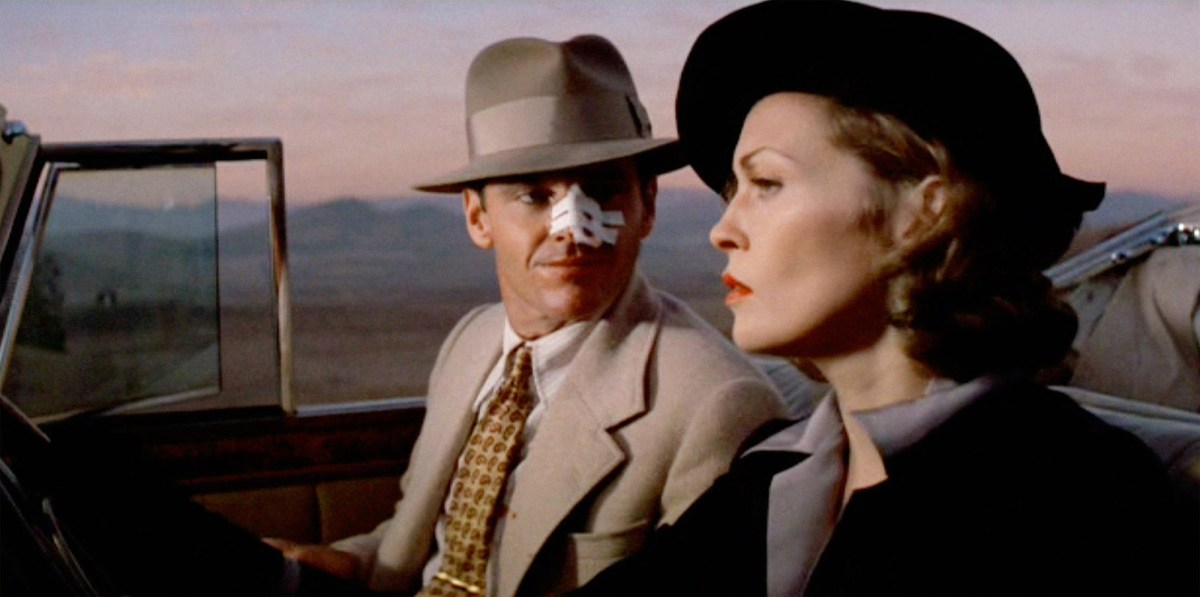
Roman Polanski’s 1974 neo-noir Chinatown is regarded as one of the greatest films of all time. In this episode, we’re joined by Academy Award-winning cinematographer Erik Messerschmidt to discuss this masterpiece of cinema.
We start by talking to Erik about his passion for filmmaking and what led him to a career in cinematography. He shares how he was drawn to the camaraderie and creative collaboration of working on set. Over time, he realized the cinematographer role allowed him to blend his interests in art, science, and technology.
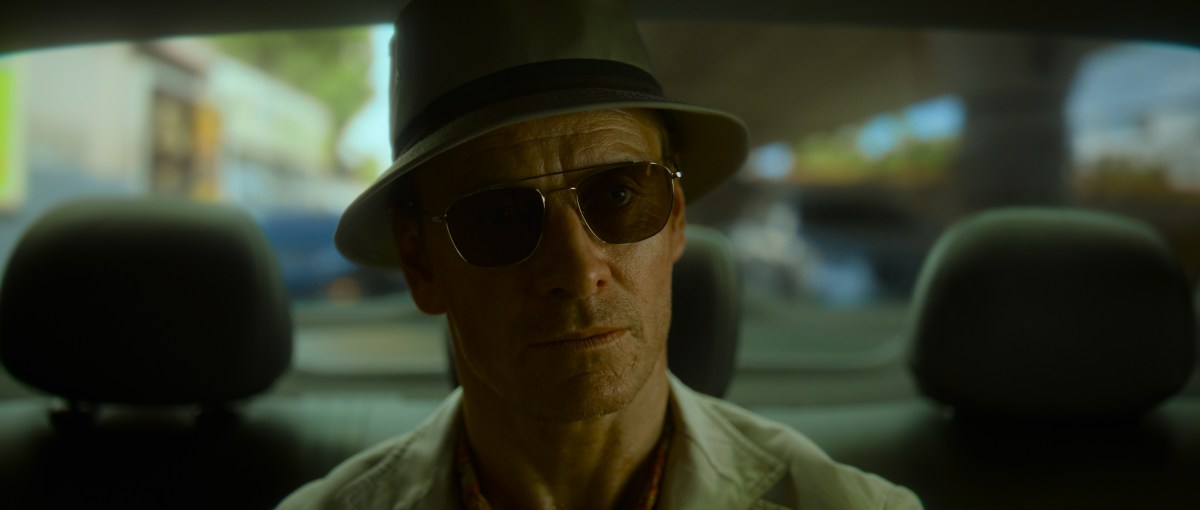
This year, he’s reunited with David Fincher for his adaptation of the graphic novel, The Killer, starring Michael Fassbender, and also teamed up with Michael Mann to shoot his racing biopic, Ferrari, starring Adam Driver.
When it comes to Chinatown, Erik praises the elegant camerawork and seamless visual storytelling. Polanski uses the camera deliberately, guiding the audience through clues and reveals without excessive dialogue. The mystery unfolds through precise editing and minimalist framing. We also discuss the phenomenal performances and how Polanski pulls back at key moments to ground the major plot turns.
Chatting with Erik gave us a new appreciation for the nuance and artistry of Chinatown. It’s a masterclass in subtle visual storytelling that inspired generations of filmmakers. Roman Polanski’s direction and Robert Towne’s script form a potent combination. We highly recommend revisiting this neo-noir gem.
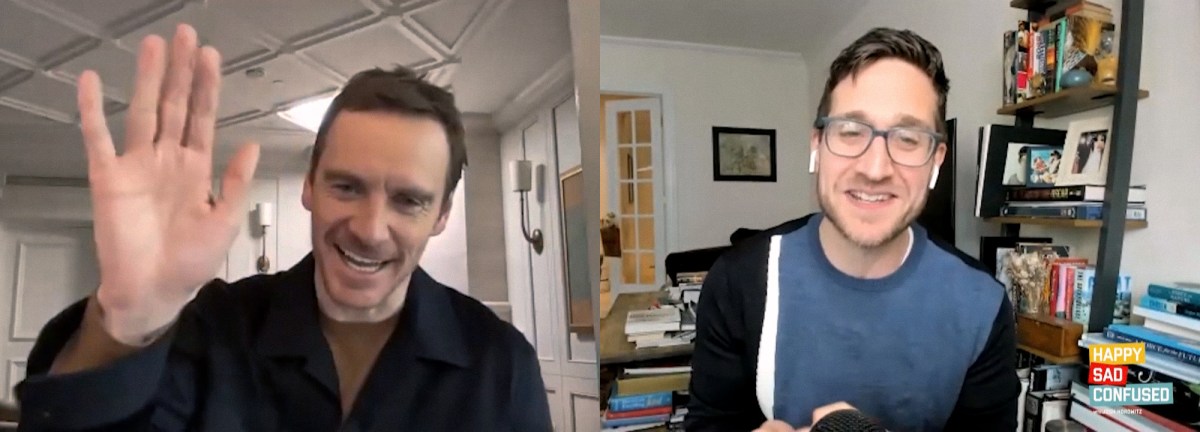
It’s been 4 years since Michael Fassbender was on the big screen but he’s making up for lost time with 2 new movies, Next Goal Wins and The Killer. Josh and Michael catch up on it all including his passion for race car driving and quoting movies.
Stick to the plan. Anticipate, don’t improvise. Trust no one. Never yield an advantage. Fight only the battle you’re paid to fight… and if you can do all that while listening to The Smiths, even better. That’s the mantra of the eponymous assassin at the heart of The Killer, directed by David Fincher and written by our guest today – the fantastic Andrew Kevin Walker.
The Killer is a movie that deconstructs the hitman movie genre like Michael Fassbender’s glassy-eyed gun-for-hire deconstructing a McDonald’s sandwich on a park bench in Paris. It opens with a blaze of images that tease the explosive action typical of these films then swerves in a different direction. The result is defiantly meditative two hours in which the violence of the movie’s revenge plot following a botched assassination is almost incidental to the character’s meticulous ways and detached observations about the world.
It’s an absolutely riveting watch but then again, what did we expect? Unlike The Killer, who misses his target early on in the film, sparking the film’s descent into chaos, Andrew and Fincher rarely miss their mark whenever they work together. The pair first teamed up on 1995’s Se7en, which began life as a spec script that Andrew wrote after moving to New York from suburban Pennsylvania. Since then, Andrew’s taken passes at Fight Club and The Game for Fincher, on top of his solo adventures in Hollywood, penning films like Sleepy Hollow and 2022’s excellent Windfall.
In the spoiler conversation you’re about to hear, Andy answers our questions about the subtle commentary on materialist culture woven into the film. We get into the influence of the novelist Somerset Maugham on Andy’s work and break some of the film’s most intriguing moments, including its enigmatic ending – in which a life is spared but existential questions are left looming.
Today on Art of the Cut, we’re talking with Kirk Baxter, ACE, about editing David Fincher’s latest: The Killer, which is now on Netflix.
Kirk’s been on Art of the Cut before – for Gone Girl and for Mank. He was nominated for an Oscar, a BAFTA and an ACE Eddie for The Curious Case of Benjamin Button. He won an Oscar, a BAFTA and an ACE Eddie for The Social Network. He was nominated for an ACE Eddie and won an Oscar for The Girl with the Dragon Tattoo. Was nominated for an Emmy for House of Cards. Was nominated for an ACE Eddie for Gone Girl. Was nominated for an ACE Eddie for Mindhunter. Was nominated for an ACE Eddie for Mank and won an ACE Eddie for Love, Death and Robots.
Kirk Baxter, ACE, director David Fincher’s long-time editor, talks about the power of believing in the process, pacing, and voiceover changes on the action-packed thriller.
We have a bumper episode for you with not one, not two, but three Oscar-nominated or Oscar-winning filmmakers who work with David Fincher. We have Cinematographer Erik Messerschmidt, Editor Kirk Baxter, and Sound Designer Ren Kylce, who have all worked with Fincher multiple times. We talk about their latest collaboration, The Killer, which starring Michael Fassbender and Tilda Swinton.
Follow the podcast on Twitterand Instagram. Support it on Patreon and access bonus episodes, industry survival guides, and feedback on your film projects!
This month, The Film Board is taking on David Fincher’s latest, The Killer. Cinematographer Erik Messerschmidt sat down with Justin Jaeger and Tommy Metz III to talk about making the movie, how movies are made, and why David Fincher’s reputation in one important area is wildly overstated.



 The Fincher Analyst