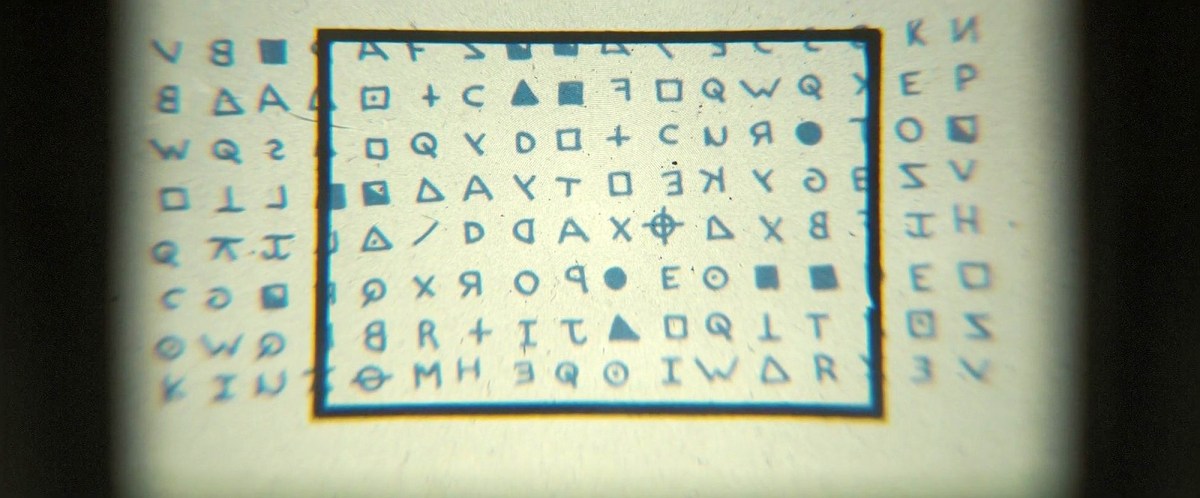
When a film breaks with tradition, it is often rejected by audiences. Which may be why Zodiac was not recognised as the groundbreaking masterpiece it is.
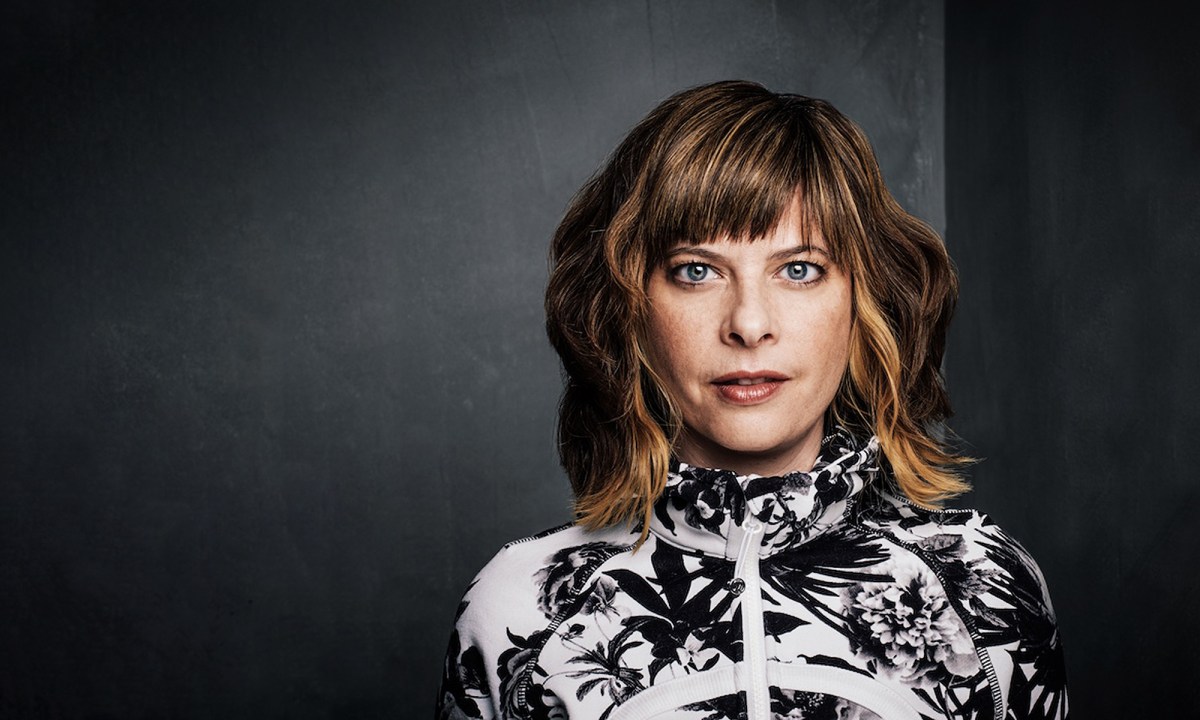
Thrilling, dark, gripping and tense are just some of the words used to describe the hit Netflix series Mindhunter. Playwright Jennifer Haley is a writer and co-producer on the series, and joins us this week to share her experience getting into the minds of FBI agents and serial killers.
Mindhunter is a meticulously paced crime drama based on the writings of the pioneering serial killer profiler John E Douglas. Along with his team, they interviewed the likes of Ted Bundy, Charles Manson, and Ed Kemper during the seventies and eighties which resulted in a redefining of criminal profiling forever.
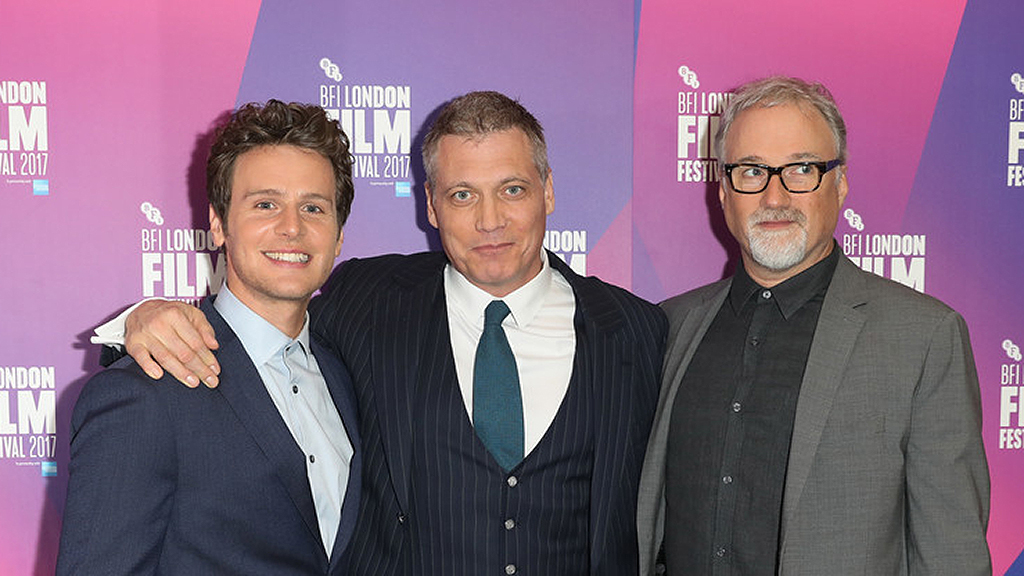
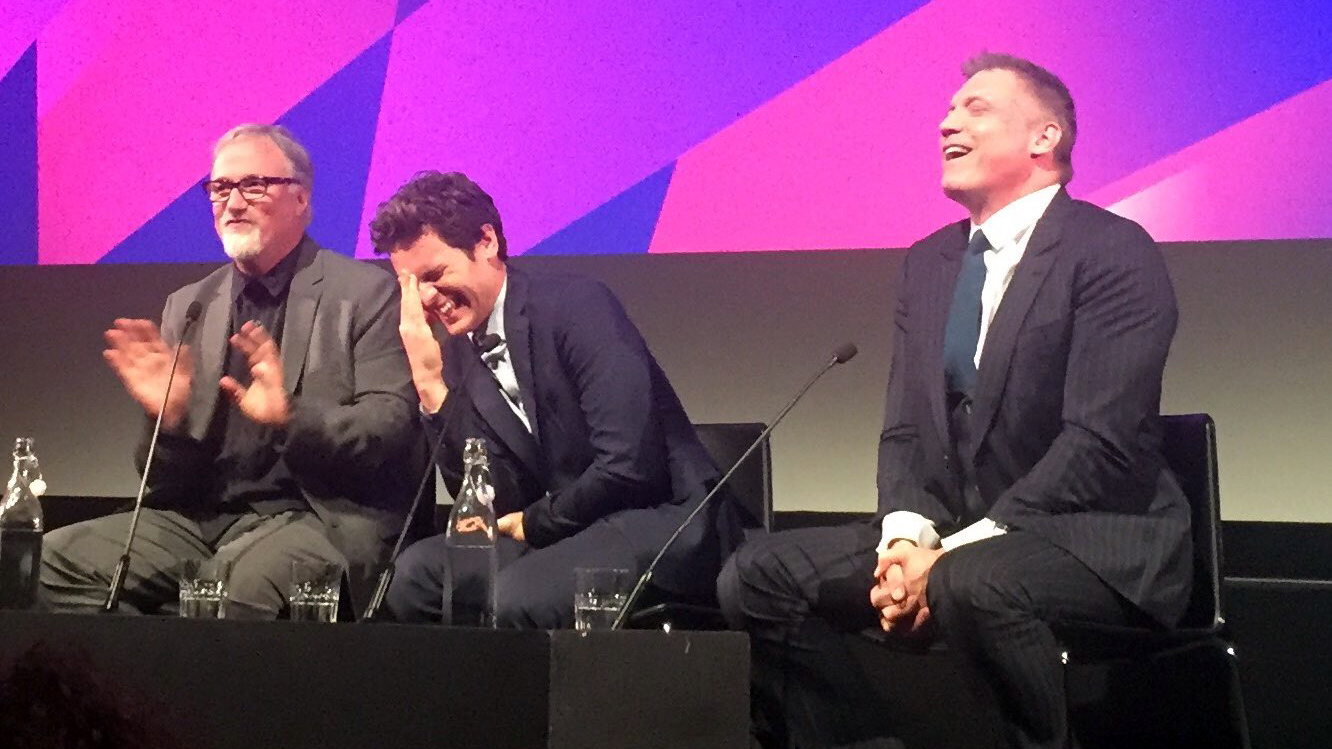
The series has wonderful casting, beautiful cinematography, and some of the creepiest conversations you will hear this year. Lead by David Fincher who is Executive Producer and director of four of the episodes, the writers on Mindhunter have delivered an amazing array of characters.
Forensic psychologists, Dr. Scott and Dr. Shiloh, interview award-winning playwright Jennifer Haley who was a writer on Season 1 of Netflix‘s 2017 hit Mindhunter. In their first interview episode, they dive into the excitement and obstacles of bringing John Douglas‘ book to life and dish on several story arcs that leave us not-so-patiently waiting for Season 2! What’s with Wendy and that cat? Will there be a musical episode to see Jonathon Groff in action?
Dr. Shiloh and Dr. Scott dissect their new favorite show, Netflix’s Mindhunter, and compare their own first experiences interviewing and working with the criminal population.
Austin Film Festival (YouTube, vimeo) June 18, 2016
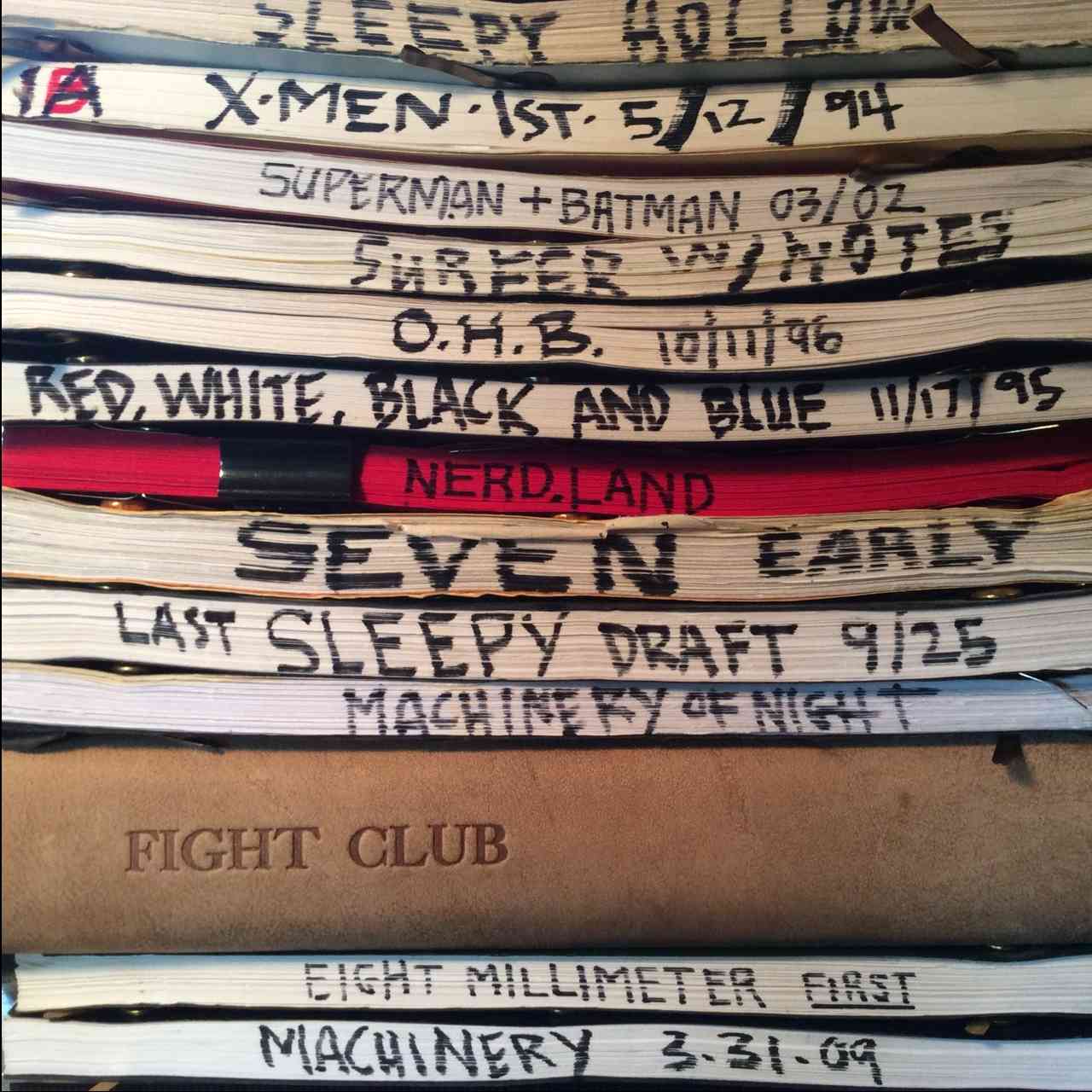
Screenwriter Andrew Kevin Walker dissects his bleak thriller masterpiece, Se7en and working with director David Fincher to create the cult classic film.
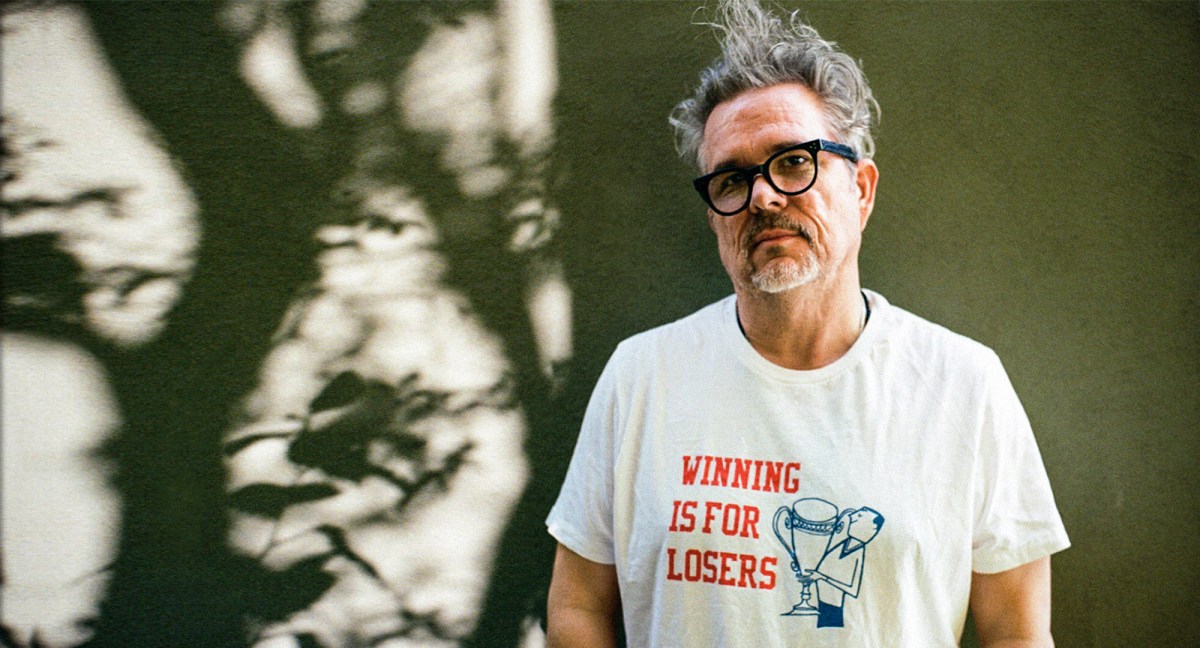
Join your hosts Ryan Turek and Rob Galluzzo as they welcome to the show Ben Scrivens, the owner/creator of horror T-shirt company Fright-Rags! Reviewed! TALES FROM THE HOOD 2, AMERICAN HORROR STORY: APOCALYPSE. The gang is also joined by special guest Andrew Kevin Walker, the screenwriter of David Fincher‘s SE7EN, SLEEPY HOLLOW, BRAINSCAN, 8MM, THE WOLFMAN, and much, much more. We get candid about the screenwriting process, the projects that never came to be, his working relationship with Fincher, and how he wrote SE7EN while working at Tower Records! All this and more!
The Netflix series’ breakout guest actor reveals what it took to pull off his haunting performance as the murderous Ed Kemper (hint: lots and lots of director David Fincher’s infamous takes).
You can’t always pinpoint exactly the moment when a show makes its big qualitative leap, but with Netflix‘s Mindhunter, it’s easy. Holden Ford (Jonathan Groff), an FBI agent experiencing frustration at his colleagues’ antiquated approach to murder investigation, goes to prison to visit a notorious killer and comes face-to-face with Ed Kemper (Cameron Britton).
Towering in stature, soft-spoken, viewing the world inquisitively through thick glasses, Kemper is intellectually vicious, yet unfailingly polite. By the end of one 10-minute conversation, we understand completely why Holden has been pulled into Kemper’s gravity and how this giant has instantly transformed his worldview.
It’s a show-changing character and a career-changing performance for Britton, making his first major TV role and earning his first career Emmy nomination. The actor talked with The Hollywood Reporter about his approach to the real-life killer, director David Fincher‘s notoriously exacting standards and more.
Cameron Britton (‘Mindhunter’) chats with Gold Derby editor Daniel Montgomery: It was difficult to get into the mind of a killer, and to get out of it.
Mindhunter’s Cameron Britton tells us how he was able to get into the mind of serial killer Ed Kemper, the toll it took on him, and how he ultimately got him out of his system.
Emmy-Nominee Cameron Britton On Becoming Ed Kemper In ‘Mindhunter’
Mindhunter‘s Cameron Britton talks to Awards Daily about how he became serial killer Ed Kemper, how the role impacted his life, and what his Emmy nomination means to him.
When Netflix’s Mindhunter premiered last fall, critics and audiences alike approached the dramatic series with respect and awe, thanks to the influence of the great director David Fincher. But everyone, literally everyone, was talking about Cameron Britton. His take on infamous serial killer Edmund Kemper captivated audiences. If you were talking about Mindhunter, then you were talking about Cameron Britton’s brilliant performance.
Here, Cameron talks to Awards Daily about how he wrestled with Edmund Kemper. He dove so deeply into Kemper that it took time to exorcise the role from his system. He also talks about what the role meant for his career and how he prepped for it by running lines with his close friends. It’s a fascinating conversation with an actor clearly on the rise in Hollywood.
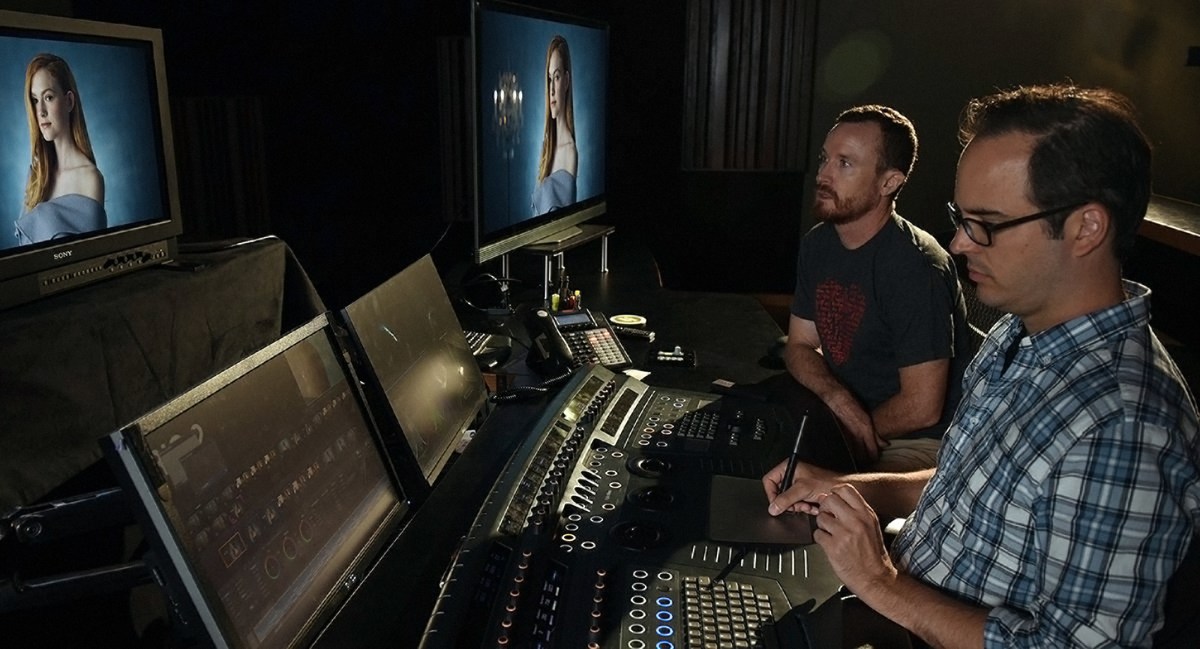
On this episode of the colorist podcast, I talk with Ian Vertovec, Co-Founder, and Senior Colorist at Light Iron.
Ian has colored major films “The Social Network,” “The Girl with the Dragon Tattoo,” and “Gone Girl.” And more recently, he has colored the TV shows “Baskets” for FX and “Glow” on Netflix.
Originally from Chicago, Ian focused on photography, then moved on to digital compositing. He later co-founded two post facilities in Los Angeles: Plaster City, then Light Iron. Out of necessity, he moved on to color at his company. He found his combination of photography and compositing matched perfectly for a career as a colorist.
In this podcast, we talk about:
Coloring David Fincher films and working with extremely dark images
The challenges of working on VFX heavy projects
Making HDR look both cinematic and realistic
Advantages of working with high-end systems like Quantel Pablo
The difference between working on TV and films
How experience with compositing served him as a colorist
Colorist Ian Vertovec from Light IronDigital takes us through the ins and outs of color grading one of this year’s biggest hit films “The Social Network”.
Another week, another Oscar winner chats to Soundtracking in partnership with the EE BAFTAs.
These days, the quality and quantity of original programming on streaming services is quite astounding – with A-list talent delivering high-class drama time and time again.
One of Netflix‘s standout series of 2017 was Mindhunter. Overseen by David Fincher, it tells the story of how the FBI’s profiling unit came into being in the 1970s. By turns dark, funny, moving, cool and brutal, it also makes great use of contemporary pop & rock.
So it’s with great pleasure that we welcome Asif Kapadia to the show, who directed two episodes of the first season.
Asif has won numerous awards for The Warrior, Senna and Amy, with the latter scooping the Oscar for Best Documentary. There will, of course, be plenty of examples of Amy Winehouse‘s music throughout the course of the conversation, as well as composer Antonio Pinto‘s work on both Amy and Senna.
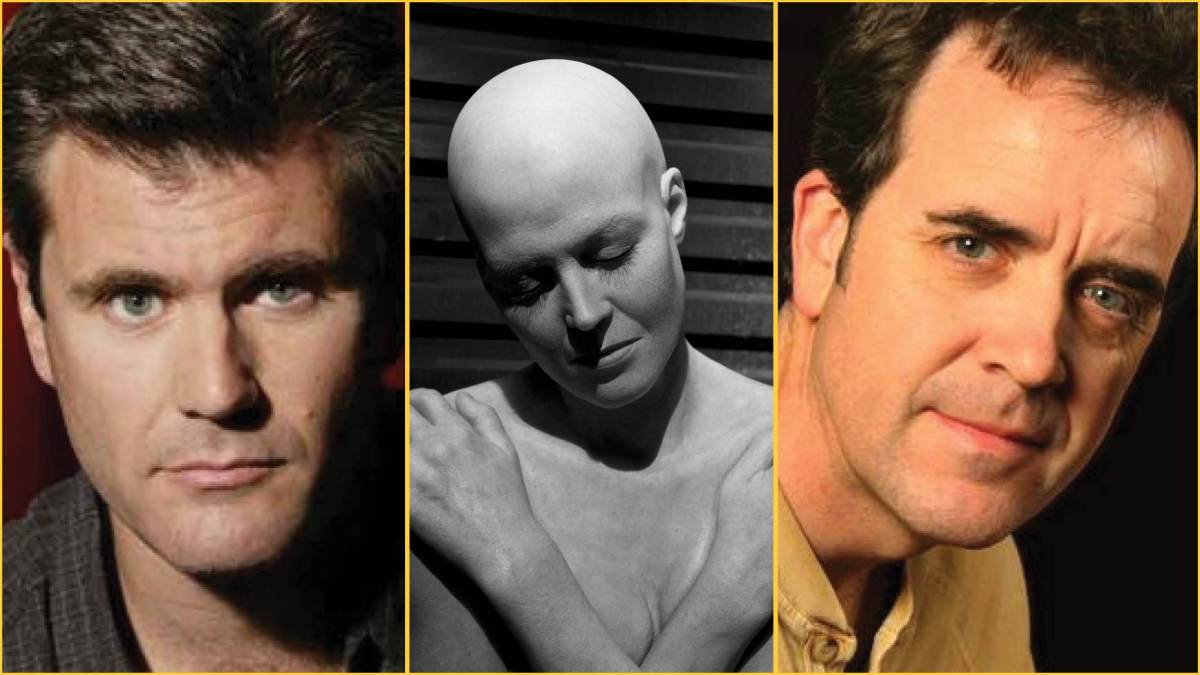
As Alien fans, we’ve become used to change. Different directors; different scripts; different planets; different eras; different timelines; even different film studios. With everything so constantly in flux, it’s easy to forget that Alec Gillis and Tom Woodruff, Jr. have been there since nearly the very beginning. From their pioneering work on Aliens, to the foundation of the legendary Amalgamated Dynamics, Inc., Gillis and Woodruff have been at the vanguard of the effects industry for more than three decades.
In this exclusive, unprecedented interview, our very own JM Prater visited Gillis and Woodruff at Studio ADI in Hollywood for a sit-down conversation about their love for the Alien Saga, their relationships with the fans, and much, much more.
How do films make you feel? The Independent gets personal about cinema and TV with actors, directors, cinematographers and other people from the continually evolving world of “content” in a new fortnightly podcast hosted by Culture Editor Christopher Hooton.
Netflix‘s new original series Mindhunter has enrapt a legion of viewers with its smart, reserved style. Chris sits down with episodes 3 and 4 director Asif Kapadia to look at how it came together, how Brad Pitt‘s DVD of Senna led to his signing, directing an actor as serial killer Ed Kemper, learning from David Fincher on set, and how a season of TV’s episodes are carved up for different directors.
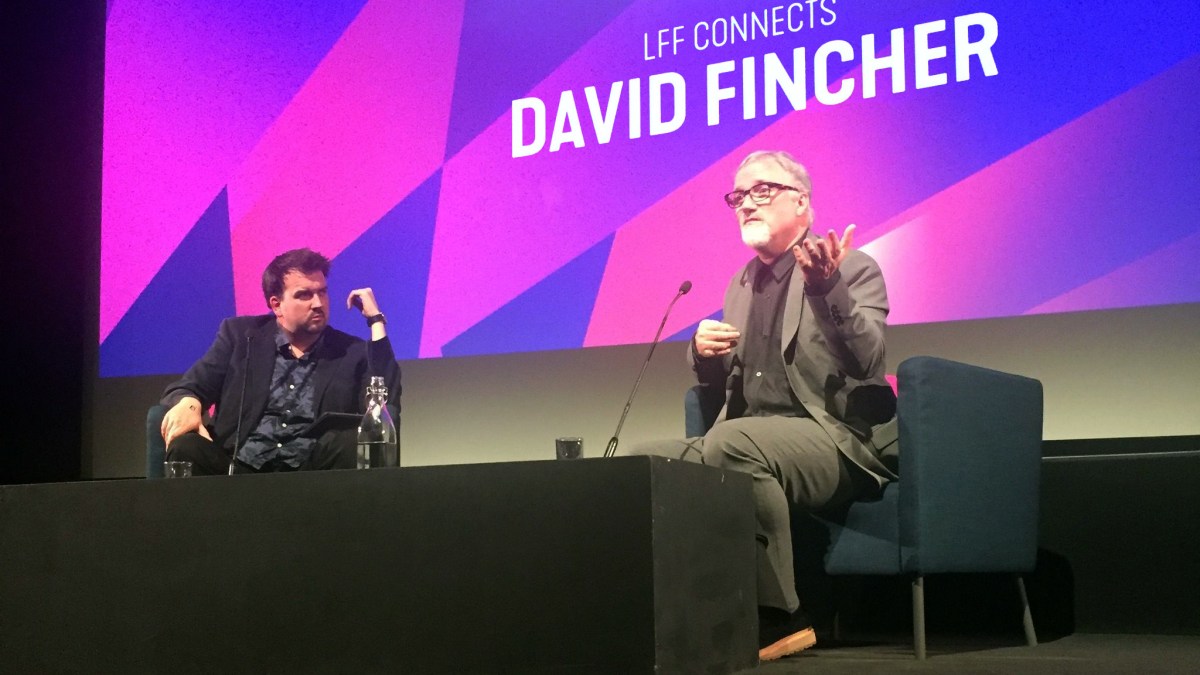
David Fincher is one of the greatest filmmakers working in Hollywood, with a CV that includes some of the best dramas and thrillers of the past thirty years, from Seven to Fight Club to Gone Girl to The Social Network. Now he’s returned to the small screen with Mindhunter, a tough new Netflix TV drama that deals with the FBI agents trying to get under the skin of serial killers. To mark the occasion, we sat down with the man for a forty-minute conversation about his approach, his style, and his future projects.