Silent Killer

A Conversation with Brian Osmond, SOC

David Daut
March 2024 (Winter 2024)
Camera Operator (Society of Camera Operators)

Having been in development since 2007, David Fincher’s adaptation of the French comic series The Killer arrives as a slick, stylish, and darkly funny film about a professional assassin desperately trying to project an image of cold, exacting competence, all the while struggling to keep his head above water in the aftermath of a job gone wrong.

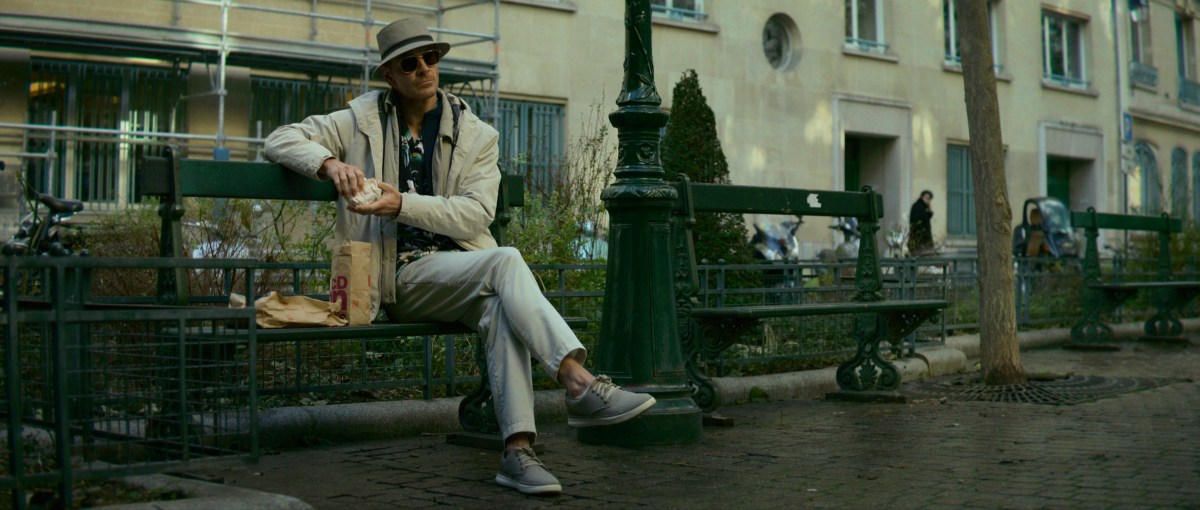
With its solo protagonist who goes for long stretches of the film without saying aloud a single word, The Killer often resembles a silent film as much as anything else. Camera Operator had the opportunity to talk with A camera operator Brian Osmond, SOC, about working with Michael Fassbender in this unique role, the camera as “straight man” for the film’s sly comedy, and the professional relationship he’s developed with director David Fincher over the past seven years.

With no name and no background to go on, we meet “The Killer” in Paris, France, in the midst of his preparations to assassinate a similarly unnamed target. After days of meticulous planning, the moment finally comes with the target in sight, ready to take the shot, and he misses! Our mysterious assassin is left trying to pick up the pieces of this botched assassination all the while the situation continues to spiral out of control. The Killer is directed by David Fincher from a screenplay by Andrew Kevin Walker and stars Michael Fassbender, Arliss Howard, Charles Parnell, Kerry O’Malley, Sala Baker, Sophie Charlotte, and Tilda Swinton.

Camera Operator: Let’s talk about the first 20 minutes of the movie. That’s the part that really stuck in my head after the movie. That long, slow burn setup to what’s kind of the movie’s main punch line: him missing the shot after all that meticulous buildup and preparation. Can you talk a little bit about what went into shooting that sequence?

Brian Osmond: Yeah, it is a slow burn, isn’t it? It’s a bit painstaking, but ultimately I really like the sequence. His meticulous nature is obviously on display, and when it finally comes to the moment to pay it all off, he misses! And that sets up the rest of the movie. Shooting it was a lot of work, as you can imagine. The entire sequence, structurally, was made from three pieces: there was the Paris work, there was the stage work with Michael, and there was the stage work for everything across the street, and those are seamlessly combined with compositing and editing.
Read the full interview

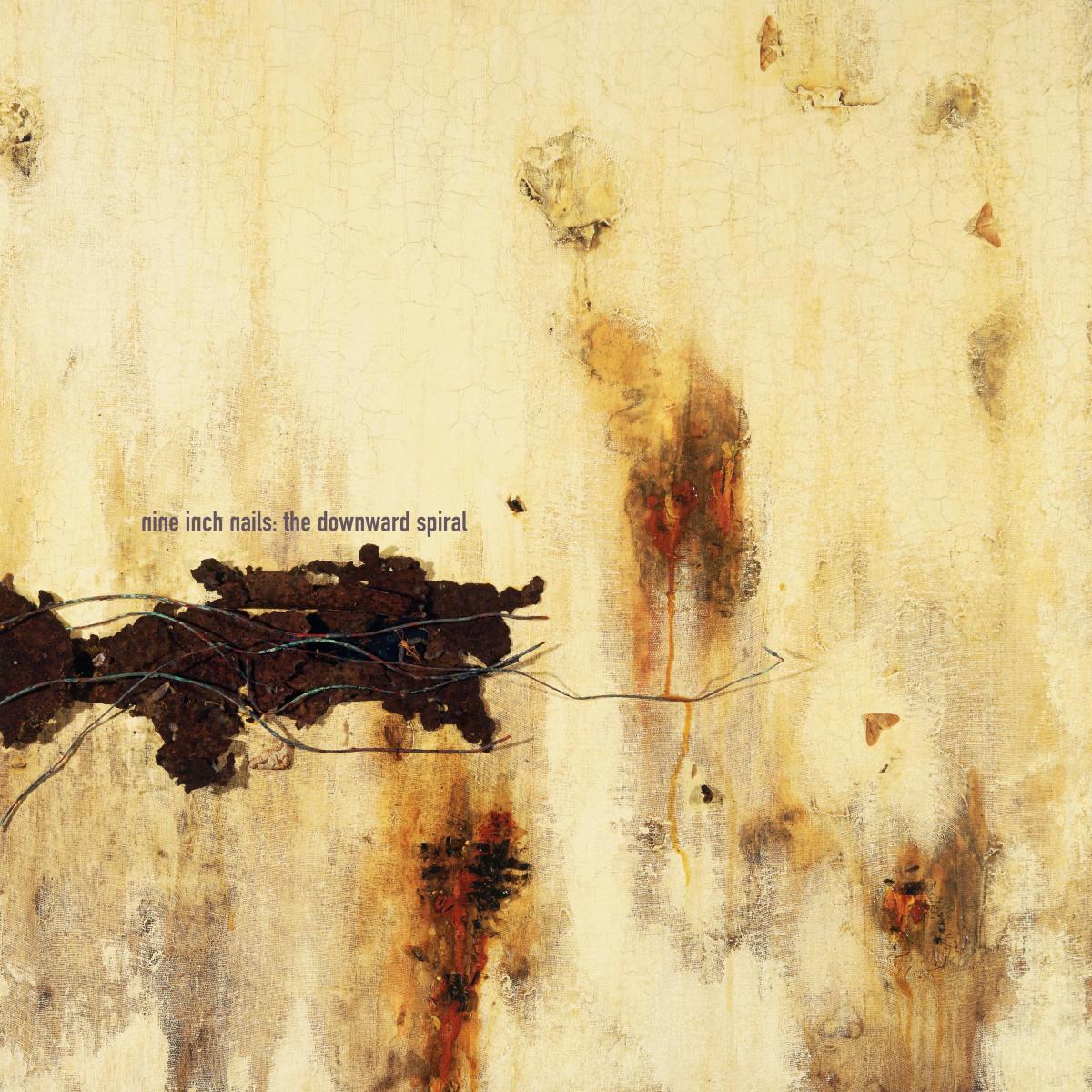
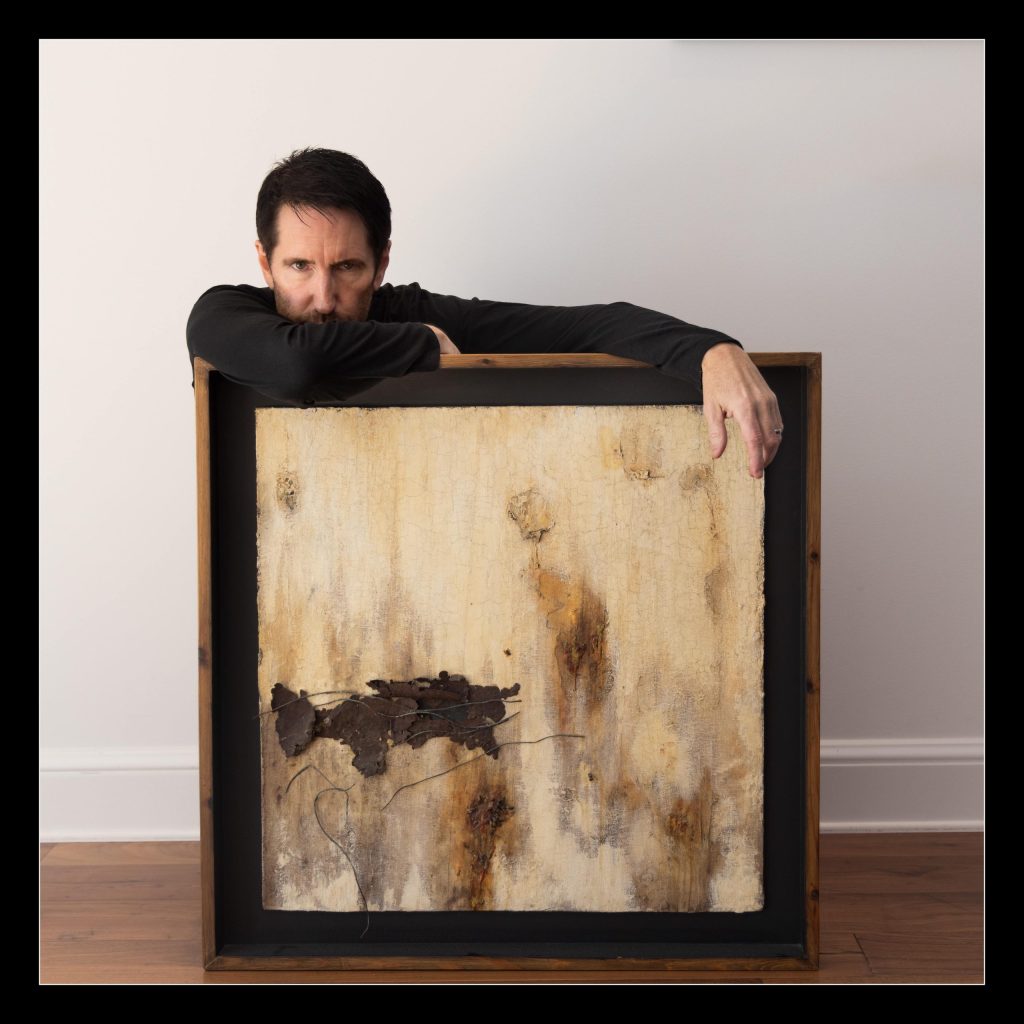
“The Downward Spiral” Turns 30

Trent Reznor
March 8, 2024
NIN.com

Spending too much time looking backwards feels dangerous to me, but this day on the calendar caught my attention. Has it really been that long, old friend?

I just spent an hour listening to this time capsule of what 28 year old me had to say, and it still excites me and breaks my heart.

Be kind to yourselves. Hope to see you soon.

Seven (1995) Title Sequence

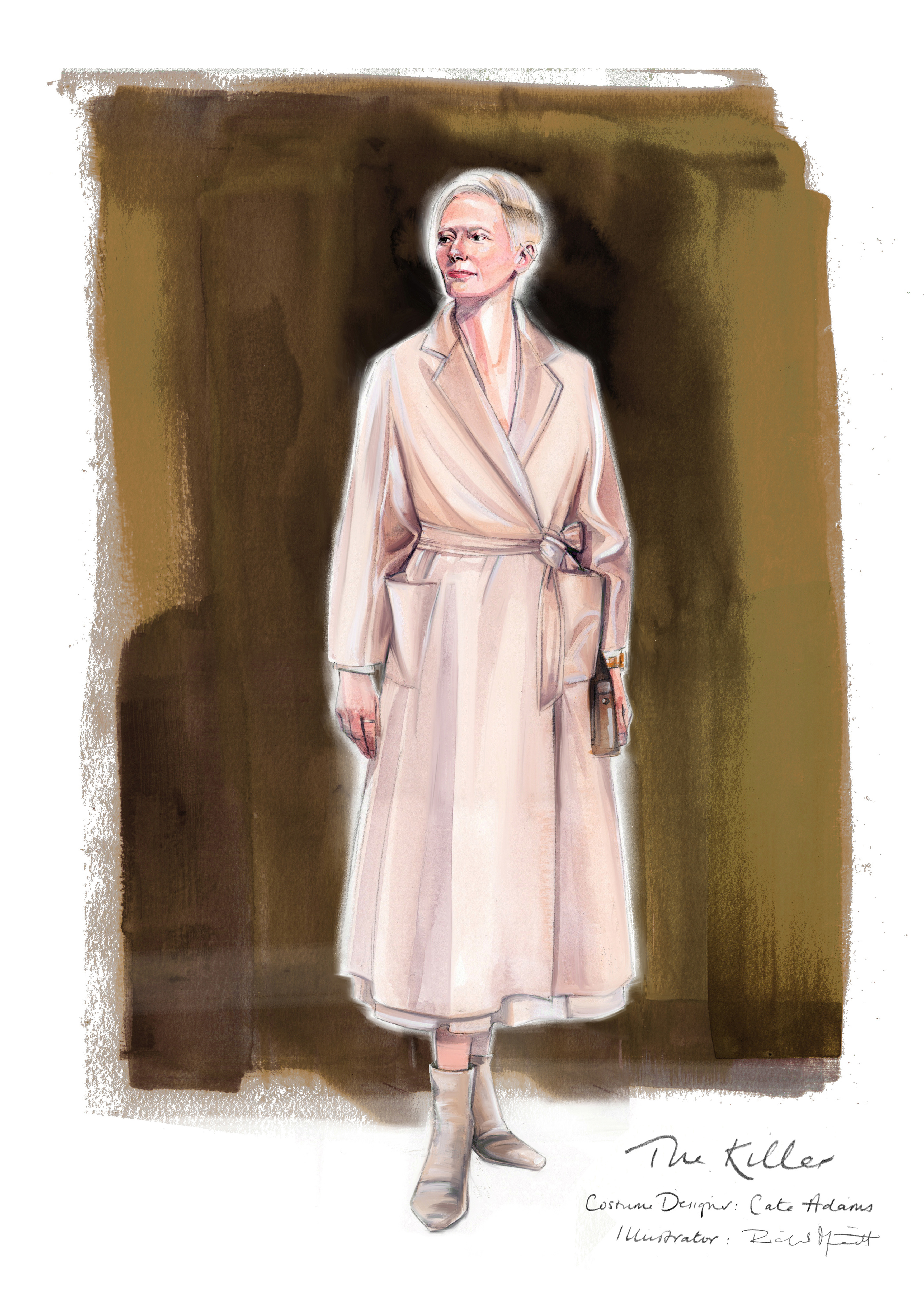
“The Killer” Costume Designs by Cate Adams: The Expert

Cate Adams, Costume Designer
Edited by Leonard Zelig
Behind the Scenes photos by Miles Crist
March 5, 2024

Illustrations by Richard Merritt
(Click to view in full resolution)

During my first talks with David Fincher to discuss the script, one of the first notes he gave me was that maybe “The Expert” should be in an Ann Taylor suit. Ann Taylor is a small US chain of clothing stores for fashion-forward career women. Put together, but not flashy. Very understated despite her wealth. That was my first impression.

When we got closer to shooting the scenes with Tilda Swinton in Chicago, there was correspondence between her and David about shaping the character, what she would wear, what her house looks like, that he shared with me and Gigi Williams, Head of Makeup.

She lives in a beautiful, mid-century modern home, and she has money from her occupation, but she is very under the radar. She indulges herself with smaller luxuries like fine-dining restaurants, where she keeps her own bottle of whisky, and Swiss ultra-luxury vintage watches like an Audemars Piguet. A masseuse could be seen leaving her home with a table.

David suggested a simple but beautiful dress with a flow, with a sway. It had to be warm because it was going to be really cold since we were shooting at night in Chicago in February. So, maybe wool. And nice shoes, but not so tall as to risk hurting anyone when she topples. He wanted something that was in a lighter tone, similar to “The Killer” in Paris. It’s funny how there are these hidden Easter eggs, everything connected. And all the light tones couldn’t have a touch of pink in them. If you look at some khakis on the color wheel they will lead to pink. And he doesn’t like pink. I also had to avoid greens. And patterns. So, it had to be muted tones like off-white, ecru, eggshell, cement… She shouldn’t be menacing when you first see her. You want a bit of compassion or empathy for her.

I knew I wasn’t going to have a lot of time with Tilda. So, we just started doing a lot of research. After scouring the internet for dresses and looking for reference photos of her films and press appearances, we started to think that we should make our own dress.

Read the full exclusive article here, on The Fincher Analyst

“The Killer” Costume Designs by Cate Adams: The Dominatrix

Cate Adams, Costume Designer
Edited by Leonard Zelig
March 5, 2024

Illustrations by Richard Merritt
(Click to view in full resolution)

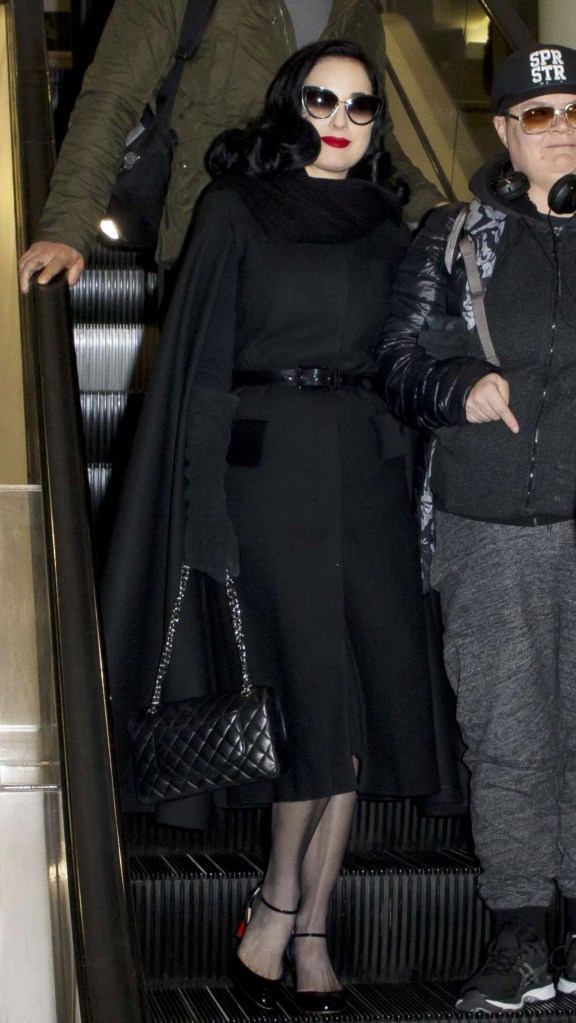
“The Dominatrix” is played by the gorgeous and fearless Monique Ganderton, a top Hollywood Stunt Performer, Stunt Coordinator, Actress, and Director.

We started to research for the looks of The Dominatrix in Los Angeles, around July/August of 2021. From the script and David’s notes, I knew we wanted her to be elegant with a hint of sexy the first time we see her, but not revealing as we didn’t want to give away what was to come. The inspiration for this look came from images of the classic vintage style of vedettes and fashion icons from France, such as Carine Roitfeld, formerly of Vogue Paris, Victoria Beckham, and vedette, burlesque dancer, and model Dita Von Teese in public:

Read the full exclusive article here, on The Fincher Analyst

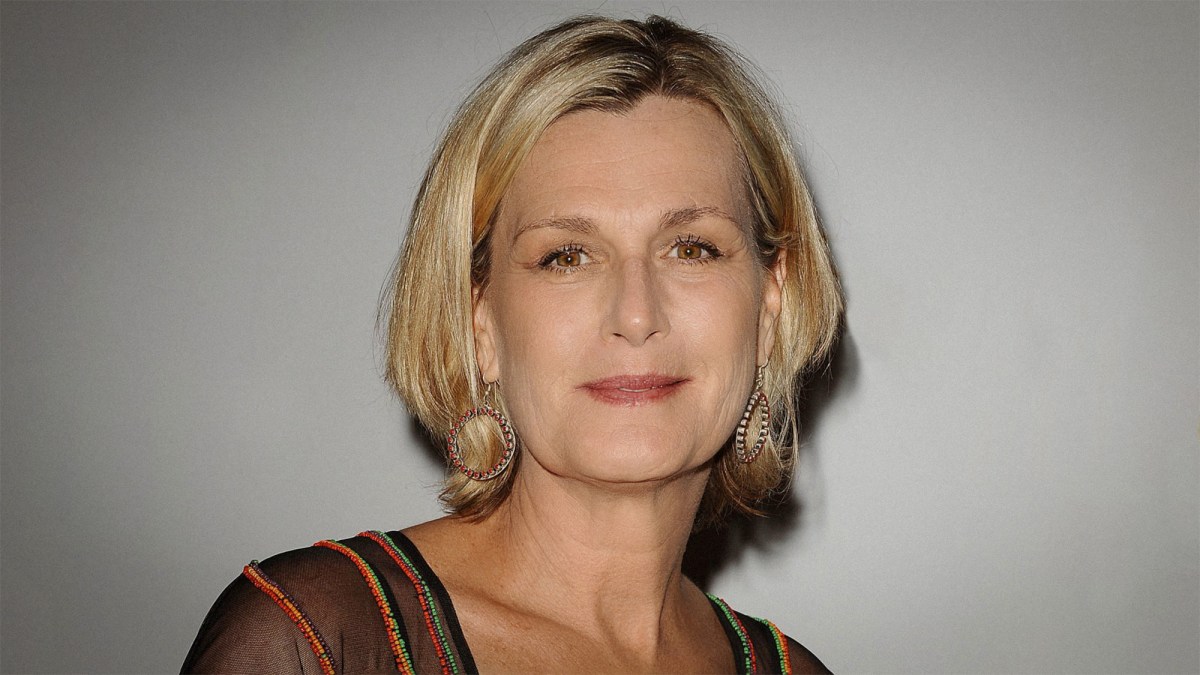
How Laray Mayfield Became Director David Fincher’s Go-to Casting Director

Neil Turitz
March 1, 2024
Casting Networks

Laray Mayfield got into casting the way a lot of other professionals got into it, by accident.

She was doing another job and someone said, “Hey, you should do this,” and once she did, it stuck. That’s not an unusual story. What makes this unusual is that the person who told her is arguably the best American filmmaker working today, David Fincher, with whom she’s been working for nearly 40 years.

Mayfield has since built an impressive career, with an Emmy award for the first season of House of Cards and two Artios awards —the highest honor the Casting Society offers— to her name. Her latest collaboration with Fincher, The Killer, is streaming on Netflix. She spoke with us from her home in Nashville.

Read the full interview

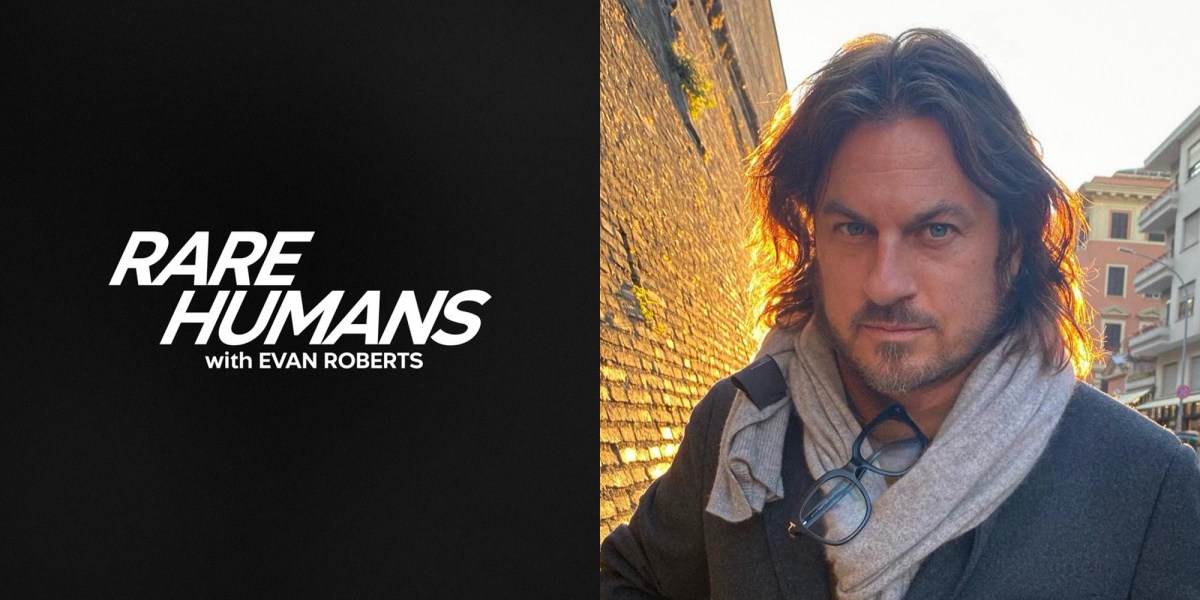
Rare Humans Podcast: Jason Hill on Working with David Fincher, Trusting Ideas, Playing Music

Evan Roberts
February 21, 2024
Rare Humans

Jason Hill is a multi-instrumentalist known for inventing, building, and mastering his own unusual instruments which help create his unique scores and productions. Hill is the lead singer, guitarist, and producer for the band LOUIS XIV. He has produced, written records or otherwise worked with such artists as The Killers, David Bowie, Ariel Pink, The White Stripes, and more.

Jason Hill now spends most of his time as a film composer working with acclaimed director David Fincher on the psychological thriller film Gone Girl and has since worked on many projects with Fincher such as the Emmy-winning series MINDHUNTER.

Listen to the podcast:

Apple Podcasts
Spotify
Google Podcasts

Frame & Reference Podcast: “Ferrari” and “The Killer” DP Erik Messerschmidt, ASC

Kenny McMillan
February 22, 2024
Frame & Reference

Frame & Reference is a conversation between Cinematographers hosted by Kenny McMillan. Each episode dives into the respective DP’s current and past work, as well as what influences and inspires them. These discussions are an entertaining and informative look into the world of making films through the lens of the people who shoot them.

Our third ever returning guest and a crowd favorite, Erik Messerschmidt, ASC is here! In this episode we talk about his work on Michael Mann‘s “Ferrari” as well as David Fincher‘s “The Killer“. Enjoy!

Listen to the podcast:

Apple Podcasts
Spotify
YouTube

Support the podcast on PatreonBuy Me a Coffee
Follow Frame & ReferenceTwitterInstagram
Follow Kenny McMillanInstagramOWL BOT

Not a Long Tail, Not by a Long Shot, for “The Killer”

Trevor Hogg
February 20, 2024
VFX Voice (VES)

Producer and long-time David Fincher collaborator Peter Mavromates extend their partnership in The Killer where an assassin seeks revenge after a botched assignment. The Netflix feature consists of 900 digitally-augmented shots that range from shortening the tail of a dog to CG airplanes, tasked to a vendor list that includes Ollin VFX, Artemple-Hollywood, Savage VFX, and Wylie Co. as well as an in-house team. “Visual Effects Compositor Christopher Doulgeris and I will go into the color bay with [Colorist] Eric Weidt and talk about some issue that we had,” Mavromates explains. “Even sometimes if it’s an outside vendor, we’ll focus to help problem-solve. It’s this wonderful and fluid atmosphere, and it works for David Fincher because he’s always got ideas flowing. He doesn’t want to be on a clock at a facility where you’ve got from 2 p.m. to 5 p.m. and then it’s overtime. There’s none of that. David will walk the halls and stop in on people to check on stuff.”

Read the full profile

Pieces of Flare: On David Fincher’s The Killer

With his latest thriller, Fincher further develops his practice of digitally molding the real world in his own image.

Vadim Rizov
February 8, 2024
downtime

In chapter one of The Killer (2023), Michael Fassbender sits in a Paris WeWork office, rented as the base of operations for his nameless hitman’s latest job. While waiting for the target, pigeons fly past, their wings loudly breaking his forced concentration. The odds they entered the frame at a serendipitous moment are low, and there’s no reason to pay for a bird wrangler given the advanced state of CG. Once you see them, they’re impossible to unsee as they follow Fassbender’s character from city to city, segment to segment. It’s clear that they must be a digitally created motif, a fresh reminder of David Fincher’s unwillingness to let the real world preclude his very precise vision.

Initial responses to The Killer included many variants on “minor Fincher,” which raises an obvious question: what’s the perceptible gap between a major and minor David Fincher film? Surely it’s not a question of craft; second for second, Fincher’s films have to be in the top 0.5% of technically-worked-over products. Control, famously, is his thing, to the extent that even The Killer’s seemingly handheld shots were, in fact, static shots made shaky to a exact degree in post. “Minor,” then, refers to the ostensible worthiness of the material: why all this effort to so little end, i.e., the umpteenth variant on “hitman cleans up after a job gone wrong”? When you’ve begun your directing career coming up with compelling images for lower-tier Rick Springfield singles everything after is, presumably, a breeze to elevate. Still, that doesn’t answer the “why bother” question.

Read the full article