For nearly three decades, David Fincher has been making gorgeous bummer movies that — in defiance of Hollywood’s first principle — insist that happy endings are a lie. Filled with virtuosic images of terrible deeds and violence, his movies entertain almost begrudgingly. Even when good somewhat triumphs, the victories come at a brutal cost. No one, Fincher warns, is going to save us. You will hurt and you will die, and sometimes your pretty wife’s severed head will end up in a box.
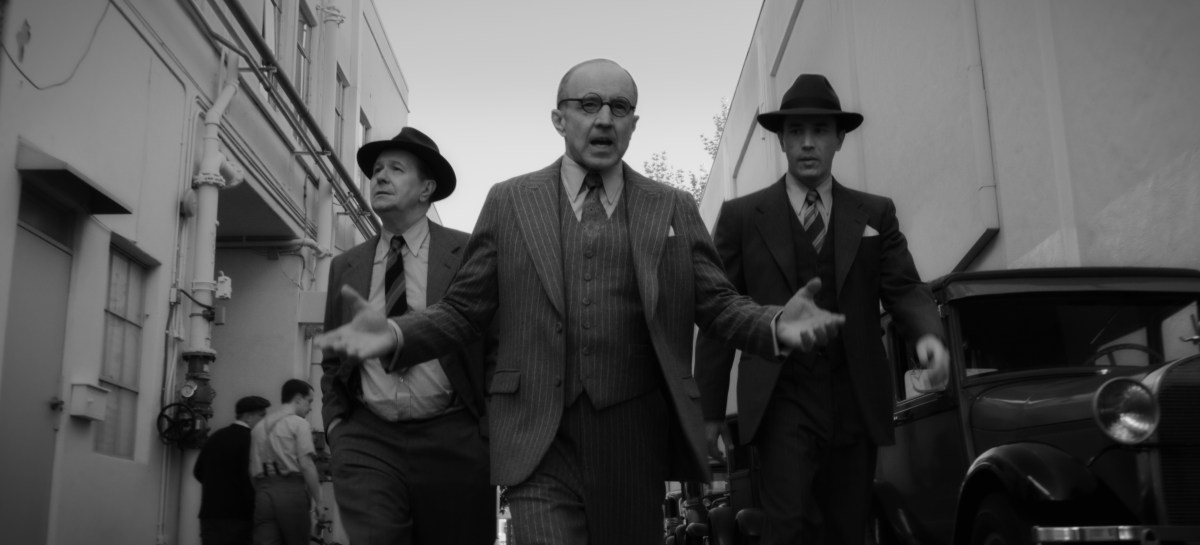
Long a specialized taste, Fincher in recent years started to feel like an endangered species: a commercial director who makes studio movies for adult audiences, in an industry in thrall to cartoons and comic books. His latest, “Mank,” a drama about the film industry, was made for Netflix, though. It’s an outlier in his filmography. Its violence is emotional and psychological, and there’s only one corpse, even if its self-destructive protagonist, Herman J. Mankiewicz (Gary Oldman), can look alarmingly cadaverous. Set in Hollywood’s golden age, it revisits his tenure in one of the most reliably bitter and underappreciated Hollywood tribes, a.k.a. screenwriters.
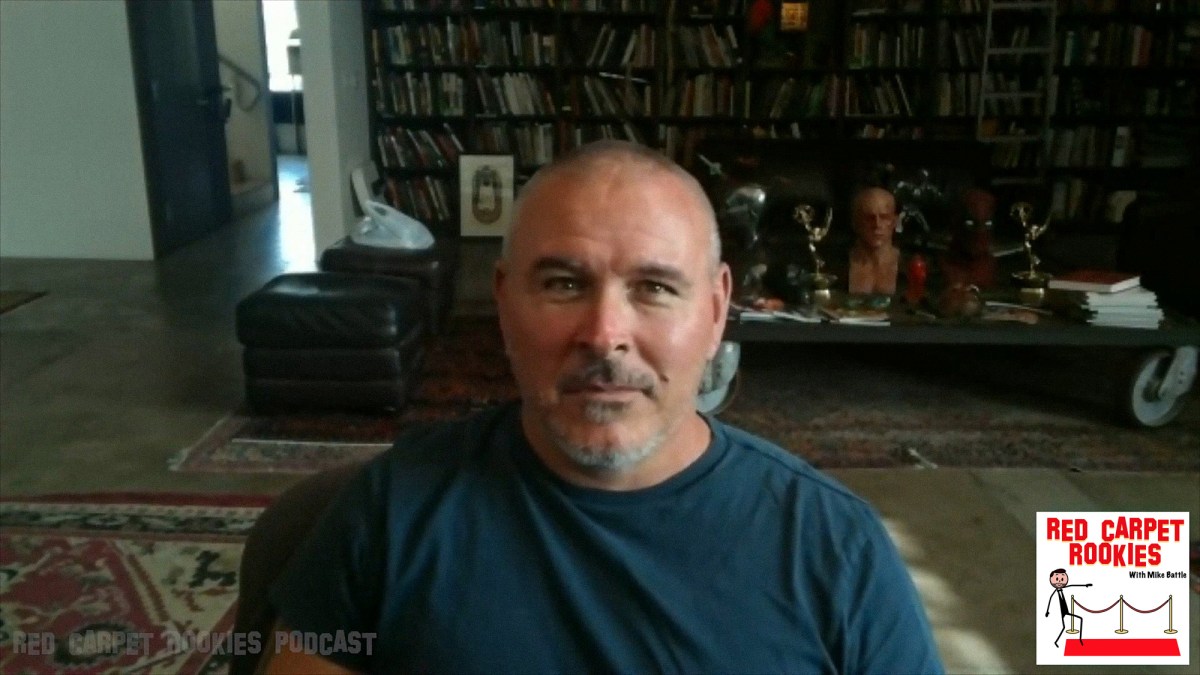
Tim discusses his beginnings in animation, his journey to directing his first live action movie at 50 and why he’s glad that for all the challenges that came along the way. If that wasn’t enough, he shares thoughts on why his Netflix collaboration with David Fincher works, why film studios will be ‘fossils’ if they don’t keep up with the streamers, and what to expect from Love, Death & Robots Series 2!
Red Carpet Rookies guests are recorded over Zoom. All efforts are made to get the best quality possible but we are victim to the connection!
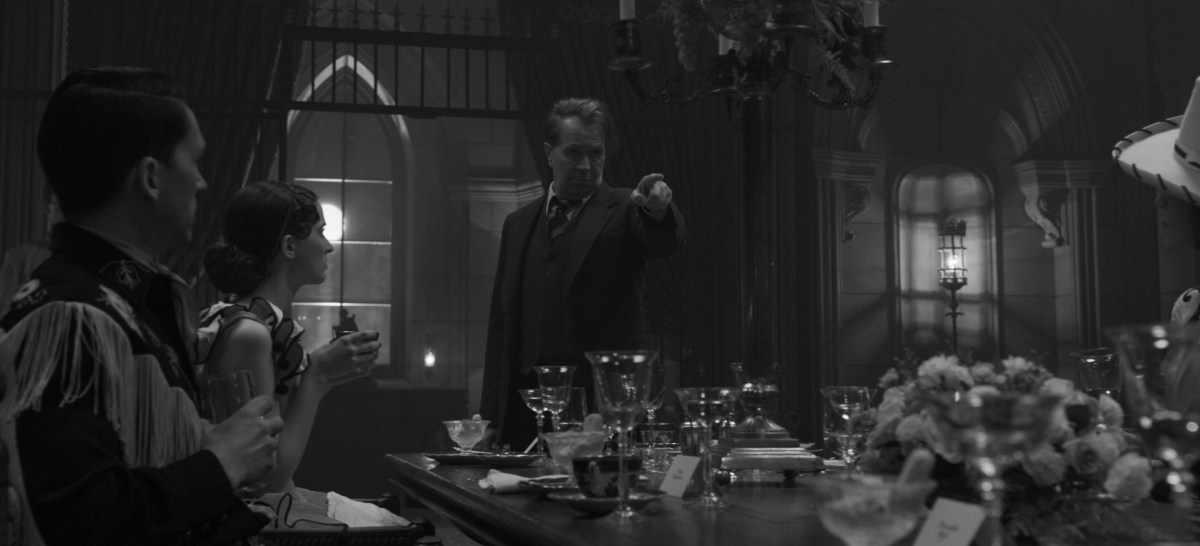
David Fincher pal Steven Soderbergh often consults on early cuts of his movies (including the friendly product placement of Soderbergh’s imported Singani 63 brandy in “Gone Girl”) — and “Mank” was no different. Turns out Soderbergh’s only complaint about the “Citizen Kane” biopic was the execution of the costume party set piece, where drunken screenwriter Herman J. Mankiewicz (Gary Oldman) goes on a long tirade against Machiavellian publisher William Randolph Hearst (Charles Dance) in front of his Hollywood friends at San Simeon.
“Soderbergh came during an early assembly and he just didn’t get why Hearst was putting up with Mank’s shit,” said editor Kirk Baxter (two-time Oscar winner for “The Girl with the Dragon Tattoo” and “The Social Network”). “And David and I talked about that. I very much make a movie with David, for David, and I’m not exposed to too many people during the process. But I found that the criticism helped. It didn’t provide the answer, it just provided the question.”
With films including Se7en, Zodiac and Fight Club, David Fincher has explored the darkest edges of humanity. Yet there’s more to his unique vision, writes Gregory Wakeman, as the director’s film Mank is released.
David Fincher fans have had plenty to celebrate over the past few months. September marked the 25th anniversary of Se7en, Fincher’s deeply disturbing psychological thriller that established the then 33-year-old as one of the most iconoclastic young directors in Hollywood. Then, just a couple of weeks later, The Social Network, Fincher and screenwriter Aaron Sorkin’s searing exploration of Mark Zuckerberg and the origins of Facebook, turned 10. Most exciting of all for Fincher aficionados, though, is the fact that, more than six years after the release of his last feature film Gone Girl, Mank will finally arrive on Netflix on 4 December.
Fincher has waited around 20 years to find the perfect home for the film, which was originally written by his father Jack in the late 1990s. But while most major Hollywood studios were put off by the idea of a black and white biopic of Citizen Kane screenwriter Herman J Mankiewicz, Netflix gave Fincher carte blanche to fulfil his vision.
The early reviews for Mank have been extremely positive, and Fincher has immediately become one of the main contenders for the best director Oscar. Covid-19’s disruption of the 2020 cinematic calendar means that Fincher’s competition isn’t quite as strong as it could have been. But it’s to the Academy Awards’ great shame that this titan of modern filmmaking has somehow only received best director nominations for The Curious Case of Benjamin Button and The Social Network. Despite this oversight, Fincher’s place in the cinematic pantheon has long been secure. No other modern filmmaker has examined alienation, depression, obsession, and the dark side of intelligence like he has, while keeping a stylish, visceral, and, most importantly of all, entertaining approach.
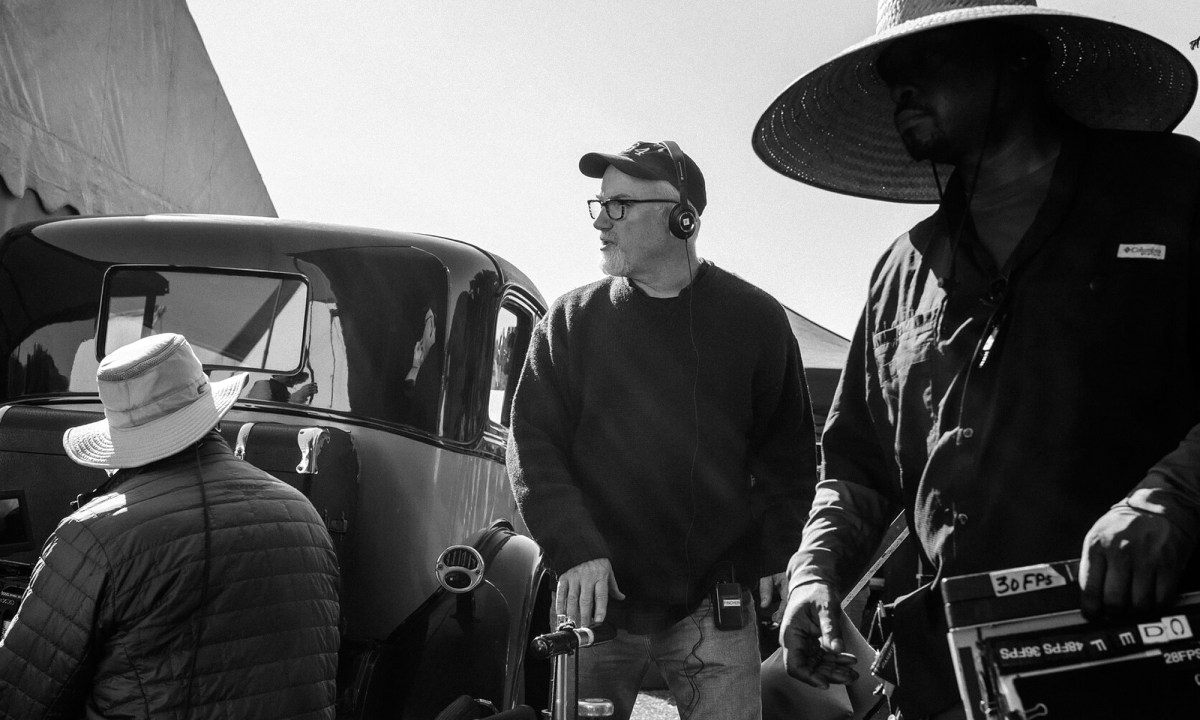
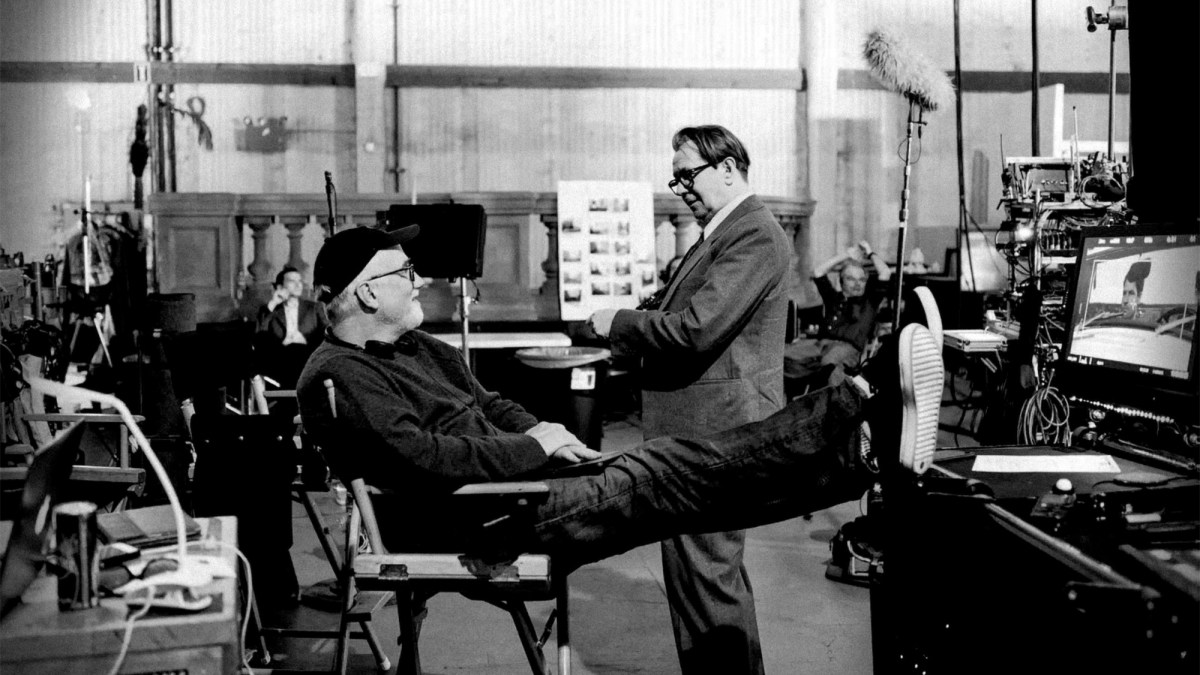
Six years ago, after I contacted David Fincher and told him I wanted to write an article about how he makes movies, he invited me to his office to present my case in person and, while I was there, watch him get some work done. On an April afternoon, I arrived at the Hollywood Art Deco building that has long served as Fincher’s base of operations, where he was about to look at footage from his 10th feature film, “Gone Girl,” then in postproduction. We headed upstairs and found the editor Kirk Baxter assembling a scene. Fincher watched it once through, then asked Baxter to replay a five-second stretch. It was a seemingly simple tracking shot, the camera traveling alongside Ben Affleck as he entered a living room in violent disarray: overturned ottoman, shattered glass. The camera moved at the same speed as Affleck, gliding with unvarying smoothness, which is exactly how Fincher likes his shots to behave. Except that three seconds in, something was off. “There’s a bump,” he said.
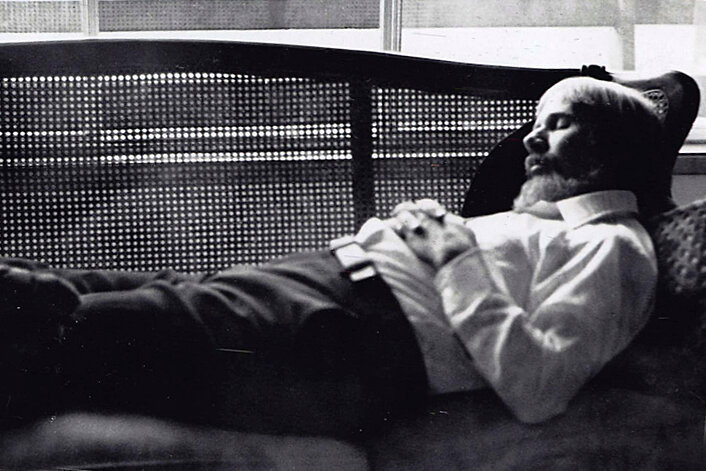
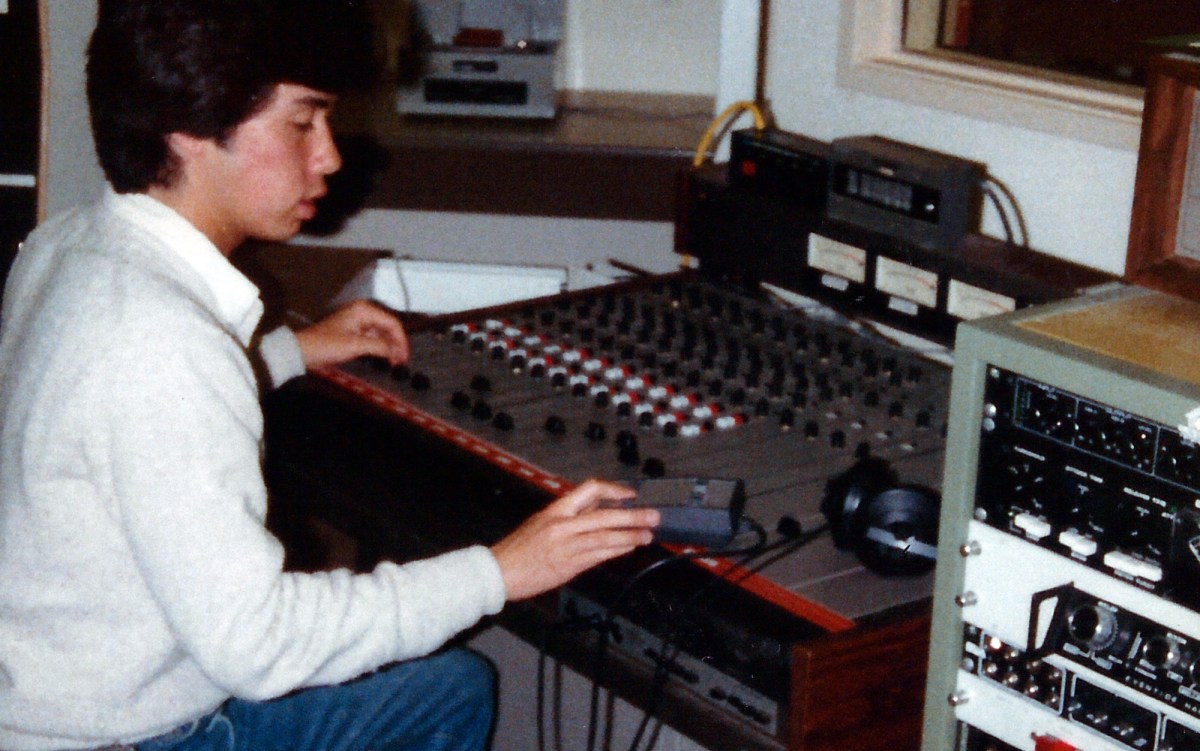
Jack Fincher photographed by David Fincher in 1976, when he was 14. “That’s why it’s out of focus”.
No living director surpasses Fincher’s reputation for exactitude. Any account of his methods invariably mentions how many takes he likes to shoot, which can annoy him, not because this is inaccurate but because it abets a vision of him as a dictatorially fussy artiste. Fincher, who is 58, argues that this caricature misses the point: If you want to build worlds as engrossing as those he seeks to construct, then you need actors to push their performances into zones of fecund uncertainty, to shed all traces of what he calls “presentation.” And then you need them to give you options, all while hitting the exact same marks (which goes for the camera operators too) to ensure there will be no continuity errors when you cut the scene together. Getting all these stars to align before, say, Take No. 9 is possible but unlikely. “I get, He’s a perfectionist,” Fincher volunteered. “No. There’s just a difference between mediocre and acceptable.”
An hour or so into the 1999 premiere of Fight Club, David Fincher slipped outside for some air. The director hadn’t known exactly what to expect when his brutally violent black comedy was selected for the Venice Film Festival, but whatever the dream scenario had been, this wasn’t it. The walkouts had started early, and become a steady stream. The only audience members laughing were his leading men, Brad Pitt and Edward Norton – though in fairness, the two had shared a joint beforehand. The first review off the presses had described Fincher’s film as “an inadmissible assault on personal decency” with a fascist bent, and the festival crowd weren’t noticeably any more enthused.
“The resounding thuds every scene landed with just became too much,” Fincher, now 58, tells me from home via Zoom. He recalls sitting on the steps outside and watching half a dozen disgusted older women file past: “all wearing at least one item of leopard print, like six Anne Bancrofts in The Graduate.” One evidently recognised the American enfant terrible and hissed something to her companions, who looked across and shook their heads in sync. “It was then I knew that what we’d done was wrong,” he says, beaming with pride.
Fincher’s tremendous latest film – his first since Gone Girl in 2014 – is unlikely to cause many viewers to storm home, not least because they’ll already be there when they watch it. Mank is a Netflix production, filmed just before the pandemic struck, but edited, polished and due to be released under lockdown conditions. Set in the Golden Age of Hollywood and shot in silvery monochrome, it follows the political chicanery and personal vendettas that led to the writing of Citizen Kane: a film released in 1941, and still widely considered the greatest ever made. Mank’s hero isn’t Orson Welles, Kane’s startlingly young director and star (he was 25 when it was released), but Gary Oldman’s Herman J Mankiewicz – a wildly talented screenwriter and incorrigible gambler and drunk, whom Welles enlisted to ghostwrite the script.
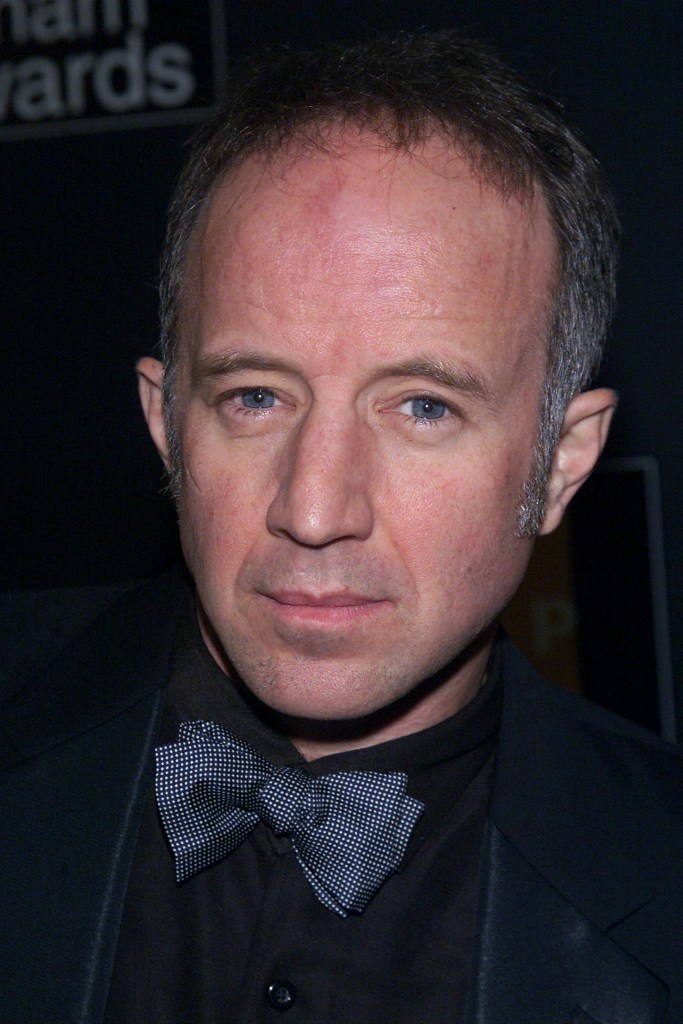
Don’t miss this exclusive and compelling conversation with actor, writer, and director Arliss Howard (Full Metal Jacket, Natural Born Killers, The Lost World: Jurassic Park, Amistad, Moneyball, Manhunt)
A journey into his process, his brilliant performance as MGM’s Louis B Mayer in David Fincher’s new epic feature ‘Mank’, working with Fincher, Kubrick, Spielberg and Stone and so much more!
‘Mank’ premieres theatrically in some territories on Nov 13th. On Netflix Dec 4.
The Gone Girl director is known for the psychological depth, visual symbolism and pulpy thrills of his films but all roads lead back to his tempestuous – and mysterious – collaborations with Madge.
It was in the winter of 1993 that David Fincher murdered Madonna. The crime scene: a music video for one of the latter’s greatest singles, “Bad Girl”, and what would be the last of the pair’s four collaborations. In its wake, Fincher would become one of cinema’s most revered directors, the prickly genius behind Se7en (1995), The Social Network (2010), Gone Girl (2014) and the forthcoming Mank. But it’s “Bad Girl” that remains Fincher’s most important venture. It is a short, stylish erotic thriller that begins and ends with Madonna’s lifeless corpse; a video that nods toward the filmmaker Fincher would become, and a final act of artistic symbiosis between two titans of pop culture.
Back in the Nineties, Fincher was coming to the end of a luminous eight years as a music video visionary. The likes of Aerosmith’s “Janie’s Got a Gun” and George Michael’s supermodel-filled “Freedom ‘90” were gorgeous exercises in style and short-form storytelling. Little was more thrilling, though, than his work with Madonna – from the grandiose myth-making of “Vogue” and “Express Yourself” to the richly personal “Oh Father”. They both recognised the cinematic potential of the form, even if it came at a cost – all of their collaborations rank among the most expensive videos ever made.
That trilogy of music videos – which came before “Bad Girl” and were shot over the course of 10 months between 1989 and 1990 – would reflect a fruitful creative tussle between the pair. Despite Fincher’s relative lack of clout in the industry at the time, and especially compared to Madonna’s cultural ubiquity, they would approach their work as somewhat begrudging – and almost flirtatious – equals.
In interviews, Fincher recalled expressing mock outrage when Madonna asked him if he had heard of Metropolis, the landmark sci-fi film she wanted to replicate for “Express Yourself”. Madonna sneered at his idea to have her crawl across the floor, lick milk from a bowl, and then pour it over herself in the same video, assuming it might look like a student film. It turned out to be one of the video’s most memorable set pieces. The visual for “Oh Father”, meanwhile, a psychological wormhole into Madonna’s childhood and the emotional toll of her mother’s death, only came about at Fincher’s insistence. Madonna had been unsure it would even work as a single. Fincher, though, saw it as ripe for visual accompaniment, and captured her vulnerability like no other.
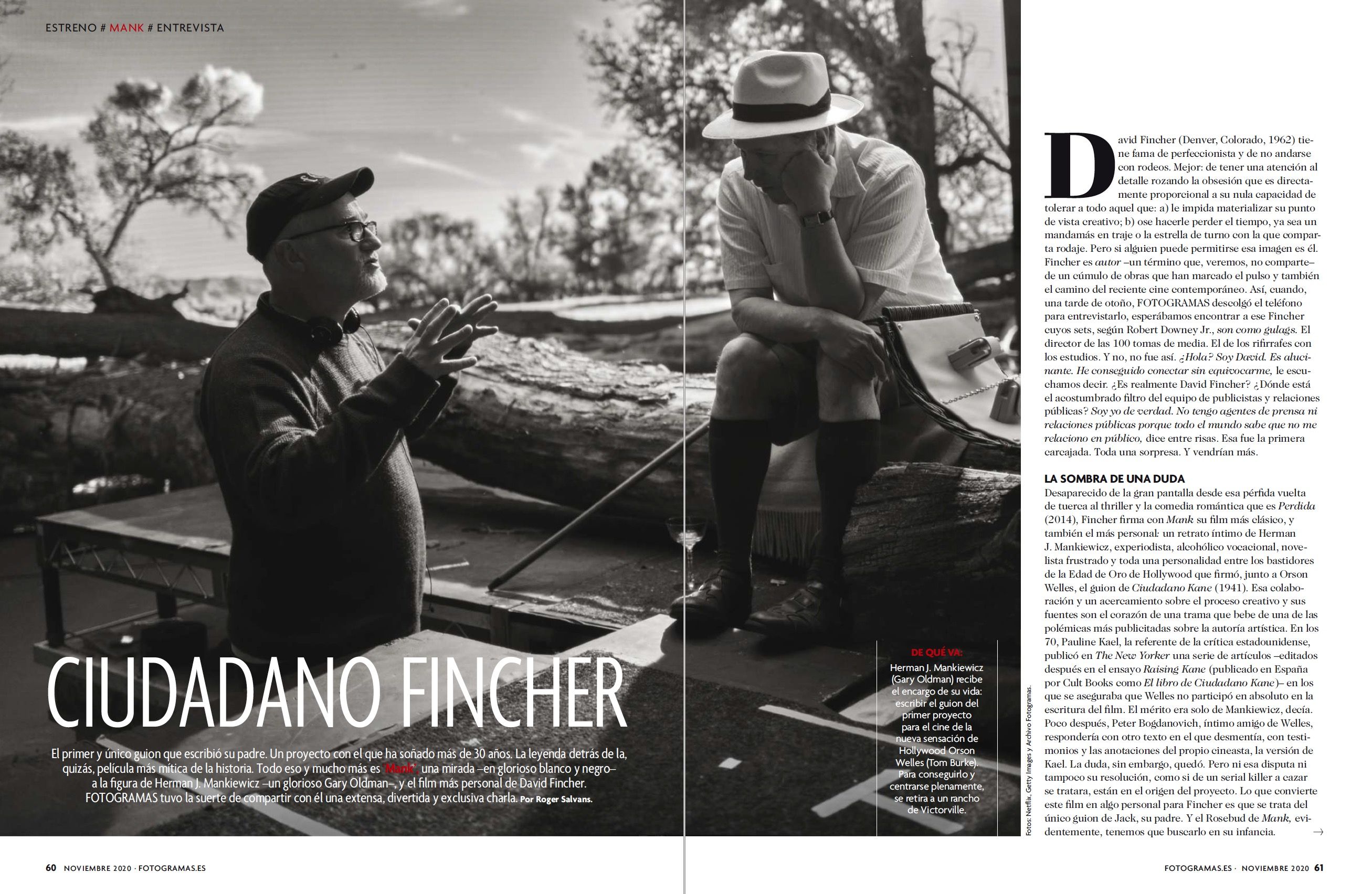
El primer y único guion que escribió su padre. Un proyecto con el que ha soñado más de 30 años. La leyenda detrás de la, quizás, película más mítica de la historia. Todo eso y mucho más es ‘Mank’, una mirada –en glorioso blanco y negro–a la figura de Herman J. Mankiewicz –un glorioso Gary Oldman–, y el film más personal de David Fincher. FOTOGRAMAS tuvo la suerte de compartir con él una extensa, divertida y exclusiva charla.
David Fincher (Denver, Colorado, 1962) tiene fama de perfeccionista y de no andarse con rodeos. Mejor: de tener una atención al detalle rozando la obsesión que es directamente proporcional a su nula capacidad de tolerar a todo aquel que: a) le impida materializar su punto de vista creativo; b) ose hacerle perder el tiempo, ya sea un mandamás en traje o la estrella de turno con la que comparta rodaje. Pero si alguien puede permitirse esa imagen es él. Fincher es autor –un término que, veremos, no comparte–de un cúmulo de obras que han marcado el pulso y también el camino del reciente cine contemporáneo. Así, cuando, una tarde de otoño, FOTOGRAMAS descolgó el teléfono para entrevistarlo, esperábamos encontrar a ese Fincher cuyos sets, según Robert Downey Jr., son como gulags. El director de las 100 tomas de media. El de los rifirrafes con los estudios. Y no, no fue así. ¿Hola? Soy David. Es alucinante.He conseguido conectar sin equivocarme, le escuchamos decir. ¿Es realmente David Fincher? ¿Dónde está el acostumbrado filtro del equipo de publicistas y relaciones públicas? Soy yo de verdad. No tengo agentes de prensa nirelaciones públicas porque todo el mundo sabe que no merelaciono en público, dice entre risas. Esa fue la primera carcajada. Toda una sorpresa. Y vendrían más.
La sombra de una duda
Desaparecido de la gran pantalla desde esa pérfida vuelta de tuerca al thriller y la comedia romántica que es Perdida (2014), Fincher firma con Mank su film más clásico, y también el más personal: un retrato íntimo de Herman J. Mankiewicz, experiodista, alcohólico vocacional, novelista frustrado y toda una personalidad entre los bastidores de la Edad de Oro de Hollywood que firmó, junto a Orson Welles, el guion de Ciudadano Kane (1941). Esa colaboración y un acercamiento sobre el proceso creativo y sus fuentes son el corazón de una trama que bebe de una de las polémicas más publicitadas sobre la autoría artística. En los 70, Pauline Kael, la referente de la crítica estadounidense, publicó en The New Yorker una serie de artículos –editados después en el ensayo Raising Kane (publicado en España por Cult Books como El libro de Ciudadano Kane)– en los que se aseguraba que Welles no participó en absoluto en la escritura del film. El mérito era solo de Mankiewicz, decía. Poco después, Peter Bogdanovich, íntimo amigo de Welles, respondería con otro texto en el que desmentía, con testimonios y las anotaciones del propio cineasta, la versión de Kael. La duda, sin embargo, quedó. Pero ni esa disputa ni tampoco su resolución, como si de un serial killer a cazar se tratara, están en el origen del proyecto. Lo que convierte este film en algo personal para Fincher es que se trata del único guion de Jack, su padre. Y el Rosebud de Mank, evidentemente, tenemos que buscarlo en su infancia.