

CLICK TO VIEW THE POSTERS IN FULL RESOLUTION:
BLACK SKY
NIGHT GARDEN
WALL
FLOWER 1
FLOWER 2
FLOWER 3
Designed by Neil Kellerhouse
THE ZONE OF INTEREST
Trailer 1
Trailer 2
Written and Directed by Jonathan Glazer
People and companies that have worked with David Fincher.
CLICK TO VIEW THE POSTERS IN FULL RESOLUTION:
BLACK SKY
NIGHT GARDEN
WALL
FLOWER 1
FLOWER 2
FLOWER 3
Designed by Neil Kellerhouse
THE ZONE OF INTEREST
Trailer 1
Trailer 2
Written and Directed by Jonathan Glazer
Neil Turitz
March 1, 2024
Casting Networks
Laray Mayfield got into casting the way a lot of other professionals got into it, by accident.
She was doing another job and someone said, “Hey, you should do this,” and once she did, it stuck. That’s not an unusual story. What makes this unusual is that the person who told her is arguably the best American filmmaker working today, David Fincher, with whom she’s been working for nearly 40 years.
Mayfield has since built an impressive career, with an Emmy award for the first season of House of Cards and two Artios awards —the highest honor the Casting Society offers— to her name. Her latest collaboration with Fincher, The Killer, is streaming on Netflix. She spoke with us from her home in Nashville.
Evan Roberts
February 21, 2024
Rare Humans
Jason Hill is a multi-instrumentalist known for inventing, building, and mastering his own unusual instruments which help create his unique scores and productions. Hill is the lead singer, guitarist, and producer for the band LOUIS XIV. He has produced, written records or otherwise worked with such artists as The Killers, David Bowie, Ariel Pink, The White Stripes, and more.
Jason Hill now spends most of his time as a film composer working with acclaimed director David Fincher on the psychological thriller film Gone Girl and has since worked on many projects with Fincher such as the Emmy-winning series MINDHUNTER.
Listen to the podcast:
By David Fincher
December 29, 2023
Interview
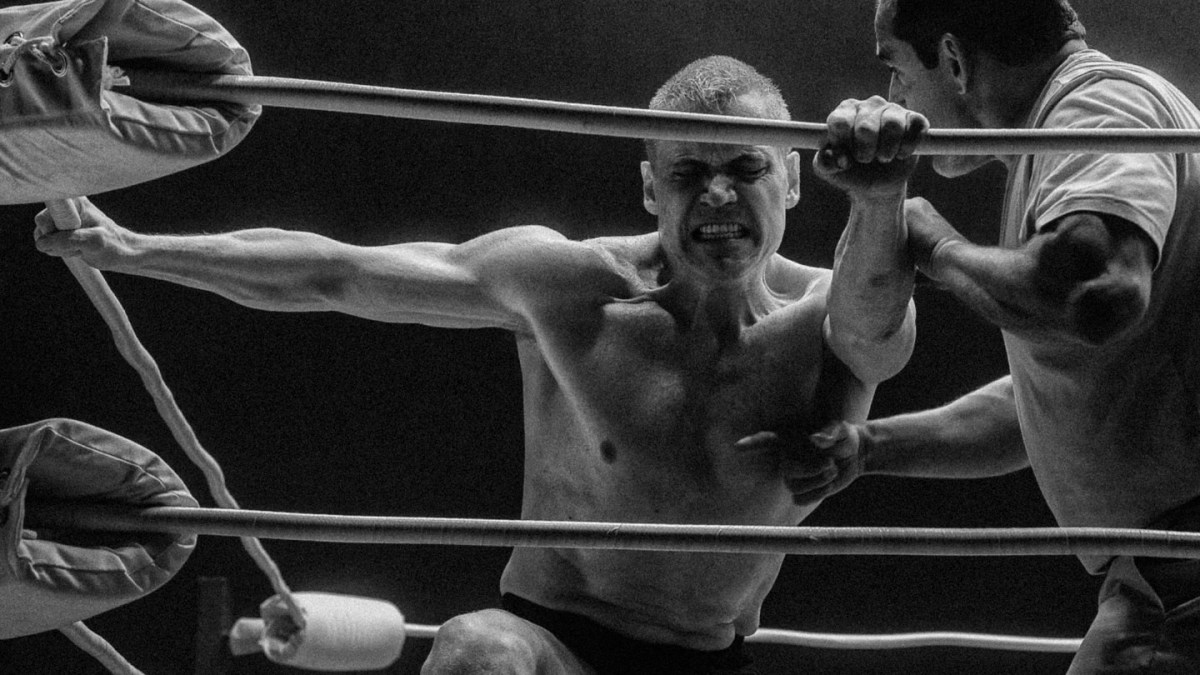
After casting Holt McCallany in Alien 3 and later in Fight Club in the types of tough-guy roles that have largely defined his four-decade career, David Fincher finally let the 60-year-old actor showcase his softer side as FBI agent Bill Tench in Netflix’s psychological thriller Mindhunter. It was that performance, in which McCallany was able to balance steely professionalism and quiet melancholy, that earned him a meeting with director Sean Durkin, who was looking for the right person to play the patriarch of the Von Erich clan in The Iron Claw, his biopic of the legendary Texas wrestling dynasty. As Fritz Von Erich, a loving but severe father who pushed his four sons (played by Zac Efron, Jeremy Allen White, Harris Dickinson, and Stanley Simons) beyond their limits—often with tragic results—McCallany is earning the best reviews of his career, and even, to his own shock, some Oscar buzz. As he told Fincher over Zoom a couple of weeks ago, he’s still letting it all sink in.
DAVID FINCHER: Hey Holtster! How have you been?
HOLT MCCALLANY: I’ve been great David, because there were a couple of articles, one in Variety, one in Vulture, that picked me as somebody who could get a possible Academy Award nomination for Supporting Actor, even though it’s going to be a very tough year.

Holt McCallany as Fritz Von Erich. By Devin Yalkin
Clayton Davis
December 14, 2023
Variety
Also on this episode, “The Iron Claw” actor Holt McCallany talks about playing the legendary wrestler Fritz Von Ehrich in Sean Durkin’s powerful new drama. He discusses coming to peace with many of his scenes that were cut from the film, and what we can expect from his upcoming directorial effort “The Star Maker” after getting script notes from David Fincher.
A quintessential “that guy” performer in the eyes of most audience members, this veteran character actor boasts over 80 credits in a three-decade career, including turns in “Nightmare Alley” and Netflix’s “Mindhunter.” As the hardened patriarch of a family of pro wrestlers in A24’s sports drama, McCallany exudes an intense and thorny power, expertly revealing the dangers of a particular form of pressurized ambition. It’s a performance that’s reminiscent of J.K. Simmons Oscar-winning turn as the abusive music teacher in “Whiplash.”
November 30, 2023
From the Frame
David Fincher’s films have often been analyzed for their visual style – the exacting cinematography, precise editing, muted color palette, and meticulous construction of the frame. But with the release of The Killer, people are starting to take note of another aspect – his evocative use of SOUND. However, you can’t really discuss the sonic landscape of a Fincher film without talking about his longest creative collaborator – sound designer Ren Klyce. From Se7en to The Killer, and every project in between, Klyce’s mixes have provided a crucial aural backdrop, frequently blurring the line between sound and music. They both build a textural ambience that sets the tone of the film while also allowing us to access the subjectivity of the characters on screen. So let’s explore how a David Fincher film sounds.
CHAPTERS:
0:00: Intro
1:33: Se7en & Ren Klyce
2:43: The Girl with the Dragon Tattoo
5:01: Zodiac & Musique Concrète
8:15: Role as Re-recording Mixer
10:33: Trent Reznor & Atticus Ross
11:43: The Social Network & Expressionistic Sound
SOURCES:
Andy Nelson and Pete Wright
December 11, 2023
Movies We Like (TruStory FM)
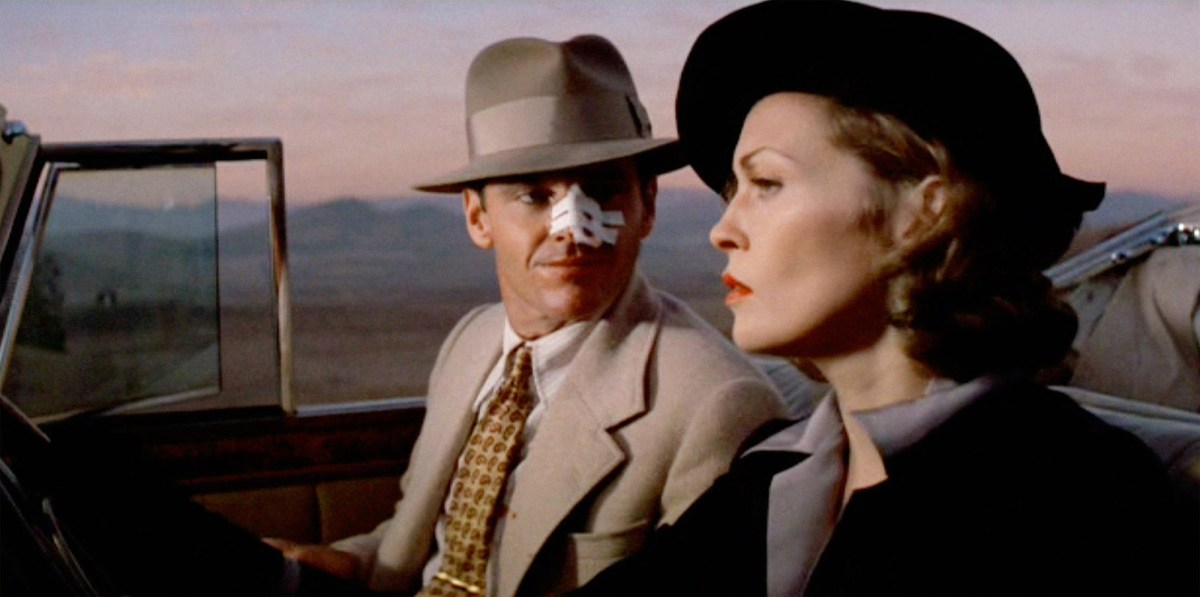
Roman Polanski’s 1974 neo-noir Chinatown is regarded as one of the greatest films of all time. In this episode, we’re joined by Academy Award-winning cinematographer Erik Messerschmidt to discuss this masterpiece of cinema.
We start by talking to Erik about his passion for filmmaking and what led him to a career in cinematography. He shares how he was drawn to the camaraderie and creative collaboration of working on set. Over time, he realized the cinematographer role allowed him to blend his interests in art, science, and technology.
This year, he’s reunited with David Fincher for his adaptation of the graphic novel, The Killer, starring Michael Fassbender, and also teamed up with Michael Mann to shoot his racing biopic, Ferrari, starring Adam Driver.
When it comes to Chinatown, Erik praises the elegant camerawork and seamless visual storytelling. Polanski uses the camera deliberately, guiding the audience through clues and reveals without excessive dialogue. The mystery unfolds through precise editing and minimalist framing. We also discuss the phenomenal performances and how Polanski pulls back at key moments to ground the major plot turns.
Chatting with Erik gave us a new appreciation for the nuance and artistry of Chinatown. It’s a masterclass in subtle visual storytelling that inspired generations of filmmakers. Roman Polanski’s direction and Robert Towne’s script form a potent combination. We highly recommend revisiting this neo-noir gem.
Listen to the podcast:
November 27, 2023
Adobe
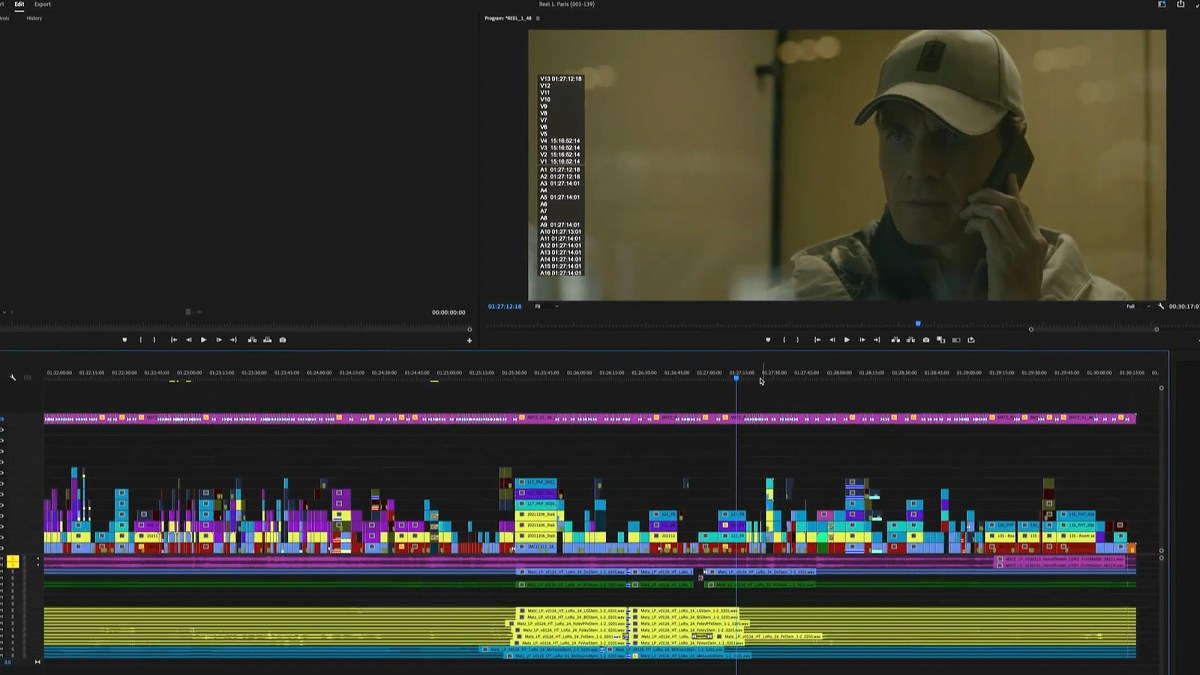
See how award-winning editor Kirk Baxter and his team, First Assistant Editor Ben Insler, and Colorist Eric Weidt, used Adobe Premiere Pro to break the rules of traditional editing in The Killer, a neo-noir thriller directed by David Fincher.
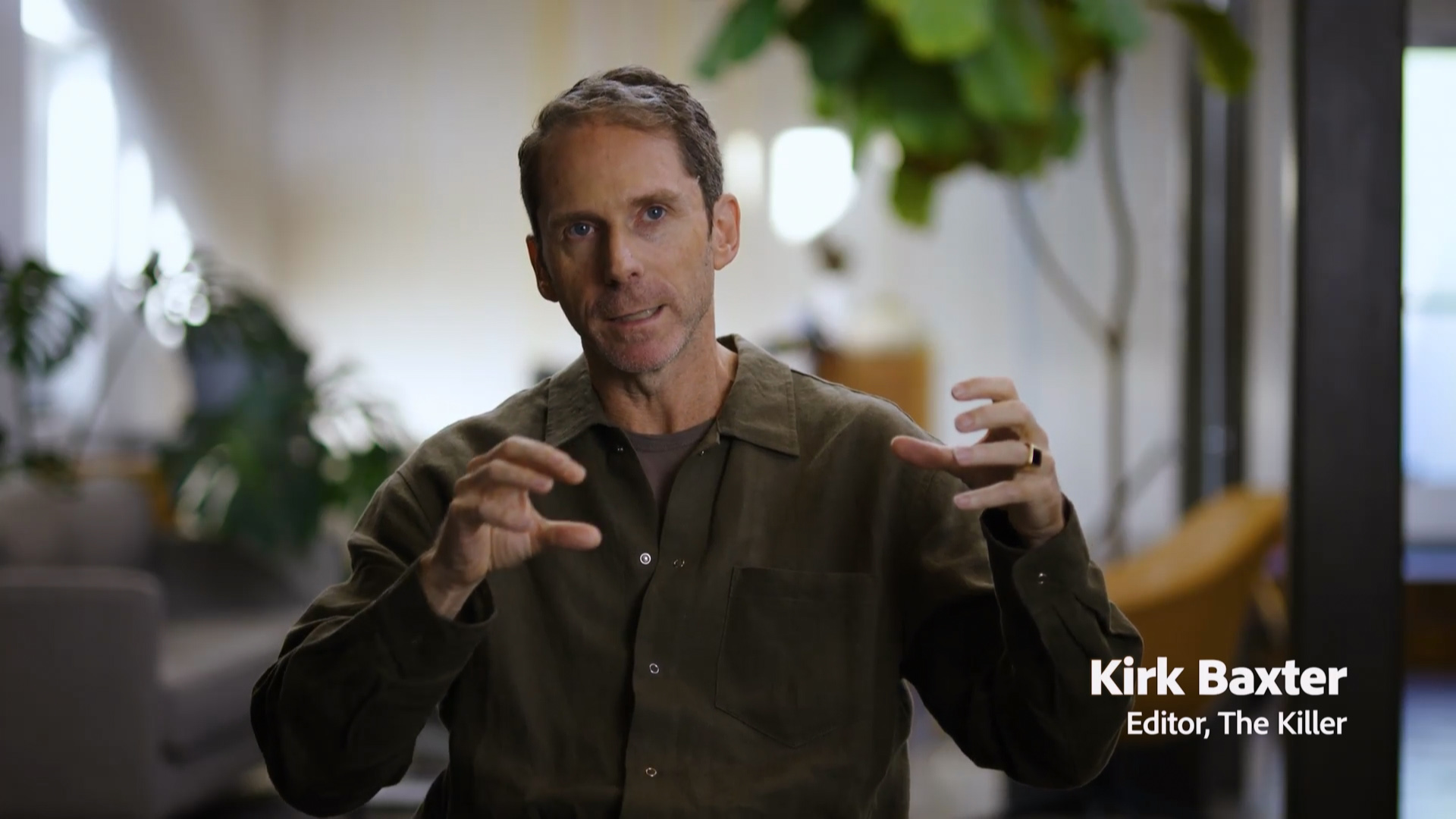
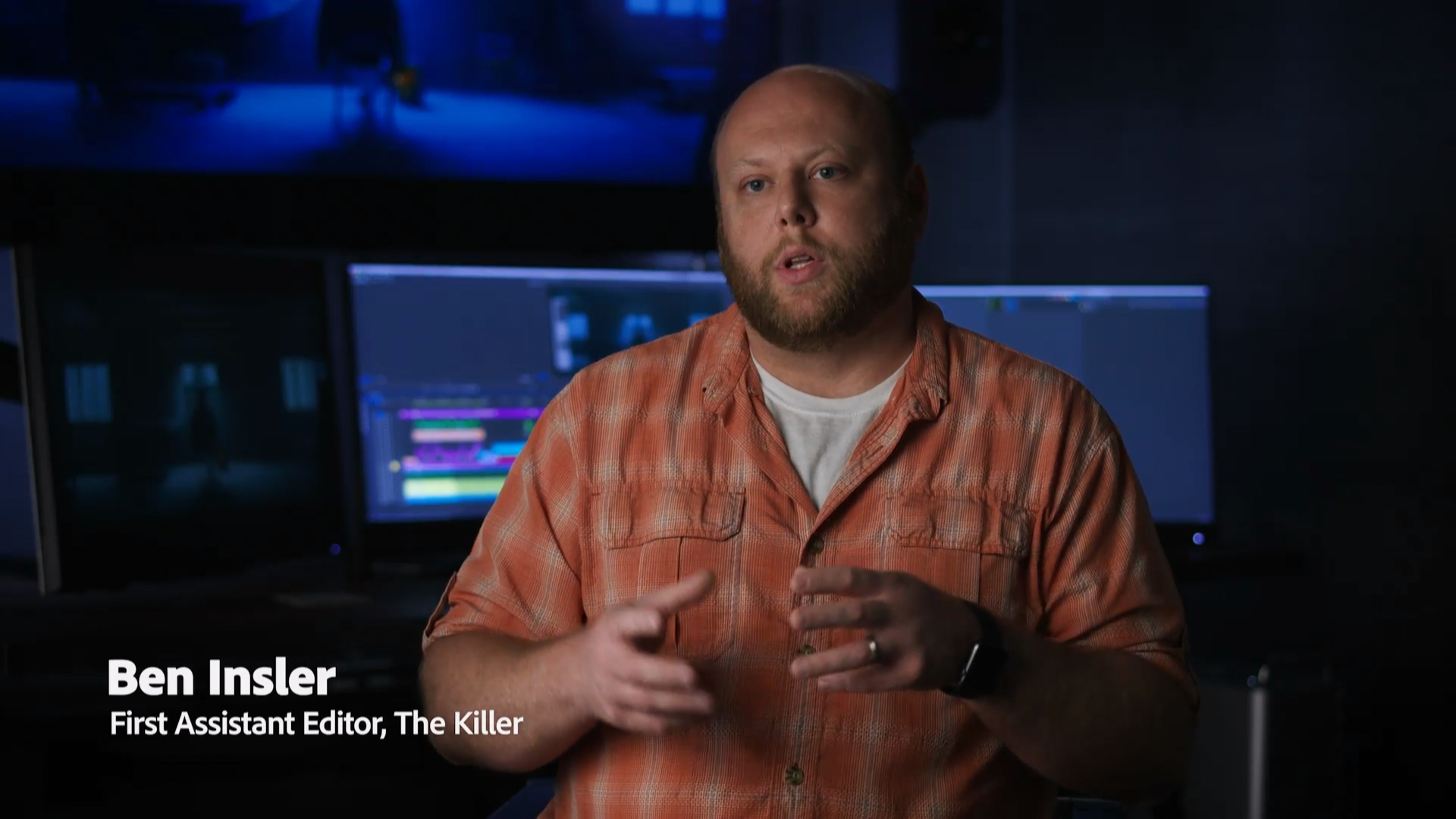
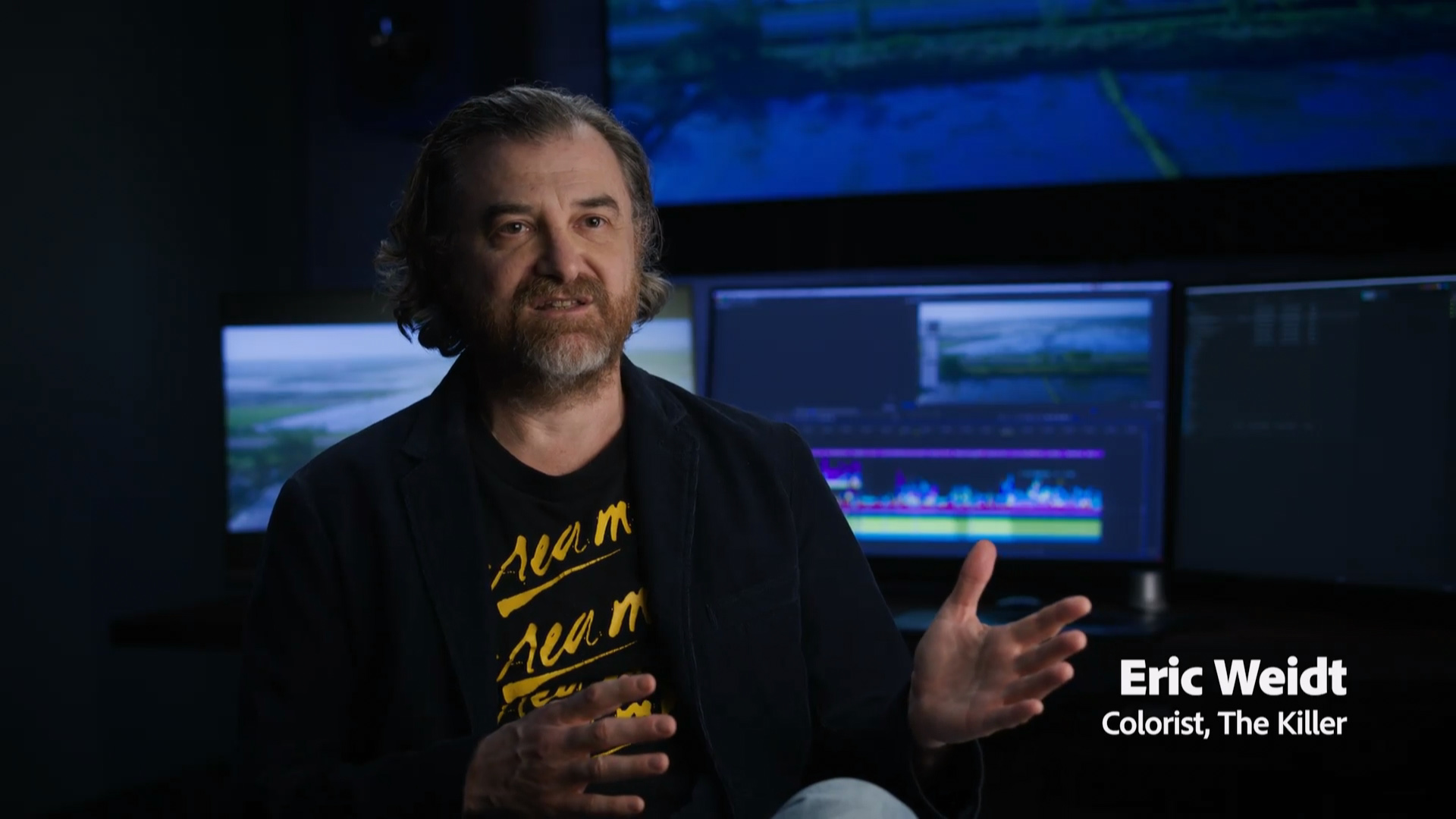
Learn more about our customers stories.
Connect with Adobe Video: Facebook, Ex-Twitter, Instagram
Spine-tingling visuals
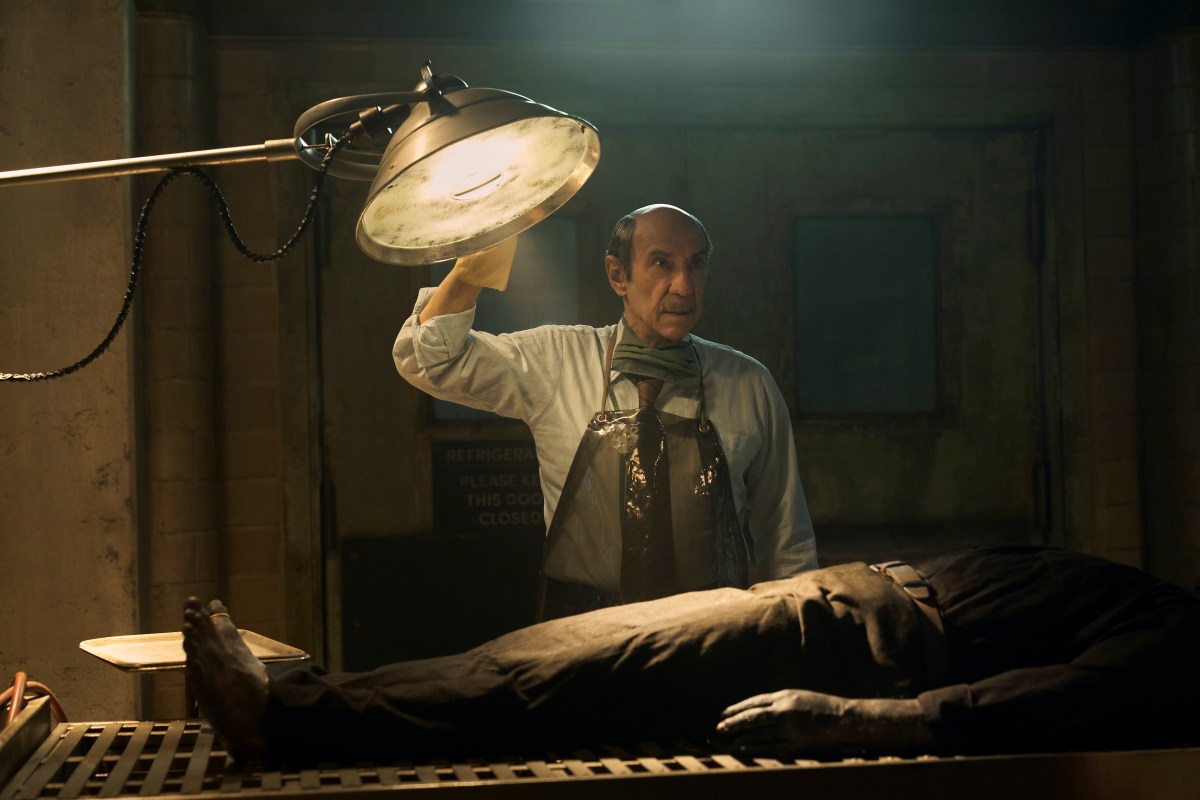
Anastas Michos ASC GSC reteamed with director David Prior to shoot the Emmy-nominated episode “The Autopsy” for Guillermo del Toro’s anthology series Cabinet of Curiosities.
Adrian Pennington
August 25, 2023
British Cinematographer
In this version of Michael Shea’s short story, adapted with the help of screenwriter David S. Goyer, a small-town sheriff (Glynn Turman) is investigating a tragic mining explosion. One of the bodies pulled from the wreckage is given to pathologist Dr Winters (F. Murray Abraham) to examine, only to uncover a much more gruesome and macabre secret.
The episode, shot on RED Digital Cinema cameras, also received recognition with an ASC Award nomination earlier this year. Given the subject matter and their successful collaboration on Prior’s feature debut the horror film The Empty Man (2020) it was natural the pair should hook up.
“A director and cinematographer might not always see eye to eye but when they work together a lot you tend to challenge each other and that becomes part of the creative process,” says Michos. “You develop a shorthand which is paramount to getting through it all, particularly for TV. We shot this 58-minute episode in 15 days which astounded the both of us. Having the ability to understand what the director is trying to communicate is certainly useful.”
Knowledge of each other’s sensibilities proved advantageous when they arrived in Canada to shoot “The Autopsy” in 2021 during COVID since they were instantly confined to quarantine.
“We had about three weeks in our respective apartments which allows a lot of time to think. Our main reference for exteriors and tonality was The Deer Hunter (1978). In most projects, tonality is the first thing we try and decide.”
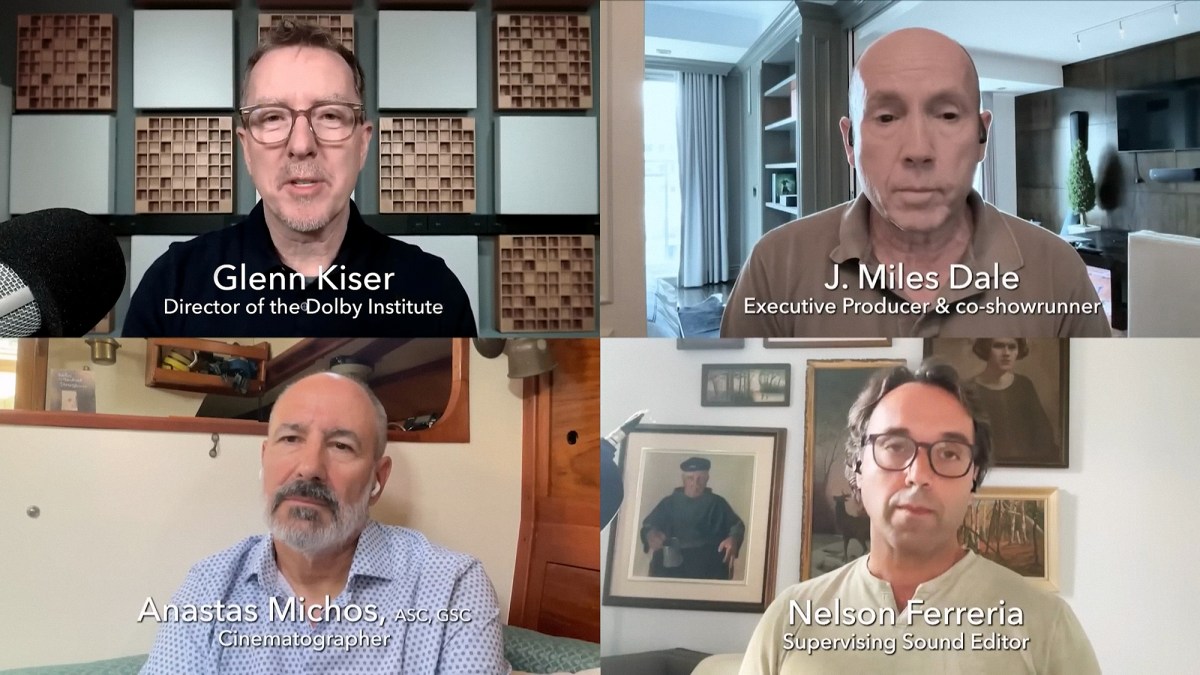
Glenn Kiser, Director of the Dolby Institute
August 24, 2023
The Dolby Institute
Executive Producer (and co-showrunner) J. Miles Dale joins us on the podcast to discuss the horror anthology series Guillermo del Toro’s Cabinet of Curiosities, which was recently nominated for seven Primetime Emmy Awards. Joining the conversation are nominees: Supervising Sound Editor Nelson Ferreira, MPSE, and Director of Photography Anastas Michos, ASC, GSC.
To avoid spoilers, be sure to watch “The Autopsy” before watching this podcast! But be forewarned, it is extremely dark — both thematically and visually — which was entirely by design. Anastas Michos:
“The genre is squarely within a horror/sci-fi mode. It is about what we don’t see in life. That’s what makes shooting horror films or thrillers so interesting. That we allow the audience to only see what we want them to see, and tease the rest of it into the blacks [of the image].”
Guillermo del Toro’s Cabinet of Curiosities is currently streaming on Netflix in Dolby Vision® and Dolby Atmos®.
Listen to the Dolby Institute Podcast:
Apple Podcasts
Spotify
Google Podcasts
Amazon Music
Connect with Dolby on Instagram, Twitter, Facebook, and LinkedIn.
August 21, 2023
RED Digital Cinema
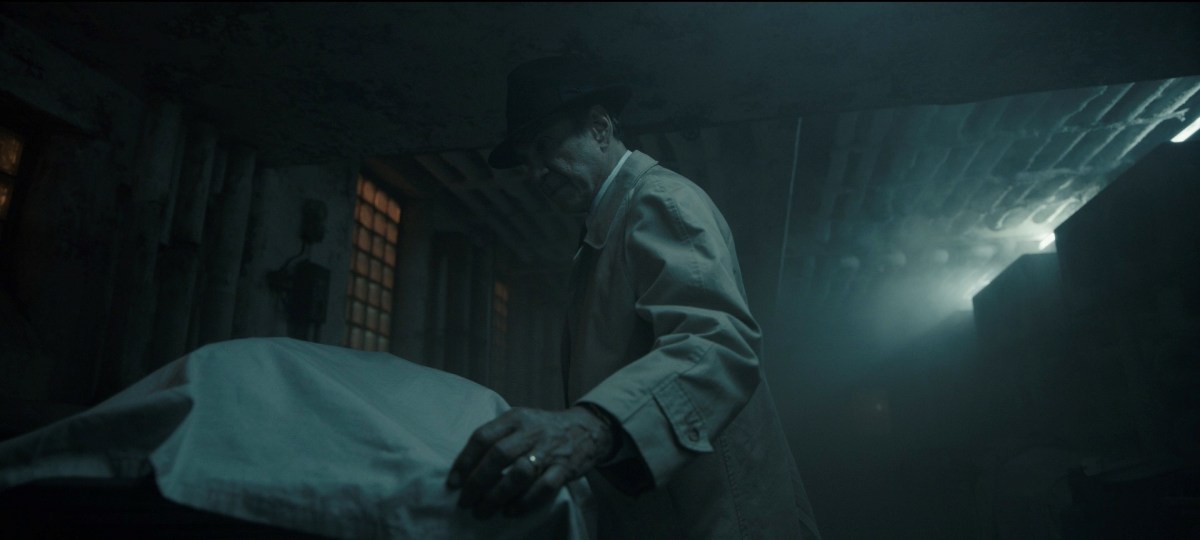
Cinematographer Anastas Michos, ASC, GSC, takes us into the thrilling world of Guillermo del Toro’s Cabinet of Curiosities with “The Autopsy.” Michos’ mastery weaved an emotive visual narrative through skillfully dark color palettes, dynamic lighting, and expert composition, turning settings into characters and creating an immersive, unforgettable experience. Go behind the look, and learn about the choices Anastas made on “The Autopsy” that earned him a well-deserved Emmy nomination for Outstanding Cinematography For A Limited Or Anthology Series Or Movie.
Michos takes us Behind The Look: THAT SHOT of his favorite sequence of “The Autopsy” starting in the morgue.
“The Autopsy” is the third episode of Netflix‘s Cabinet of Curiosities. A seasoned sheriff investigates a dead body in the woods and calls on an old pal, a medical examiner, to help piece together a series of chilling events.

 The Fincher Analyst