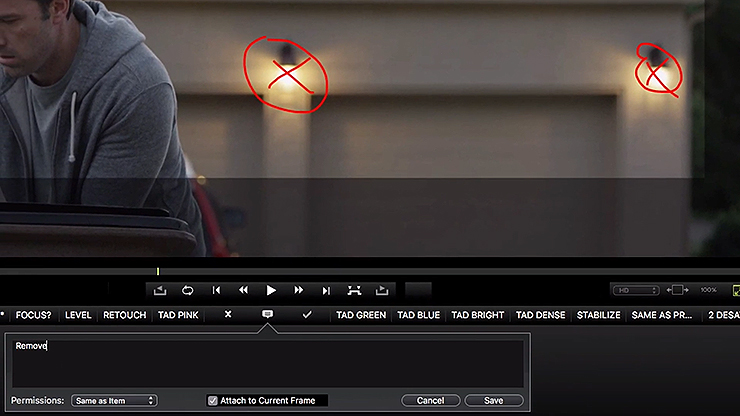
At PIX System, we help create entertainment and media by bringing creativity, collaborators and assets together. For 16 years, we’ve been creating and innovating ways to give the top creative talent, studios, mini-majors, networks, indie productions, and online content providers the time and resources they need to create. Better. Faster. More reliably.
Our industry leading platform is an open sandbox and secure home base, viewer, community workspace, media mine, think tank and muse – a place on the digital frontier where creative and strategic content and communication are safe and tidy and easily found, shared and worked on alone or together.
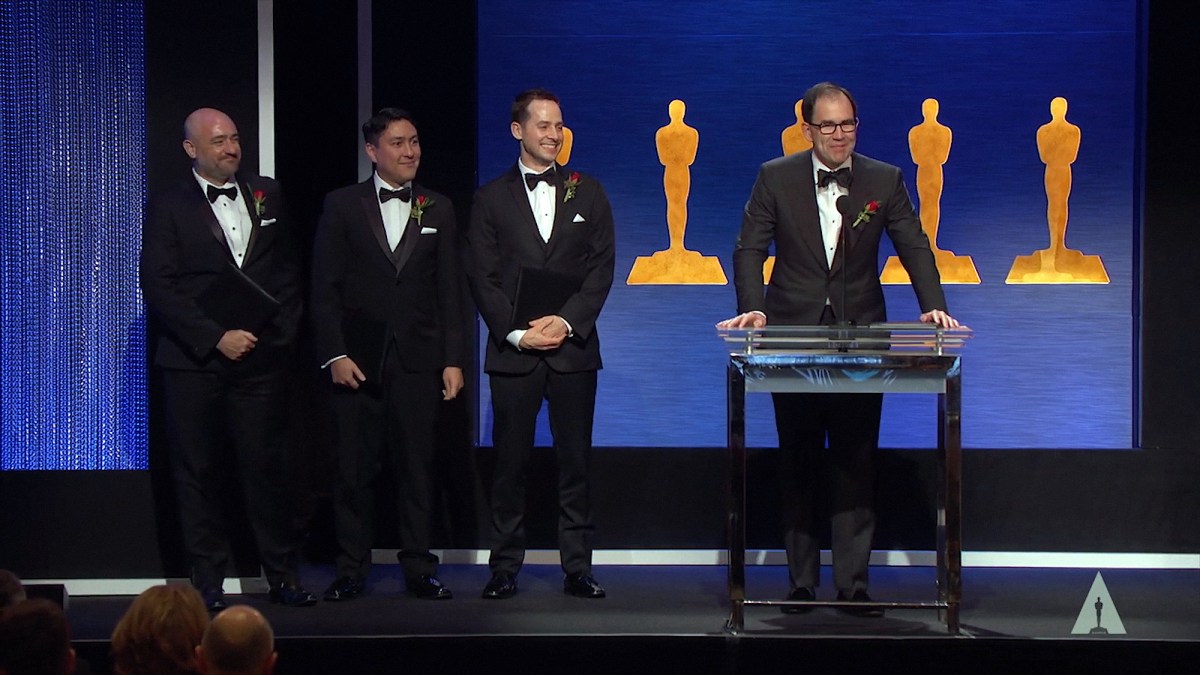
On Saturday night at its annual Scientific and Technical Awards Presentation, the Academy of Motion Picture Arts and Sciences honored PIX with a Technical Achievement Award. The award recognized Eric Dachs, founder and CEO; Erik Bielefeldt, director of research and development; Craig Wood, technical director; and Paul McReynolds for the design and development of the industry leading security mechanism for distributing media. Prior to the awards ceremony, Digital Cinema Report spoke exclusively with Bielefeldt and Wood to talk about the company’s continued innovation in the evolving world of content collaboration from film to digital to next-generation data rich requirements.
Technical Achievement Award (Academy Certificate): to Eric Dachs, Erik Bielefeldt, Craig Wood and Paul McReynolds for the design and development of the PIX System’s novel security mechanism for distributing media.
PIX System’s robust approach to secure media access has enabled wide adoption of their remotely collaborative dailies-review system by the motion picture industry.
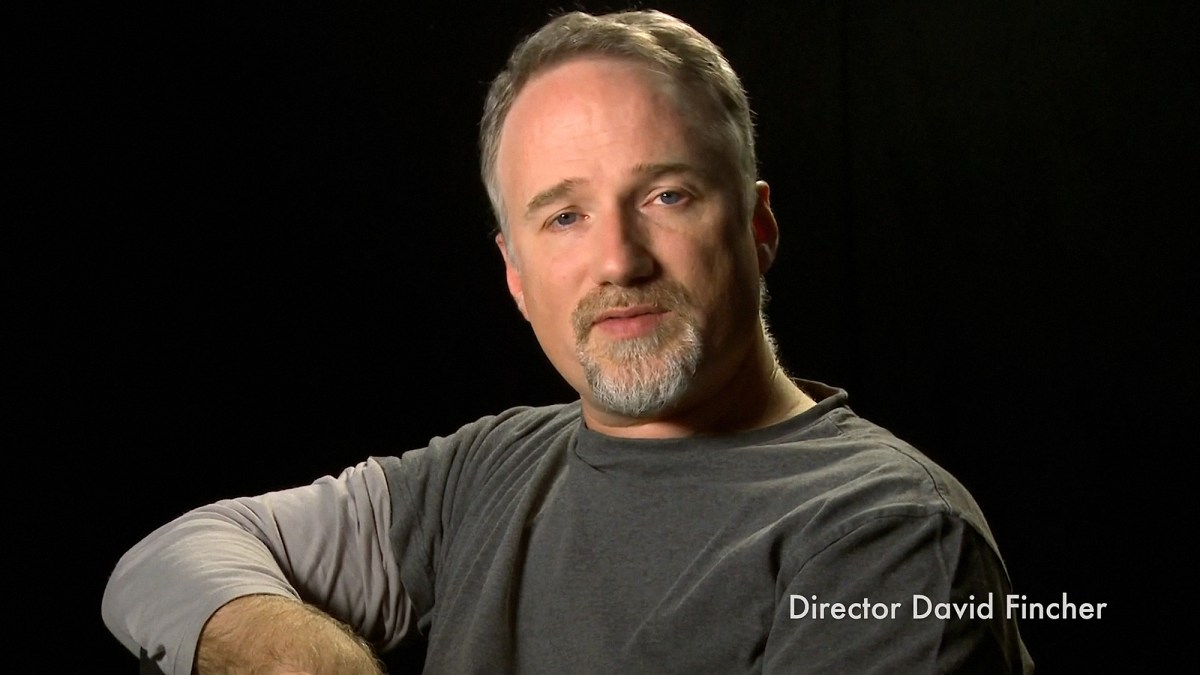
PIX founder and CEO Eric Dachs thanked Ren Klyce, Ceán Chaffin and David Fincher (present at the ceremony): “your friendship, patience, and talents have had an enduring and measurable impact on our work, and more importantly, in filmmaking.”
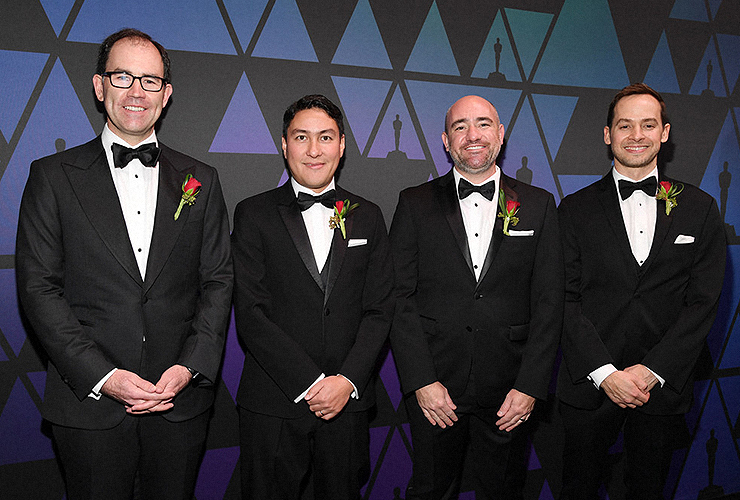
Eric Dachs, Erik Bielefeldt, Craig Wood, and Paul McReynolds (Amy Sussman/Getty Images)
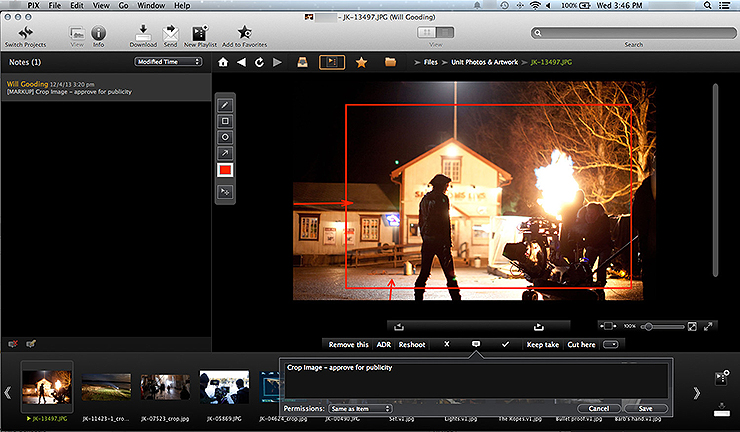
The familiar Pix app is one of the early tools with security features developed to improved communication and collaboration during production, which was initially conceived as filmmaking became more distributed geographically. After being used on more than 5,000 film and TV projects including Black Panther, Bohemian Rhapsody and Mindhunter, its developers will be among those honored Saturday at the Academy of Motion Picture Arts and Sciences’ annual Scientific and Technical Awards.
Pix founder/CEO Eric Dachs — who with director of R&D Erik Bielefeldt, technical director Craig Wood and Paul McReynolds will receive Technical Achievement Awards — started his career in sound and it was while working as an assistant to seven-time Oscar nominated sound designer Ren Klyce on David Fincher’s 2002 film Panic Room that the idea for Pix was born. “I got a look at how digital technology was changing motion picture postproduction, but I also saw the inefficiency from faxing notes when the work was distributed geographically,” Dachs tells The Hollywood Reporter. “I started writing a really simple prototype application for capturing David’s spotting notes and getting them distributed to the crew via a simple web application. So that [composer Howard Shore] could get the music notes in real time, and the different departments within sound were no longer having to wait for faxes.”
One afternoon during the final mix, Klyce showed Fincher the app and the technically-savvy director was impressed. In fact, he continues to use it today.
The Academy of Motion Picture Arts and Sciences (AMPAS) honored Eric Dachs ’98, the founder and CEO of PIX System, with a Technical Achievement Award at its Oscars 2019 Scientific and Technical Awards Presentation on Feb. 9, 2019.
Since its creation in 2003, PIX System has become the entertainment industry gold standard in providing secure communication and content management capabilities. Dachs, a theater major while at Wesleyan, designed and coded the initial software early in his career when he was an assistant to sound designer Ren Klyce for Panic Room. It was then that he saw the need for an easy, safe digital platform to share revisions and collaborate across locations.
A craftsman with a camera and an artist with a vision. Frank W Ockenfels 3 takes us through his detailed story of his close relationship with the late David Bowie. A master of light and one of the industry’s most prolific photographers, this is ‘Magic Hour.’
Click for a full screen view:
The Curious Case of Benjamin Button (Design by P+A / Mojo, Photography by Frank Ockenfels 3)
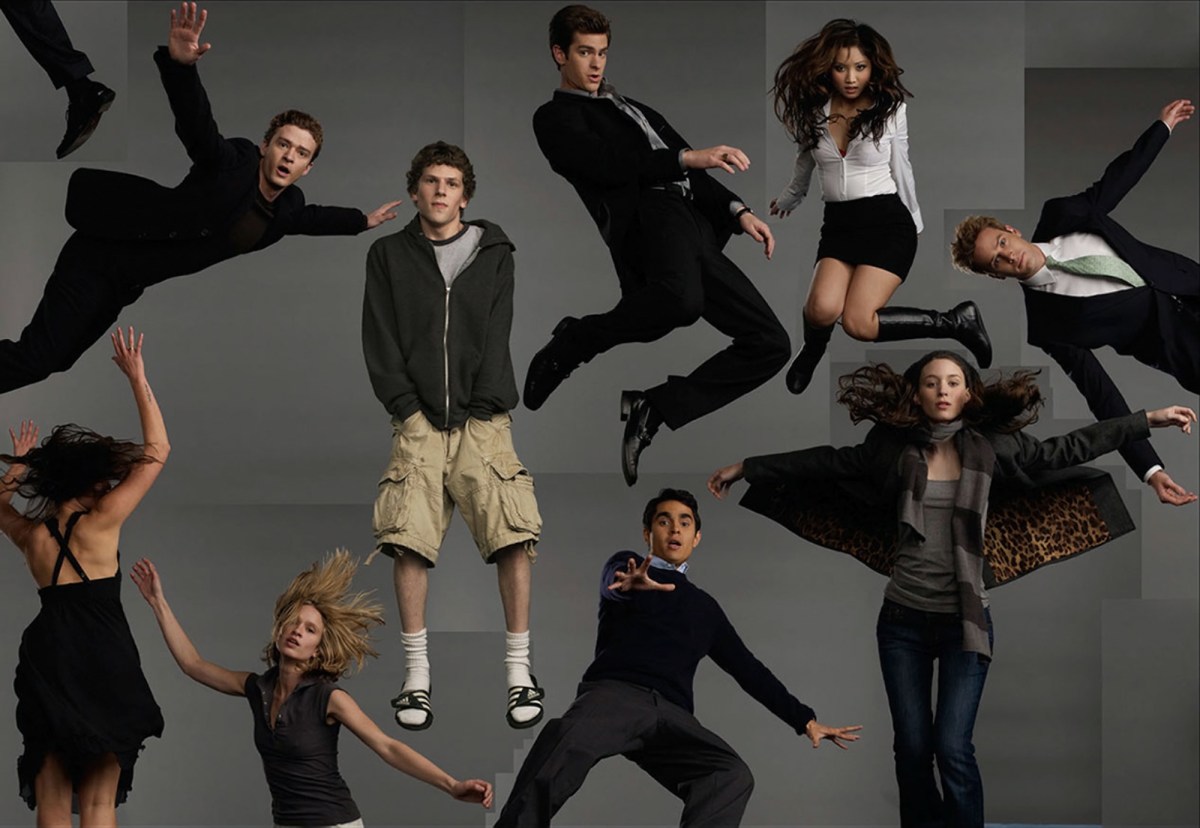
The Social Network (Design by Neil Kellerhouse, Photography by Frank Ockenfels 3)
The Social Network (Frank Ockenfels 3)
The Social Network (Design by Neil Kellerhouse, Photography by Frank Ockenfels 3)
The Social Network (Frank Ockenfels 3)
2011-02-09. The Hollywood Reporter (Photography by Frank Ockenfels 3)
2011-02-09. The Hollywood Reporter (Photography by Frank Ockenfels 3)
2011-02-09. The Hollywood Reporter (Photography by Frank Ockenfels 3)
2011-02-09. The Hollywood Reporter (Photography by Frank Ockenfels 3)
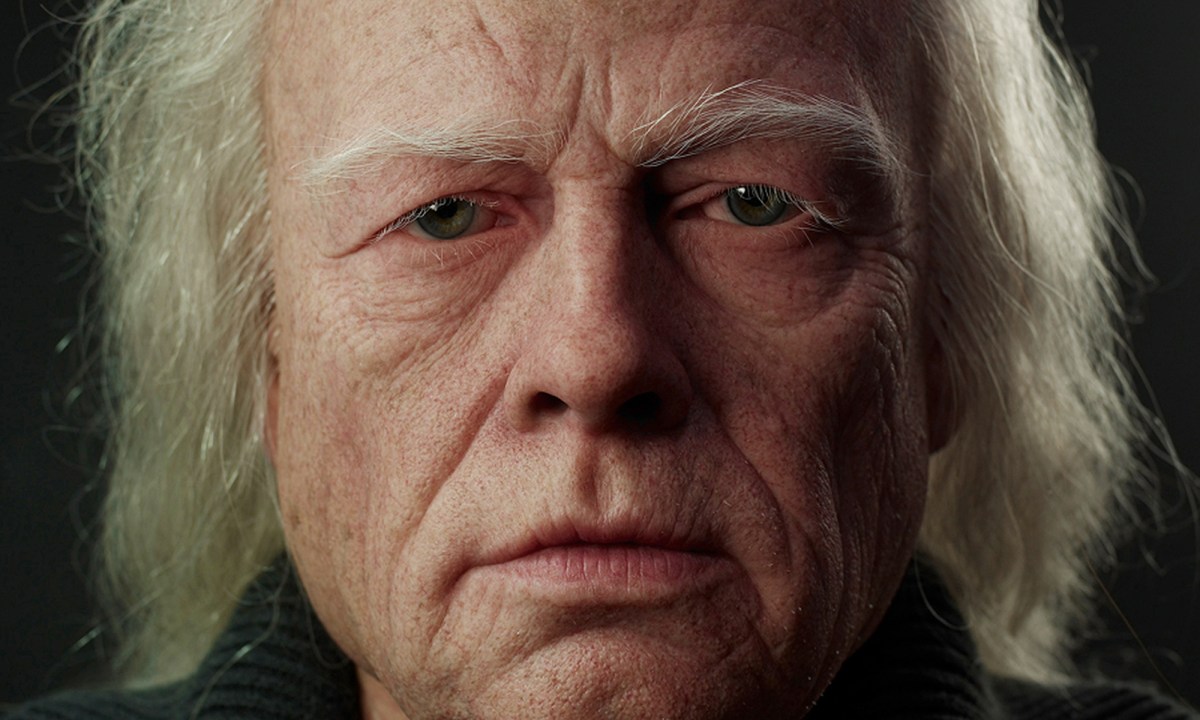
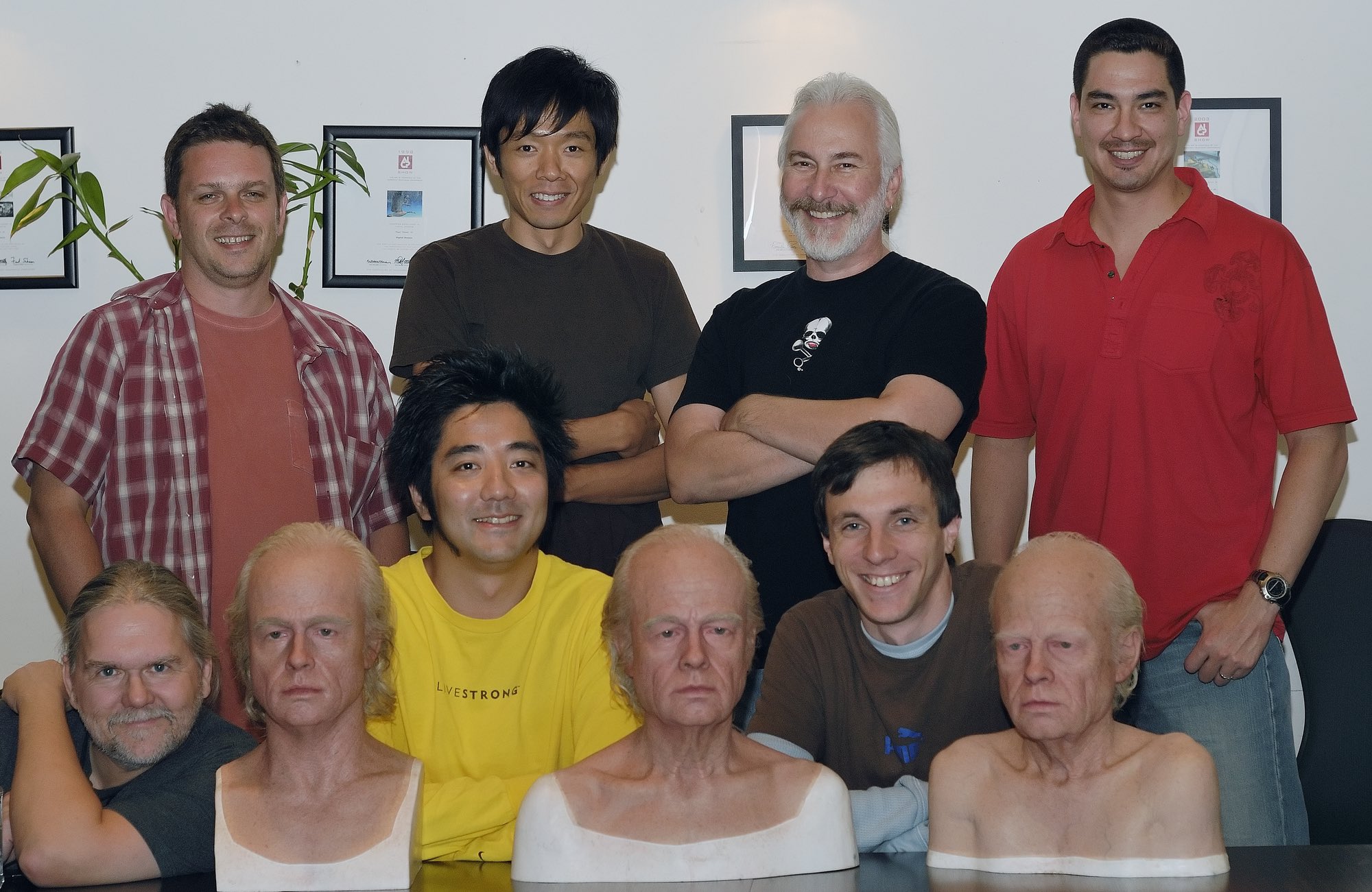
Rick Baker’s Cinovation Studios deliver the aged Brad Pitt silicone heads by Kazu Hiro to Digital Domain to be digitally scanned. Top center: Kazu Hiro and Rick Baker. Top right: Eric Barba, Visual Effects Supervisor for Digital Domain (Kazu Hiro, 2006)
Sculptor and Special Make-Up Effects Artist Kazu Hiro (Make-Up Artist Magazine, 2018)
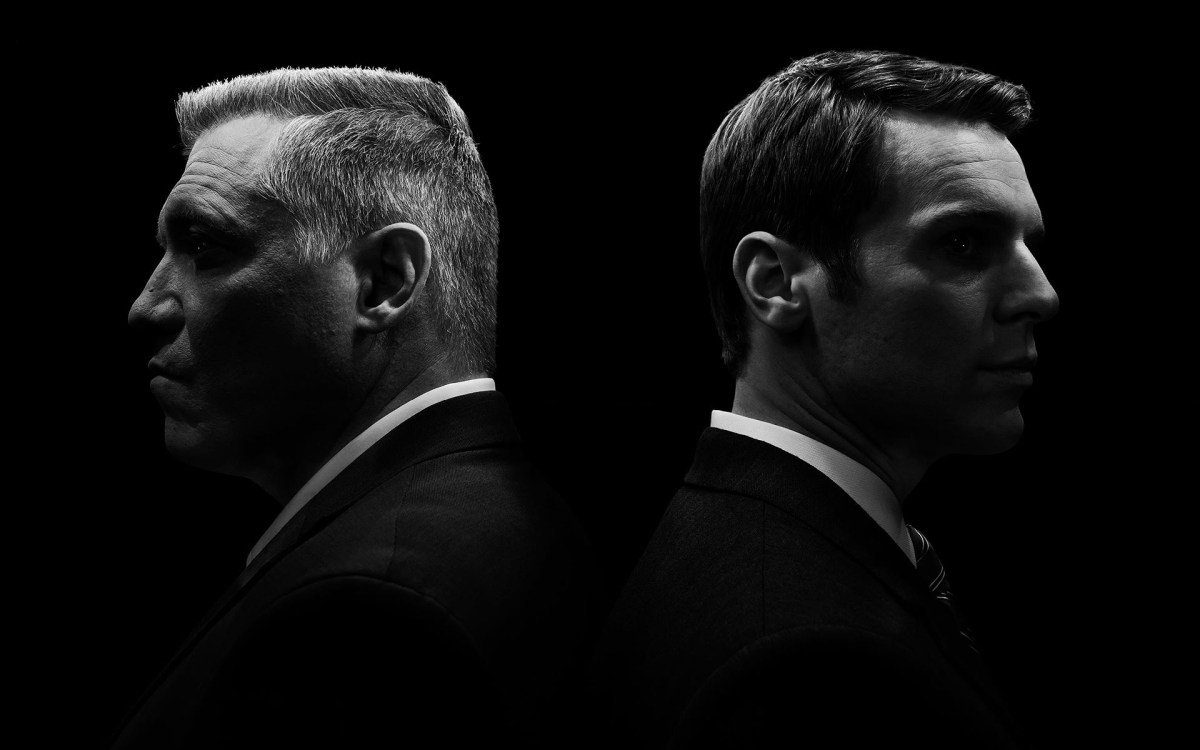
The Netflix original series Mindhunter is, by far, one of the best new shows currently running. The true story-based, 1977-set drama chronicles the early days of criminal psychology and criminal profiling primarily through the eyes of three people at the FBI’s Behavioral Science Unit: eager newcomer Holden Ford (Jonathan Groff), somewhat jaded veteran Bill Tench (Holt McCallany), and brilliant psychology professor Wendy Carr (Anna Torv). That this show is immaculately crafted from top to bottom will come as no surprise to those aware that it’s the brainchild of David Fincher, who serves as executive producer and directed nearly half of the series’ first season.
This is without doubt one of the best looking pieces of entertainment released in 2017, regardless of medium, with classical framing, motivated camera movement, and a tremendous palette that gives a mere peek into the darkness inside the minds of the criminals and serial killers who are the subject of the Behavioral Science Unit’s interviews.
So when I got the chance to speak with cinematographer Erik Messerschmidt about his work on the series, I was thrilled. Messerschmidt shot eight of the first season’s 10 episodes, including the Fincher-directed closing installments, and as he revealed during our interview, this was essentially his first major gig as a cinematographer. Messerschmidt had worked previously as a gaffer on shows like Mad Men and Bones, and then later the feature film Gone Girl where he first came into contact with Fincher. Based on their work together on that film, Fincher called Messerschmidt up when they were looking for a new DP for Mindhunter after the show’s original cinematographer exited over creative differences.
This promotion from gaffer to DP is a familiar refrain with Fincher’s cinematographers, as he did the same with his The Game and Fight Club gaffer Claudio Miranda, who was brought on as DP for The Curious Case of Benjamin Button and went on to win the Oscar for Best Cinematography for his work on Life of Pi.
Messerschmidt’s rise to the primary cinematographer of Fincher’s brand new TV show elicits similarly spectacular results, as the DP’s work on Mindhunter is elegantly classical and incredibly motivated by character and theme. During the course of our conversation, Messerschmidt talked about the road that led to him becoming the cinematographer on Mindhunter, the specifics of his working relationship with Fincher, what it’s like to serve as a DP in the world of episodic television, how the work of production designers and costumes designers goes under-appreciated, and trying to maintain a consistent aesthetic with multiple directors. He also teased a bit about Mindhunter Season 2, including revealing their extensive shooting schedule.
The first rule of Fight Club is: You do not talk about Fight Club. The second rule of Fight Club is: YOU DO NOT TALK ABOUT FIGHT CLUB! – Tyler Durden
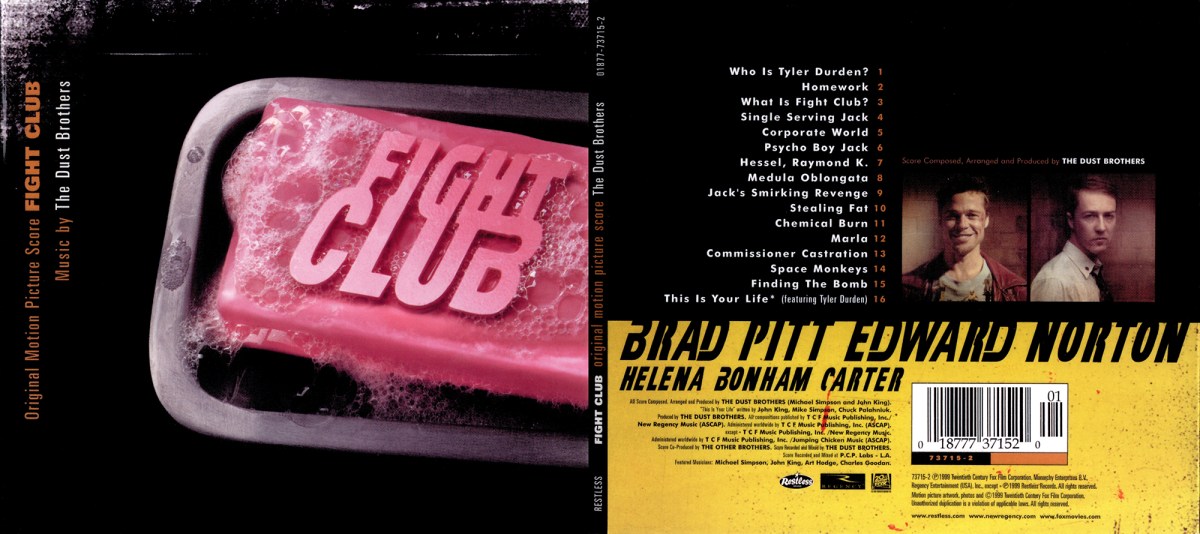
We are going to talk about Fight Club _ the score, that is. Since the film was first released in theaters almost 20 years ago, it has managed to stay afloat in the pop culture atmosphere thanks to a strong cult following. The subject matter and performances were and still are a big part of the movie’s appeal, but the film’s standout score, created by legendary writer-producer duo The Dust Brothers, has a lot to do with it, too. This Saturday night, for the first time ever, both Brothers (who aren’t actually related) will present the score live at the Wiltern.
La-La Land Records, Twentieth Century Fox, Fox Music and Universal Music Special Markets present the expanded and remastered re-issue of the original motion picture score to the 1992 feature film ALIEN 3, starring Sigourney Weaver, Charles S. Dutton, and Charles Dance, and directed by David Fincher.
Renowned composer Elliot Goldenthal (Batman Forever, Pet Semetary, Heat) composes an astounding musical tapestry of suspenseful atmospherics and pulse-pounding action – featuring some of the most effective cues ever composed for the legendary ALIEN franchise. Goldenthal’s artistic triumphs here would propel him into a series of acclaimed scores to important genre films that continues today.
Expanded by more than 40 minutes beyond the original 1992 album assembly (which appears here remastered on Disc 2), the presentation showcases the film score in all its glory, along with bonus alternates. Produced by Nick Redman and Michael Matessino, associate produced by Neil S. Bulk, and remastered and mixed by Matessino from original digital masters, this special 2-CD set is limited to 3500 units and features exclusive in-depth liner notes by writer Jeff Bond and sharp art direction by Mark Banning. Starts Shipping May 3.
Goldenthal himself once called the score to be his “Symphony No. 1”. Whilst creating the score in Los Angeles, the Los Angeles riots of 1992 were going on and he has noted that the wild and tempestuous atmosphere in the city was an influence on the music’s dark and visceral sound.
20th Century Fox Fanfare, Alien3 “Soured” version
Written by Alfred Newman; arr. by Elliot Goldenthal.
Art of the Title: “I was curious about the Fox fanfare which ends on the minor note before it goes into the film. It also goes from mono to stereo (or surround), which is interesting. Was that you or the sound designer?”
David Fincher: “That was me. Well, it was me and Elliot Goldenthal. ‘Can you take the Fox fanfare and just sour it?’… Because we’re about to do that with the film.”
Fincher will direct the two-hour long season premiere and finale:
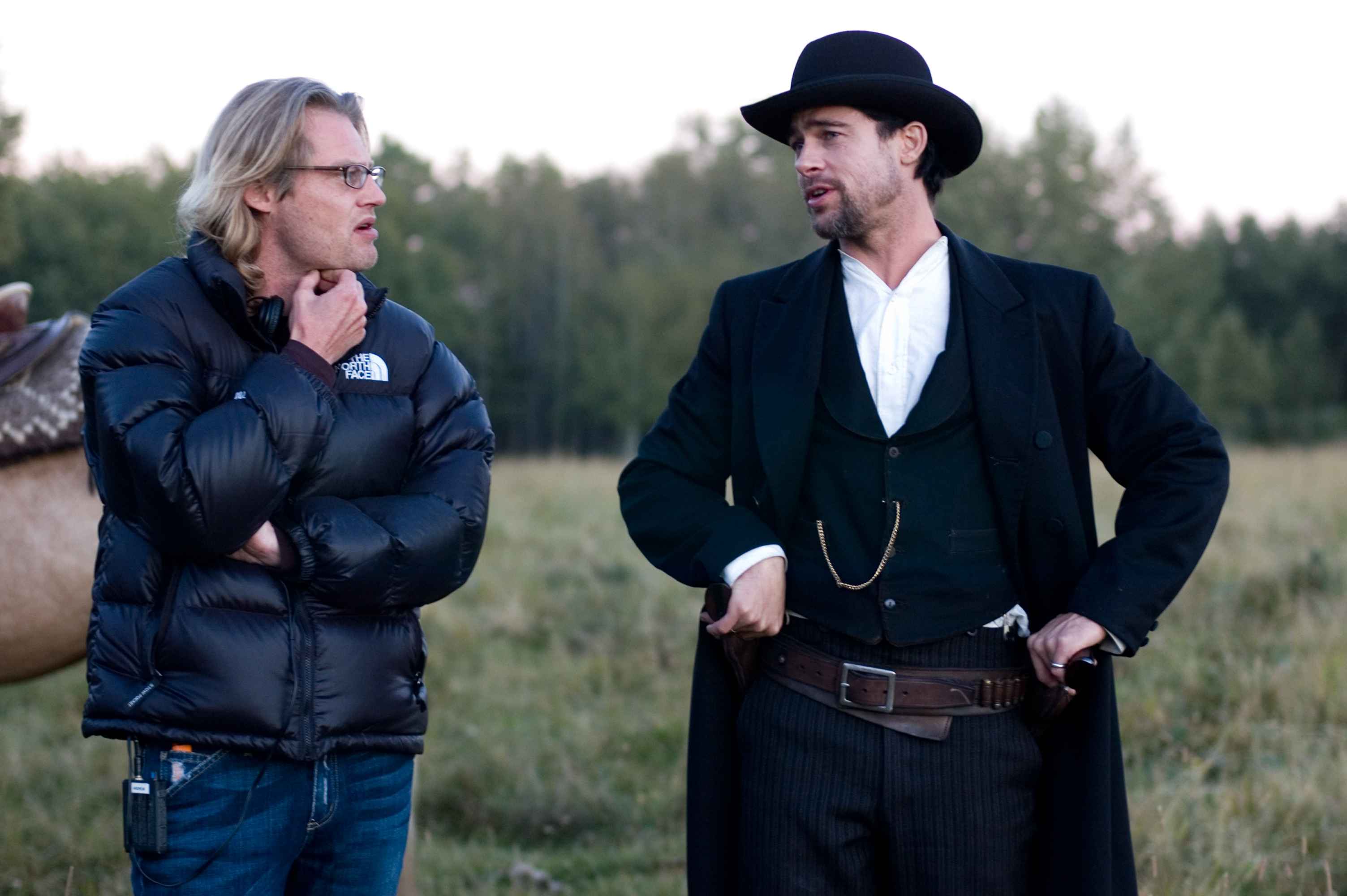
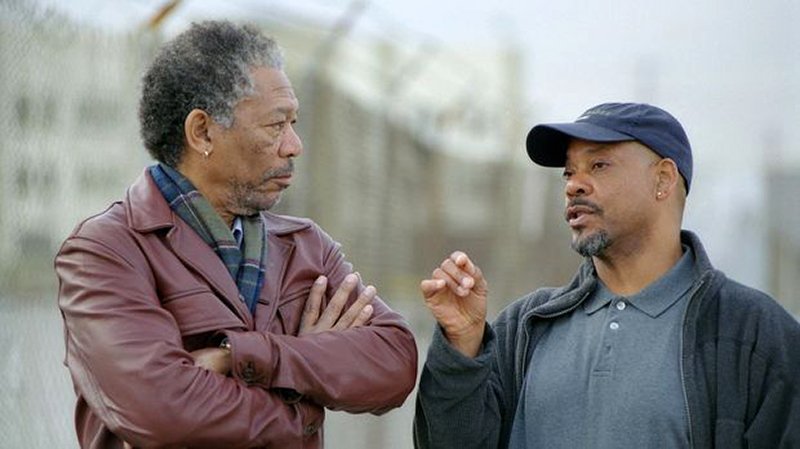
Andrew Dominik (“The Assassination of Jesse James,” “Killing Me Softly”) will helm another two, and filmmaker Carl Franklin (“Devil In A Blue Dress,” “One False Move”), who’s become something of a journeyman director on TV in recent years (“House Of Cards,” “The Leftovers,” “13 Reasons Why,” “Vinyl” and more), will direct the rest and bulk of the show.
Fincher is currently in Pittsburgh doing prep on season two which starts at the end of the month. It should keep him busy for most of the year and regardless, I’m told Netflix intends to hold it for an early 2019 release. The “Mindhunter” filmmaker directed all the reshoots for every episode of season one and he’ll be doing the same for season two; they’ll be baking in time for that as well.
Dominik was apparently a big fan of Fincher, and their connection is through Brad Pitt who starred in the aforementioned ‘Jesse James’ and has obviously led many a Fincher movie including “Seven,” and “Fight Club,” “The Curious Case of Benjamin Button,” and possibly the “World War Z” sequel if they can ever figure out the script.
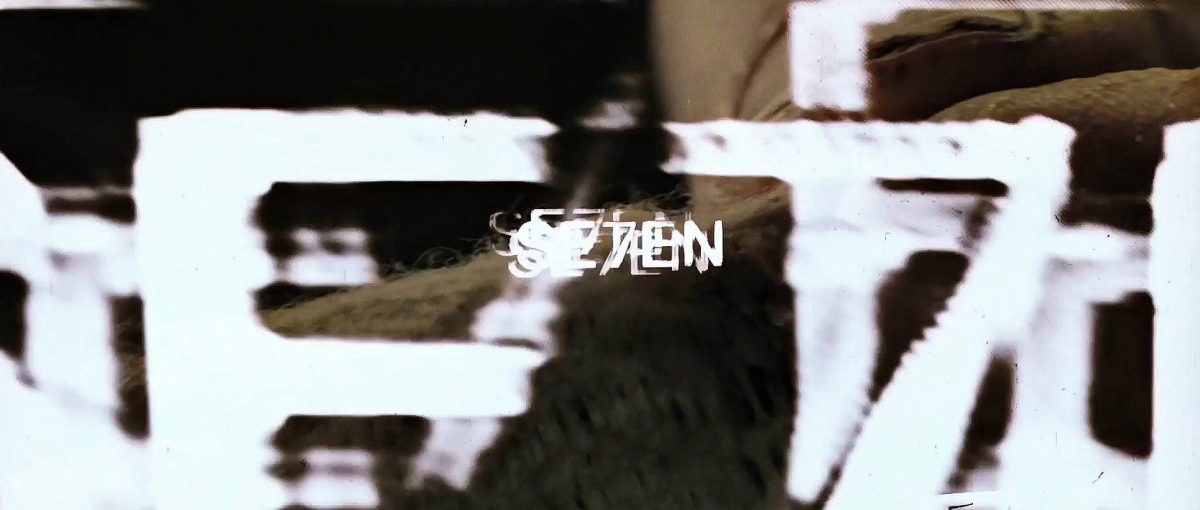
The serial killer film is nothing if not prolific: Robert Cettl discusses over six hundred examples in his annotated filmography, Richard Dyer argues that there are over two thousand serial killer films, and the IMDB lists more than 3500 film and television titles. [1] As with any genre, the serial killer film is marked by its typicality. Indeed, Philip Simpson criticises the serial killer film as a subgenre that is “endlessly derivative of its predecessors”. [2] The tropes of the clever, fiendish killer, his grotesque, ritualistic ‘signature’ and the gifted but damaged investigator are certainly familiar, but how does the serial killer film replicate itself on a textural level? This article will analyse the influence of Kyle Cooper’s much admired opening title sequence in Se7en (David Fincher, 1995). [3] However, rather than exploring the general influence of the sequence, I will focus on its stylistic similarities to the credit sequences of other serial killer texts such as The Bone Collector (Phillip Noyce, 1999), Red Dragon (Brett Rattner, 2002), Sanctimony (Uwe Boll, 2001), Taking Lives (D.J. Caruso, 2004) and the first season of Whitechapel (Ben Court and Caroline Ip, 2009). I will argue that their imitative or plagiaristic qualities can be interpreted in terms of Mark Seltzer’s work on the repetitive and circular discourse of serial killing.
Se7en
The title sequence of Se7en appears a few minutes into the film, occurring after a brusque initial encounter between Detectives William Somerset (Morgan Freeman) and David Mills (Brad Pitt) at the scene of the first murder. The sequence runs for just over two minutes and contains over a hundred shots, many in close up. It shows a person (whom we retroactively infer is the killer John Doe [Kevin Spacey]) shaving off the skin on his fingertips, and then working on a group of notebooks while wearing bandages. We see Doe writing in longhand, and highlighting and erasing portions of other texts. He also develops photographs and uses scissors to trim Polaroids and pieces of film. Doe incorporates some of these images and texts into the notebooks and then uses needle and thread to stitch the pages of his journal into a book, one of many.
The title sequence provides vital story material for the viewer about Doe’s activities. He removes his fingertips to ensure that he does not leave fingerprints behind, either in his apartment or at crime scenes. This also enables him to toy with the investigators by leaving a message composed of fingerprints on a wall at the second murder scene. Instead of this resulting in Doe’s apprehension, it points the police to his third victim, whose amputated arm was used to ‘write’ the words “help me”. After Doe surrenders, the police discover that he does not have a Social Security number, nor any banking or other official records. He is also, as Somerset states, “John Doe by choice”. His anonymity focuses police attention on to his mission or “work”. Indeed, during the final confrontation, Doe insists that he is not personally important, but that his crimes will be remembered and studied because of their shocking nature and diabolical logic (and Se7en is more memorable than many other serial killer films for precisely this reason).
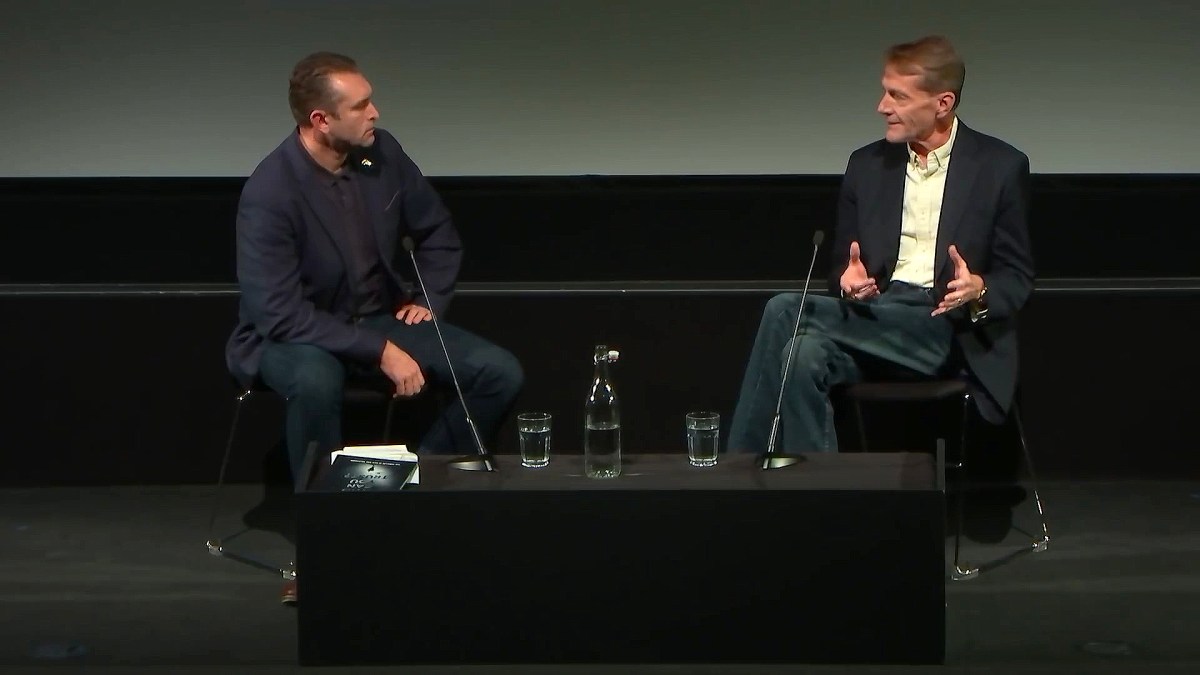
A video of Lee Child’s intro to last year’s BFI screening of “SE7EN“. I was there that night for the specially imported, ‘privately owned’ (QT?), original CCE 35mm print. I would have preferred a 4K DCP…
Thriller author Lee Child talks to the BFI‘s Stuart Brown about David Fincher’s dark crime thriller, which follows a detective duo who find themselves pursuing a serial killer who uses the seven deadly sins to theme his murders. With a great ensemble cast and Darius Khondji’s camerawork helping to bring out the bleak, urban landscape, Se7en was a worldwide success.