Part talk show part variety show A/T/P is a daily talk show featuring local artists, performers, service industry folks and more. Let’s keep the community of Pittsburgh hanging out. Virtually.
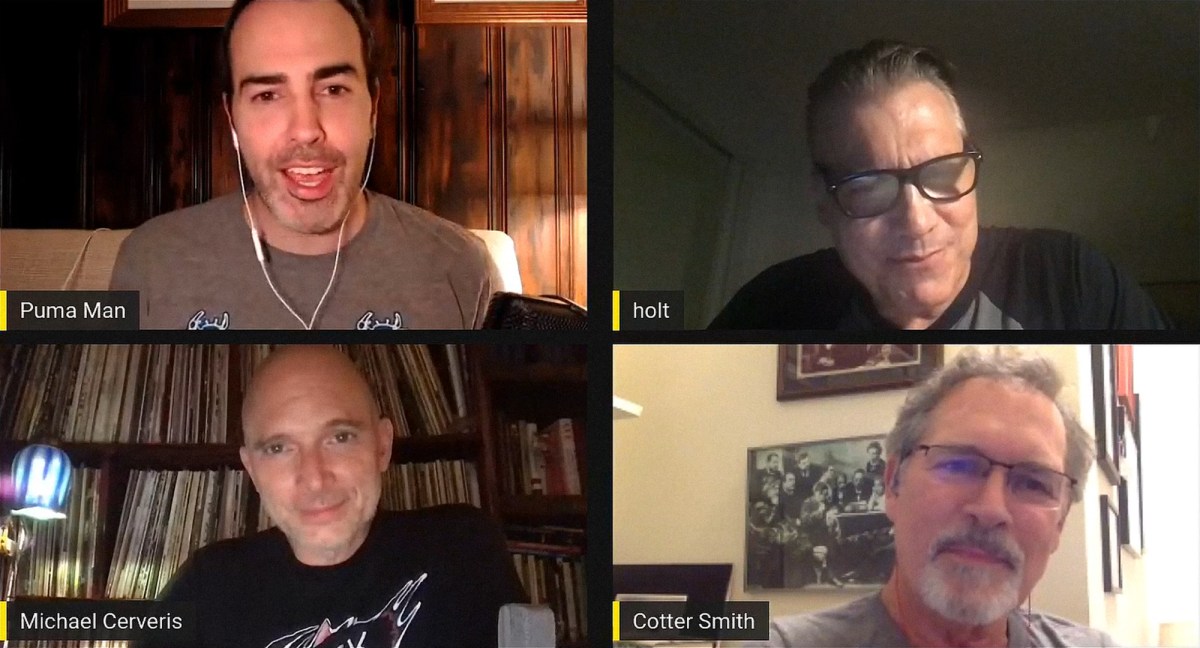
Week 25 Episode 82: Holt McCallany of Mindhunter spends his Birthday in quarantine with Patrick Jordan, Cotter Smith, Michael Cerveris, and Bill Doyle (Co-producer). And find out WHT K8 8 with Chef Kate Romane and the Jag/Off Bracket Poll with FORT DUQUESNE BRIDGE VS PIEROGI RACE.
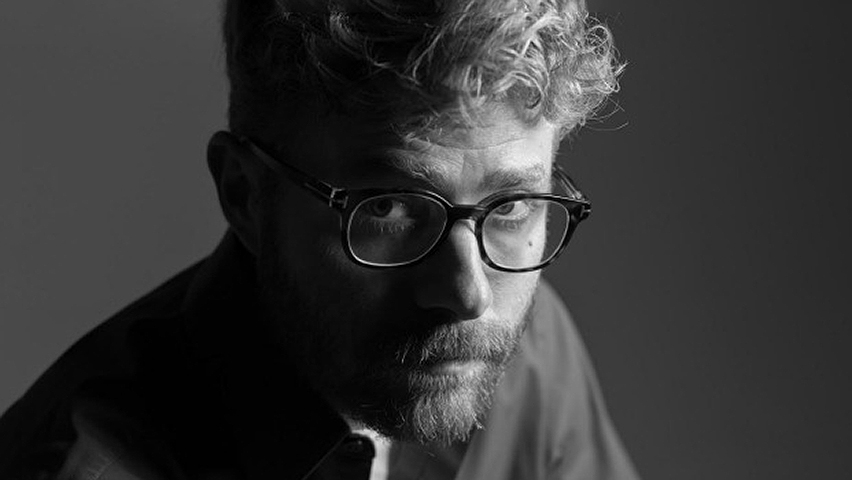
Erik Messerschmidt earned his first Emmy nomination this summer: Best Cinematography for a Single-Camera Series (One Hour) for his work on the true-crime drama “Mindhunter.” It’s bittersweet, though, since Netflix put the show on indefinite hold after its second season, which aired last summer. “I loved working on the show,” he remembers. “It’s a unicorn in a way. It was a unique situation where everybody was working towards the same goal and everyone was very in sync in terms of what we were trying to accomplish.” Watch our exclusive video interview with the director of photography above.
He is nominated specifically for his work in episode six, during which FBI agents Ford and Tench (Jonathan Groff and Holt McCallany) search for missing children in Atlanta while Dr. Carr and Agent Smith (Anna Torv and Joe Tuttle) interview convicted killer Paul Bateson. “I just felt like we had a lot of variety in the episode,” says Messerschmidt. “You have all of the classic ‘Mindhunter’ stuff with the Paul Bateson interview, but you also have the characters out in the field. So we’re expanding the scope a little bit, and we had some new set pieces which the audience hadn’t seen before.”
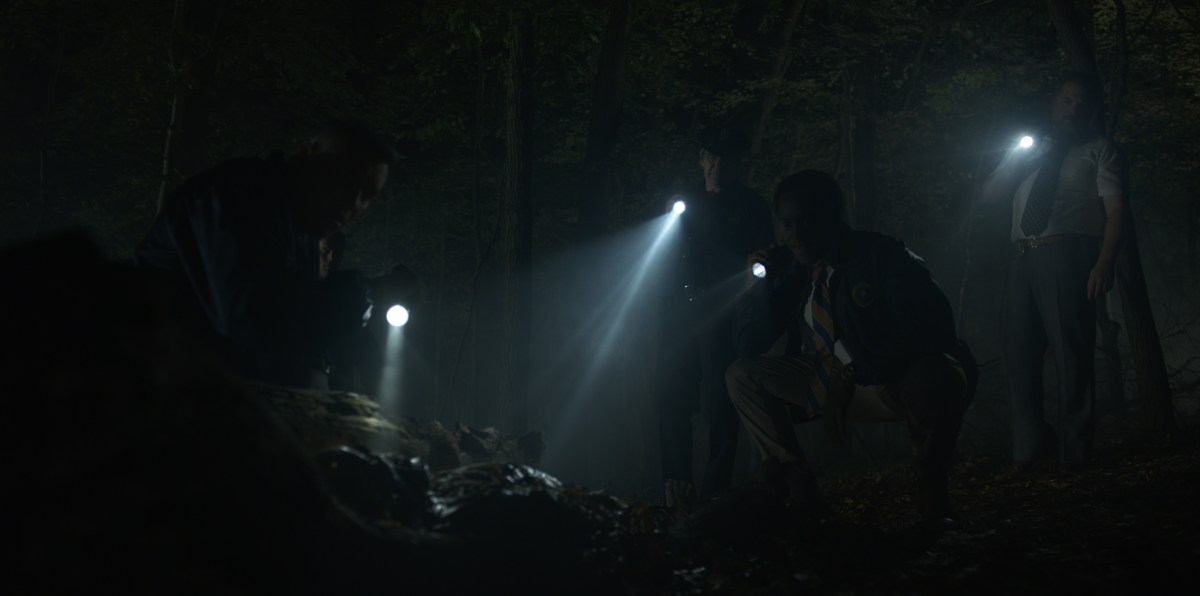
For instance, there is a memorable scene in which law enforcement teams search for murder victims in the eerie pre-dawn light, and another where a grisly discovery in the dead of night is lit primarily with flashlights. “It was a good opportunity to show a little bit of the depth of the show. And it was an episode we were generally pretty proud of.” The season’s focus on the Atlanta child murders influenced the show’s aesthetic in general. Messerschmidt wanted to convey the “hot, humid environment … so we warmed the camera up quite a bit. We made use of atmosphere in some of the interiors. I tried to light it with as much hot, searing sunlight coming through the doors as possible.”
“I would love to go back and do more ‘Mindhunter,’ but who knows? Time will tell, I guess,” he says. In the meantime his creative partnership with “Mindhunter” director/producer David Fincher continues. Messerschmidt is the cinematographer for the filmmaker’s upcoming movie “Mank,” which takes them from murder in the 1970s and 1980s to show business in the 1940s. “That’s what’s great about our job is we get to sort of pick a story apart and figure out what we’re going to do and how we’re going to tell the story.”
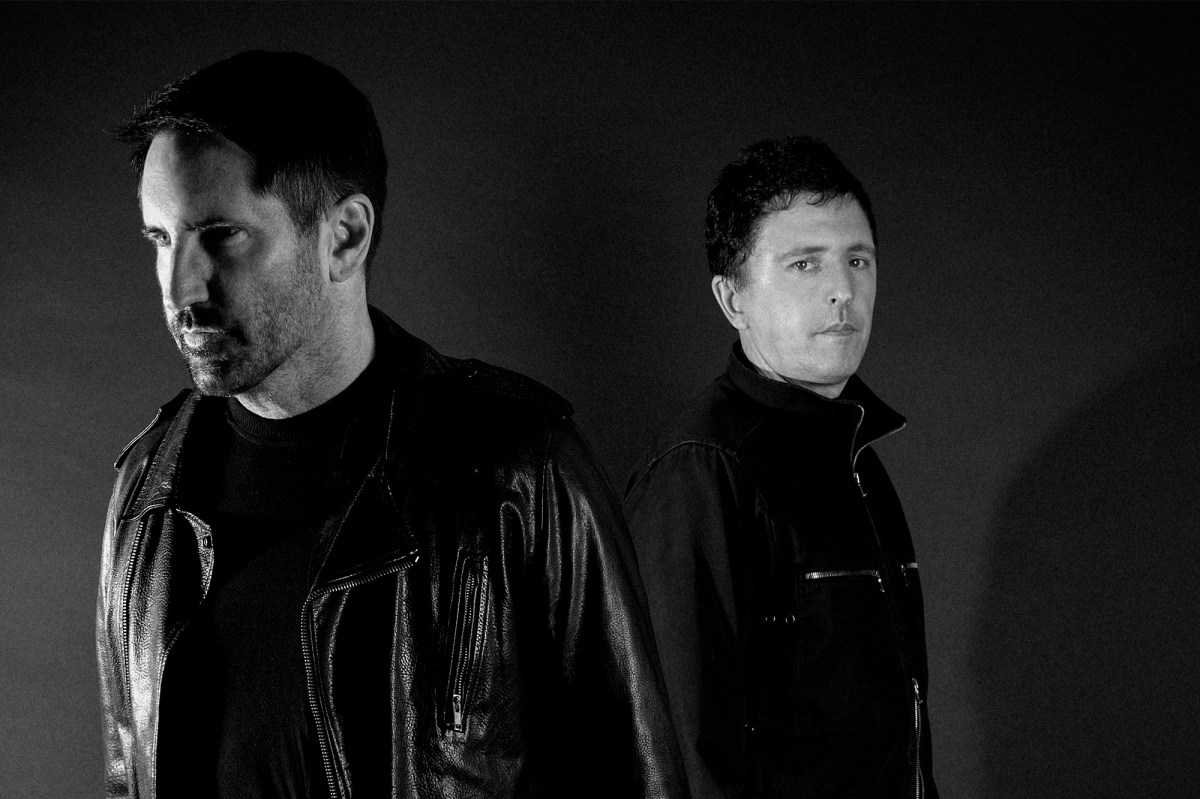
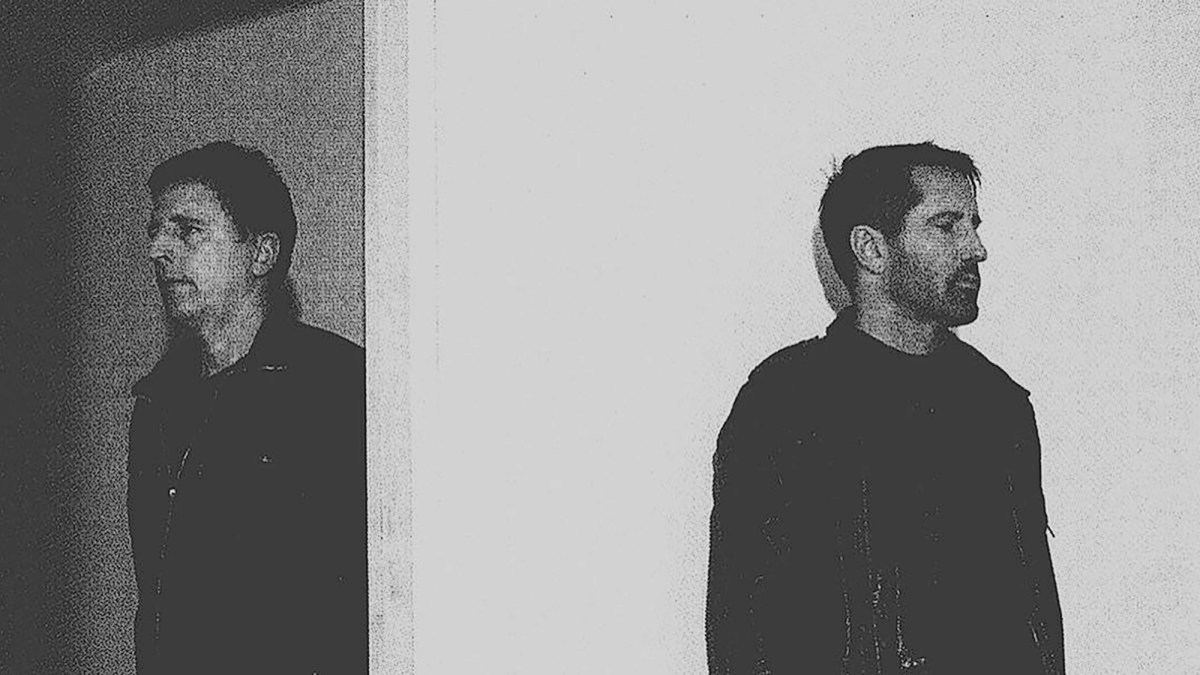
They both took different roads to film scoring, which they have mostly (and most famously) done together. From 9 Inch Nails to Fincher to Watchmen, they have a unique one-off approach to every project. They took some time to chat with David Poland to chat about their work on The Social Network, Watchmen, Mank, and Pixar‘s Soul.
The Netflix original drama series Mindhunter is one of the best shows on television. It’s compelling and challenging in the best way, as it traces the early days of the FBI’s Behavioral Science Unit through the eyes of a pair of ambitious yet troubled detectives who spend their time interviewing serial killers, looking for insight that could help them catch future killers. It’s also a wildly cinematic show, which should come as no surprise given that it hails from executive producer and director David Fincher.
Season 1 of the series was focused on the origins of the Behavioral Science Unit and found Jonathan Groff’s Holden Ford, Holt McCallany’s Bill Tench, and Anna Torv’s Wendy Carr working mostly out of Quantico and conversing in interrogation rooms. The tremendous second season of the series, however, saw Ford and Tench forced to move into the field as the FBI is called in to consult on the “Atlanta Child Murders” and help track down a serial killer in Georgia.
This posed unique challenges and wonderful opportunities for the Mindhunter production team, as cinematographer Erik Messerschmidt told me in an extended interview I conducted by phone back in April. Messerschmidt worked on Season 1 of the series and returned for Season 2, for which he served as director of photography on all nine episodes—a rarity in the television world. During our interview, Messerschmidt talked about why they decided he should be the cinematographer on every episode and offered tremendous insight into how this impeccably crafted show is made. He discussed the intense planning that he and Fincher went through to map out the visual language of Season 2, specifically speaking to how they crafted that incredible interrogation scene set entirely in a car. He also talked about the challenge of shooting a show like Mindhunter on location as the show expanded into the outside world of Atlanta, and what his role as the “visual constant” was like when working with directors Andrew Dominik and Carl Franklin on the season’s later episodes.
With reports having surfaced that a potential Mindhunter Season 3 is “on hold” for the moment while Fincher focuses on making a film, I also asked Messerschmidt about the likelihood of a third season happening. And since Messerschmidt served as Fincher’s cinematographer on his upcoming Netflix film Mank—which is presented in black-and-white and chronicles the making of Citizen Kane—I asked about his experience working on that highly anticipated feature film.
If you’re at all interested in how the Mindhunter team was able to achieve such a handsome, controlled aesthetic this interview offers invaluable insight into that process, and what a collaboration between Fincher and his DP looks like on a longform series. With any luck this excellent show will be rightly recognized by the Emmys folks come voting time…
Erik Messerschmidt (Mindhunter) is an American cinematographer. Erik chats with Portbox about his transition into cinematography with Netflix Original Series: Mindhunter. Madhav inquires about how Erik studies human behavior, both professionally and personally. Erik highlights how working with great cinematographers and highly disciplined directors has informed his workflow and why director-cinematographer relationships work across different films. He also breaks down one of Madhav’s favorite scene from the second season of Mindhunter, while giving us details on his next project with David Fincher, Mank.
For many, the idea of recording 8K video understandably conjures up images of unmanageable files sizes, long transfer times, huge piles of hard drives, and slow proxy workflows… not to mention a black hole in the budget.
Leaving aside for one moment the fact that HDR and HFR are far more valuable than resolution to the consumer’s eye, there are benefits to an 8K production which an increasing number of projects are taking advantage of.
Mank, directed by David Fincher and lensed by Erik Messerschmidt, ASC, was acquired 8K using the RED Monstro in monochrome (above); and Money Heist, the Netflix drama which in season 4 is shot at 7K to accommodate HDR in a 4K deliverable, are just two of the most recent.
You can’t sell productions made in less than 4K to Netflix and other streaming services now. One day soon, some will mandate 8K to begin with and Netflix will have its fair share in the bank.
Even if the final output is only going to be 4K/UHD, shooting in 8K gives you many options in post that you do not have when starting in 4K. These include downscaling, cut/crop (pan/scan) or headroom for VFX.
“Before making the decision to capture a project in 8K, producers and cinematographers need to consider the project’s long-term goals,” says Bryce Button, director of product marketing, AJA Video Systems. For instance, capturing in 8K makes a lot of sense if there will be future use for the material.
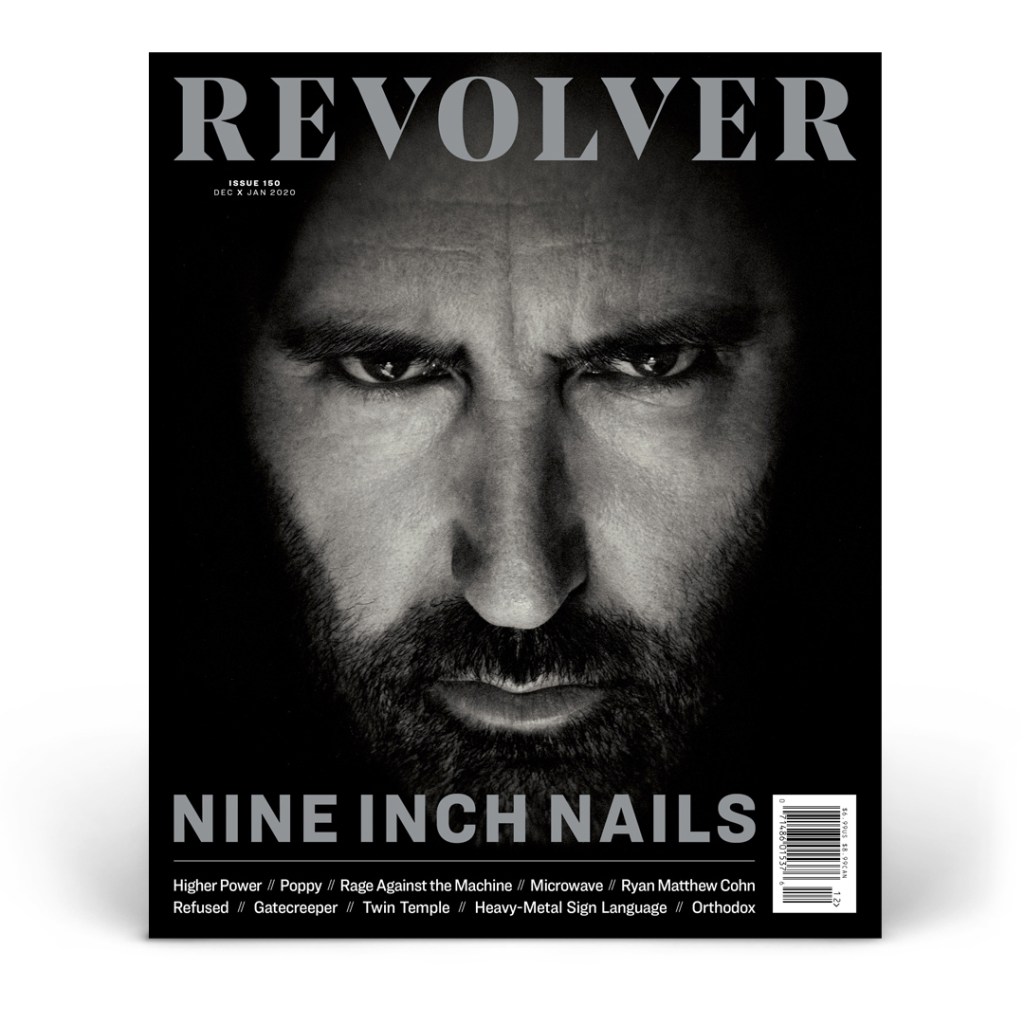
And Trent Reznor explains why David Fincher is great to work with.
Reznor and Ross share some glimpses on their work with Fincher on Mank at the end of their interview about their score for HBO and Damon Lindelof‘s Watchmen.
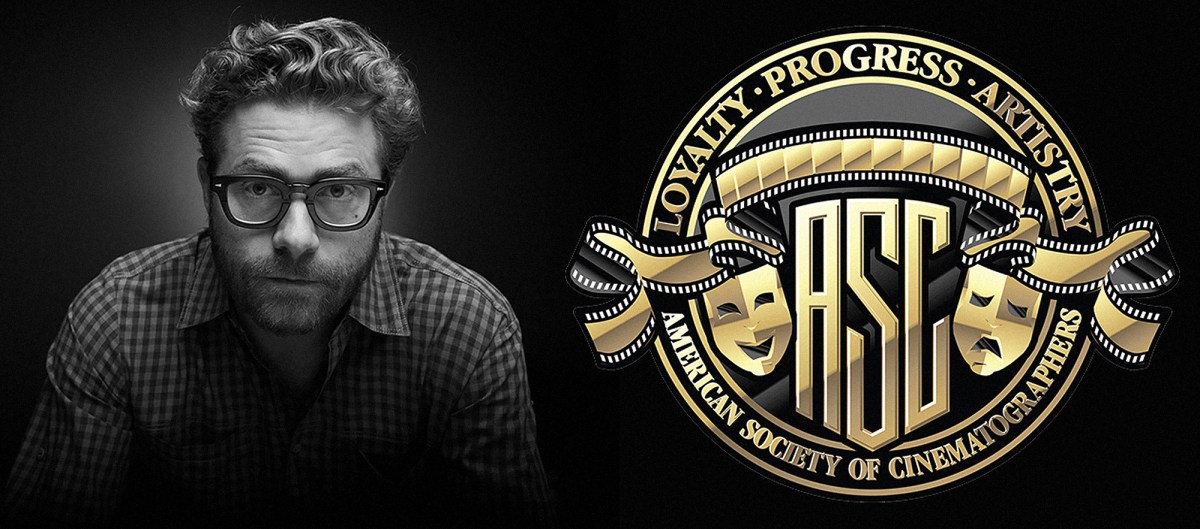
Erik Messerschmidt, ASC had a childhood dream of becoming a cinematographer, which he began pursuing at Emerson College, where he studied film production. While in school, he hit the ground running, working on film sets as an electrician, which then led to work as a gaffer in features, television and commercials. Before he graduated, he was able to join the IATSE Local 481 in Boston. During this time, he also served as a lighting technician and lighting director for many well-known photographers, including Gregory Crewdson, Mike and Doug Starn and Larry Sulton.
Following graduation, Messerschmidt relocated to Los Angeles to further his career in the industry. Shortly thereafter, he met Mark Doering-Powell, ASC and Mark Weingartner, ASC, who served as early mentors. Doering-Powell hired Messerschmidt on several smaller feature projects as a grip and later gaffer, which allowed him to join Local 728 as a gaffer. He developed relationships with numerous ASC members, including Claudio Miranda, Jeff Cronenweth and Tami Reiker, who Messerschmidt calls his “closest mentors.”
Gordon Lonsdale, ASC hired Messerschmidt as his gaffer on the television series Bones, and the two worked together for six seasons. During this time, Messerschmidt also gained experience as a director of photography, shooting several commercials, short films and documentaries.
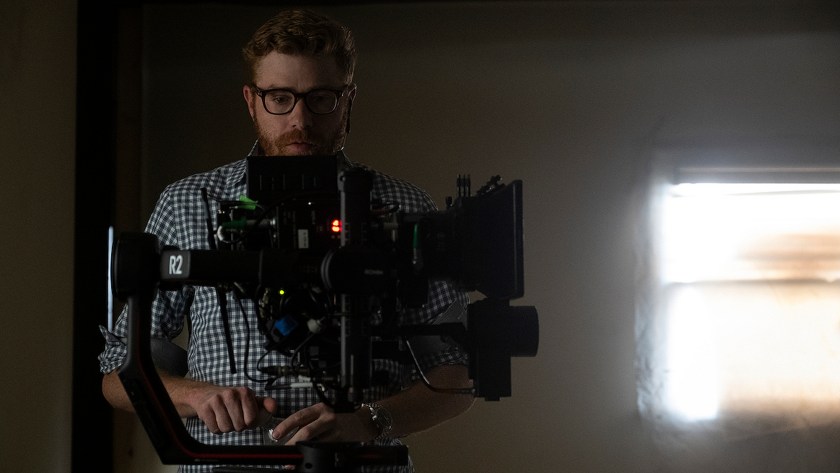
Erik Messerschmidt, ASC on the set of the Netflix series Mindhunter.
Cronenweth hired Messerschmidt as his gaffer on David Fincher’s Gone Girl, and subsequently encouraged the director to hire Messerschmidt to photograph his next project, the Netflix series Mindhunter. Since then, the cinematographer has shot the bulk of episodes on both seasons. (See story here.)
Messerschmidt has also photographed several episodes of the television series Legion as well as second-unit work on the feature Sicario: Day of the Soldado, shot by Dariusz Wolski, ASC. On the recommendation of Wolski, Messerschmidt was hired to photograph the HBO Max series Raised by Wolves.
His upcoming credits include Fincher’s latest feature, Mank, depicting the life of screenwriter Herman J. Mankiewicz and the writing of the script to Citizen Kane.
Actors, producers, models, and other artists share, encourage, and reveal their professional experiences, failures, accomplishments and authentic selves.
‘Mindhunter‘ still & behind-the-scenes photographer, Miles Crist, shares his incredible path from knowing the right person at the right time to winning the 8-month job of photographing BTS of ‘Mindhunter‘ for Netflix, jumping from Columbia to Art Center, the demanding surprises of the profession, his passion for films, learning from David Fincher, and working for him again this winter.
Director David Fincher — who first dragged Reznor and Ross into the film-scoring game by enlisting them for 2010’s The Social Network — is currently shooting the film Mank, a biopic about Herman J. Mankiewicz, the screenwriter of Orson Welles‘ Citizen Kane, played by Gary Oldman. As such, the movie is set in 1940. “We’re not gonna be using the modular synthesizer on that one,” Reznor revealed. “We think we’re gonna be period authentic, so it just creates a new set of challenges.”