Burning Sofa: Step Into the Light. Andrew Baseman (Part 2)

Set Decorator & Production Design Talk. And lots of it.

September 3, 2020
Burning Sofa (Twitter, Facebook)

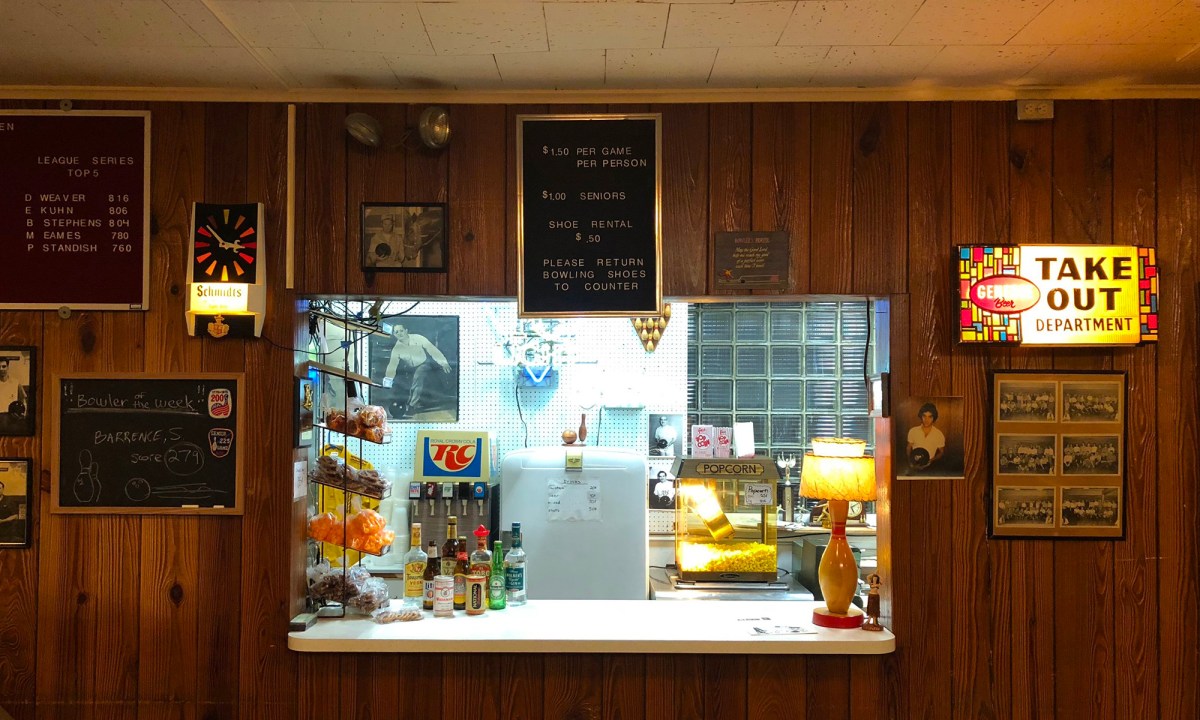
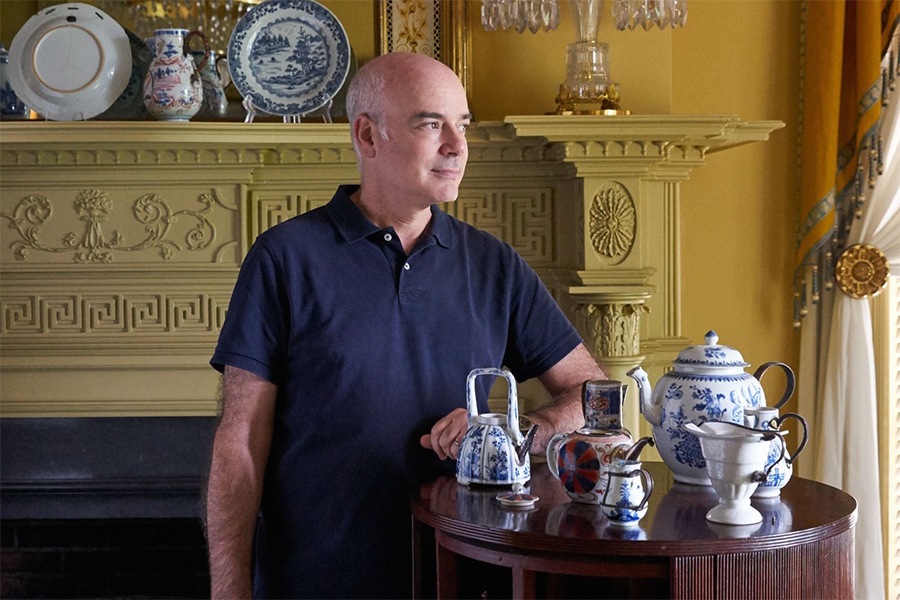
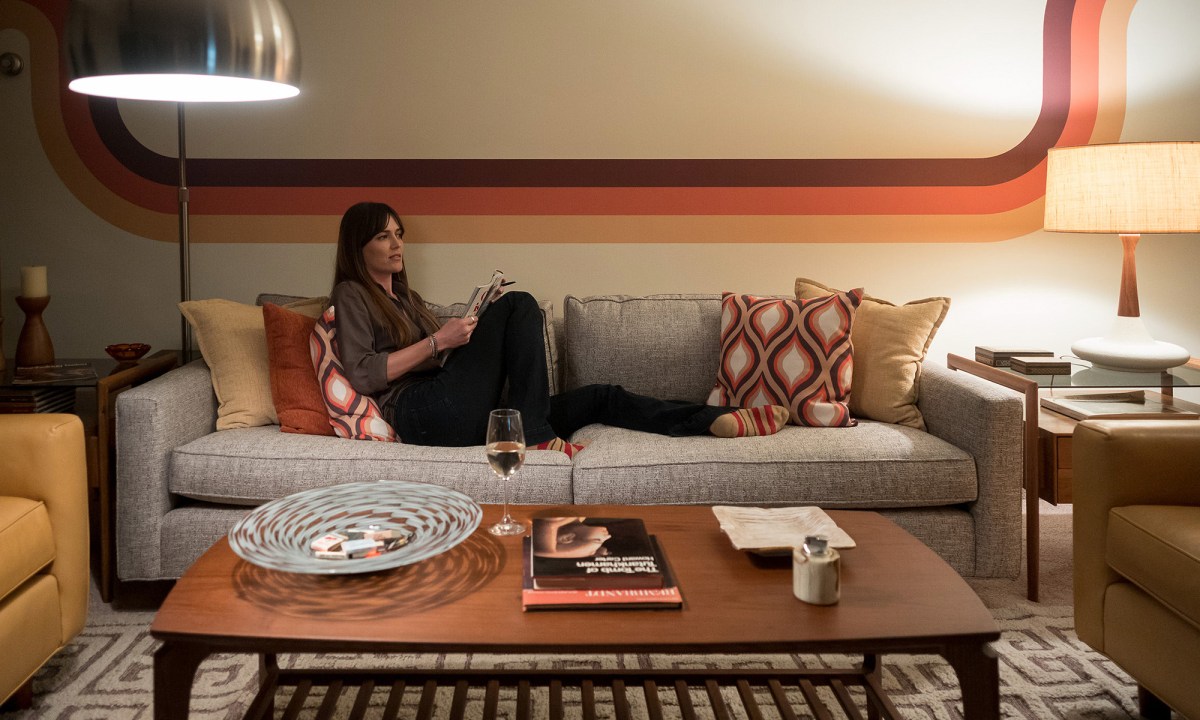
From the inky shadows to red-hot festivals and everywhere in between, Set Decorator Andrew Baseman gives us an up-close-and-personal tour of Mindhunter Season 2 and Gotham, and sneak-peeks into upcoming projects In The Heights and Trial of The Chicago Seven.

Listen to the podcast

Step Into the Light. Andrew Baseman (Part 1)

David Fincher’s Longtime DP Jeff Cronenweth Has Advice, Insight, and Stories

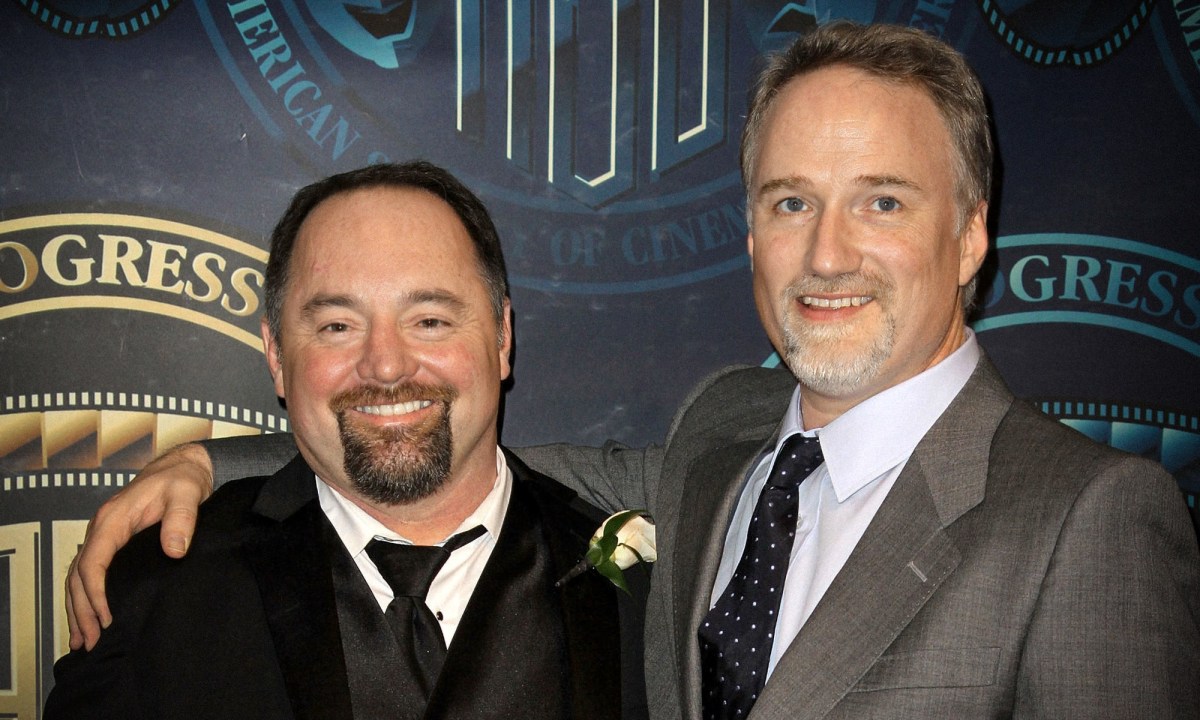
25th Annual American Society Of Cinematographers (ASC) Awards (2011)

A podcast about how to build a career in filmmaking. No Film School shares the latest opportunities and trends for anyone working in film and TV. We break news on cameras, lighting, and apps. We interview leaders in screenwriting, directing, cinematography, editing, and producing. And we answer your questions! We are dedicated to sharing knowledge with filmmakers around the globe, “no film school” required.

Jeffrey Reeser
August 28, 2020
No Film School

Oscar-nominated camera wizard Jeff Cronenweth sat down with us to talk about his origins in the film industry.

As a young man, Cronenweth spent time on the set of Blade Runner as his father, Jordan Cronenweth shot it. He walks us through the next chapter of his career, starting out as an AC for legendary DP Sven Nykvist and how his longtime working relationship with David Fincher began when shooting pickups for a Madonna music video.

We discuss his experiences crafting the look of Fight Club, The Social Network, and Gone Girl, among other great films. Now in 2020, he is up for an Emmy for his work on the Amazon series Tales From The Loop.

Listen to the podcast:

No Film School
Apple Podcasts

Follow Jeff Cronenweth, ASC Archives on Twitter

‘Mindhunter’: Expanding the Visual Aesthetic for Season 2’s Atlanta Child Murders

Cinematographer Erik Messerschmidt earned his first Emmy nomination for visualizing a wider range of locations with unsettling moods.

Bill Desowitz
Aug 21, 2020
IndieWire

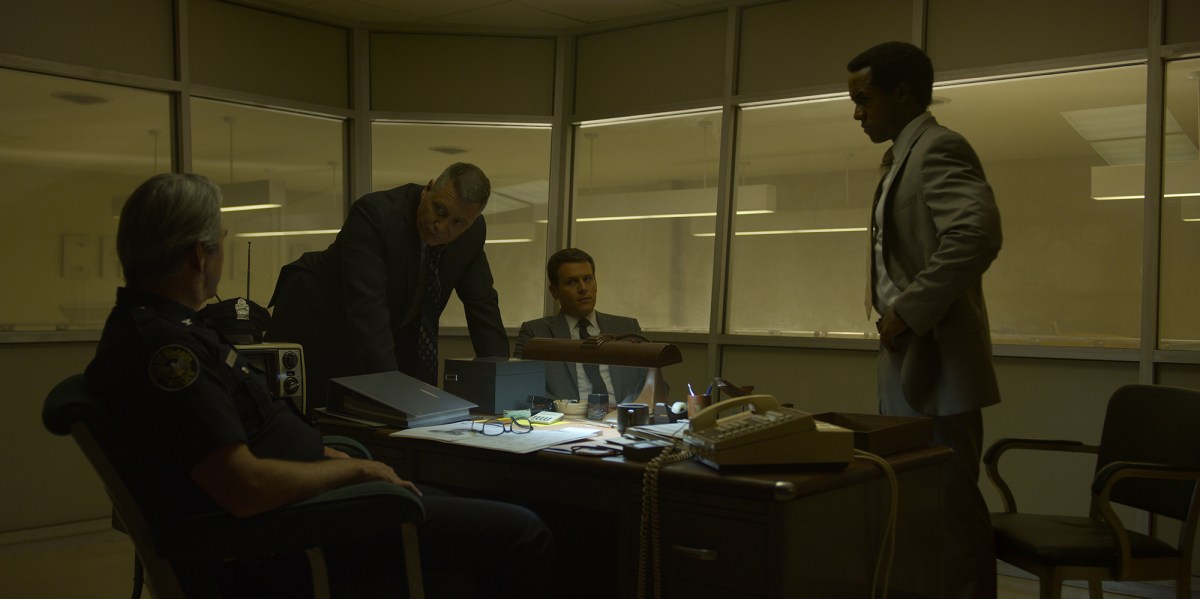
Cinematographer Erik Messerschmidt expanded the visual aesthetic of David Fincher’s “Mindhunter” in Season 2, as FBI profilers Bill Tench (Holt McCallany) and Holden Ford (Jonathan Groff) investigate the notorious Atlanta Child Murders, and, as a result, he earned his first Emmy nomination.

“Our aim was to continue what we had developed in Season 1 while considering location with a bit more depth,” said Messerschmidt, who also shot Fincher’s “Mank,” the Netflix black-and-white biopic about “Citizen Kane” screenwriter Herman J. Mankiewicz (Gary Oldman). “David expressed to me in the beginning to never forget what Atlanta is like in the summer. I tried hard to consider that whenever we were telling that part of the story.

“We really wanted our agents to be visualized with location in mind,” he said, “so I used more hard sunlight, atmosphere, and contrast to contribute to that hot, muggy feel. I think you could make the case that the lighting of Season 2 has a bit more gesture and shape to it, in part, because I used more contrast, which was a conscious choice. With that in mind, however, it was always a top priority to make sure the look and camera style of the series not take centerstage. I wanted the photography to be as non-invasive and invisible as possible so the audience could fully appreciate the story.”

Messerschmidt upgraded to the 8K RED Helium sensor for Season 2 after testing a prototype in the first season. This provided better sensitivity and higher color fidelity for the new Dolby Vision HDR workflow. “I found I could be much more minimal with my use of artificial light even at relatively low ISO ratings,” he said. “The intention was to consider every lighting choice with motivation in mind and use as much natural light and practical light as possible.”

Read the full profile

Here Are the Cameras and Lenses that Shot the Year’s Best TV Shows

17 Emmy-nominated cinematographers on how they created their shows’ unique looks, and the gear they chose to pull it off.

Chris O’Falt
August 20, 2020
IndieWire

Mindhunter

Nominated Episode: “Episode 6”

Format: Redcode RAW .r3d in 8k
Camera: Custom Red Xenomorph Mk2 designed by the team at RED. The camera uses an 8k RED Helium sensor.
Format: Both seasons of “Mindhunter” were shot using Leica Summilux-C series Prime lenses. The majority of the show was shot using only three focal lengths, the 29mm, 40mm and 65mm.

Erik Messerschmidt: The visual style of “Mindhunter” is really about restraint and nuance. We wanted the storytelling to be very objective and simple with a limited use of POV. I think limiting ourselves to these focal lengths forced us to be meticulous with our coverage. All of our visual choices revolved around camera direction, blocking, and composition. David [Fincher] and I built the visual language around three distinct types of shots; wide masters, overs and singles; we moved the camera very little. This type of methodical camera direction lead to the rhythmic cutting sequence of the interview scenes which is really the visual foundation of the show. Shooting on prime lenses requires a bit more discipline than zooms when you’re lining up a shot, as you have to consider camera placement as it relates and composition.

Read the full article

ASC Clubhouse Conversations: Mindhunter, with Erik Messerschmidt

Charlie Lieberman, ASC
August 12, 2020
American Cinematographer

In this 60-minute video, Erik MesserschmidtASC discusses his Emmy-nominated camerawork in the disturbing and insightful Netflix crime series Mindhunter with interviewer Charlie Lieberman, ASC

Based on the true-crime book Mindhunter: Inside the FBI’s Elite Serial Crime Unit and set in the early 1980s, this period drama depicts the investigations of two FBI special agents from the Behavioral Science Unit (Jonathan Groff and Holt McCallany) tasked with furthering the understanding of serial killers and their motivations, with the hope of using this research to solve cold cases or stop active predators.

Shooting in Mindhunter in 8K for 4K delivery with a 2.2:1 aspect ratio, Messerschmidt generally employs multiple Red Xenomorph Mk2 8K Helium cameras paired with Leica Summilux-C Primes and Fujinon Premiere Zooms, often with Mitomo IR TrueNDs. (More about the show here.)

Watch the video and read the full article

‘Mindhunter’ cinematographer Erik Messerschmidt on ‘expanding the scope’ in Emmy-nominated episode

Daniel Montgomery
August 13, 2020
Gold Derby

Erik Messerschmidt earned his first Emmy nomination this summer: Best Cinematography for a Single-Camera Series (One Hour) for his work on the true-crime drama “Mindhunter.” It’s bittersweet, though, since Netflix put the show on indefinite hold after its second season, which aired last summer. “I loved working on the show,” he remembers. “It’s a unicorn in a way. It was a unique situation where everybody was working towards the same goal and everyone was very in sync in terms of what we were trying to accomplish.” Watch our exclusive video interview with the director of photography above.

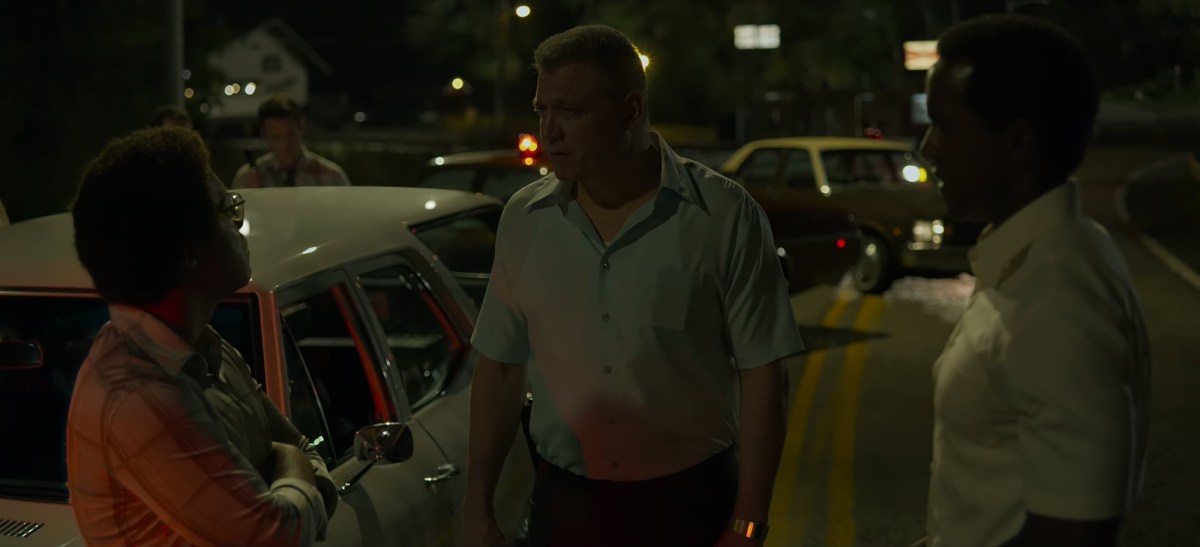
He is nominated specifically for his work in episode six, during which FBI agents Ford and Tench (Jonathan Groff and Holt McCallany) search for missing children in Atlanta while Dr. Carr and Agent Smith (Anna Torv and Joe Tuttle) interview convicted killer Paul Bateson. “I just felt like we had a lot of variety in the episode,” says Messerschmidt. “You have all of the classic ‘Mindhunter’ stuff with the Paul Bateson interview, but you also have the characters out in the field. So we’re expanding the scope a little bit, and we had some new set pieces which the audience hadn’t seen before.”

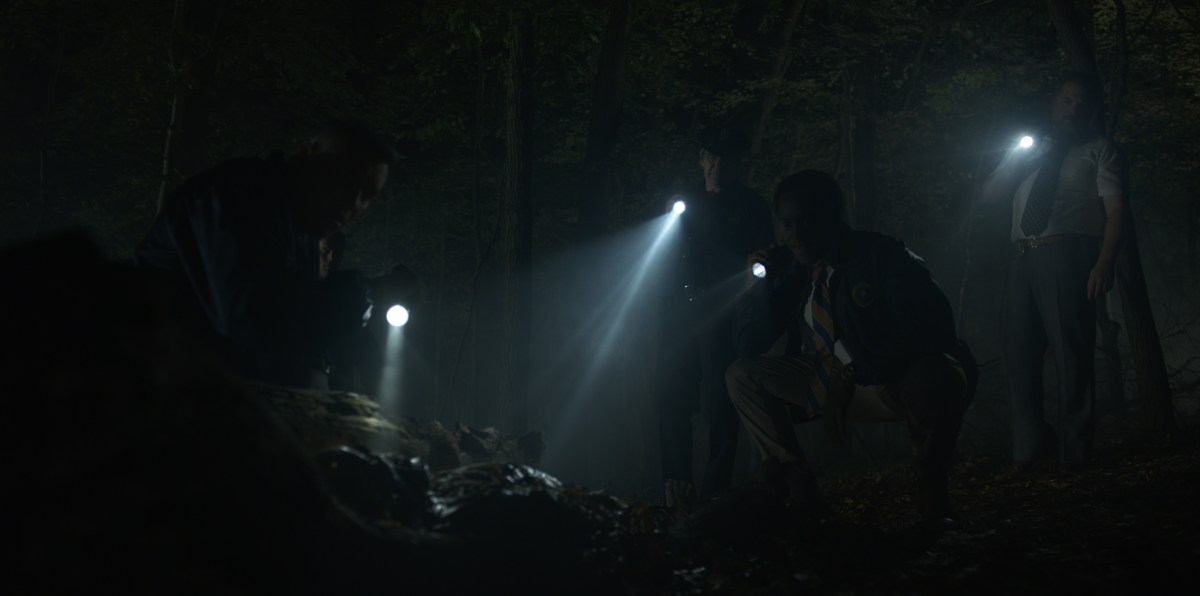
For instance, there is a memorable scene in which law enforcement teams search for murder victims in the eerie pre-dawn light, and another where a grisly discovery in the dead of night is lit primarily with flashlights. “It was a good opportunity to show a little bit of the depth of the show. And it was an episode we were generally pretty proud of.” The season’s focus on the Atlanta child murders influenced the show’s aesthetic in general. Messerschmidt wanted to convey the “hot, humid environment … so we warmed the camera up quite a bit. We made use of atmosphere in some of the interiors. I tried to light it with as much hot, searing sunlight coming through the doors as possible.”

“I would love to go back and do more ‘Mindhunter,’ but who knows? Time will tell, I guess,” he says. In the meantime his creative partnership with “Mindhunter” director/producer David Fincher continues. Messerschmidt is the cinematographer for the filmmaker’s upcoming movie “Mank,” which takes them from murder in the 1970s and 1980s to show business in the 1940s. “That’s what’s great about our job is we get to sort of pick a story apart and figure out what we’re going to do and how we’re going to tell the story.”

Light The Fuse: Liz Hannah Interview (Writer of ‘The Post’, ‘Long Shot’, and ‘Mindhunter’)

Charles Hood & Drew Taylor
July 20, 2020
Light The Fuse – A Mission: Impossible Podcast

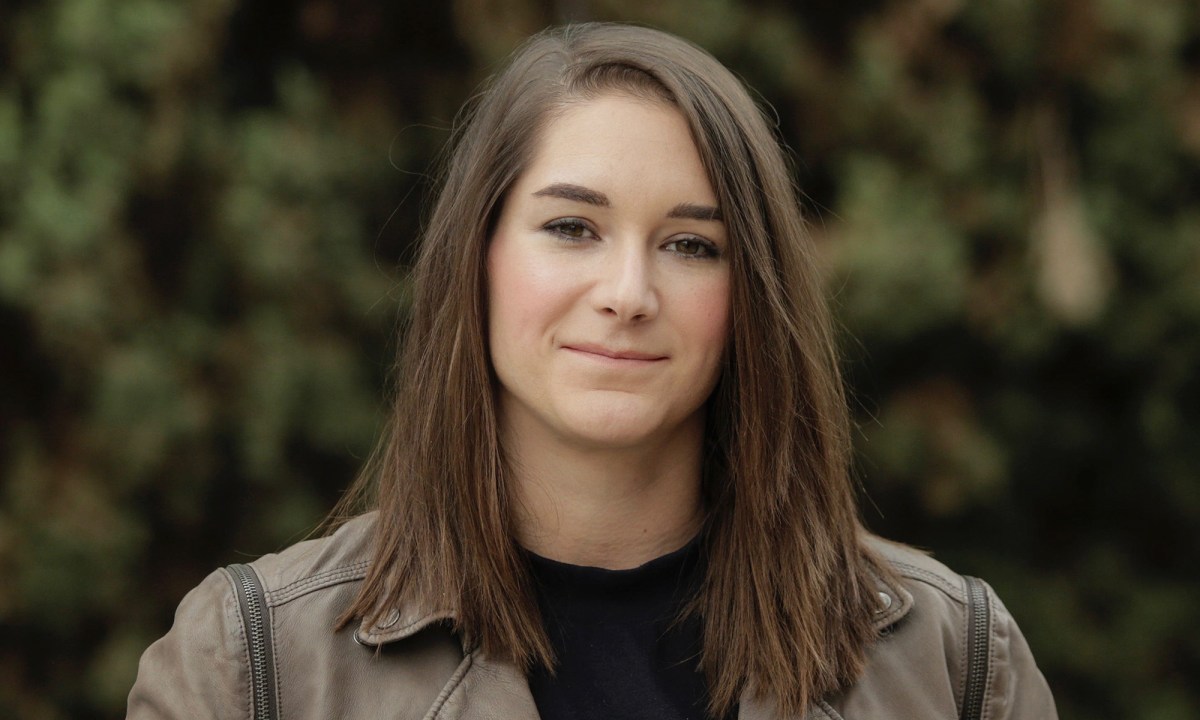
For this very special episode we are joined by screenwriter Liz Hannah (“The Post,” “Long Shot,” “Mindhunter”). We find out why she loves the franchise (especially “Mission: Impossible – Rogue Nation”), her appreciation for Rebecca Ferguson’s Ilsa and what she wants out of the two new movies. She also talks about working with David Fincher. And we also get Liz – and her husband – to rank Tom Cruise’s hairstyles!

Listen to the podcast on:

Apple Podcasts
Stitcher
SoundCloud
Spotify
Google Play
YouTube

Or listen here on our website!

The Mindhunter Art Department (2)


July 11, 2020
Mindhunter Art Department (Instagram)

Production Designer: Steve Arnold

Art Director: Oana Bogdan Miller

Set Decorator: Andrew Baseman

Graphic Designer: Carly Sertic

Photos by Nikolai Loveikis

Netflix FYC: Mindhunter. Scene Stealers with Damon Herriman and Kazu Hiro

Jenelle Riley
Editor – Variety
July 2020
Netflix

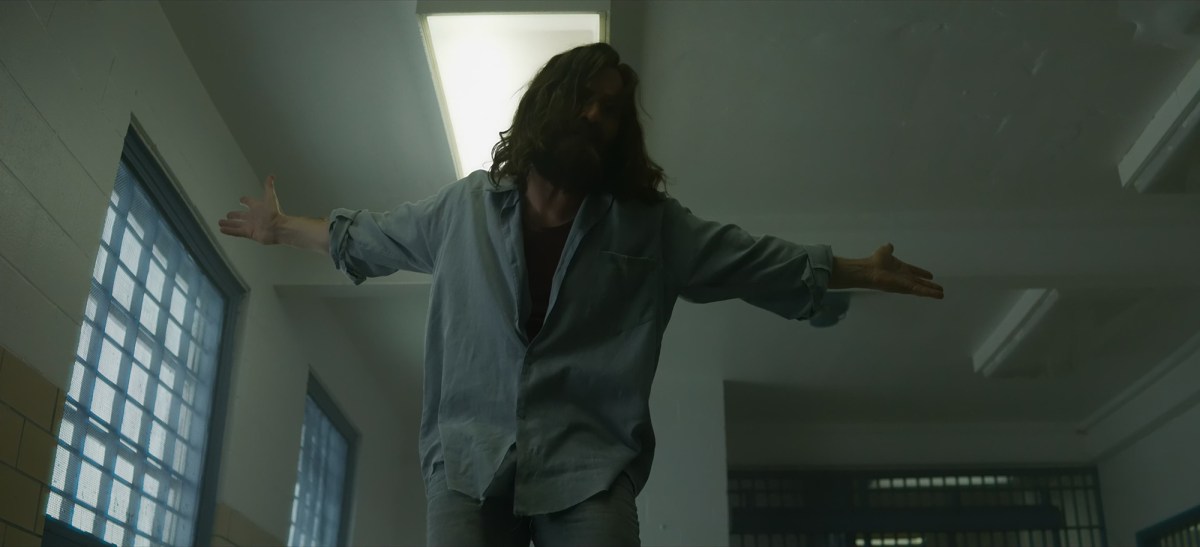
Actor Damon Herriman talks about tackling the role of Charles Manson (again) in Netflix‘s Emmy®-nominated series Mindhunter. Oscar®-winning makeup designer Kazu Hiro, meanwhile, details the actor’s physical transformation from mild-mannered Aussie to iconic cult leader.

For Your Emmy® Awards Consideration

Netflix FYC: Mindhunter. Maker’s Marque with Carl Franklin and Erik Messerschmidt


July 2020
Netflix

Director Carl Franklin and cinematographer Erik Messerschmidt expound on the visual language of a scene from season two of Netflix‘s acclaimed drama series Mindhunter. They give insights into perspective considerations, the choice of handheld camera over Steadicam and the general stylistic shift employed for the sequence.

For Your Emmy® Awards Consideration