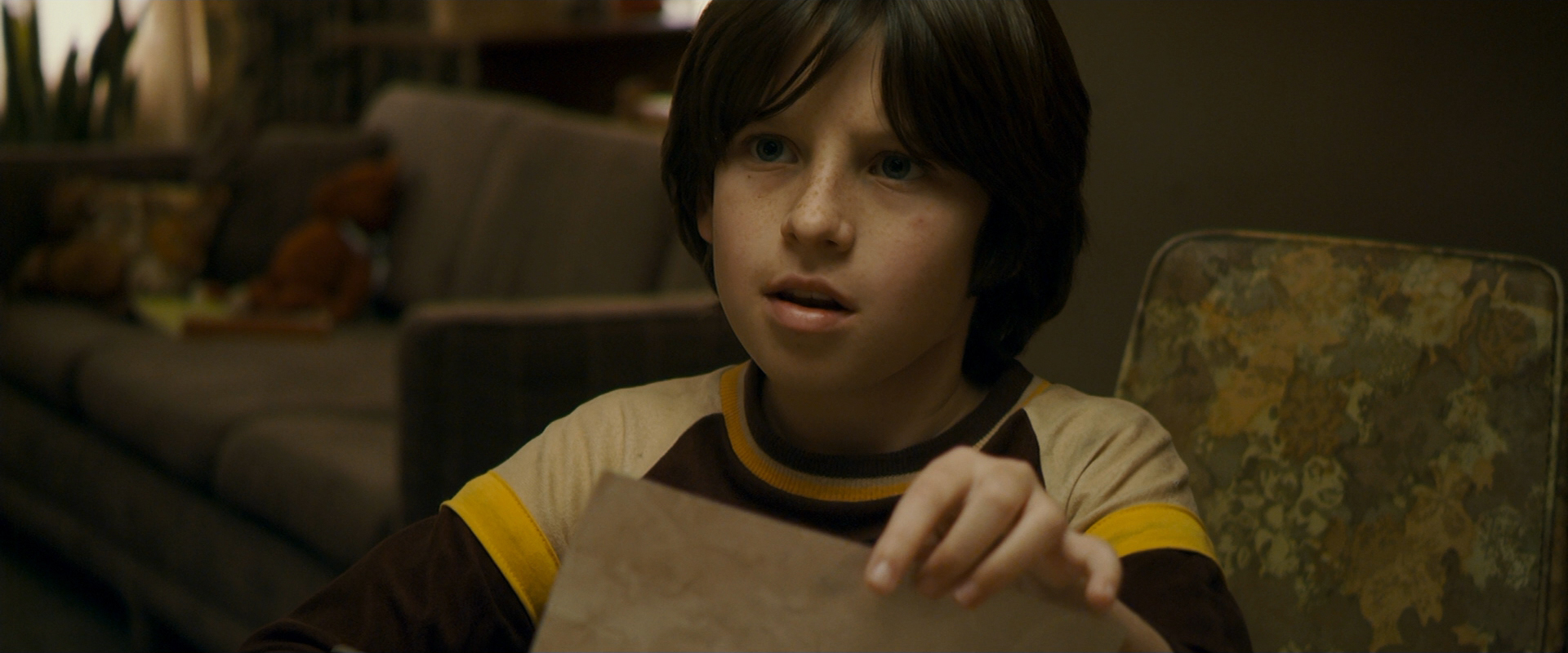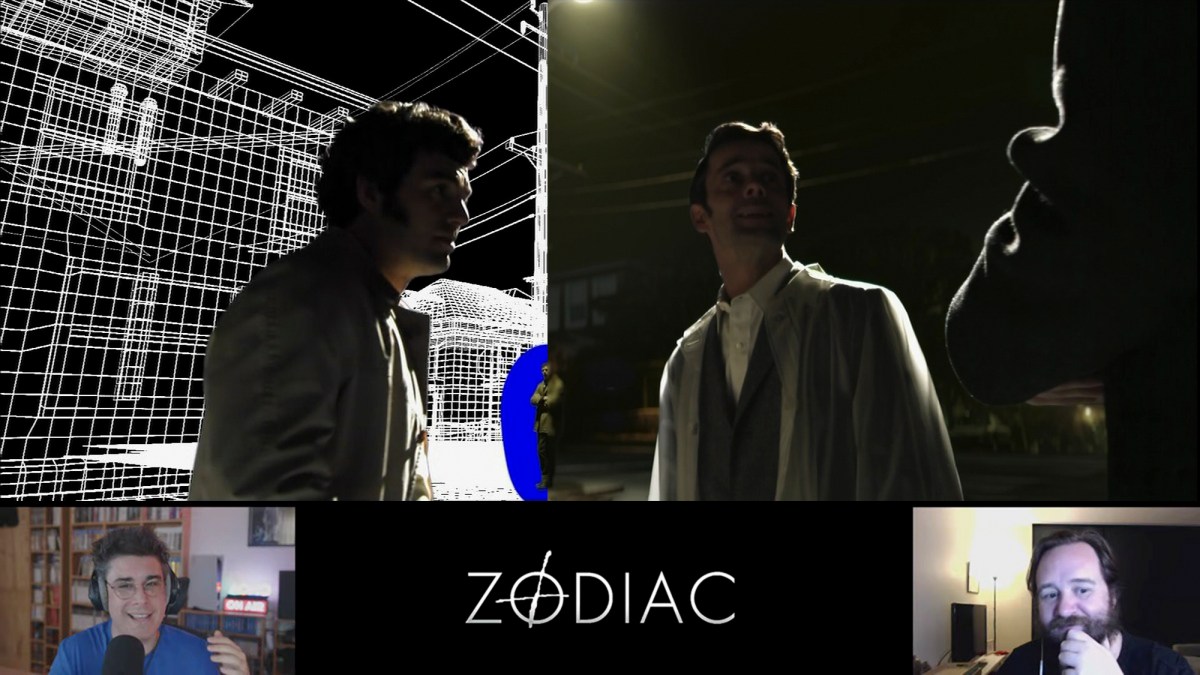
On this episode of VFX Notes, Hugo Guerra from Hugo’s Desk and Ian Failes from befores & afters dive deep into the visual effects in David Fincher films. We take an especially close look at Digital Domain‘s work for Zodiac and The Curious Case of Benjamin Button.
Chapters: 00:00:00 – Intro 00:04:20 – Zodiac and the rise of invisible VFX 00:09:09 – The rise of D2 and Foundry‘s Nuke 00:18:31 – David Fincher’s methods and Zodiac‘s murder scenes 00:30:03 – Environments by DD and Matte World 00:43:41 – The VFX of The Curious Case of Benjamin Button 00:57:27 – The VFX of The Social Network 01:03:15 – The VFX of Mindhunter 01:09:51 – Wrap up 01:12:45 – Patreon, YouTube members and Twitch Subs Credits
The Team Deakins podcast is an ongoing conversation between acclaimed cinematographer Roger Deakins and James Deakins, his collaborator, about cinematography, the film business and whatever other questions are submitted. We start with a specific question and end….who knows where! We are joined by guests periodically. Followup questions can be posted in the forums at rogerdeakins.com.
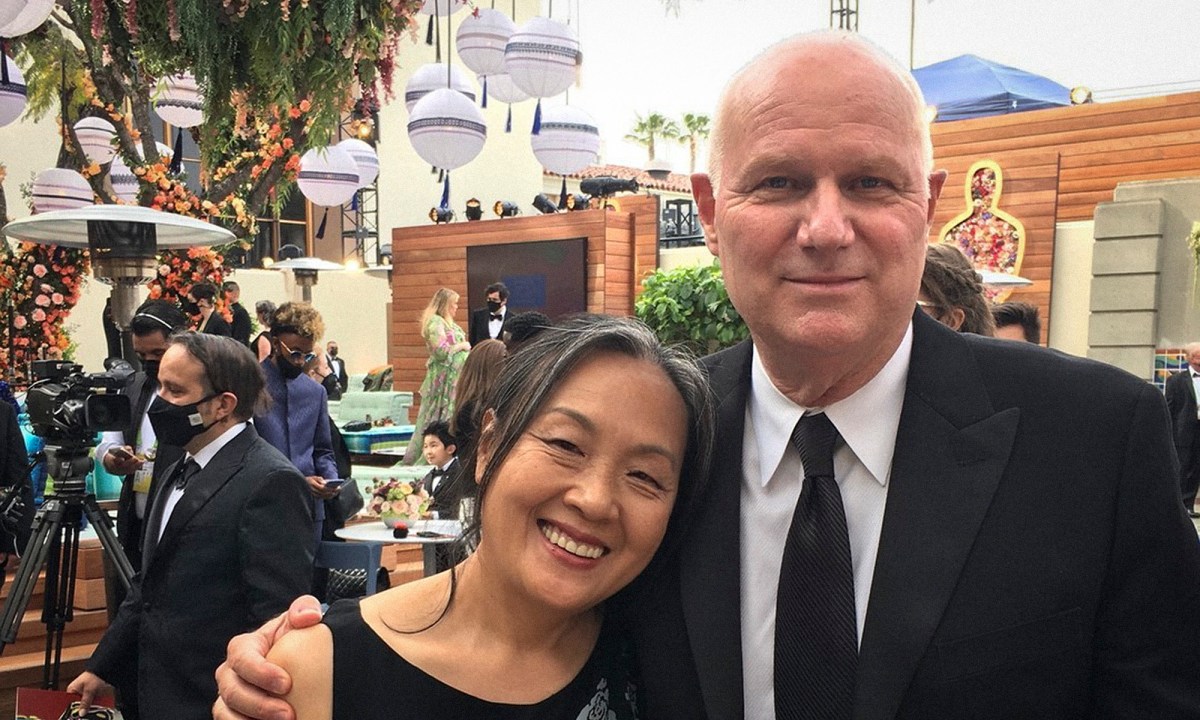
Team Deakins delves into the craft of production design with the great production designer, Donald Burt (The Curious Case of Benjamin Button, Hostiles, Mank). We loved hearing about his path to the film business! We talk about his first movie as production designer, Joy Luck Club – quite a film to start on! He shares his methods of working with a director and how he doesn’t want to draw attention to what he is doing and that he wants to be supportive and serve the story first. We also touch on how restrictions and limitations breed imagination, his approach to sets vs locations, and how you can’t be afraid of articulating a stupid idea. And, we also speak about the making of Mank, The Outlaw King, and Zodiac. As well as much, much more!
Chapters: 00:00 Intro — How David Fincher became a Filmmaker 02:01 Early Career & Return of the Jedi 03:18 Shot Composition and Blocking 06:19 “Relentless” Number of Takes 11:02 Directing with Precision 13:43 Color Theory & Creating the Look 15:48 Create a Feeling (Production Design & Music) 19:35 Final Takeaways
David Fincher is a director’s director. His reputation for having complete control over his work is well-known but many directors have had similar power. So, what makes his approach to film directing so captivating? In this David Fincher video essay, we’ll let the man speak for himself. Through a collection of interviews from throughout his career, Fincher guides us through some of the strongest characteristics of his directing style.
To date, over the past four decades, David Fincher has directed a plethora of music videos, commercials, and 11 feature films. Along the way, he has refined his directing style which can be summed up in two words: precise and purposeful. When watching any David Fincher movies, you would be hard-pressed to find an out-of-place camera movement, or a lazy frame composition. One lesson we learned from Fincher is how he balanced and imbalanced the frame during Nick and Amy’s first meeting in Gone Girl to show the “push and pull” of their flirting.
Another well-known staple of the David Fincher directing style is his predilection for shooting multiple takes. He famously shot 99 takes of the opening scene in The Social Network, for example. But there’s a method to his madness — he wants the actors to move “beyond muscle memory” especially in their domestic environments. In Fincher’s logic, when the actor sits on their couch, they need to have sat in it a hundred times to make it look like they’ve sat in it a hundred times.
Fincher also explains how he creates mood and tone with lighting, color, and music. With a darker frame, desaturated color, and the brooding tones of Atticus Ross and Trent Reznor, there certainly is a distinct experience watching David Fincher films. While all of this sounds extreme, the proof that he’s doing something right is visible on-screen.
♬ Songs used:
“Father / Son” — Makeup and Vanity Set “Subdivide” — Stanley Gurvich “Switchback” — Nu Alkemi$t “Battle in the Forest” — Charles Gerhardt – National Philharmonic Orchestra “Chasing Time” – David A. Molina “Sugar Storm” – Trent Reznor & Atticus Ross “Soul Sacrifice” – Santana “Graysmith Obsessed” – David Shire “Intriguing Possibilities” – Trent Reznor & Atticus Ross “Wendy Suite” – Jason Hill “Under the Midnight Sun” — Trent Reznor & Atticus Ross “14 – Ghosts II” – Nine Inch Nails “Corporate World” – The Dust Brothers “Appearances” – Trent Reznor & Atticus Ross “With Suspicion” – Trent Reznor & Atticus Ross “What Have We Done to Each Other” – Trent Reznor & Atticus Ross “Cowboys and Indians” – Trent Reznor & Atticus Ross “San Simeon Waltz” – Trent Reznor & Atticus Ross “Fool” – Ryan Taubert “Where Is My Mind” – The Pixies
Warning: This article discusses many of the ending scenes
In my previous piece, focused on Mank (2020),I wrote about the idea that a story is essentially a lens on truth, as it joins together distinct pieces of information and events into a connected whole, and inevitably does so through the storyteller’s lens (their particular way of joining the pieces). That film, the latest in David Fincher’s filmography, was more specifically about the truth of people, and about how a storyteller gets to their truth without locking it and owning the keys to it.
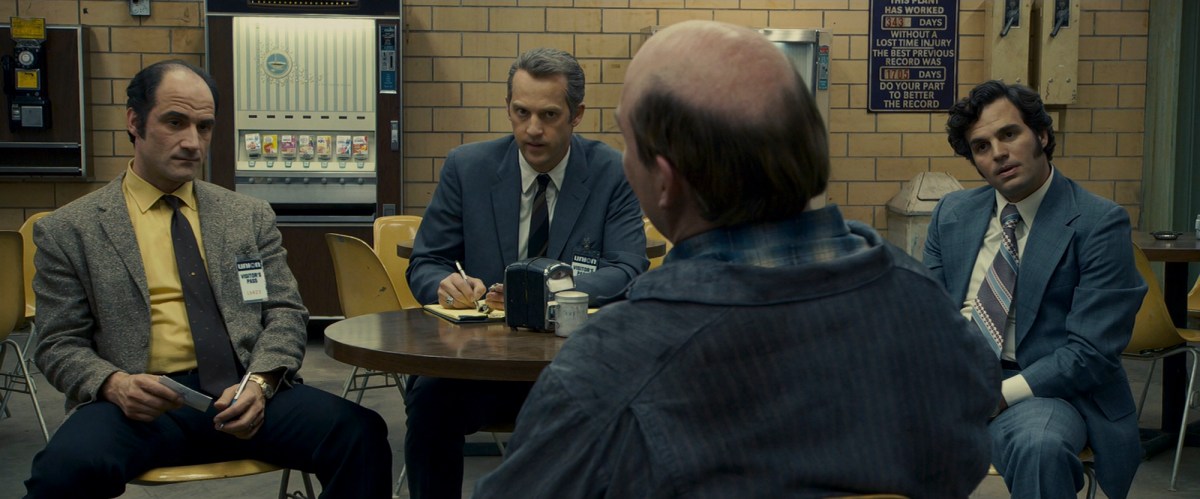
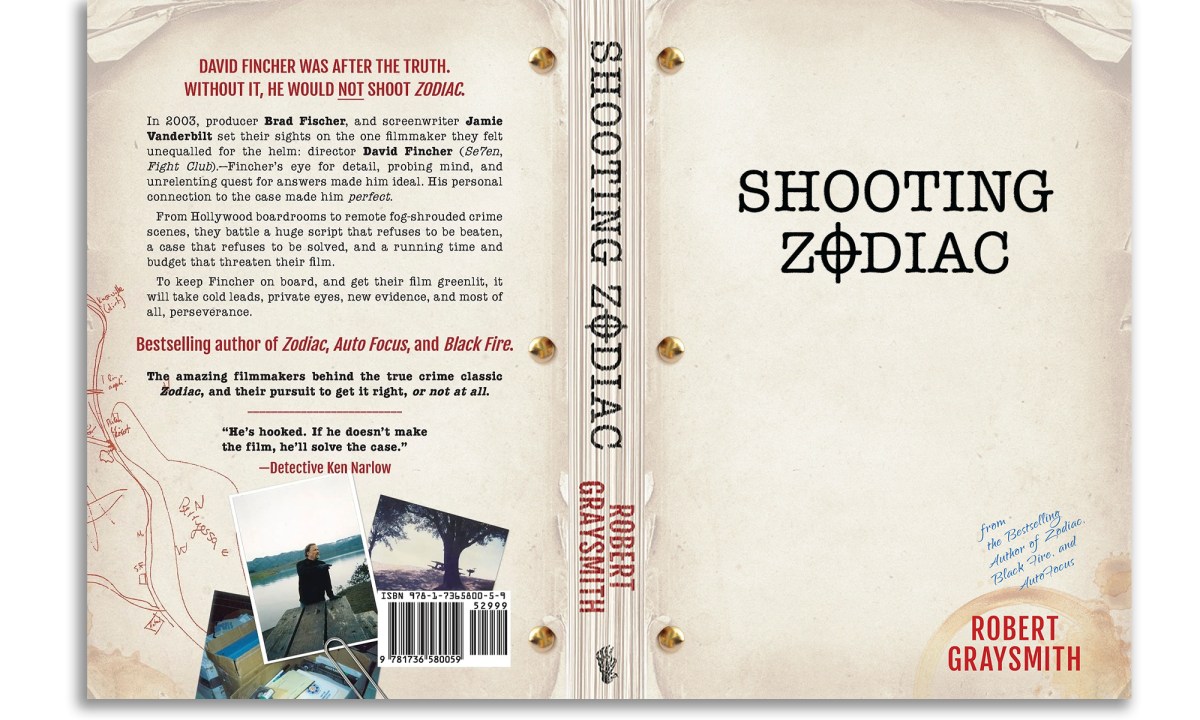
Thirteen years back in the director’s work, Zodiac dived in not-too-dissimilar waters, but expanded them in many directions of its own. It remains Fincher’s top work to date.
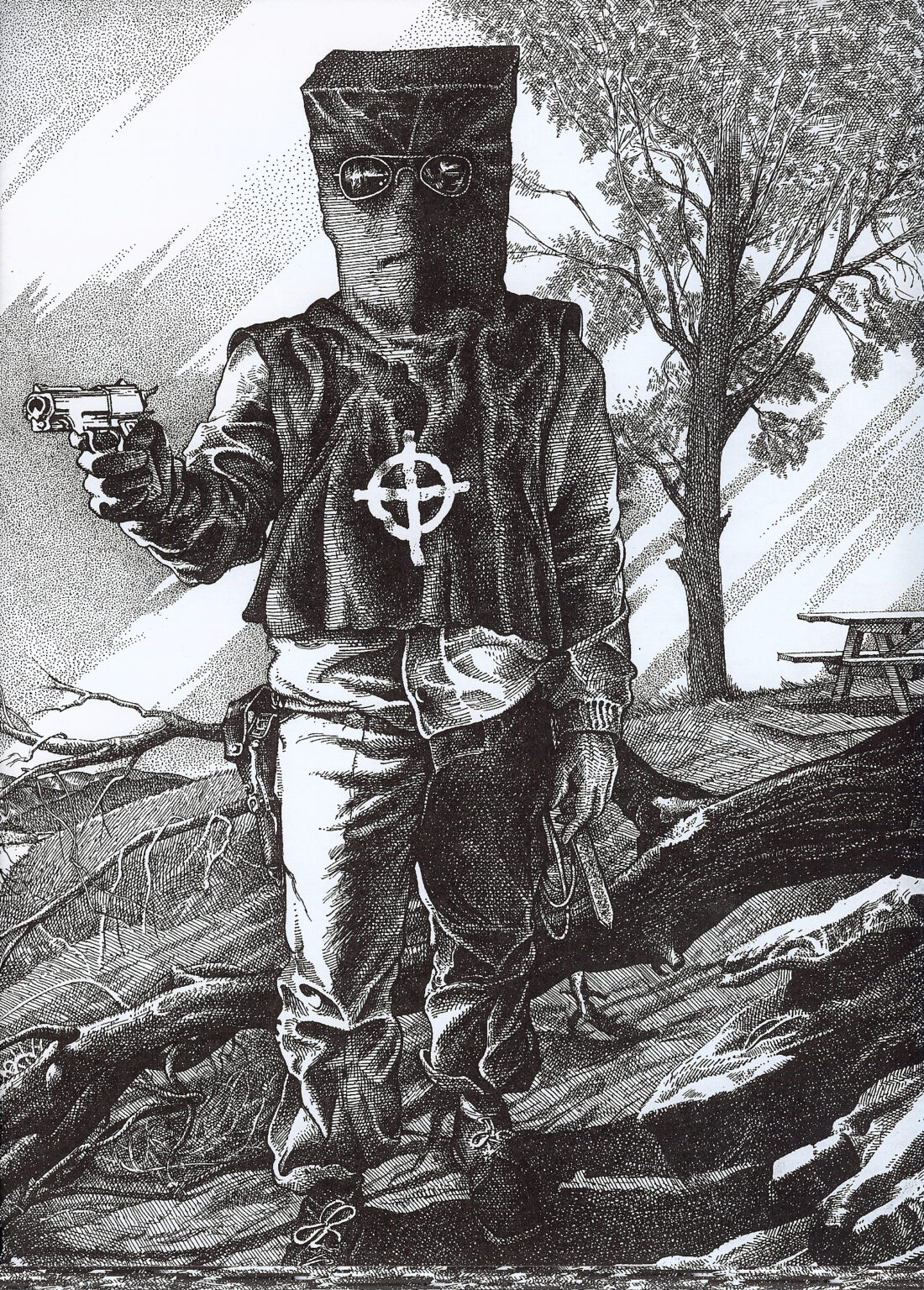
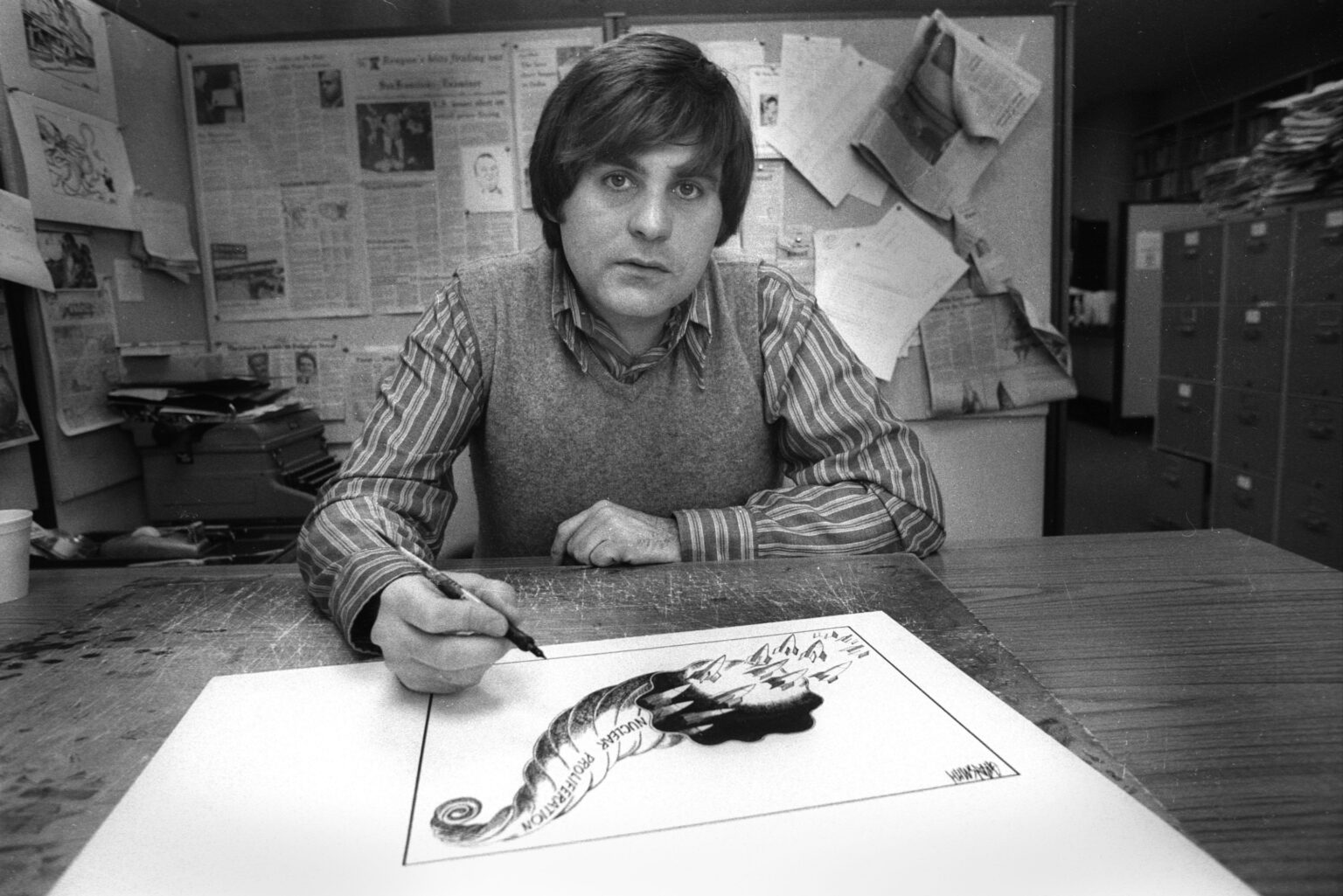
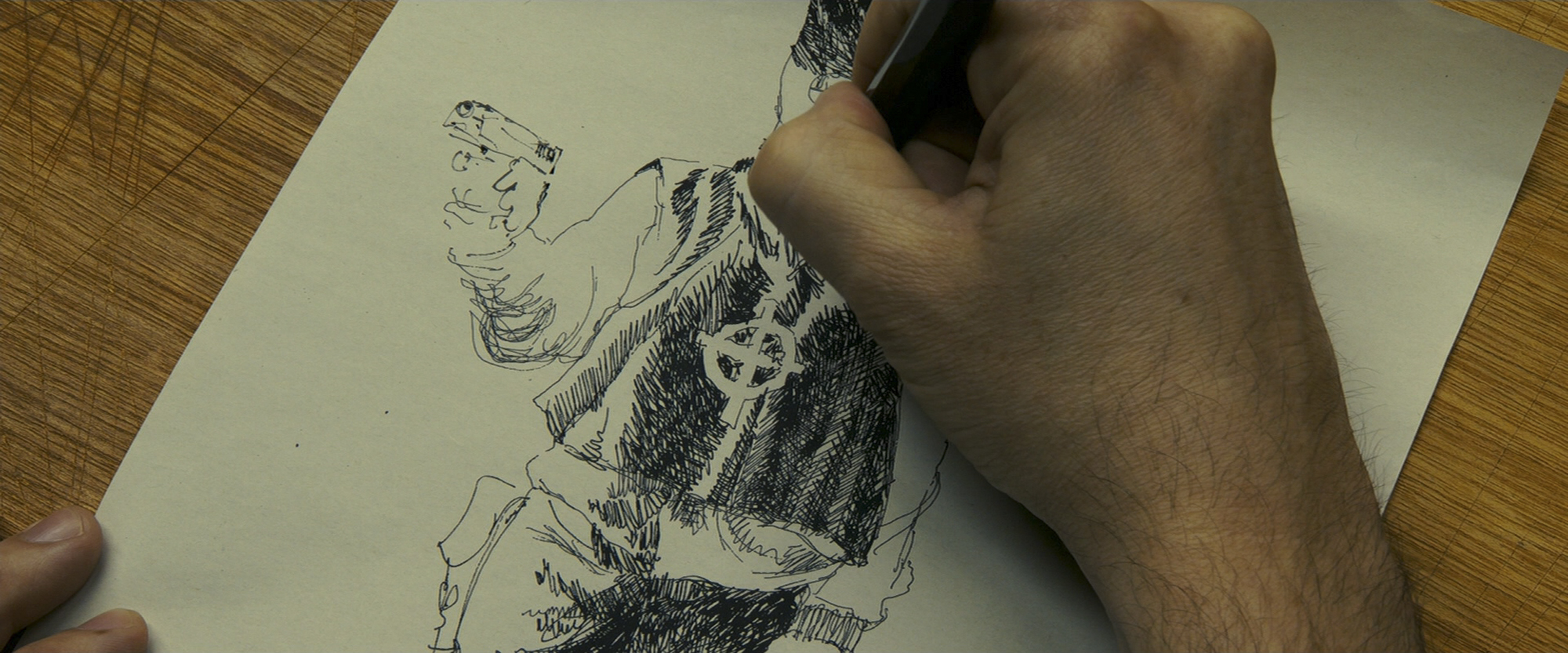
Zodiac is the story of a time and a place in which Fincher spent much of his childhood — the San Francisco Bay Area in the late 60’s and early 70’s — marked by public alertness to a murderer who used to write cryptic letters to the police and to newspapers. From the opening scene, this enigma of a man is slowly drawn.
It’s natural that any story that features at its center a mysterious serial killer who goes uncaught will always have a special aura reserved for that character. But even if Zodiac doesn’t exactly play against that idea, it’s also clear enough that the film is not in the business of drawing the archetypical picture of a God-like criminal mastermind. The titular character, who may or may not be among the ones we see onscreen at different times, can by turns come across as weak, child-like, in need of help and/or largely insignificant. He may be responsible for a small handful of crimes, but the fact is that he repeatedly claims to be much deadlier than he really is, at one point taking responsibility for as many as 37 victims without there being the least bit of evidence for it. He is a case of enigmatic broken humanity that remains beyond grasp.
But the mystery draws people in. In one sense limited by statements such as “Do you know that more people die in the East Bay commute every three months than that idiot ever killed?” and in another sense taking on a life of its own, the Zodiac enigma becomes huge in public consciousness.
When the twist-filled cosmic horror mind-bender The Empty Manwas unceremoniously dumped in theaters last October, its writer and director David Prior wasn’t even sent a link to the final version of the film by the studio. More than four years before, he’d pitched the movie to 20th Century Fox, a perhaps unconventional home for such a strange project, and, after the company was acquired by Disney in 2019, Prior’s debut feature slipped through the corporate cracks. In the middle of a global pandemic, The Empty Man was released with one misleading trailer, which marketed the two-hour-plus saga as another urban legend-inspired teen thriller, and minimal promotional fanfare. Unsurprisingly, it bombed, grossing just over $4 million worldwide. Prior transmitted and almost no one received.
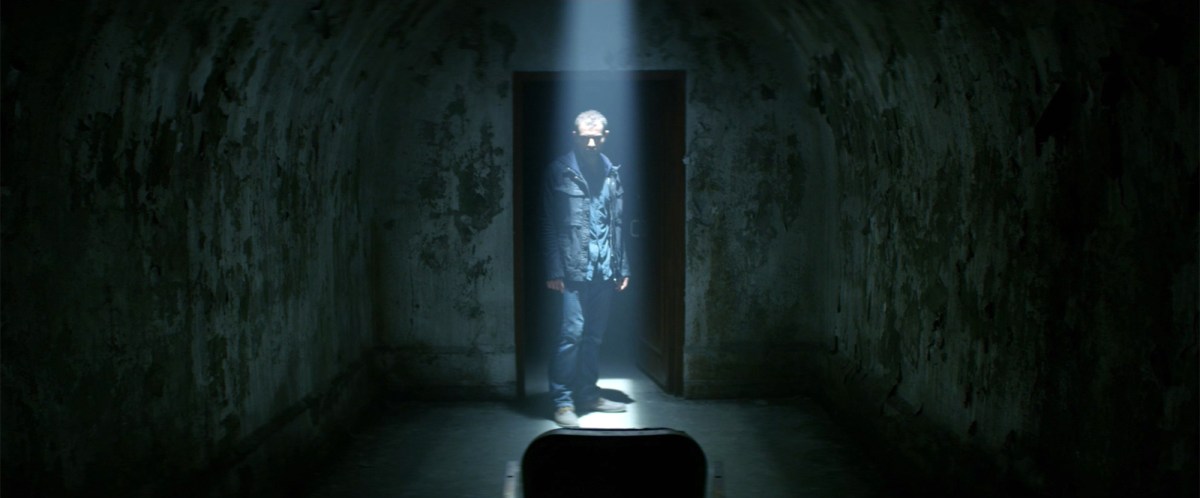
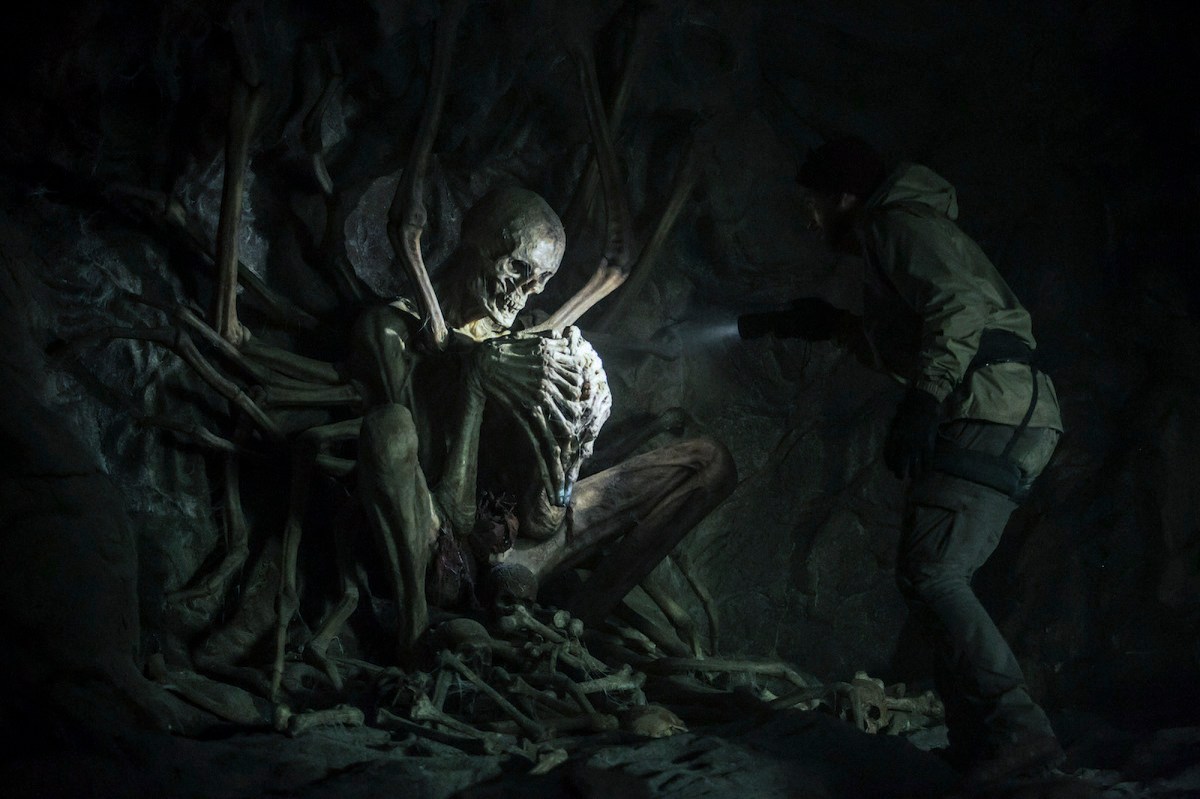
Adapted from a Boom! Studios comic by the writer Cullen Bunn and artist Vanesa R. Del Rey, The Empty Man was initially sold to Fox in 2016 as a stylish horror mystery infused with thematic ambiguity, existential dread, and a dash of Lovecraftian terror. James Badge Dale plays ex-detective James Lasombra, a grief-stricken widower whose friend Nora (Marin Ireland) enlists him to help find her daughter Amanda (Sasha Frolova) after she disappears. Amanda and her teenage friends may or may not have summoned the Empty Man, a mystical entity with an odd connection to a cult-like organization called the Pontifex Institute, led by a charismatic leader played by Stephen Root of Office Space and Barry. (I’ve been describing it to friends as The Girl with the Dragon Tattoo meets The Ring.) In his early conversations with executives, Prior compared it to Mulholland Drive rather than something in The Conjuring universe or the Blumhouse arsenal. In the writing stage, executives even encouraged him to expand the film’s lengthy opening, a snowbound tale of hikers in Bhutan’s Ura Valley who stumble upon a sinister cave.
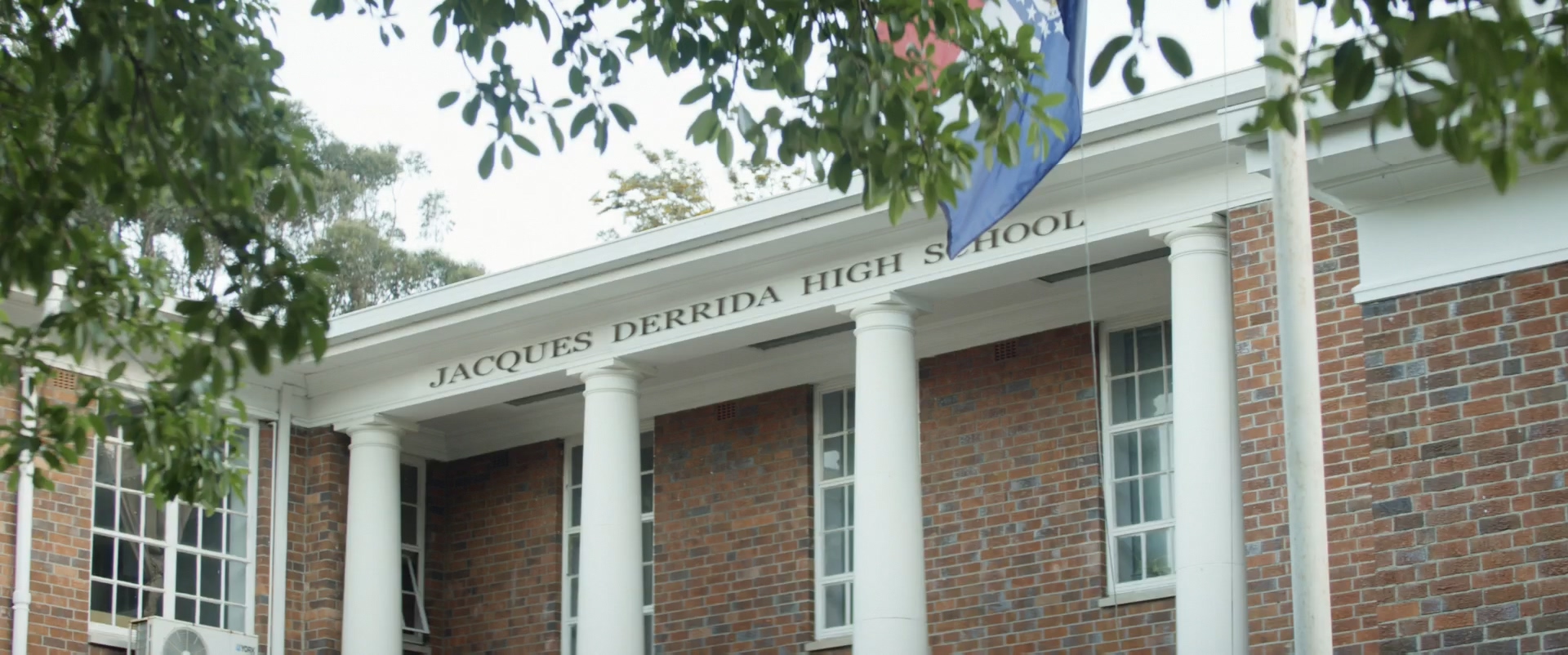
The Empty Man‘s journey to the big screen quickly unraveled. In some ways, the story has all the hallmarks of classic Hollywood fiasco: a shoot plagued by bad weather, disastrous test screenings, fights over runtime, studio meddling, a breakdown in communication, and an ambitious first-time director threading potentially alienating material into familiar genre fare. (Not many horror movies have a prominent shot of a high school named after a famous French philosopher.) In other ways, it’s a uniquely modern tale of mounting corporate neglect, expiring tax rebates, confusing IP mismanagement, and slow-building social media advocacy.
Are audiences hungry for movies like The Empty Man? The movie’s box office performance would suggest a definitive no, but, since becoming available as a digital rental in 2021, the film has taken on a second life online, where podcast hosts and viewers on platforms like Twitter and Letterboxd have sung its praises, turning it into the rare 21st century studio project that earns the over-used descriptor of “cult movie.”
Prior, who began his career working on a DVD of the 1999 horror movie Ravenous and later directed special features for David Fincher films like Zodiac and The Social Network, has a keen awareness of how his movie plays into certain narratives. Over a Google Hangout, he spoke with the combination of weary cynicism and wounded pride that often accompanies someone who has been through an ordeal. “It’s amazing how trenchant Barton Fink is about the way the Hollywood system really works,” he noted early in the conversation.
As the Coen Brothers screenwriter protagonist knows, the “life of the mind” can be painful. While unpacking the jargon-heavy mythology of his debut and the turmoil-packed narrative of its production, Prior repeatedly emphasized how grateful he was that the movie has found an audience and often laughed at the absurdity of its fate. Who can be blamed for what happened to The Empty Man? As one of the movie’s grizzled detectives remarks in the film, “We can’t indict the cosmos.”
You would be forgiven for thinking production designer Donald Graham Burt works exclusively with David Fincher. His talents are visible in confirmed classics including Zodiac, The Girl With The Dragon Tattoo and The Curious Case of Benjamin Button, for which he received an Oscar. Beyond that his work can also be appreciated in Donnie Brasco, Christian Bale headliner Hostiles and most recently Outlaw King featuring Chris Pine.
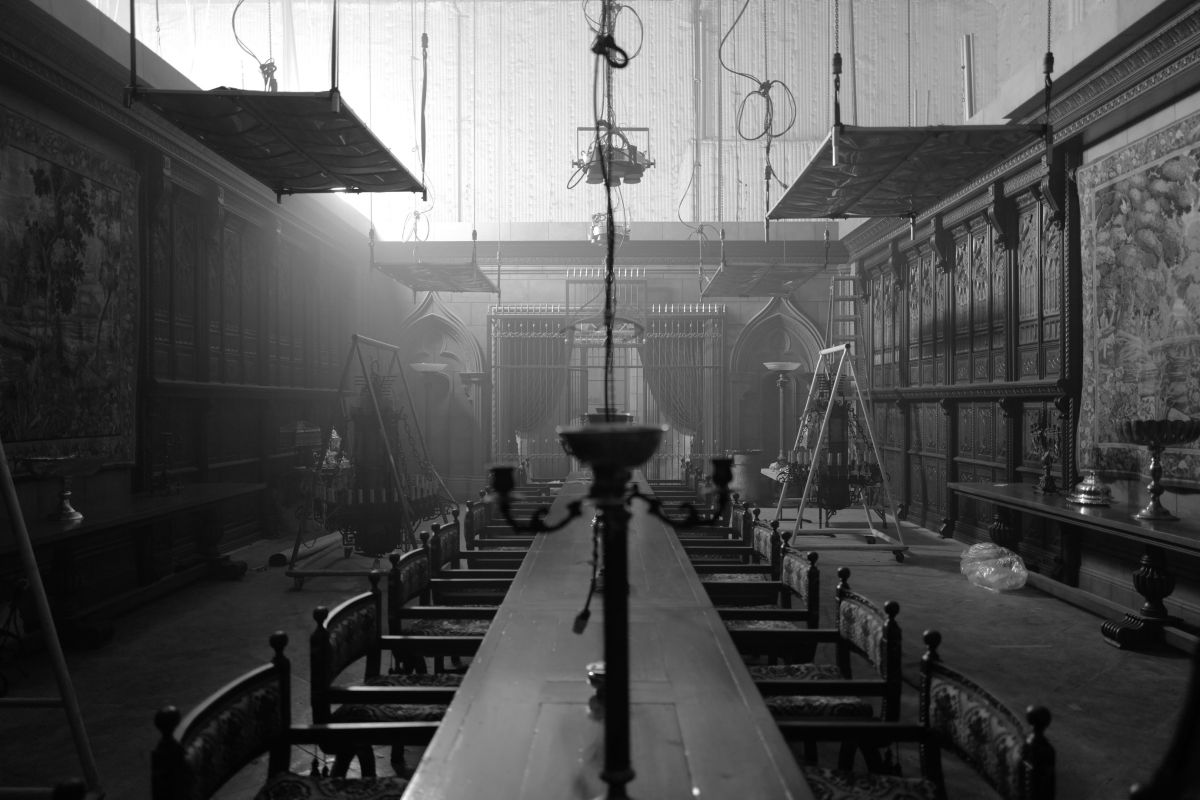
In conversation Donald is self-deprecating, effortlessly engaging and eloquent on his process. Mank appears to be the culmination of a professional relationship spanning more than a decade, which uses Citizen Kane as its backbone to explore broader issues. Adorned in the garb of a Thirties film noir, Mank is masterful at evoking a bygone era. Much of that success comes through the pitch perfect production design, which would have been impossible without Donald Burt.
Following on from his nomination at the British Academy Film Awards, he took time out to talk to Flickering Myth’s Martin Carr about what was required to bring Mank to life, as well as what a collaboration with David Fincher really involves.
Last October, a horror movie came and went. It wasn’t the first time a Hollywood studio dumped a horror movie in the middle of Halloween; given the ongoing pandemic, few films with a theatrical release could have moved the needle in 2020. But in the case of David Prior’s The Empty Man, this release was just the tip of the iceberg, the near-final act in a first-time filmmaker’s multi-year struggle to bring his vision to the screen.
In this conversation, Prior explains how he went from being David Fincher’s protégé to the director of 2020’s most ambitious — and most abandoned — horror film. We also explore how a perfect storm of production problems and studio politics nearly killed the film, and how a passionate audience has already started to turn The Empty Man into a future cult classic.
From DVDs to David Fincher
History doesn’t repeat itself, but it often rhymes. If The Empty Man survives its troubled production and halfhearted theatrical release to become a household name for genre fans, then perhaps this story will serve as a fitting beginning to Prior’s career as a feature filmmaker. For years, Prior worked as a production documentarian for filmmakers such as David Fincher and Peter Weir, but one of his big breaks came with Antonia Bird’s Ravenous, itself a studio disaster that took years to find a passionate audience.
In the years before Ravenous’s theatrical release, Prior had built relationships in 20th Century Fox’s home video department thanks to his contributions to the isolated score track on the Alien DVD release. So when Prior stumbled across Ravenous in theaters — despite a trailer that he describes as a “piss-poor representation of the movie” — he saw an opportunity to build on those connections and bring some much-deserved love to Bird’s film.
His gamble worked. According to Prior, the special-edition release of Ravenous sold three times its initial projections, forcing 20th Century Fox to rush extra copies of the film into production. With his credentials established, Prior was given his pick of future home video releases, and his decision resulted in one of the most influential relationships of Prior’s professional career. “I said, ‘I don’t know what Fight Club is, but I really want to meet David Fincher, so I’ll do that one. And that led to a relationship with Fincher that goes on to this day.”
Over the next decade, Prior became a powerhouse in behind-the-scenes documentaries, shooting features for such films as Master and Commander, Zodiac, and The Social Network. It proved to be a successful and stable career, just not the one that Prior had in mind when he went to Hollywood. “I remember at the time thinking, ‘This is gonna be something where if I’m not careful, ten, fifteen years of my life is going to go by doing this instead of what I’d rather be doing,’” the director says. So Prior took another gamble, this time using some of his own money to produce the short film that would eventually land him his role with The Empty Man.
“In 40 short minutes, David Prior shows why he is one of the most promising directors I’ve ever seen. People always ask me what to do for a ‘calling card’ in Hollywood. Well do something like this, and try to do it half as well.”
Because We Love Making Movies is an ongoing conversation with filmmakers who work behind the scenes to make the movies we love. These are the invisible warriors we don’t think of: Production & Costume Designers, Cinematographers, Editors, Producers, and the whole family of artists who make movies with their hands and hearts.
In the very first episode of my podcast, I sit down with Production Designer Donald Graham Burt. We explore the role of the Production Designer, a life in the arts, working with David Fincher, and learn to talk less and listen more.
Recommended Viewing: The Joy Luck Club, The Curious Case of Benjamin Button, Gone Girl, The Girl with Dragon Tattoo, and Mank.
The new David Fincher movie, Mank, released on Netflix on December 4th of this year, was originally scheduled to be produced in 1999 but didn’t happen due to a number of factors. In 2007 Fincher released Zodiac which was one of the first major theatrical features to be shot in a digital environment around a completely new file-based workflow that would revolutionize the industry over the next decade.
Peter Mavromates, the post production supervisor on Zodiac and a number of other Fincher projects over the years, including a co-Producer credit on Mank, joins Critical Conversations to discuss how digital workflows have grown and evolved over the last 15 years. Peter will talk about helping to design the early workflows on Zodiac, continuing to build it with The Curious Case of Benjamin Button, the ongoing developments created for Mank, and what’s next for the future.
Peter Mavromates has worked in post production for more than 35 years. He saw the future of “film” when he walked into a high-end video facility in New York called Charlex. Working at Charlex while still in “film” school in the NYU Grad Film Program, he saw the beauty of film (read ACETATE) and the power of electronic (read ANALOG VIDEO transitioning to DIGITAL) and watched as those two processes merged and mutated throughout the ‘80s and ‘90s. Peter produced his first DI on Panic Room in 2002, and his first DI of a digitally acquired movie on Zodiac in 2007. Most of the last 25 years have been spent working on projects with David Fincher, but he has also worked with Quentin Tarantino, Stephen Gaghan, and George Clooney.