“I Had to Figure Out the True Latitude, Speed and Color Science”

DP Jeff Cronenweth On The Social Network Ten Years Later and the Mysterium X Sensor.

Aaron Hunt
May 4, 2020
Filmmaker

Film stills by Merrick Morton

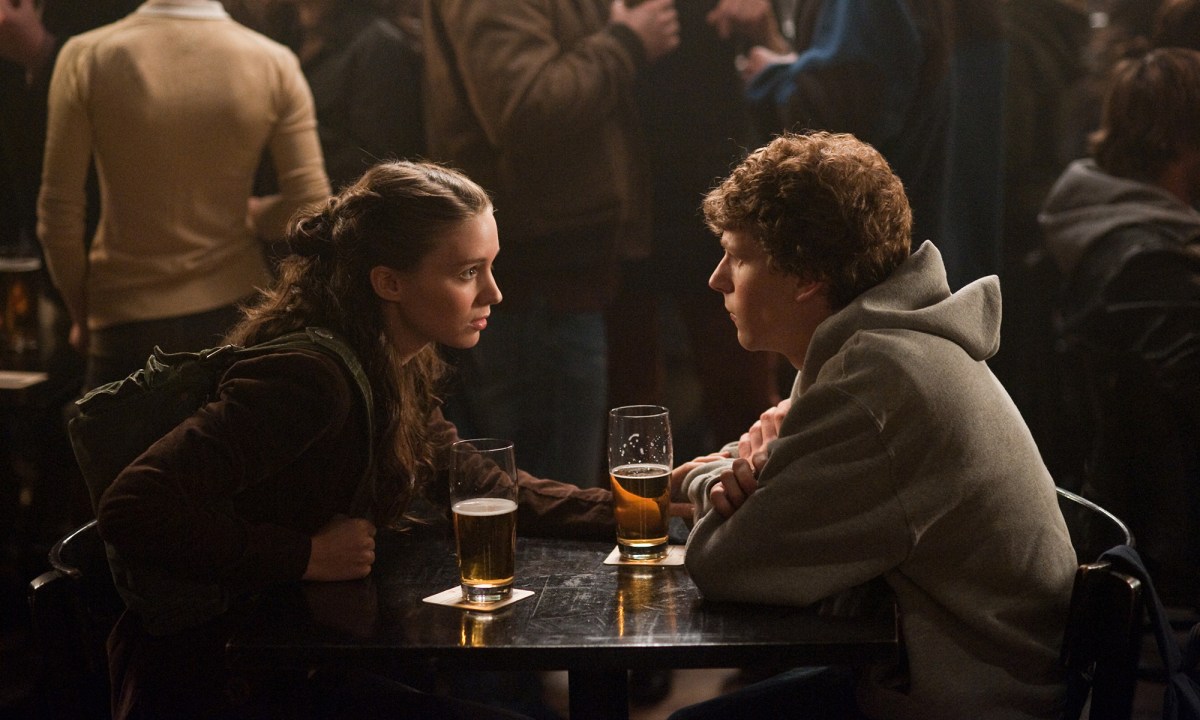
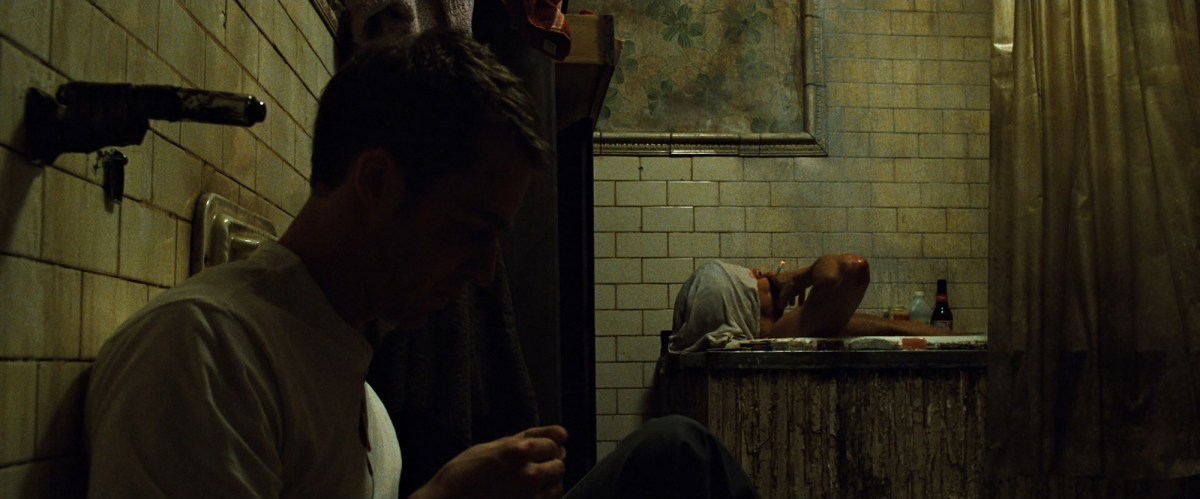
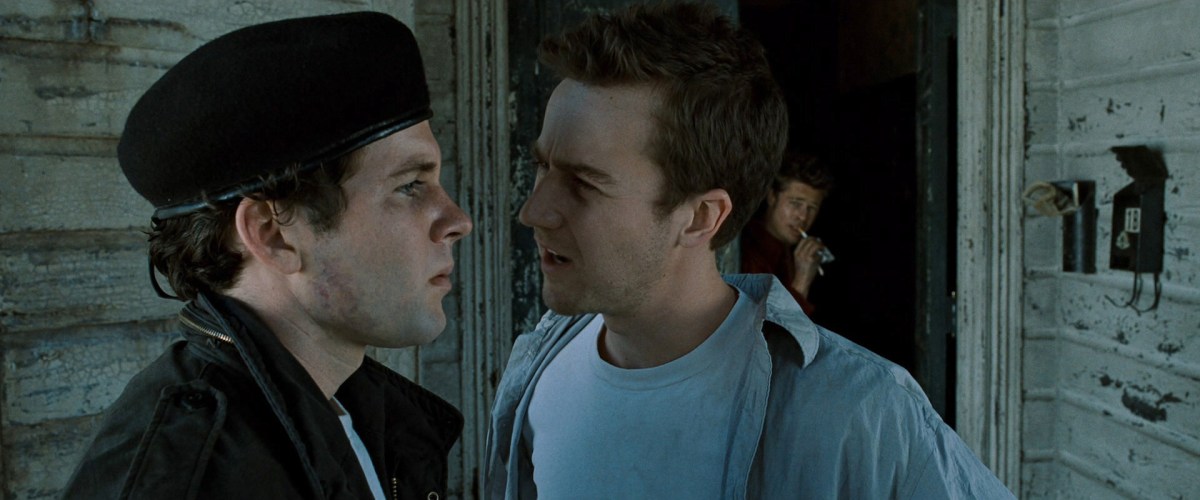
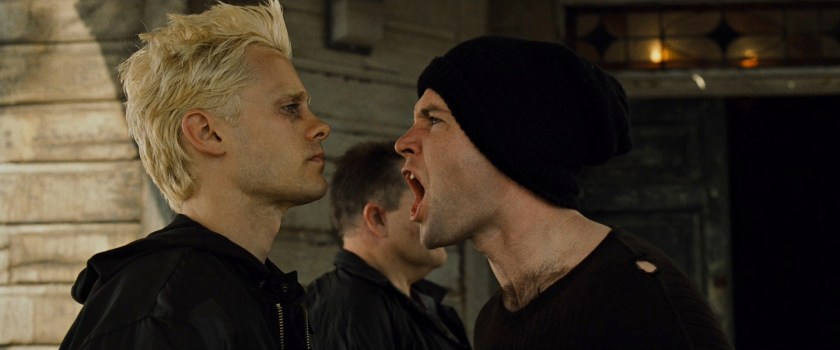
On October 1, The Social Network turns ten. The RED Mysterium X sensor (also turning ten) that rendered the film is now outmoded, but The Social Network thrives due to, not in spite of, the marks of its time. The limited latitude of the once cutting-edge camera sensor pushed David Fincher and DP Jeff Cronenweth—who also shot Fincher’s Fight Club, The Girl with The Dragon Tattoo and Gone Girl—into the darker bends of The Social Network’s imitation Harvard dorms. The camera struggled with highlights, so they avoided hot windows and sunny exteriors. It also strained to digest warm tones, so they chose a cooler palette that was easier for the RED to chew on. The sensor’s limitations had implicit limitations with the story of Facebook’s origin, the first of screenwriter Aaron Sorkin’s two tech mogul reprimands (Fincher’s Zuckerberg was follow by Danny Boyle’s Steve Jobs)—individuals he believes pioneered our doom out of spite, envy, inceldom.

When The Social Network initially released, an anecdote about Fincher hiring a mime to distract Harvard campus security was often iterated in the press. Fincher and Cronenweth stitched three shots captured by three REDs on a roof across the street and did a “pan and scan” in post to get a move they couldn’t have otherwise. But they needed light on some of the dark arches, so Fincher hired a mime to push a battery cart full of lights behind them, the impetus being that “by the time [security] got him out of there we would have already accomplished our shot.” Fincher adopted digital in its nascent stages to limit the compromises caused by the erratic nature of the film set. What remained to be compromised on he’d have more ways of fixing in post on digital than on film.


Filmmaker: What have you been watching?

Cronenweth: Eh, I don’t know. Mostly movies. I tried to do the Ozark series, which I like, but it starts to get redundant: same bad guys doing the same things. The only problem I find is that the first week we watched maybe 50 movies, so now we can’t separate the good scenes and shots from the others because we’ve watched so many in a row. That can be a handicap. I’m 58. This is the longest I’ve had off since I graduated from college. So, there are a lot of things I’ve been putting off for twenty years that have been good to get done with.

Filmmaker: Have you rewatched The Social Network recently?

Cronenweth: No, I tend not to. You see them so many times when you’re making them, in the edit, the color correct and the screenings. I would like to, though. It’s such a cleverly written script and Fincher did such a great job at bringing Aaron’s dialogue across. Everytime I watch it, regardless of how tied into it I was, it always amuses me how quickly it feels like it went by. You never have a chance to get off the rollercoaster, which is one of [Fincher’s] mottos. But by the end you go “Really? That’s the whole movie?” It feels like it just started.

Filmmaker: You guys were the first feature film to use RED’s Mysterium X sensor.

Cronenweth: It was my first experience shooting something long form with a digital camera. I had shot music videos and commercials on an array of different formats and cameras. Obviously Fincher had done Zodiac and Benjamin Button digitally. I can’t remember what they shot that on?

Filmmaker: I think they were both shot on the Viper. [Benjamin was a combination of the Viper, Sony F23 and some 35mm on the Arriflex 435]

Read the full interview

Follow Jeff Cronenweth, ASC Archives on Twitter

Art of the Shot: Jeff Cronenweth, ASC on Tales from the Loop & How Story Drives the Visuals

Derek Stettler
April 27, 2020
Art of the Shot

Welcome to the Art of the Shot podcast! Join writer and filmmaker Derek Stettler for conversations with the artists behind the camera on strikingly-shot films, series, music videos and commercials. Discover how they made their careers happen, hear about their creative process, and learn how they make the shots that make us say: wait, how did they do that?

For the third episode, Derek speaks with none other than Jeff Cronenweth, ASC!

Jeff is the two-time Oscar-nominated cinematographer behind many of David Fincher’s films, including The Social Network, The Girl with the Dragon Tattoo, and their first film together–and Jeff’s first feature film–Fight Club.

(And if you’re worried, no, they don’t talk about Fight Club… much.)

Jeff has also shot numerous commercials and music videos for some of the biggest artists, including Madonna, David Bowie, Shakira, Taylor Swift and Katy Perry.

And this month marked the release of Jeff’s first foray into television, with the pilot to the Amazon Prime original series, Tales from the Loop: a sci-fi anthology adapted from the paintings of Swedish artist Simon Stålenhag.

What you may not know is that Jeff Cronenweth is the son of legendary cinematographer Jordan Cronenweth, the eye behind the era-defining look of Blade Runner. Enjoy this in-depth conversation about everything from how Jeff forged his own path while following in his father’s footsteps, and his approach to lighting based on story, to working with David Fincher, his work on Tales from the Loop (including how he achieved a never-before-seen lighting effect), and his trick for making sure eye lights look more natural.

Note, due to the COVID-19 pandemic, this conversation was recorded remotely, but all efforts were made to ensure quality audio.

The Art of the Shot podcast is brought to you by Evidence Cameras, an outstanding rental house in Echo Park specializing in high-end digital cinema camera packages, lenses, support, and accessories.

If you like what you hear, please subscribe to be notified of future episodes, and share this podcast with others to help grow the show!

Listen to the podcast:

Apple Podcasts
Spotify
Google Podcasts

Follow Art of the Shot: Instagram
Follow Derek Stettler: Instagram, Twitter

Tales from the Loop trailer audio copyright Amazon.com, Inc. Used with permission courtesy of Amazon Studios.

Follow Jeff Cronenweth, ASC Archives on Twitter

The Cinematography Podcast: Jeff Cronenweth

Jordan and Jeff Cronenweth on the set of Francis Ford Coppola‘s Gardens of Stone

Jeff Cronenweth, ASC on David Fincher, Fight Club, growing up in Hollywood, music videos, Mark Romanek, One Hour Photo, Gone Girl, The Social Network and the new Amazon series Tales from the Loop.

Ben Rock & Illya Friedman
April 22, 2020
The Cinematography Podcast (Cam Noir)

Jeff Cronenweth comes from three generations in the film business and followed his father, cinematographer Jordan Cronenweth (Blade Runner) into a career as a director of photography. Growing up on film sets and working alongside his father enabled Jeff to take a hands-on role in the camera department. He started as a loader and camera assistant, getting into the union while attending USC. He met David Fincher while working on the Madonna music video “Oh Father” as a camera assistant. Fincher gave Jeff his first opportunity to DP for the film Fight Club. Jeff’s collaboration with Fincher later earned him two Oscar nominations- one for The Social Network and one for The Girl with the Dragon Tattoo. He also began working with director Mark Romanek on music videos, such as EelsNovocaine for the Soul” and Nine Inch Nails’ “The Perfect Drug.” Jeff and Romanek also worked together on the feature film, One Hour Photo starring Robin Williams. The film presented many lighting challenges since the bulk of it takes place inside a store with flat white lights before the darker undertones of the movie are revealed.

Jeff also shot the pilot for Tales from the Loop with director Mark Romanek, streaming now on Amazon Prime.

Listen to the podcast:

Cam Noir
Apple Podcasts

LIKE AND FOLLOW US, send fan mail or suggestions!: Facebook, Instagram, Twitter

Podcast Credits:

Sponsored by Hot Rod Cameras (Instagram)
Editor in Chief: Illya Friedman (Instagram)
Ben Rock (Twitter, Instagram)
Producer: Alana Kode
Editor: Ben Katz
Composer: Kays Alatractchi

Follow Jeff Cronenweth, ASC Archives on Twitter

Fight Club Cinematographer Jeff Cronenweth, ASC

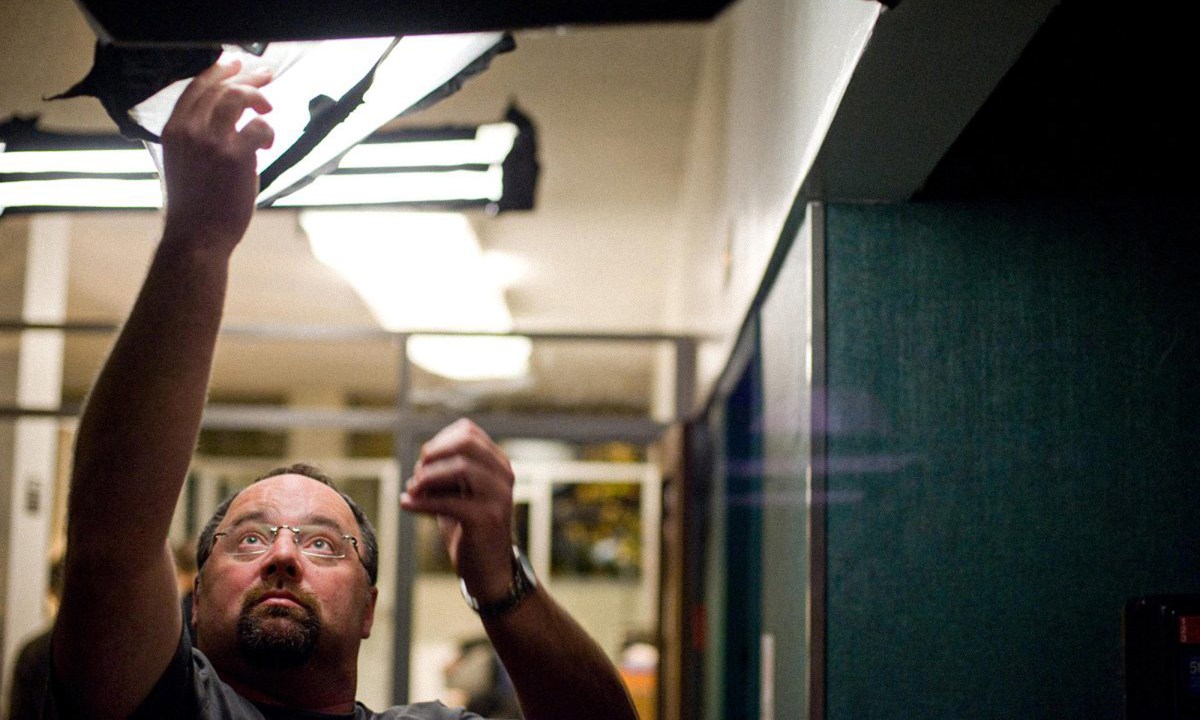
Jeff Cronenweth in the set of The Social Network (Merrick Morton, 2010)

Alan Schaller & Christopher Hooton
February 7, 2020
Candela: Photography & Cinematography masters

Fight Club cinematographer Jeff Cronenweth talks us through this iconic shot and many others in David Fincher‘s masterpiece. We also discuss how the relative naturalism of The Social Network was just as difficult to achieve, and whether something is lost with VFX even when it looks perfect.

Listen to the podcast

Follow Jeff Cronenweth, ASC Archives on Twitter

“David F*cking Fincher” Awards Brad Pitt His Modern Master Award at SBIFF

Sasha Stone
January 23, 2020
AwardsDaily

Roger Durling’s wildly successful Santa Barbara International Film Festival is underway with tributes and with honors being handed out for the next week or so. Last night, Brad Pitt was honored with the Leonard Maltin Modern Master award.

After a lengthy interview with Maltin, which covered all of Pitt’s work with directors like both Ridley and Tony Scott, the Coen brothers, Tarantino, and beyond, Pitt’s frequent collaborator David Fincher made a rare appearance to hand Pitt his Modern Master award. They have made three films together, if you didn’t know (which of course would be insane to not know). Pitt is a muse of sorts for Fincher, starting with Se7en (1995), then Fight Club (1999), and finally Benjamin Button (2008). Pitt said when accepting his award that he hoped the two get to do five more collaborations together. Wouldn’t that be something?

Brad Pitt is having quite a season. It’s as though we’ve never seen a movie star. Movie stars of his stature are “as rare as albino pandas, and here’s one of them,” said Fincher. What that means is that it’s rare indeed for an actor to possess that thing — that movie star thing. Charisma that could power an entire planet. You can’t teach it. You can’t learn it. It’s there or it isn’t. And with Pitt, it was there from his first appearance onscreen.

Here are the videos of the event (playlist):

January 22, 2020
officialSBIFF (YouTube)

Brad Pitt Looks Back on ‘Snatch’, ‘Oceans 12’, ‘Once Upon a Time…’ and More at SBIFF

Christina Radish
January 25, 2020
Collider

Read the highlights of the conversation

Not On Blu-ray?: Fight Club Compared

Blu-rays vs iTunes HD vs D-VHS vs DVD vs Laserdisc

Mac
April 7, 2018
Not On Blu-ray?

Caustic, nihilistic and controversial, Fight Club successfully adapted Chuck Palahniuk’s transgressive fiction novel, it’s a credit to screenwriter Jim Uhl’s excellent adaptation that the voice of the original novel is heard so clearly, and at the same time the film proved to be an enormous success. Though much credit is also due to the excellent sound and editing: so much in this film depends on hitting exactly the right tone.

Based on a reader suggestion, I decided to take a look at the various home video versions of Fight Club that are available.

Filming Fight Club

Fight club was photographed by Jeff Cronenweth, a then hot and upcoming Cinematographer who until that point hadn’t shot a major feature, but did have the advantage of being Blade Runner cinematographer Jordan Cronenweth’s son. Fincher has worked with both father and son on a number of projects culminating in ‘Alien 3’. Subsequently Jeff did camera work on a number of Fincher’s other features including ‘Se7en’ and ‘The Game’.

An Interview with Cronenweth in American cinematographer records Fincher’s preference for both natural and pre-existing lighting in locations over elaborate lighting setups. This necessitated the choice of higher speed stocks.

The film was shot using the Super35 format, and framed at 2.35:1. Daylight scenes were shot on Kodak EXR 100T and Vision 250D film, while the majority of night scenes were shot on ‘faster’, grainier Vision 500T.

Selected night scenes from the film were 5% flashed at the laboratory, which boosts contrast and enhances detail in the darker parts of the frame. Additionally a handful of release prints were treated with the Technicolor’s ENR silver retention process (bleach bypass) at the 80 IR level.

Shooting in Super35 at an aspect ratio of 2.35:1 provides considerable latitude for re-framing during the editing process, which David Fincher may have developed a taste for when working on the various home video editions of Se7en.

Read the full article

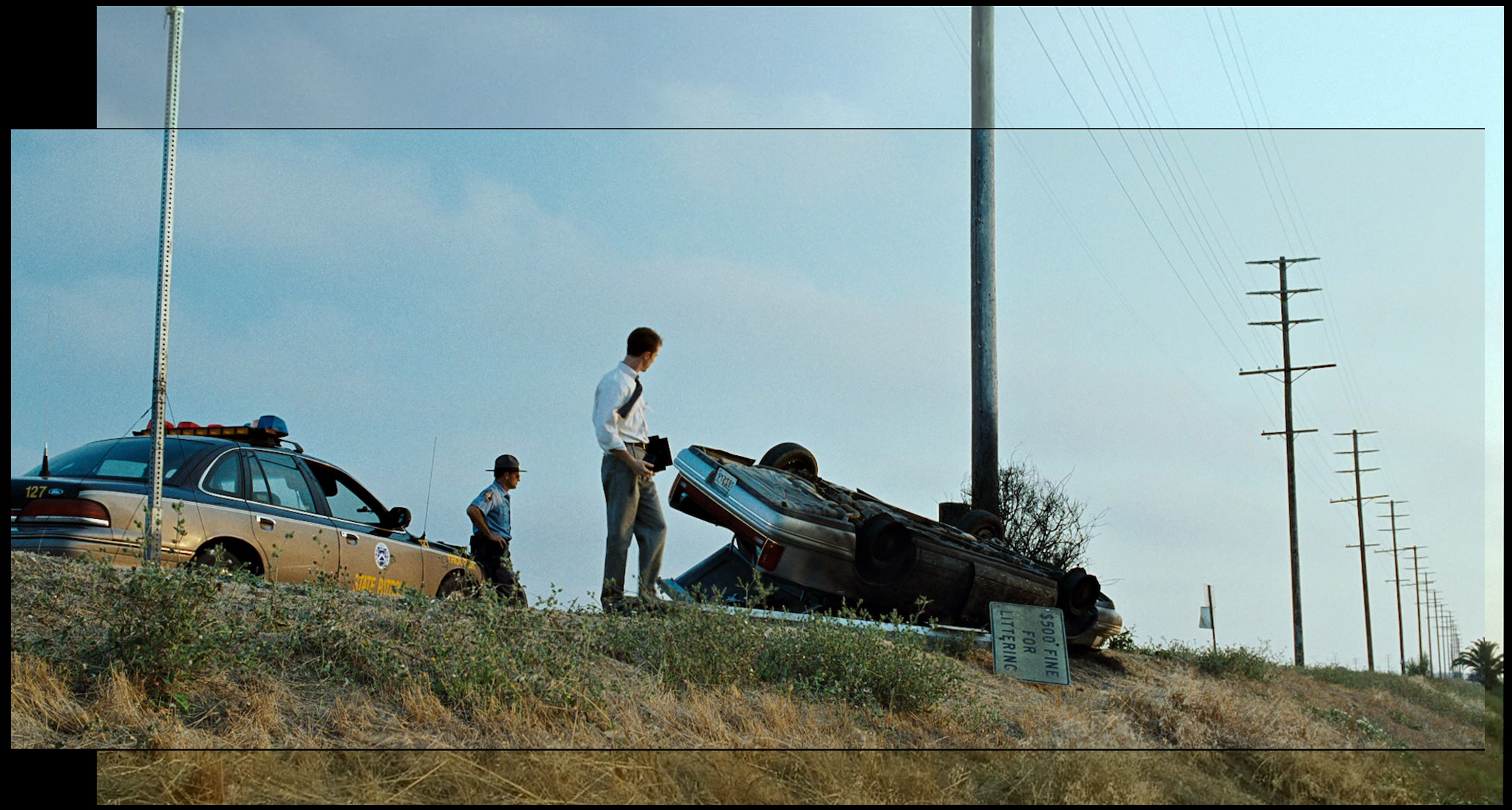
Here the composition is noticeably skewed between the 16:9 and 2.35:1 versions.

Fight Club. How (Not) To Become A Space Monkey

Tom van der Linden
Like Stories of Old (YouTube)

Movies have always had a strong impact on me, they affect the way I look at the world and help make me a better person. With this channel I want to explore this boundary between film analysis and life lessons, because I believe that movies, just like the stories of old, contain valuable lessons and insights, and to better understand them is to better understand life.

In this video essay on Fight Club, I examine how charismatic leaders like Tyler Durden turn men into Space Monkeys.

Support this channel
Leave a One-Time Donation

Follow me on Facebook, Instagram, or Twitter.
Say hi: likestoriesofold@gmail.com
Business inquiries: lsoo@standard.tv

Sources:
Ernest Becker – The Denial of Death
Like Stories of Old – Complete Reading List

Featuring:
‘Where Is My Mind’ cover by Alex Voulgaris. Follow Alex on Instagram.
‘Where Is My Mind’ cover by Gattobus
Additional Music:
Skyler Lawson – Eclater
Luke Atencio – Projections
Additional music licensed from Musicbed

Sponsored by MUBI. Start your 30 DAY FREE TRIAL now.
With the support of Creative Europe – MEDIA Programme of the European Union.

LGATs and Fight Club. Dissecting a Delusion

In 1989 Chuck Palahniuk participated in a controversial type of “personal development” seminar, known generically as a large group awareness training (LGAT) and, according to Palahniuk, this seminar inspired him to become a writer.

In the two decades since Fight Club was published and released, film reviewers, academics, journalists, and the public have largely agreed about Palahniuk’s commentary on consumerism and masculinity; however, just as Tyler Durden spliced single frames of pornography into family films, it will be argued that Chuck Palahniuk, and later David Fincher, spliced numerous references to the LGAT industry into Fight Club. It will be contended that, while Fight Club touches on multiple themes, a major metaphor relates to Palahniuk’s involvement with these organisations.

Because Palahniuk and Fincher refer to various individuals, processes, criticisms, and critics associated with LGATs, this analysis will start with an overview of the LGAT industry. Evidence of Palahniuk’s participation in the most well-known LGAT of its time will then be provided, and the remainder of the paper will discuss the parallels between this industry and the book/film.

John Hunter, author of this essay, was diagnosed with bipolar I disorder in 2003 and since then has been trying to understand the illness, and its impact on belief-formation. In 2017 John completed his PhD in psychology, contending that a brutal form of “personal development” training triggers a bipolar state (hypomania/mania), that this experience contributes to a kind of religious conversion… and that Chuck Palahniuk and David Fincher were satirising these trainings in Fight Club.

Read the full essay

Murmur: Chuck Palahniuk. “Fight Club” @20

Robert Milazzo
November 2, 2019
Murmur (The Modern School of Film)

Where craft meets culture. Hosted by The Modern School of Film’s Robert Milazzo, Murmur is a prescient tour through our sight and sound culture; featuring scenes, songs, and an array of guest tour-guides from all sides of the brain:

Oh, F’it, let’s actually talk about the film Fight Club @ Twenty – still the smartest delinquent in the room – with the man whose book-as-rolling-ball-of-art-and-confusion began a movie birthed by an apropos society of full-throated artists: Chuck Palahniuk. The film still can’t drink, but it’s no less a danger to society. Its meta and mythos are more than meets the eye, and its fever-pitch lives in Chuck’s own agnostic baptisms. Write what you know, perhaps; film what’s to remain, please. Live from Cologne, Germany Live from Cologne, Germany, with an assist from Black Francis of The Pixies. Gleiten [Slide].

June 25, 2019
CCXP, Cologne (Germany)

Listen to the podcast:
Murmur
Apple
Stitcher
Tune In