Frame & Reference is a conversation between Cinematographers hosted by Kenny McMillan. Each episode dives into the respective DP’s current and past work, as well as what influences and inspires them. These discussions are an entertaining and informative look into the world of making films through the lens of the people who shoot them.
Igor Martinovic (Man on Wire, House of Cards: S02, The Night Of) and Vanja Černjul (Orange Is the New Black: S01, Marco Polo, Crazy Rich Asians), who grew up together in Croatia, talk about their experiences working with David Fincher in House of Cards: S02 (Igor), shooting a big production like House of the Dragon (Vanja), and making together the documentary Jim Henson: Idea Man directed by Ron Howard.
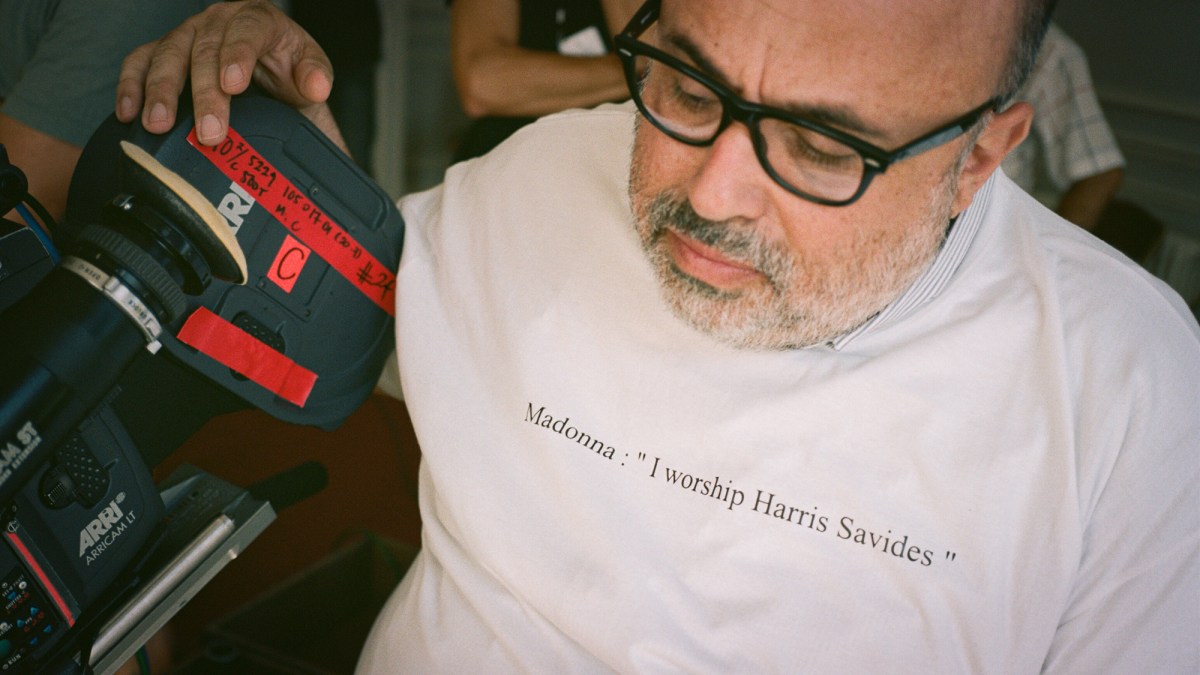
Sofia Coppola, Gus Van Sant, Noah Baumbach, Jonathan Glazer, David Fincher, and today’s best cinematographers reflect on the giant hole in the heart of cinema that was left when Harris Savides died in 2012.
When cinematographer Bradford Young was fresh out of Howard University, he would have done anything to get near the set of his idol Harris Savides. He eventually found a way to shoot behind-the-scenes footage for the French director Fabian Barron, who hired Savides to shoot an Armani fragrance commercial in Hawaii. When Young got to the forest set, with shafts of light streaming through the trees, he became confused when he flipped on his DV camera to capture the scene.
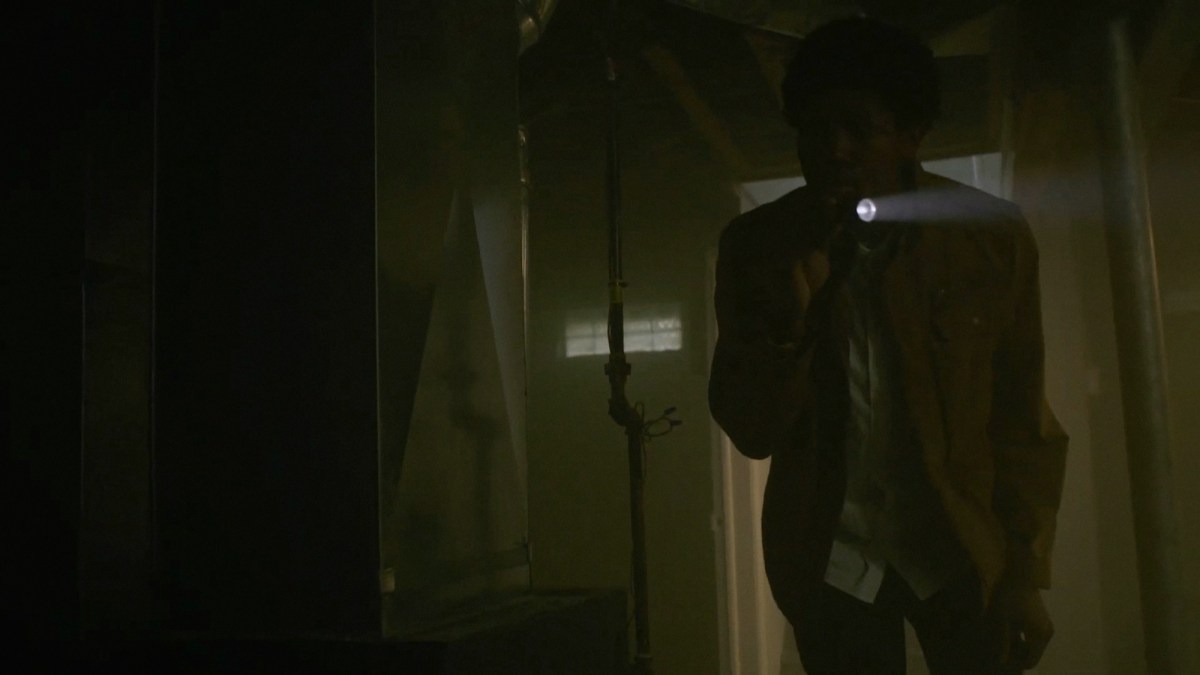
“The model came on set, and I was like, ‘How’s he going to light her face?,’” recalled Young, who couldn’t believe what happened next: Savides walked on to set with a flashlight in hand and shined it at the model. “He was completely secure with this little flashlight on this million-dollar set. With my eye on the day, I didn’t understand what was happening, ‘How’s he still getting exposure?’ And then I saw the commercial. It was that God particle thing that Harris had. This was complete technical mastery and a complete mystery to observe.”
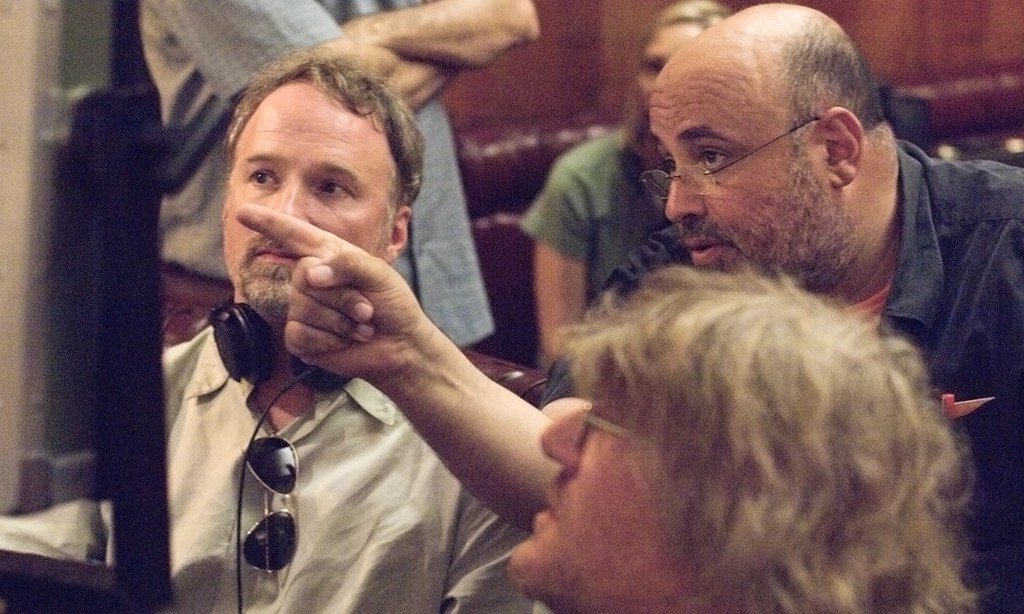
David Fincher and Harris Savides, Zodiac (Merrick Morton, 2007)
There was a sense of magic surrounding what Savides was able to do. When discussing what his go-to cinematographer was using to light a scene, director David Fincher used to joke, “I don’t know, Harris’ got a jar of fireflies.”
“Beyond the technical process, there was always something else going on in the picture that I couldn’t account for, something that was only him,” writer/director Noah Baumbach told IndieWire. “Something that I guess we call genius.”
Garrett Sammons & Quinton Myricks July 31, 2024 Litepanels
In this episode of Inspired By, we step into the meticulously crafted universe of David Fincher. Host Garrett Sammons welcomes director Quinton Myricks to lift the veil on Fincher’s signature chilling style.
Join us live as we uncover how he utilizes reverse key lighting, reflections, and harsh light to craft his hauntingly beautiful worlds.
03:15: Introducing Quinton Myricks 07:30: Scene breakdown 1 16:30: Scene breakdown 2 22:48: Scene breakdown 3
In tandem with his first-ever retrospective at the Albertina, a new book pairs the prolific photographer’s work with writings from directors David Fincher and Matthieu Orléan, and novelist Emily St. John Mandel, among others.
“I’ve always said that I think every artist has one central story to tell,” photographer Gregory Crewdson says on a call from Great Barrington, Massachusetts, where he lives and works. “And they circle around that story, over and over again, over a lifetime, reinventing aspects of it and challenging others and trying to push things forward. But at the core of it, it’s like the central preoccupations remain fixed.”
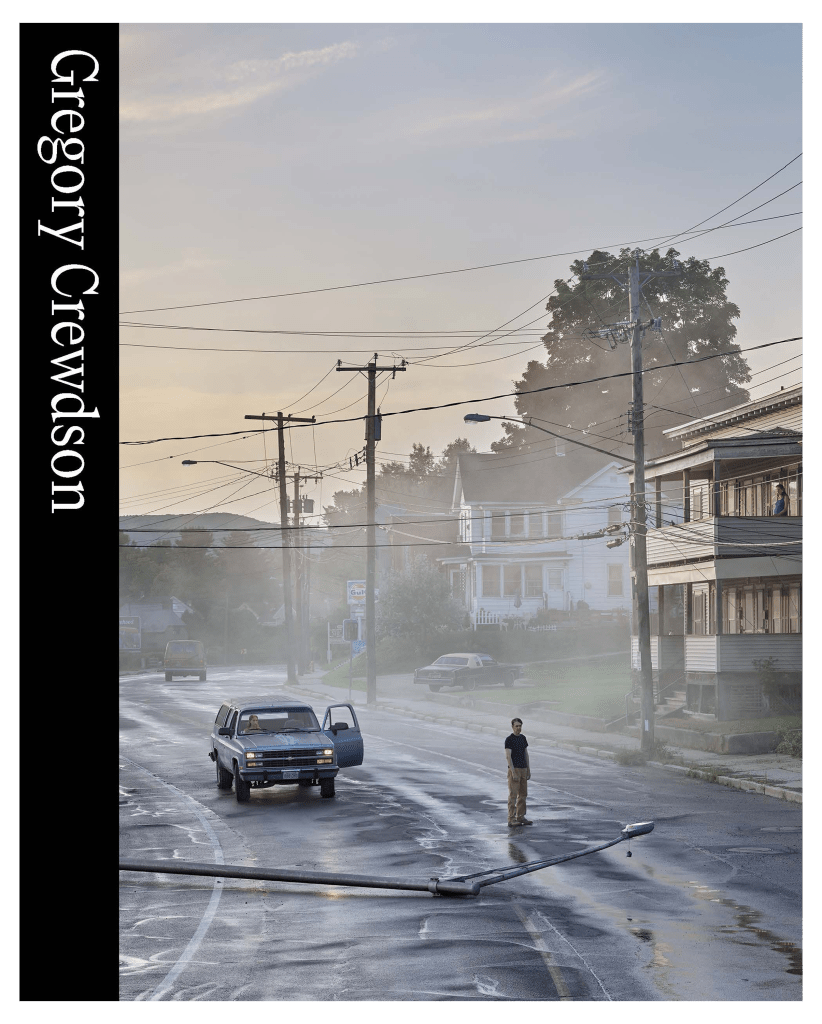
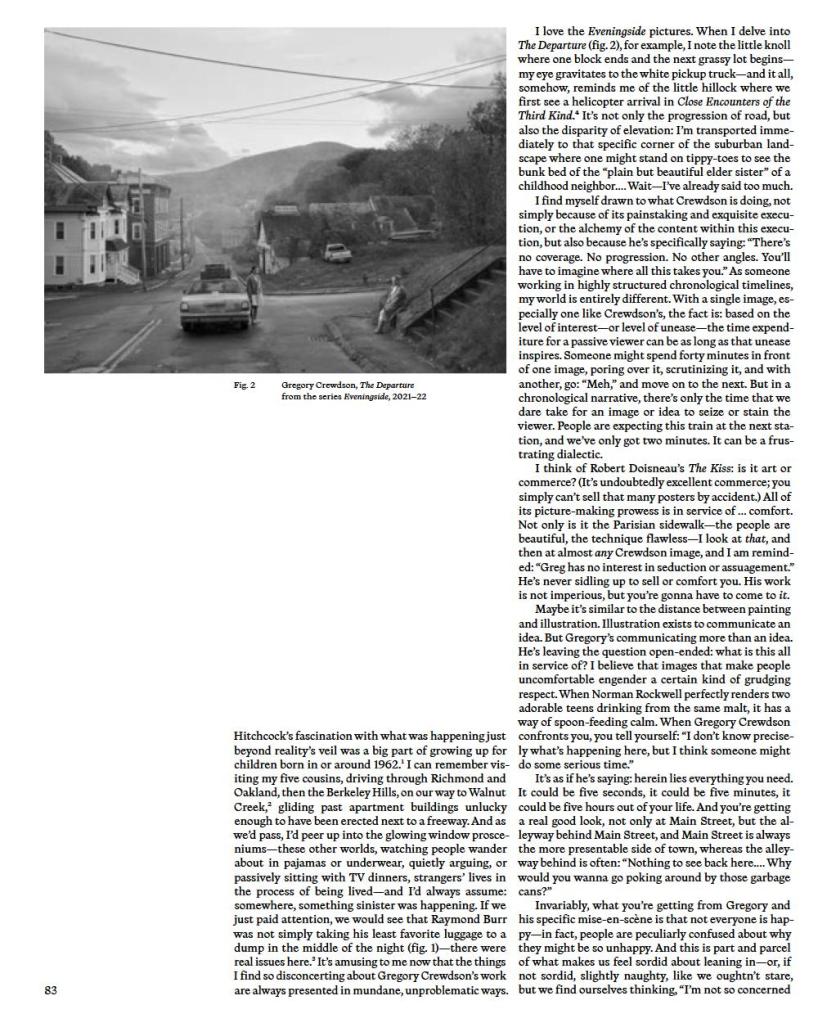
The concept is particularly timely for the photographer, who for the past three-and-a-half decades has been constructing gripping images that call to mind film stills, as his first-ever retrospective opened in May at the Albertina in Vienna. Later this month, the eponymous exhibition takes new form with the release of Gregory Crewdson, its 280-page catalogue edited by the Albertina’s chief curator of photography Walter Moser and published by Prestel. The book features more than 300 photographs and production stills that examine the complexities of American suburbia, be it through someone wandering a parking lot, shirtless and unmoored, or a twosome’s forlorn gazes into a television as its glow illuminates a basement, paired with writings from directors David Fincher and Matthieu Orléan, and novelist Emily St. John Mandel, among others.
Gregory Crewdson – Walter Moser, Editor (Prestel, 2024)
For Crewdson, the process of revisiting nearly 40 years of work was “complicated,” but led him to draw parallels between his earliest endeavors and present-day work. “It’s interesting in that on some basic level everything’s changed and then on another level, nothing’s changed really,” he says. “When I look back at pictures I made when I was in graduate school, [those are] the first pictures in the show, they’re not that dissimilar in terms of the basic concerns—on a much more modest scale, of course.”
In advance of the catalogue’s release, Crewdson spoke with Vanity Fair about the possibility of making the switch from photography to directing feature-length films, and the story he’s been telling all these years.
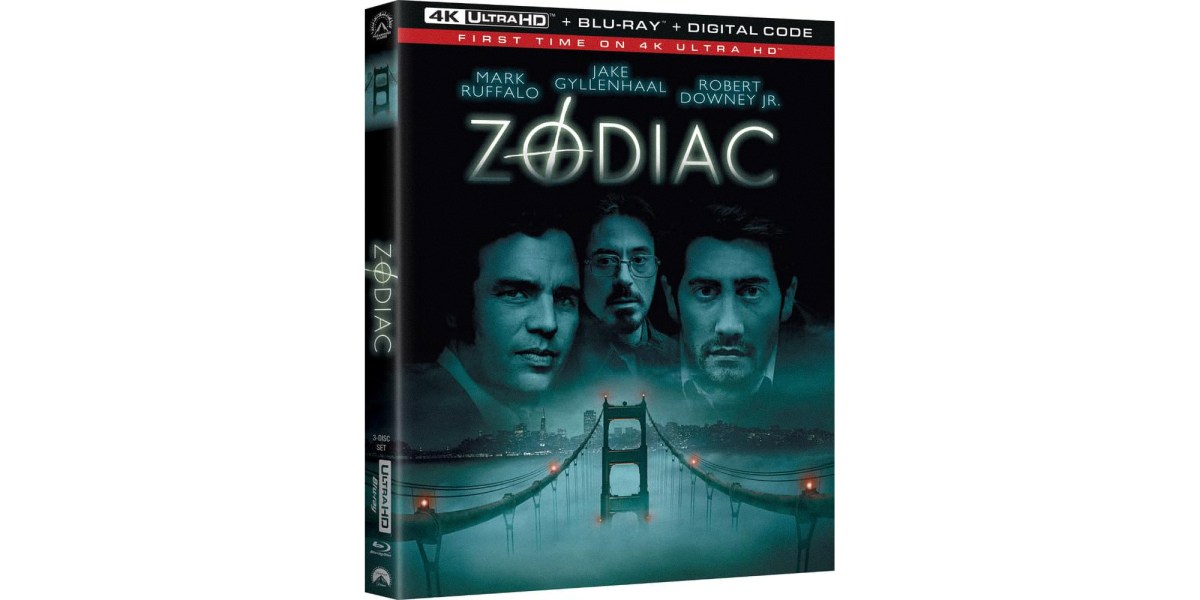
Paramount is releasing the 4K UHD Blu-ray + Blu-Ray + Digital Copy of David Fincher‘s Zodiac (2007) on October 29.
Based on the true story of the notorious serial killer and the intense manhunt he inspired, Zodiac is a superbly crafted thriller from the director of Se7en, Fight Club, and The Social Network. Featuring an outstanding ensemble cast led by Jake Gyllenhaal, Robert Downey Jr., Mark Ruffalo, Chloë Sevigny, Anthony Edwards, and Brian Cox, Zodiac is a searing and singularly haunting examination of twin obsessions: one man’s desire to kill and another’s quest for the truth.
Nothing else that is so certain is as surprising as age. This first struck me a few years ago when my eldest child turned 18 and, with spectacular solipsism, I thought: ‘Hang on, if my son is a man then that must mean I’m old.’ None of my own birthdays had hit so hard.
When I was a boy I used to believe – to hope, really – that one day I would, like Tom Hanks in Big, wake up and look in the mirror and find myself a fully formed adult, maybe with a caption saying, ‘10 years later’. Then you realise this is not a hope but basically a reality, as it’s a blink and you’re there (except I’d kill to have Hanks’ abs). As Jose Mourinho told Dele Alli, “I am 56 now and yesterday, yesterday, I was 20.”
I’m clinging to my mid-40s and realising the truth of this, as well as the reality that we’re never really adults – even our parents are not adults. Everyone is busking it. We never really feel grown up. As Martin Amis told Jude Rogers for Word magazine, in a quote she posted upon his death last year, “We’re like children all our lives, because every 10 years we have to acquaint ourselves with a new set of rules.”
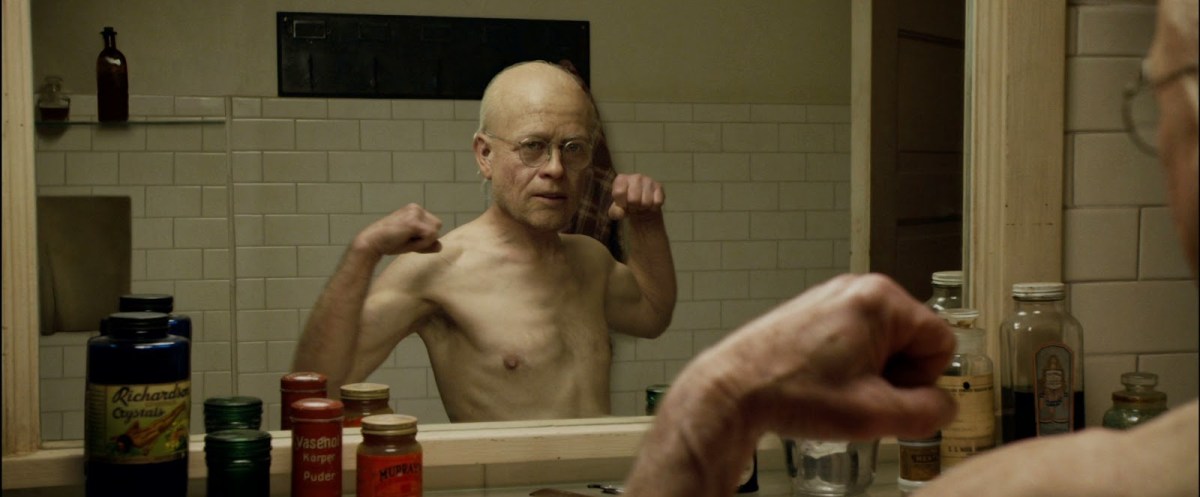
The Curious Case Of Benjamin Button deals with all of this, in a fantastical Hollywood romance, and at the time – certainly in my peer group – there was some confusion that David Fincher was interested in the heart rather than another head in the box. The film was grand, sweeping, and sad. Where was the bloodshed?
The Fall Will Probably Kill You is a reader-supported publication. To receive new posts and support Nev Pierce‘s work, consider becoming a free or paid subscriber.
Watch the shorts by Nev Pierce, including Bricks, an Edgar Allan Poe adaptation starring Jason Flemyng and Blake Ritson, which David Fincher said about: “A morbid yet classy take on a morbid classic.”
Let’s get into how Erik Messerschmidt does what he does, by unpacking his thoughts and philosophy on photography and looking at what gear he chooses in this episode of Cinematography Style.
00:00: Introduction 01:04: Background 02:06: Visual Language & References 03:44: Perspective & Camera Movement 05:40: Post Production 07:15: Lenses 09:05: Cameras 10:51: Grips 11:33: Lighting 12:28: MUBI
Music: Ottom – ‘Hold On’ Stephen Keech – ‘Grand Design’ Nuer Self – ‘Dawn’ Liquid Memoirs – ‘Distant Dream’ Joley – ‘Night Stroll’ I Am Alex – ‘Bonfire’ The Soundkeeper – ‘The View From The Attic Window’ Sero – ‘Mid August’ Chill Winston – ‘The Truth’
DISCLAIMER: Some links in this description are affiliate links. If you purchase a product or service with these links I may receive a small commission without an additional charge to you. Thank you for supporting my channel so I can continue to provide you with free videos!
With The Killer, David Fincher created a masterpiece of cinematic storytelling.
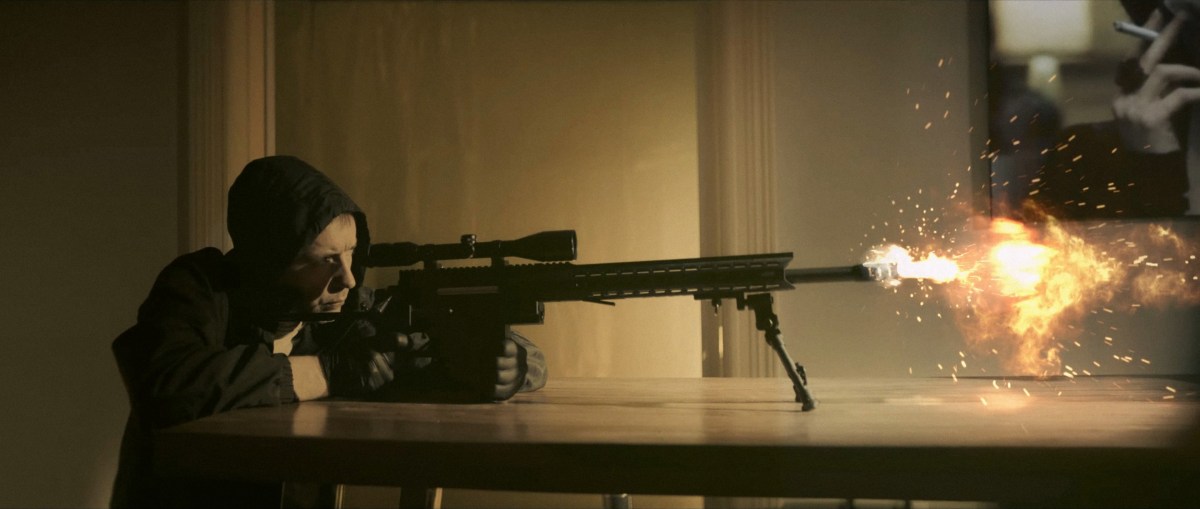
In the first act – the Paris hit – Fincher and his team combined three sets in post. They also added typical artifacts like horizontal flares and distortions to give The Killer an anamorphic vibe.
To learn and explore, we set out to recreate the climax of the first act of The Killer, BUT to do it for real: One real location and real anamorphic lenses. We even developed a way to do film through a real rifle scope – anamorphic of course.
This was possible as DZO just introduced three new focal lengths to their awesome PAVO lineup of 2x anamorphic lenses, a 135mm, a 180mm, and a 65mm Macro. This new focal length and the general short minimum focus distance of the PAVO made them the ideal companions to shoot our short.
We take you behind the scenes, share our experiences with you, and, of course, show you the result: “The Killers” gives the original a slightly different spin…
Disclaimer: We collaborated with DZOfilm and got the full PAVO set of 9 lenses to shoot our short. As always, we strive to give you our honest opinion based on our experience and tests.
00:00: Intro & Contents 02:48: The Killer / A Cinematic Masterpiece 03:44: Subjective Camera Movement 05:00: Subjective Sound Design 05:41: Subjective Edit 06:25: Paris: A Real Fake Location 10:08: Faking the Anamorphic Look| 12:14: Reimagining The Killer 15:49: Gear: The Lenses 23:18: The Rifle Scope 25:01: Gear: The Cameras 27:45: Feature: The Killers 31:08: A Second Killer & Verdict 33:16: Thank You 34:02: Member Shout Out
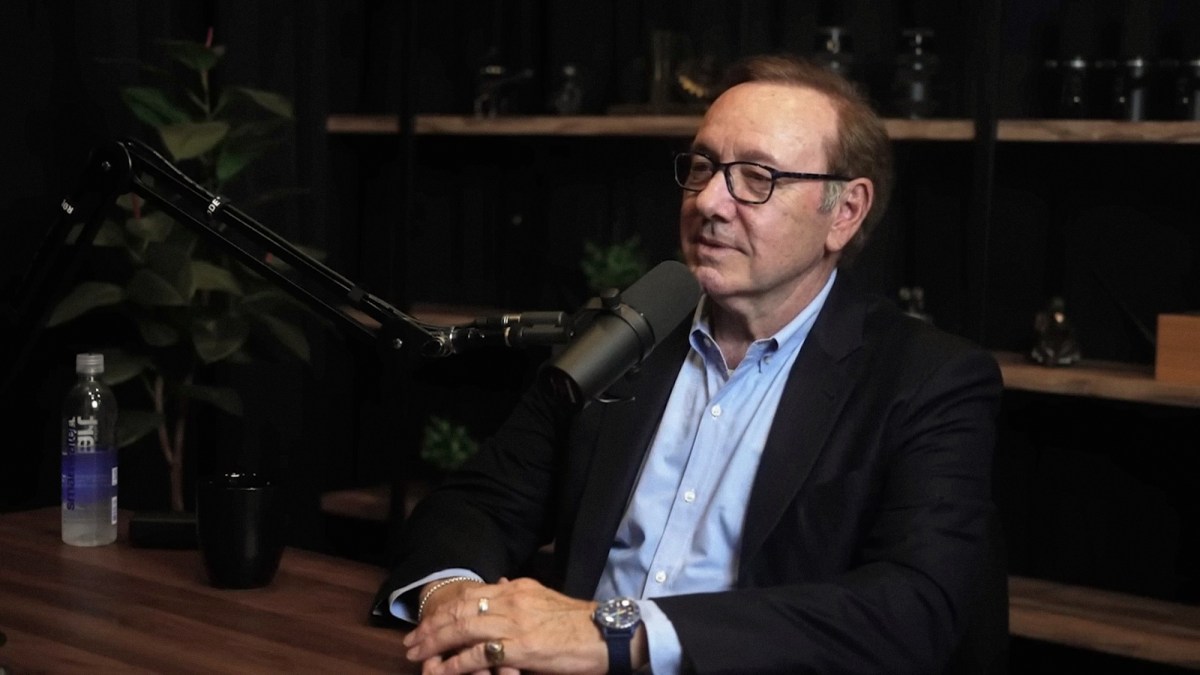
Kevin Spacey is a two-time Oscar-winning actor, who starred in Se7en, The Usual Suspects, American Beauty, and House of Cards, creating haunting performances of characters who often embody the dark side of human nature.
Paramounthas just made David Fincher’s Zodiac (2007) available in 4K Digital on Apple TV, Vudu, Kaleidescape, and more. Given the amount of effort Fincher puts into his remasters, we believe it’s safe to assume that Zodiac will be coming to physical 4K Ultra HD from Paramount sooner than later as well.
Zodiac, it should be remembered, was shot mostly in 10-bit RAW in 1080p HD (4:4:4) using the Thomson Viper FilmStream camera, along with some footage in 35 mm photochemical film (Super 35 format). But anyone who doubts that it could look great upscaled and remastered in 4K would do well to take a look at HBO’s Game of Thrones: The Complete First Season in 4K UHD. The advantages of high data rate and low compression, combined with an HDR grade, really make a difference. Zodiac in particular was very well lit and photographed.
And it looks good! The color grade in particular is excellent. HDR is subtle, but it makes a difference. There’s obviously not as much detail as you’d see in native 4K, but the image is very dimensional. Color is really lovely. Should make a good UHD disc. Definitely an improvement over the Blu-ray. The best this film has ever looked.




 The Fincher Analyst