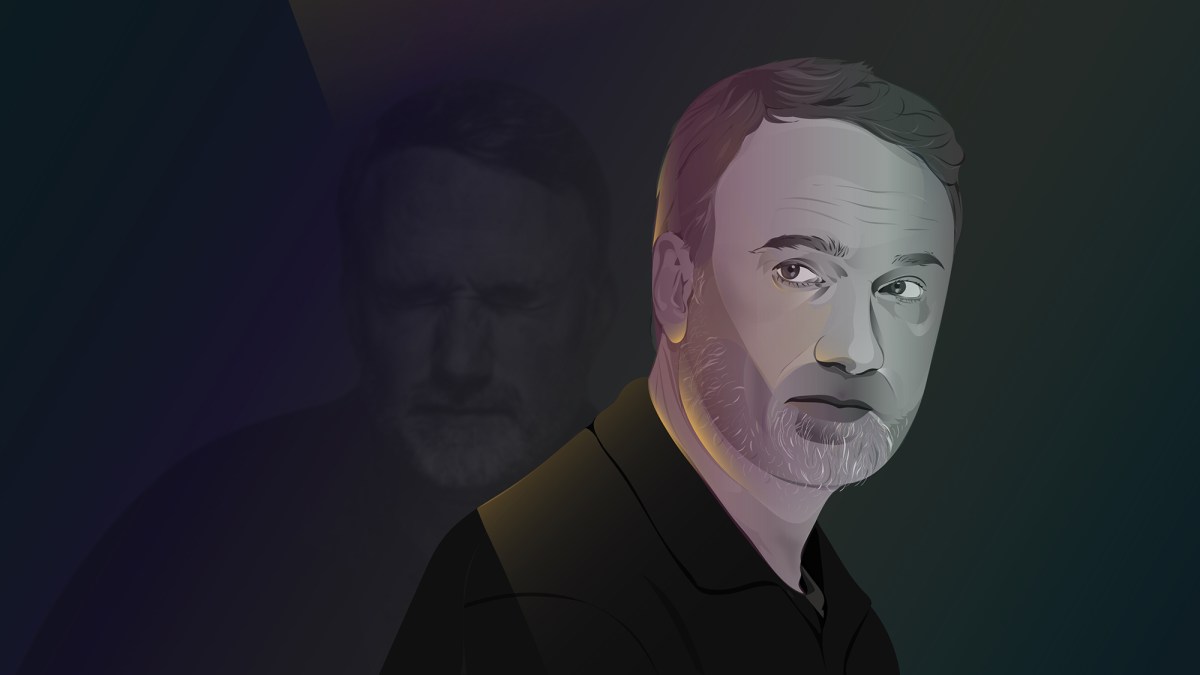
Fincher Moments: The Pure, Painstaking Romance in ‘The Curious Case of Benjamin Button’

To celebrate the 25th anniversary of Se7en and the 10th anniversary of The Social NetworkThe Ringer hereby dubs September 21-25 David Fincher Week. Join us all throughout the week as we celebrate and examine the man, the myth, and his impeccable body of work.

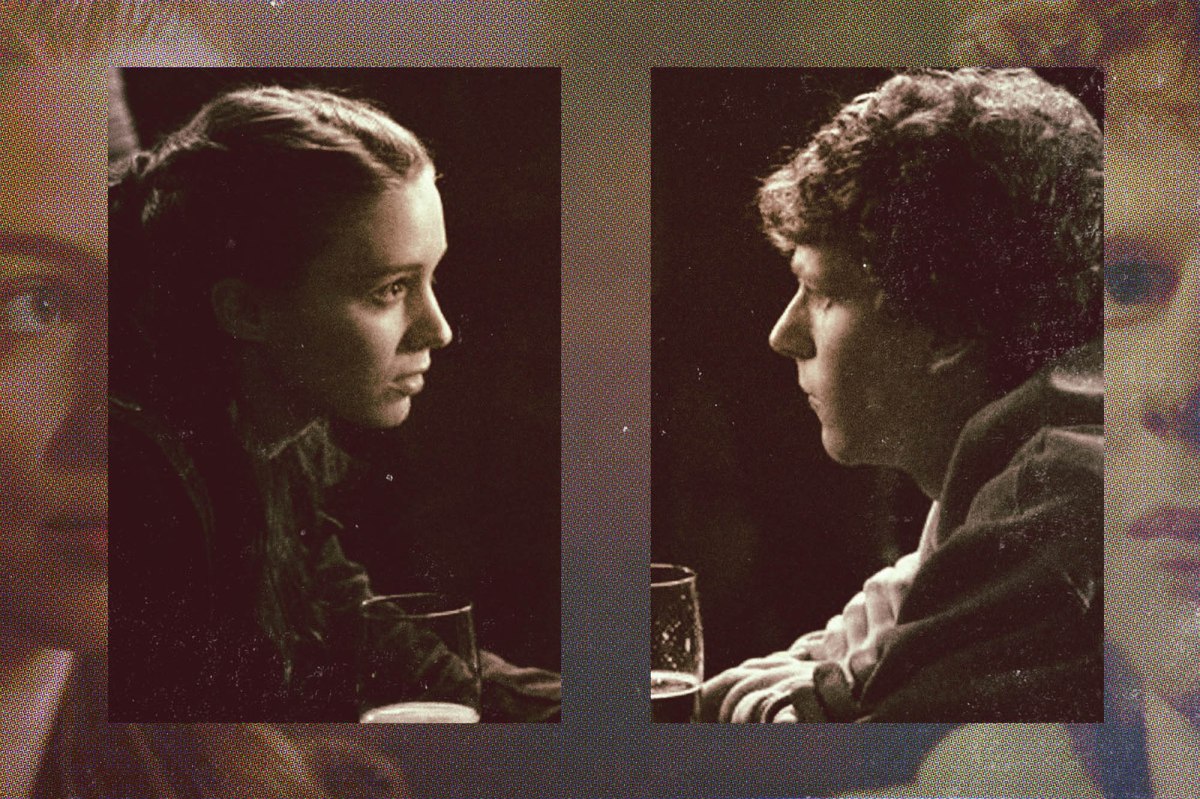
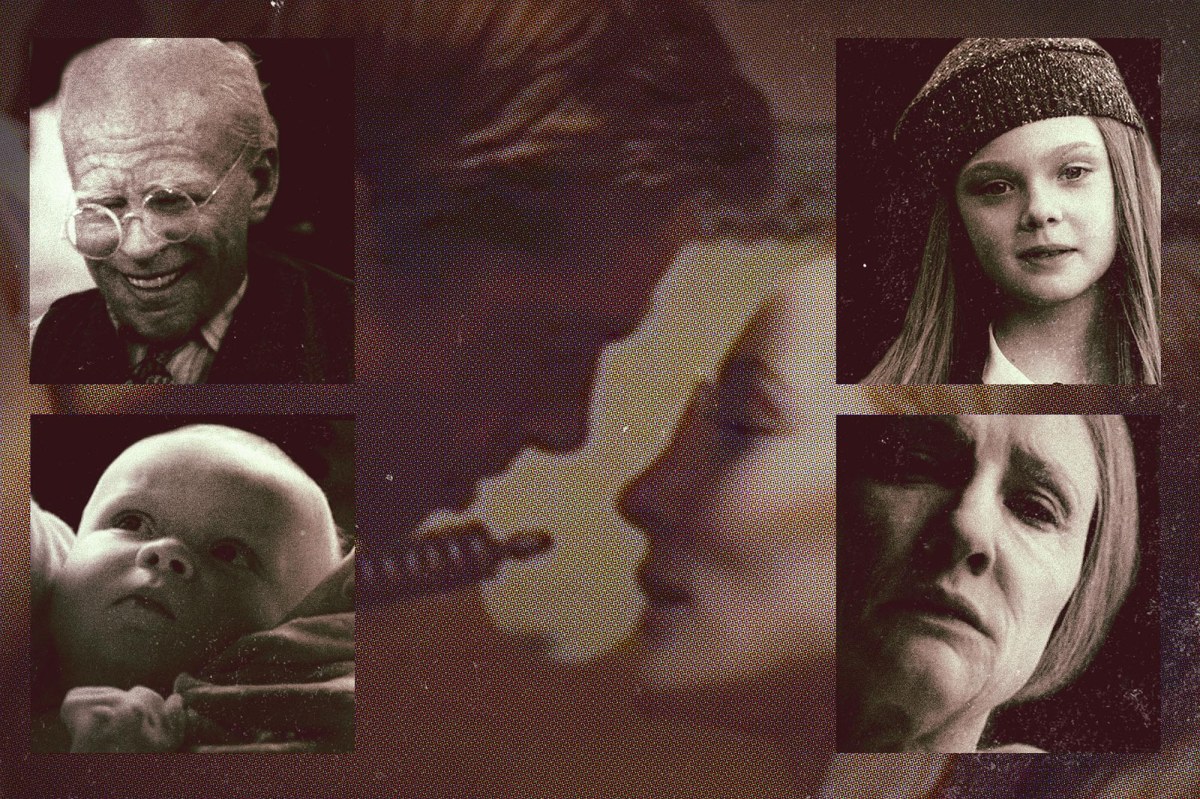
Many describe David Fincher as cold, but the scene when Benjamin and Daisy meet in the middle is anything but

Manuela Lazic
September 23, 2020
The Ringer

Romance isn’t the first thing that the name David Fincher brings to mind. His work is more often characterized as dark, ingeniously twisted, even cold-hearted. What made Zodiac so striking was its almost neutral approach to its sinister topic, in line with the serious detective work that its protagonists engage in to try to catch the infamous serial killer. No surprise that the director eventually gave his take on the Scandinavian crime saga The Girl With the Dragon Tattoo. But this calm and collected approach belies a genuine sensitivity and emotional intelligence. Even in Se7en, love was present and essential to the story’s darkness, hidden in a box that was much more than a simple piece of evidence. Some kind of love is also what drives Amy Dunne to trap her husband in an increasingly loveless marriage in Gone Girl. Although the director revels in humanity’s natural bend toward perversion, he understands that deviance isn’t all that interesting without the passion that often spawns it.

Sometimes, however, love remains pure and impervious to the corruption all around. 2008’s The Curious Case of Benjamin Button, Fincher’s most romantic film, isn’t about some guy insulting his girlfriend and then trying desperately to add her on Facebook like a 14-year-old; its hero isn’t a washed-up teacher who can’t help but sleep with one of his young students and ruin his wife and life, nor does he need a little push off a rooftop to feel alive again. Benjamin Button (played by a peak Brad Pitt, if you ask me) is a very nice guy who knows how to love a woman well; with his good manners and big heart, he couldn’t be further from a pervert. It’s his genetic makeup that’s gone wrong—a fact that makes Benjamin Button, as lovely as it is, Fincher’s most disturbing film, albeit in an unusual way for the director.

Read the full article

David Fincher’s Lost Projects

To celebrate the 25th anniversary of Se7en and the 10th anniversary of The Social NetworkThe Ringer hereby dubs September 21-25 David Fincher Week. Join us all throughout the week as we celebrate and examine the man, the myth, and his impeccable body of work.

The acclaimed director has an unimpeachable body of work, but why isn’t it more extensive? The answer lies in the long list of movies and TV shows that he hasn’t made.

Alan Siegel
September 23, 2020
The Ringer

For a longtime screenwriter, the email seemed too good to be true. “How would you like to work on this TV show,” Rich Wilkes recalls it saying, “and have no one tell you what you have to do?”

The note was from David Fincher.

The two had almost collaborated in the early 2000s, when Wilkes wrote the adaptation of the Mötley Crüe biography The Dirt. Fincher planned to direct the debaucherous movie. But it didn’t happen. “It got blown apart somehow,” Wilkes says. “Which was really frustrating.”

A decade later, Wilkes was surprised to hear from Fincher. “I don’t know if you know who this is, I’m the guy who wrote The Dirt. I think maybe you contacted the wrong person,” Wilkes remembers responding. “And he said, ‘No, no, I know who you are. Do you want to work on this show?’”

The series was a half-hour HBO comedy set in the world of ’80s music videos, where Fincher’s career had taken off after he directed clips like Madonna’s “Express Yourself” and Paula Abdul’s “Straight Up.” Videosyncrasy centered on a new-to-showbiz production assistant and told the story of the rise of a wildly popular new medium. The first season began with the making of Berlin’s “The Metro” and was set to culminate with the filming of Michael Jackson’s “Thriller.”

Initially referred to by its two working titles, Living on Video and Video Synchronicity, the show had a cast that included Charlie Rowe, Sam Page, Kerry Condon, Corbin Bernsen, and Paz Vega.

For the man behind Se7en, Fight Club, and Zodiac, the tone and format of the series was a departure. But the subject matter was not. “The beauty of working on that with him was, one, he had the inside knowledge of how things worked,” Wilkes says. “But he [also] had the relationships to be able to call up David Geffen and say, ‘Hey, can we use this song?’ Once you get one person to say yes, the next people are like, ‘OK. I’d like to be involved with that too.’”

In early 2015, Fincher and his crew shot a handful of episodes of Videosyncrasy. That June, however, HBO stopped production on the series.

Read the full article

Ten Years Later, Mark Zuckerberg Is Still Trying to Overcome ‘The Social Network’

On the cusp of the 25th anniversary of Se7en and the 10th anniversary of The Social NetworkThe Ringer hereby dubs Sept. 21-25 David Fincher Week. Join us all throughout the week as we celebrate and examine the man, the myth, and his impeccable body of work.

How David Fincher’s masterpiece became a tech CEO’s origin story—even if it’s not totally true.

Alyssa Bereznak
September 22, 2020
The Ringer

In 2017, Mark Zuckerberg returned to Harvard for a victory lap that most people can only dream of. Twelve years after the Facebook CEO dropped out of school to run what would become the largest online social network in the world, the elite Ivy League would give him an honorary degree. Facebook celebrated the event as an opportunity to showcase the company’s history and display a more personal side of its CEO, organizing a few public broadcasts ahead of the speech. One of those included a visit to Kirkland House H33, the room where it all started.

“This is the first time that we’ve been back in this dorm since I left,” Zuckerberg said in a Facebook Live video that he was filming from his smartphone. With his college sweetheart Priscilla Chan in tow, he directed viewers toward his old desk, and the rooms where his Facebook cofounders (and then-roommates) Dustin Moskovitz and Chris Hughes worked and slept. After some reminiscing about tiny bed sizes and dining hall cuisine, he addressed an incident that has, over the span of the past decade, become millennial folklore.

“One weekend I wanted to build this prank website, FaceMash,” he said with his signature indecipherable smile. “I basically sat here for, like, three days straight, and just coded this thing. And it was a prank. It was kind of funny but also a little bit in poor taste.” He summarized how it spread quickly, froze his laptop, and caused Harvard officials to turn off the entire dorm’s internet connection. “That was probably one of my more memorable moments from Kirkland House, just sitting here, and, like, I’m trying to fix this, Dustin’s trying to do his computer-science problem set, Chris is trying to write some paper for social studies or whatever he’s studying, and all the sudden the internet goes dark.”

As Zuckerberg tells it, the story of FaceMash was nothing more than an innocent college gag that ended in a night of forced unproductivity. But chances are, most people watching that day remember it differently, as the riveting sequence of events at the start of a major Hollywood blockbuster called The Social Network. After conquering the business world, Zuckerberg had finally earned the approval of the elite institution he’d once antagonized. But sitting at his old dorm room desk years later, it seemed his one remaining challenge was to reclaim his past.

Read the full article

The Rewatchables (Podcast): ‘Se7en’

Bill Simmons, Sean Fennessey, and Chris Ryan revisit David Fincher’s 1995 crime thriller starring Brad Pitt, Morgan Freeman, and Kevin Spacey

Bill Simmons, Sean Fennessey, and Chris Ryan
September 22, 2020
The Ringer

But Seriously, What’s in the Box?

Twenty-five years after the premiere of David Fincher’s ‘Se7en,’ one “mystery” still lingers

The Ringer Staff 
September 22, 2020
The Ringer

Dismantling the Myth of David Fincher

On the cusp of the 25th anniversary of Se7en and the 10th anniversary of The Social NetworkThe Ringer hereby dubs the next five days David Fincher Week. Join us all throughout the week as we celebrate and examine the man, the myth, and his impeccable body of work.

He has a reputation as Hollywood’s ultimate control freak, a director obsessed with attaining perfection no matter how many takes it needs or whose feelings he hurts. Now, three decades of collaborators demystify what it’s really like to work with one of the most talented directors of his generation.

Eric Ducker
Eric Ducker is a writer and editor in Los Angeles.
September 21, 2020
The Ringer

In the early 1990s, Michael Alan Kahn worked as David Fincher’s first assistant director. Kahn had already paid his dues on Joel Silver productions like Die Hard, Hudson Hawk, and the first two Lethal Weapon sequels—big-budget action flicks made by big personalities whose off-camera tantrums rivaled the on-screen explosions. Fincher was coming off the failure of Alien 3, a film that the director still hates and hates talking about. As Fincher entered his 30s, he had returned to making music videos and commercials, two worlds where he’d earned a reputation first as a prodigy and then as a master. “When I linked up with David I immediately recognized that it was a whole different level,” says Kahn.

Not only was Fincher’s work inventive and distinct, it was meticulously constructed. Kahn remembers a series of spots they made for Heineken. They had two days to film four tableaus of the bottle in different environments, including one on an airplane. “You’d start from scratch and [Fincher] would spend five hours and 57 minutes dressing the fuselage, dressing the background, moving the background around, putting the bottle right in place, finessing the light so it felt like you were in flight, the right amount of spritz on the bottle, the right amount of napkin,” says Kahn. “Every aspect of every aspect was considered and perfected. Then he would roll the camera for three minutes, and that was lunch and that one was done. It was an amazing thing to watch because you see a blank frame and then you see him paint, basically.”

But trying to realize the vision of one man—and a man as doggedly obsessive as David Fincher—could be a double-edged sword, especially when the director moved back to filmmaking. Shortly after production began on 1995’s Se7en, “I had one of those moments where I looked around and I appreciated where I was,” says Kahn. Fincher had often admitted to Kahn how badly he wanted another chance to make a movie. “I went up to Fincher and I said, ‘Look at this! Look! It’s here! We’re here! You did it! We’re shooting a movie! There’s Morgan Freeman. There Brad [Pitt]. There’s Kevin Spacey. … Isn’t this amazing? Isn’t this wonderful? This is what you wanted.’ And he looked at me as though I were from outer space and said, ‘No, it’s awful.’ And I looked at him and I said, ‘Why is it awful?’ And he said, and I mean sincerely, ‘Because now I have to get what’s in my head out of all you cretins.’” Early in his career, Fincher already knew that no matter how an entire film unspooled in his brain, actually turning it into a reality would require him to make an endless amount of compromises, most of which only he would perceive. But that hasn’t stopped him from fighting his way toward his version of a flawless end product.

Throughout Fincher’s 40-year career, from his time as a teenage production assistant in Marin County to his upcoming 11th feature, Mank, he’s established himself as one of his generation’s most talented, and most emulated, filmmakers. He’s also become notorious for his singular style of making films. He’s gained a reputation as a demanding director who is never satisfied and doesn’t suffer fools, and seems to have little interest in being likable. But of course the full story is more complicated. During interviews with more than a dozen cast and crew members—ranging from those who have worked with him consistently since his earliest days as a director, to those who were part of a single project—he was called “exacting,” “razor-sharp focused,” “intense,” “tough,” “extremely observant,” “very articulate,” and “relentless.” Some also admitted that “there are times he can be a dick,” that he was “difficult,” “condescending,” and “a bit of a bully.” But he was also described as “very self-depreciating,” “so witty,” “fucking hilarious,” “one of the smartest people I’ve ever met,” “very generous,” and “my dearest, dearest friend.”

Nobody says making a Fincher film is easy. Most say it’s worth it.

Read the full profile

The David Fincher Exit Survey

To kick off Fincher Week, contributors explain what they find so fascinating about the man behind ‘Fight Club,’ ‘The Social Network,’ and more

The Ringer Staff
September 21, 2020
The Ringer

Fincher Moments: Mark Zuckerberg Walks Into a Bar

On the cusp of the 25th anniversary of Se7en and the 10th anniversary of The Social NetworkThe Ringer hereby dubs the next five days David Fincher Week. Join us all throughout the week as we celebrate and examine the man, the myth, and his impeccable body of work.

The first few minutes of David Fincher’s ‘The Social Network’ is a thesis statement on its protagonist—and a harbinger for a decade defined by assholes

Katie Baker
September 21, 2020
The Ringer

“The scene is stark and simple,” reads the first page of the screenplay. A young couple sits bickering at a campus pub, a tale as old as time. They speak quickly and sharply about pressing student concerns: SAT scores, summer jobs, a cappella groups, and whether one of them used to sleep with the establishment’s bouncer. (He’s just a friend named Bobby, she insists.)

Each character feels increasingly insulted by the other. By the end of the conversation, their relationship is through. “A fuse has just been lit,” notes the script at the scene’s conclusion, describing a dynamic—college breakup as launching pad—that is broadly familiar to audiences yet is also, in this telling, a portal to a great and eventually unrelatable unknown. That’s because this movie is no rom-com; it’s The Social Network, the 2010 deep dive into the hectic and ultimately litigious early days of Facebook that was written with snide perceptiveness by Aaron Sorkin, directed with bold ambition by David Fincher, scored with staccato generosity by Trent Reznor, nominated for eight Oscars, and received by audiences worldwide to the tune of nearly a quarter of a billion dollars.

Read the full article

The David Fincher Syllabus

A collection of things to listen to, read, and watch about the director behind ‘Fight Club,’ ‘The Social Network,’ ‘Mindhunter,’ and more

The Ringer Staff
September 21, 2020
The Ringer
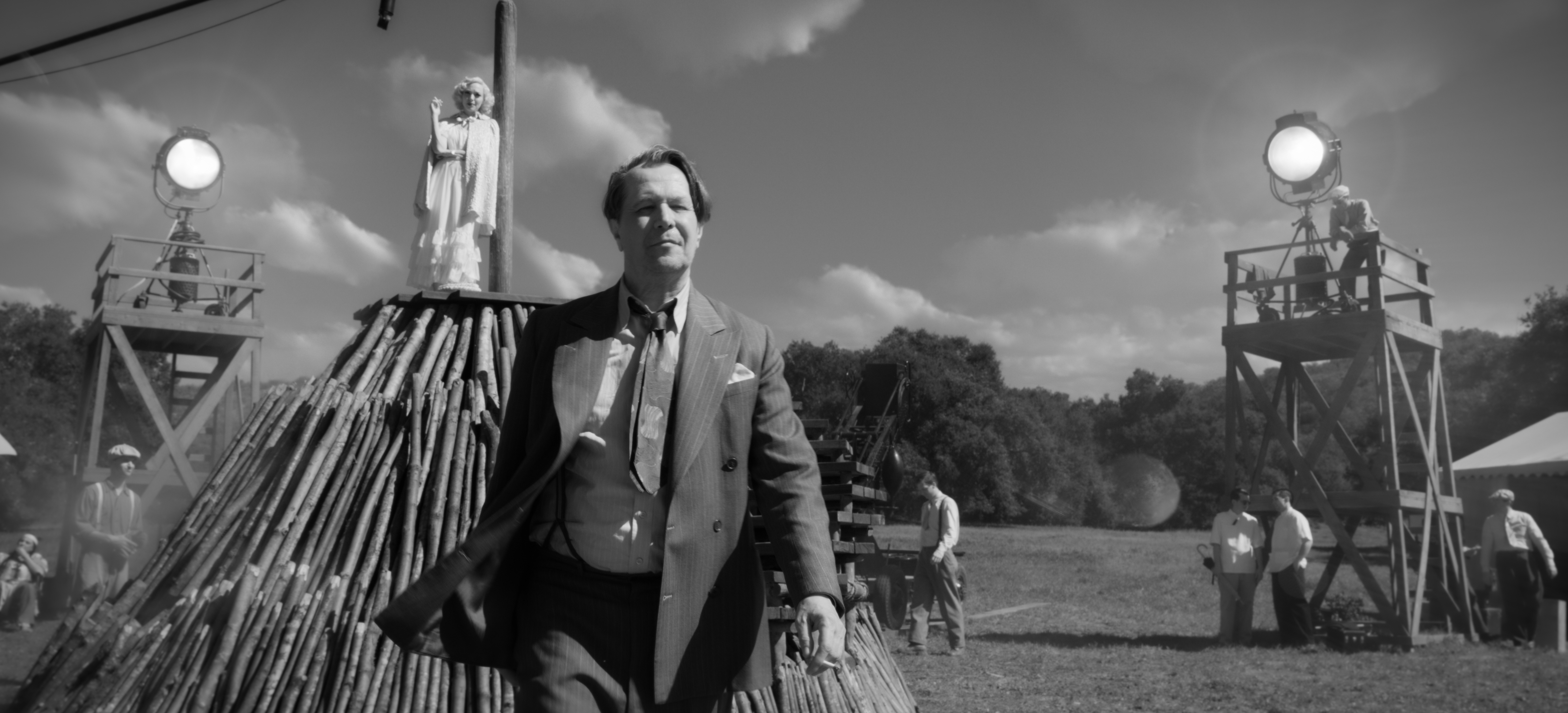
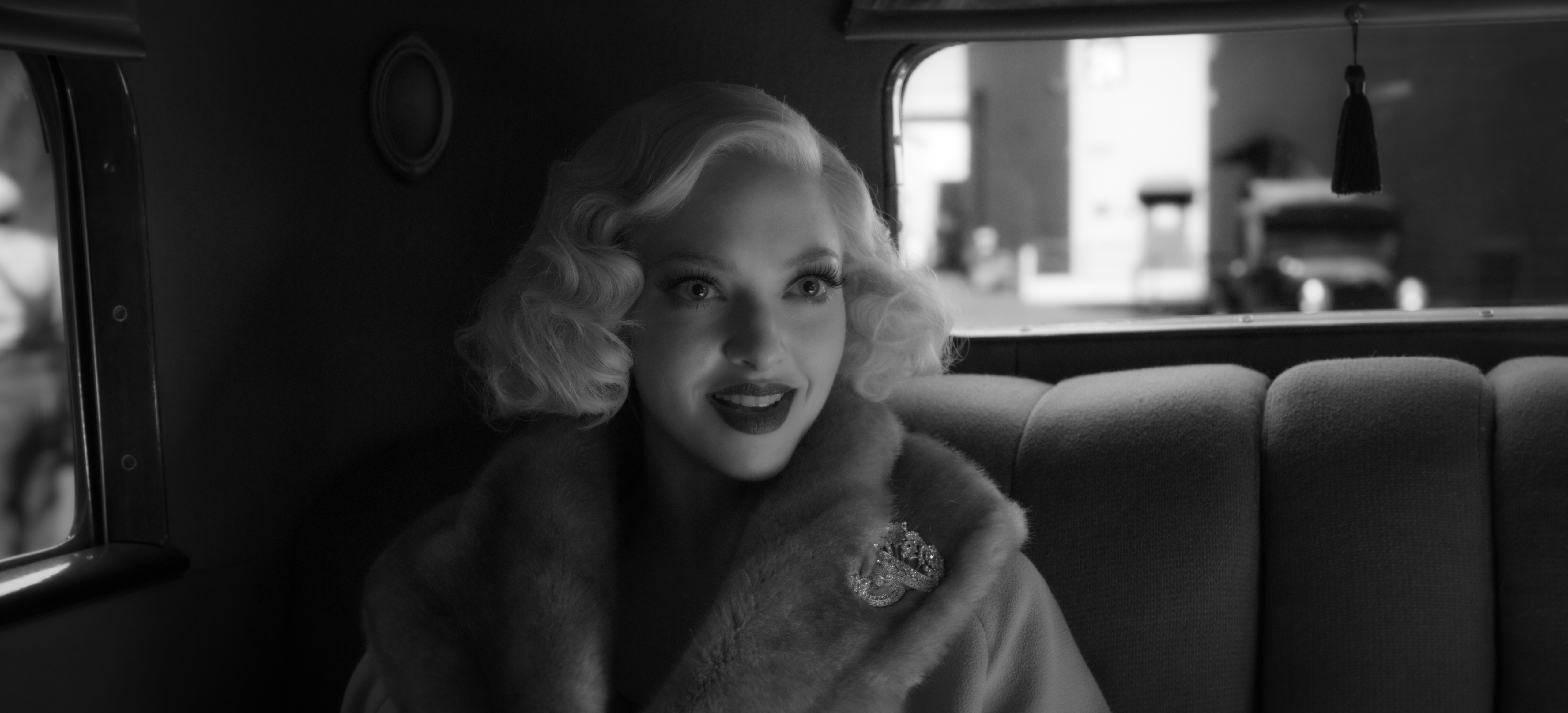
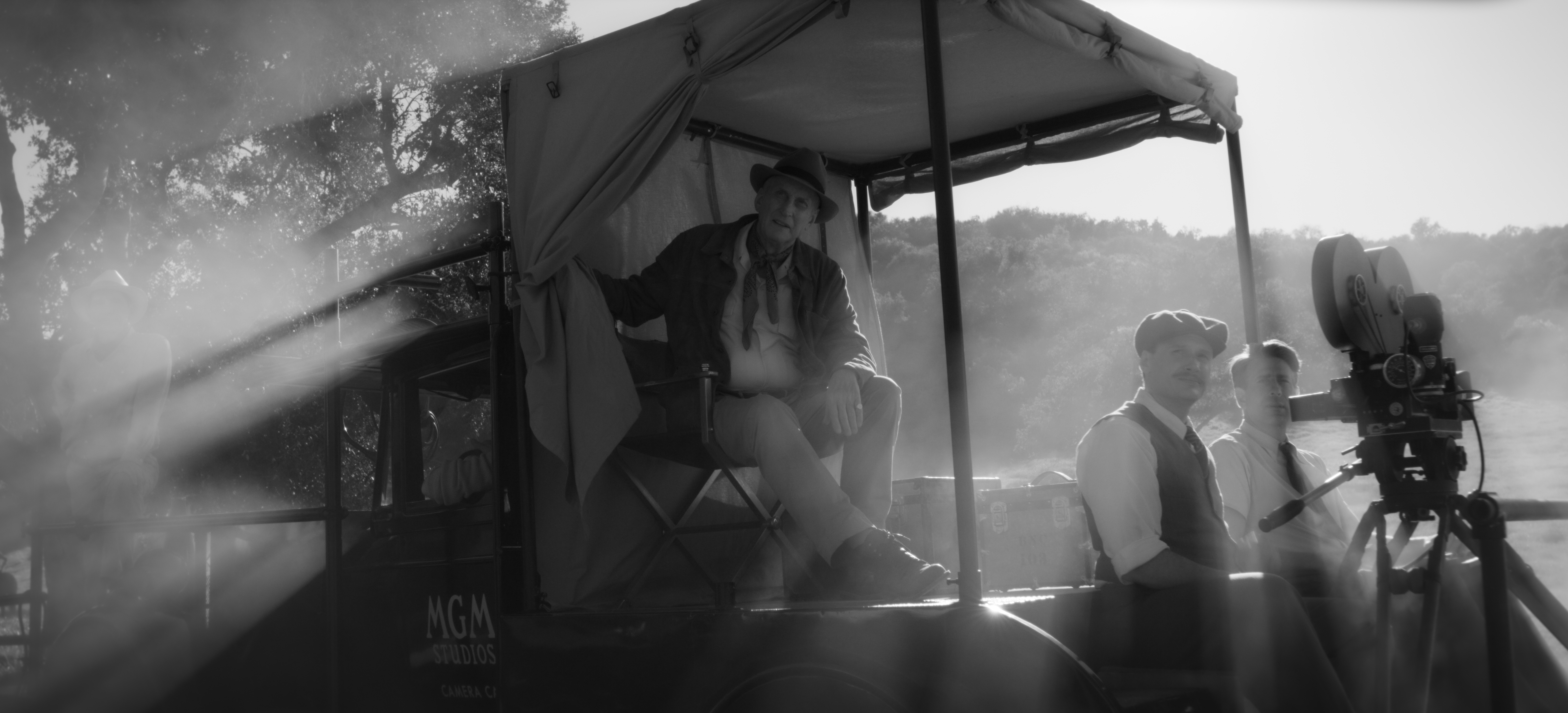
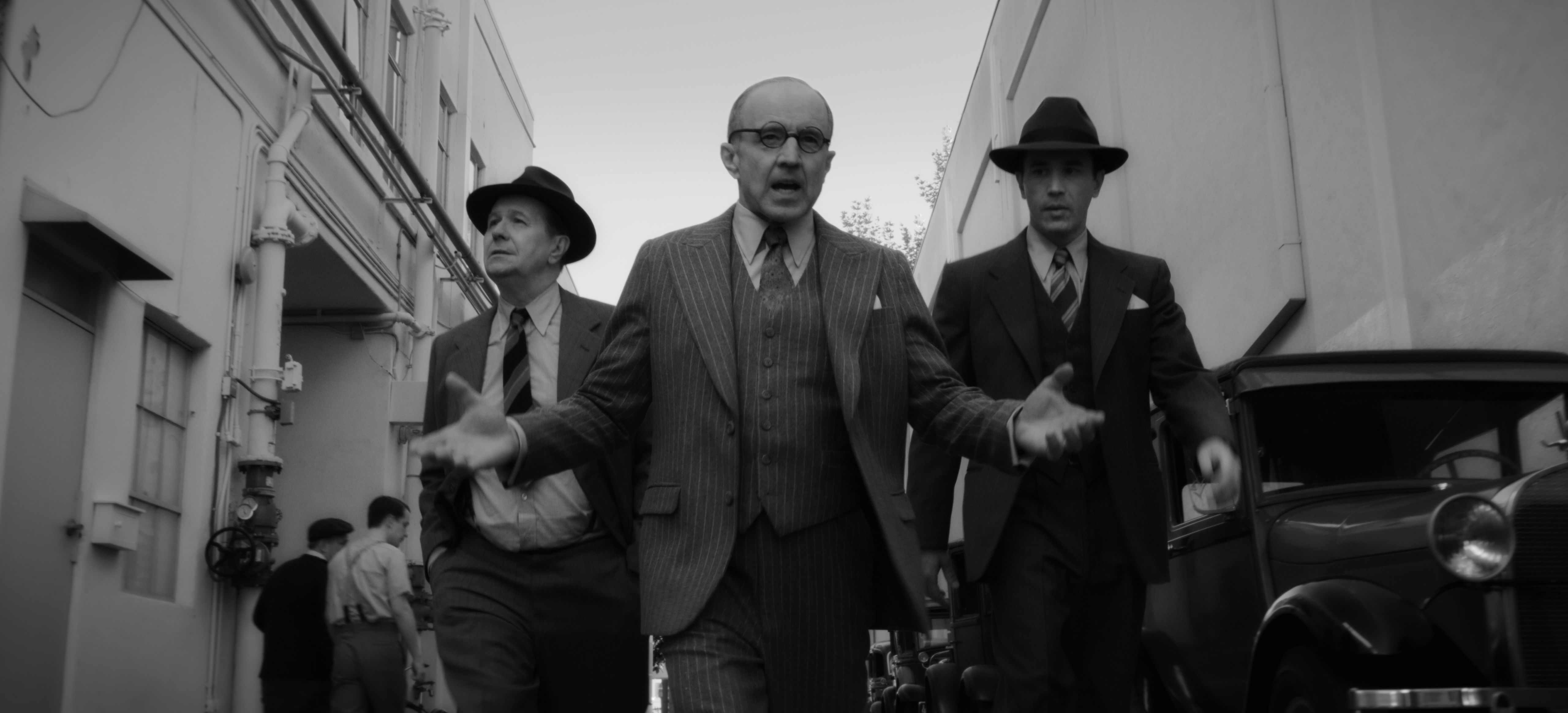
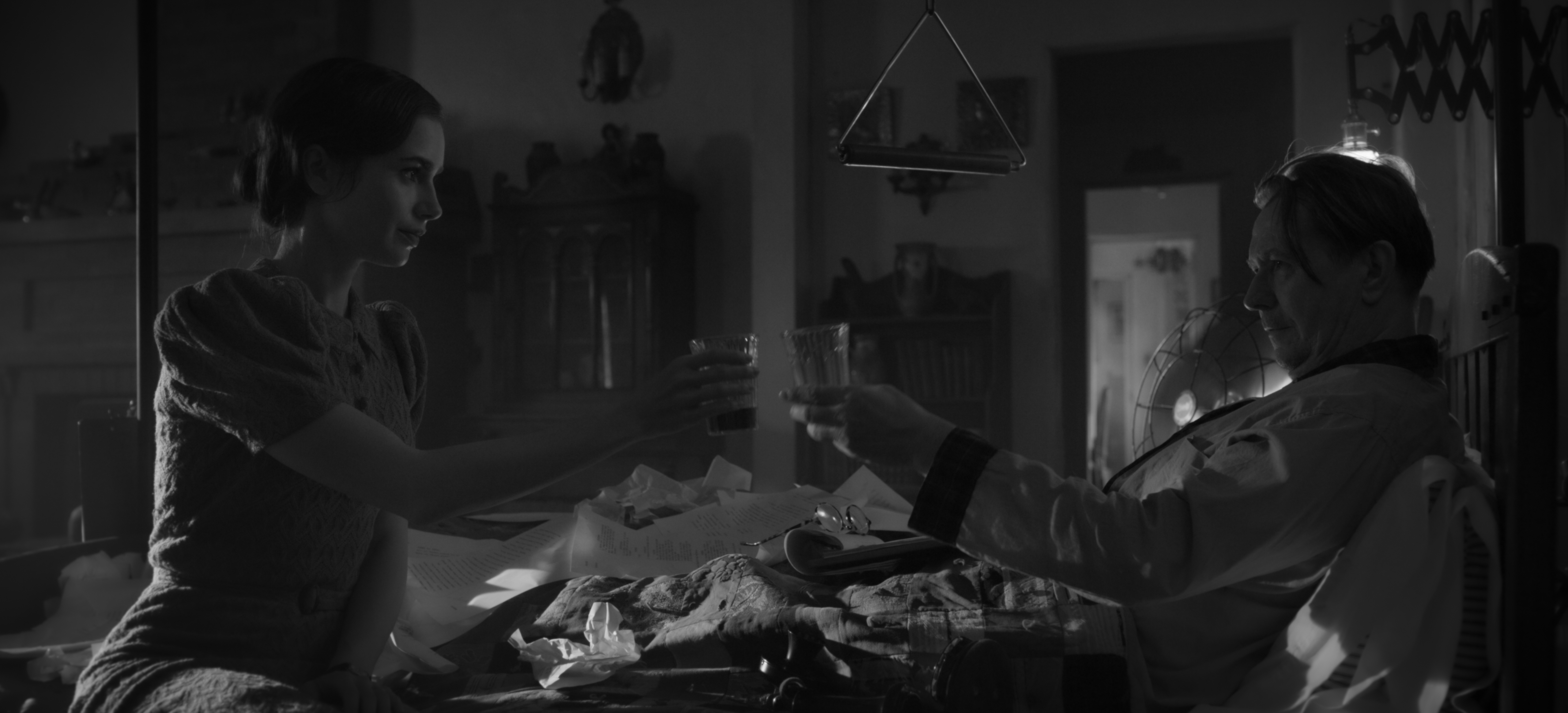
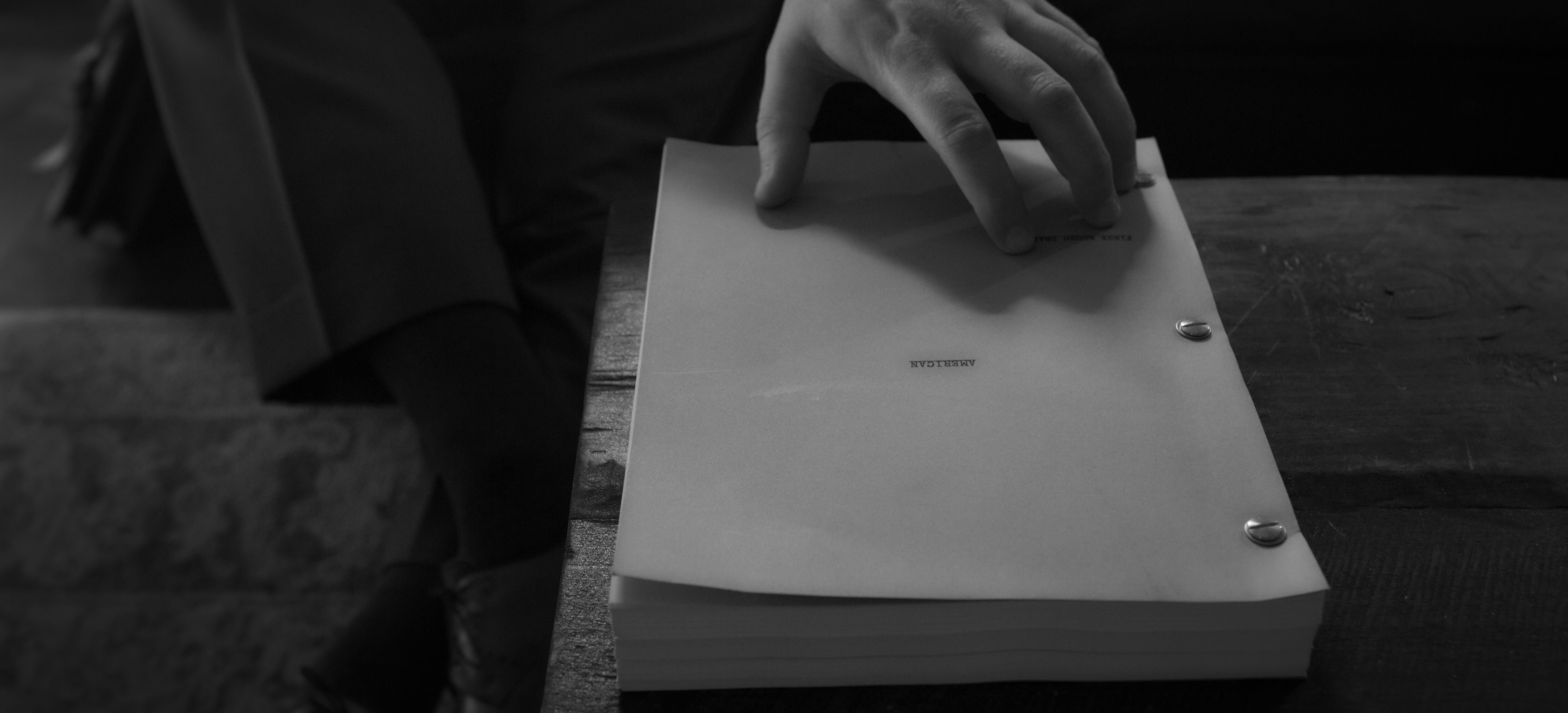
First Look at David Fincher’s “Mank”

1930s Hollywood is re-evaluated through the eyes of scathing social critic and alcoholic screenwriter Herman J. Mankiewicz as he races to finish the screenplay of Citizen Kane for Orson Welles.

Click to enjoy the images in glorious 5K, full quality, and full screen view:

𝙼𝙰𝚈𝙴𝚁
𝚆𝚑𝚘 𝚠𝚊𝚜 𝚝𝚑𝚊𝚝 𝚊𝚐𝚊𝚒𝚗?
⠀⠀⠀⠀⠀
𝚃𝙷𝙰𝙻𝙱𝙴𝚁𝙶
𝙹𝚞𝚜𝚝 𝚊 𝚠𝚛𝚒𝚝𝚎𝚛.

𝙼𝙰𝚁𝙸𝙾𝙽
𝙸 𝚓𝚞𝚜𝚝 𝚜𝚊𝚠 𝟺𝟸𝚗𝚍 𝚂𝚝𝚛𝚎𝚎𝚝.
(𝙱𝚛𝚘𝚘𝚔𝚕𝚢𝚗-𝚎𝚜𝚎) 𝙸𝚝 𝚋𝚕𝚎𝚠 𝚖𝚢 𝚠𝚒𝚐.
⠀⠀⠀⠀⠀
𝙼𝙰𝙽𝙺
𝚈𝚘𝚞 𝚌𝚊𝚗 𝚝𝚊𝚔𝚎 𝚝𝚑𝚎 𝚐𝚒𝚛𝚕 𝚘𝚞𝚝 𝚘𝚏
𝙱𝚎𝚍𝚜𝚝𝚞𝚢…

𝙹𝙾𝙴 (𝚅.𝙾.)
𝚆𝚘𝚛𝚍 𝚘𝚗 𝚝𝚑𝚎 𝚜𝚝𝚛𝚎𝚎𝚝 𝚒𝚜 𝚛𝚊𝚍𝚒𝚘’𝚜
𝙶𝚘𝚕𝚍𝚎𝚗 𝙱𝚘𝚢 𝚠𝚊𝚗𝚝𝚜 𝚝𝚘 𝚐𝚘 𝚝𝚘𝚎-𝚝𝚘-𝚝𝚘𝚎
𝚠𝚒𝚝𝚑 𝚆𝚒𝚕𝚕𝚒𝚎 𝙷𝚎𝚊𝚛𝚜𝚝, 𝚊𝚗𝚍 𝚢𝚘𝚞’𝚛𝚎
𝚑𝚎𝚕𝚙𝚒𝚗𝚐 𝚒𝚗 𝚝𝚑𝚎 𝚔𝚒𝚝𝚌𝚑𝚎𝚗.

𝙼𝙰𝚈𝙴𝚁
𝚃𝚑𝚒𝚜 𝚒𝚜 𝚊 𝚋𝚞𝚜𝚒𝚗𝚎𝚜𝚜 𝚠𝚑𝚎𝚛𝚎 𝚝𝚑𝚎 𝚋𝚞𝚢𝚎𝚛
𝚐𝚎𝚝𝚜 𝚗𝚘𝚝𝚑𝚒𝚗𝚐 𝚏𝚘𝚛 𝚑𝚒𝚜 𝚖𝚘𝚗𝚎𝚢 𝚋𝚞𝚝 𝚊
𝚖𝚎𝚖𝚘𝚛𝚢. 𝚆𝚑𝚊𝚝 𝚑𝚎 𝚋𝚘𝚞𝚐𝚑𝚝 𝚜𝚝𝚒𝚕𝚕
𝚋𝚎𝚕𝚘𝚗𝚐𝚜 𝚝𝚘 𝚝𝚑𝚎 𝚖𝚊𝚗 𝚠𝚑𝚘 𝚜𝚘𝚕𝚍 𝚒𝚝.

𝚁𝙸𝚃𝙰
(𝚛𝚊𝚒𝚜𝚒𝚗𝚐 𝚑𝚎𝚛 𝚐𝚕𝚊𝚜𝚜)
𝙴𝚒𝚝𝚑𝚎𝚛 𝚢𝚘𝚞 𝚍𝚎𝚖𝚘𝚗𝚜𝚝𝚛𝚊𝚝𝚎 𝚢𝚘𝚞 𝚌𝚊𝚗
𝚑𝚊𝚗𝚍𝚕𝚎 𝚝𝚑𝚒𝚜, 𝙼𝚊𝚗𝚔𝚒𝚎𝚠𝚒𝚌𝚣, 𝚘𝚛 𝚠𝚎 𝚠𝚒𝚕𝚕
𝚊𝚕𝚕 𝚎𝚗𝚍 𝚞𝚙 𝚐𝚎𝚝𝚝𝚒𝚗𝚐 𝚜𝚊𝚌𝚔𝚎𝚍.

𝚆𝙴𝙻𝙻𝙴𝚂 (𝚅.𝙾.)
𝚁𝚎𝚊𝚍𝚢 𝚊𝚗𝚍 𝚠𝚒𝚕𝚕𝚒𝚗𝚐 𝚝𝚘
𝚑𝚞𝚗𝚝 𝚝𝚑𝚎 𝙶𝚛𝚎𝚊𝚝 𝚆𝚑𝚒𝚝𝚎 𝚆𝚑𝚊𝚕𝚎?
⠀⠀⠀⠀⠀
𝙼𝙰𝙽𝙺
𝙲𝚊𝚕𝚕 𝚖𝚎 𝙰𝚑𝚊𝚋.

𝚌𝚘𝚖𝚒𝚗𝚐 𝚜𝚘𝚘𝚗

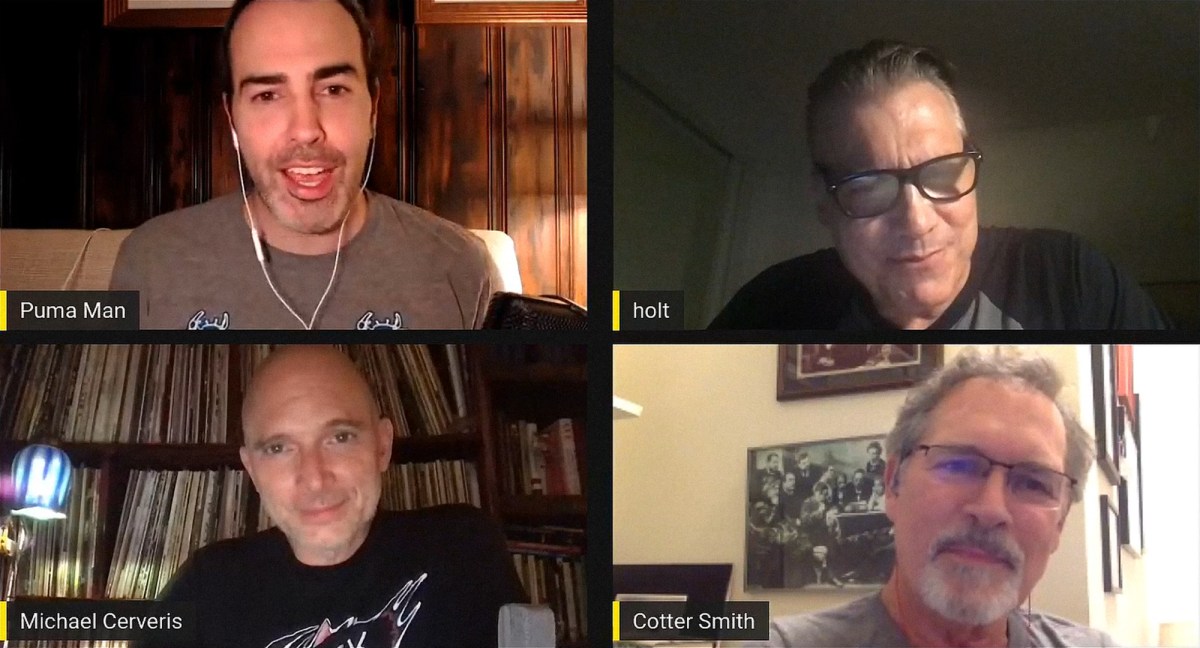
Alone Together Pittsburgh: Holt McCallany and the Cast and Crew of Mindhunter

Part talk show part variety show A/T/P is a daily talk show featuring local artists, performers, service industry folks and more. Let’s keep the community of Pittsburgh hanging out. Virtually.

Patrick Jordan
September 4, 2020
Alone Together Pittsburgh (Twitter, Facebook)

Week 25 Episode 82: Holt McCallany of Mindhunter spends his Birthday in quarantine with Patrick Jordan, Cotter Smith, Michael Cerveris, and Bill Doyle (Co-producer). And find out WHT K8 8 with Chef Kate Romane and the Jag/Off Bracket Poll with FORT DUQUESNE BRIDGE VS PIEROGI RACE.

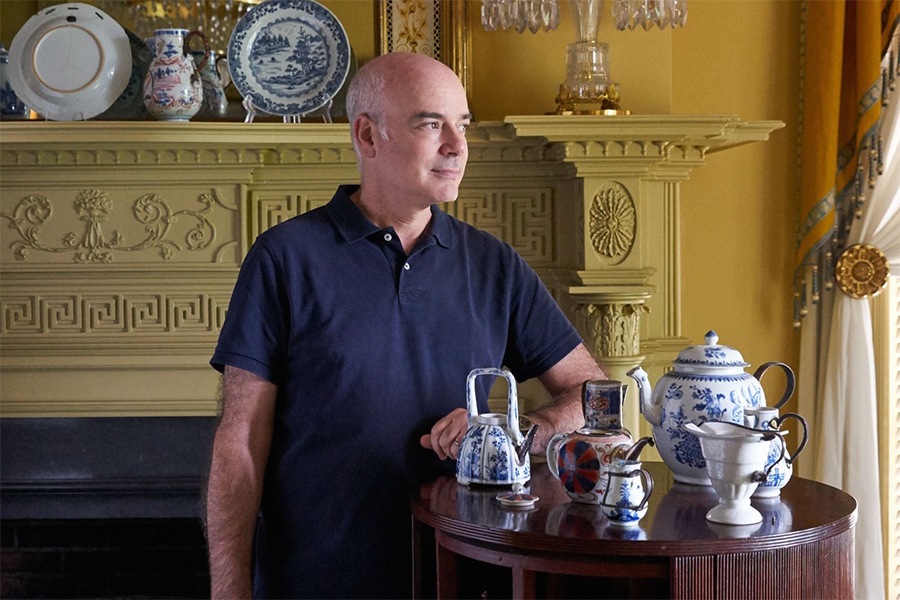
Burning Sofa: Step Into the Light. Andrew Baseman (Part 2)

Set Decorator & Production Design Talk. And lots of it.

September 3, 2020
Burning Sofa (Twitter, Facebook)

From the inky shadows to red-hot festivals and everywhere in between, Set Decorator Andrew Baseman gives us an up-close-and-personal tour of Mindhunter Season 2 and Gotham, and sneak-peeks into upcoming projects In The Heights and Trial of The Chicago Seven.

Listen to the podcast

Step Into the Light. Andrew Baseman (Part 1)