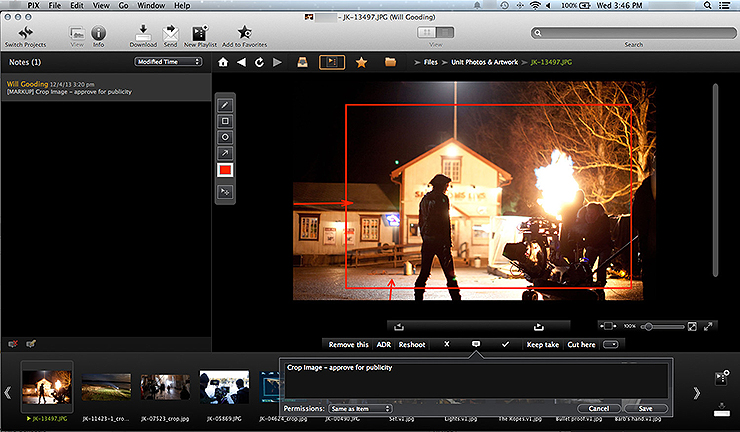
At PIX System, we help create entertainment and media by bringing creativity, collaborators and assets together. For 16 years, we’ve been creating and innovating ways to give the top creative talent, studios, mini-majors, networks, indie productions, and online content providers the time and resources they need to create. Better. Faster. More reliably.
Our industry leading platform is an open sandbox and secure home base, viewer, community workspace, media mine, think tank and muse – a place on the digital frontier where creative and strategic content and communication are safe and tidy and easily found, shared and worked on alone or together.
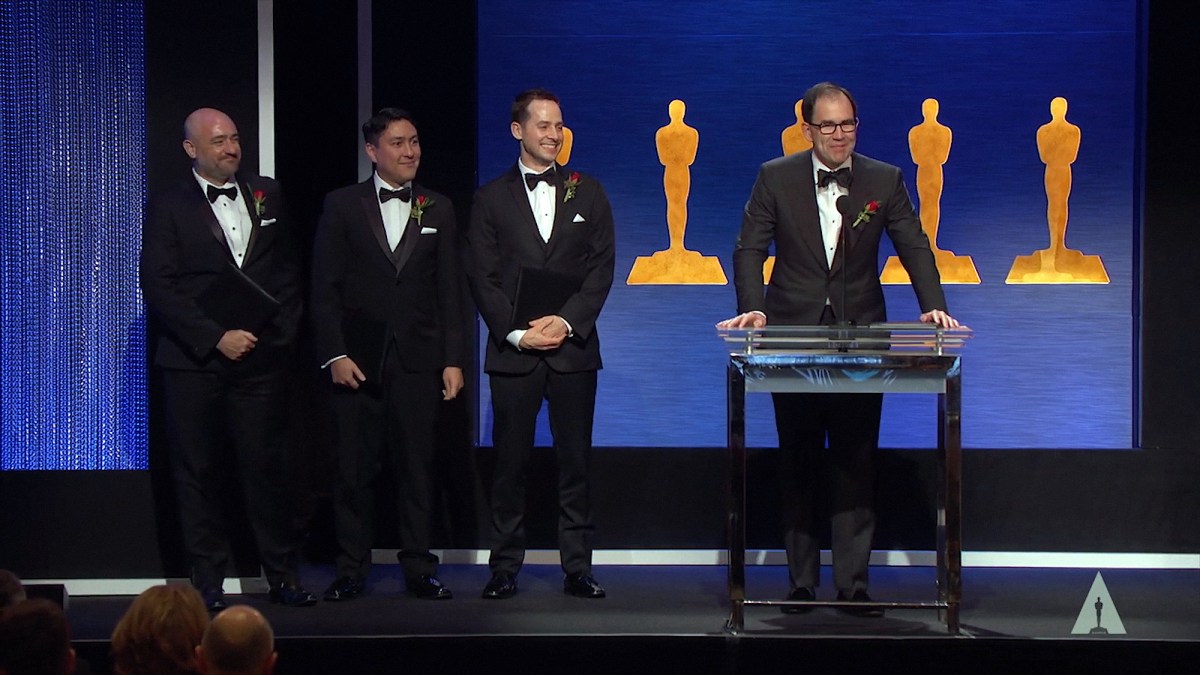
On Saturday night at its annual Scientific and Technical Awards Presentation, the Academy of Motion Picture Arts and Sciences honored PIX with a Technical Achievement Award. The award recognized Eric Dachs, founder and CEO; Erik Bielefeldt, director of research and development; Craig Wood, technical director; and Paul McReynolds for the design and development of the industry leading security mechanism for distributing media. Prior to the awards ceremony, Digital Cinema Report spoke exclusively with Bielefeldt and Wood to talk about the company’s continued innovation in the evolving world of content collaboration from film to digital to next-generation data rich requirements.
Technical Achievement Award (Academy Certificate): to Eric Dachs, Erik Bielefeldt, Craig Wood and Paul McReynolds for the design and development of the PIX System’s novel security mechanism for distributing media.
PIX System’s robust approach to secure media access has enabled wide adoption of their remotely collaborative dailies-review system by the motion picture industry.
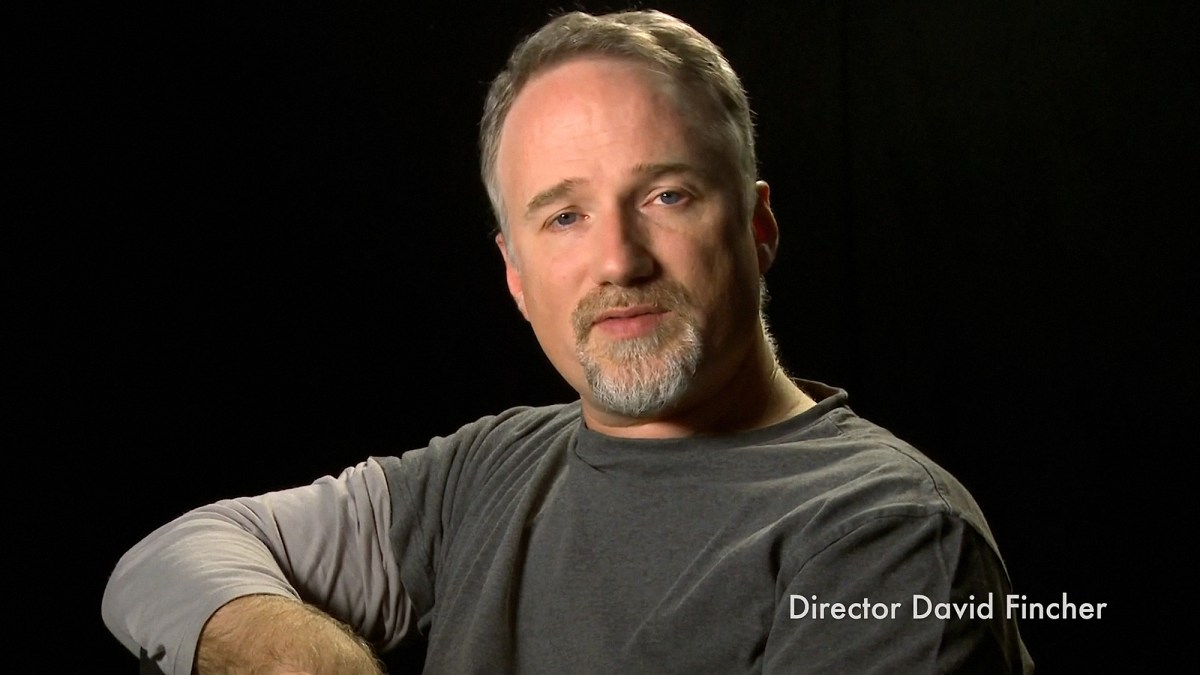
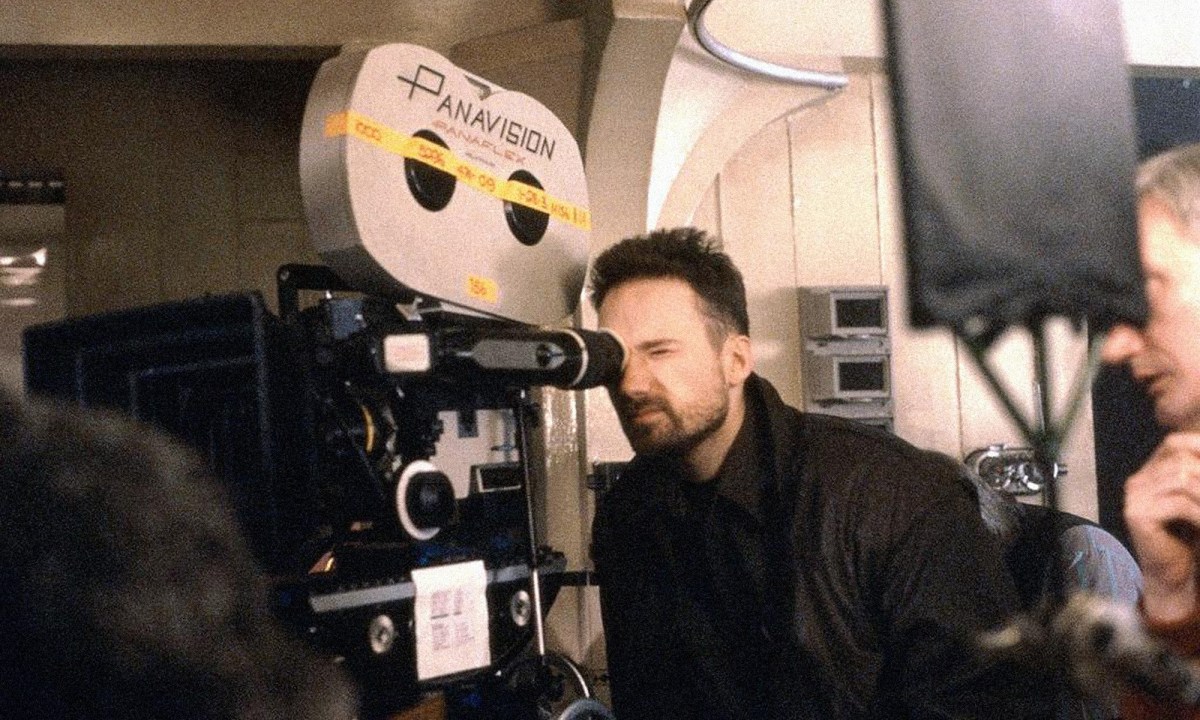
PIX founder and CEO Eric Dachs thanked Ren Klyce, Ceán Chaffin and David Fincher (present at the ceremony): “your friendship, patience, and talents have had an enduring and measurable impact on our work, and more importantly, in filmmaking.”
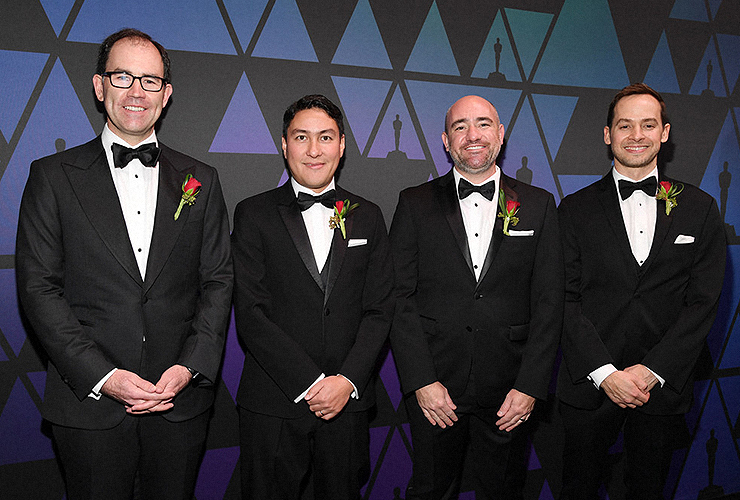
Eric Dachs, Erik Bielefeldt, Craig Wood, and Paul McReynolds (Amy Sussman/Getty Images)
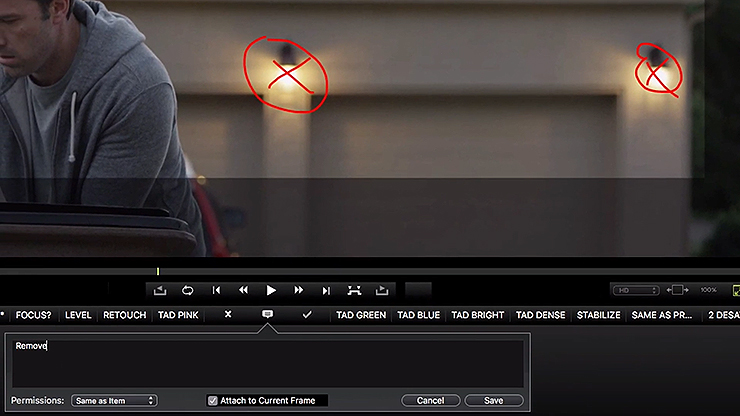
The familiar Pix app is one of the early tools with security features developed to improved communication and collaboration during production, which was initially conceived as filmmaking became more distributed geographically. After being used on more than 5,000 film and TV projects including Black Panther, Bohemian Rhapsody and Mindhunter, its developers will be among those honored Saturday at the Academy of Motion Picture Arts and Sciences’ annual Scientific and Technical Awards.
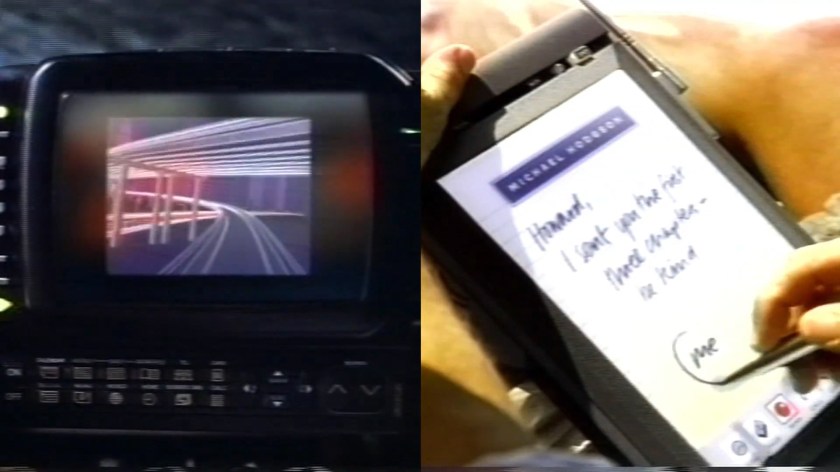
Pix founder/CEO Eric Dachs — who with director of R&D Erik Bielefeldt, technical director Craig Wood and Paul McReynolds will receive Technical Achievement Awards — started his career in sound and it was while working as an assistant to seven-time Oscar nominated sound designer Ren Klyce on David Fincher’s 2002 film Panic Room that the idea for Pix was born. “I got a look at how digital technology was changing motion picture postproduction, but I also saw the inefficiency from faxing notes when the work was distributed geographically,” Dachs tells The Hollywood Reporter. “I started writing a really simple prototype application for capturing David’s spotting notes and getting them distributed to the crew via a simple web application. So that [composer Howard Shore] could get the music notes in real time, and the different departments within sound were no longer having to wait for faxes.”
One afternoon during the final mix, Klyce showed Fincher the app and the technically-savvy director was impressed. In fact, he continues to use it today.
The Academy of Motion Picture Arts and Sciences (AMPAS) honored Eric Dachs ’98, the founder and CEO of PIX System, with a Technical Achievement Award at its Oscars 2019 Scientific and Technical Awards Presentation on Feb. 9, 2019.
Since its creation in 2003, PIX System has become the entertainment industry gold standard in providing secure communication and content management capabilities. Dachs, a theater major while at Wesleyan, designed and coded the initial software early in his career when he was an assistant to sound designer Ren Klyce for Panic Room. It was then that he saw the need for an easy, safe digital platform to share revisions and collaborate across locations.
Austin Film Festival (YouTube, vimeo) June 18, 2016
Screenwriter Andrew Kevin Walker dissects his bleak thriller masterpiece, Se7en and working with director David Fincher to create the cult classic film.
Join your hosts Ryan Turek and Rob Galluzzo as they welcome to the show Ben Scrivens, the owner/creator of horror T-shirt company Fright-Rags! Reviewed! TALES FROM THE HOOD 2, AMERICAN HORROR STORY: APOCALYPSE. The gang is also joined by special guest Andrew Kevin Walker, the screenwriter of David Fincher‘s SE7EN, SLEEPY HOLLOW, BRAINSCAN, 8MM, THE WOLFMAN, and much, much more. We get candid about the screenwriting process, the projects that never came to be, his working relationship with Fincher, and how he wrote SE7EN while working at Tower Records! All this and more!
The Netflix series’ breakout guest actor reveals what it took to pull off his haunting performance as the murderous Ed Kemper (hint: lots and lots of director David Fincher’s infamous takes).
You can’t always pinpoint exactly the moment when a show makes its big qualitative leap, but with Netflix‘s Mindhunter, it’s easy. Holden Ford (Jonathan Groff), an FBI agent experiencing frustration at his colleagues’ antiquated approach to murder investigation, goes to prison to visit a notorious killer and comes face-to-face with Ed Kemper (Cameron Britton).
Towering in stature, soft-spoken, viewing the world inquisitively through thick glasses, Kemper is intellectually vicious, yet unfailingly polite. By the end of one 10-minute conversation, we understand completely why Holden has been pulled into Kemper’s gravity and how this giant has instantly transformed his worldview.
It’s a show-changing character and a career-changing performance for Britton, making his first major TV role and earning his first career Emmy nomination. The actor talked with The Hollywood Reporter about his approach to the real-life killer, director David Fincher‘s notoriously exacting standards and more.
Cameron Britton (‘Mindhunter’) chats with Gold Derby editor Daniel Montgomery: It was difficult to get into the mind of a killer, and to get out of it.
Mindhunter’s Cameron Britton tells us how he was able to get into the mind of serial killer Ed Kemper, the toll it took on him, and how he ultimately got him out of his system.
Emmy-Nominee Cameron Britton On Becoming Ed Kemper In ‘Mindhunter’
Mindhunter‘s Cameron Britton talks to Awards Daily about how he became serial killer Ed Kemper, how the role impacted his life, and what his Emmy nomination means to him.
When Netflix’s Mindhunter premiered last fall, critics and audiences alike approached the dramatic series with respect and awe, thanks to the influence of the great director David Fincher. But everyone, literally everyone, was talking about Cameron Britton. His take on infamous serial killer Edmund Kemper captivated audiences. If you were talking about Mindhunter, then you were talking about Cameron Britton’s brilliant performance.
Here, Cameron talks to Awards Daily about how he wrestled with Edmund Kemper. He dove so deeply into Kemper that it took time to exorcise the role from his system. He also talks about what the role meant for his career and how he prepped for it by running lines with his close friends. It’s a fascinating conversation with an actor clearly on the rise in Hollywood.
SOMEONE ELSE’S MOVIE is just what it says on the label: Each week, an actor, director, screenwriter, critic or industry observer will discuss a film that he or she admires, but had no hand in making.
The show returns to London so journalist and filmmaker Neville Pierce — whose latest short, Promise, just arrived on Vimeo — can discuss the life-changing impact and technical virtuosity of David Fincher‘s Seven. Your genial host Norm Wilner believes in the second part.
Promise is a haunting film of loss and hope which takes an old story and sets it in contemporary Britain. “Pregnant with resonances, both biblical and political” – Projected Figures
Promise was made as part of The Pitch, a competition which offers its winner a £30,000 production budget and a trip to Hollywood.
Read an interview with Promise screenwriter and Pitch finalist Hannah Lee.
In 2009, shortly after The Social Network—then known only as “the Facebook movie”—was announced, Mashableran a story with the headline, “No, You Cannot Turn Facebook into a (Decent) Movie.” Even after it was reported that the brilliant filmmaker David Fincher would direct Aaron Sorkin’s script about Mark Zuckerberg and the early days of Facebook, the Huffington Postpublished a story proclaiming “The Facebook Movie Puts the zZzZ’s in Zuckerberg.” Some months later, after the film’s cryptic, one-minute teaser trailer hit the internet, the Atlantic remained skeptical, predicting that The Social Network would be “deadly dull.”
Then, eight years ago this week, that all changed. On July 16, 2010, Sony Pictures released the first full-length theatrical trailer for The Social Network, made by the artsy trailer house Mark Woollen & Associates, upending the narrative surrounding the film almost overnight:
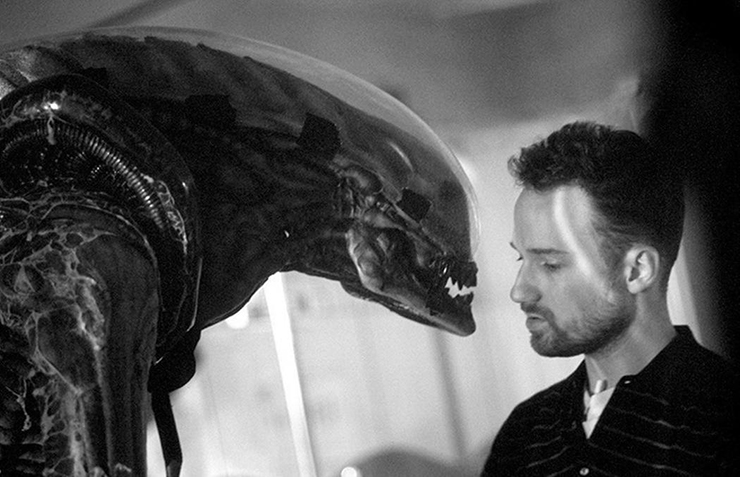
David Fincher’s 1995 psychological horror/thriller Se7en is one of most enduring and terrifying films of its kind, standing alongside the likes of The Silence of the Lambs, Zodiac, Frailty, and The Vanishing, amongst others. The tale of two detectives, one new to the force and one on the way out, searching for a serial killer whose victims are chosen according to the seven deadly sins, Se7en was lauded upon release and was wildly commercially successful.
While the gritty, grimy, darkness that pervades throughout the film hovers like a miasma of evil, it’s the ending that has cemented the film in cinema history. I urge those who have not seen the film to avoid reading any further because this piece will delve deep into spoiler territory, ruining a great deal of what makes this film so special.