Even before theatrical failures dimmed his dreams of escape, Herman had decided he could bring New York to Hollywood by importing some of his friends. If Ben Hecht couldn’t write him a good script, Herman told Schulberg, then Schulberg could tear up Herman’s two-year contract and fire them both. His boss could hardly refuse a bet like that, so Herman wired, “Will you accept three hundred per week to work for Paramount Pictures. All expenses paid. The three hundred is peanuts. Millions are to be grabbed out here and your only competition is idiots. Don’t let this get around.”
Hecht, who later claimed that Herman’s telegram arrived just in time to avert a financial disaster so severe that he had taken to his bed with Gibbon’s Decline and Fall of the Roman Empire, hurried west to enroll in what he called the Herman Mankiewicz School of Screenwriting.
Director: Kimb Luisi & Dan Young Production Company: Sawhorse Productions DP: Skyler Bocciolatt Production Design: Sage Griffin Storyboards: Andrew Paul
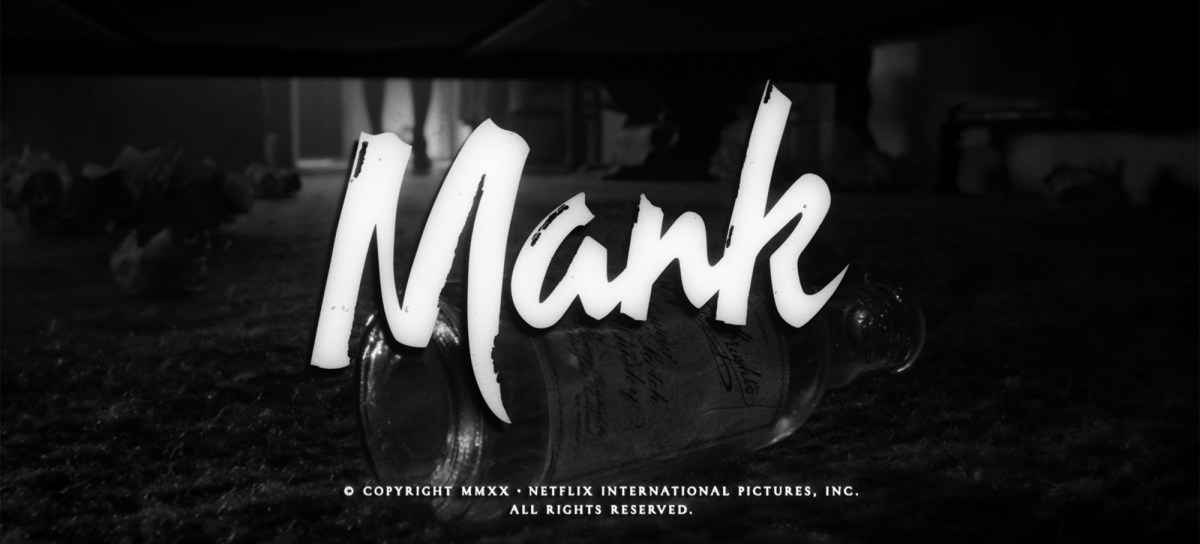
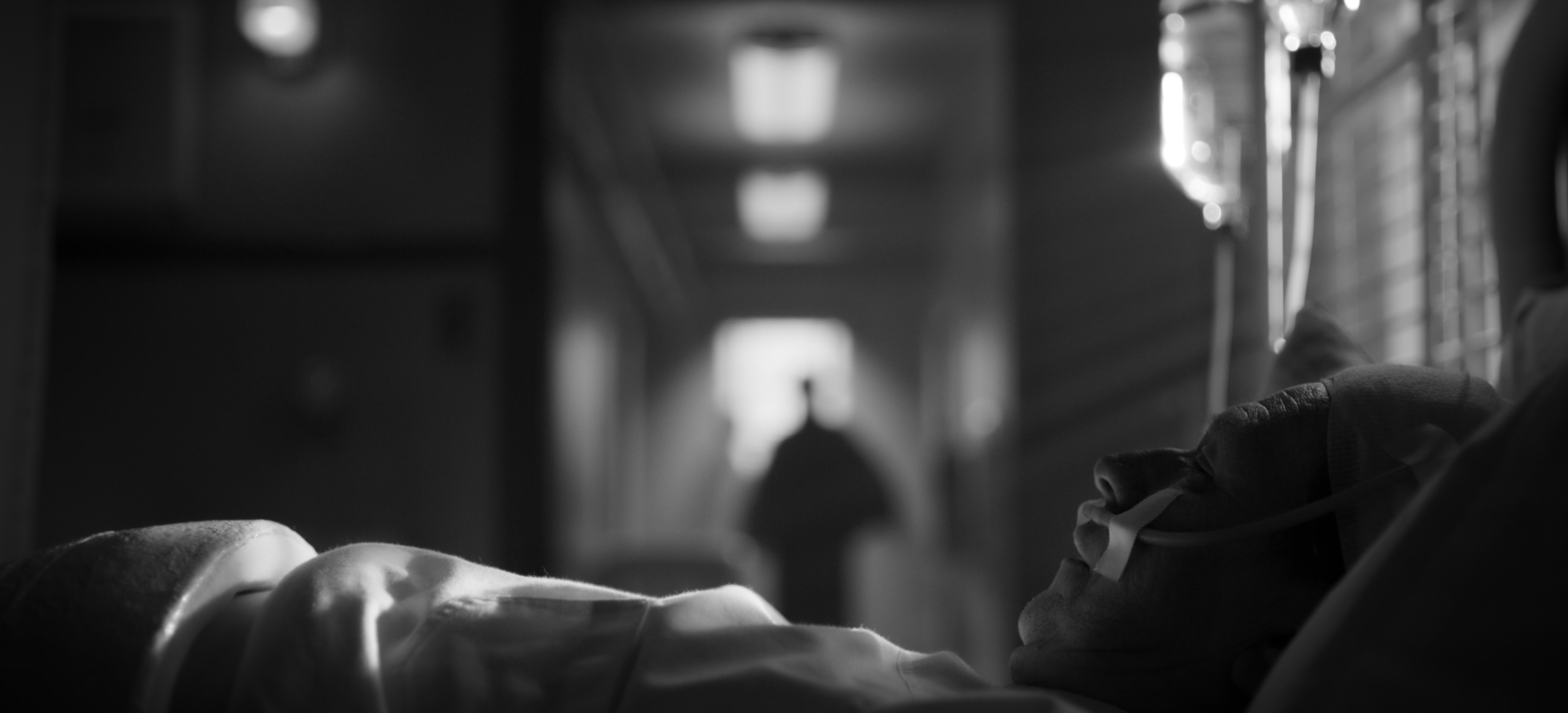
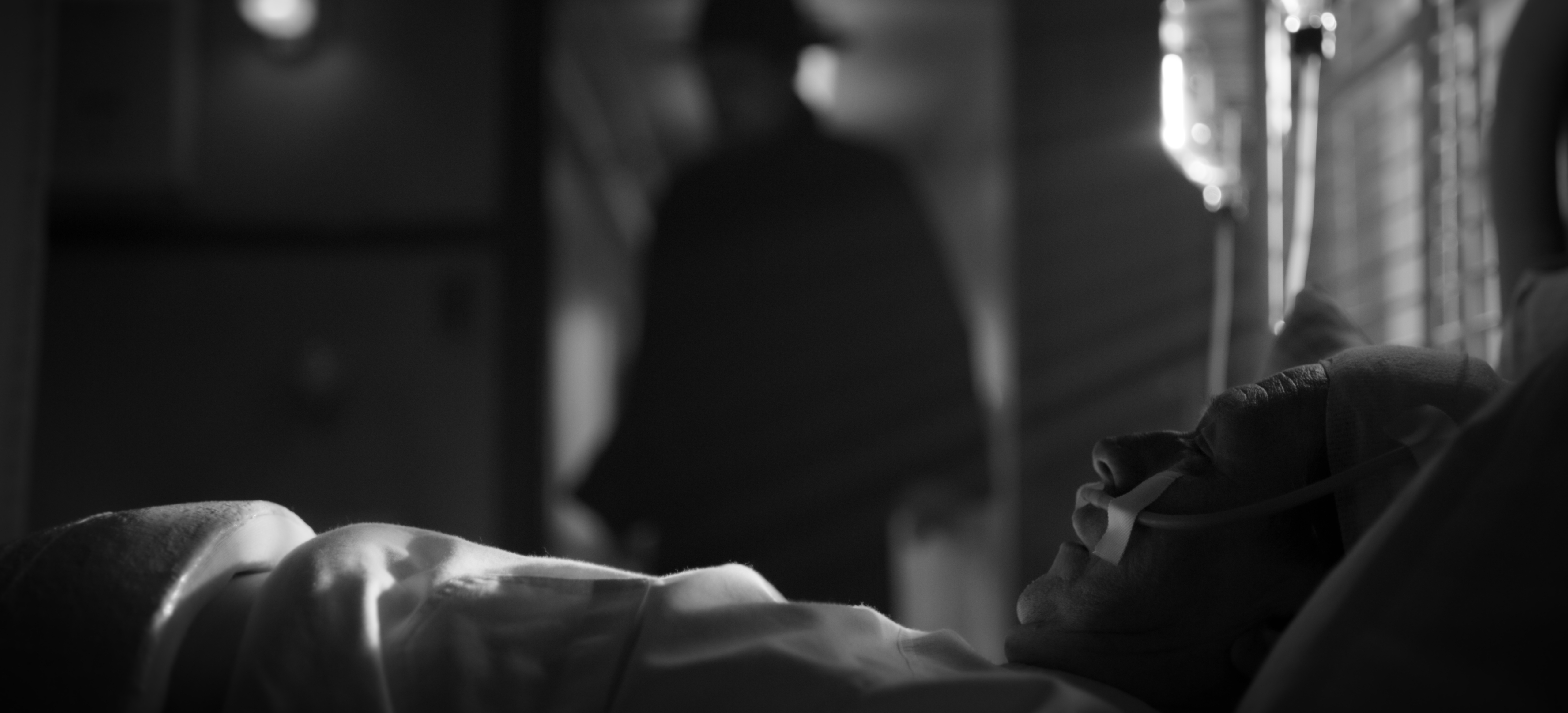
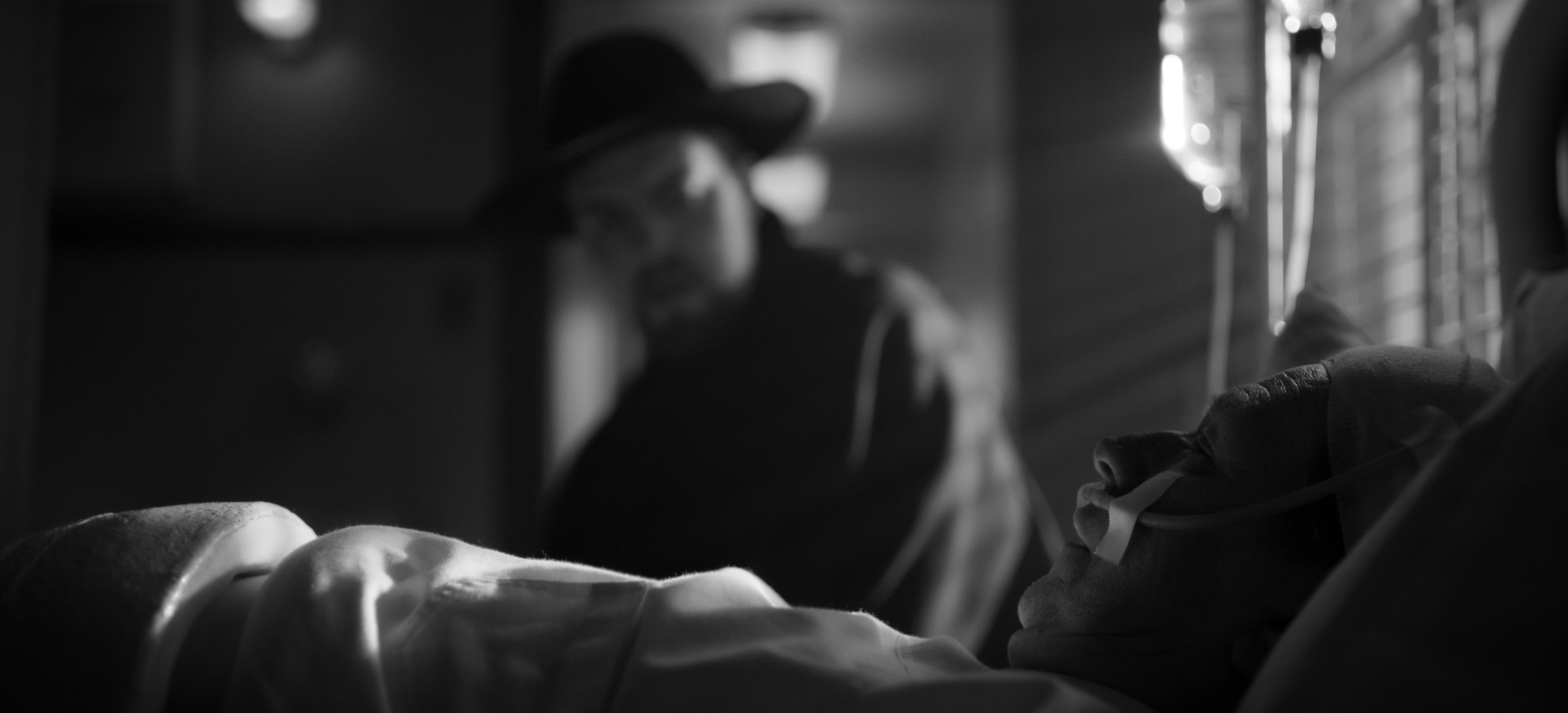
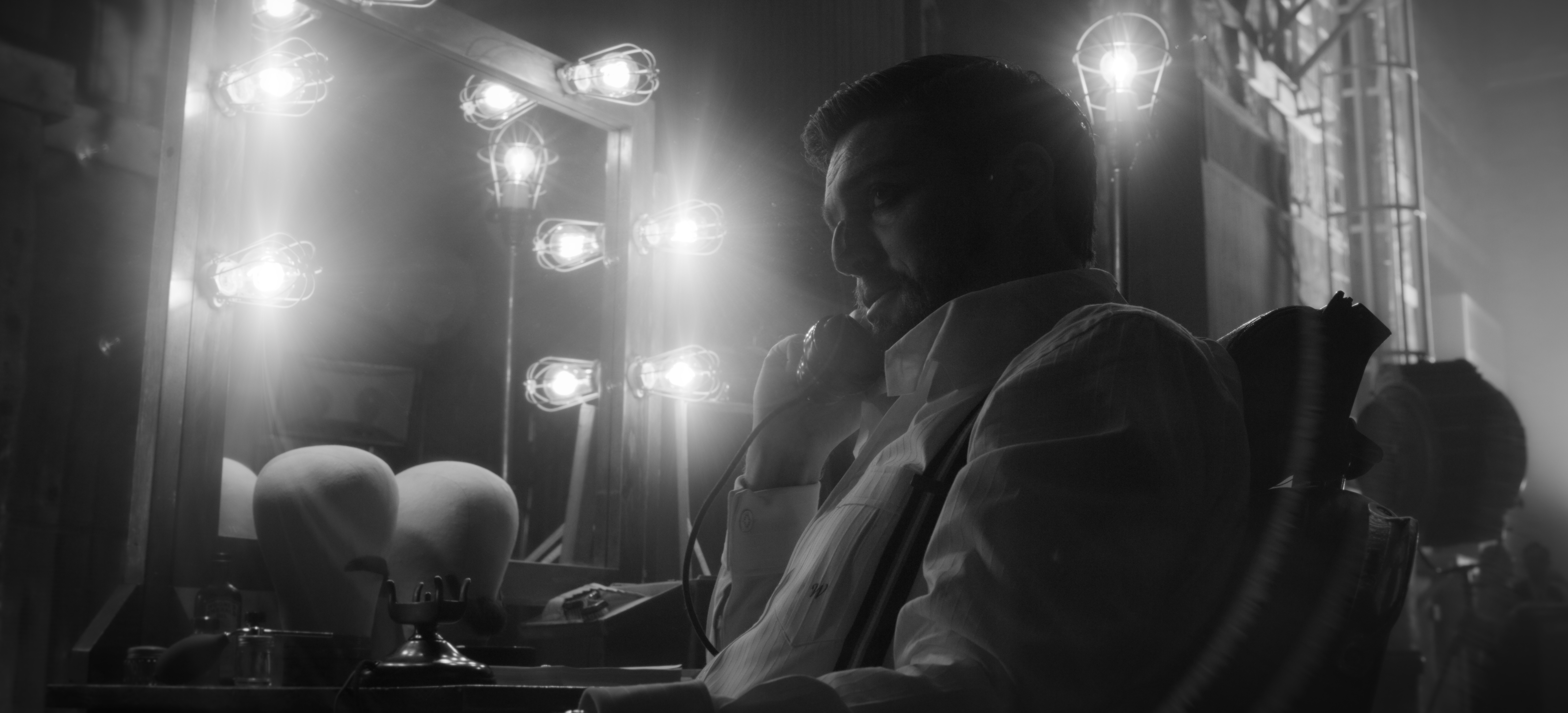
1930s Hollywood is reevaluated through the eyes of scathing wit and alcoholic screenwriter Herman J. Mankiewicz as he races to finish Citizen Kane.
Starring: Gary Oldman, Amanda Seyfried, Charles Dance
Cast: Lily Collins, Arliss Howard, Tom Pelphrey, Sam Troughton, Ferdinand Kingsley, Tuppence Middleton, Tom Burke, Joseph Cross, Jamie McShane, Toby Leonard Moore, Monika Gossmann
2h 11m
Click to enjoy the images in glorious 5K, full quality, and full screen view:
Part talk show part variety show A/T/P is a daily talk show featuring local artists, performers, service industry folks and more. Let’s keep the community of Pittsburgh hanging out. Virtually.
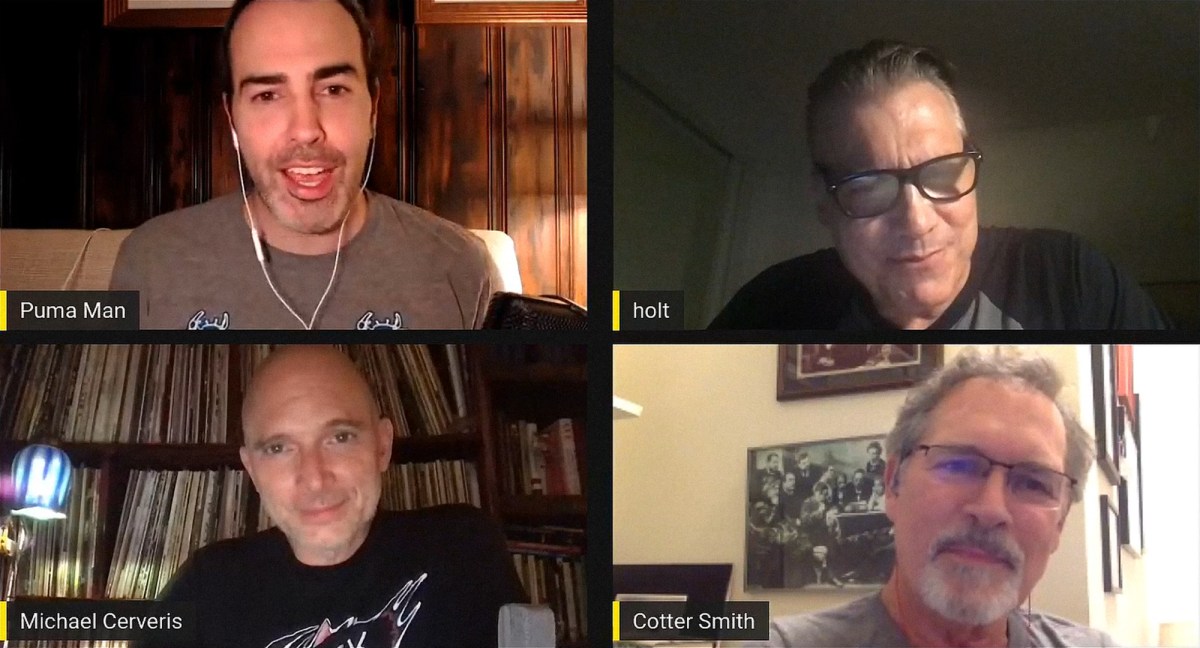
Week 25 Episode 82: Holt McCallany of Mindhunter spends his Birthday in quarantine with Patrick Jordan, Cotter Smith, Michael Cerveris, and Bill Doyle (Co-producer). And find out WHT K8 8 with Chef Kate Romane and the Jag/Off Bracket Poll with FORT DUQUESNE BRIDGE VS PIEROGI RACE.
In this 60-minute video, Erik Messerschmidt, ASC discusses his Emmy-nominatedcamerawork in the disturbing and insightful Netflix crime series Mindhunterwith interviewer Charlie Lieberman, ASC.
Based on the true-crime book Mindhunter: Inside the FBI’s Elite Serial Crime Unit and set in the early 1980s, this period drama depicts the investigations of two FBI special agents from the Behavioral Science Unit (Jonathan Groff and Holt McCallany) tasked with furthering the understanding of serial killers and their motivations, with the hope of using this research to solve cold cases or stop active predators.
Shooting in Mindhunter in 8K for 4K delivery with a 2.2:1 aspect ratio, Messerschmidt generally employs multiple Red Xenomorph Mk2 8K Helium cameras paired with Leica Summilux-C Primes and Fujinon Premiere Zooms, often with Mitomo IR TrueNDs. (More about the show here.)
Erik Messerschmidt earned his first Emmy nomination this summer: Best Cinematography for a Single-Camera Series (One Hour) for his work on the true-crime drama “Mindhunter.” It’s bittersweet, though, since Netflix put the show on indefinite hold after its second season, which aired last summer. “I loved working on the show,” he remembers. “It’s a unicorn in a way. It was a unique situation where everybody was working towards the same goal and everyone was very in sync in terms of what we were trying to accomplish.” Watch our exclusive video interview with the director of photography above.
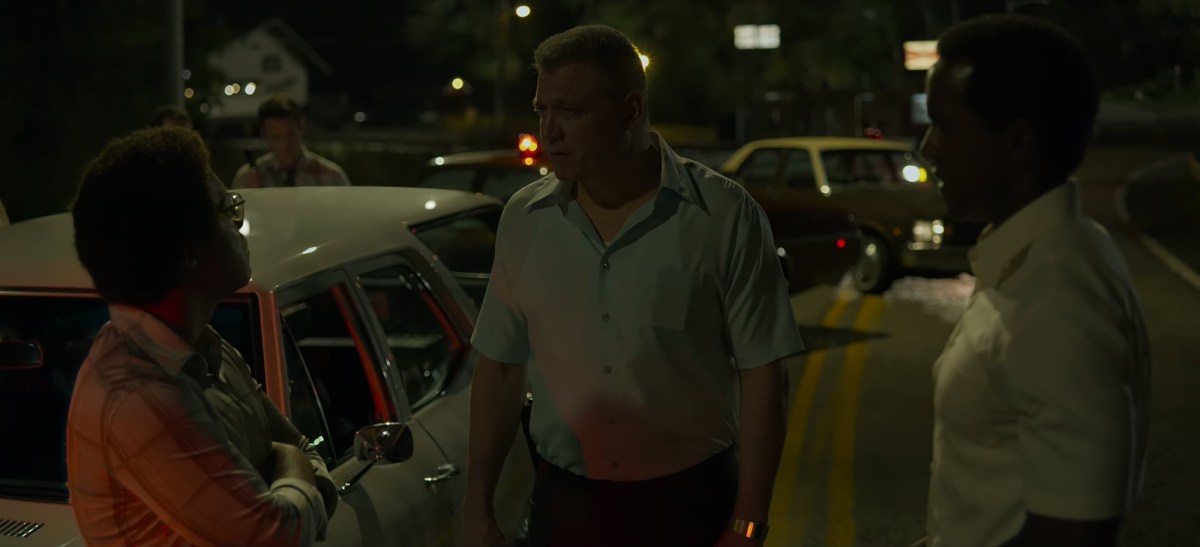
He is nominated specifically for his work in episode six, during which FBI agents Ford and Tench (Jonathan Groff and Holt McCallany) search for missing children in Atlanta while Dr. Carr and Agent Smith (Anna Torv and Joe Tuttle) interview convicted killer Paul Bateson. “I just felt like we had a lot of variety in the episode,” says Messerschmidt. “You have all of the classic ‘Mindhunter’ stuff with the Paul Bateson interview, but you also have the characters out in the field. So we’re expanding the scope a little bit, and we had some new set pieces which the audience hadn’t seen before.”
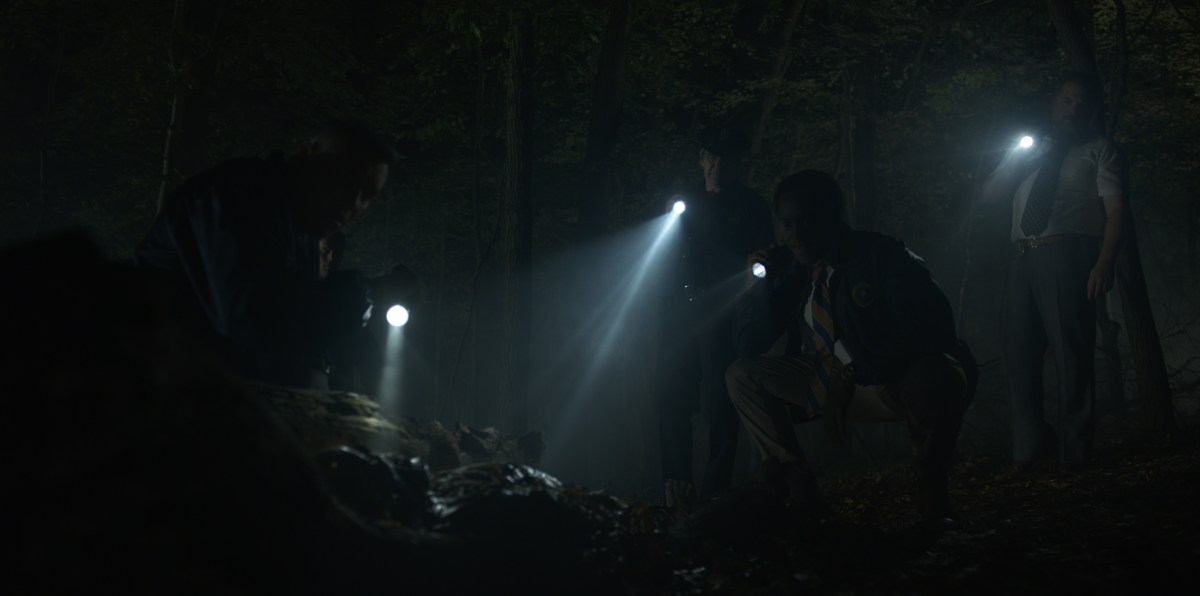
For instance, there is a memorable scene in which law enforcement teams search for murder victims in the eerie pre-dawn light, and another where a grisly discovery in the dead of night is lit primarily with flashlights. “It was a good opportunity to show a little bit of the depth of the show. And it was an episode we were generally pretty proud of.” The season’s focus on the Atlanta child murders influenced the show’s aesthetic in general. Messerschmidt wanted to convey the “hot, humid environment … so we warmed the camera up quite a bit. We made use of atmosphere in some of the interiors. I tried to light it with as much hot, searing sunlight coming through the doors as possible.”
“I would love to go back and do more ‘Mindhunter,’ but who knows? Time will tell, I guess,” he says. In the meantime his creative partnership with “Mindhunter” director/producer David Fincher continues. Messerschmidt is the cinematographer for the filmmaker’s upcoming movie “Mank,” which takes them from murder in the 1970s and 1980s to show business in the 1940s. “That’s what’s great about our job is we get to sort of pick a story apart and figure out what we’re going to do and how we’re going to tell the story.”
They both took different roads to film scoring, which they have mostly (and most famously) done together. From 9 Inch Nails to Fincher to Watchmen, they have a unique one-off approach to every project. They took some time to chat with David Poland to chat about their work on The Social Network, Watchmen, Mank, and Pixar‘s Soul.
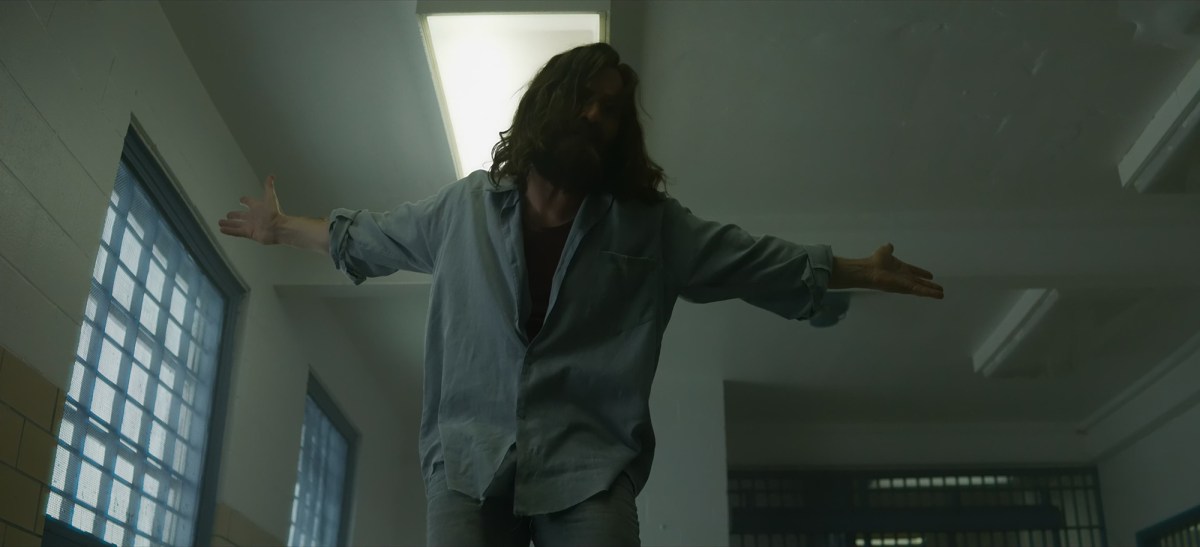
Actor Damon Herriman talks about tackling the role of Charles Manson (again) in Netflix‘s Emmy®-nominated series Mindhunter. Oscar®-winning makeup designer Kazu Hiro, meanwhile, details the actor’s physical transformation from mild-mannered Aussie to iconic cult leader.
Director Carl Franklin and cinematographer Erik Messerschmidt expound on the visual language of a scene from season two of Netflix‘s acclaimed drama series Mindhunter. They give insights into perspective considerations, the choice of handheld camera over Steadicam and the general stylistic shift employed for the sequence.
Explore the approach to one of drama series Mindhunter‘s most complex and often-discussed scenes with Emmy-nominated, Oscar-winning film editor Kirk Baxter.









 The Fincher Analyst