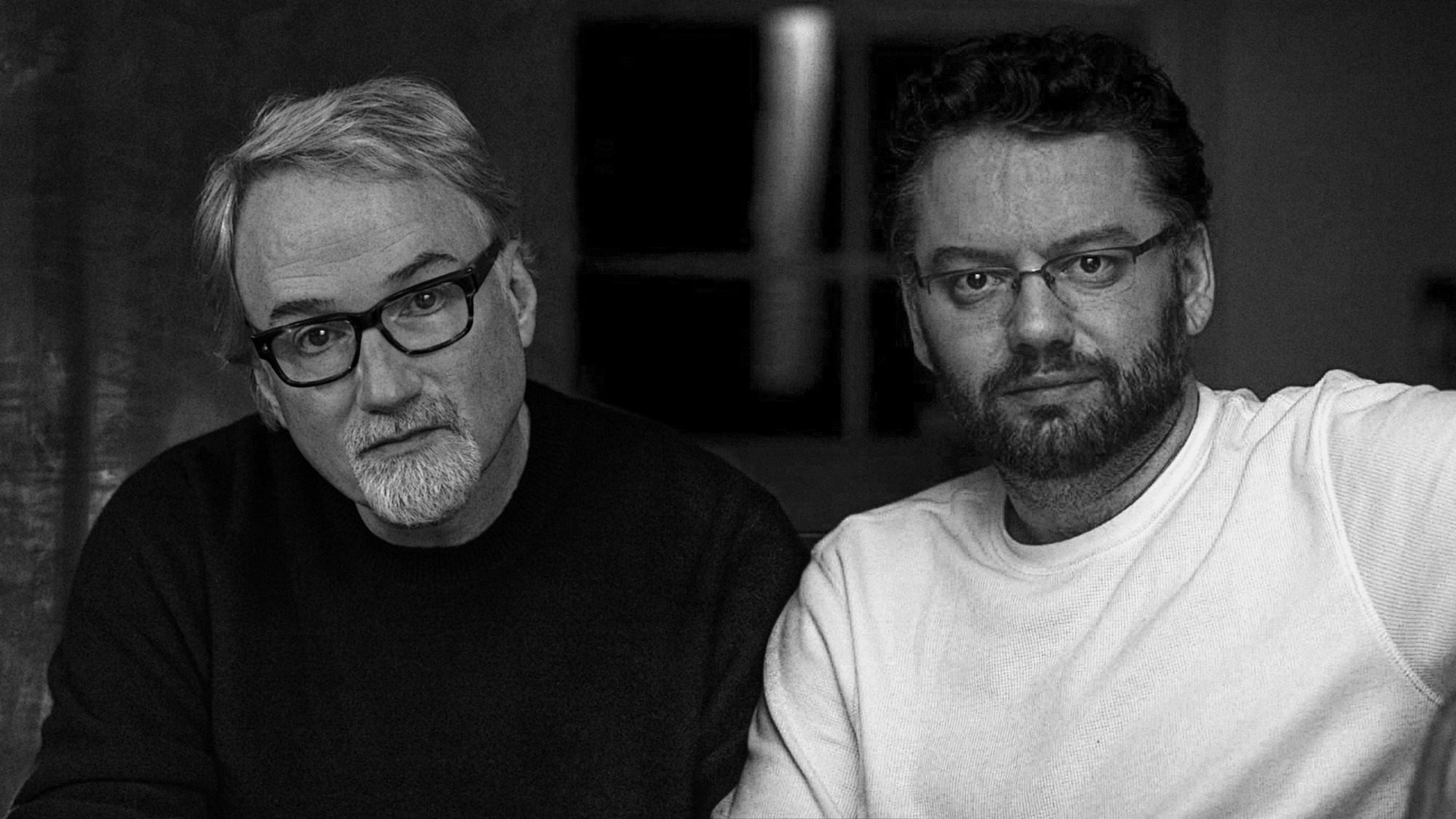
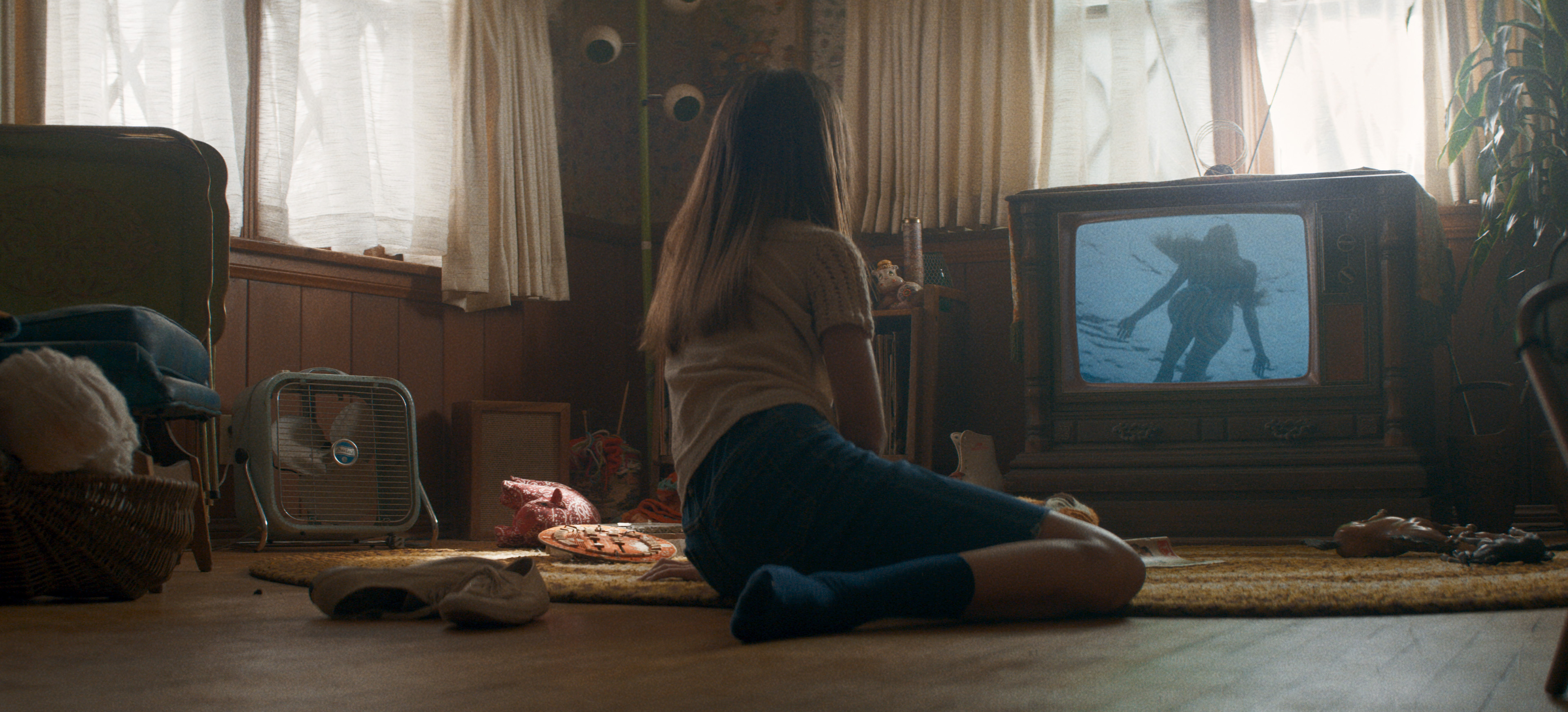
Director: David Prior Screenwriter: Sasha Stone Producers: David Prior and Sasha Stone Director of Photography: Martim Vian Editor: Keith Clark Production Designer: P.L. Jackson Cast: Eva Wild, Olive Bernadette Hoffman, Shannon Hayes, Molly Ann Grotha, Tea Jo Raza
102. Ethics of Revenge
Directors: Taylor Ramos and Tony Zhou Screenwriters: Taylor Ramos and Tony Zhou Producers: Taylor Ramos and Tony Zhou, and Nach Dudsdeemaytha Director of Photography: Alfonso Chin and Martim Vian
103. But I Don’t Like Him
Director: David Prior Screenwriter: Drew McWeeny Producers: David Prior and Drew McWeeny Director of Photography: Martim Vian
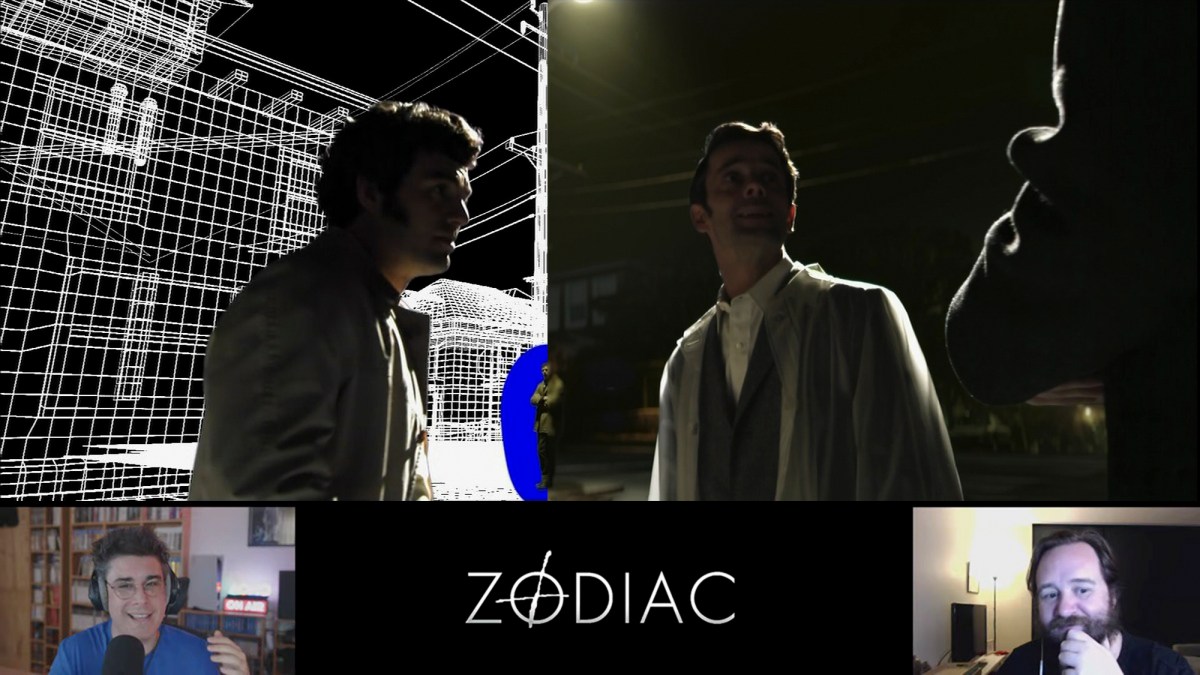
On this episode of VFX Notes, Hugo Guerra from Hugo’s Desk and Ian Failes from befores & afters dive deep into the visual effects in David Fincher films. We take an especially close look at Digital Domain‘s work for Zodiac and The Curious Case of Benjamin Button.
Chapters: 00:00:00 – Intro 00:04:20 – Zodiac and the rise of invisible VFX 00:09:09 – The rise of D2 and Foundry‘s Nuke 00:18:31 – David Fincher’s methods and Zodiac‘s murder scenes 00:30:03 – Environments by DD and Matte World 00:43:41 – The VFX of The Curious Case of Benjamin Button 00:57:27 – The VFX of The Social Network 01:03:15 – The VFX of Mindhunter 01:09:51 – Wrap up 01:12:45 – Patreon, YouTube members and Twitch Subs Credits
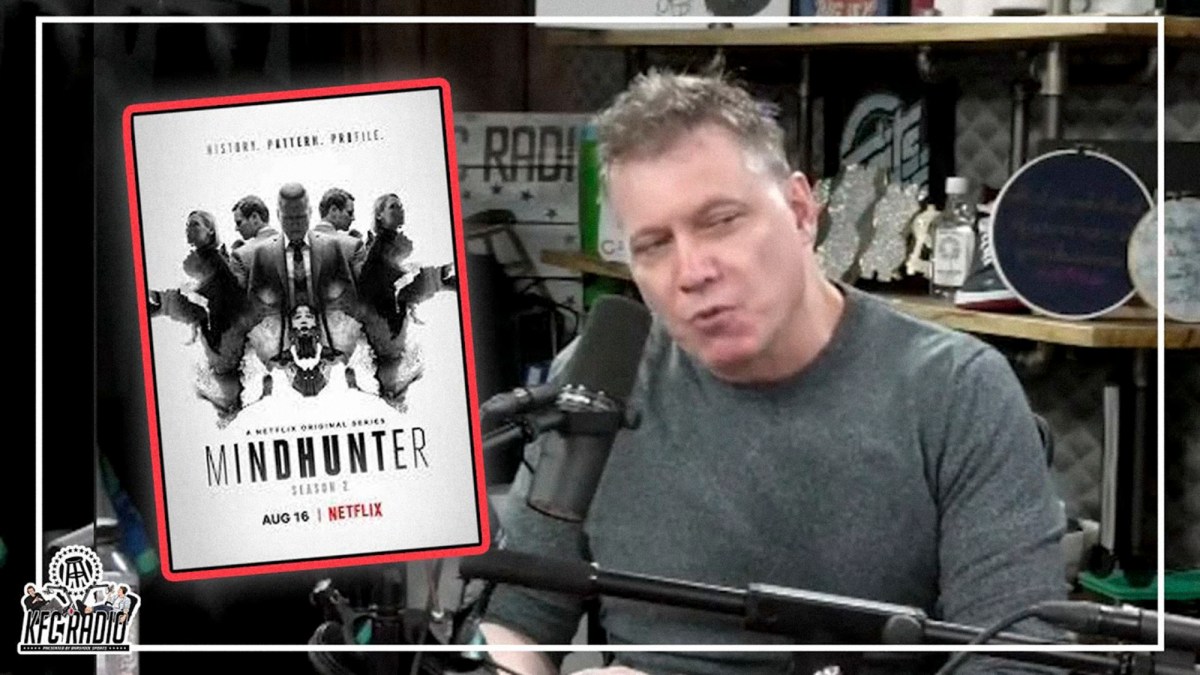
Holt McCallany stops by the show to talk about his role in Wrath of Man with Jason Statham. We discuss talk about his time playing Bill Tench in Mindhunter, how he got linked up with David Fincher, and whether or not he’d like to see Mindhunter return. (min. 1:18:54)
Chapters: 00:00 Intro — How David Fincher became a Filmmaker 02:01 Early Career & Return of the Jedi 03:18 Shot Composition and Blocking 06:19 “Relentless” Number of Takes 11:02 Directing with Precision 13:43 Color Theory & Creating the Look 15:48 Create a Feeling (Production Design & Music) 19:35 Final Takeaways
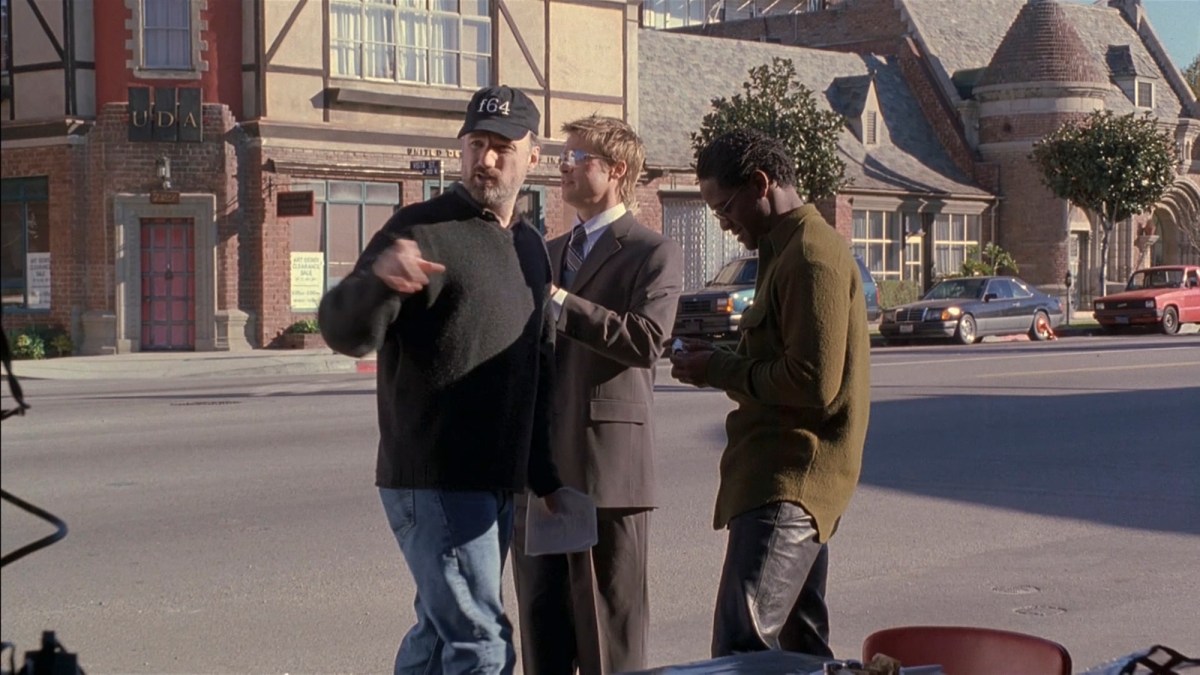
David Fincher is a director’s director. His reputation for having complete control over his work is well-known but many directors have had similar power. So, what makes his approach to film directing so captivating? In this David Fincher video essay, we’ll let the man speak for himself. Through a collection of interviews from throughout his career, Fincher guides us through some of the strongest characteristics of his directing style.
To date, over the past four decades, David Fincher has directed a plethora of music videos, commercials, and 11 feature films. Along the way, he has refined his directing style which can be summed up in two words: precise and purposeful. When watching any David Fincher movies, you would be hard-pressed to find an out-of-place camera movement, or a lazy frame composition. One lesson we learned from Fincher is how he balanced and imbalanced the frame during Nick and Amy’s first meeting in Gone Girl to show the “push and pull” of their flirting.
Another well-known staple of the David Fincher directing style is his predilection for shooting multiple takes. He famously shot 99 takes of the opening scene in The Social Network, for example. But there’s a method to his madness — he wants the actors to move “beyond muscle memory” especially in their domestic environments. In Fincher’s logic, when the actor sits on their couch, they need to have sat in it a hundred times to make it look like they’ve sat in it a hundred times.
Fincher also explains how he creates mood and tone with lighting, color, and music. With a darker frame, desaturated color, and the brooding tones of Atticus Ross and Trent Reznor, there certainly is a distinct experience watching David Fincher films. While all of this sounds extreme, the proof that he’s doing something right is visible on-screen.
♬ Songs used:
“Father / Son” — Makeup and Vanity Set “Subdivide” — Stanley Gurvich “Switchback” — Nu Alkemi$t “Battle in the Forest” — Charles Gerhardt – National Philharmonic Orchestra “Chasing Time” – David A. Molina “Sugar Storm” – Trent Reznor & Atticus Ross “Soul Sacrifice” – Santana “Graysmith Obsessed” – David Shire “Intriguing Possibilities” – Trent Reznor & Atticus Ross “Wendy Suite” – Jason Hill “Under the Midnight Sun” — Trent Reznor & Atticus Ross “14 – Ghosts II” – Nine Inch Nails “Corporate World” – The Dust Brothers “Appearances” – Trent Reznor & Atticus Ross “With Suspicion” – Trent Reznor & Atticus Ross “What Have We Done to Each Other” – Trent Reznor & Atticus Ross “Cowboys and Indians” – Trent Reznor & Atticus Ross “San Simeon Waltz” – Trent Reznor & Atticus Ross “Fool” – Ryan Taubert “Where Is My Mind” – The Pixies
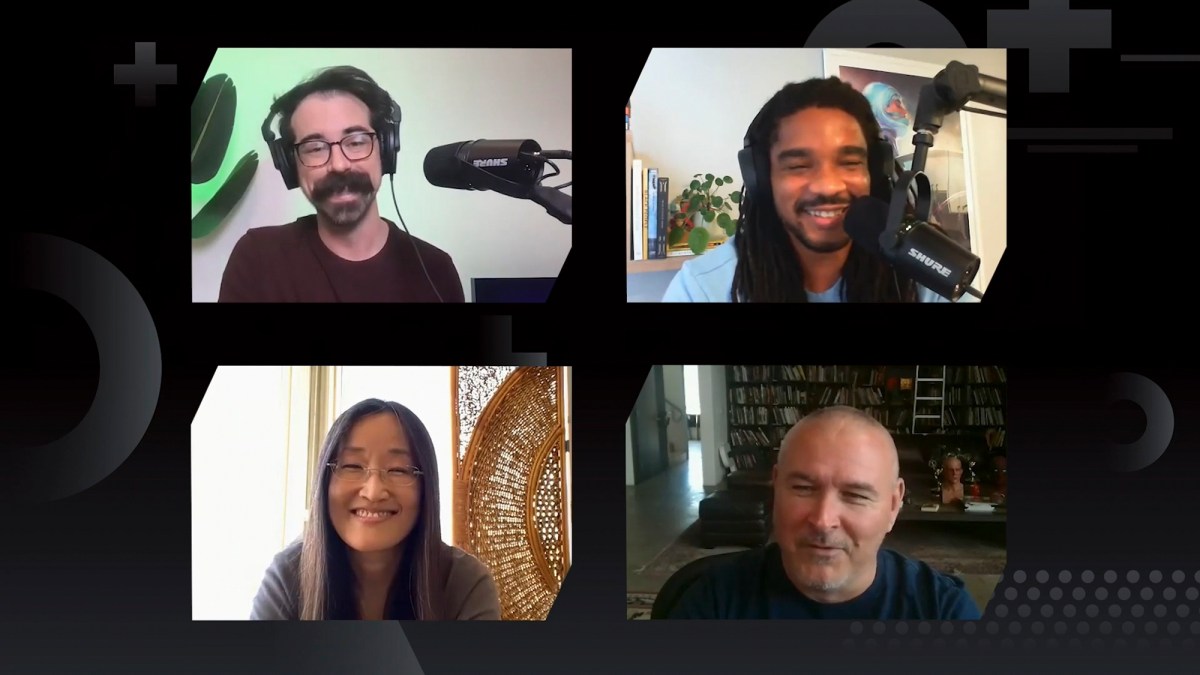
This month we’re joined by Netflix‘s Love, Death & Robots’ Executive Producer Tim Miller and Supervising Director Jennifer Yuh Nelson!
Learn about their journey from college illustration majors to sought-after filmmakers. They talk about the freedom granted with anthology storytelling and everything they read while working on the new volume of Love, Death & Robots. From priceless career advice and tales from the early days of computer animation, this is an episode you won’t want to miss.
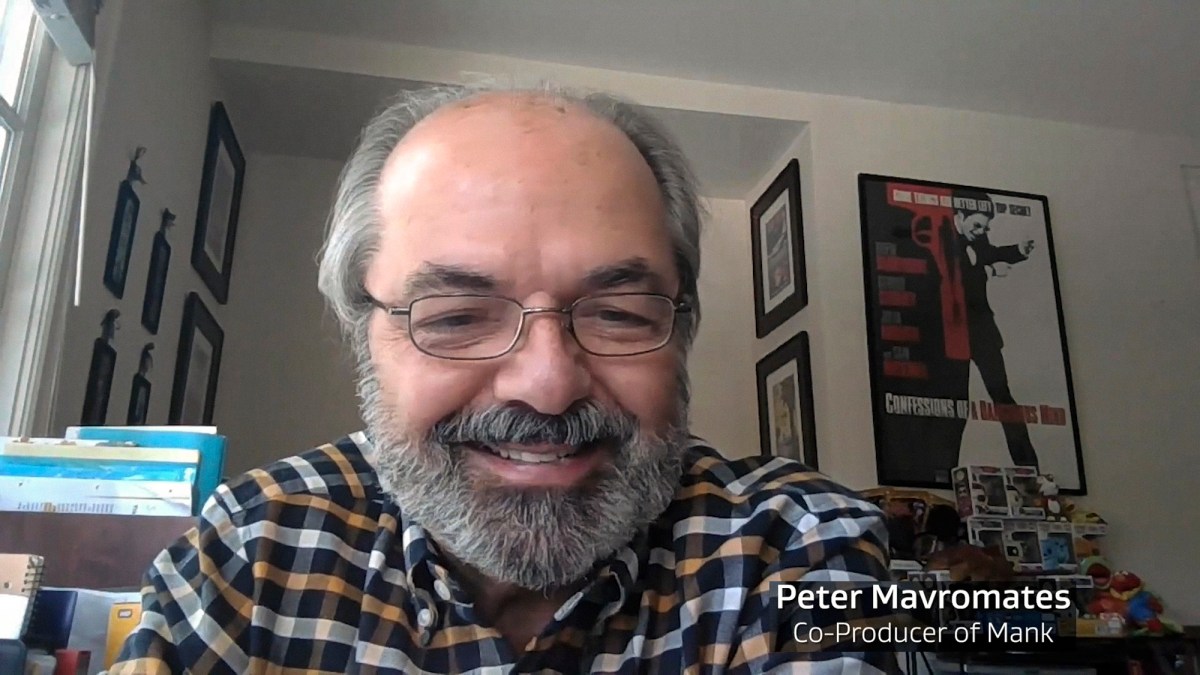
00:00:00: Introduction 00:06:41: Conversation with Victoria Alonso, EVP, Production at Marvel Studios 00:22:51: Conversation with Peter Mavromates, Co-Producer of Mank 00:36:18: Conversation with Aaron Lovell, SVP of Post Production at Boardwalk Pictures 00:45:49: Conversation with Florian Schneider, Producer of Freaks: You’re One of Us, Stephan Kuch, Colorist at PANOPTIMO, Andreas Rudroff, Sound Mixer at Orange Sound Studio 00:58:31: Conversation with Jessie Schroeder, VP, Post Production at Pixar Animation Studios and Kori Rae, Producer at Pixar Animation Studios
Thanks to all of those that joined Dolby and our special industry guests as we discussed the evolution of entertainment and explored how world-renowned content creators are using Dolby technologies to expand their creative palette and empower immersive storytelling.
This PGA members-only event was the first in a series of events designed to both inspire and educate producers in film, television, and new media to create future-forward, immersive experiences in Dolby Vision and Dolby Atmos. We hope those who attended the live event found it valuable. For those who were unable to attend or would like to see it again we have provided a recording of the event.
Love, Death + Robots creator and Executive Producer Tim Miller, Executive Producer David Fincher, Supervising Director Jennifer Yuh Nelson and Director of “Ice” Robert Valley discuss Vol. 2 of the adult animated anthology.
Tim Miller, David Fincher, Jennifer Yuh Nelson and Jerome Denjean Talk ‘Love, Death & Robots’ Season 2 from Annecy
On Tuesday afternoon, the Annecy International Animation Film Festival streamed a candid, hour-long conversation between four of the key minds behind Netflix’s second season of “Love, Death & Robots.” Creator and executive producer Tim Miller (“Deadpool,” “Terminator: Dark Fate”), executive producer David Fincher (“The Social Network,” “Fight Club”), supervising director Jennifer Yuh Nelson (“Kung Fu Panda” 2 and 3) and visual effects supervisor Jerome Denjean from France’s Blur Studio engaged in an unmoderated conversation about the adult animation series, from its origins to its upcoming third season.
Frame & Reference is a conversation between Cinematographers hosted by Kenny McMillan. Each episode dives into the respective DP’s current and past work, as well as what influences and inspires them. These discussions are an entertaining and informative look into the world of making films through the lens of the people who shoot them.
Tim Ives, ASC, talks about the new Netflix series Halston, which tells the story of a man who leverages his single invented name into a worldwide fashion empire that’s synonymous with luxury, sex, status, and fame, literally defining the era. Outside of this series, you likely recognize Tim’s name from his work on series such as Stranger Things, House of Cards, and Manifest.