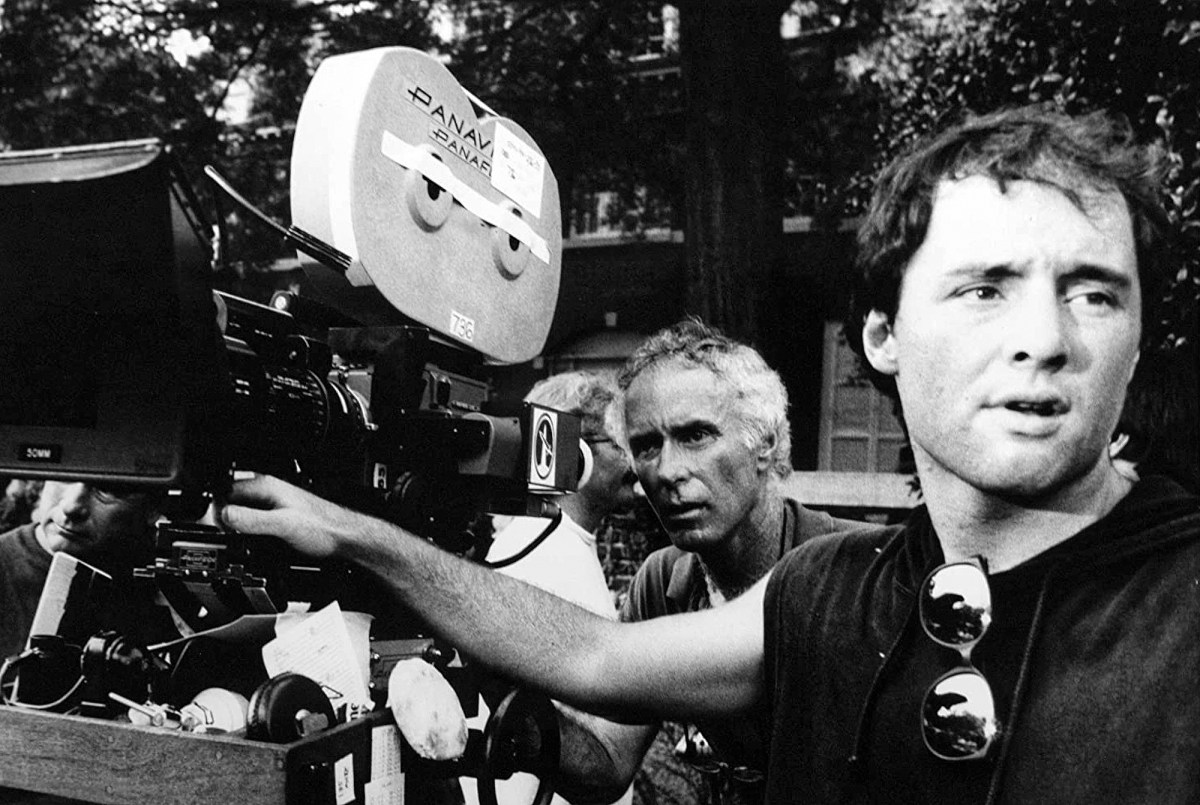
In this episode, we welcome two-time Oscar-nominated cinematographer Jeff Cronenweth, ASC. Jeff has shot films including Fight Club, One Hour Photo, The Social Network, The Girl with the Dragon Tattoo, Hitchcock, Gone Girl, Being the Ricardos, and Tron: Ares. In our chat, Jeff shares his origin story, experiences working with David Fincher — and all about his latest movie, Tron: Ares. He also offers extensive insights and recommendations for today’s cinematographers and filmmakers.
Miles Perkins, Industry Manager, Epic Games July 28, 2025 Unreal Engine
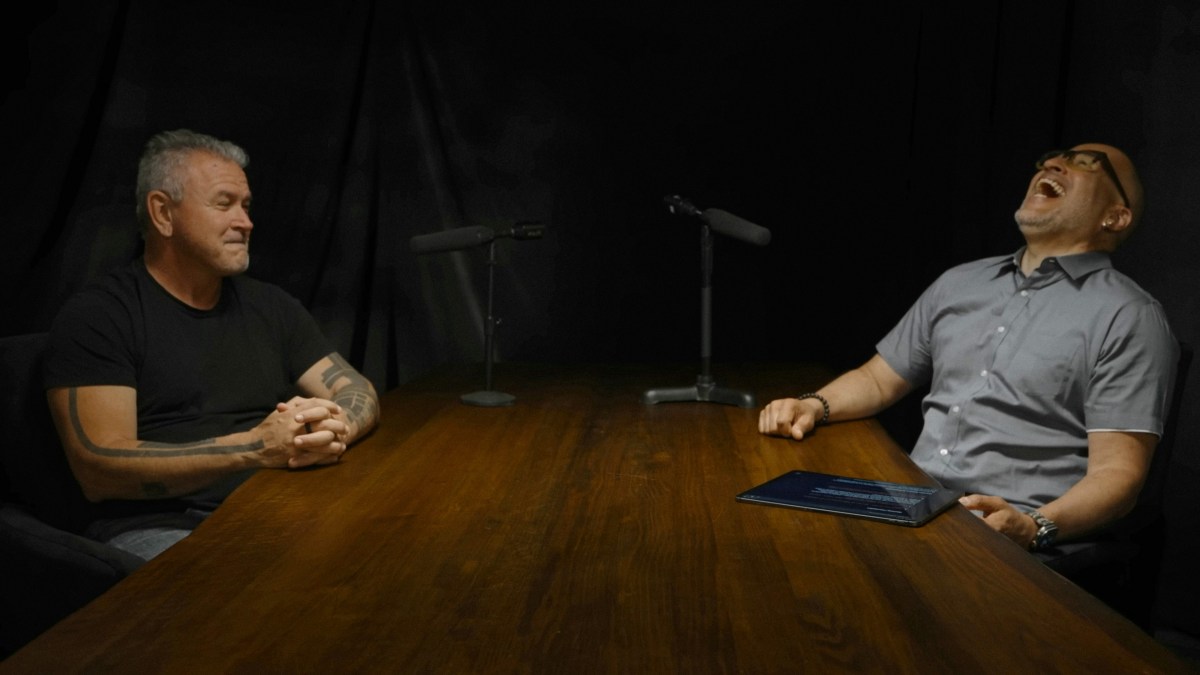
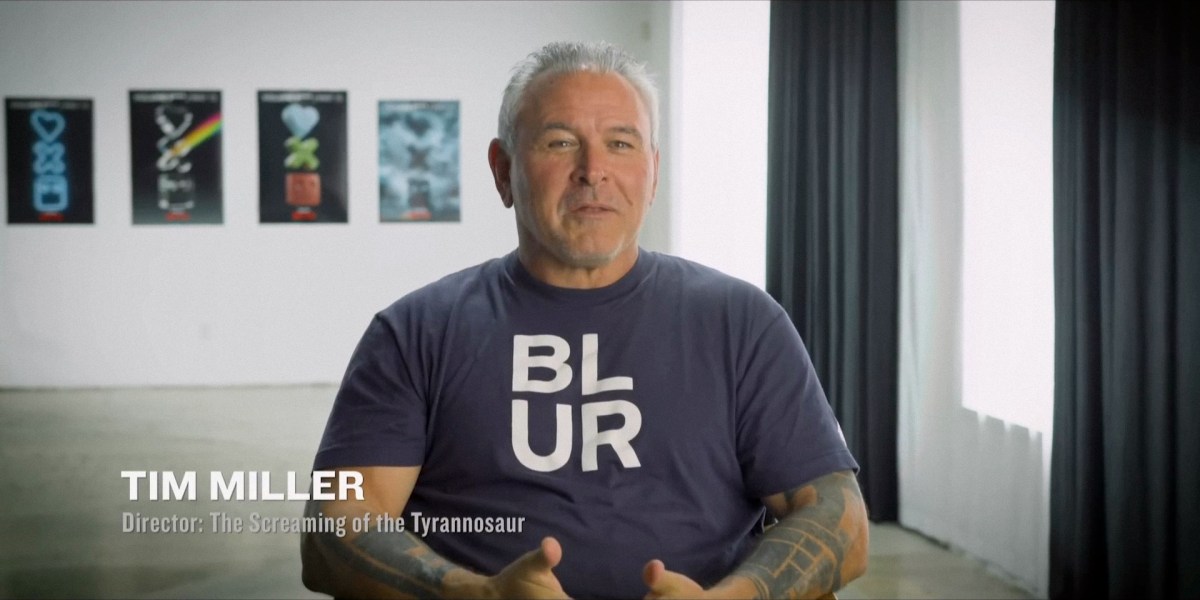
Join Tim Miller, co-founder of Blur Studio and winner of multiple Emmy Awards, for a candid chat on his origins as an animator and visual effects artist, his “story first” philosophy, and his views on creativity. Tim’s curiosity and drive has led him to branch out from traditional visual effects to direct live-action features and explore real-time animation with Blur’s Secret Level series and the LOVE DEATH & ROBOTS anthology series.
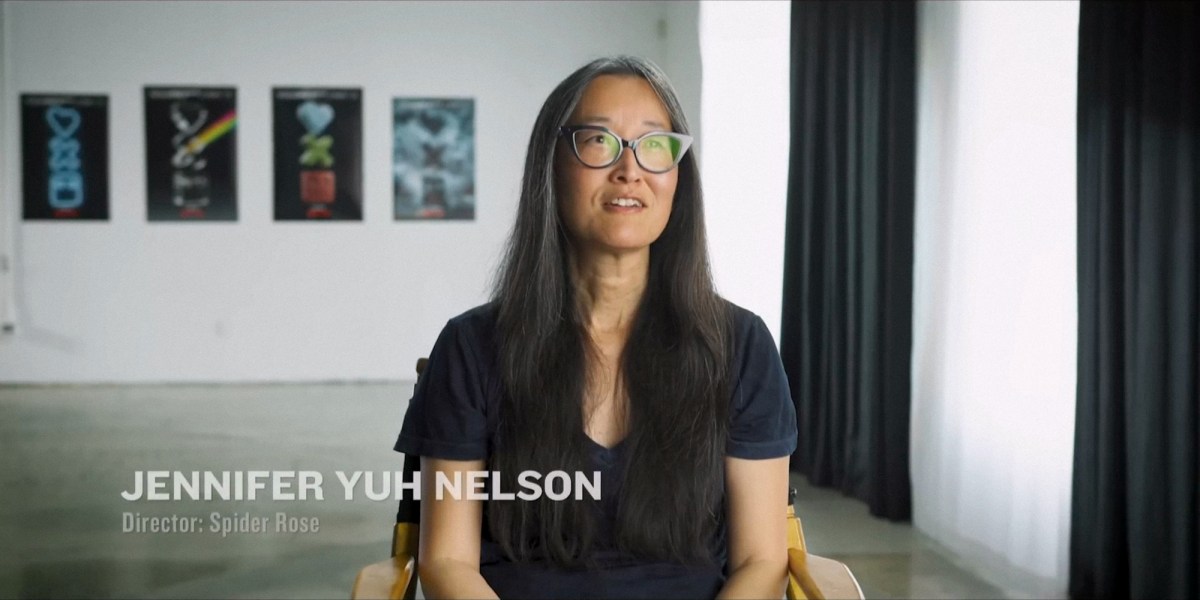
Director Tim Miller discusses how he approached directing this dinosaurs in space adventure, starring MrBeast! Featuring Jennifer Yuh Nelson and David Fincher.
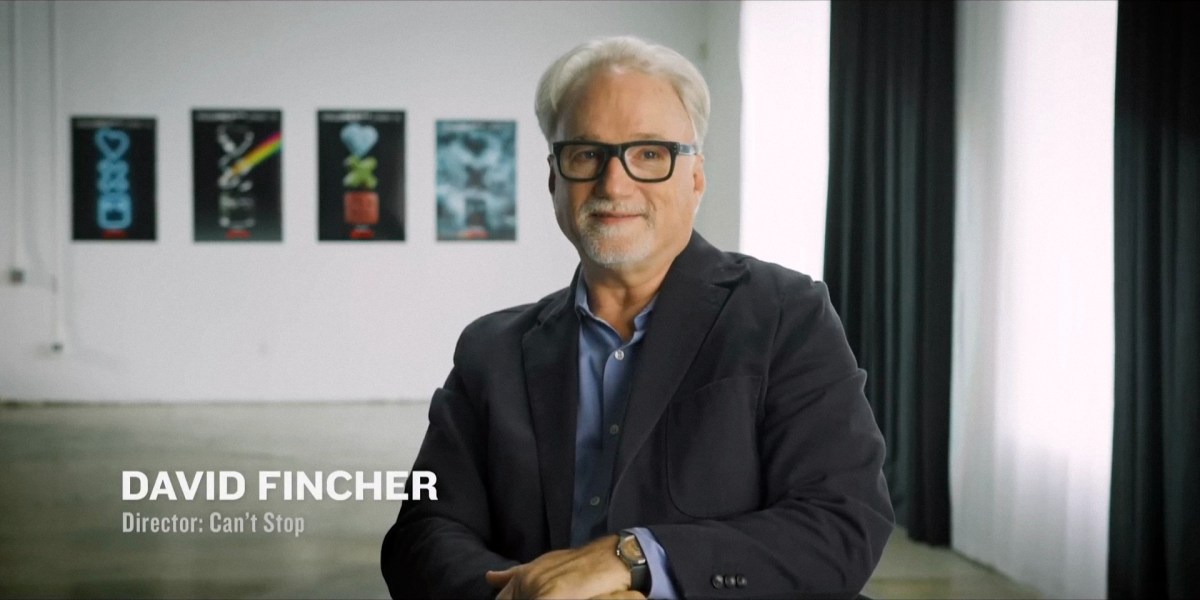
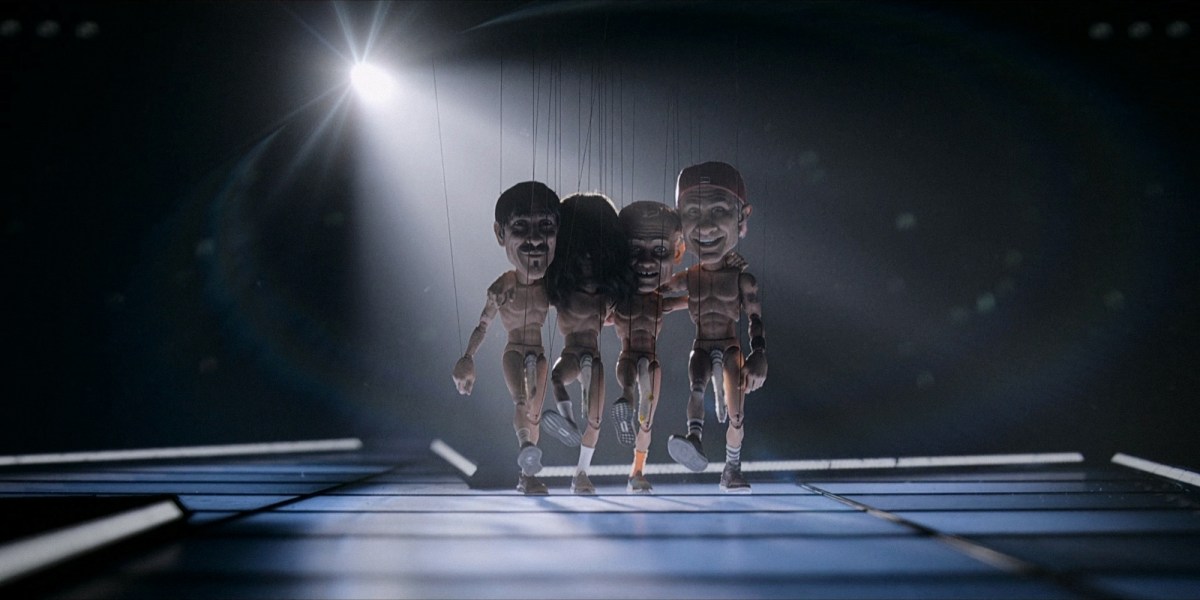
Fearless anthology series LOVE DEATH + ROBOTS returns with a unique blend of styles, stories, and heroes you didn’t know you needed — from scheming felines to a traumatized toilet. “I try and get a mix of horror, sci-fi, and fantasy,” says creator and executive producer Tim Miller. “And we work with some really fucking fantastic artists.” Miller is a voracious reader, and the source material for the series is largely short stories he has enjoyed over decades, though Volume 4 has a first: a concert film … from none other than David Fincher.
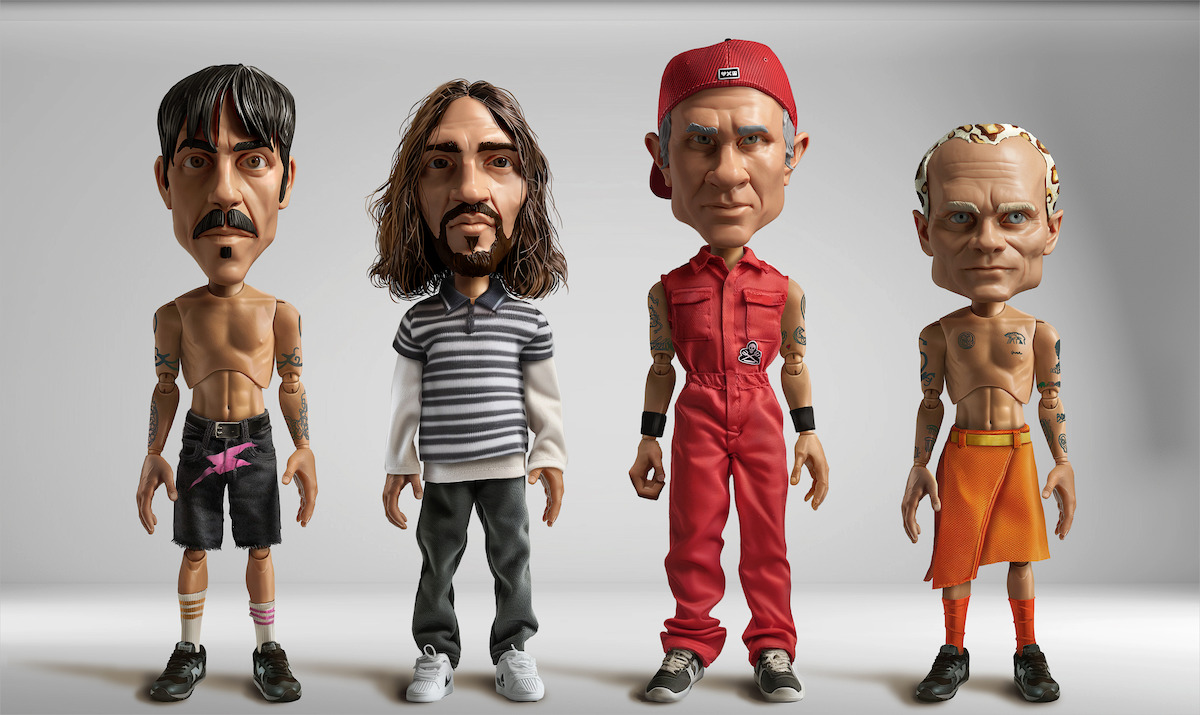
Fincher may now be best known for films such as Fight Club and The Killer, but he first rose to prominence directing music videos. The episode Can’t Stop calls on a long-cherished idea of animating a band as puppets; in this case, the Red Hot Chili Peppers. “This was a chance to exercise some old muscles, stretch — and it’s something I’ve always wanted to see,” says Fincher, who also executive produces the series. Each episode comes from a different team, and his was produced by Blur Studio, the VFX and production company co-founded by Miller. “I think Blur know that when I’m passionate about something, it’s going to be weird, and it’s going to be a lot of work,” says Fincher. “But who knows, it might be fun. It certainly will be challenging.” Creative risk and independent spirit are part of what’s led to the show’s 13 Emmy wins so far. But for the team, it’s really just the beginning of a long commitment to variety and invention. Says Fincher, “Hopefully by the time we get to Volume 20, there’s going to be something in here for everyone.”
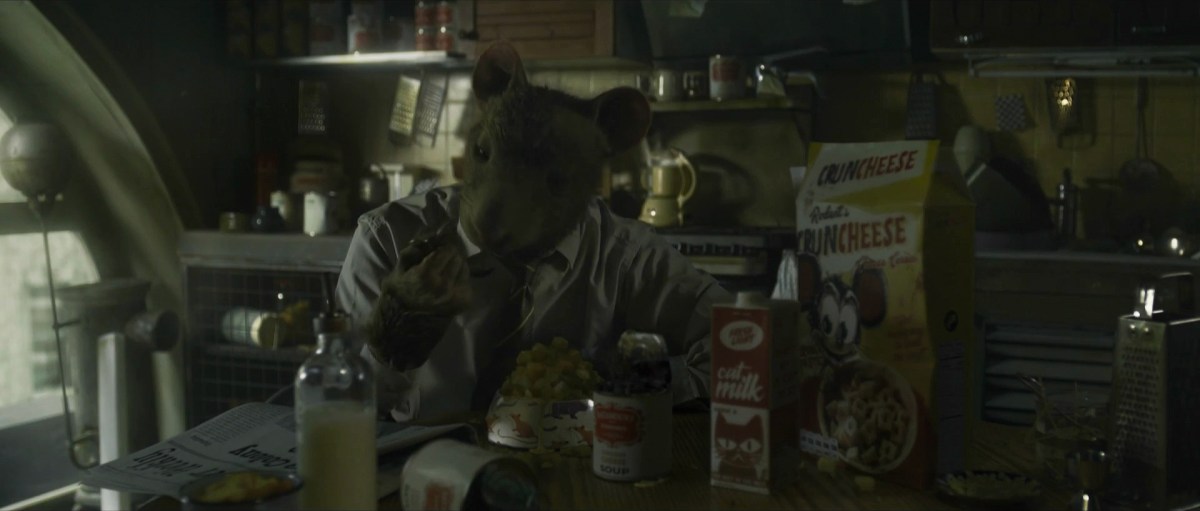
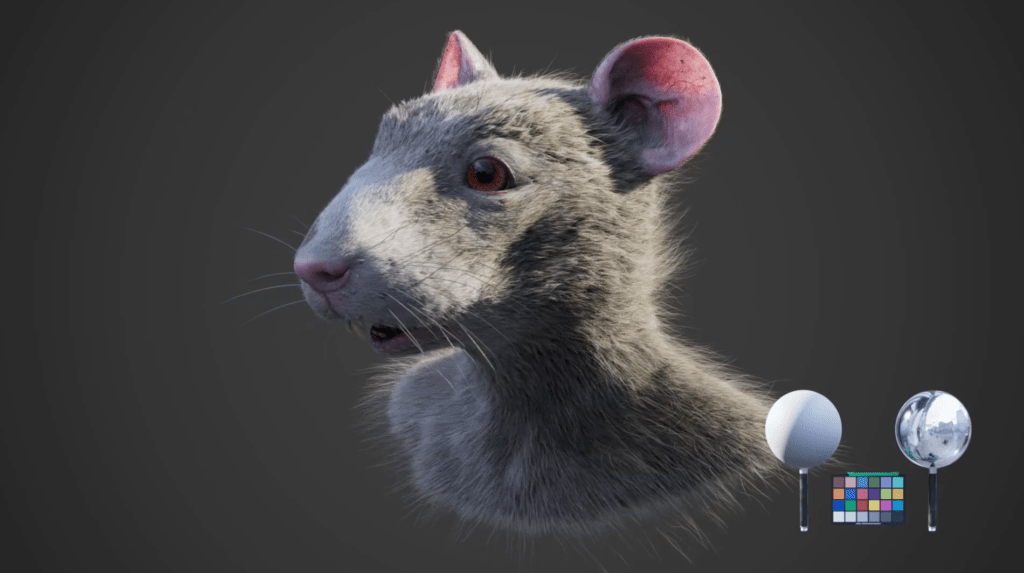
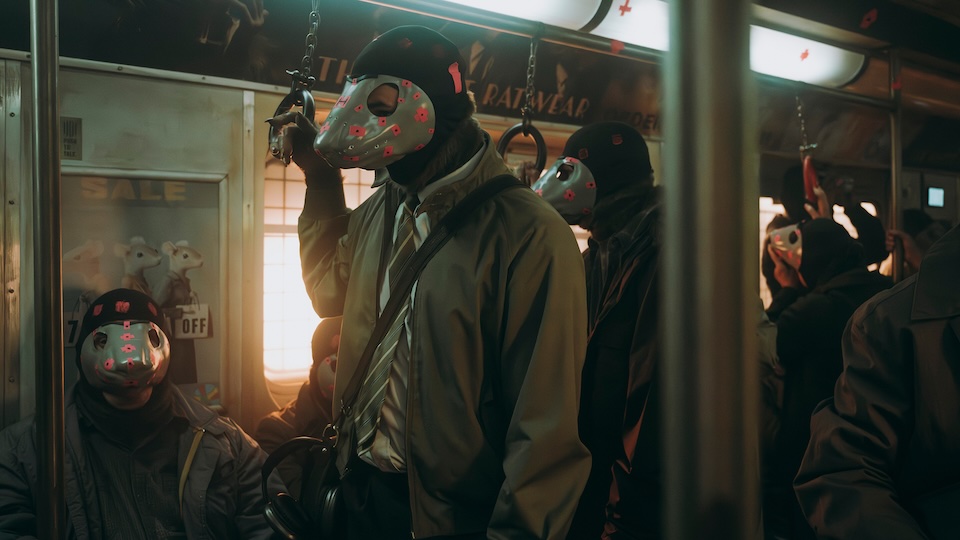
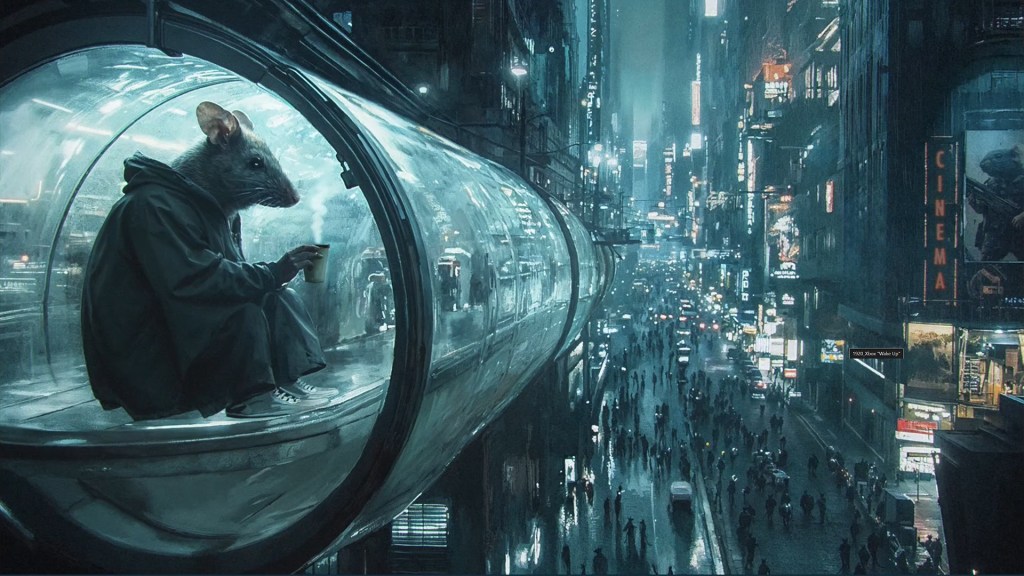
In Xbox’s Wake Up, directed by Romain Chassaing and Co-Directed by David Fincher, a wonderfully off-beat fairy tale unfolds: Horatio, a rat, rekindles his humanity through the joy of gaming. We follow Horatio through a day in the rat race: a packed commute, the drudgery of the office, a rushed lunch at his desk. The mundanity is interrupted by glimpses of mysterious gamers—the only humans we see amongst the rats. After a long day, Horatio powers on his Xbox on his Samsung OLED TV and connects with his friends. A much-needed dose of fun transforms him into the human he always was.
VFX Supervisors Ryan Hadfield, Chris King, Jorge Montiel Meurer, Chris Gill
VFX Artists Adam Gramlick, Ahmed Ugas, Alejandro Marzo, Alex Rumsey, Andrea Umberto Origlia, Andreas Georgiou, David Rencsenyi, Eva Bennet, Joe Baker, Juan Francisco Saravi Migliore, Klaudia Skalska, Lewys Rhodes, Lucas Warren, Mattias Lullini, Miles Tomalin, Monika Lesiecka, Robert Lilley, Ross Gilbert, Sergio García Castro, Taylor Webber, Tom Cowlishaw, Joe Baker
VFX Producer Ross Culligan
VFX Co-Ordinator Lena Almeida
Digital Matte Painter Artists Jordan Haynes, Carlos Nieto, Grant Bonser
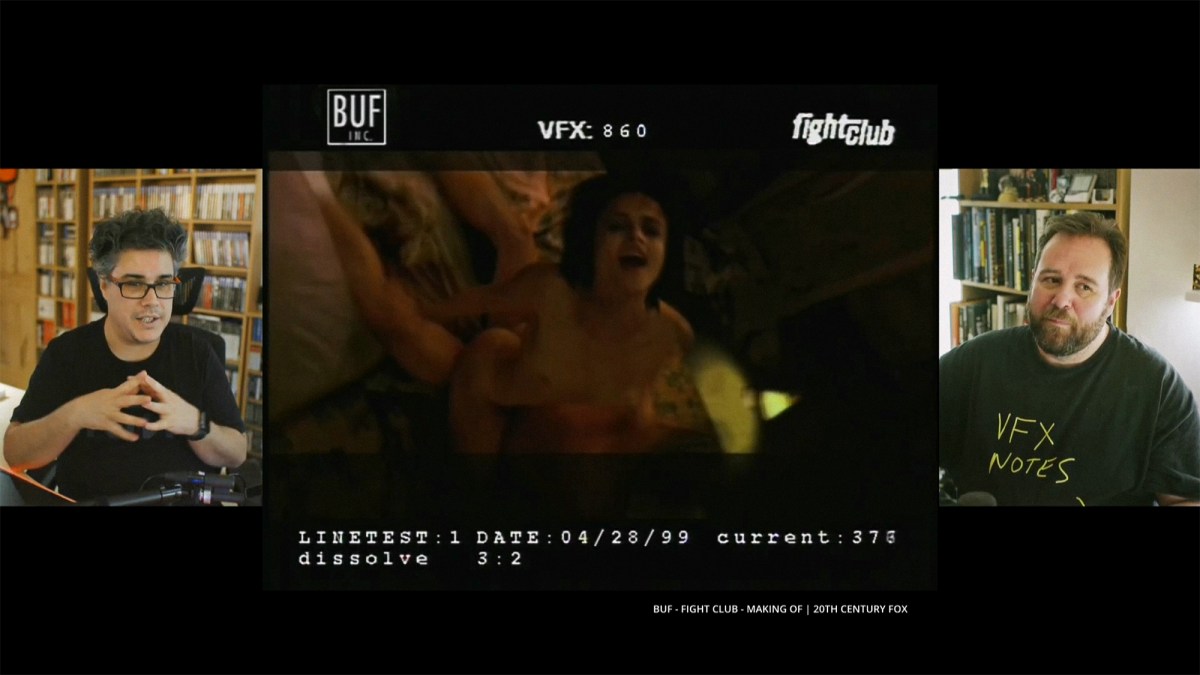
David Fincher’s glorious, mysterious, spectacular Fight Club has just turned 25! A new VFX Notes episode with Hugo Guerra and Ian Failes looks back at the film, and breaks down the incredible, invisible visual effects work.
We dive deep into the photogrammetry side of things from BUF, and look at the variety of work from Digital Domain, the penguin from Blue Sky (!), plus VFX from other vendors. It was an extraordinary achievement from visual effects designer Kevin Tod Haug to oversee this work.
Check out the video below which includes a whole range of behind the scenes and VFX breakdowns.
Chapters: 00:00:00: Intro 00:00:40: A word from our sponsors 00:01:50: The podcast begins 00:04:52: Our first viewing of FIGHT CLUB 00:11:56: The DVD is like film school 00:28:47: Jeff Cronenweth and the visual style 00:37:23: The manny takes of Fincher 00:41:27: Kevin Tod Haug’s amazing work 00:43:20: It would be nominated if it was today 00:45:24: Shaders and radiosity 00:48:03: Photogrammetry and BUF 00:53:07: Previz 00:57:08: The virtual camera moves like the kitchen scenes 01:00:45: BUF VFX and the sex shots 01:06:19: The age of CG tests 01:09:48: The plane crash 01:13:48: High rise collapse 01:21:49: Having fewer artists for a longer time 01:23:49: Peter Ramnsey’s animatics 01:24:23: The cave animal 01:27:08: One of the first behind the scenes featuring HDR spheres and grey balls 01:31:03: The Titanic breath leftovers 01:33:15: The gunshot 01:37:14: The Furni shot 01:39:44: The opening credits 01:45:43: Meat Loaf’s Fat Suit 01:50:00: Members and Patreon credits
Watch the “age-restricted” Fight Club VFX breakdown by BUF: YouTube BUF.com
A filmmaker friend reached out to me with a question about one of our shared favorite movies of all time, so I did what I sometimes do – I went totally overboard to find a satisfying answer and then wrote a long-winded article about it.
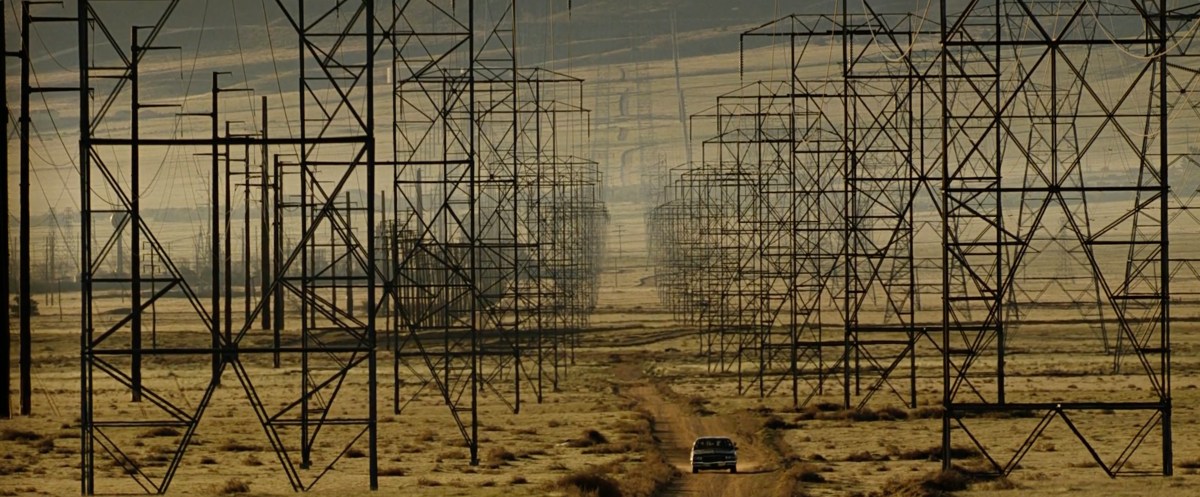
Near the end of David Fincher‘s 1995 masterpiece Seven, John Doe takes Somerset and Mills to the middle of nowhere to reveal his final surprise. They drive to a desolate area surrounded by high-tension power lines and towers. A combination of long lenses and wide lenses were used to alternate between images of long-lens compression of the space, and scattered wider lenses to illustrate the desolation of the environment.
Then comes this gorgeous shot. A simple, slow tilt down of the car racing down the road, filmed with a long lens. It’s breathtaking because it looks other-worldly, and some of that is due to the visual “compression” that happens to a scene filmed with a telephoto lens: objects that are far apart from each other “compress” in depth to look like they’re actually existing very close together in real-world space. Filmmakers make lens choices to give a scene a deliberate, artistic feel. It’s one of the many tools in a filmmaker’s toolbox.
With The Killer, David Fincher created a masterpiece of cinematic storytelling.
In the first act – the Paris hit – Fincher and his team combined three sets in post. They also added typical artifacts like horizontal flares and distortions to give The Killer an anamorphic vibe.
To learn and explore, we set out to recreate the climax of the first act of The Killer, BUT to do it for real: One real location and real anamorphic lenses. We even developed a way to do film through a real rifle scope – anamorphic of course.
This was possible as DZO just introduced three new focal lengths to their awesome PAVO lineup of 2x anamorphic lenses, a 135mm, a 180mm, and a 65mm Macro. This new focal length and the general short minimum focus distance of the PAVO made them the ideal companions to shoot our short.
We take you behind the scenes, share our experiences with you, and, of course, show you the result: “The Killers” gives the original a slightly different spin…
Disclaimer: We collaborated with DZOfilm and got the full PAVO set of 9 lenses to shoot our short. As always, we strive to give you our honest opinion based on our experience and tests.
00:00: Intro & Contents 02:48: The Killer / A Cinematic Masterpiece 03:44: Subjective Camera Movement 05:00: Subjective Sound Design 05:41: Subjective Edit 06:25: Paris: A Real Fake Location 10:08: Faking the Anamorphic Look| 12:14: Reimagining The Killer 15:49: Gear: The Lenses 23:18: The Rifle Scope 25:01: Gear: The Cameras 27:45: Feature: The Killers 31:08: A Second Killer & Verdict 33:16: Thank You 34:02: Member Shout Out