Gregory Crewdson Has Been Making Photographs for Almost 4 Decades. Now He’s Revisiting Them All.

In tandem with his first-ever retrospective at the Albertina, a new book pairs the prolific photographer’s work with writings from directors David Fincher and Matthieu Orléan, and novelist Emily St. John Mandel, among others.
Maggie Coughlan
August 7, 2024
Vanity Fair

“I’ve always said that I think every artist has one central story to tell,” photographer Gregory Crewdson says on a call from Great Barrington, Massachusetts, where he lives and works. “And they circle around that story, over and over again, over a lifetime, reinventing aspects of it and challenging others and trying to push things forward. But at the core of it, it’s like the central preoccupations remain fixed.”

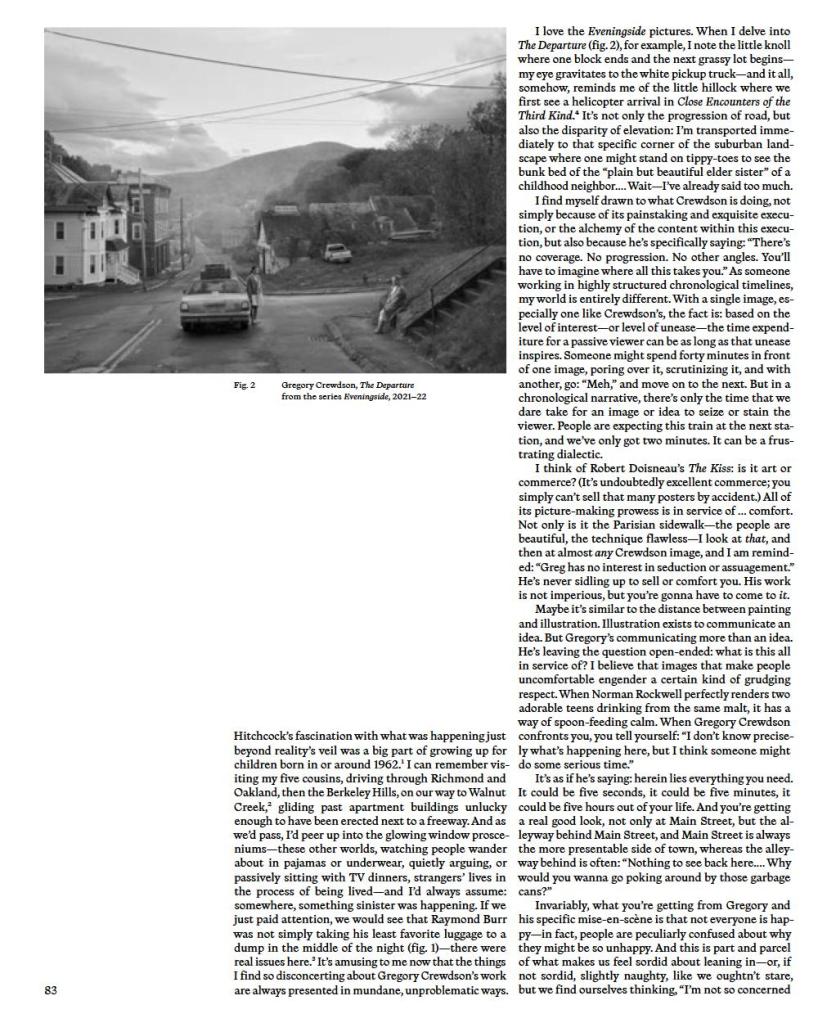
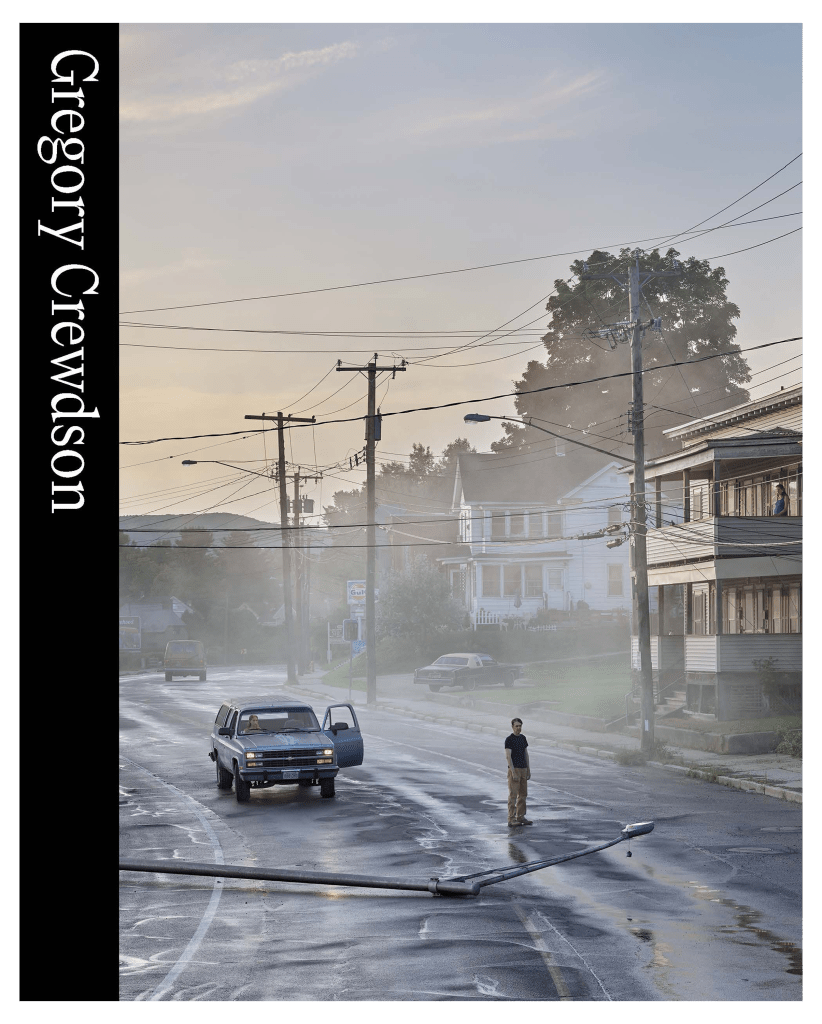
The concept is particularly timely for the photographer, who for the past three-and-a-half decades has been constructing gripping images that call to mind film stills, as his first-ever retrospective opened in May at the Albertina in Vienna. Later this month, the eponymous exhibition takes new form with the release of Gregory Crewdson, its 280-page catalogue edited by the Albertina’s chief curator of photography Walter Moser and published by Prestel. The book features more than 300 photographs and production stills that examine the complexities of American suburbia, be it through someone wandering a parking lot, shirtless and unmoored, or a twosome’s forlorn gazes into a television as its glow illuminates a basement, paired with writings from directors David Fincher and Matthieu Orléan, and novelist Emily St. John Mandel, among others.

Gregory Crewdson – Walter Moser, Editor (Prestel, 2024)

For Crewdson, the process of revisiting nearly 40 years of work was “complicated,” but led him to draw parallels between his earliest endeavors and present-day work. “It’s interesting in that on some basic level everything’s changed and then on another level, nothing’s changed really,” he says. “When I look back at pictures I made when I was in graduate school, [those are] the first pictures in the show, they’re not that dissimilar in terms of the basic concerns—on a much more modest scale, of course.”

In advance of the catalogue’s release, Crewdson spoke with Vanity Fair about the possibility of making the switch from photography to directing feature-length films, and the story he’s been telling all these years.

Read the full interview

A sample of the writing by David Fincher, “A Difficult Truth”:
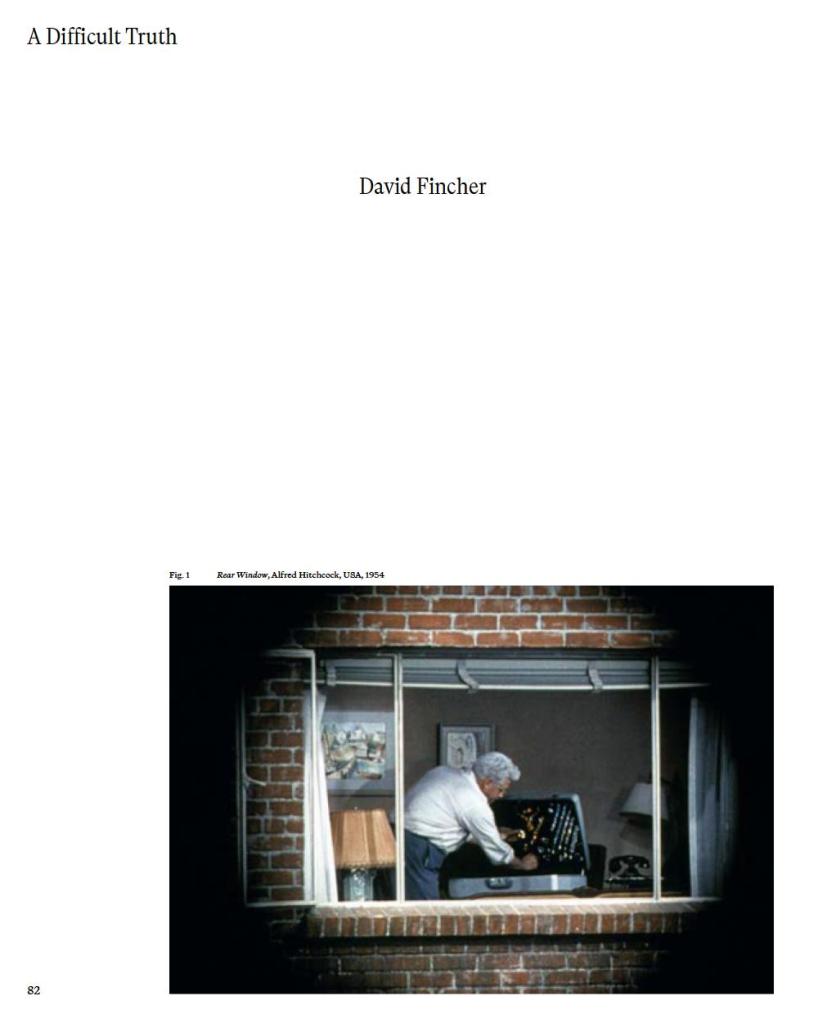
CLICK TO ENLARGE

Buy the book through the publisher

Film Secession: Darius Khondji Exhibition

Richard I. Suchenski
February 2024
Film Secession

The singularity of cinema lies in its unprecedented capacity to transform the energies of the other arts into an integrated audiovisual experience. This synthesis makes cinema particularly engaging, immersive, and resonant, although, precisely because the constituent elements are organically fused together, it can easily be taken for granted. Film Secession creates new ways of exploring the ideas and artistic currents that have shaped different filmmakers, periods, and art forms. Subscribers will discover nonlinear pathways through the histories of the arts, be able to watch rare films provided by the world’s preeminent studios, production companies, and archives, and have special access to events held worldwide.

The Vienna Secession is a key inspiration. Created at the very moment of cinema’s emergence (1897-1905), its motto was, “To every age its art, to every art its freedom.” By fostering deeper understanding of our cinematic heritage and revitalizing our shared creative legacies, Film Secession will similarly provide opportunities to reimagine the future.

Join and support Film Secession

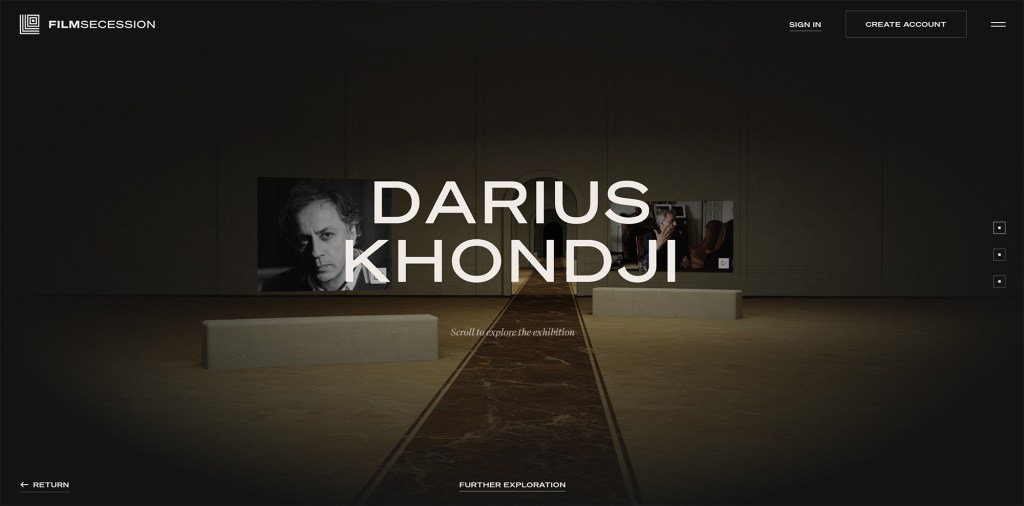
Darius Khondji is one of the most acclaimed and influential cinematographers working today. This exhibition explores Khondji’s work – especially his approach to light, color, space, and framing – and the larger question of the role of the cinematographer as a shaping agent in the overall style of a film.

Explore the Darius Khondji virtual exhibition

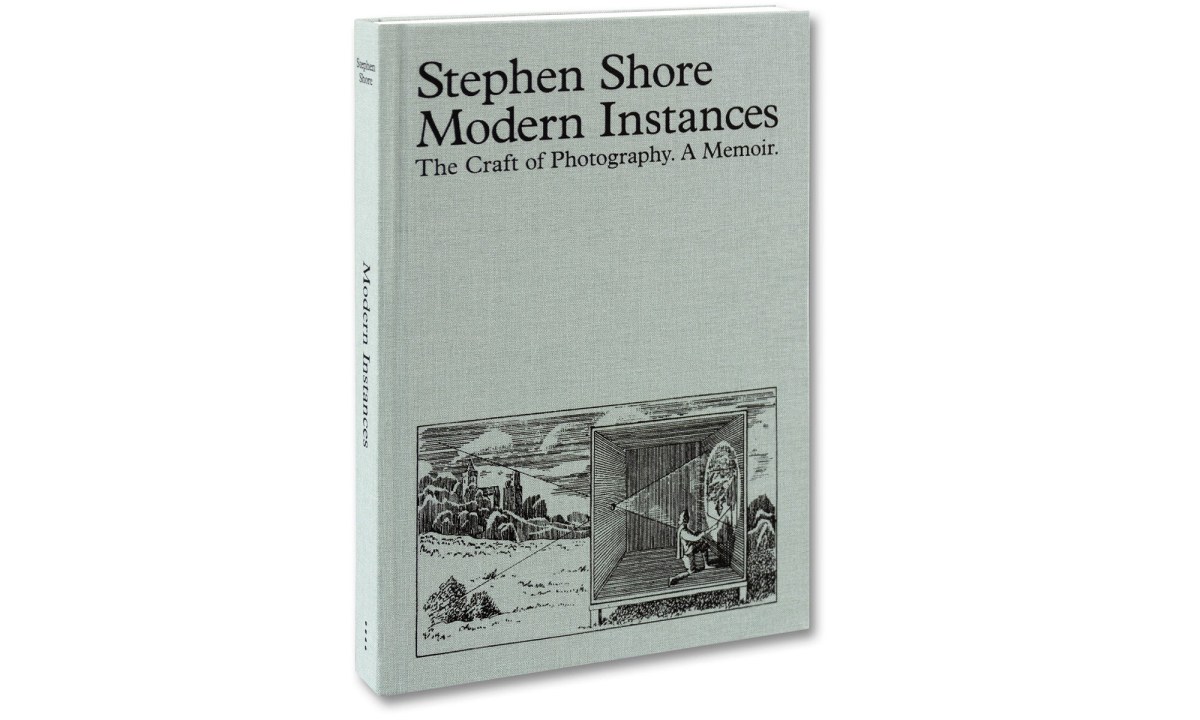
Modern Instances: The Craft of Photography, by Stephen Shore

February 2022
MACK (UK, EU)

Shore’s work has been a personal inspiration from my earliest interaction with it. With Modern Instances, I am humbled to have his profound insight into the rigorous over-thinking that made it possible. This insight, delivered with such clarity, grace, and humility, will no doubt affect how you make or appreciate photographs – it might even alter how you see.’ David Fincher

Shore’s memoir is as riveting as it is illuminating – an almost deceptively seamless narrative of experiences, associations, correspondences, images, and remarkable erudition that testify to the mind’s eye through which, from the beginning of his career, Shore has transformed the seemingly spontaneous configurations of his photography into profound works of art.’ Jane Kramer

Modern Instances is like a conversation among friends. It reveals a deeply inquiring mind, and renders making photographs, and looking at them, one of the most exciting and humane of pursuits.’ Sandra Phillips

‘Although the dream is a very strange phenomenon and an inexplicable mystery, far more inexplicable is the mystery and aspect our minds confer on certain objects and aspects of life.’ Giorgio de Chirico

Stephen Shore’s Modern Instances: The Craft of Photography is an experimental new memoir from one of the world’s most prolific artists — an impressionistic scrapbook that documents the rich and surprising touchstones that make up over half a century of ground-breaking work. With essays, photographs, stories, and excerpts that draw on Shore’s decades of teaching, this is an essential handbook for anyone interested in learning more about mastering one’s craft and the distinct threads that come together to inform a creative voice. As much as offering meditation on the influences of a single artist, Modern Instances proposes a new way of thinking about the world around us, in which even the smallest moment can become a source of boundless inspiration — if only we pay attention.

Silkscreen printed linen hardcover
ISBN
: 978-1-913620-53-0
Dimensions: 17 x 24.5cm
Page Count: 224 pages
Price: €38 / £30 / $45

Look inside and buy the book

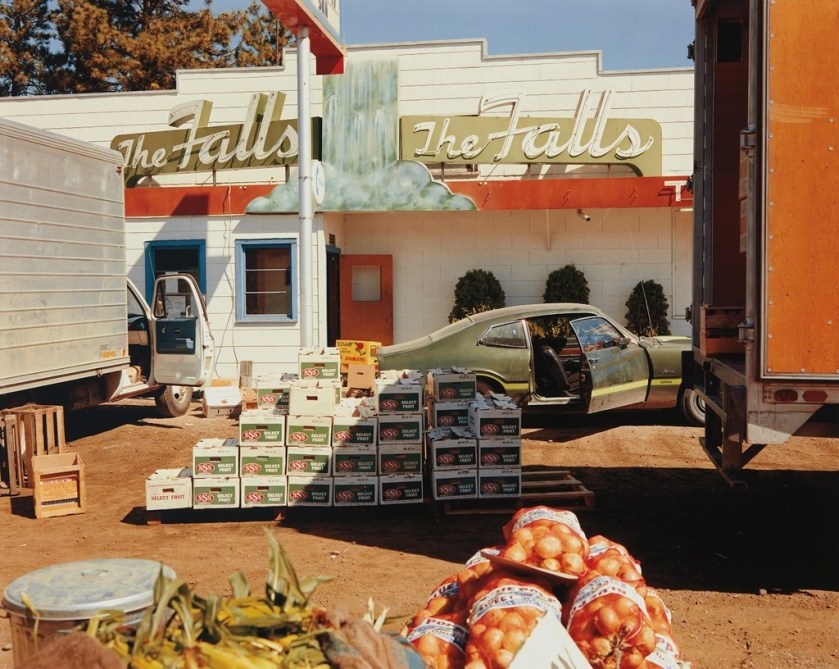
How Stephen Shore’s Photographs Inspired Netflix’s Mindhunter

Frame & Reference Podcast: “Halston”, “Stranger Things”, and “House of Cards” Cinematographer Tim Ives, ASC

Kenny McMillan
June 3, 2021
Frame & Reference

Frame & Reference is a conversation between Cinematographers hosted by Kenny McMillan. Each episode dives into the respective DP’s current and past work, as well as what influences and inspires them. These discussions are an entertaining and informative look into the world of making films through the lens of the people who shoot them.

Tim Ives, ASC, talks about the new Netflix series Halston, which tells the story of a man who leverages his single invented name into a worldwide fashion empire that’s synonymous with luxury, sex, status, and fame, literally defining the era. Outside of this series, you likely recognize Tim’s name from his work on series such as Stranger Things, House of Cards, and Manifest.

Listen to the podcast:

Apple Podcasts
Spotify
YouTube

Support and follow the podcast: Patreon
Follow Frame & ReferenceYouTubeTwitterInstagram
Follow OWL BOTInstagram
Follow Kenny McMillanInstagram

The Mank Production Images by Miles Crist

Miles Crist (Instagram)

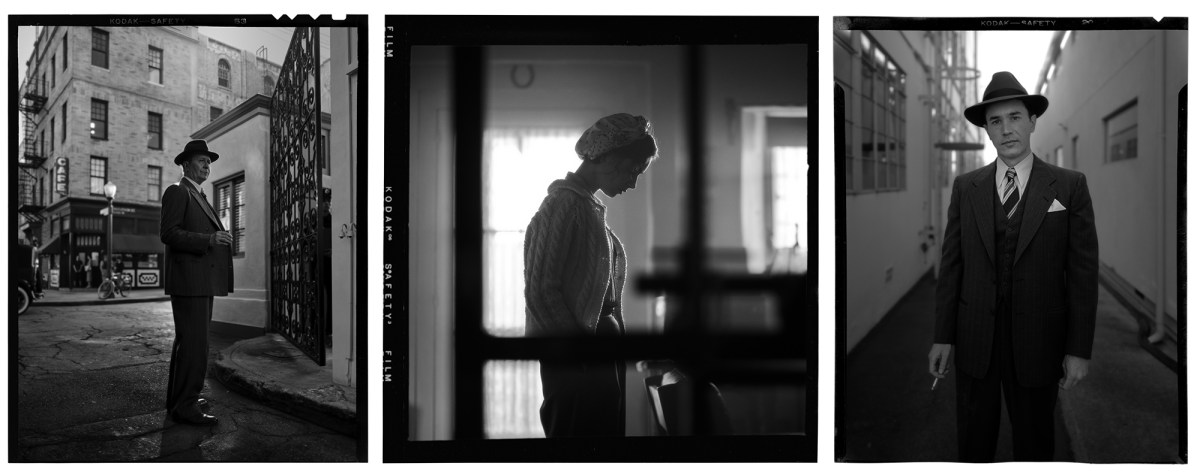
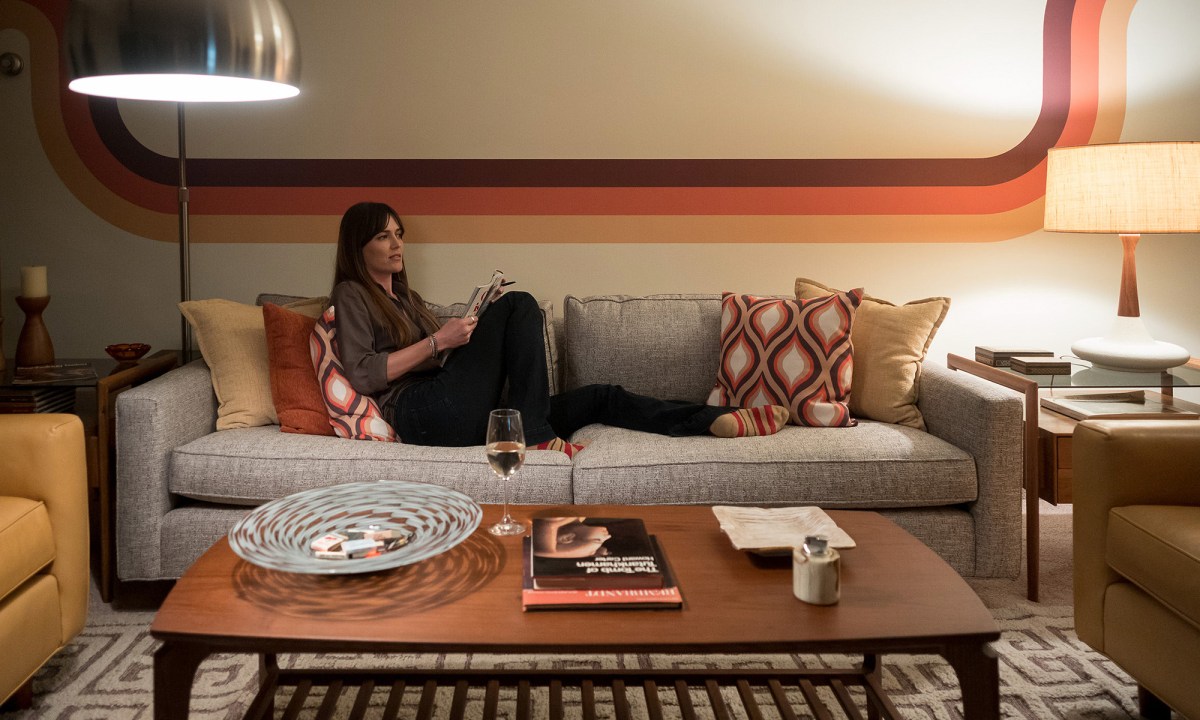
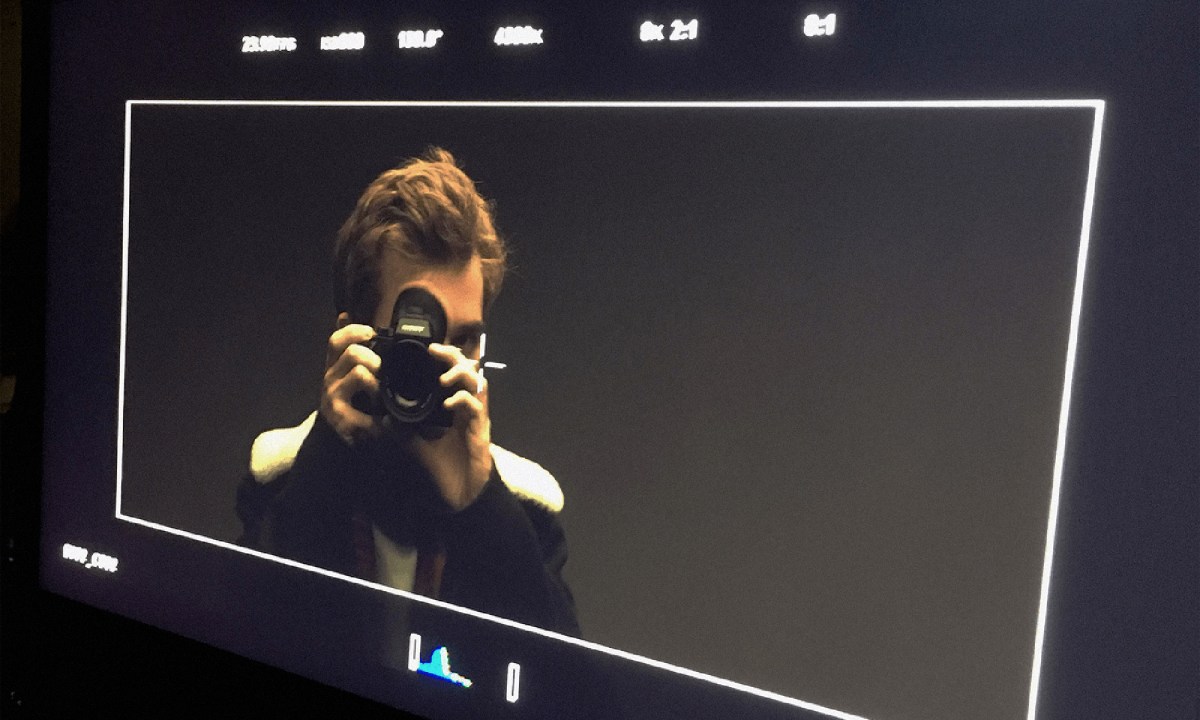
“Excited to share these images which I have been working on for the past year in support of Mank. Thank you to David Fincher and Ceán Chaffin for the opportunity to witness and photograph the production of this incredibly unique film. Scorsese said that the most personal is the most creative, and as such, Mank is Fincher’s best film yet.” [1]

“I shot everything digitally, 95% of it on a Leica Q2. I spent a lot of time making everything look like 4×5 – scanning vintage negatives to place around the images, decreasing depth of field/softening the photos by adding Gaussian blur in Photoshop, adding shadow and highlight halation, dodging and burning every image to get the best tonality out of the files while emulating panchromatic film, adding vignetting, and the right amount of grain. I could never have achieved these shots using 4×5, and it was David Fincher’s idea to do this all digitally, and in the process make something that looks even better than film.”

“The reason I chose the Q2 was for its high resolution, as well as its ability to achieve shallow depth of field on a wide angle lens, which I then augmented even further in post.”

“I didn’t push the ISO very often, shooting at f1.7 helped. I don’t like to go above base (50) on the Q2. For Mindhunter I used the Q, as the Q2 wasn’t out yet.” [2]

thewhitewinecameupwiththefish.com
[ORIGINAL DEAD LINK]

thewhitewinecameupwiththefish.com
[INTERNET ARCHIVE / WAYBACK MACHINE]

The Mindhunter Art Department (2)


July 11, 2020
Mindhunter Art Department (Instagram)

Production Designer: Steve Arnold

Art Director: Oana Bogdan Miller

Set Decorator: Andrew Baseman

Graphic Designer: Carly Sertic

Photos by Nikolai Loveikis

Stills of Life: Miles Crist

Billy Moon (Safflare)
November 21, 2019
Stills of Life (Podcast)

Actors, producers, models, and other artists share, encourage, and reveal their professional experiences, failures, accomplishments and authentic selves.

Mindhunter‘ still & behind-the-scenes photographer, Miles Crist, shares his incredible path from knowing the right person at the right time to winning the 8-month job of photographing BTS of ‘Mindhunter‘ for Netflix, jumping from Columbia to Art Center, the demanding surprises of the profession, his passion for films, learning from David Fincher, and working for him again this winter.

Check out his website at milescrist.com!

Listen to the podcast

Ø MINDHUNTER S2
whatswrongwithcomplicated.com