More Like This: Spotlight on Mank, featuring Trent Reznor, Atticus Ross, Erik Messerschmidt and more

Krista Smith
February 10, 2021
More Like This (A Netflix Queue Podcast)

A podcast from Netflix Queue, the journal that celebrates the people, ideas, and process of creating great entertainment on Netflix and beyond. Host Krista Smith is joined by a different co-host each episode – Franklin Leonard, Tre’vell Anderson, and others – to give an insider’s peek into the creation of your favorite films, series and documentaries and the incredibly talented people who make them.

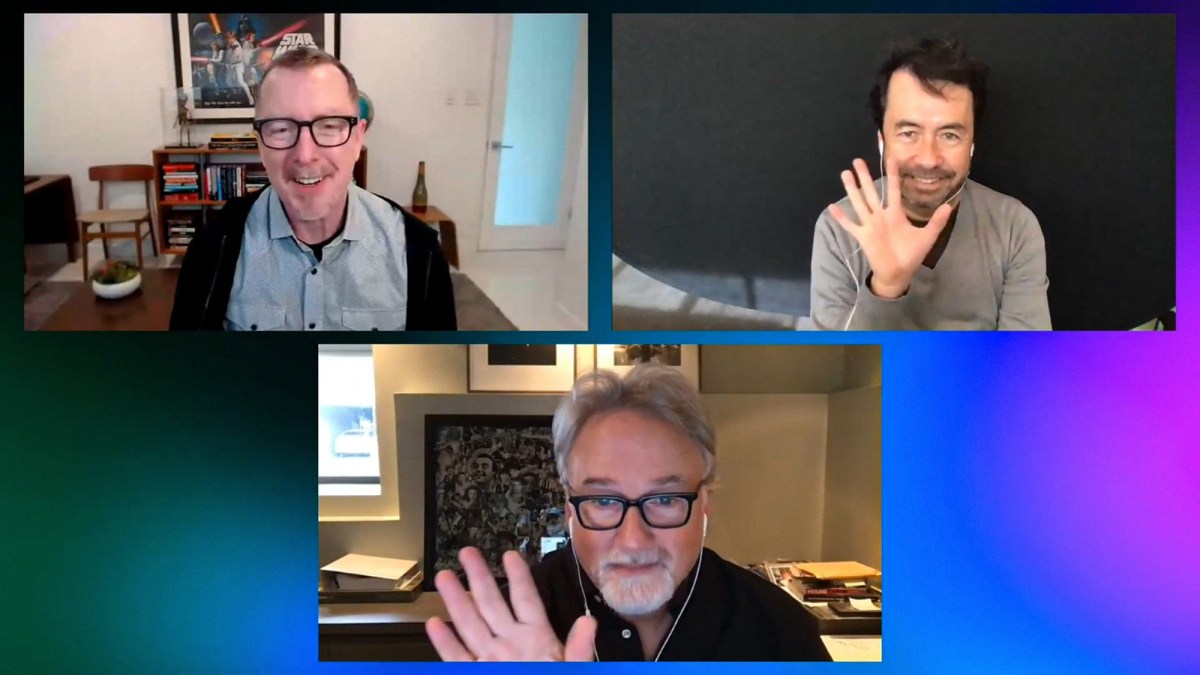
More Like This gets the Mank treatment! In this very special episode, Krista takes us behind the scenes of David Fincher’s Mank, sharing interviews with key members of the creative team. Composers Trent Reznor and Atticus Ross talk about the power of storytelling through music, how they pulled inspiration from composers of the past, and how pandemic restrictions forced them to record a 70-piece orchestra one instrument at a time; set decorator Jan Pascale demonstrates how the smallest details make the biggest impact; cinematographer Erik Messerschmidt details how he combined classic and modern techniques to transport a 21st century audience back in time; and editor Kirk Baxter explains why David Fincher once called him 50% blacksmith and 50% poet. Enjoy this deep dive into the process of making movie magic with film collaborators at the top of their game, and be sure to see their work in Mank, now streaming on Netflix.

Listen to the podcast:

Apple Podcasts
Spotify
Google Podcasts
Stitcher

Simplecast
PodBean

Excerpt with Erik Messerschmidt:
Cinefade VariND

Ben Affleck Reunites With ‘Gone Girl’ Director David Fincher, Accuses Him of Making a Movie With Heart

Meredith Woerner
February 11, 2021
Variety

For once, Ben Affleck gets to ask the questions.

That’s how the actor-director framed his duty of leading a conversation with longtime friend and “Gone Girl” boss David Fincher, the esteemed director whose Netflix film “Mank” has emerged as a top awards contender for 2021.

“This is a real role reversal from having to just be Fincher bitch, having to go over and over again,” Affleck teased the director, alluding to Fincher’s notorious preference for many consecutive takes of the same scene.

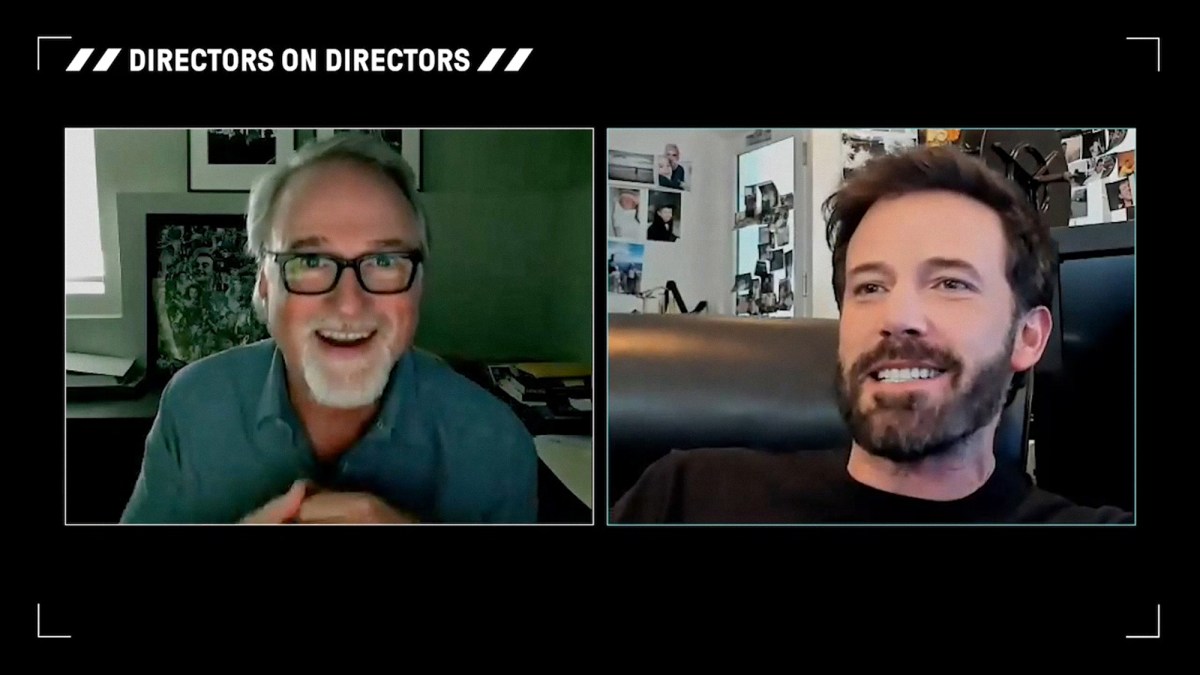
Appearing in Variety‘s “Directors on Directors” conversation series, the pair recently held a virtual reunion where Affleck dug into the decades-long process of bringing the story of famed screenwriter Herman J. Mankiewicz to screen.

In perhaps the broadest conversation Fincher has had about the film’s themes, Affleck gets to the heart of the original script from the director’s father, the value of creative credit at the dawn of Hollywood’s golden age, and the rare glimmer of heart and hope in a David Fincher film.

Read the conversation and watch the interview

‘Gone Girl’ Duo David Fincher & Ben Affleck Reunite to Dissect ‘Mank’ | Directors on Directors

Variety (YouTube)

Sound + Image Lab: David Fincher and Ren Klyce Transport Us to The Golden Age of Hollywood in “Mank”

Glenn Kiser, Director of the Dolby Institute
February 9, 2021
The Dolby Institute

“Mank” has been a personal passion project for David Fincher for several decades now. His own father wrote the script, about the famously self-destructive writer of “Citizen Kane,” and Fincher was determined to make the film feel as authentic as possible. Almost like it was an undiscovered artifact from Hollywood’s “Golden Age,” insisting for years to film it in black & white, 1:33​, and in mono. He once again joined forces with his longtime collaborator, sound designer Ren Klyce, to do exactly that. But building this time capsule turned out to be a surprisingly challenging process.

“It’s beyond production value. Sound is a portal into a stranger’s mind that is incredibly influential. And if we don’t avail ourselves of this access, um… then we’re stupid and we should die (laughs).” – David Fincher, director of “Mank”

Listen to the Sound + Image Lab: The Dolby Institute Podcast:

Apple Podcasts
Spotify
Google Podcasts
SoundCloud
Amazon Music
Stitcher
TuneIn

Connect with Dolby on Instagram, Twitter, Facebook, or LinkedIn. Movie buff? Follow Dolby Cinema on Instagram.

Right On Hue

Photo by Nikolai Loveikis

David Fincher’s black-and-white tribute to Old Hollywood took a radically different approach to the role of color in design.

January 29, 2021
Netflix Queue

In the annals of Hollywood, Herman Mankiewicz will forever be remembered as the screenwriter of Orson Welles’s towering classic Citizen Kane, but his impact on the history of cinema doesn’t stop there. Mankiewicz also served as an early, uncredited writer on The Wizard of Oz. His contribution? Suggesting that once Dorothy Gale travels over the rainbow, the film transitions from black and white to glorious Technicolor. “He walked away from that [project] saying, ‘This is all I can come up with,’” laughs director David Fincher. “It might be the greatest special effect in the history of the movies.”

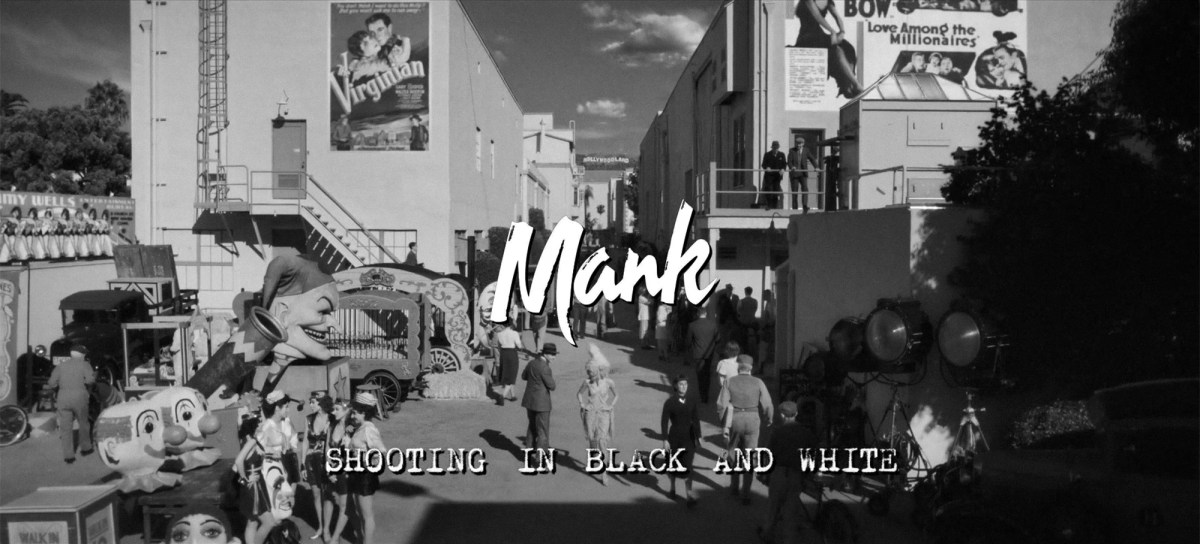
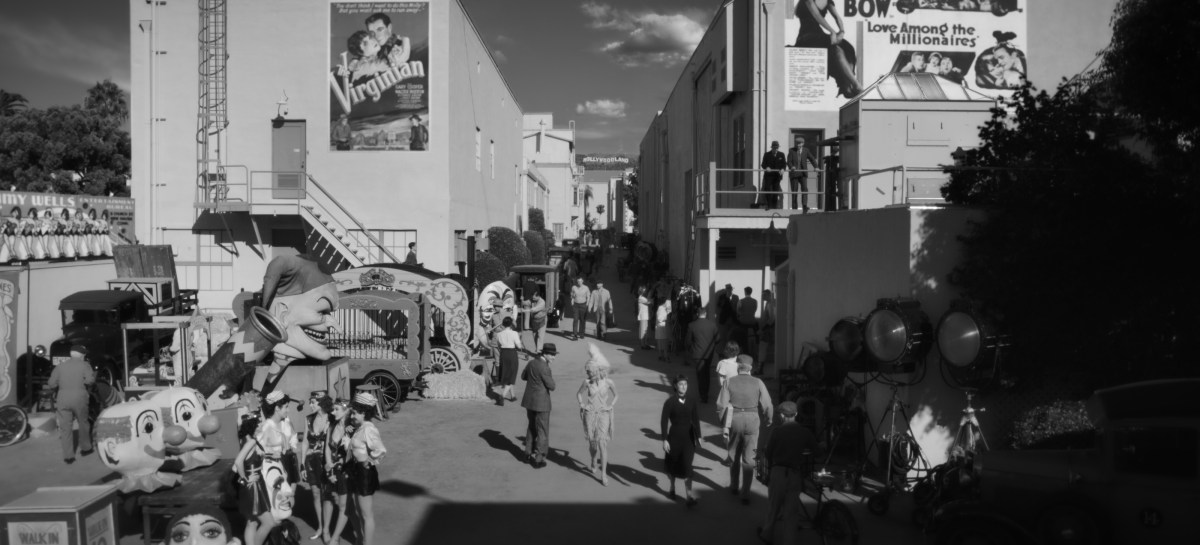
For Mank, Fincher’s backstage drama about the screenwriter’s life and his work on Kane, the director and his creative team journeyed from a world of color to one rendered entirely in black and white, shooting eye-catching sets and costumes with the RED 8K Helium Monochrome camera. That created an interesting artistic puzzle for Fincher and his collaborators to solve. From cinematography and production design to costumes and hair and makeup, each department needed to determine the best way to manipulate color to achieve the proper register of lights and darks onscreen.

“We had to train our senses to see through a lens of black and white,” explains Oscar-winning production designer Donald Graham Burt (The Curious Case of Benjamin Button). “It mandated a palette based on tone and contrast.”

Fortunately, they proved more than up to the challenge.

Read the full article

The Hollywood Reporter: Producers Roundtable

Tatiana Siegel
January 22, 2021
The Hollywood Reporter

Andy Samberg, Dede Gardner, Charles D. King, Ashley Levinson, Marc Platt and Eric Roth on the Streaming Rise Amid COVID and Their Awards Contenders. They also discuss adapting to a year of seismic changes in the film industry: “We started rethinking everything.”

Shepherding a film from a nebulous idea to a locked print is fraught with interruptions and surprises. As such, no profession in Hollywood requires greater dexterity than that of a producer. And unlike any other time in cinematic history, 2020 was a year of overnight transformation amid the novel coronavirus pandemic, leaving producers with no choice but to adapt fast.

Two producers from this year’s roundtable — Judas and the Black Messiah‘s Charles D. King and The Trial of the Chicago 7‘s Marc Platt — saw their theater-bound films take a detour to a streaming platform (HBO Max and Netflix, respectively). Although Eric Roth, who produced David Fincher‘s Mank, was always poised for a streamer release via Netflix for that film, he also experienced the great sweep to HBO Max with the upcoming tentpole Dune, which he wrote. Ashley Levinson, whose Pieces of a Woman and Malcolm & Marie are both in the awards season conversation, oversaw the writing and production of the latter during the COVID-19 lockdown. Minari‘s Dede Gardner, the only female producer with two best picture Oscar wins (for 12 Years a Slave and Moonlight), and Palm Springs‘ Andy Samberg were the lone two of the group lucky enough to see their films premiere in a packed, mask-less theater (both films made their debuts at Sundance in January 2020).

On Jan. 8, at The Hollywood Reporter‘s invitation, Gardner, King, Levinson, Platt, Roth and Samberg converged via Zoom to discuss the great cinematic reset, this year’s awards season controversies and what they’d fix about Hollywood.

Read the full roundtable

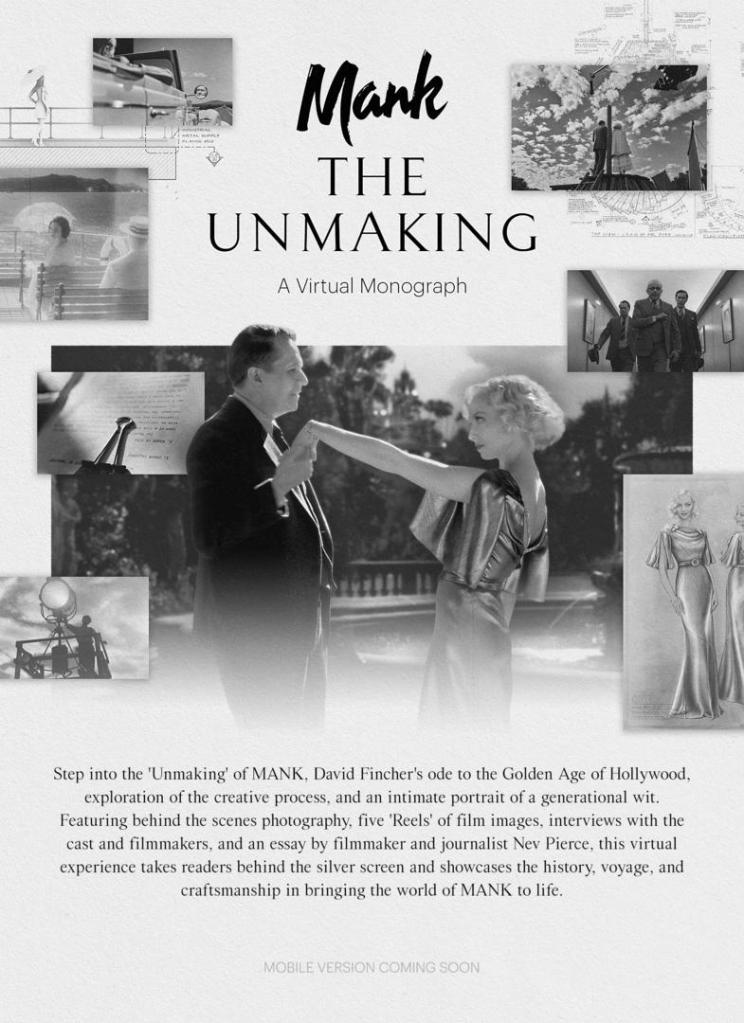
Mank, The Unmaking

January 28, 2021
Netflix

manktheunmaking.com [Old Domain]

mank.aristidebenoist.com

Text by:

Nev Pierce

Photography by:

Erik Messerschmidt
Miles Crist
Gisele Schmidt-Oldman
Gary Oldman
Ceán Chaffin
Nikolai Loveikis

Design and development by:

Watson Design Group, Inc.
Aristide Benoist

“Mank” from Assouline Books

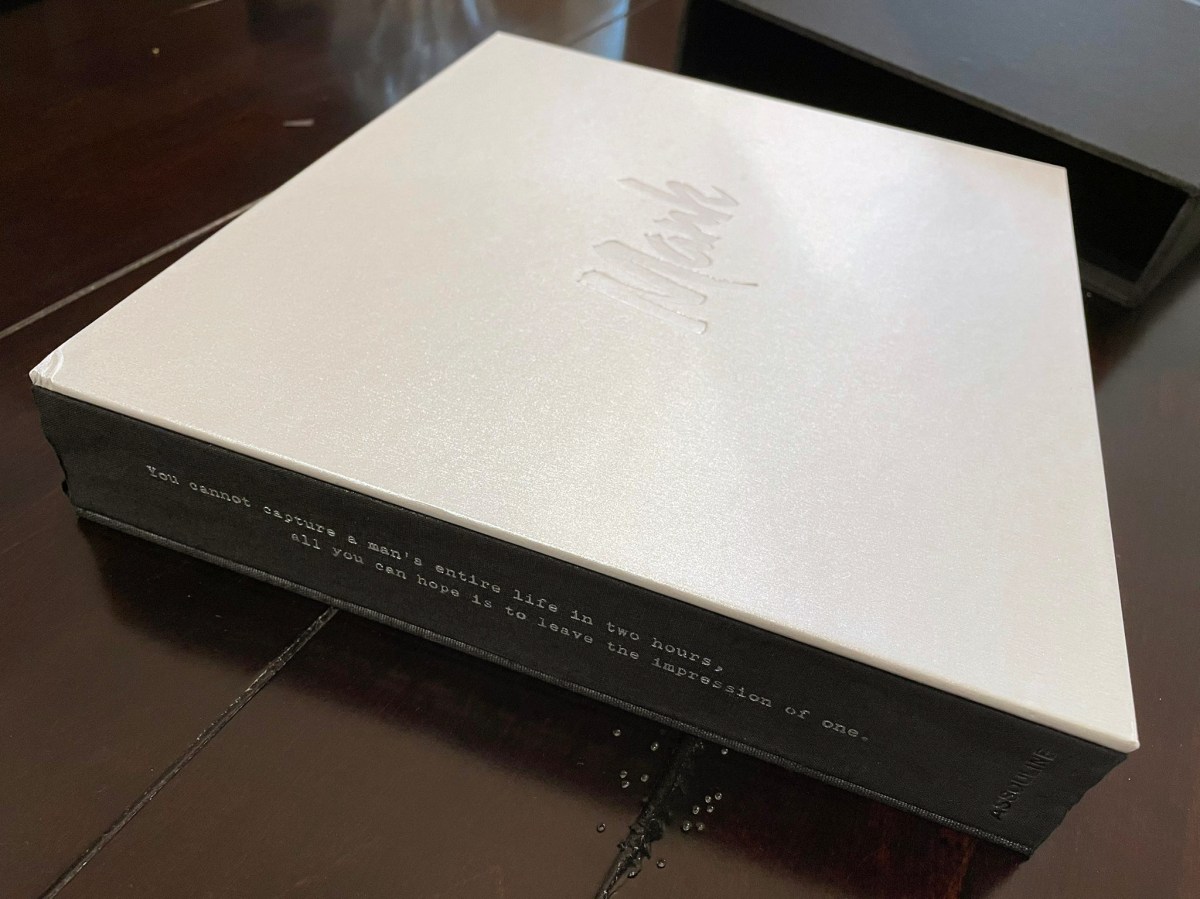
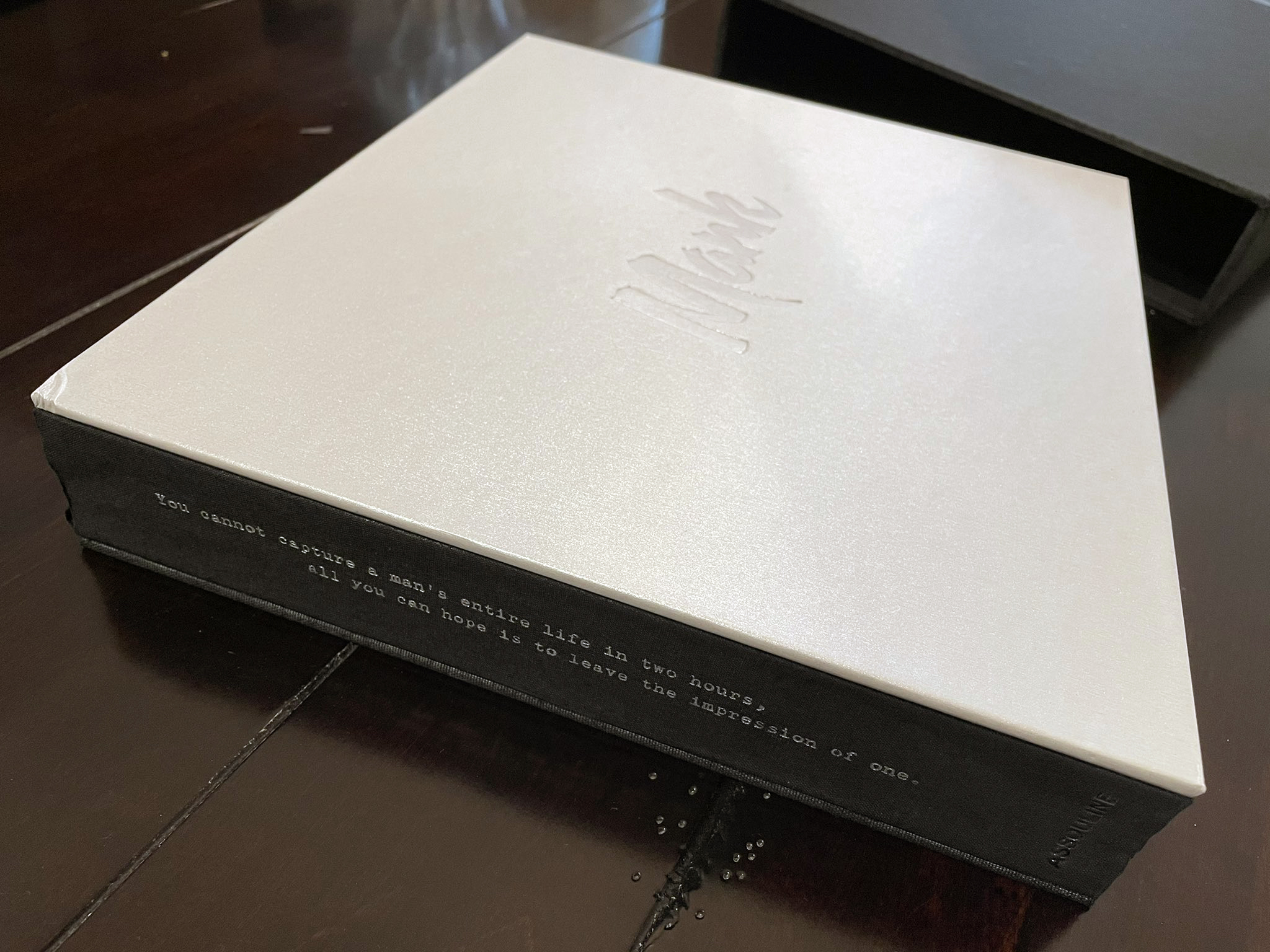
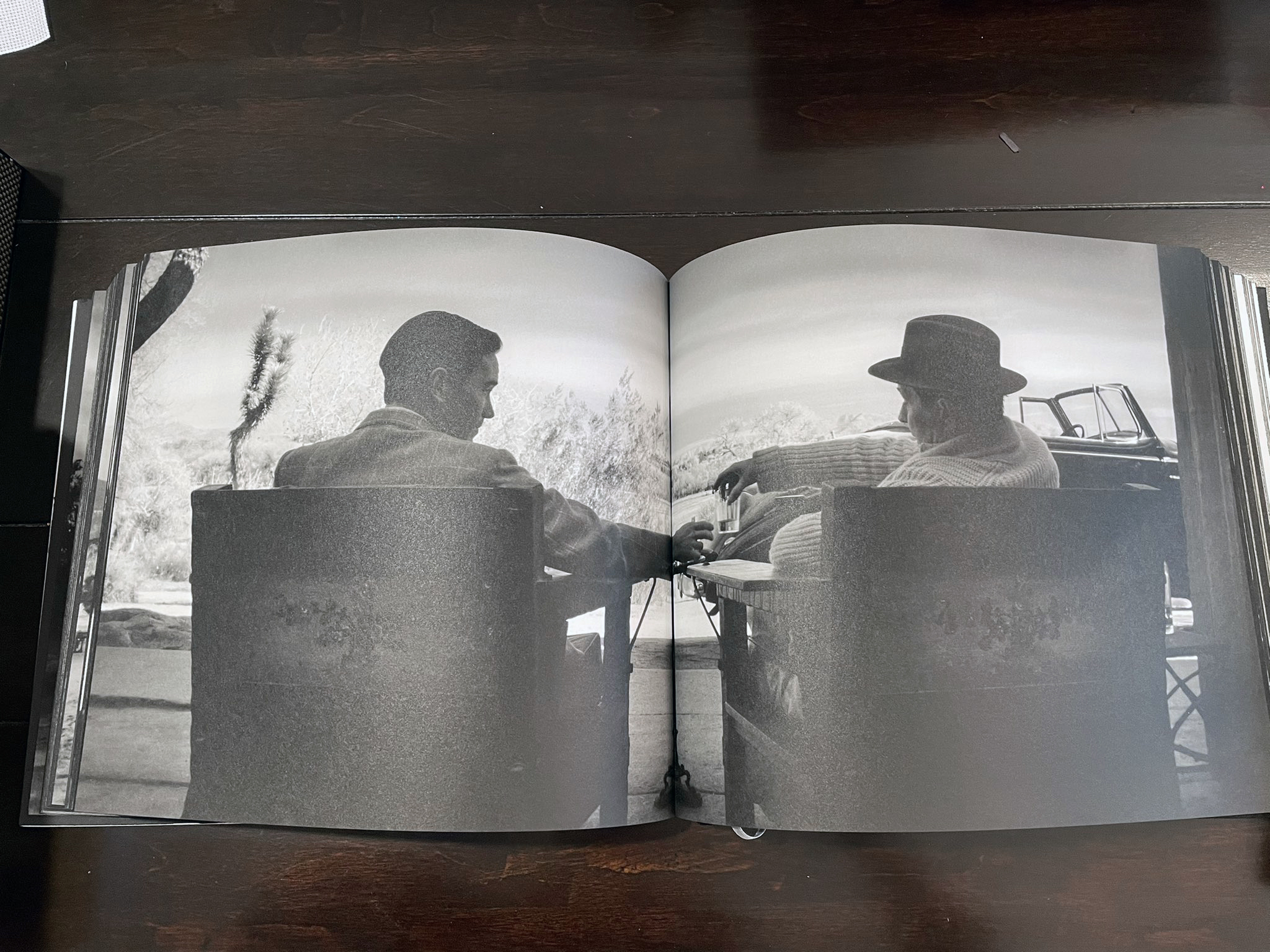
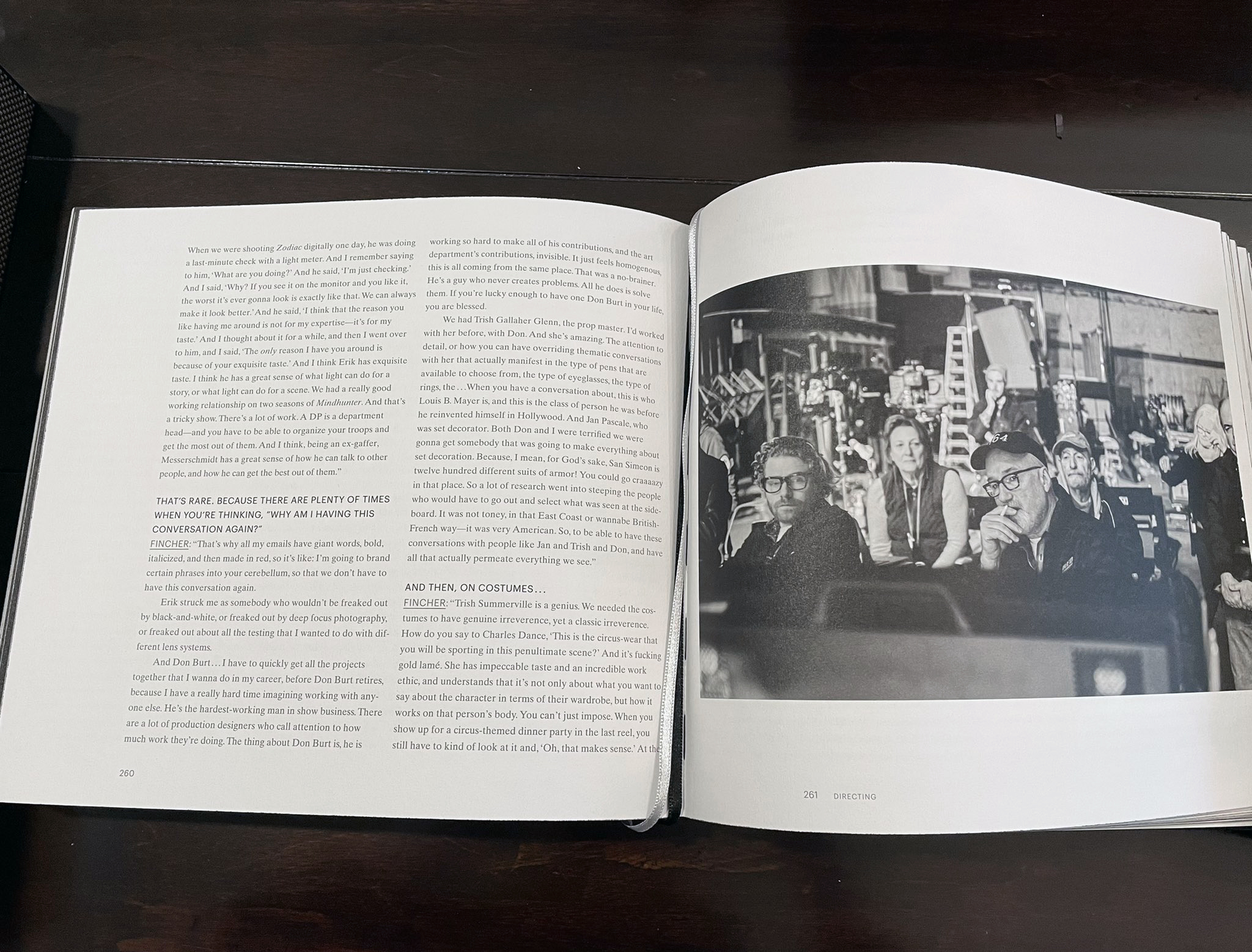
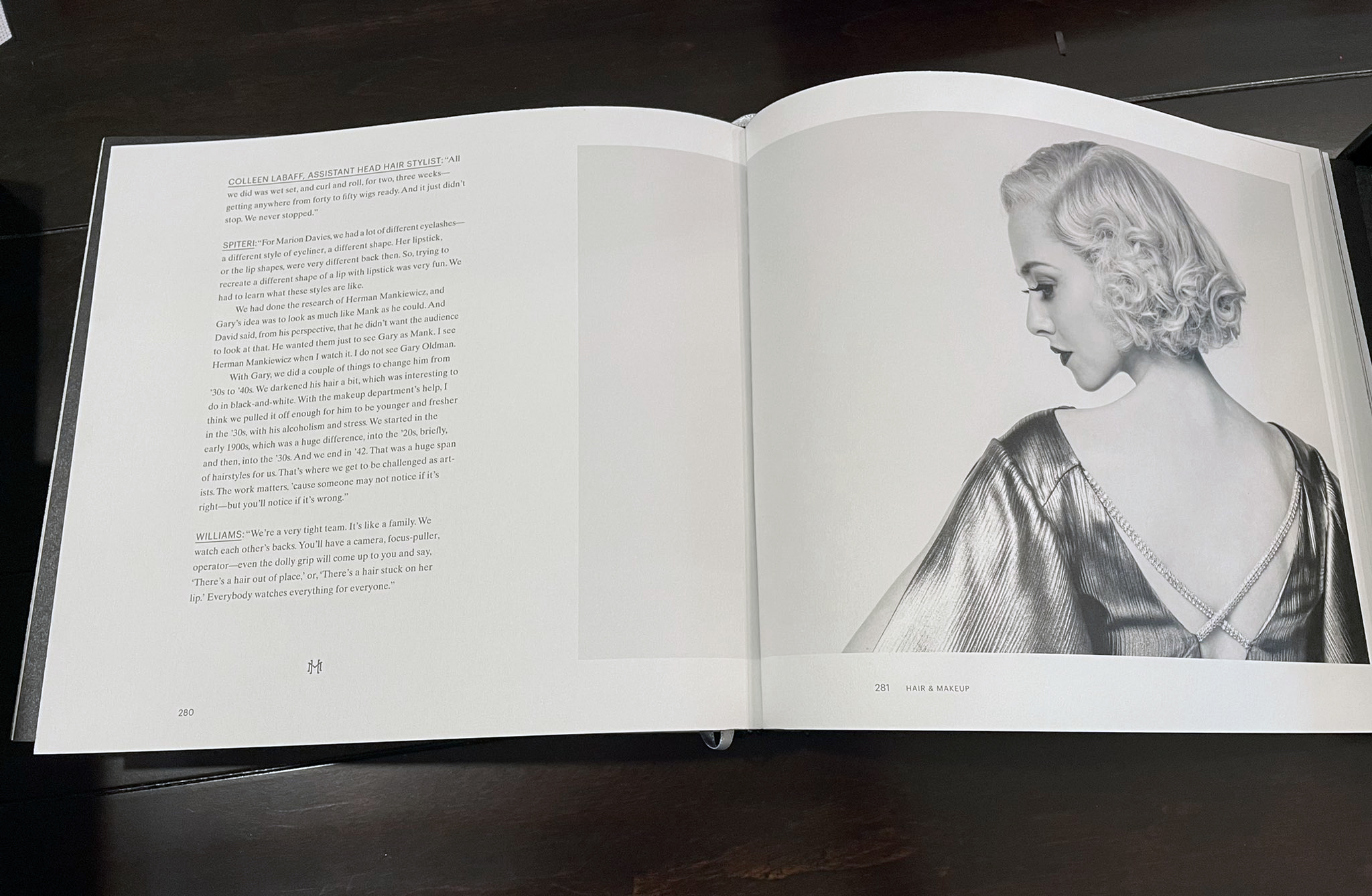
Film critic and journalist Courtney Howard has reported on Twitter that Netflix is sending a gorgeous “For Your Consideration” promotional gift: a “Mank” coffee table book from Assouline, the luxury books publisher.

“I gasped unboxing this breathtaking @MankFilm Assouline book. It’s filled with stills from the film, behind-the-scenes photos and interviews with the cast & crew. I will cherish this coffee table book. #Mank“

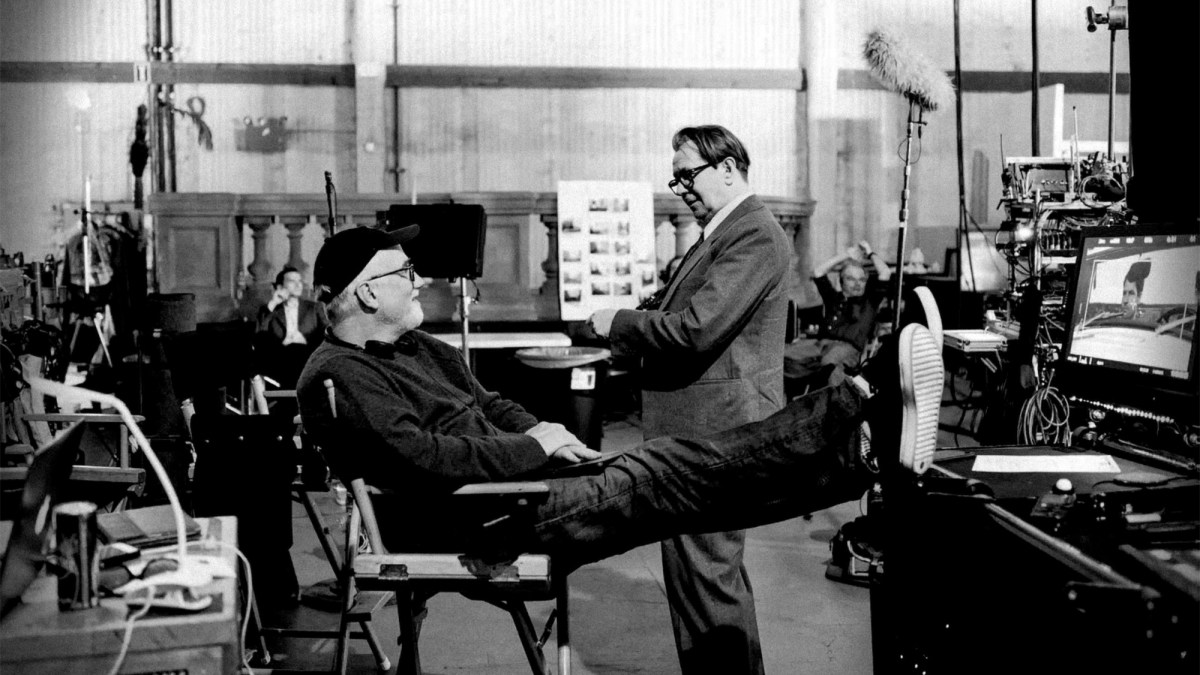
The text is by Nev Pierce. And the photography by Erik Messerschmidt, Miles Crist, Gisele Schmidt-Oldman, Gary Oldman, Ceán Chaffin, and Nikolai Loveikis.

Images by Courtney Howard

Assouline has published other impressive books about Netflix productions: Roma, The Irishman, Marriage Story, and Ma Rainey’s Black Bottom.

Let’s hope “Mank” will also be commercially available soon.

Mank: Method to the Monochrome

January 26, 2021
Netflix Film Club (YouTube)

Mank director David Fincher, cinematographer Erik Messerschmidt and costume designer Trish Summerville detail the approach to shooting the acclaimed slice of Hollywood history in black and white. How does the absence of color distill the visual storytelling? How do different colors in the costume and production design read when captured in black and white? Learn about all of that and more.

David Fincher: The Rolling Stone Interview

The boundary-pushing filmmaker behind ‘Mank’ reflects on his career, his journey into Hollywood’s past and the industry’s uncertain future

David Fear
January 12, 2021
Rolling Stone

When David Fincher sat down with Netflix executives in the spring of 2019, he did not expect to be handed the equivalent of a blank check. Sure, the 58-year-old filmmaker — a former music-video wunderkind best known for pushing the envelope with baroque serial-killer thrillers (Seven), toxic-masculinity satires (Fight Club) and social-media origin stories (The Social Network) — was a name-brand director, and had helped kick off the golden age of streaming with the outlet’s first original series, House of Cards. But Fincher was used to resistance. You can’t have this budget. You can’t tell that story. What do you mean, you’re doing a TV show, for a mail-order DVD company, and all the episodes come out at once?!

So when Fincher was told by his patrons at the company that they were interested in helping him make anything he wanted, he thought of a long-dormant labor of love: a script his late father, Jack Fincher, had written about the making of Citizen Kane. Not the tale of the brilliant director, producer, star and co-writer who, at a precociously young age, took Hollywood by storm with his rise-and-fall drama. This was the story of the alcoholic screenwriter who was hired to pen the script, originally titled American, and then inserted a personal grudge against the powers that be into the greatest movie of all time.

Fincher wanted to shoot it in black-and-white. He wanted to use a lot of old-fashioned stylistic nods to Hollywood movies of the ‘40s, as if the film had just been discovered in a vault after 80 years of gathering dust. Also it would involve an obscure chapter in California’s political history concerning Upton Sinclair’s 1934 run for governor and a disinformation campaign allegedly masterminded by studio execs. It was a shot in the dark. By his own admission, Fincher couldn’t believe it when Netflix said yes.

To see Mank, Fincher’s throwback ode to the Golden Age of Tinseltown USA, however, is to know why they did. Chronicling how the broken-down writer Herman J. Mankiewicz (played by Gary Oldman) helped permanently change film as an art form, his movie is an audacious, complicated, stylistically daring and thoroughly entertaining yarn — the kind of retro nod to a bygone era that makes you feel like you’ve injected a day’s worth of TCM programming into your veins. But it’s also a challenging drama about complicity, the price of speaking truth to power and the manipulation of modern media, which couldn’t make the film feel more urgent.

Over a two separate two-hour conversations from his home in Los Angeles, Fincher discussed bringing this tribute to his father (who died in 2003) to the screen, his reputation as a taskmaster on set, why he’s sorry Fight Club pissed off a fellow filmmaker, and more.

Read the full interview

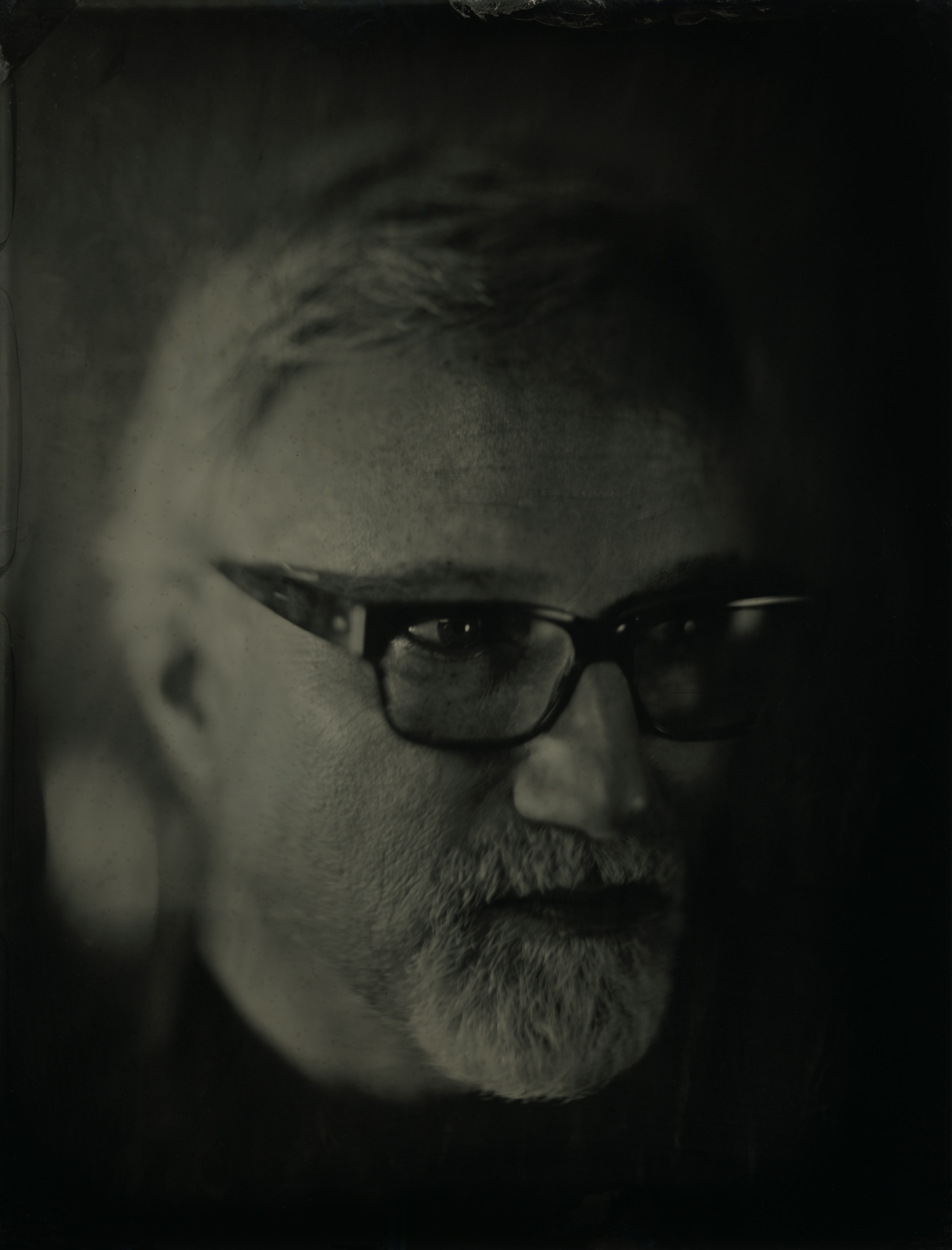
Wet plate ptotograph by Gary Oldman