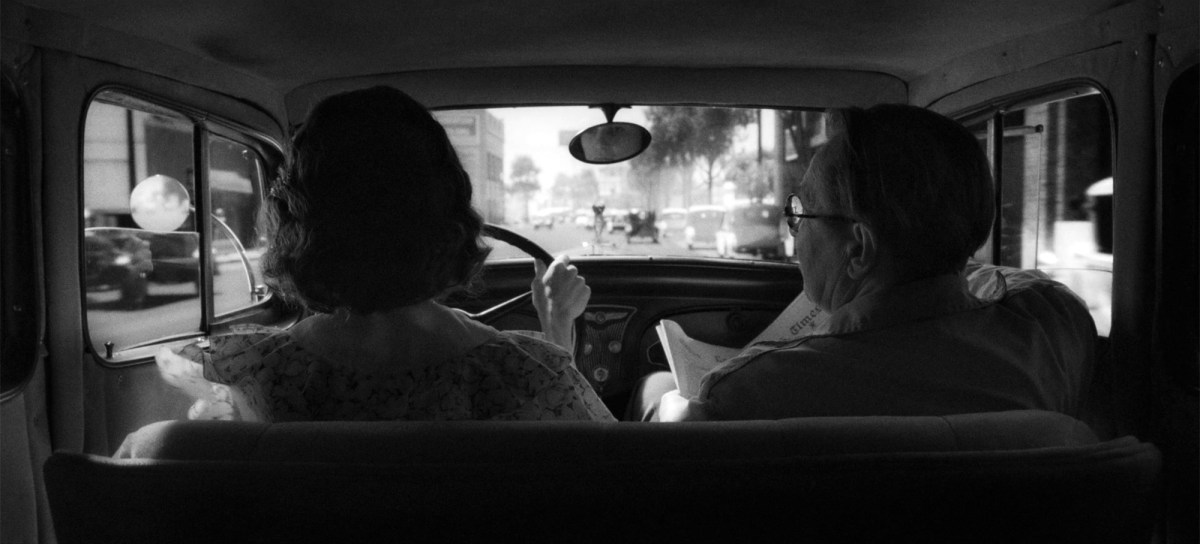
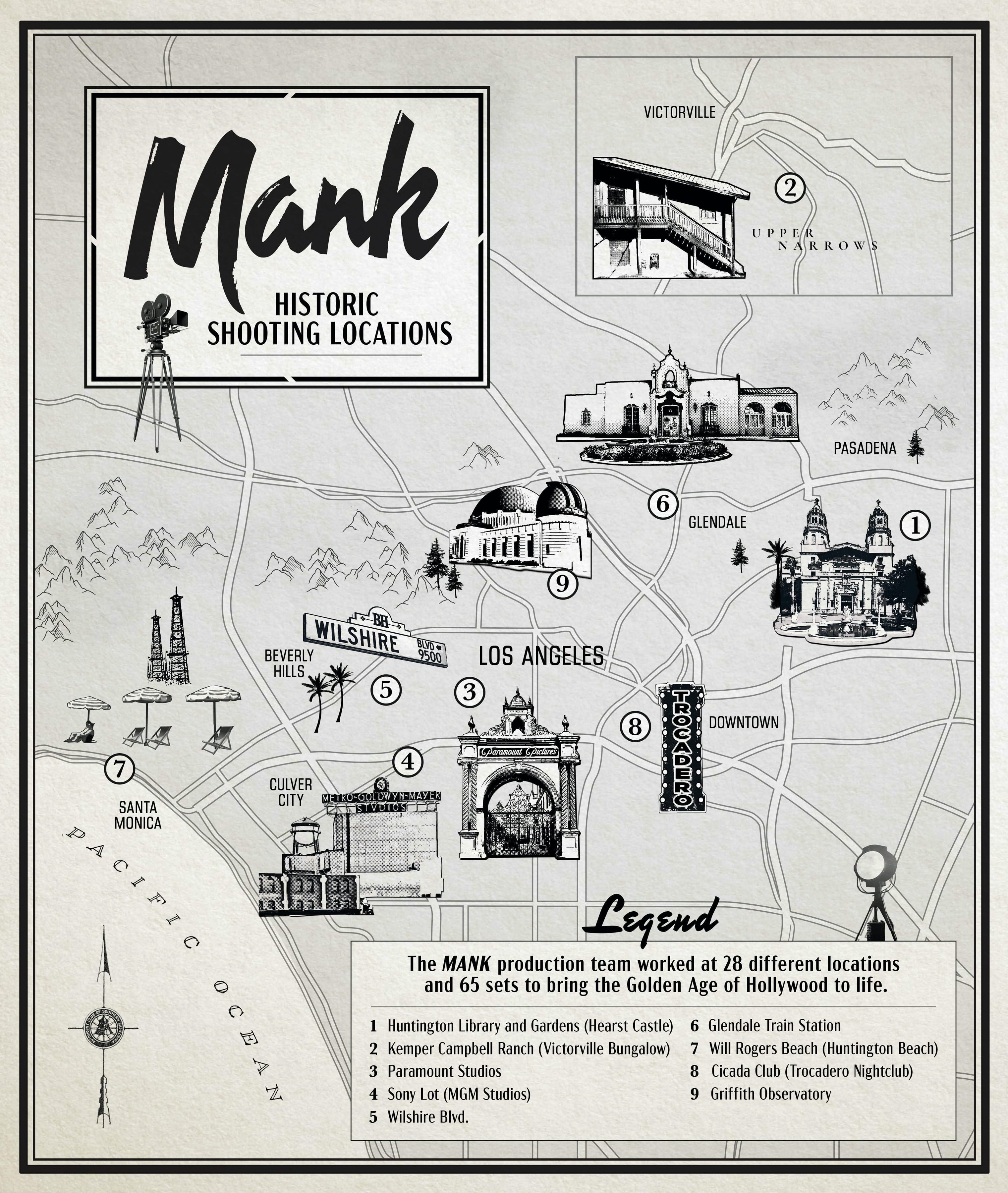
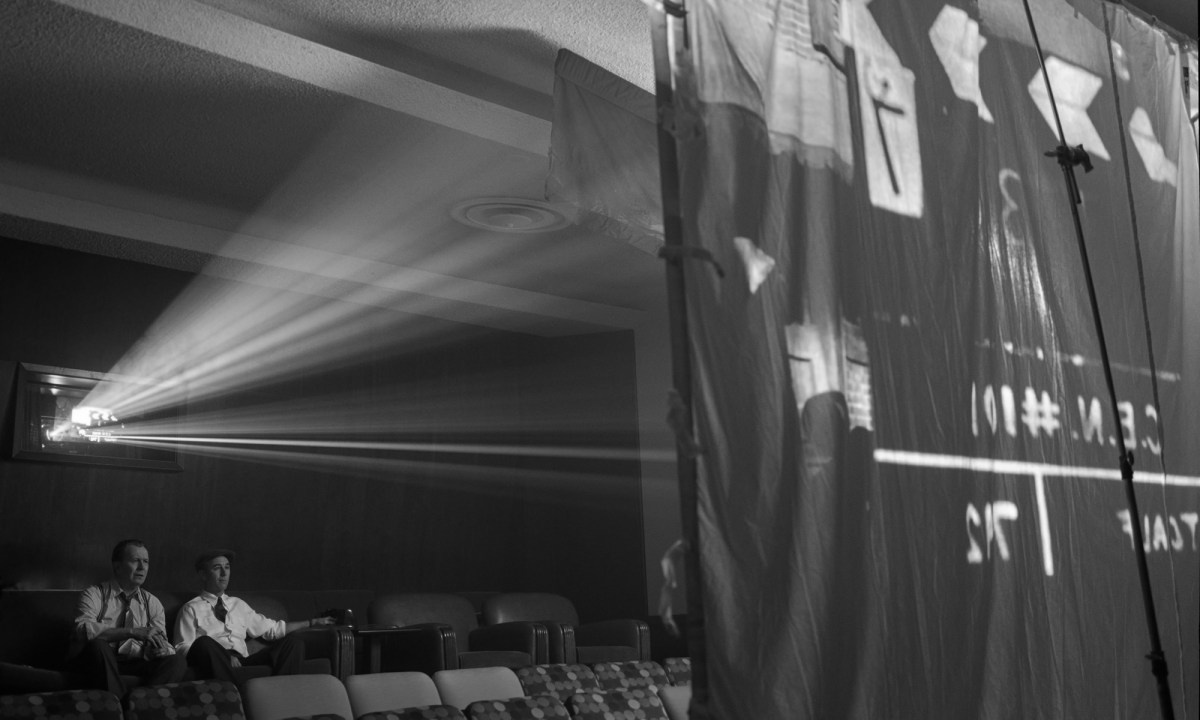
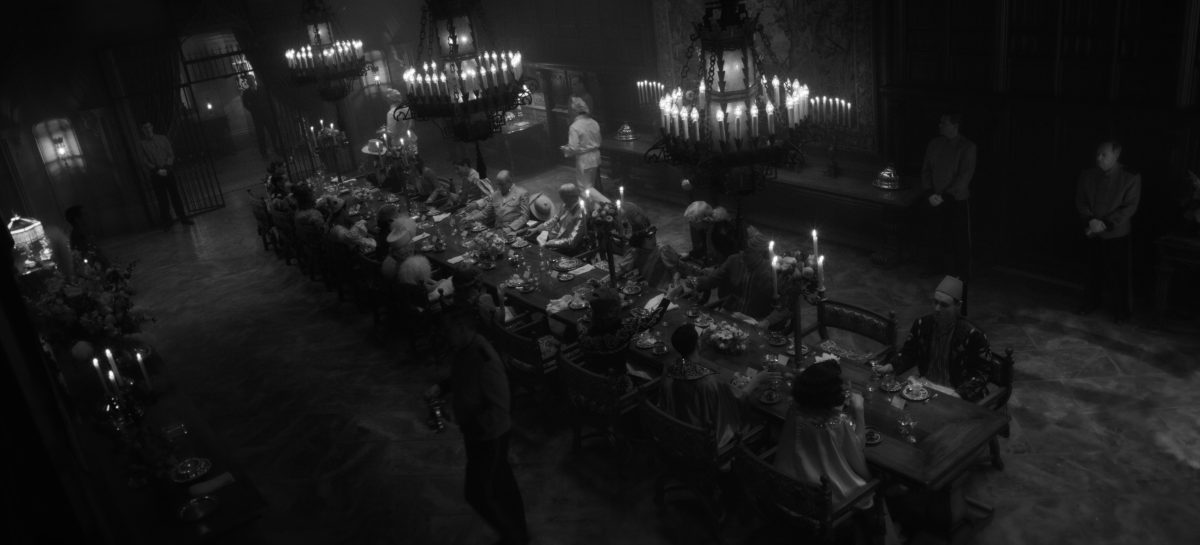
Shot in black and white, David Fincher’s Mank transports audiences through the sights and scenery of Golden Age Hollywood and 1930s and 40s California. With the help of soundstages, matte paintings, and a lot of research, the team behind Mank’s locations communicates the glamour and history of an epic era of moviemaking.
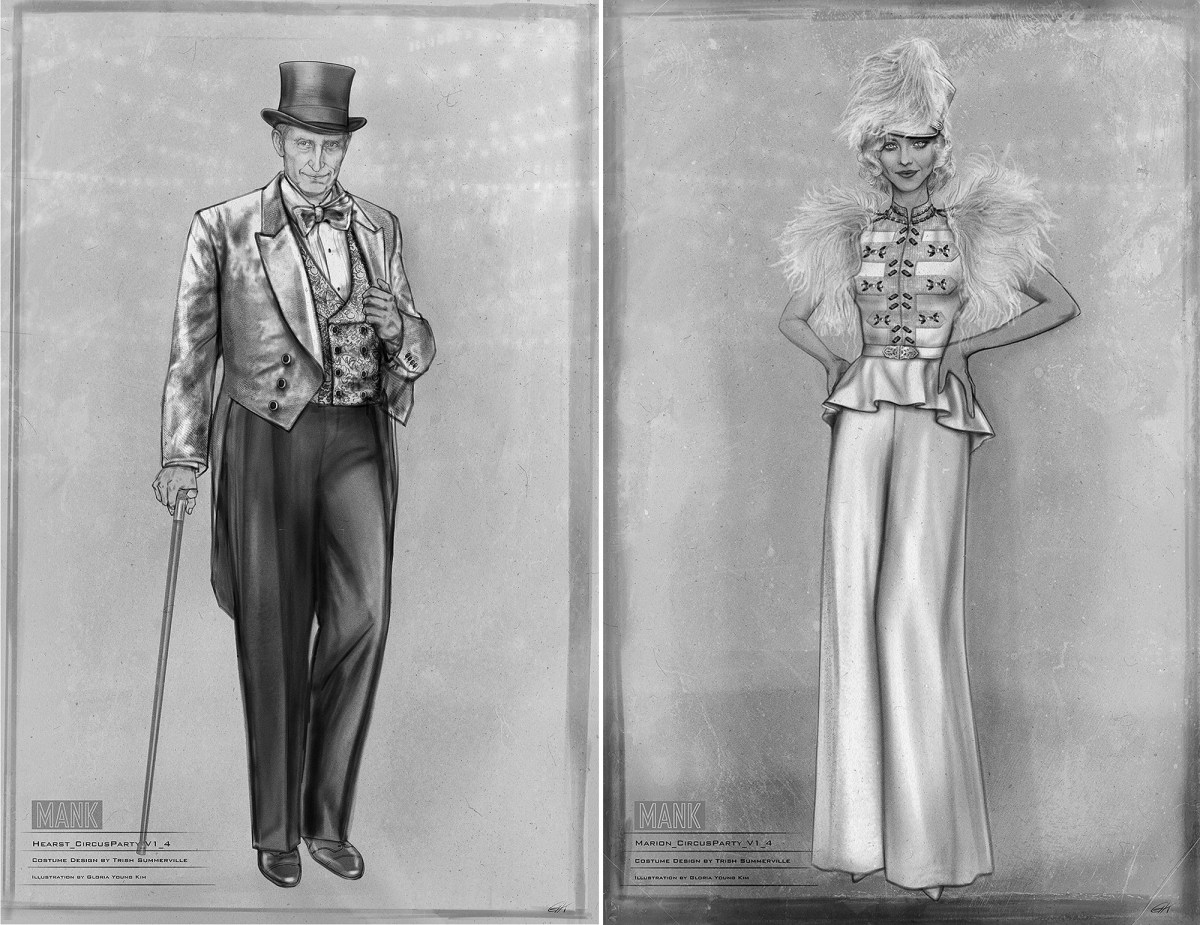
Mank costume designer Trish Summerville walks you through her efforts on the period piece, from working with color and texture for black and white photography to preparing a vast ensemble for the “circus party” scene at Hearst Castle.
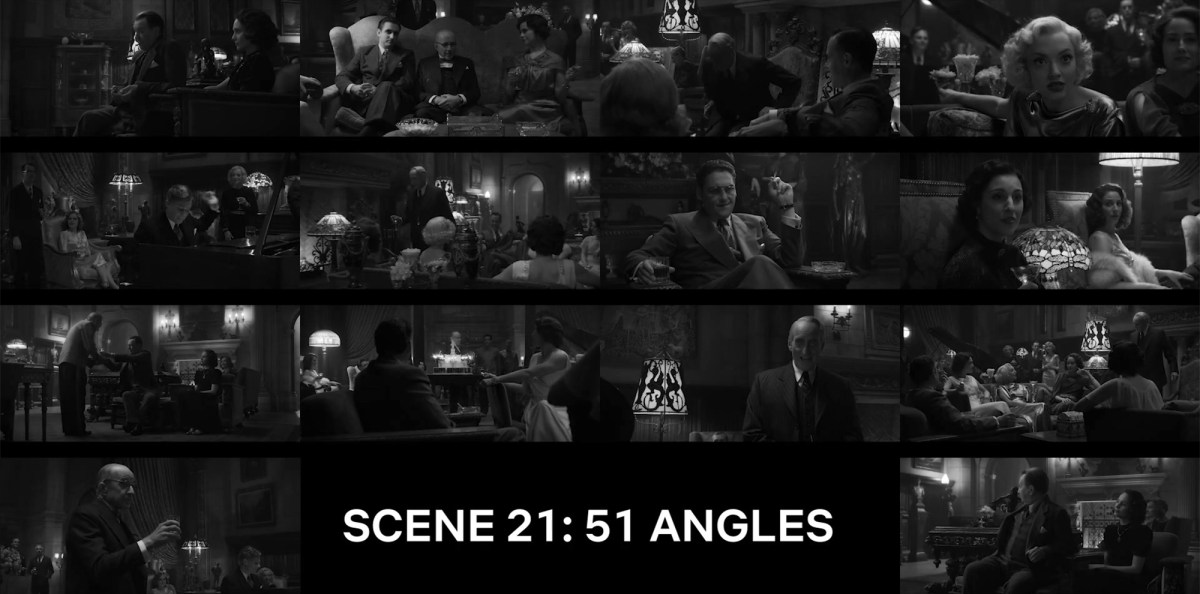
The cast and crew of Mank, including costume designer Trish Summerville and actors Gary Oldman, Amanda Seyfried, Tom Pelphrey and Charles Dance, speak to the focus and concentration that a David Fincher set demands. The acclaimed filmmaker himself, meanwhile, takes you through the process of crafting his examination of Hollywood’s Golden Age.
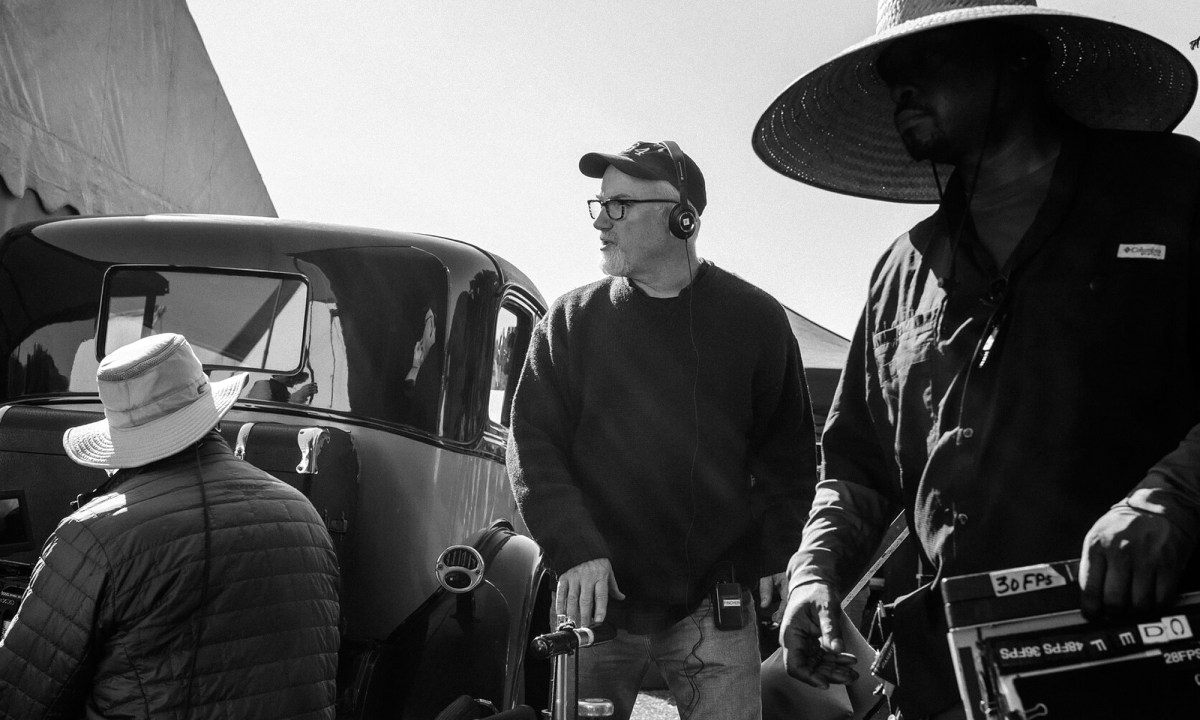
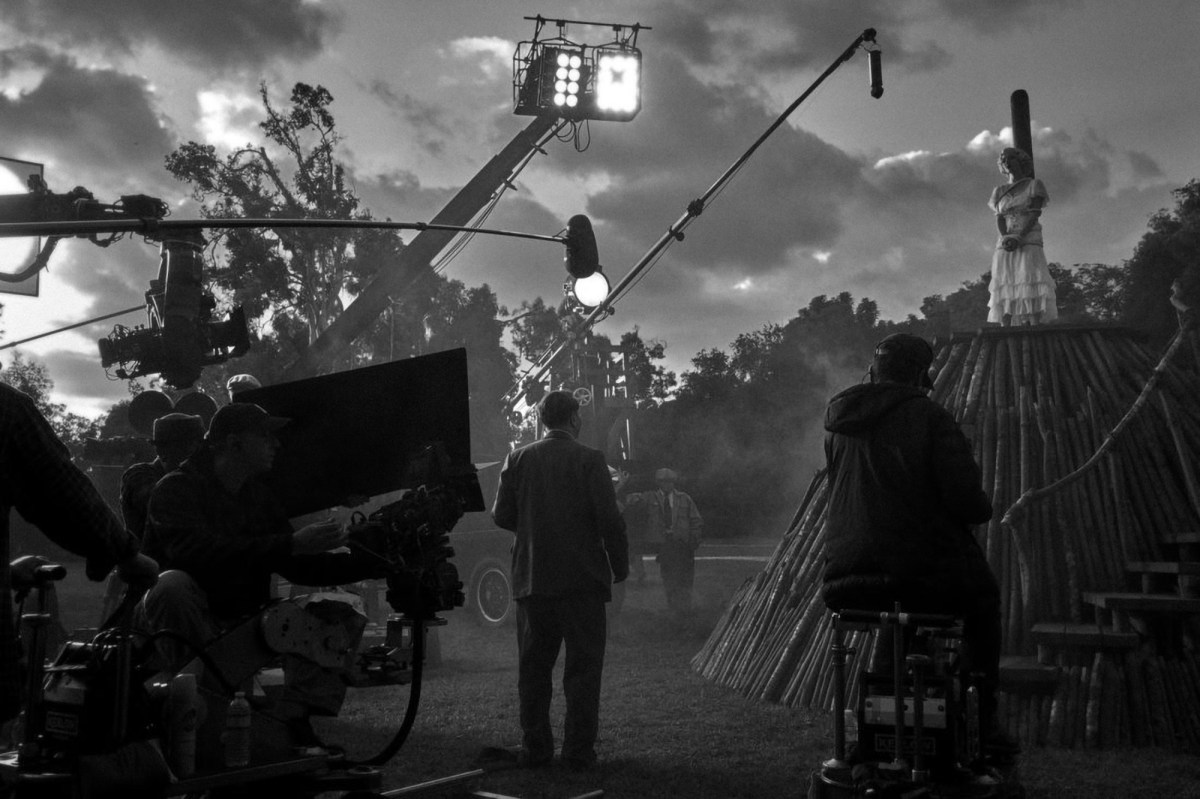
Join acclaimed director David Fincher, actors Gary Oldman and Amanda Seyfried, and the cast and crew of Mank, for a peek behind the curtain of Netflix’s black-and-white ode to Hollywood’s Golden Age.
When Jack Fincher became a parent, he shared his lifelong love of cinema, and his regard for screenwriters in particular, with his son, David. “Jack felt this was a really difficult kind of writing, and something he had great respect for,” David Fincher says, looking back. “He also believed that the beleaguered writer was not a cliché due to personality type, but because they often had to bite their tongues as they watched idiots take their ideas and mangle them.” (On that point, the Oscar-nominated director begs to differ.)
Eventually, David encouraged Jack — who was by that time retired from his journalism career — to try his own hand at screenwriting. Those efforts have now solidified into one of David Fincher’s most acclaimed films to date, a project that also serves as an homage to his father, who died from pancreatic cancer in 2003.
Mank chronicles how screenwriter Herman J. Mankiewicz came to pen the first draft of what would one day be Orson Welles’s Citizen Kane. Like so many films, Mank was years in the making, and it long loomed in David’s consciousness. Father and son initially discussed the idea in the 1990s, when David was graduating from music-video director to rising-star filmmaker. As Jack completed various revisions, they had many fruitful clashes over the direction of the screenplay.
Over the years, it became clear that the project was unlikely to see the light of day. It fell by the wayside and Jack fell ill. “He ended up having chemo to worry about, and not so much the rewrites,” David recalls. “We would talk about it from time to time. I would take him to his chemo — he was in therapy a little bit in the last couple of months of his life — and we would talk about it in the car, shoot the shit. But it was understood that this would not be something that would ever get made. And that was O.K.”
David Fincher moved forward, building an acclaimed body of work that includes Zodiac, The Curious Case of Benjamin Button, The Social Network, The Girl with the Dragon Tattoo, and Gone Girl. Ultimately he arrived at a place where he could turn his focus to that elusive project from his past. Suddenly, Mank was something that could get made, and made the way he wanted: in dazzling black and white, with a superior cast carrying it forward.
Two-time Oscar®-winning film editor Kirk Baxter details the assemblage of David Fincher‘s acclaimed new film Mank. He digs in on navigating the director’s wealth of coverage, building transitions, piecing together Mank’s climactic tirade at Hearst Castle and much, much more.
David Fincher‘s longtime sound designer Ren Klyce discusses the soundscape of Mank, conceived as a companion piece of sorts to Citizen Kane (no pressure). What is it about a classic movie that makes it sound, well, classic? From filtering frequencies to adding elements like optical flutter and overlaid reverb, learn about the work that went into making the film sound as if it was booming from the screen of a grand movie palace.
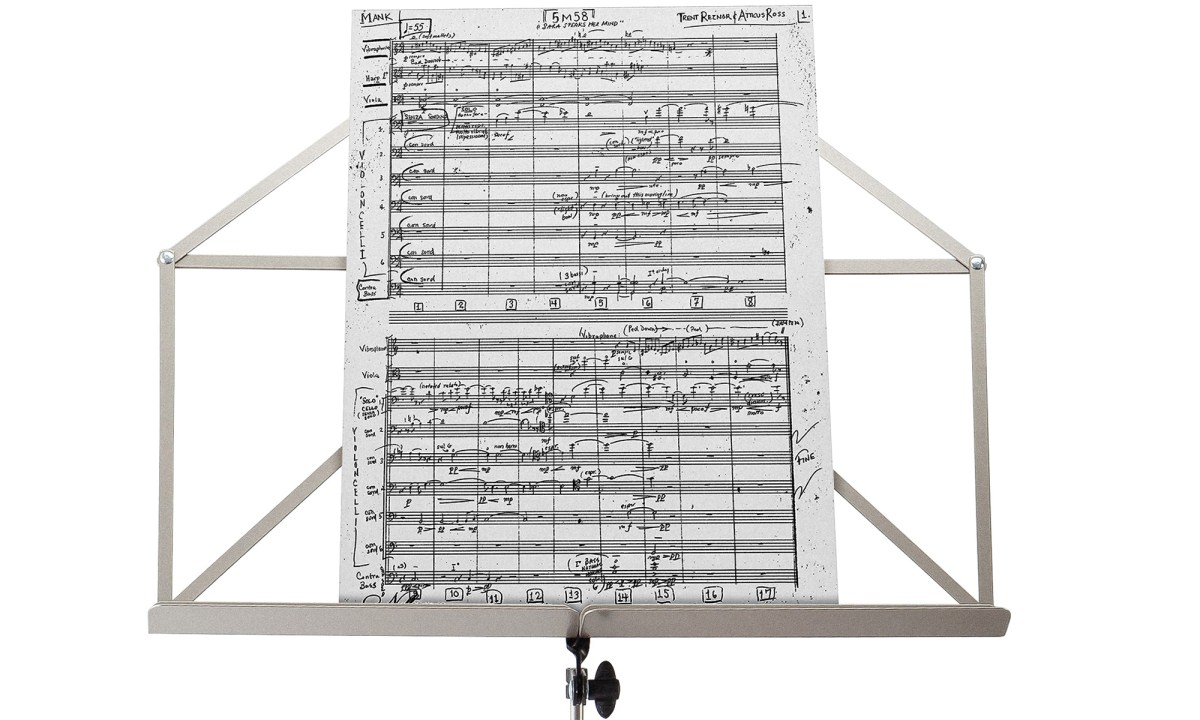
Trent Reznor and Atticus Ross have written a dozen film and television scores together. Not just partners in Nine Inch Nails, they have won multiple awards for music in visual media: an Oscar and a Golden Globe for The Social Network, a Grammy for The Girl with the Dragon Tattoo, an Emmy for Watchmen. But they had never tackled a project quite like Mank.
Director David Fincher, whose films The Social Network, The Girl with the Dragon Tattoo, and Gone Girl Reznor and Ross also scored, came to the duo with a period piece set between 1930 and 1940 and shot in black and white, the story of Hollywood screenwriter Herman “Mank” Mankiewicz (played by Gary Oldman).
Reznor and Ross’s previous scores had been created with synthesizers, samplers, and sequencers in their Los Angeles studios, where they recorded all of the music themselves. Mank required something different: a more traditionally orchestral score, with swing-jazz and dance-band elements appropriate to the era. It was an arena in which neither Reznor nor Ross had any prior experience.
So they listened to the popular music of the 30s and 40s and, intriguingly, the early film scores of Bernard Herrmann, the longtime Orson Welles collaborator. His music for Citizen Kane proved inspirational in terms of the style of orchestral writing that frames Mank.
Ultimately, they created more than 90 minutes of original music, played by the equivalent of a 70-piece orchestra and big band. Because of the pandemic raging through the summer and fall of 2020, all of the musicians performed individually in their home studios and were mixed together into a seamless whole.
“It was an incredibly intoxicating, inspiring environment,” Reznor says of working with Fincher. “We felt like artists, not artisans, being challenged to try to make something awesome.”
We talked to the musicians and the director about creating the music for Mank.
The first thing Trish Summerville heard from her friends when she signed on to be the costume designer for David Fincher’s Mank was, “That is going to be so easy for you!” People wondered how difficult it could possibly be to dress a cast for a black-and-white film set in the 1930s and 40s, about Herman Mankiewicz, the screenwriter who penned the first draft of what would become Orson Welles’s Citizen Kane. “I kept hearing, ‘You can just use any color you ever wanted and never worry,’” Summerville recalls, laughing at the thought. “That was definitely not the case.”
In fact, it couldn’t have been further from the truth. Summerville is a Hollywood force herself, having costume-designed films like The Hunger Games: Catching Fire, and Fincher’s Gone Girl and The Girl with the Dragon Tattoo, among others. Before Mank, she had worked on projects that incorporated black and white through flashbacks, but she had never done a complete picture sans color.
She immediately immersed herself in the style and learned some tricks of the trade. For instance, a light blue might be beautiful in person, but it’s going to look light gray onscreen. A true black can be too severe; navy reads as a softer alternative. A dark or saturated color that’s striking in real life will seem equally flat in black and white. On top of that, some fabrics strobe and some patterns with contrasting colors resemble confetti. Even a color that looks great can distract an actor in a dialogue-heavy scene and should therefore be avoided.
“Any project with Dave is a dream and you know it’s going to be challenging and exciting, Summerville summarizes, calling me from the set of Slumberland, her next film, “but my brain definitely had to adjust.”
Mank production designer Donald Graham Burt breaks down the effort that went into recreating locations like the old Glendale, CA train station and the famed Hearst Castle for David Fincher‘s craft-heavy film. Hear all about the research that went into bringing Hollywood history back to life.