Filmmaking Masterclass: Recreating THE KILLER with Anamorphic DZO PAVO Lenses

June 21, 2024
Media Division

With The Killer, David Fincher created a masterpiece of cinematic storytelling.

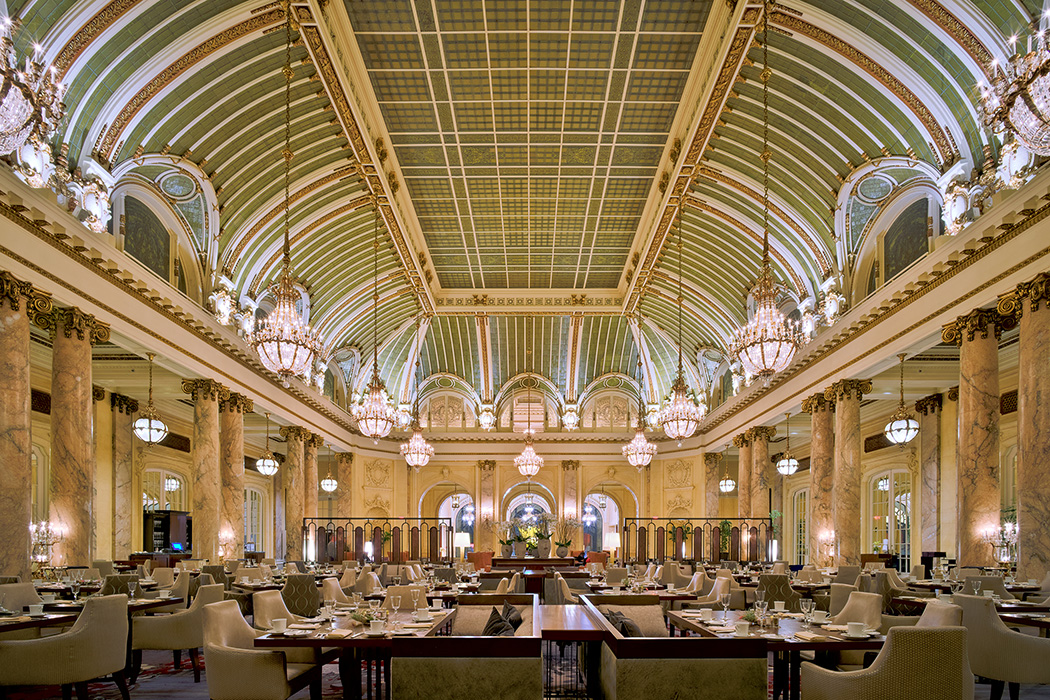
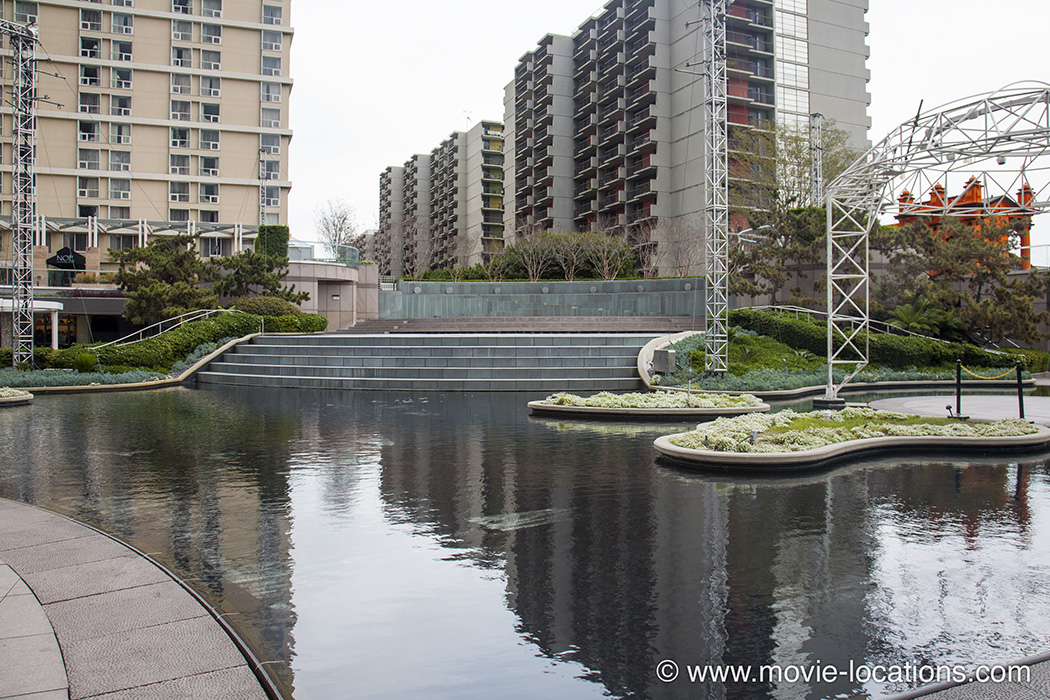
In the first act – the Paris hit – Fincher and his team combined three sets in post. They also added typical artifacts like horizontal flares and distortions to give The Killer an anamorphic vibe.

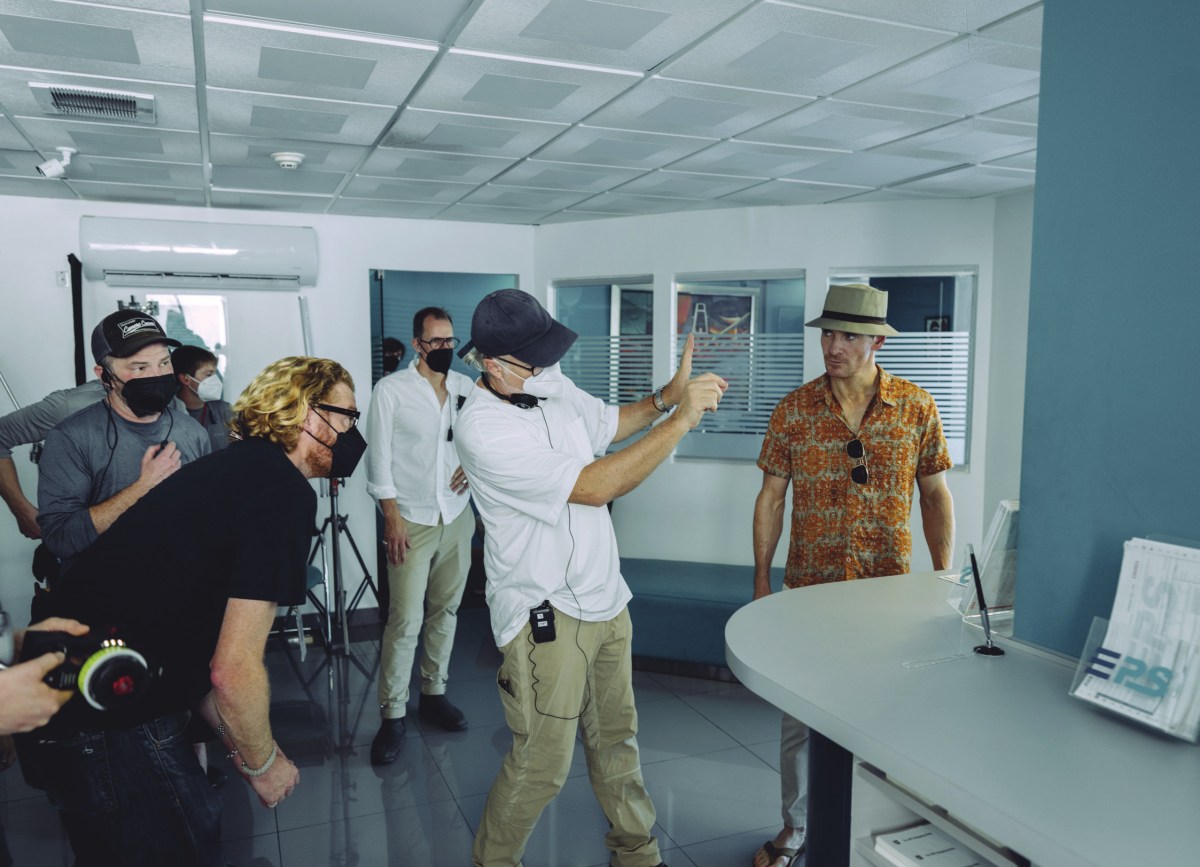
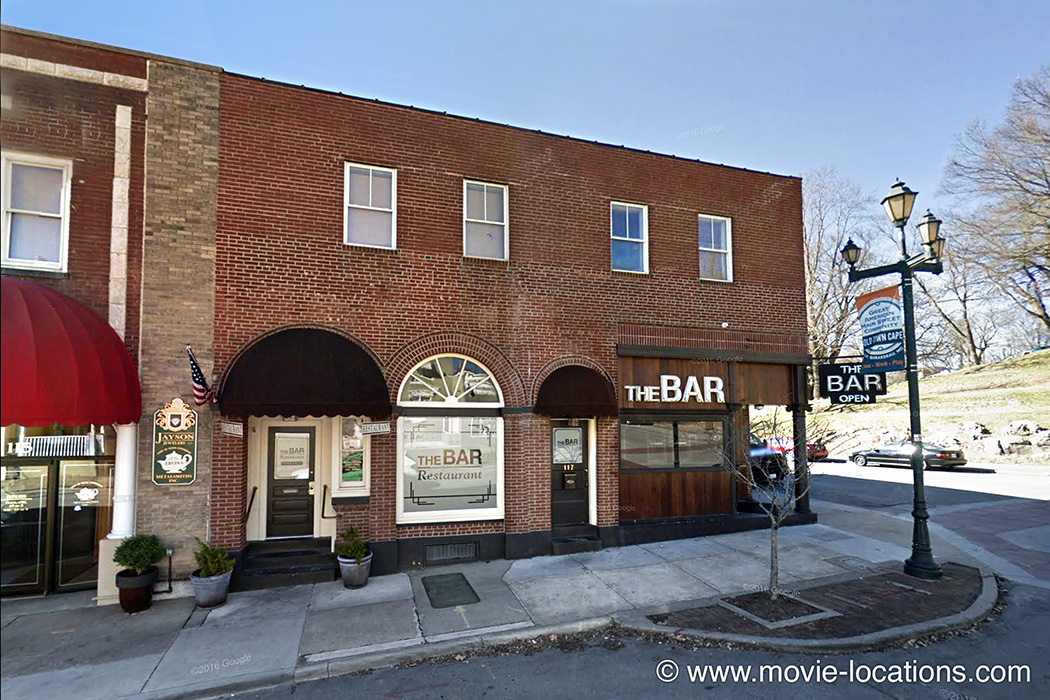
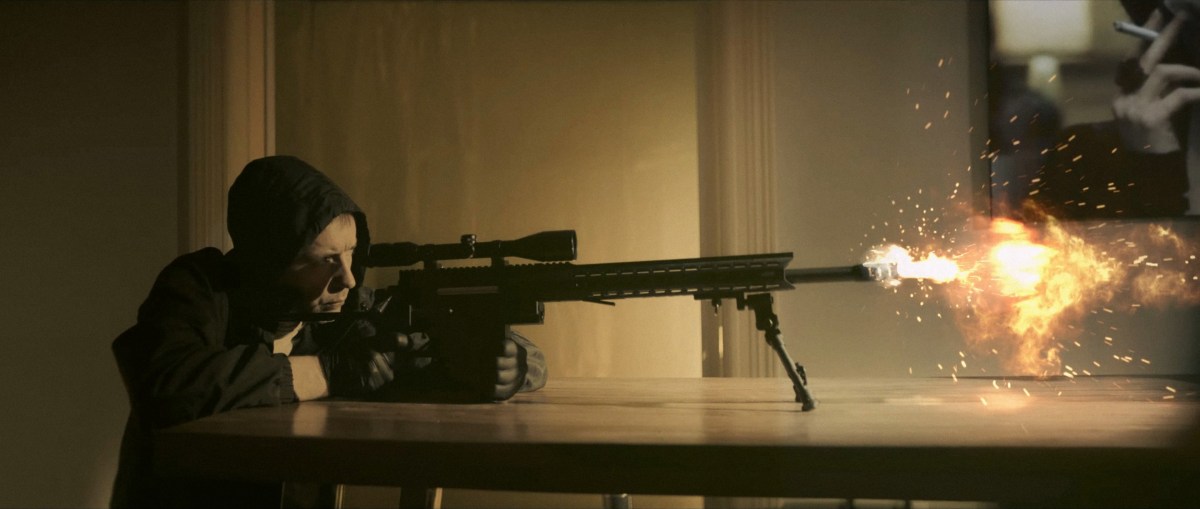
To learn and explore, we set out to recreate the climax of the first act of The Killer, BUT to do it for real: One real location and real anamorphic lenses. We even developed a way to do film through a real rifle scope – anamorphic of course.

This was possible as DZO just introduced three new focal lengths to their awesome PAVO lineup of 2x anamorphic lenses, a 135mm, a 180mm, and a 65mm Macro. This new focal length and the general short minimum focus distance of the PAVO made them the ideal companions to shoot our short.

We take you behind the scenes, share our experiences with you, and, of course, show you the result: “The Killers” gives the original a slightly different spin…

Disclaimer: We collaborated with DZOfilm and got the full PAVO set of 9 lenses to shoot our short. As always, we strive to give you our honest opinion based on our experience and tests.

Please join the ranks of the Media Division: YouTube, Instagram, Facebook

Links to Collaborators and Partners: Morty Films, Chris Karibu (behind the scenes footage), Matthias Herrmann & Valentin Loustalet (location visit in Paris), Tim from Lemac Film and Digital (rentals for the Fujinon images), Artemple (VFX Breakdown).

00:00: Intro & Contents
02:48: The Killer / A Cinematic Masterpiece
03:44: Subjective Camera Movement
05:00: Subjective Sound Design
05:41: Subjective Edit
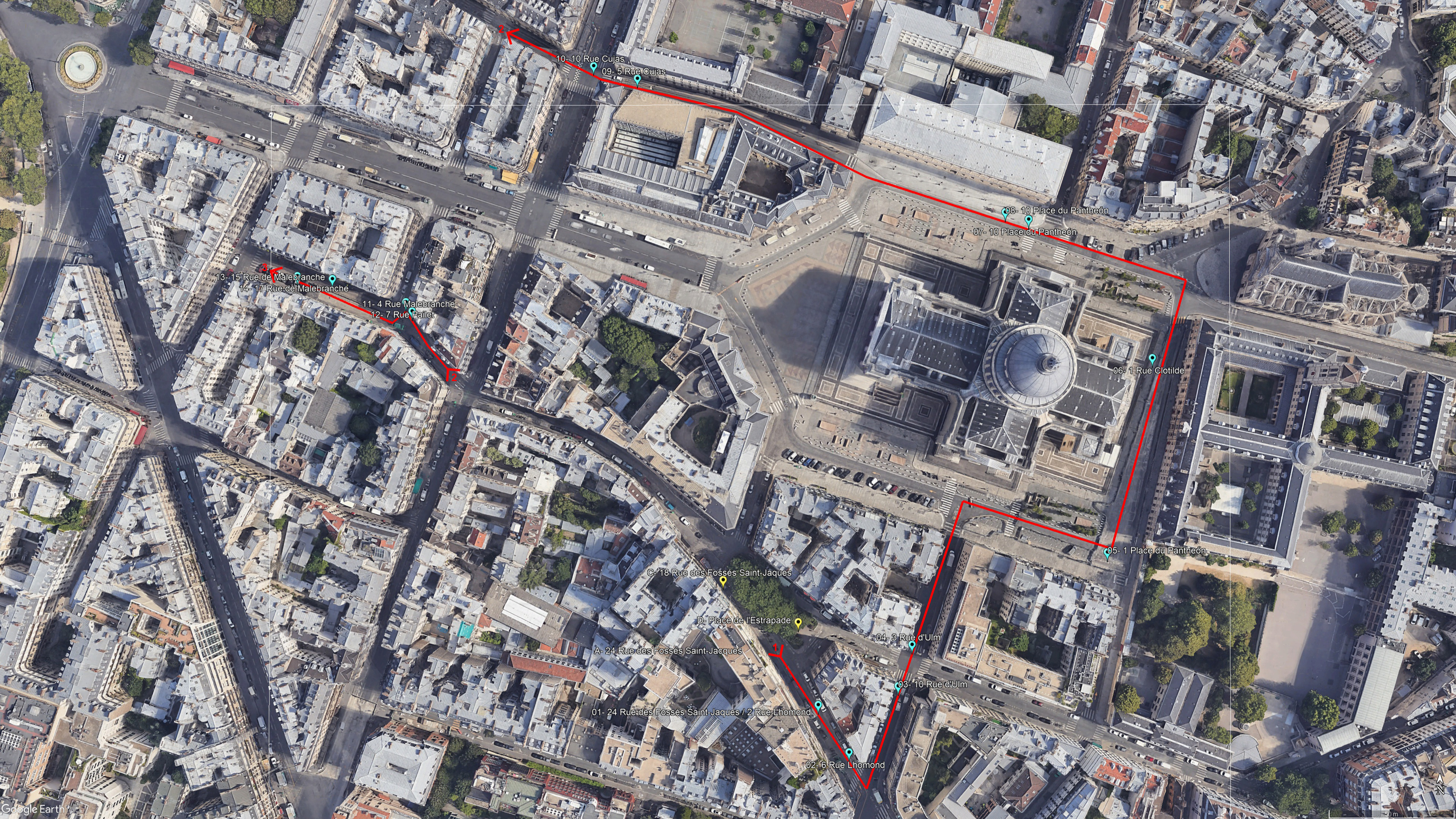
06:25: Paris: A Real Fake Location
10:08: Faking the Anamorphic Look|
12:14: Reimagining The Killer
15:49: Gear: The Lenses
23:18: The Rifle Scope
25:01: Gear: The Cameras
27:45: Feature: The Killers
31:08: A Second Killer & Verdict
33:16: Thank You
34:02: Member Shout Out

Silent Killer

A Conversation with Brian Osmond, SOC

David Daut
March 2024 (Winter 2024)
Camera Operator (Society of Camera Operators)

Having been in development since 2007, David Fincher’s adaptation of the French comic series The Killer arrives as a slick, stylish, and darkly funny film about a professional assassin desperately trying to project an image of cold, exacting competence, all the while struggling to keep his head above water in the aftermath of a job gone wrong.

With its solo protagonist who goes for long stretches of the film without saying aloud a single word, The Killer often resembles a silent film as much as anything else. Camera Operator had the opportunity to talk with A camera operator Brian Osmond, SOC, about working with Michael Fassbender in this unique role, the camera as “straight man” for the film’s sly comedy, and the professional relationship he’s developed with director David Fincher over the past seven years.

With no name and no background to go on, we meet “The Killer” in Paris, France, in the midst of his preparations to assassinate a similarly unnamed target. After days of meticulous planning, the moment finally comes with the target in sight, ready to take the shot, and he misses! Our mysterious assassin is left trying to pick up the pieces of this botched assassination all the while the situation continues to spiral out of control. The Killer is directed by David Fincher from a screenplay by Andrew Kevin Walker and stars Michael Fassbender, Arliss Howard, Charles Parnell, Kerry O’Malley, Sala Baker, Sophie Charlotte, and Tilda Swinton.

Camera Operator: Let’s talk about the first 20 minutes of the movie. That’s the part that really stuck in my head after the movie. That long, slow burn setup to what’s kind of the movie’s main punch line: him missing the shot after all that meticulous buildup and preparation. Can you talk a little bit about what went into shooting that sequence?

Brian Osmond: Yeah, it is a slow burn, isn’t it? It’s a bit painstaking, but ultimately I really like the sequence. His meticulous nature is obviously on display, and when it finally comes to the moment to pay it all off, he misses! And that sets up the rest of the movie. Shooting it was a lot of work, as you can imagine. The entire sequence, structurally, was made from three pieces: there was the Paris work, there was the stage work with Michael, and there was the stage work for everything across the street, and those are seamlessly combined with compositing and editing.

Read the full interview

In Conversation: David Fincher and Michael Fassbender with Rian Johnson on “The Killer” at the Academy Museum

Rian Johnson
November 15, 2023
Netflix: Behind the Streams

Director David Fincher and actor Michael Fassbender discuss making The Killer with moderator Rian Johnson at The Academy Museum in Los Angeles.

Watch The Killer on Netflix

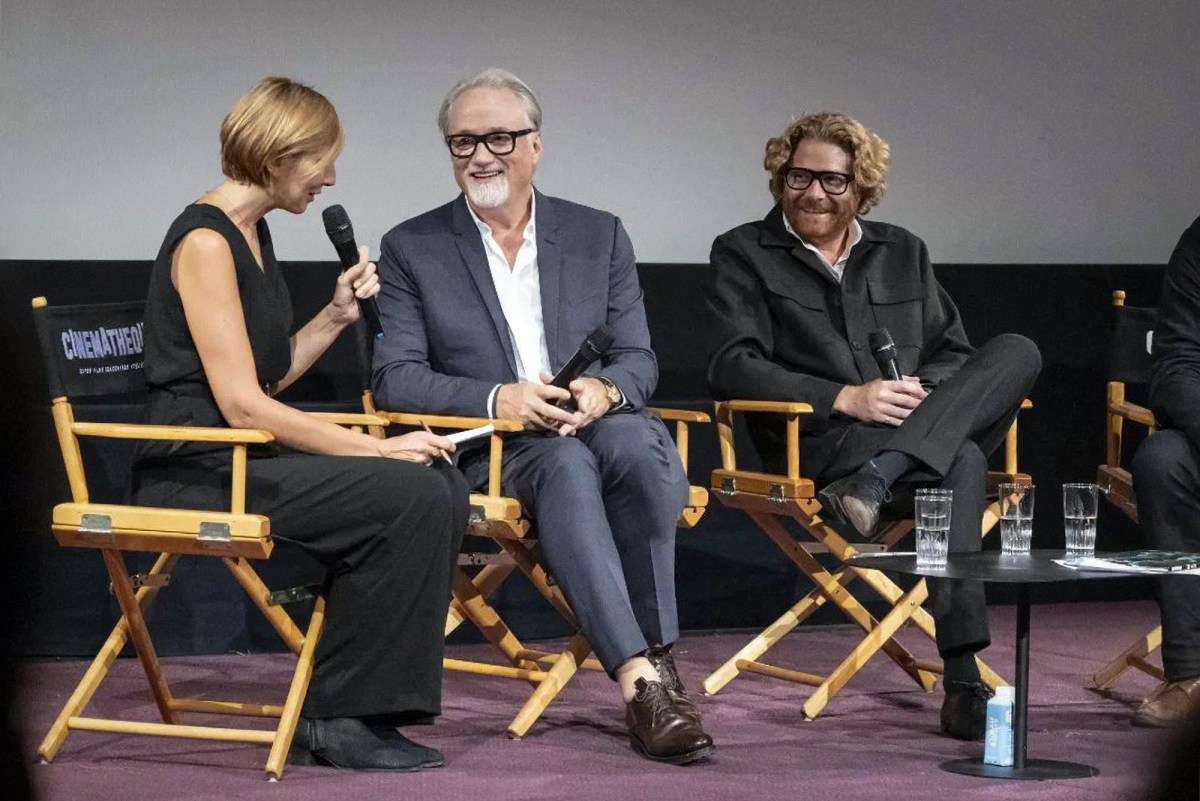
David Fincher at The Cinémathèque Française: “The Killer” Screening and Q&A

Frédéric Bonnaud, Director of the Cinémathèque française
Anaïs Duchet, Interpreter
October 13, 2023
Cinémathèque Française

The Cinémathèque Française (French Cinematheque) hosted a David Fincher Retrospective from October 13 to 22, 2023, in Paris (France).

Supported by Netflix, Patron of the Cinémathèque, it opened with a preview screening of The Killer followed by a Q&A with Director David Fincher, and Director of Photography Erik Messerschmidt, ASC.

The next day, a screening of Zodiac was followed by a discussion with the director about the film and his career.

The Professionals: “The Killer” and “Ferrari”

Erik Messerschmidt, ASC shoots two stories about men whose business and private lives spin out of control.

Patricia Thomson
January 2024
American Cinematographer

A pair of films shot by Erik Messerschmidt, ASC premiered at the Venice International Film Festival last August, and both were collaborations with leading directors: David Fincher’s The Killer and Michael Mann’s Ferrari. Messerschmidt recently spoke with AC from Spain about his work on each production.

The Killer | A Devil of a Job

Fincher and Messerschmidt didn’t discuss the look of The Killer as much as its tempo and structure.

Adapted from a graphic-novel series, the film follows a methodical, nameless assassin (played by Michael Fassbender) whose life spirals out of control after a job goes horribly wrong in Paris. He tries to restore a sense of order by punishing those responsible.

Messerschmidt won an Academy Award for Fincher’s Mank (AC Feb.’21), and his collaborations with the director span the Netflix series Mindhunter and the feature Gone Girl — with Messerschmidt serving as gaffer for Jeff Cronenweth, ASC (AC Nov. ’14) on the latter.

“David is fastidious,” he says. “He is very prepared, but very collaborative and considerate of what it is everyone’s bringing to the project. He shares his goals for the film with you, and he shares the techniques that he wants to use in a really elegant way. So, you begin to understand quite quickly what he’s looking to achieve on a given shot, a given scene or even on a given film.

“On this film, David was particularly interested in exploring The Killer’s state of mind through the camera’s perspective,” recalls Messerschmidt. “The Killer in his natural state is very much in control of his environment — nothing surprises him, and we wanted the audience to immediately connect to his confidence.”

Read the full double feature in the January Issue of American Cinematographer

Passion and Persistence: Bringing Mank From Script to Screen

SLM/Co-Producer Bill Doyle partners with director David Fincher to bring  Hollywood’s Golden Age to life

Shaun O’Banion
July 2021
LMGI Compass Magazine (Location Managers Guild)

Mank, director David Fincher’s much anticipated take on the behind-the-scenes drama that shaped the making of Citizen Kane, was released last November after a journey to get it made that began almost two decades ago.

Is there any reason to believe that a story about the making of a movie about the making of a movie is any less intriguing than that of its fabled subject?

In terms of finding classic locations in Los Angeles that have survived the moving hands of time, Fincher couldn’t have found a better guy for the job than LM William “Bill” Doyle/LMGI. L.A. is a classic example of a city in a near-constant state of reinvention, but despite the years, some amazing original sites still remain, and Doyle knows most of them.

“I’ve always loved reading about how cities develop,” Doyle says. “Understanding a city… How it was developed or why it was founded, how it was built and when it expanded… Knowing how these things happened can help you make sense of any city anywhere in the world when you’re looking for something specific.”

Read the full profile:

Location Managers Guild
LMGI Compass Magazine

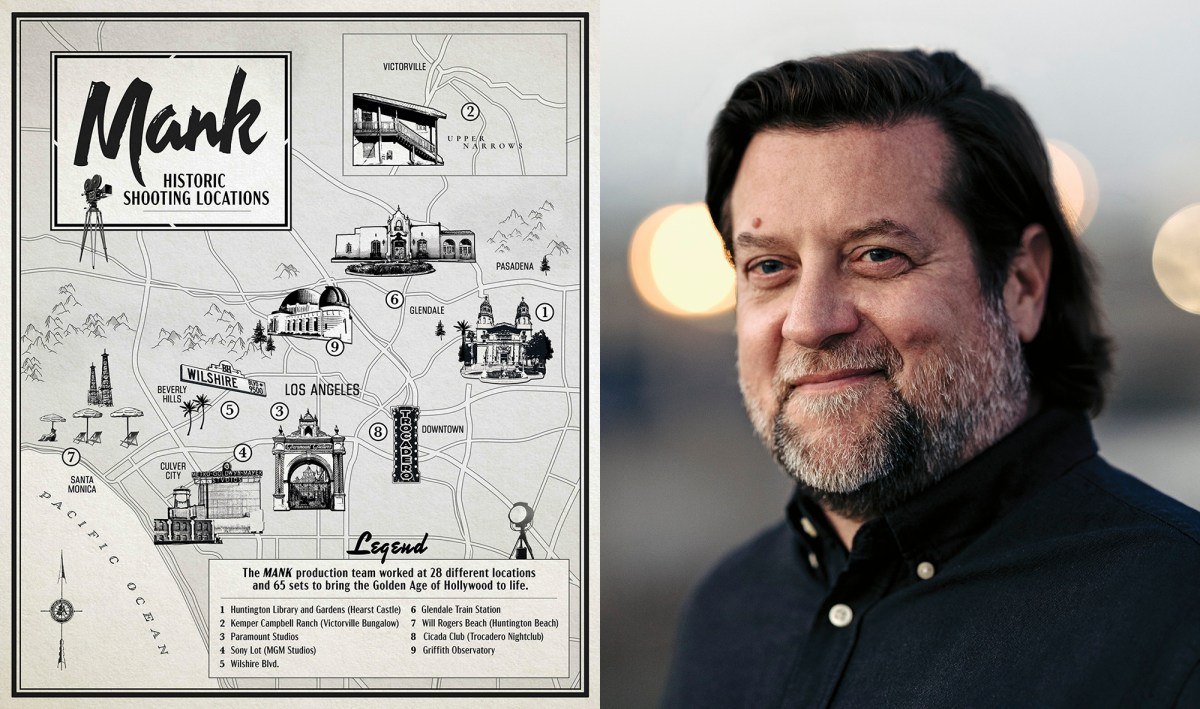
In Place

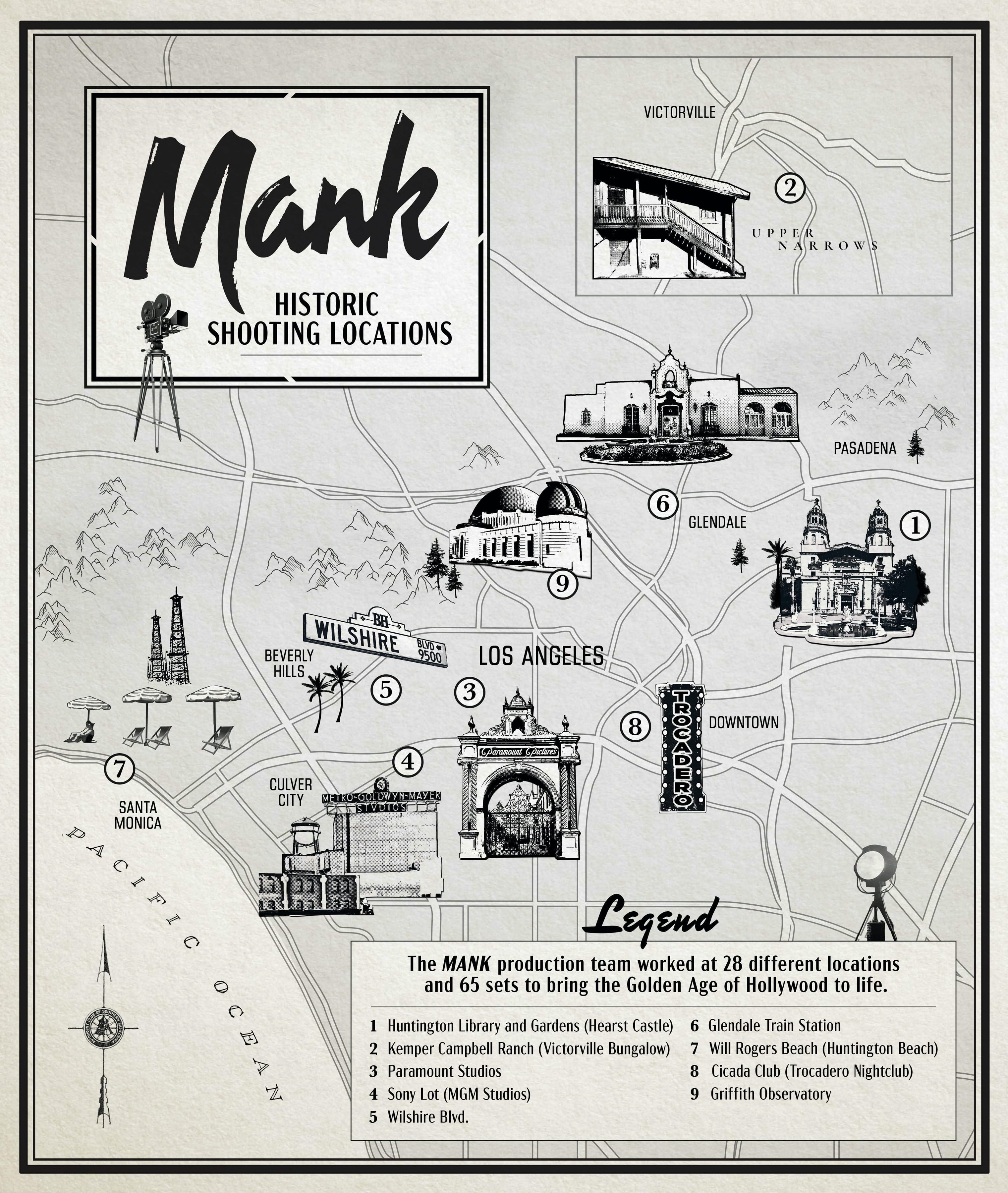
Queue gets behind the scenes with a look at Mank’s defining locations.

March 9, 2021
Netflix Queue

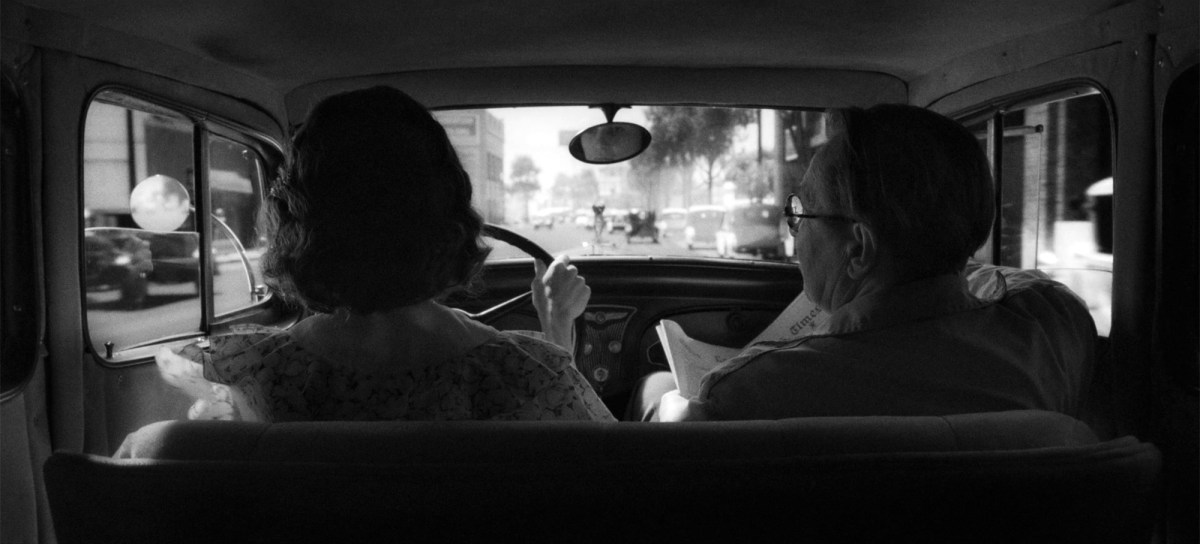
Shot in black and white, David Fincher’s Mank transports audiences through the sights and scenery of Golden Age Hollywood and 1930s and 40s California. With the help of soundstages, matte paintings, and a lot of research, the team behind Mank’s locations communicates the glamour and history of an epic era of moviemaking. 

Queue explores some favorites.

Making of ‘Mank’: How David Fincher Pulled Off a Modern Movie Invoking Old Hollywood

The director had to employ digital advances to achieve a vintage aesthetic in telling the tale of ‘Citizen Kane’ screenwriter Herman Mankiewicz: “If we had done it 30  years ago, it might’ve been truly a bloodletting.”

Rebecca Keegan
January 11, 2021
The Hollywood Reporter

Screenwriter Herman Mankiewicz never sought credit for conceiving one of the all-time great ideas in the history of cinema — the notion that the Kansas scenes in The Wizard of Oz should be shot in black and white and the Oz scenes in color. In fact, for much of his career in Hollywood from the late 1920s to the early ’50s, Mankiewicz seemed to view his scripts with about as much a sense of ownership as a good zinger he had landed at a cocktail party.

But what fascinated David Fincher was that when it came time to assign credit on the screenplay for Citizen Kane, which Mankiewicz wrote with Orson Welles in 1940 (or without, depending on your perspective), the journeyman screenwriter suddenly and inexplicably began to care. Precisely why that happened is the subject of Fincher’s 11th feature film, Mank.

“I wasn’t interested in a posthumous guild arbitration,” Fincher says of Mank, which takes up the Citizen Kane authorship question reinvigorated by a 1971 Pauline Kael essay in The New Yorker. “What was of interest to me was, here’s a guy who had seemingly nothing but contempt for what he did for a living. And, on almost his way out the door, having burned most of the bridges that he could … something changed.”

Shot in black and white and in the style of a 1930s movie, Mank toggles between Mankiewicz (Gary Oldman) writing the first draft of Citizen Kane from a remote house in the desert and flashback sequences of his life in Hollywood in the ’30s, including his friendship with newspaper tycoon William Randolph Hearst (Charles Dance), who inspired Citizen Kane, and Hearst’s mistress, actress Marion Davies (Amanda Seyfried).

A filmmaker known for his compulsive attention to detail, Fincher had even more reason than usual to treat every decision with care on Mank, as he was working from a screenplay written by his father, journalist Jack Fincher, who died in 2003. Jack had taken up the subject in retirement in 1990, just as David was on the eve of directing his first feature, Alien 3, and the two would try throughout the 1990s to get the film made, with potential financiers put off by their insistence on shooting in black and white.

Read the full profile