Holt McCallany Answers Every Question We Have About “Fight Club”

By Roxana Hadadi, a Vulture TV critic who also covers film and pop culture
October 16, 2024
Vulture

Holt McCallany can talk for a long time about filmmaker David Fincher, with whom he’s worked three times. On the beloved crime-thriller series Mindhunter, which was unexpectedly canceled by Netflix after its second season. On Alien 3, the prison-planet sequel that was Fincher’s directorial debut and so plagued with interference from 20th Century Fox that Fincher wouldn’t talk about the movie for years. And on Fight Club, the cult classic that has been misinterpreted in bad faith since it came out 25 years ago. McCallany can mimic Fincher’s tone and jokingly recites his advice from years on set together. And he can just as vividly recall a grudge he’s harbored since the movie’s release.

“I remember sitting in a dentist’s office, and the TV happened to be The Rosie O’Donnell ShowShe’s talking about Fight Club and she says, ‘Whatever you do, don’t see Fight Club. It’s demented, it’s depraved. I don’t think I’ve ever hated a movie more.’ I’m thinking, Gee, Rosie. Do we go on TV and bad-mouth your show? Is this really necessary, this kind of abuse?” McCallany says. “It angered me. I won’t pretend otherwise, because we were very proud of the film, we had worked very hard on the film, and we were very loyal to David.”

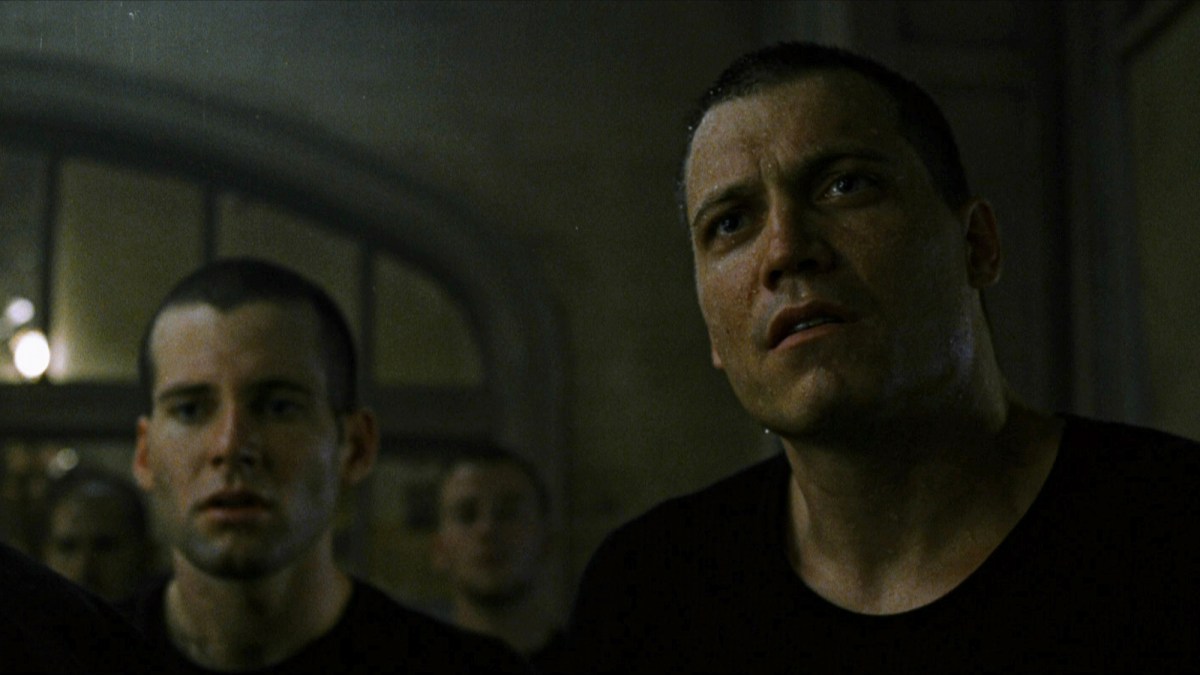
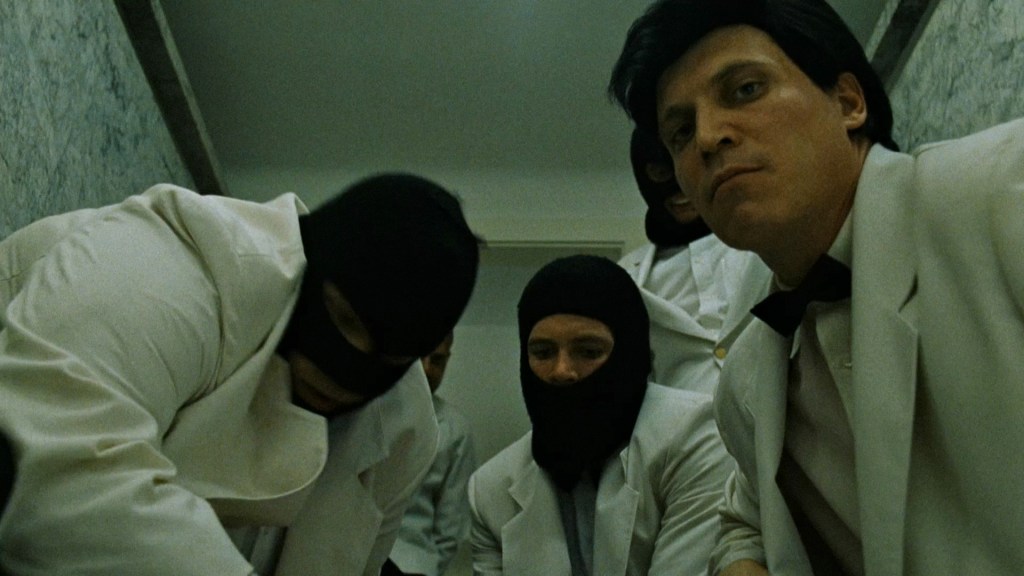
In Fincher’s adaptation of Chuck Palahniuk’s novel, McCallany plays The Mechanic, a devoted follower of anarchist philosopher Tyler Durden (Brad Pitt) whose unflinching glare and menacing physicality are always in service of Durden’s anti-consumerist ideas. McCallany exudes such certainty of self that once you notice the Mechanic cheering in the background of fight scenes, doing chores in The Narrator (Edward Norton) and Durden’s dilapidated mansion, or threatening to “take” a police commissioner’s testicles with a knife, you’ll keep looking for him, wondering what those wild eyes and set jaw are getting up to. The Mechanic tightened McCallany’s relationship with Fincher (who had previously wanted him for a small role in Se7en), and his melancholy-yet-adamant delivery of the film’s iconic mantra — “His name was Robert Paulson” — indicated how fully he could inhabit heavies with a heart.
Read the full interview

How Laray Mayfield Became Director David Fincher’s Go-to Casting Director

Neil Turitz
March 1, 2024
Casting Networks

Laray Mayfield got into casting the way a lot of other professionals got into it, by accident.

She was doing another job and someone said, “Hey, you should do this,” and once she did, it stuck. That’s not an unusual story. What makes this unusual is that the person who told her is arguably the best American filmmaker working today, David Fincher, with whom she’s been working for nearly 40 years.

Mayfield has since built an impressive career, with an Emmy award for the first season of House of Cards and two Artios awards —the highest honor the Casting Society offers— to her name. Her latest collaboration with Fincher, The Killer, is streaming on Netflix. She spoke with us from her home in Nashville.

Read the full interview

David Fincher’s Casting Director, Laray Mayfield, on How to Get Cast by the Filmmaker

Raquel Aparicio

Elyse Roth
March 12, 2021
Backstage

Nobody but Laray Mayfield could have cast Netflix’s “Mank.” She saw the first version of the script back in the late ’90s thanks to her long-standing working relationship with director David Fincher, which dates back to making music videos in the ’80s. Her work in film alongside Fincher and beyond has earned Mayfield both critical and popular acclaim. An expert at building ensembles and finding new faces, she again worked her magic on “Mank,” which chronicles Herman J. Mankiewicz’s writing of “Citizen Kane.” Here, she shares her advice for actors and illuminates how she works with Fincher after all these years.

How did the ensemble for “Mank” come together?

We spent a lot of time reading and meeting actors. Of course, we offered it to Gary [Oldman] first, and that was a pivotal piece of our casting. And then we went to Charles Dance. For everything else, we  jumped in and started doing lots of auditions, running lists, and talking to David about different actors. We did that for seven months.

“If somebody really wants to be an actor, they should take acting classes. They should go to school for it. It’s a training. It’s like dancing, it’s like painting, it’s like playing football, it’s like playing guitar. You don’t just decide one day you’re going to be an actor.”

Read the full interview

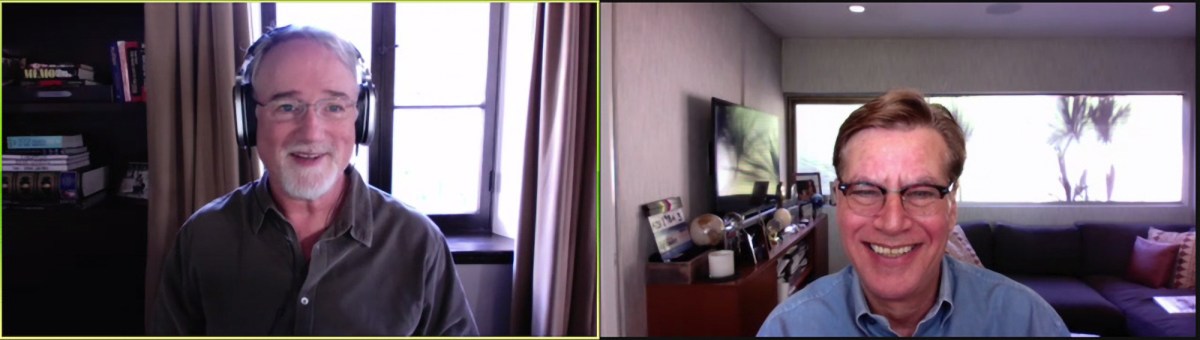
Director David Fincher discusses Mank with Aaron Sorkin

A DGA Virtual Q&A

February 6, 2021
The Director’s Cut. A DGA (Directors Guild of America) Podcast

A disillusioned screenwriter in old Hollywood gets a shot at redemption in Director David Fincher’s biographical comedy-drama, Mank.

Fincher’s film takes place as film 24-year-old wunderkind Orson Welles hires scathing social critic and alcoholic screenwriter Herman J. Mankiewicz to write the screenplay for his masterpiece, Citizen Kane.

On February 6, Fincher discussed the making of Mank in a DGA Virtual Q&A moderated by Director Aaron Sorkin (The Trial of the Chicago 7).

During their conversation, Fincher spoke about his love for “the altar of cinema,” the communal aspect that can come through film. “For me, what I love about cinema is going into a big dark room with 700 people and through their laughter and through their surprise and through their shock and through their reactions you realize, I’m not alone. I’m the same. I’m wired into this group in the same way just organically and I’m picking up on all these other cues. That is what makes the cinema, or a great grand theater, an almost cathedral-like experience.”

Fincher’s other directorial credits include the feature films Se7enThe GamePanic RoomZodiacGone Girl; episodes of the television series House of Cards and Mindhunter; and countless commercials and music videos. He has been nominated for the DGA Award for Outstanding Directorial Achievement in Theatrical Feature Film for The Curious Case of Benjamin ButtonThe Social Network and The Girl with the Dragon Tattoo. In 2013, he was nominated for the DGA Award for Dramatic Series for House of Cards, “Chapter 1” and has twice been nominated for the DGA Award for his Commercial work with Anonymous Content in 2003 and 2008, winning the Award in 2003 for Beauty for Sale (Xelibri Phones), Gamebreakers (Nikegridiron.Com) and Speed Chain (Nike).

Fincher has been a DGA member since 1991.

Listen to the podcast:

DGA.org
Apple Podcasts
Spotify
YouTube

The Magic of the Movies: Behind the Scenes of David Fincher’s Mank


Netflix Film Club (YouTube)
February 28, 2021

Join acclaimed director David Fincher, actors Gary Oldman and Amanda Seyfried, and the cast and crew of Mank, for a peek behind the curtain of Netflix’s black-and-white ode to Hollywood’s Golden Age.

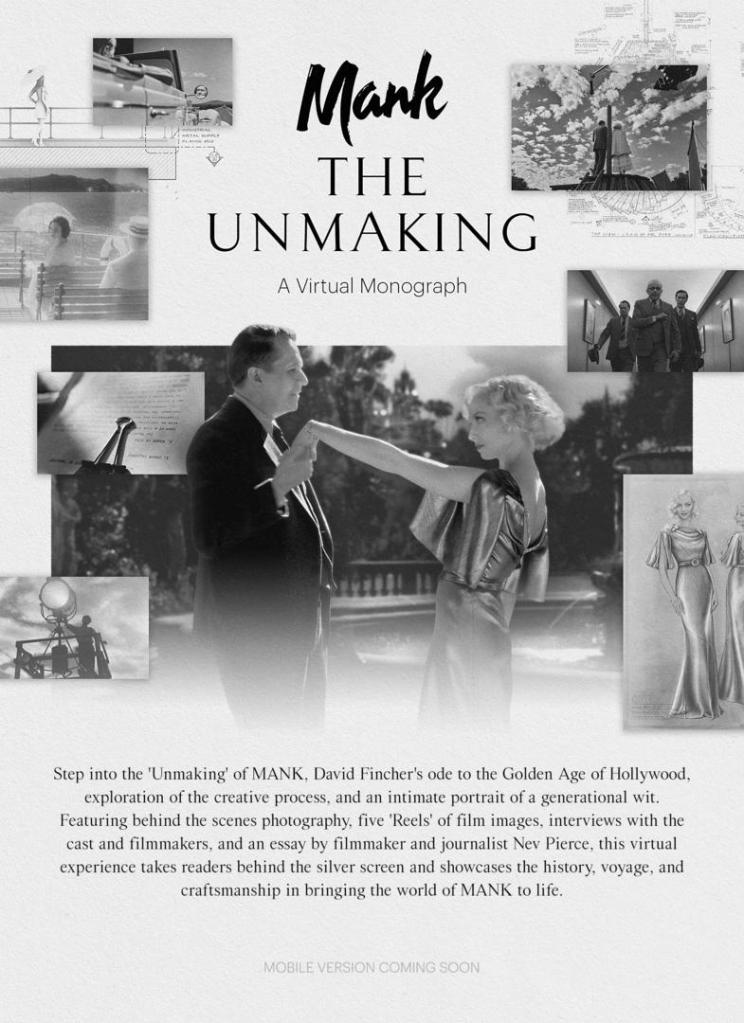
Mank, The Unmaking

January 28, 2021
Netflix

manktheunmaking.com [Old Domain]

mank.aristidebenoist.com

Text by:

Nev Pierce

Photography by:

Erik Messerschmidt
Miles Crist
Gisele Schmidt-Oldman
Gary Oldman
Ceán Chaffin
Nikolai Loveikis

Design and development by:

Watson Design Group, Inc.
Aristide Benoist

David Fincher’s Longtime Casting Director Breaks Down Helmer’s Approach: “He Wants to Be Surprised”

Maya Tribbitt
January 23, 2021
The Hollywood Reporter

Laray Mayfield worked with the two-time Oscar-nominated director on his biggest features and has developed a great relationship as well as a shorthand with the auteur.

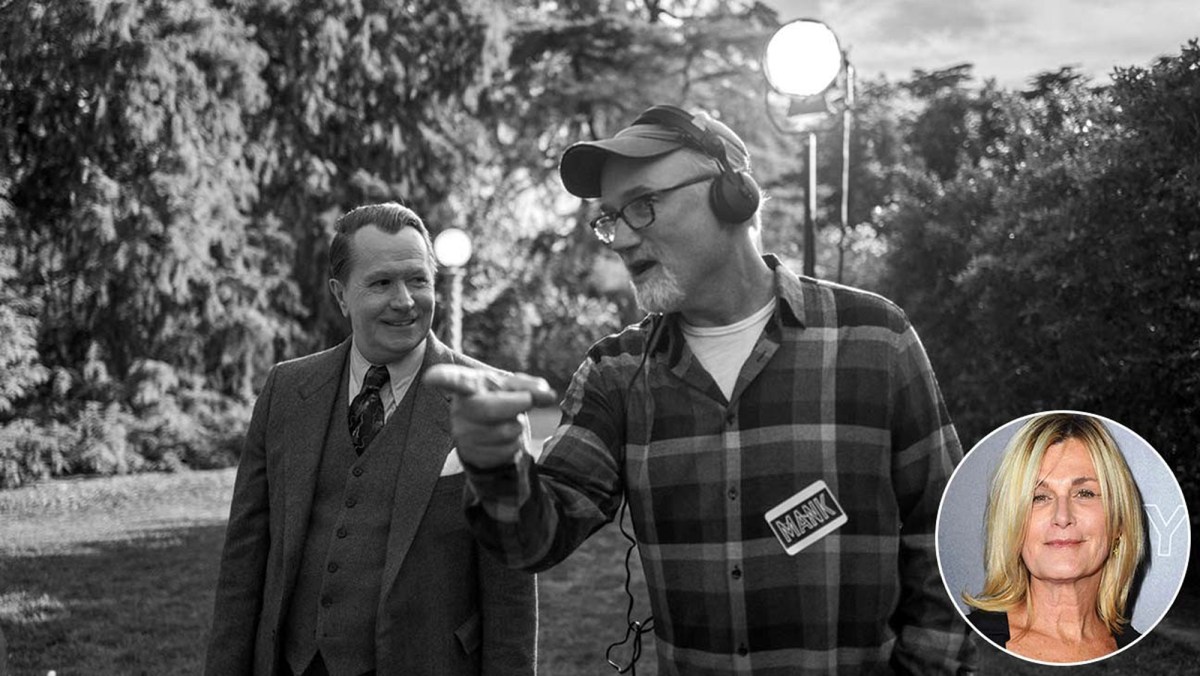
When he came back for his first feature film in a half-decade, Mank, David Fincher brought his trusted casting director Laray Mayfield into the fold. Over the past few decades, Mayfield has cast nearly all of the features (and even Fincher’s foray into television, Netflix‘s Mindhunter) that make up Fincher’s portfolio, including Fight ClubThe Social Network and Gone Girl. The pair is quick to praise each other’s style, work ethic and personality.

“Our working relationship is amazing. I am so fortunate to have worked with Dave for as long as I have. We have been working together since 1986. It is creative, lively, challenging in the best sense of the word and warm because we are also dear friends,” Mayfield says of Fincher. “We have a shorthand that has been developed over 35 years. I do usually have an idea of what David will like because we like the same things in actors, but I try to surprise him because Dave always gives me a safe place to experiment and really think outside the norm.”

Read the full profile

Essence and Embodiment | Casting David Fincher’s Mank

Netflix (YouTube)
January 13, 2021

The People Who Can See Inside David Fincher’s Head

The famously meticulous Mank director is surrounded by collaborators tasked with turning his most ambitious ideas into reality.

David Sims
December 9, 2020
The Atlantic

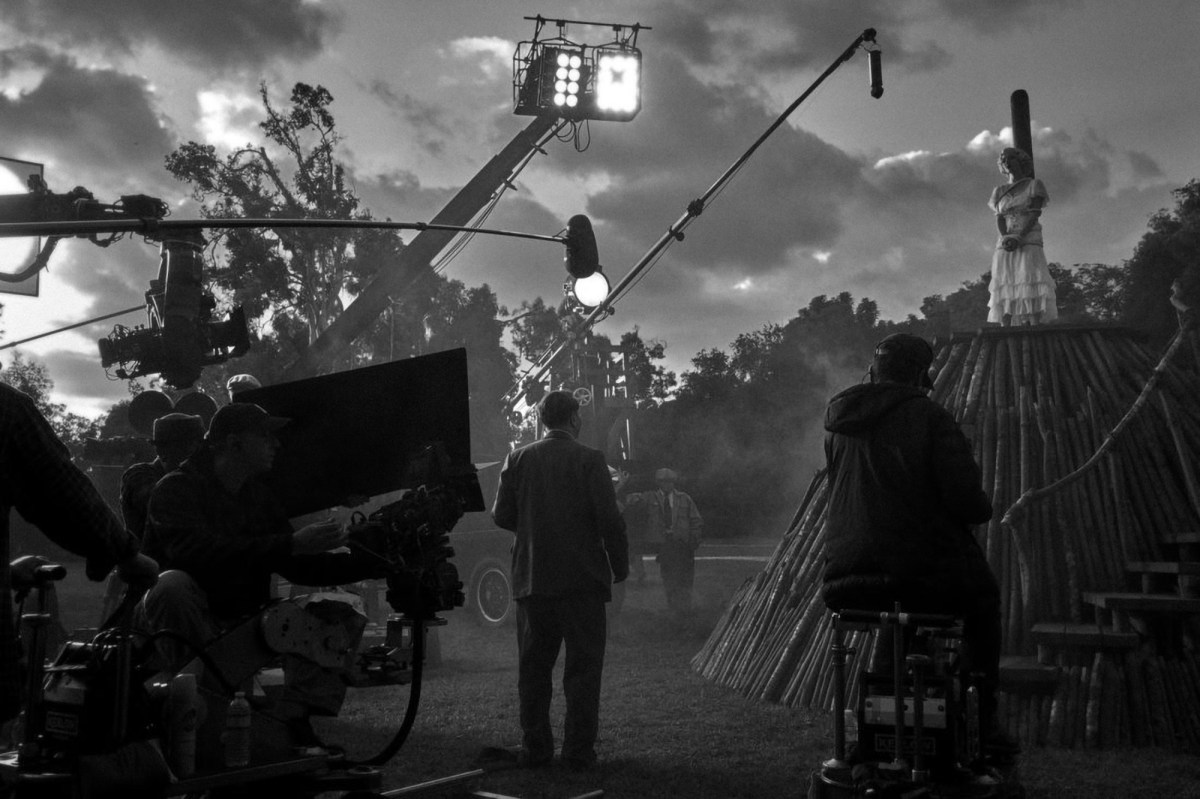
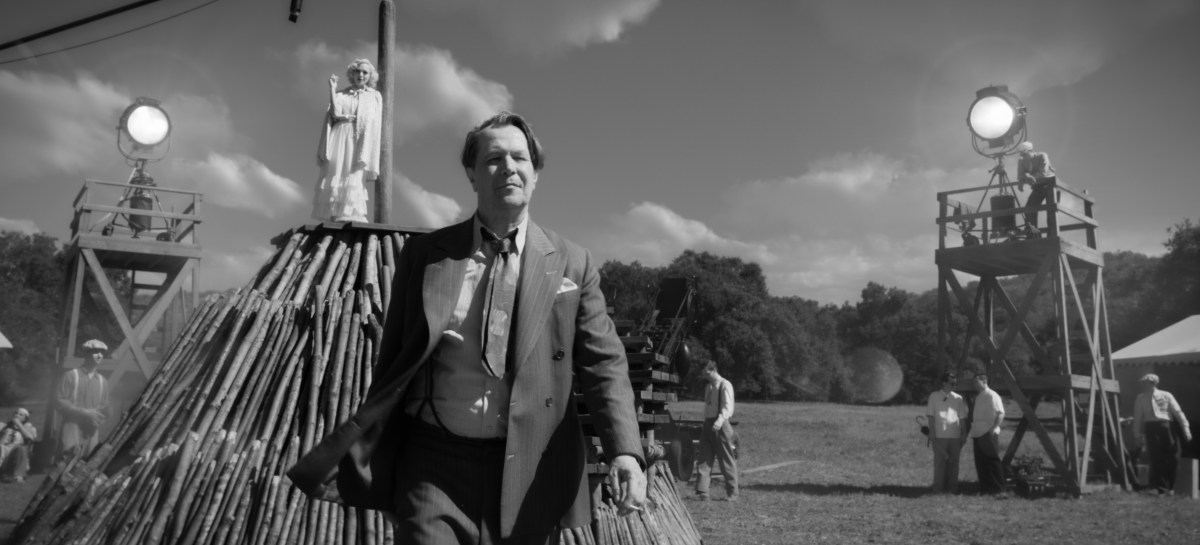
Early in Netflix’s Mank, the screenwriter Herman J. Mankiewicz (played by Gary Oldman) ambles onto an outdoor movie set, where he bumps into an array of glamorous characters. In a scene full of repartee with real-life figures such as the actor Marion Davies, the film honcho Louis B. Mayer, and the mogul William Randolph Hearst, the visual details of the environment might seem unimportant. But to Mank’s director, David Fincher, they mattered. “The grass was not to David’s liking, and the sky was not to his liking, so all that’s been replaced,” Peter Mavromates, his co-producer, told me. When making a movie, Fincher literally controls heaven and earth.

That example sums up the capricious-sounding, godlike power of a director, especially in the age of digital filmmaking, which allows for total command of every frame. But as with all of his movies, Fincher’s vision for Mank was realized by a group of dedicated collaborators, most of whom have worked with the director for many years across projects. This film, which Fincher mulled for nearly three decades, is unlike anything he has made before. An unusual-looking-and-sounding film set in the Golden Age of Hollywood, Mank reflects the aesthetic of the 1930s with its black-and-white cinematography; an echoey, old-fashioned sound mix; and a brassy, orchestral score. But Fincher also wanted it to be a distinctly modern film, which posed many unique and fascinating technical challenges to the creators charged with bringing his lofty ideas to life.

Read the full profile

David Fincher: Hollywood’s Most Disturbing Director

With films including Se7en, Zodiac and Fight Club, David Fincher has explored the darkest edges of humanity. Yet there’s more to his unique vision, writes Gregory Wakeman, as the director’s film Mank is released.

Gregory Wakeman
December 3, 2020
BBC Culture

David Fincher fans have had plenty to celebrate over the past few months. September marked the 25th anniversary of Se7en, Fincher’s deeply disturbing psychological thriller that established the then 33-year-old as one of the most iconoclastic young directors in Hollywood. Then, just a couple of weeks later, The Social Network, Fincher and screenwriter Aaron Sorkin’s searing exploration of Mark Zuckerberg and the origins of Facebook, turned 10. Most exciting of all for Fincher aficionados, though, is the fact that, more than six years after the release of his last feature film Gone Girl, Mank will finally arrive on Netflix on 4 December.

Fincher has waited around 20 years to find the perfect home for the film, which was originally written by his father Jack in the late 1990s. But while most major Hollywood studios were put off by the idea of a black and white biopic of Citizen Kane screenwriter Herman J Mankiewicz, Netflix gave Fincher carte blanche to fulfil his vision.

The early reviews for Mank have been extremely positive, and Fincher has immediately become one of the main contenders for the best director Oscar. Covid-19’s disruption of the 2020 cinematic calendar means that Fincher’s competition isn’t quite as strong as it could have been. But it’s to the Academy Awards’ great shame that this titan of modern filmmaking has somehow only received best director nominations for The Curious Case of Benjamin Button and The Social Network. Despite this oversight, Fincher’s place in the cinematic pantheon has long been secure. No other modern filmmaker has examined alienation, depression, obsession, and the dark side of intelligence like he has, while keeping a stylish, visceral, and, most importantly of all, entertaining approach. 

But what is it that sets Fincher’s work apart from that of his peers?

In Conversation with Jesse C. Boyd (Mindhunter, Day 5, TURN)

Davina Baynes
March 9, 2019
Absolute Music Chat

Jesse C. Boyd has graced our screens playing roles such as Frank Janderman in David Fincher’s Mindhunter, the lead role of Jake in Day 5, a Queen’s Ranger in TURN and a wolf in The Walking Dead. We had an in-depth, and really fun conversation, about his childhood in rural North Carolina, his career and roles, upcoming projects, music, his love of hot sauce and lots more besides.

[…]

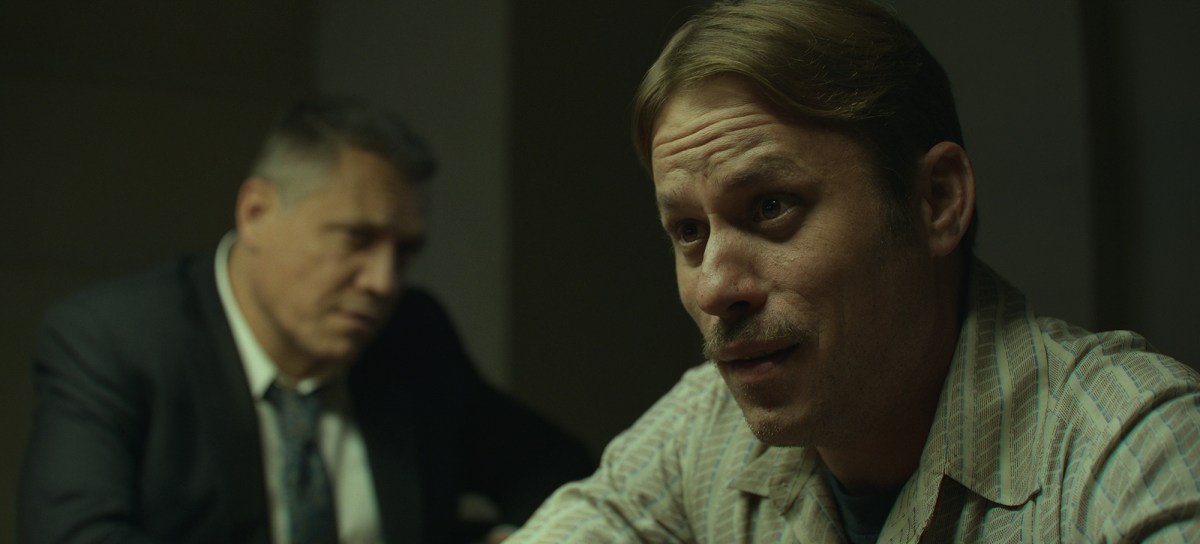
JCB: For Mindhunter I auditioned for it for, I think, a year – it was really long time. I remember I did my first tape when I was at a film festival in Idaho and, I think, while I was there I found out that I got Day 5. Then when I was filming Day 5 season 1 I got my second audition and they added another 8 pages to it. That was just ongoing and ongoing over time until, finally (and I think I was wondering whether it was actually happening) they were like, ‘They want you to come in to the office and do another read.’ I went in for another read. I think that Laray Mayfield (who does the casting) she actually does prefer self-tapes because she wants to weed through and see what she gets. They did just such an incredible job with that casting. When I saw it myself I just thought, ‘Wow! This is just so authentic and good!’ Laray is so talented too. Getting finally into the room you’re like, ‘Don’t screw this up!’

DB: When you were in the room was it just one or two run-throughs, or did she tweak how she wanted you to play it?

JCB: She did tweak. I know she did a version where she wanted it really fast. You’ve got to realise we’ve been doing these auditions over a year and the names are changing and the dialogue changes so you are consistently reframing what you’ve already learned. And then you’re finally going into the room and they’re like, ‘Can you do a fast version?’ (I think they want to see how [actors] can be on their feet, because of the way they filmed that show. When I ended up filming it they had so many different versions that we did of dialogue, I think they wanted to see whether you could handle these quick switches). There was one take that was super-fast and one that was more slowed down.

DB: How did you prep for that role? For who Frank Janderman actually is.

JCB: First of all I [had] spent a lot of time in Pittsburgh which was great (I did work and lots of things there), so that Pittsburghian accent was all around me. Then I just saw Frank as just like so many people that I feel that I already kind of know in life. This ‘nobody-fucking-asked-you’ kind of guy, but also he believes he’s a hotshot. He was accessible to me through so many other people I had met in my life that I know, that I think are really so much about the façade of not showing who they really, truly are – some of that, broken-downness in them.

DB: There’s a long interrogation scene and then a shorter one: how many takes did they do?

JCB: Oh my God! I wish I could tell you! Can I say a million takes? They did that big interrogation scene – we had three cameras running at all times – I think we filmed it for 12 hours the first day (it’s a 9-and-a-half page scene) three cameras, so you’re getting every angle on either side, and you’re doing it over, and over, and over, and over, and over… and just when you’re done, you’re doing it over, and over, and over again. Then I think the next day we went back and did another 6 hours. So it was a really long time of doing which is, I think, what makes it so great. First of all you’re breaking down a lot; you’re coming back; you’re refreshing with new things; you’re constantly finding new things to play with; and also you have so much coverage that when he [David Fincher] chooses what he’s going to put together he really has every colour of the box to paint his picture with.

Read the full interview

Jesse C. Boyd (Janet Adamson / JA Images)

Read the other Absolute Music Chat conversations with the Cast of Mindhunter (more to come): Jonathan Groff, Holt McCallany, Cameron Britton, Cotter Smith, Jack Erdie, Adam Zastrow, Alex Morf, Tobias Segal, Thomas Francis Murphy, Chris Dettone.