The 1970s was influenced by conceptualism and performance arts, and Donald Graham Burt, a university student who was then transitioning from boy to manhood was drawn to the conceptual movement. He found it as a way of expressing himself and relied on the art form as a medium to communicate his heart. It’s been more than forty years since Donald graduated but his approach to work and life has remained the same. I caught up with the two-time Academy Award winner to discuss art, design, films, and life in general.
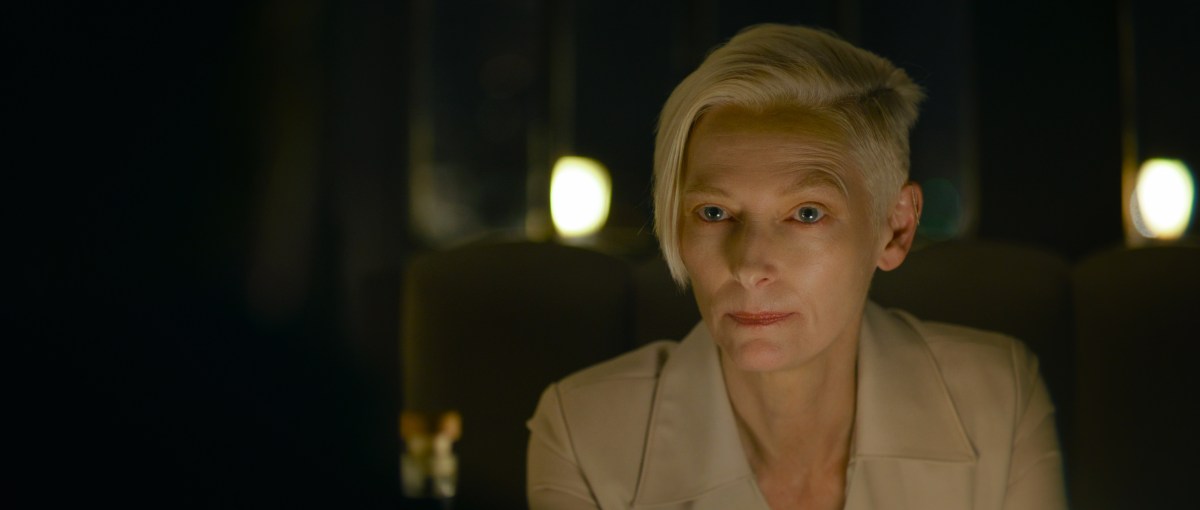
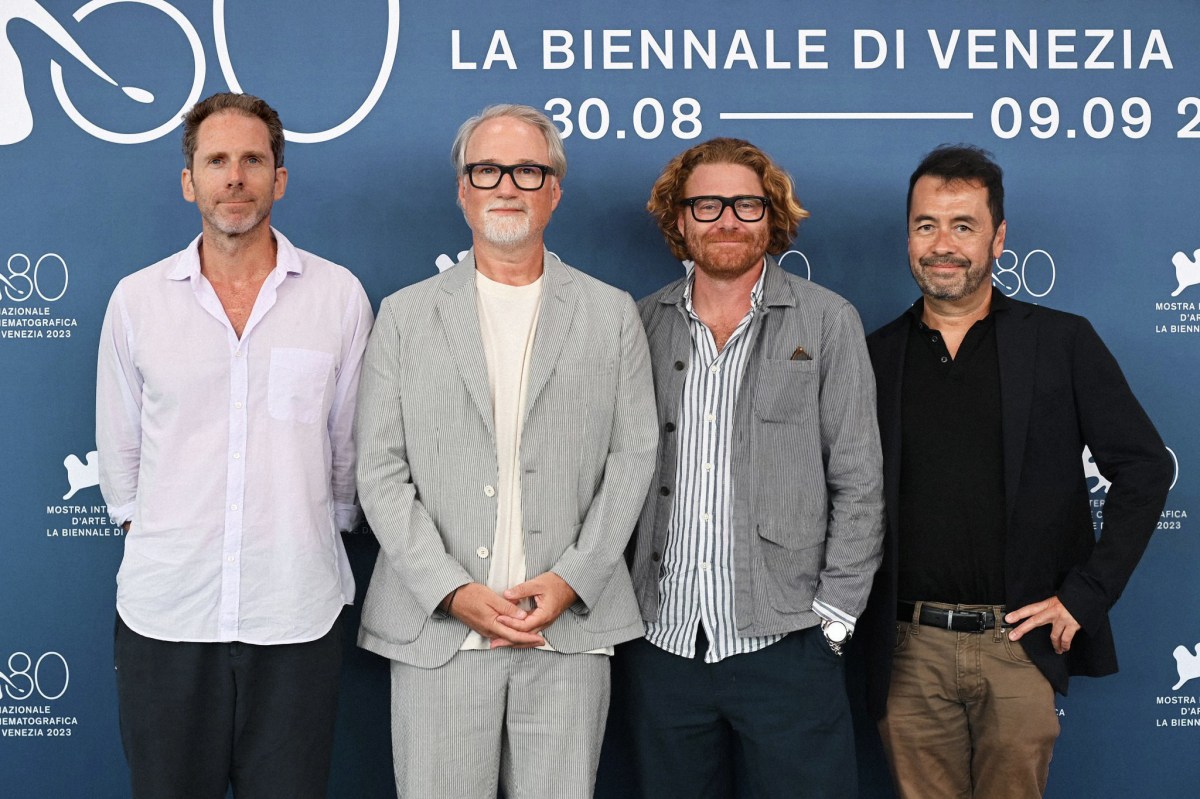
We have a bumper episode for you with not one, not two, but three Oscar-nominated or Oscar-winning filmmakers who work with David Fincher. We have Cinematographer Erik Messerschmidt, Editor Kirk Baxter, and Sound Designer Ren Kylce, who have all worked with Fincher multiple times. We talk about their latest collaboration, The Killer, which starring Michael Fassbender and Tilda Swinton.
Follow the podcast on Twitterand Instagram. Support it on Patreon and access bonus episodes, industry survival guides, and feedback on your film projects!
It starts with situating yourself within their perspective, as “The Killer” cinematographer Erik Messerschmidt says.
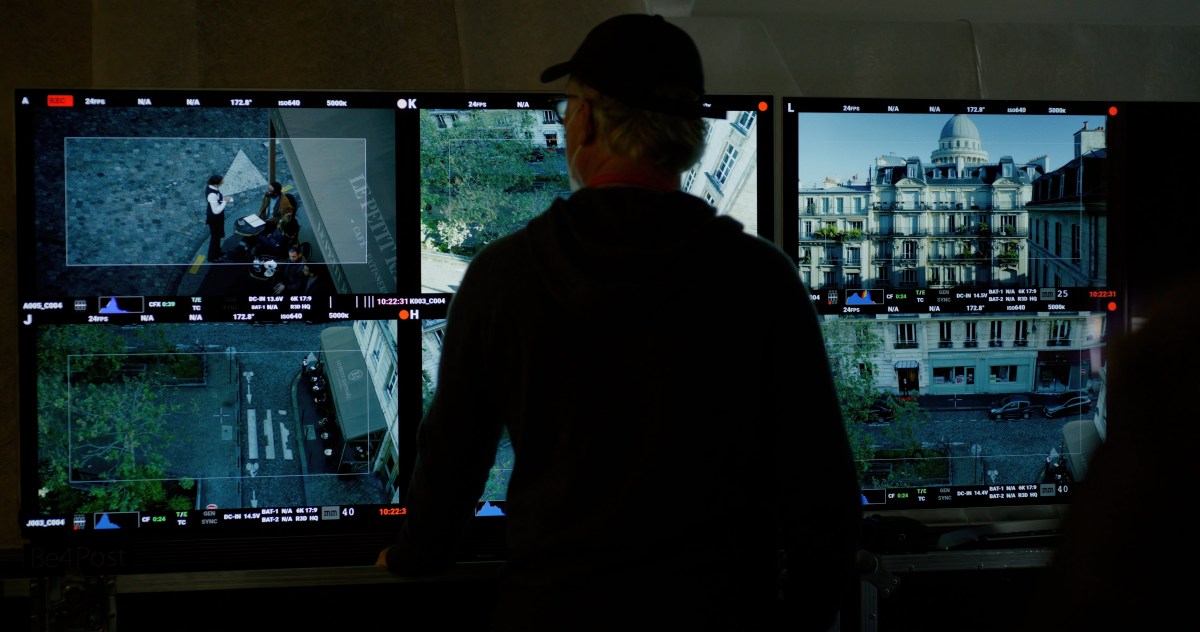
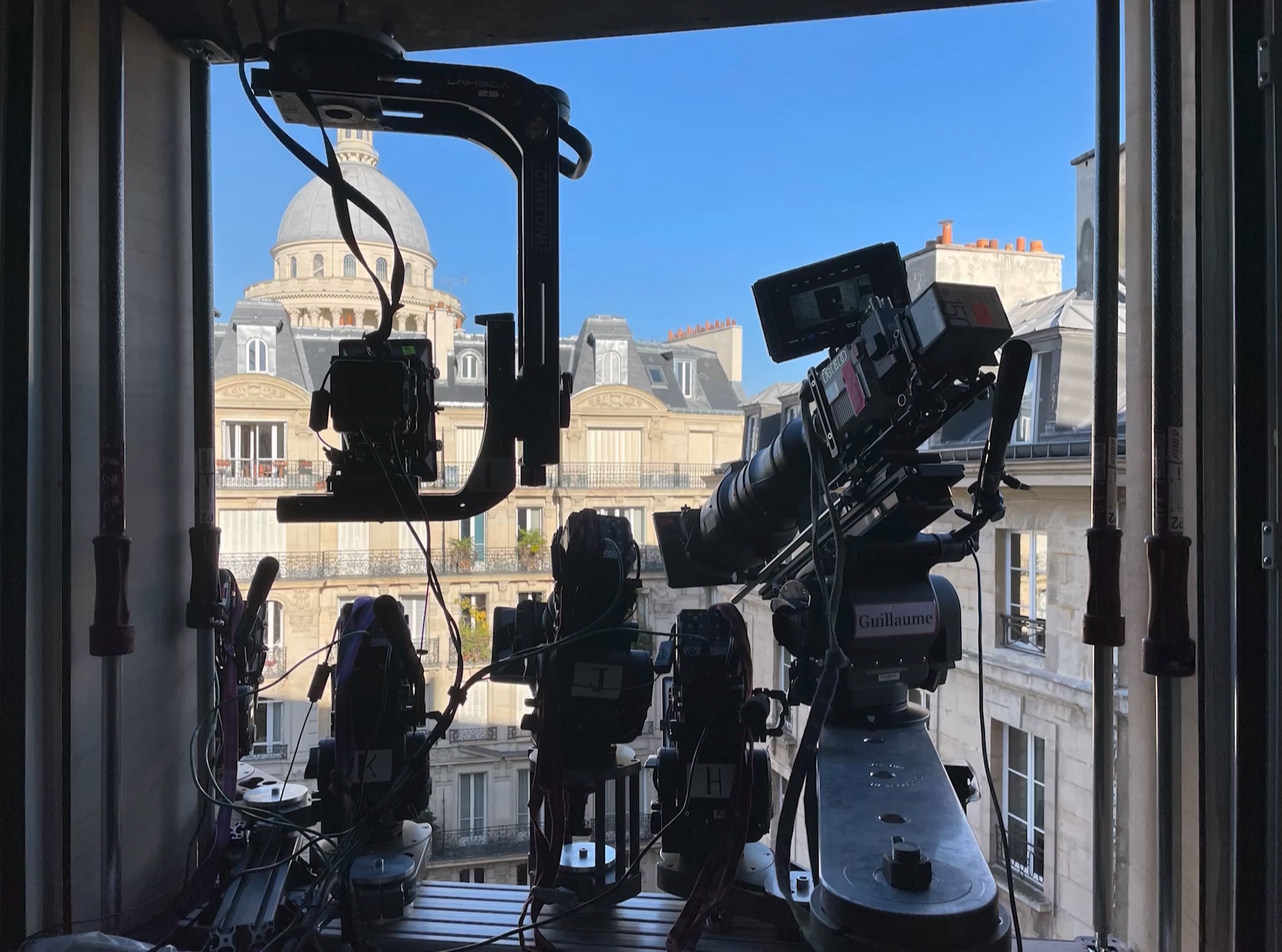
That perspective was firmly established in the film’s opening sequence where subjectivity was key. The Parisian opening scene features the titular character — the assassin known only as “The Killer” played by Michael Fassbender who readies himself to kill a target in the building across from him.
Messerschmidt who sat down with Variety expressed that his familiarity and previous work with “The Killer” director David Fincher shortened the process of bringing the script to life. For Messerschmidt and Fincher, the goal was to hone in on the core themes of the story, and then start delving into the details from here.
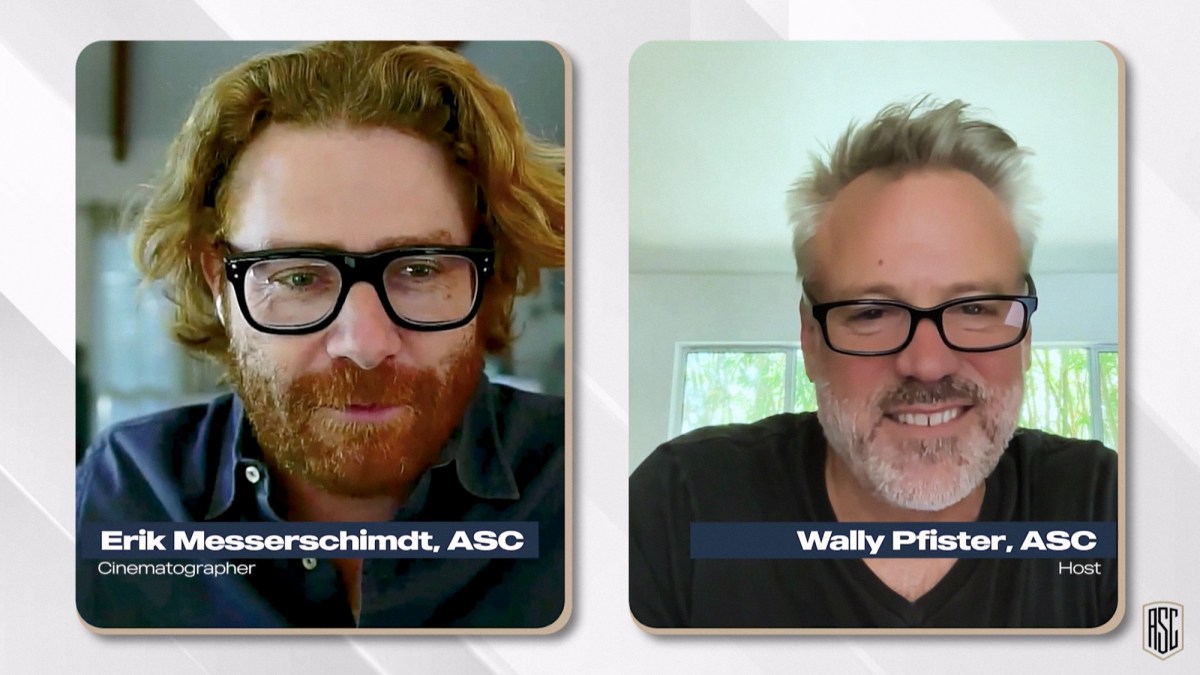
In this episode, cinematographer Erik Messerschmidt, ASC is joined by interviewer Wally Pfister, ASC to discuss his work on The Killer — the neo-noir thriller from director David Fincher that follows an assassin on the run after a botched hit job.
In The Killer, the titular antihero misses one of his intended targets for the first time in his career, and is forced to flee and survive the inevitable consequences. The film marks the second Fincher-directed feature shot by Messerschmidt, following the 2020 film Mank, for which he won an Academy Award for Best Cinematography.
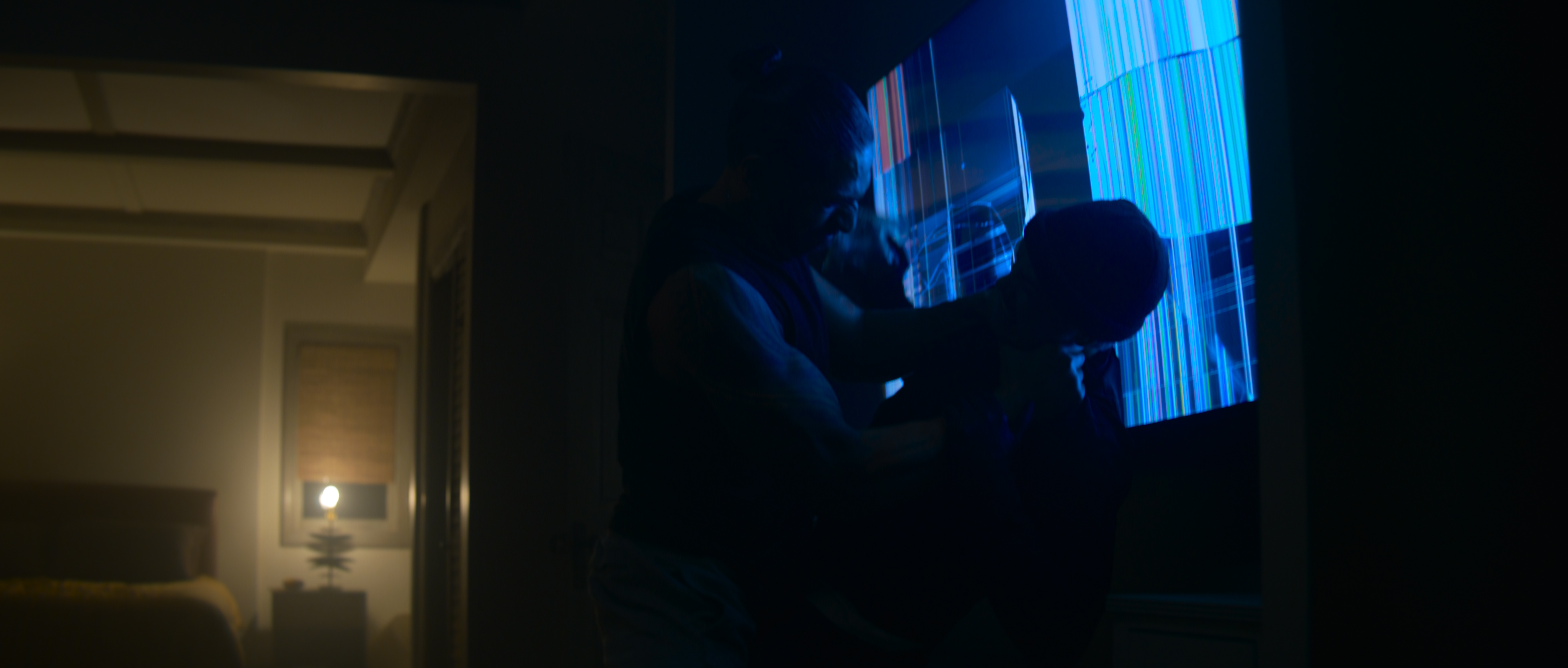
In this interview, Messerschmidt discusses the film’s Paris-inspired color palette; how he shot scenes “loosely” or “rigidly,” based on the main character’s degrees of control over varying situations; how he approached the lighting for a complex fight scene; how he incorporated planned postproduction decisions for lighting, flares and camera destabilization into his workflow; and what he learned about what an audience sees versus what it hears.
Erik Messerschmidt, ASC first emerged as a filmmaker when he was hired by Society member and mentor Mark Doering-Powell on several features as a grip and later gaffer. After Messerschmidt served as Society member Jeff Cronenweth‘s gaffer on the David Fincher-directed Gone Girl (2014), Cronenweth encouraged Fincher to hire Messerschmidt to photograph the Netflix series Mindhunter. Messerschmidt would reunite with Fincher for their 2020 feature Mank, which earned him an Academy Award for Best Cinematography.
Wally Pfister, ASC is a filmmaker whose cinematography credits include the Christopher Nolan features Batman Begins (2005), The Prestige (2006), The Dark Knight (2008) and Inception (2010). He was nominated for an Oscar for Best Cinematography for all of these works, winning one for Inception in 2011.
This month, The Film Board is taking on David Fincher’s latest, The Killer. Cinematographer Erik Messerschmidt sat down with Justin Jaeger and Tommy Metz III to talk about making the movie, how movies are made, and why David Fincher’s reputation in one important area is wildly overstated.
David Fincher’s lean, mean The Killer is a film stripped down to its bare essentials, much like the work of its titular assassin. Based on a French graphic novel and adapted by Andrew Kevin Walker (Se7en), Fincher’s adaptation tells the story of an unnamed killer (Michael Fassbender) and the strict, self-imposed protocols of his trade. It’s the rules of the process that concern the titular character, not moral dilemmas, yet they become unbearably intertwined after he botches an assignment, and the fallout affects someone he loves.
On the surface, The Killer is a revenge story. Once the job goes terribly wrong and his partner, Magdala (Sophie Charlotte), suffers violent consequences, Fassbender’s nameless assassin breaks his own rules to track down those responsible. The Killer is a world of shadows, sociopaths, and the people they prey on. For Fassbender’s antihero, feeling like the prey is a novel concept, and he’s determined to do anything to realign the world so he fits back in as a proper predator.
Once again, the director collaborates with cinematographer Erik Messerschmidt, who has been Fincher’s DP on Mindhunter and Mank. With The Killer, Messerschmidt helps Fincher place the viewer into the cramped, icy perspective of the titular character with a grace that belies the chaos he creates. We spoke to Messerschmidt about his working relationship with Fincher and what it was like to bring The Killer to life.
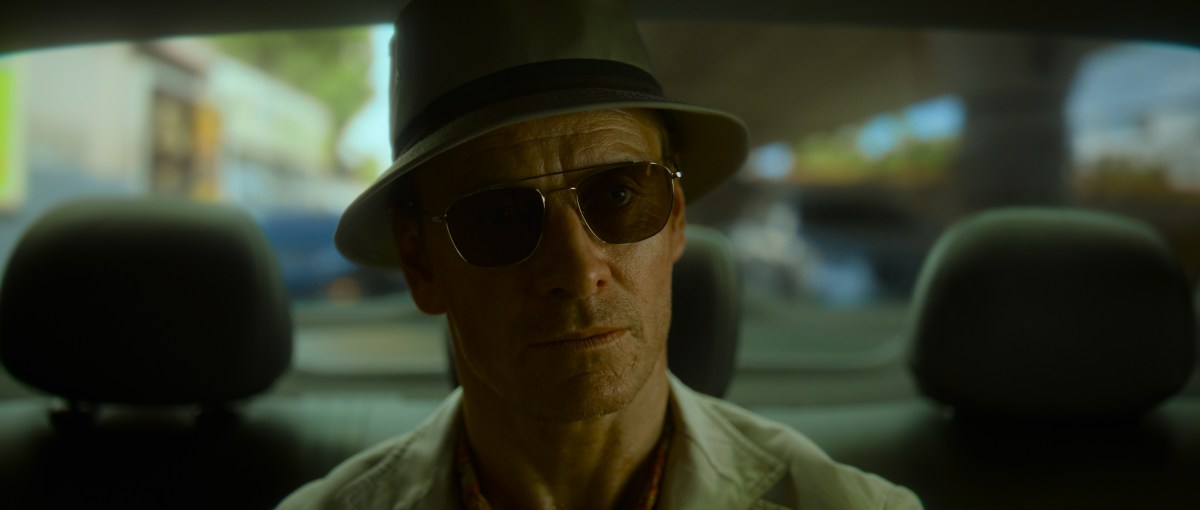
The coldest assassin is the kind you don’t see coming. In a lineup of globe-trotting sharpshooters from the movies, The Killer (Michael Fassbender) may be the most difficult to identify. On a crowded city street, he could be anyone—and that is by design. Costume designer Cate Adams developed the style for director David Fincher’s vision of a dangerous character you would hardly ever notice.
“Basically, he wears clothes that he can just find anywhere. Find in an airport, find in a convenience store. He doesn’t want to have to think about it,” she noted. “[Fincher] wanted a bucket hat instead of an umbrella to be water resistant for any kind of weather he was going to be in. He wanted a ‘lazy people notion.’ So, zippers or velcros or something pullover. Dad chinos. Anything he could have bought from an airport.”
That mindset even extends to modern conveniences. Sometimes, the easiest way to shop today is with online delivery, and The Killer could plausibly wear pieces he purchased with the click of a button.
“One of the shirts he wears is a printed, short-sleeved Aloha shirt that was actually from Amazon. So, there are some pieces from Amazon,” Adams revealed. “It’s just very basic. Whatever he could find easily. He doesn’t take a lot of time to think about his clothes, which I really liked. He’s not in suits like James Bond. He just kind of looks weird, and you’re not really sure what he’s doing there. He just kind of looks normal and blends in.”
David Fincher’s new film The Killer stars Michael Fassbender as a ruthless hitman with a penchant for process, a drive for revenge and a high threshold for boredom. It’s a stylish movie, as you’d expect from the director of such gloomy noirs as Fight Club (1999), Zodiac (2007) and The Girl With The Dragon Tattoo (2011).
Illustrations by Richard Merritt (Click to view in full resolution)
Except maybe when it comes to The Killer’s own wardrobe. As we see our protagonist move from Paris, to the Dominican Republic to New Orleans to Florida and finally New York, his wardrobe is an oddball mix of Hawaiian shirts, sensible slacks, anoraks and bucket hats.
Less John Wick more dad-at-Wickes. That, apparently, was the point.
To tell us more, Cate Adams, costume designer on The Killer, who previously worked with Fincher on the 2017 Netflix series Mindhunter, shared her mood board and inspirations. And helpfully provided actual sources for anyone wanting to ‘Get The Look’ – including Fassbender’s bucket hat, glasses, shirts and casual sneakers. Enjoy!
[Editor’s note: The following interview contains spoilers.]
David Fincher’s “The Killer” is his most experimental film since “Fight Club”: a subjective, cinematic tour de force in which we get inside the mind of Michael Fassbender’s titular assassin after he experiences his first misfire in Paris. Fully exposed for the first time, the hunter becomes the hunted and he’s forced to cover his tracks while stepping outside of his comfort zone. In the process, the film becomes a noirish existential journey from nihilism to faith, which is what first attracted Fincher to adapting Alex Nolent’s graphic novel.
For go-to editor Kirk Baxter (the Oscar-winning “The Girl with the Dragon Tattoo” and “The Social Network”), it was one of the hardest Fincher films to cut. It’s divided into six chapters, each with its own look, rhythm, and pace tied to Fassbender’s level of control and uncertainty, and the editorial process necessitated the creation of a visual and aural language to convey subjective and objective points of view for tracking Fassbender. In fact, it’s reminiscent of what Hitchcock called “pure cinema,” only much bolder.
“It was like a ’70s film and I found it to be one of the more challenging movies to make because it’s not sort of juggling a bunch of different character lines or going back and forth from past to present and that sort of thing,” Baxter told IndieWire. “It’s just a straight line, but the exposure of that with nowhere to hide, like you can’t kind of jazz hands your way out of something. It’s like everything is just under the spotlight and you’re not having dialogue and interaction to kind of dictate your pace. It’s a series of shots and everything has to be manhandled and manipulated in order to give it propulsion, or how you slow it down. But just by its very nature, it had to be sort of let’s go [and see how much Fassbender has to break his own rules to survive].”