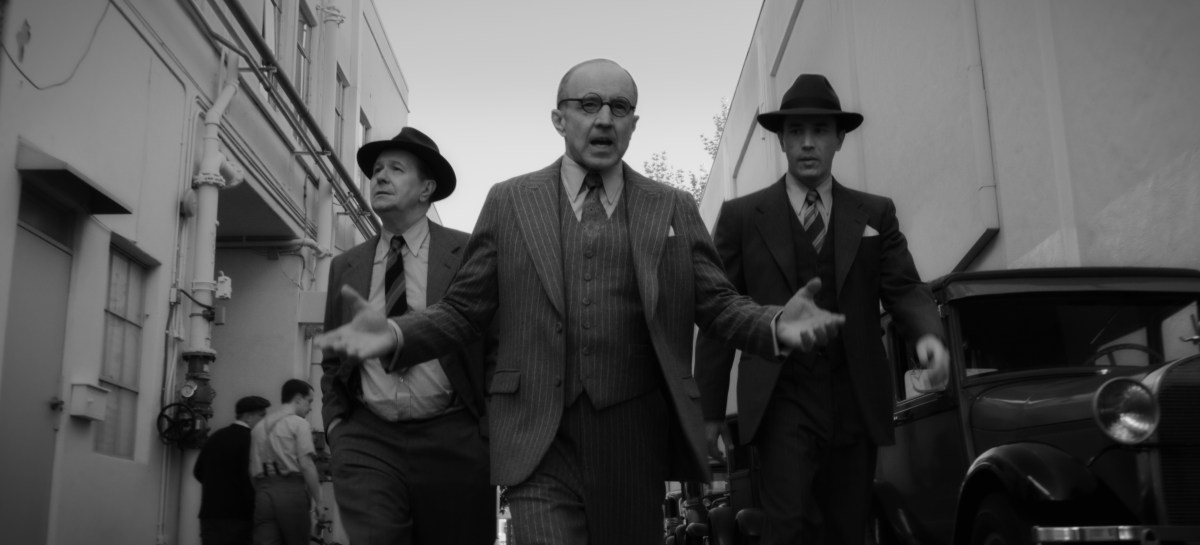
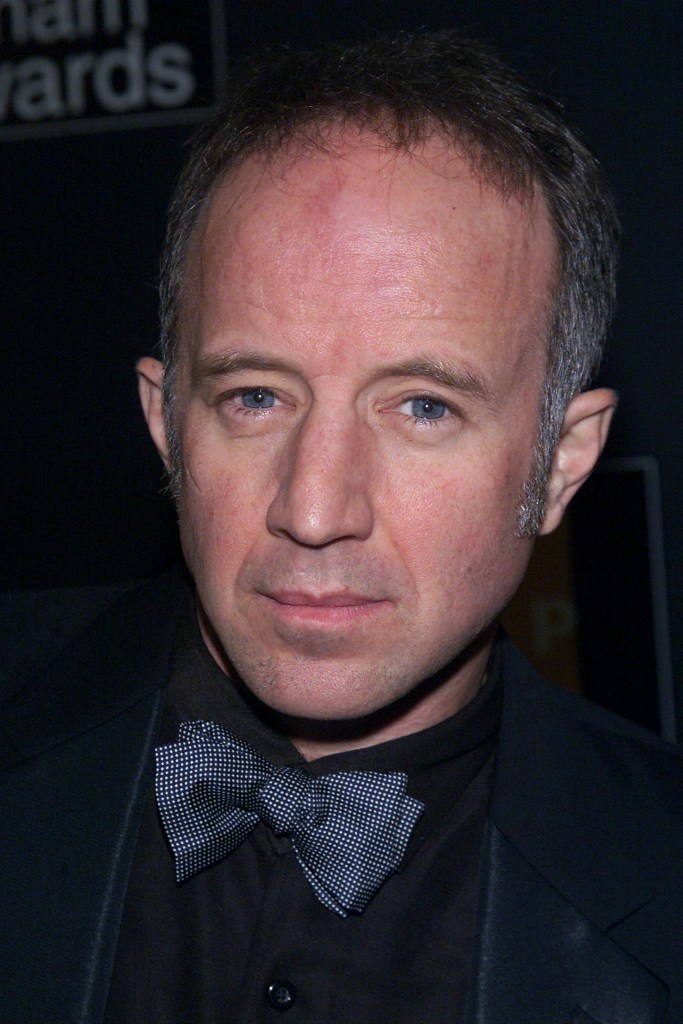
Don’t miss this exclusive and compelling conversation with actor, writer, and director Arliss Howard (Full Metal Jacket, Natural Born Killers, The Lost World: Jurassic Park, Amistad, Moneyball, Manhunt)
A journey into his process, his brilliant performance as MGM’s Louis B Mayer in David Fincher’s new epic feature ‘Mank’, working with Fincher, Kubrick, Spielberg and Stone and so much more!
‘Mank’ premieres theatrically in some territories on Nov 13th. On Netflix Dec 4.
There are few directors as infamously meticulous as David Fincher. Amanda Seyfried – who appears in Fincher’s upcoming movie Mank, about the writing of Citizen Kane – previously revealed that one scenetook around 200 takes to capture properly. For the latest issue of the magazine, Total Film asked the team behind Mank about working with Fincher, with the director himself being the first to admit that he can be quite demanding.
“It was exhausting in the beginning, I think, for him,” Fincher says of leading actor Gary Oldman. “Because I’m fairly didactic about, ‘These are the things that the scene needs to accomplish for me, and we will continue to play, to look for ways to underline these ideas that are as subtle as we can make them.’
David Fincher’s Mankwas a long time coming. The director has been drumming up interest in the story of Herman J. Mankiewicz, the screenwriter behind Citizen Kane, since 1997 – as soon as his writer father Jack Fincher (a journalist and author) had finished the script.
“Unless you’re making a tentpole movie that has a Happy Meal component to it, no one’s interested,” Fincher tells Total Film for the latest issue of the magazine, headlined by Mank. However, after many years fighting for Mank to get made, the perfect opportunity presented itself when Netflix asked what Fincher would like to make next (the filmmaker had worked with the streamer on House Of Cards, Love, Death & Robots, and Mindhunter).
On paper, David Fincher’s Mank is a movie about the making of Orson Welles’ 1941 classic, Citizen Kane. But, in reality, it’s much more than that – as our five-star review indicates.
It tells the story of Herman J. Mankiewicz: the ‘Mank’ of the title. A self-sabotaging screenwriter, he’s a genius wit and knows the industry inside out, but his heavy drinking and reckless gambling scupper his chances to get ahead. An opportunity comes calling when Welles offers him the opportunity to collaborate on a screenplay with the working title, American…
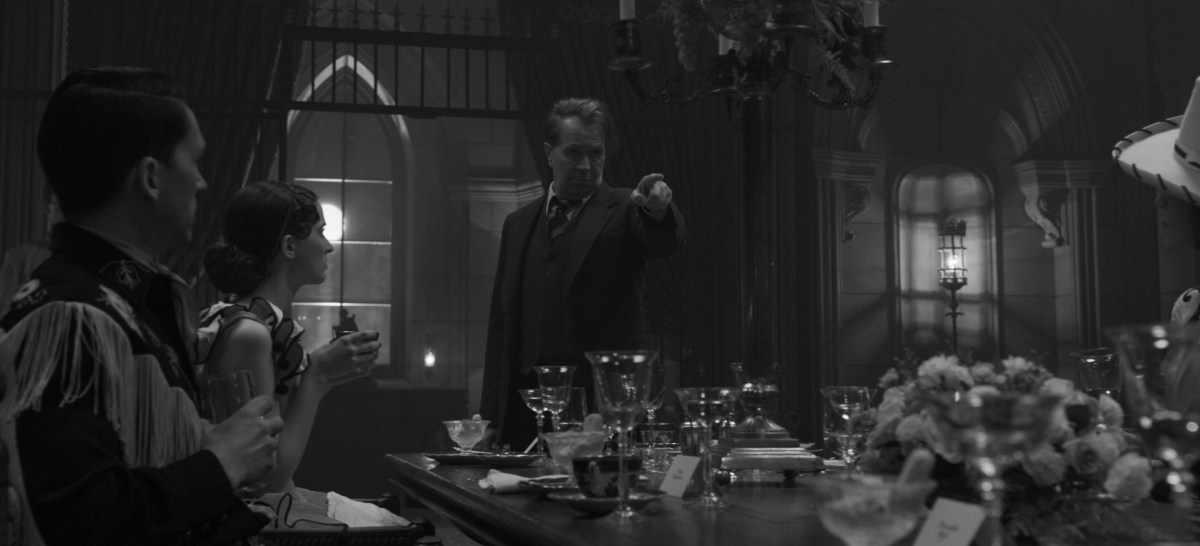
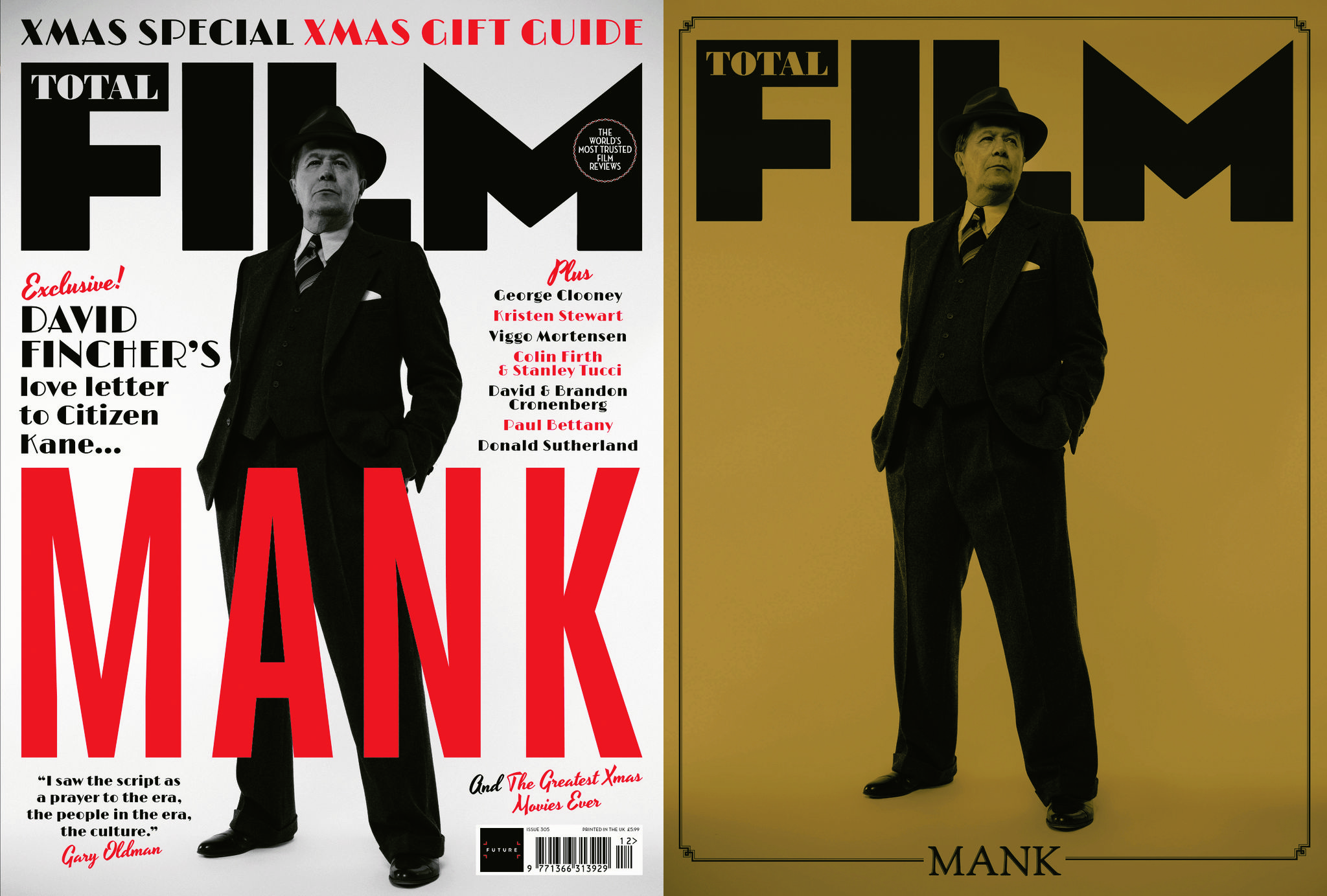
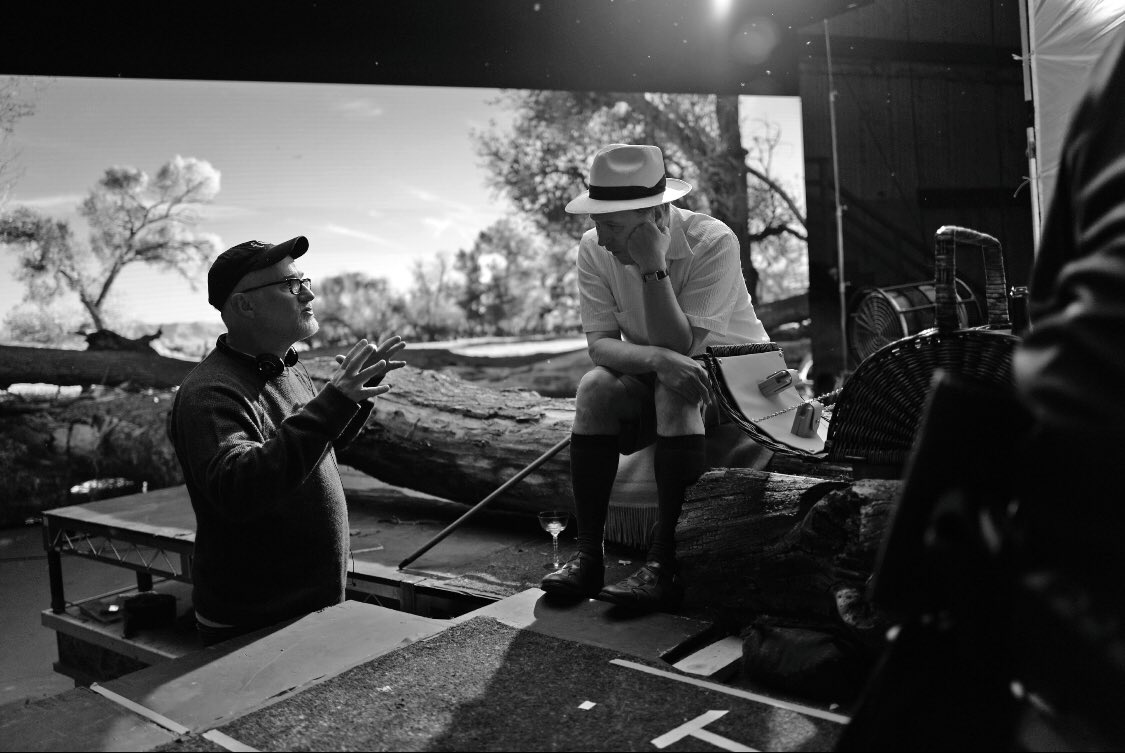
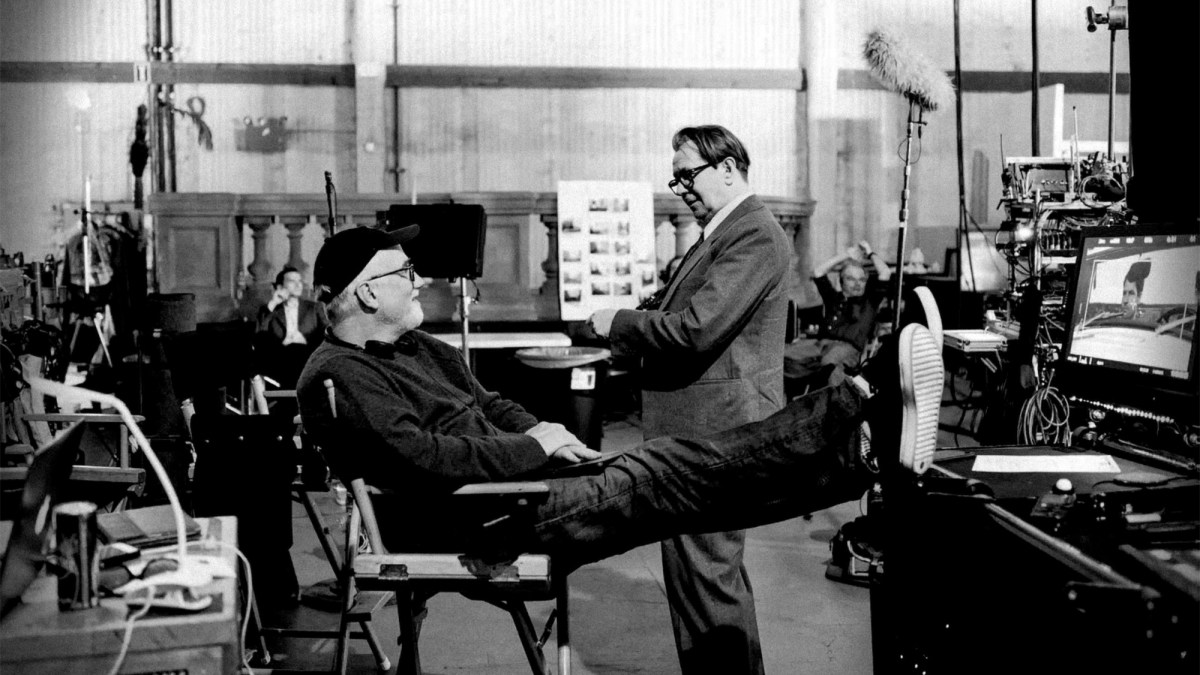
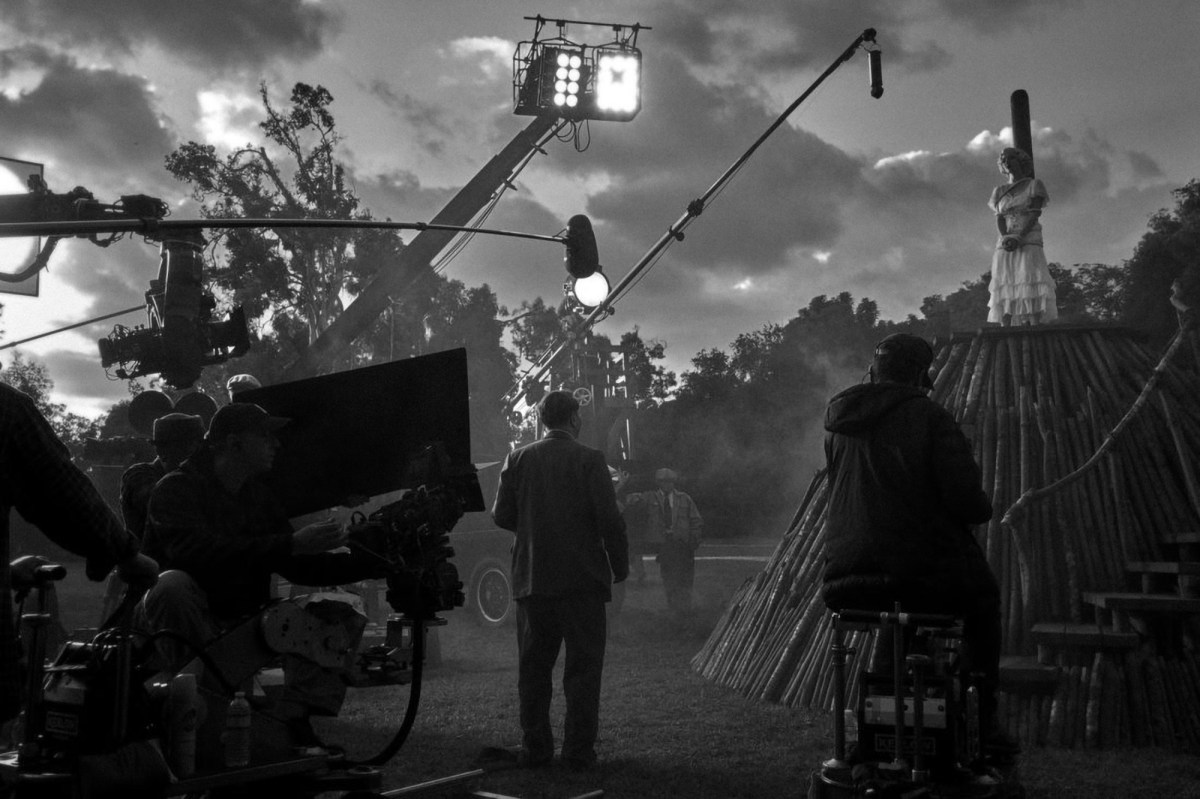
The movie – which is a 30-years-in-the-making passion project for Fight Club and The Social Network director Fincher – stars Oscar-winner Gary Oldman as Mank. You can take an exclusive look at Oldman in the film below, courtesy of our sister publication Total Film magazine. Plus, a new look at Oldman behind the scenes shooting an old-school driving scene, and hanging about between takes with Fincher.
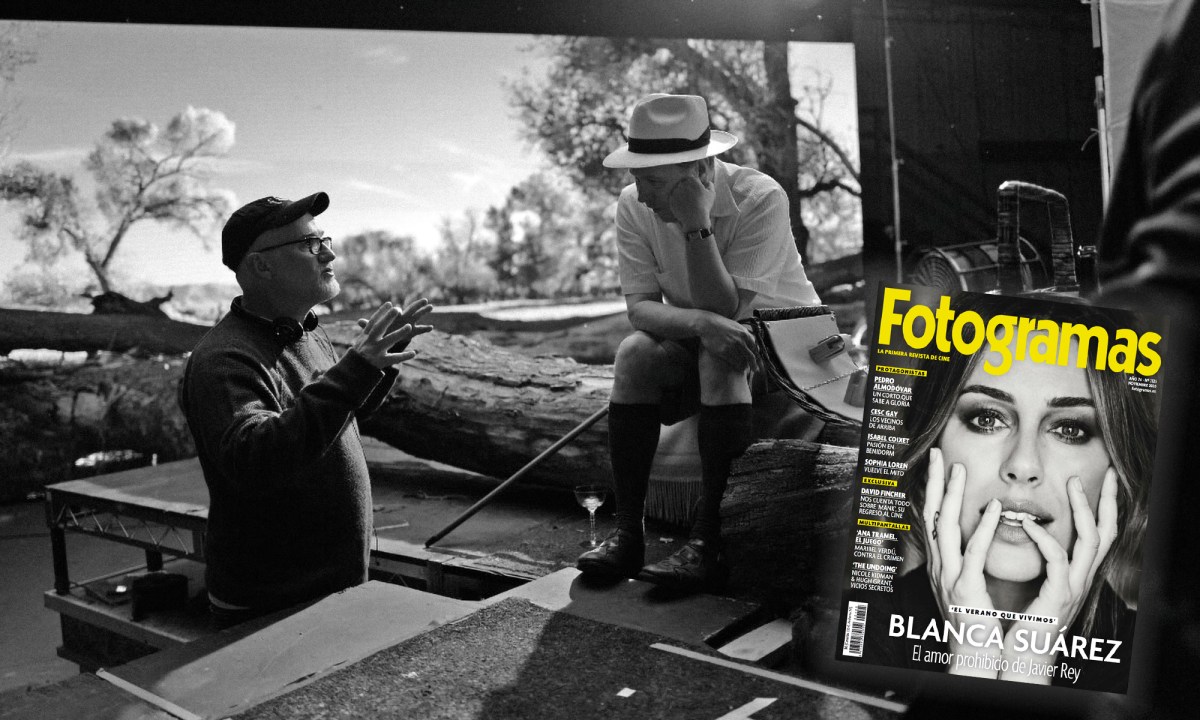
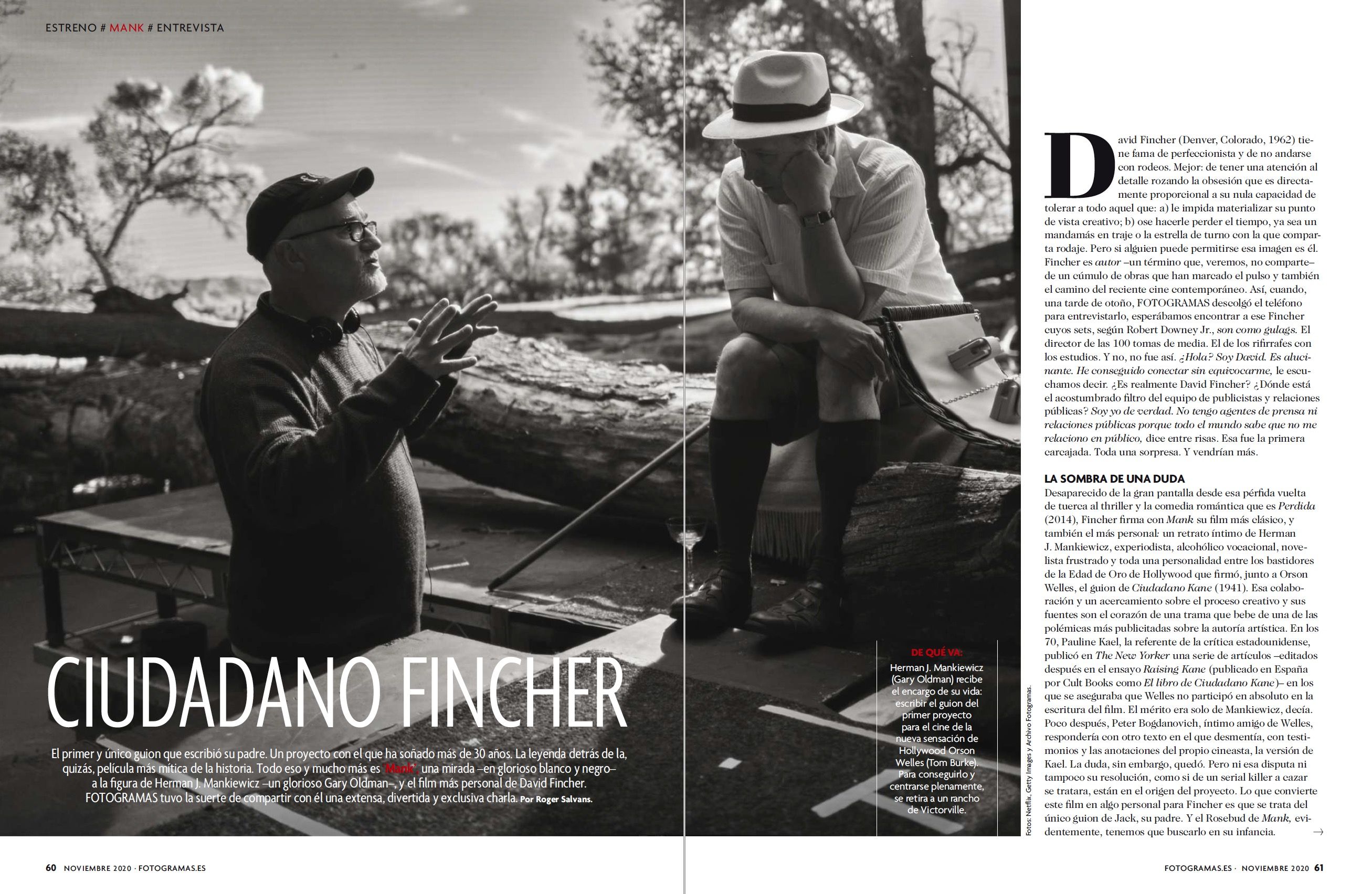
El primer y único guion que escribió su padre. Un proyecto con el que ha soñado más de 30 años. La leyenda detrás de la, quizás, película más mítica de la historia. Todo eso y mucho más es ‘Mank’, una mirada –en glorioso blanco y negro–a la figura de Herman J. Mankiewicz –un glorioso Gary Oldman–, y el film más personal de David Fincher. FOTOGRAMAS tuvo la suerte de compartir con él una extensa, divertida y exclusiva charla.
David Fincher (Denver, Colorado, 1962) tiene fama de perfeccionista y de no andarse con rodeos. Mejor: de tener una atención al detalle rozando la obsesión que es directamente proporcional a su nula capacidad de tolerar a todo aquel que: a) le impida materializar su punto de vista creativo; b) ose hacerle perder el tiempo, ya sea un mandamás en traje o la estrella de turno con la que comparta rodaje. Pero si alguien puede permitirse esa imagen es él. Fincher es autor –un término que, veremos, no comparte–de un cúmulo de obras que han marcado el pulso y también el camino del reciente cine contemporáneo. Así, cuando, una tarde de otoño, FOTOGRAMAS descolgó el teléfono para entrevistarlo, esperábamos encontrar a ese Fincher cuyos sets, según Robert Downey Jr., son como gulags. El director de las 100 tomas de media. El de los rifirrafes con los estudios. Y no, no fue así. ¿Hola? Soy David. Es alucinante.He conseguido conectar sin equivocarme, le escuchamos decir. ¿Es realmente David Fincher? ¿Dónde está el acostumbrado filtro del equipo de publicistas y relaciones públicas? Soy yo de verdad. No tengo agentes de prensa nirelaciones públicas porque todo el mundo sabe que no merelaciono en público, dice entre risas. Esa fue la primera carcajada. Toda una sorpresa. Y vendrían más.
La sombra de una duda
Desaparecido de la gran pantalla desde esa pérfida vuelta de tuerca al thriller y la comedia romántica que es Perdida (2014), Fincher firma con Mank su film más clásico, y también el más personal: un retrato íntimo de Herman J. Mankiewicz, experiodista, alcohólico vocacional, novelista frustrado y toda una personalidad entre los bastidores de la Edad de Oro de Hollywood que firmó, junto a Orson Welles, el guion de Ciudadano Kane (1941). Esa colaboración y un acercamiento sobre el proceso creativo y sus fuentes son el corazón de una trama que bebe de una de las polémicas más publicitadas sobre la autoría artística. En los 70, Pauline Kael, la referente de la crítica estadounidense, publicó en The New Yorker una serie de artículos –editados después en el ensayo Raising Kane (publicado en España por Cult Books como El libro de Ciudadano Kane)– en los que se aseguraba que Welles no participó en absoluto en la escritura del film. El mérito era solo de Mankiewicz, decía. Poco después, Peter Bogdanovich, íntimo amigo de Welles, respondería con otro texto en el que desmentía, con testimonios y las anotaciones del propio cineasta, la versión de Kael. La duda, sin embargo, quedó. Pero ni esa disputa ni tampoco su resolución, como si de un serial killer a cazar se tratara, están en el origen del proyecto. Lo que convierte este film en algo personal para Fincher es que se trata del único guion de Jack, su padre. Y el Rosebud de Mank, evidentemente, tenemos que buscarlo en su infancia.
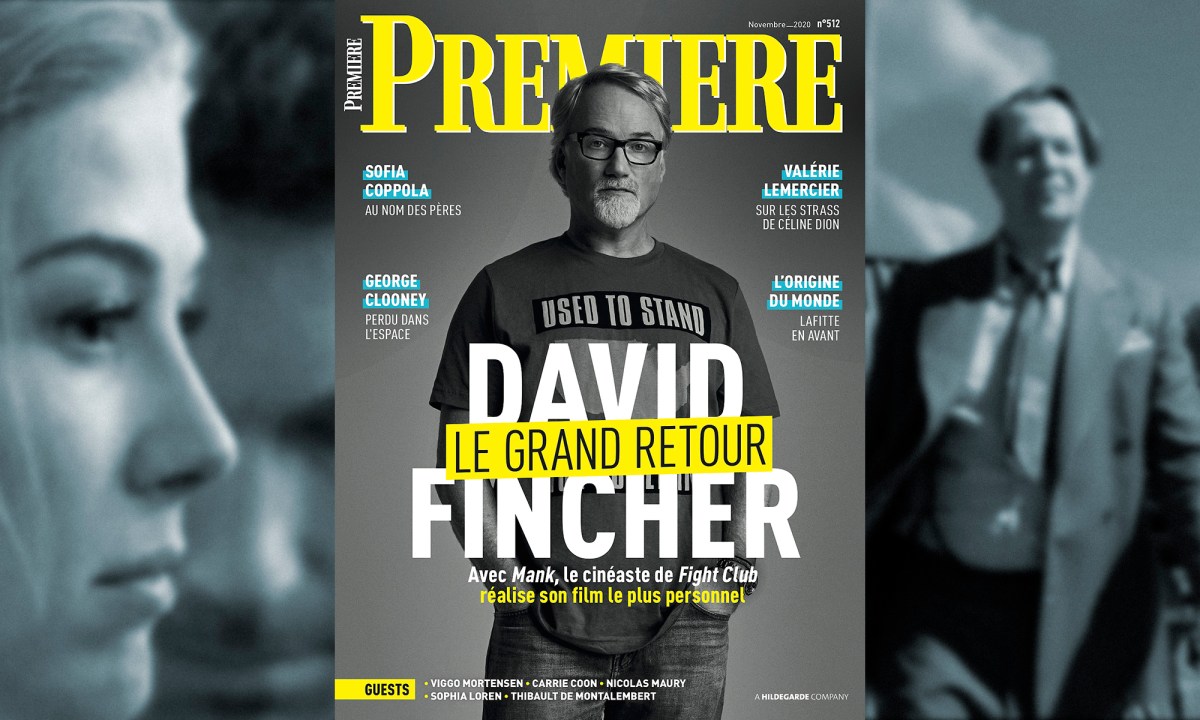
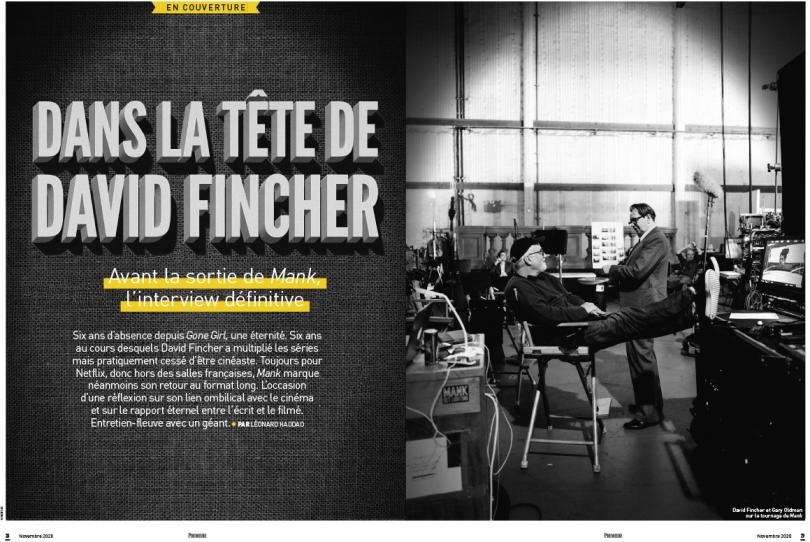
Mank, le prochain film de David Fincher sortira le 4 décembre sur Netflix. Au cours d’un long entretien, le réalisateur détaille dans le nouveau numéro de Première (n°512 – novembre 2020) la création de ce film en noir et blanc qui plonge les spectateurs dans le Hollywood des années 1930, plus précisément au coeur de la fabrication de Citizen Kane, le premier film d’Orson Welles réalisé à partir d’un scénario de Herman J. Mankiewicz.
Gone Girl, le dernier film de David Fincher, était sorti en France le 8 octobre 2014. Six ans se sont donc écoulés depuis cette adaptation du thriller de Gillian Flynn avec Rosamund Pike et Ben Affleck. Soit la plus longue pause de la carrière de David Fincher, un an de plus que la période déjà interminable qui avait séparé Panic Room (2002) de Zodiac (2007). Le cinéaste n’a pas bullé pour autant, travaillant sur une série sur les serial killers pour Netflix, Mindhunter, et produisant, toujours pour la plateforme, l’anthologie animée de Tim Miller, Love, Death + Robots. Il voulait aussi tourner la suite de World War Z avec Brad Pitt, son acteur de Seven (1995), Fight Club (1999) et L’Etrange histoire de Benjamin Button (2008), mais ce projet a fini par tomber à l’eau. Dans Première, le réalisateur détaille pourquoi son retour à la mise en scène d’un long métrage a mis autant de temps.
Extrait:
Première : Gone Girl date de 2014, ça commençait à faire long, non ?
David Fincher : J’ai fait les deux saisons de Mindhunter et… Au départ, je devais juste aider à mettre la série sur des rails, il n’était pas prévu que je sois showrunner. Et puis, par défaut, je le suis devenu, avec deux autres personnes. Et disons qu’il est possible que ce ne soit pas mon point fort, finalement. Je dois être trop obsessionnel et tatillon pour tenir ce rôle
Au final, ça fait quand même très peu de films signés David Fincher…
Que voulez-vous, je suis lent. Quand j’ai le sentiment qu’un truc est prêt à être tourné, ça peut aller très vite. The Social Network, tout était en place, on n’avait plus qu’à choisir les acteurs. Mais ces situations-là sont rares, les cas où tu lis un script et où tu dis : « OK, les gars, écartez-vous, on s’y met. » Vers 2007-2008 puis 2010-2011, j’ai enchaîné relativement vite, en tout cas selon mes standards habituels : Zodiac et Benjamin Button puis The Social Network et Millénium. Mais je ne suis pas certain que cela ait été une si bonne chose que ça au final. En tout cas, j’avais besoin de recharger mes batteries. Maintenant, si j’ai signé ce deal Netflix, c’est aussi parce que j’aimerais travailler comme Picasso peignait, essayer des choses très différentes, tenter de briser la forme ou de changer de mode de fonctionnement. J’aime l’idée d’avoir une « œuvre ». Eh oui, j’admets que ça me fait bizarre, après quarante ans dans ce métier, de n’avoir que dix films à mon actif. Enfin onze, mais dix dont je peux dire qu’ils sont à moi. Oui, objectivement, c’est un constat assez terrifiant
It is arguably the most famous word ever spoken on film: Rosebud. And it comes from what many consider the greatest movie ever made. “Citizen Kane,” Orson Welles‘ 1941 masterpiece on the rise and fall of Charles Foster Kane, a ruthless capitalist mostly based on newspaper tycoon William Randolph Hearst.
With its deep focus camerawork and bold lighting techniques that use shadows to direct the audience’s attention, “Citizen Kane” is a cinematic landmark.
So it’s only fitting that the story behind it is equally compelling.
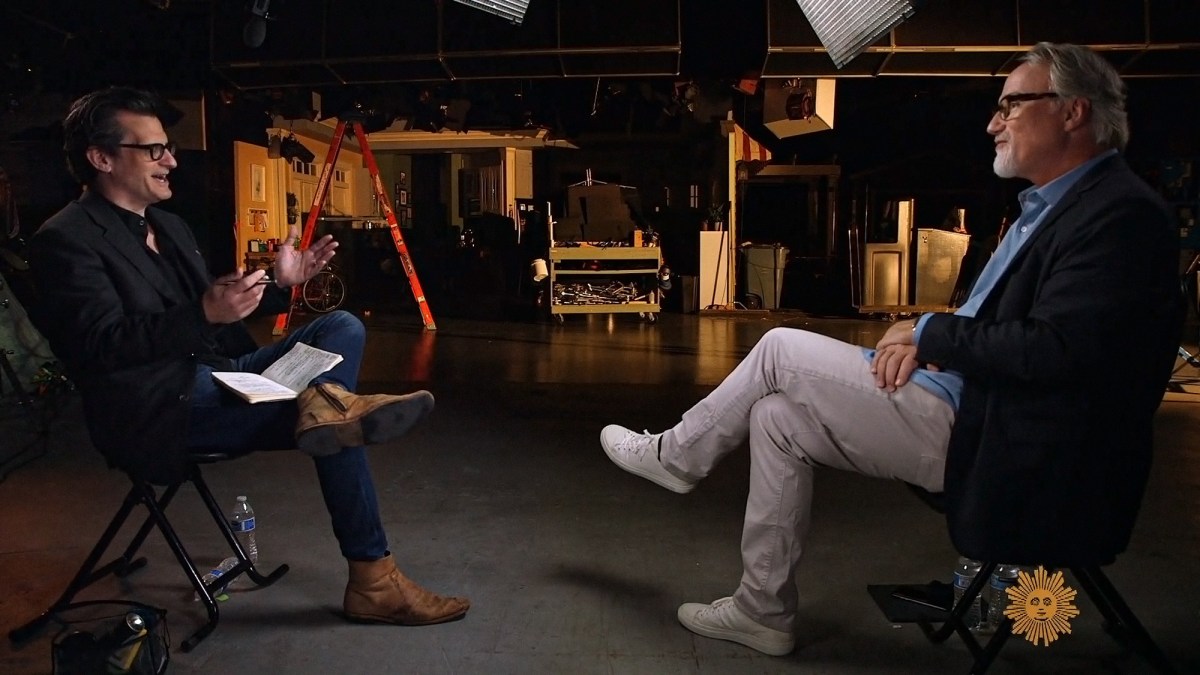
And that’s the story director David Fincher tells in his new Netflix film. I spoke to Fincher on Stage 19 at Paramount Studios, where Welles made Citizen Kane 80 years ago.
“When you look at a movie that is cohesive, as ‘Kane’ was, from the authorship standpoint, it fires on all cylinders,” Fincher told me.
Fincher’s film is called “Mank.” Oscar winner Gary Oldman stars as Herman Mankiewicz, who Welles hired to write the screenplay for “Kane.”
Full disclosure, Herman Mankiewicz was my grandfather.
This month marks the ten year anniversary of The Social Network, the David Fincher film which made a captivating thriller out of the founding years of Facebook. The movie met an incredible amount of acclaim over the years, much thanks to the stellar team of talent on board, including Oscar-nominated cinematographer Jeff Cronenweth, who is no stranger to Fincher’s style.
“David comes really from the Hitchcock school in that he really does all the prep ahead of time. So you try to eliminate any of those kinds of surprises and the curve balls before they actually arrive,” said Cronenweth. “But there’s so much room to create, improv, and find your voice within that kind of structure.”
Cronenweth and Fincher have now collaborated across a wide collection of award-winning films including Fight Club, Gone Girl, and The Girl with The Dragon Tattoo. The duo has found a magical dynamic between their methods to deliver some of the most engaging and thrilling stories of modern cinema. And, according to Cronenweth, a key part of that collaboration is the understanding that not everything can be perfect on the first try.
“If you’re responsible for creating a movie that’s gonna last a long time and change the visuals and approaches in a lot of people’s minds, then you’re gonna not win every single time,” said Cronenweth. “Sometimes you’re gonna step a little too far and then you have to go back and reanalyze and do it again. That’s how you make art.”
I recently got to speak further with Jeff Cronenweth about working with David Fincher, dealing with unexpected challenges, and shooting for a film where dialogue, not visuals, drives the story. Below is a summary of our conversation.
David Fincher’s 11th feature film, Mank, is a passion project like no other on the director’s résumé — a drama, shot in black-and-white, about the formative years of Hollywood’s sound era, the agony and the ecstasy of what he calls “enforced collaboration” between directors and writers, and the political ruthlessness of Golden Age studios, told through the journey of an unlikely hero — Herman J. Mankiewicz (played by Gary Oldman), the newspaperman turned screenwriter who co-wrote (or wrote, depending on your POV) the screenplay for Orson Welles’s Citizen Kane. Every frame of the movie, which opens in select theaters November 13 and will hit Netflix on December 4, brims with the director’s loving but unsentimental view of film history and of filmmaking — and also carries an unexpected wallop of political resonance with media manipulation and the creation of “fake news” disinformation that couldn’t possibly have been anticipated 30 years ago, when his late father, Jack, first wrote the script. Mank is an unusually personal film for Fincher, not only because it memorializes his work with his father (who died in 2003), but because, in a way, it continues a passionate conversation about movies that began between the two of them when Fincher was a young boy. Its history also spans Fincher’s entire feature career — the original draft was written just before he went off to direct his first film. In two interviews over a long weekend, the director talked about bringing it to the screen.
“A place to unload all my cinematic truths.” —Newton Thomas Sigel, ASC
How do you cultivate a career in Hollywood? What does it take to make iconic work? There’s an art to everything in life and the Art of the Shot explores the answers to those questions and more through deep-dives into the minds of master filmmakers. Join host Derek Stettler, young filmmaker and writer for the ASC and SOC magazines since 2016, as he learns from the artists behind today’s most strikingly-shot projects. Enjoy compelling conversations on the craft, insights from successful careers, tips, techniques + more!
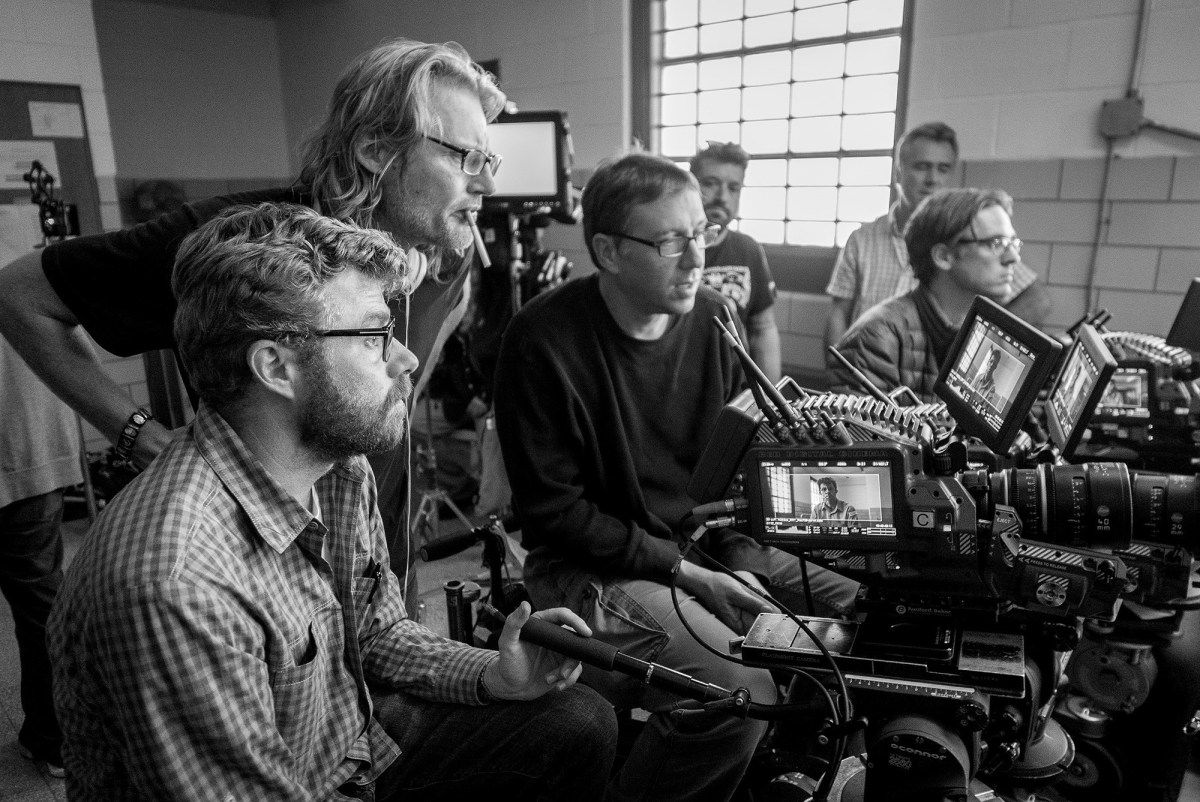
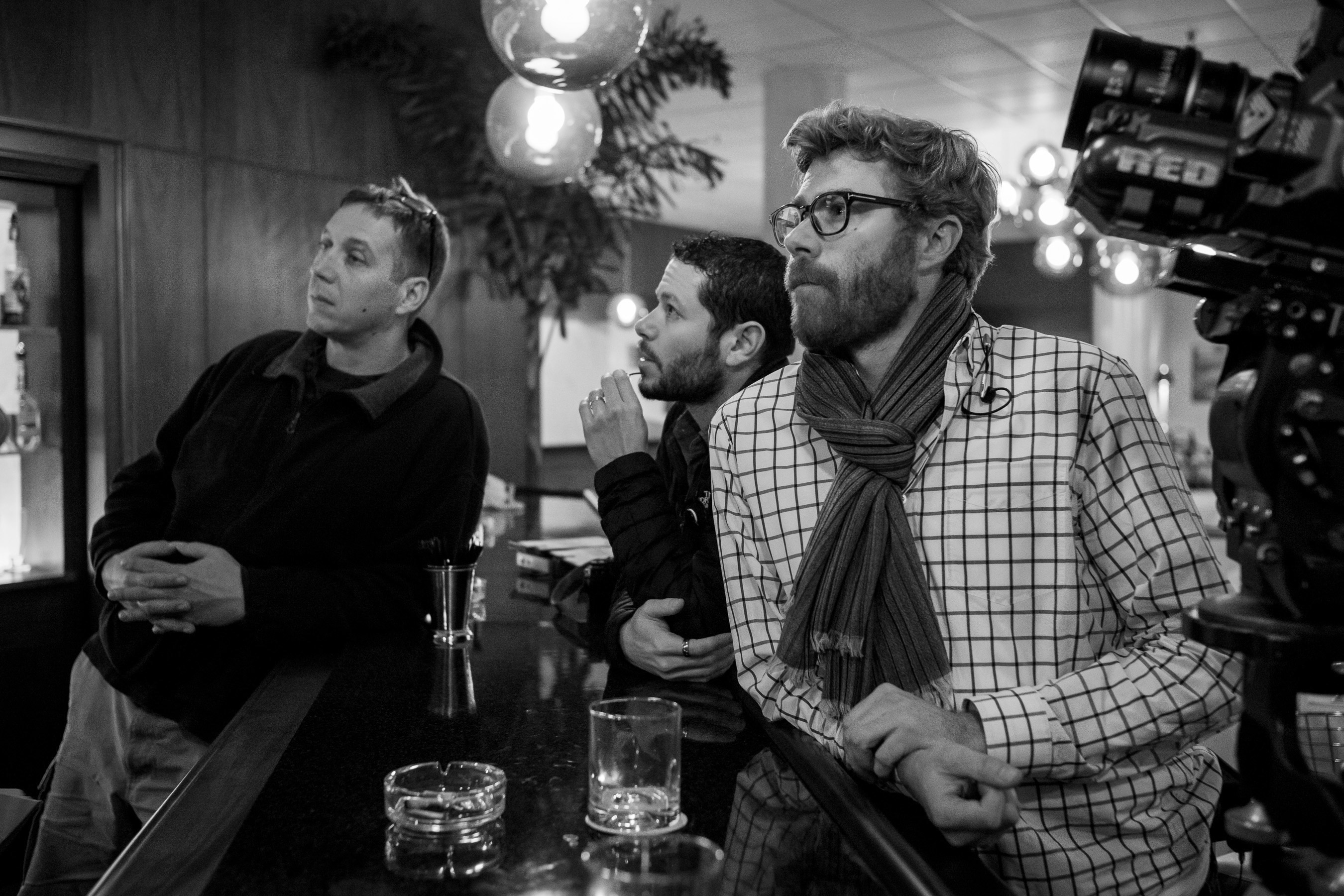
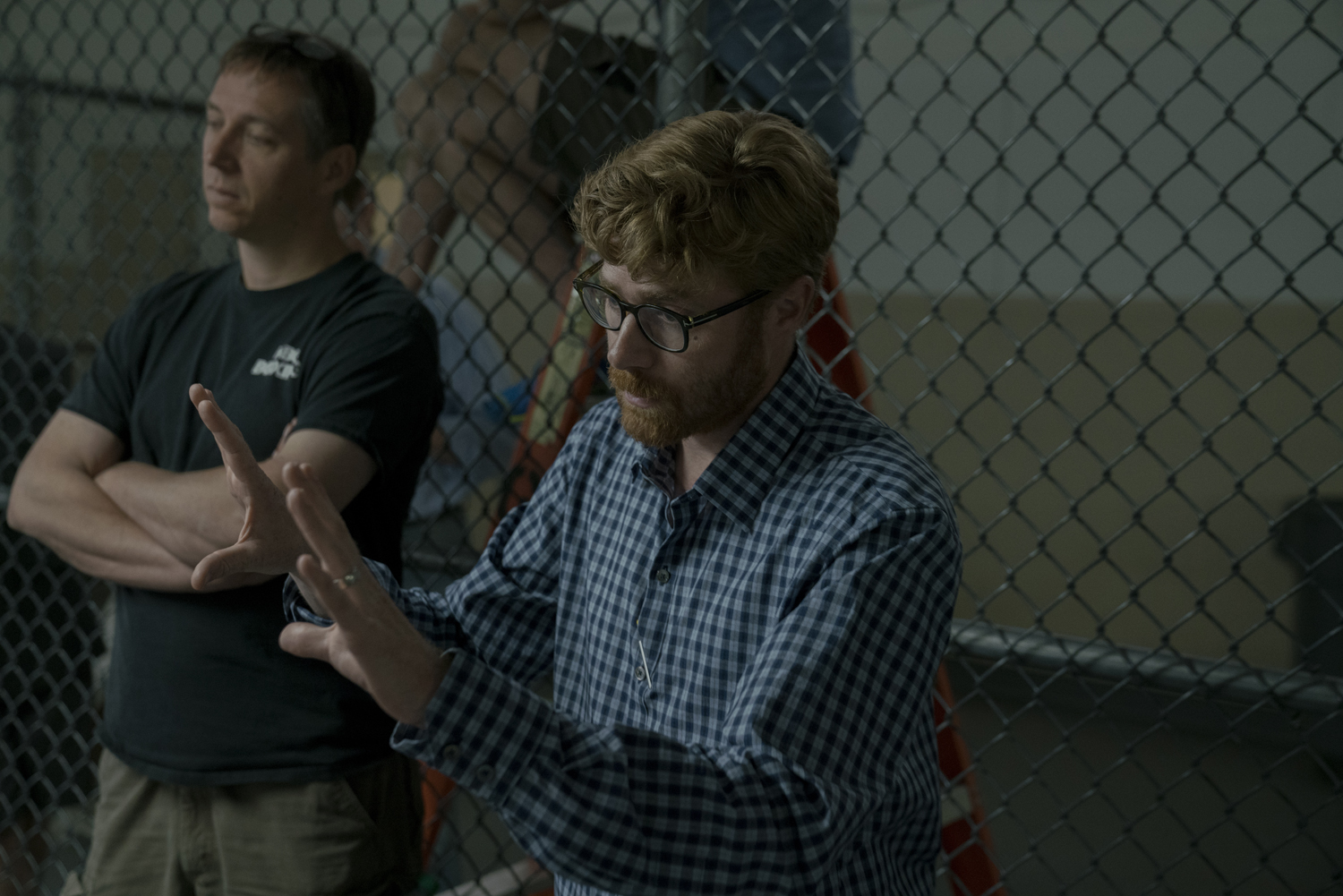
In this episode, you’ll hear from both the cinematographer and the “A” camera operator of Mindhunter, who worked together throughout Season 1 and 2 to shoot every single episode. Please enjoy this exclusive interview with Erik Messerschmidt, ASC and Brian Osmond, SOC!
Brian Osmond, Gaffer Danny Gonzalez, and Erik Messerschmidt (Nikolai Loveikis)
In this episode, you’ll learn:
– Erik’s career path (00:04:06) – Erik’s favorite part of the job (00:06:42) – What DP’s should know to best work with their gaffers, from Erik’s experience working as a gaffer before becoming a DP (00:07:02) – Unique skills Erik gained from his experience as a gaffer (00:07:56) – How Brian got his career started (00:11:19) – Brian’s favorite part of his job (00:12:19) – What other directors can learn from how David Fincher treats his crew (00:18:39) – The thought process & techniques behind Mindhunter‘s precise camera movement (00:22:50) – The strategic use of handheld camera operating (00:34:27) – The collaborative nature of the Mindhunter set (00:37:34) – The importance of having a dedicated camera operator on set, especially on a David Fincher set (00:41:19) – Erik’s role as “quality control supervisor” (00:44:21) – Why a monitor on a David Fincher set is covered in smudges (00:46:57) – Why there’s no such thing as a B camera “bonus shot” on Mindhunter & how shots are planned out for multiple cameras (00:48:23) – What Erik thinks is the hardest shot to do well (00:52:04) – How Erik lights & shoots with 2 cameras simultaneously (00:53:41) – Erik’s approach to lighting Mindhunter & techniques used (00:56:55) – Erik’s preference for real fluorescent lighting (01:03:30) – Mindhunter‘s production design and how much of the locations were built (01:05:01) – Favorite set of Season 2 (01:06:26) – How getting scripts in advance helps them work better (01:10:44) – The innovative car process shooting on Mindhunter & how it works (01:12:38) – How virtual production helps realize every filmmaker’s dream, stopping time, & how Erik used that to shoot a 9-minute dialog scene at dawn (01:18:02) – How the car process shooting on Mindhunter evolved from Season 1 (01:22:37) – How the custom RED digital cinema camera, dubbed the Xenomorph, evolved from Season 1 (01:27:22) – Why Brian prefers a fluid head over a geared head to achieve those smooth, precise shots David Fincher loves (01:37:34) – How to shoot a scene & why “Fix it in prep!” should be every filmmaker’s mantra (01:42:08) – All about the lenses used on Mindhunter & how Erik art directed the artifacts & nuances of every optical aberration (01:48:10) – Tips from Brian on getting really precise shots with a fluid head, what operating technique Erik has learned from Brian, & how being self-critical is a key to his success (01:56:42) – What Erik & Brian feel is the most rewarding part of working on Mindhunter (02:02:47)
If you haven’t yet, please be sure to subscribe to be notified of future episodes, and share this podcast with others to help grow the show and spread the knowledge!
The Art of the Shot podcast is brought to you by Evidence Cameras, an outstanding rental house in Echo Park specializing in high-end digital cinema camera packages, lenses, support, and accessories.