Dead Reckoning

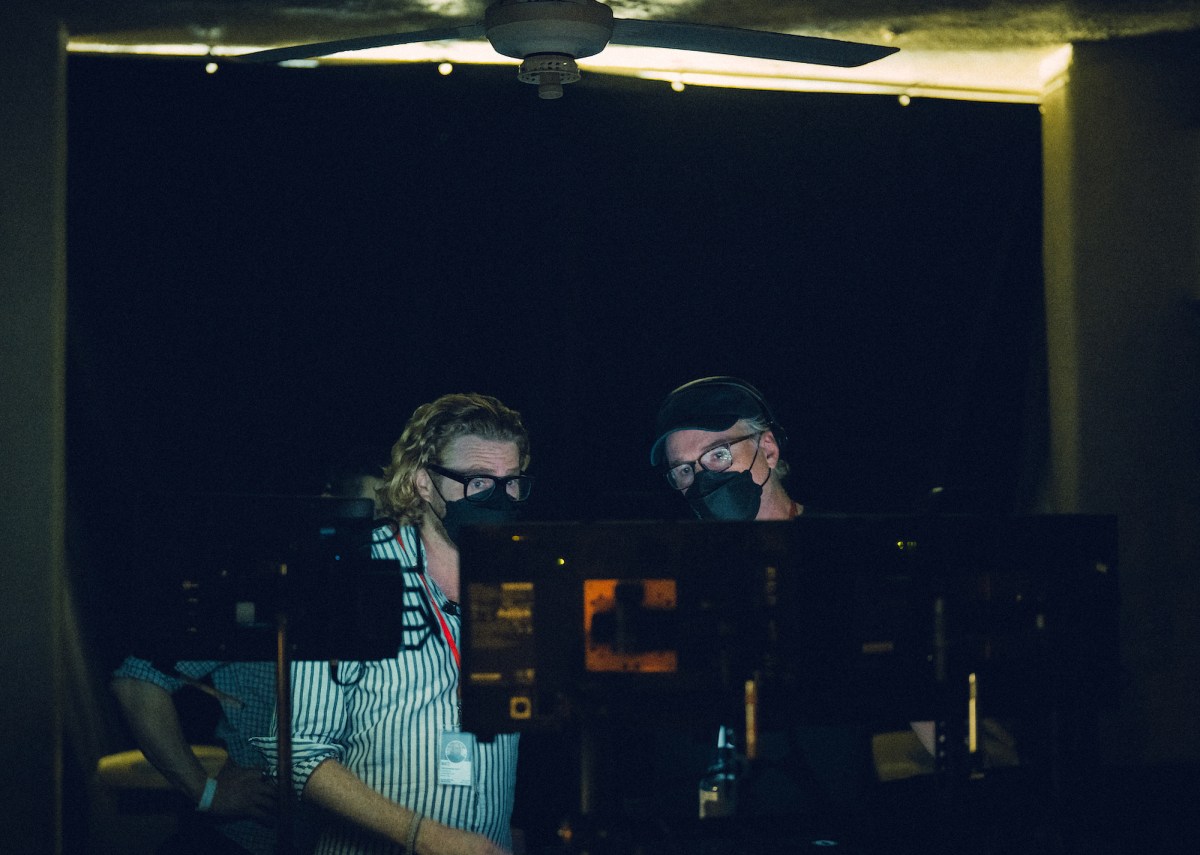
Oscar-winner Erik Messerschmidt, ASC, draws a bead on the mind of an assassin in David Fincher’s The Killer.

Kevin Martin
October 26, 2023
ICG Magazine

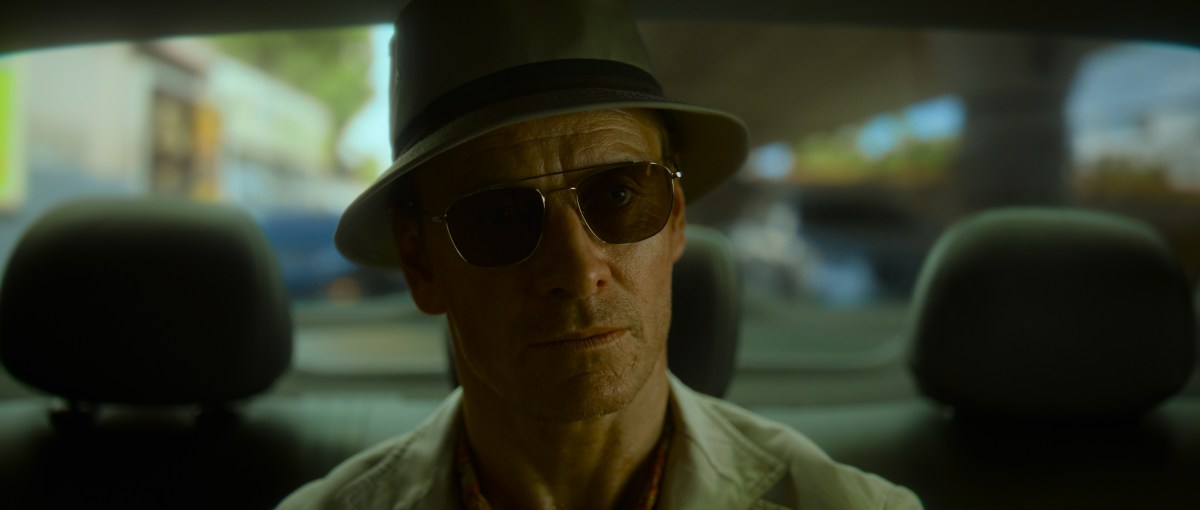
Consider this promotional material for the 1969 assassin-at-a-crossroads film Hard Contract: “Everything they do is 97 percent control and 3 percent emotion.” Compare that with the mantra from the nameless lead character in The Killer, director David Fincher’s newest feature for Netflix, shot by Oscar-winner Erik Messerschmidt, ASC. “Stick to your plan. Anticipate, don’t improvise. Trust no one. Never yield an advantage. Fight only the battle you’re paid to fight.”

It sounds pretty much the same, right? Both help illustrate the heart of a broad subgenre of films that includes Anton Corbijn’s The American (shot by Martin Ruhe, ASC), the aforementioned Hard Contract (shot by Jack Hildyard, BSC), The Eiger Sanction (shot by Frank Stanley, ASC, former IATSE Local 659 president) and Fred Zinnemann’s The Day of the Jackal (shot by Jean Tournier.) The common locus revolves around the assassin as a high-functioning sociopath, able to operate effortlessly in various circles without being found out. Given the inherent complexity of such a character type, it is easy to see how Fincher was able to attract Michael Fassbender to take the lead role.

Derived from a long-running graphic novel series by author Alexis “Matz” NolentThe Killer had been in gestation by Fincher for close to fifteen years. Depicting a murder-for-hire gone awry and its aftermath, the film is viewed through the eye of a seasoned assassin (Fassbender), who now finds himself a target and must seek out not only his erstwhile employers but also those they have deployed against him.

Messerschmidt’s history with Fincher began as Chief Lighting Technician on Gone Girl [ICG Magazine October 2014] before going on to shoot his Mindhunter series and then, in 2021, winning the Oscar for Mank. Messerschmidt had also shot episodes of FargoLegion and Raised by Wolves, and, more recently, the WWII aerial epic Devotion [ICG Magazine December 2022]. “What I initially found interesting about the script was how it is almost wholly absent of dialog,” Messerschmidt describes. “There is a significant amount of voice-over, a lot of which was present in the first script, but very little is spoken on screen – so in a sense, it’s like a silent film. This meant the way we told the story with the camera was that much more important. It’s an adaptation of a graphic novel, which are told in a similar way. I was fascinated by that kind of challenge.”

Read the full profile

From Gone Girl gaffer to Oscar winner: In conversation with David Fincher’s cinematographer Erik Messerschmidt

EXCLUSIVE: We speak to the award-winning cinematographer ahead of the release of Fincher’s new Netflix thriller The Killer.

Emily Murray
October 26, 2023
Total Film (GamesRadar+)

As we begin to discuss his prolific career and latest film The Killer, Erik Messerschmidt admits that he’s surprised to be here. After working on several commercials and television shows, Messerschmidt ended up on the set of director David Fincher’s hit film Gone Girl, working as a gaffer – for those who don’t know, that roughly means chief lighting technician. The duo bonded, with Fincher then recruiting him as director of photography on several of his projects, including beloved TV series Mindhunter and biographical drama Mank, for which Messerschmidt won the Academy Award for Best Cinematography.

Going from gaffer to Oscar-winning cinematographer in such a short period of time is quite the impressive career trajectory, and is something Messerschmidt confesses he wasn’t chasing, telling Total Film (GamesRadar+) in our interview: “It wasn’t at all – it was never my goal, really. I was happy as a gaffer, and while I did want to be a cinematographer it felt far away and wasn’t something I was pursuing. But on Gone Girl, I had never experienced a director with such skill before and I fell in love with it. I just thought ‘God, if I can just keep making movies with this person I’d be so thrilled.’ The care and attention David [Fincher] gives to everything is infectious.”

Read the full profile

The Killer cinematographer says film should be seen in cinema

The film is released on the big screen this weekend before coming to Netflix next month.

Patrick Cremona
October 26, 2023
Radio Times

‘The Killer’: DP Erik Messerschmidt, Editor Kirk Baxter & Sound Designer Ren Klyce On “The Joy” Of Working With David Fincher

Antonia Blyth, Senior Awards Editor
October 7, 2023
Deadline

In the David Fincher-directed film, The Killer, from a screenplay by Andrew Kevin Walker, and based on a graphic novel, Michael Fassbender stars as an assassin battling his employers when a hit goes terribly wrong.

Speaking during a panel at Deadline’s Contenders London event, editor Kirk Baxter addressed a rumor that the role required Fassbender to not blink at all.

There were many times watching the dailies where he heard Fincher’s voice saying, ‘That’s terrific, but let’s see that once again without the f—ing blinking.’ Baxter added, “Not so much that Fassbender needing that direction, it’s just been a thing.”

Watch the full interview

Look at the Deadline Contenders Film London Studio Photos

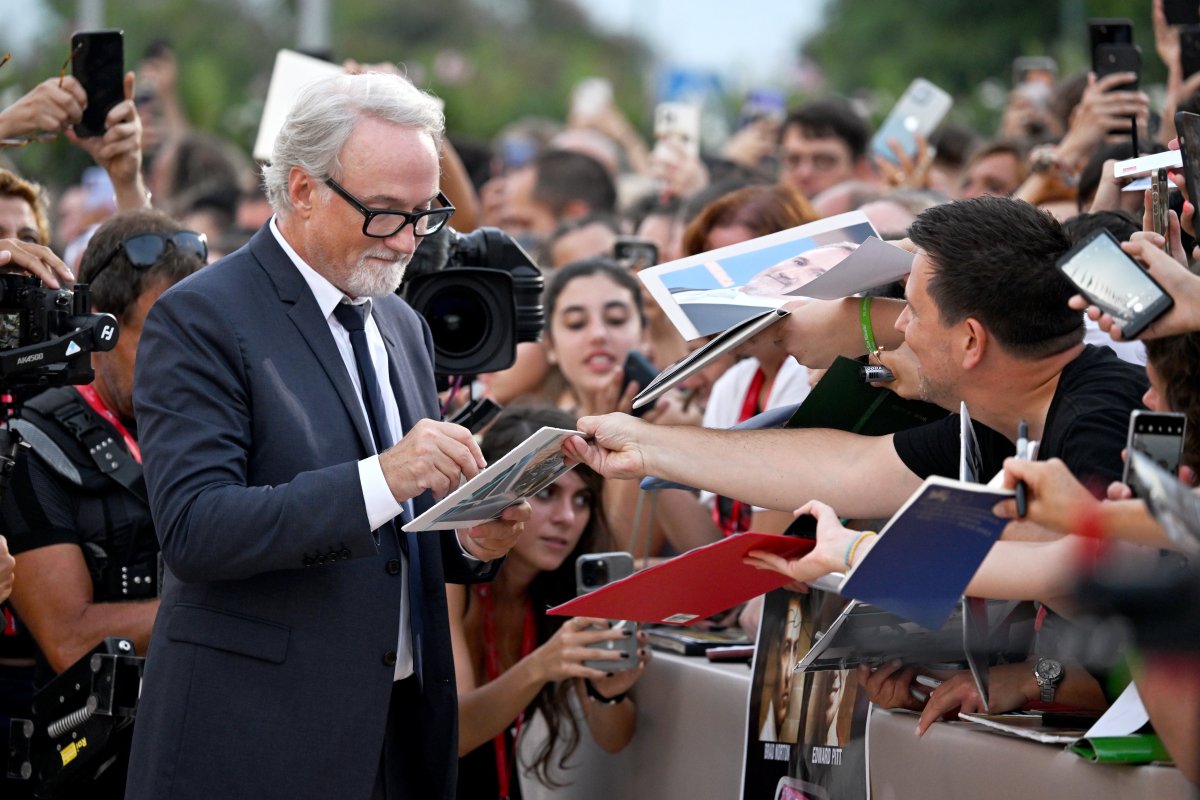
Venice Film Festival: “The Killer” World Premiere

September 3, 2023
Venice Film Festival (YouTube)

Press conference featuring Director of Photography Erik Messerschmidt ASC, Sound Designer Ren Klyce, Director David Fincher, and Editor Kirk Baxter ACE.

Red Carpet featuring Producer Peter Mavromates, Director of Photography Erik Messerschmidt ASC, Writer of the original “The Killer” (“Le tueur”) comic Alexis “Matz” Nolent, Editor Kirk Baxter ACE, Sound Designer Ren Klyce, Director David Fincher. The original stream has the ambient sound turned down to a minimum because it is too busy and noisy, and only barely intelligible in the close-ups.

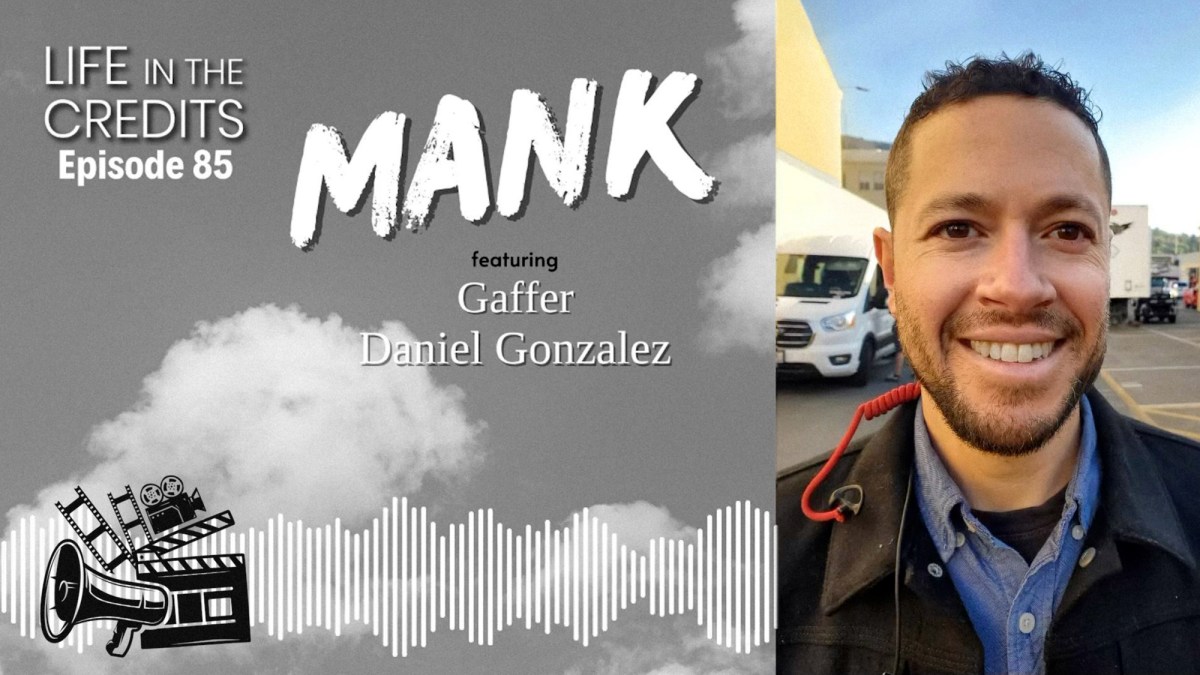
Life in the Credits: Mank with Gaffer Danny González

Susan Swarner and Ben Blohm
April 6, 2023
Life in the Credits

Life in the Credits is an educational podcast where hosts Susan Swarner and Ben Blohm learn about the entertainment industry from the people who work in it. They discuss the guest’s career, a feature film, and play a game. For anyone who dreams of working on movies, wants to learn about film-making, or loves watching shows.

Danny González, Gaffer, joins Susan and Ben to discuss Mank, a 2020 biographical drama. Danny shares what it’s like having a career in the lighting department for movies, TV, and commercials. He discusses the process of building a lighting design for a show, the difference between lighting on a sound stage versus on location, executing a particularly difficult scene on the set of Devotion, and filming on Hawaii on the deck of Queen Anne’s Revenge from Pirates of the Caribbean: On Stranger Tides during a huge storm. We also get a behind-the-scenes look into Danny’s work on the Oscar-winning film Mank. Danny plays our “Fincher’s Familiar Films” game.

Listen to the podcast:

Apple Podcasts
Google Podcasts
Spotify

Follow Danny on Instagram or IMDb.

Find out about our guests and upcoming events by following us on Facebook, Twitter, or Instagram, contribute to our Patreon, or shop at our webpage.

Life in Our Credits:

Executive Producer: Michelle Levin
Logo Art: Melissa Durkin
Music Composer and Performer: Steve Trowbridge

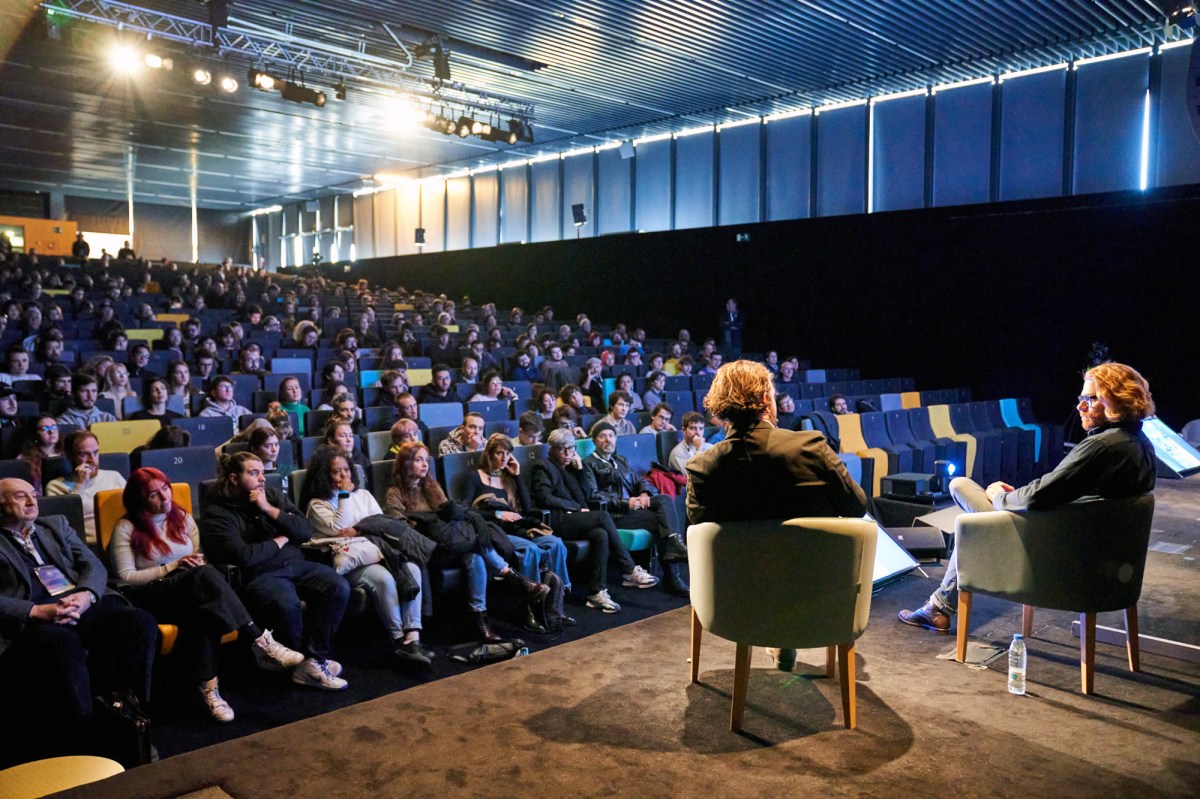
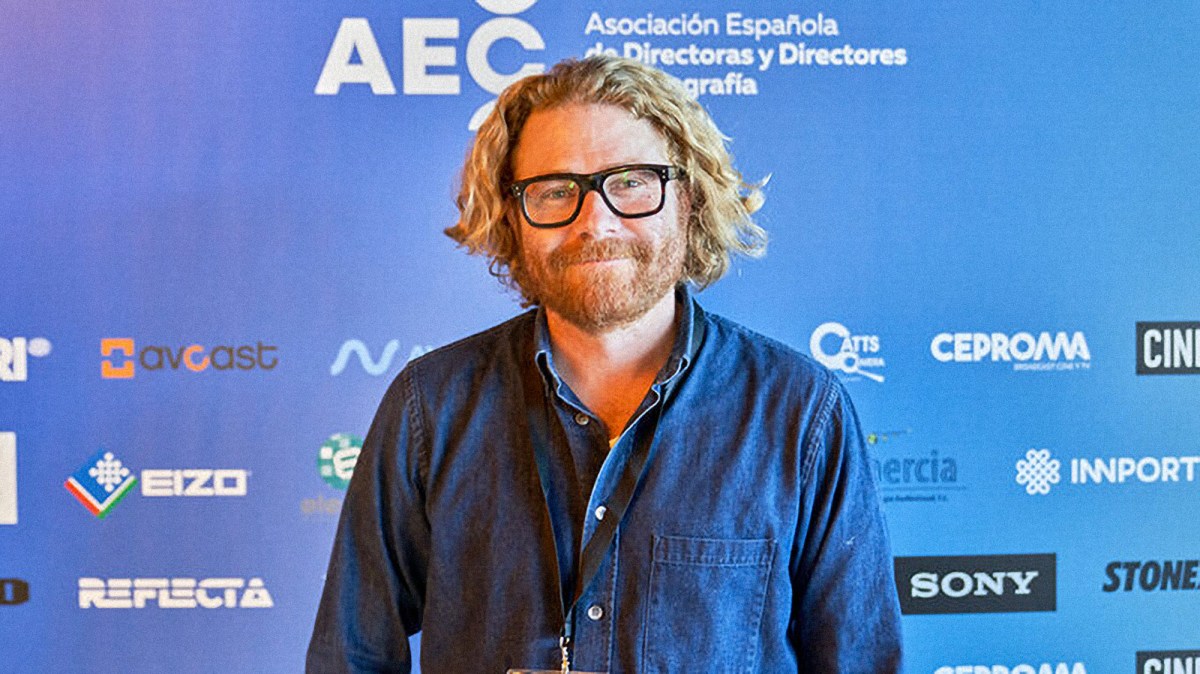
Microsalón AEC: Erik Messerschmidt, ASC

Fotografía de Suwon Lee. Gentileza de AEC.

José Val Bal, AEC
26 noviembre, 2022
Microsalón AEC

El director de fotografía Erik Messerschmidt, ASC, habla sobre su trabajo en Devotion (J. D. Dillard, 2022), Mank (2020), y la serie de TV Mindhunter (2017, 2019).

Entrevista en inglés con interpretación simultanea al español.

Director of Photography Erik Messerschmidt, ASC, talks about his work on Devotion (J. D. Dillard, 2022), Mank (2020), and the TV series Mindhunter (2017, 2019).

Interview in English with simultaneous interpretation to Spanish.

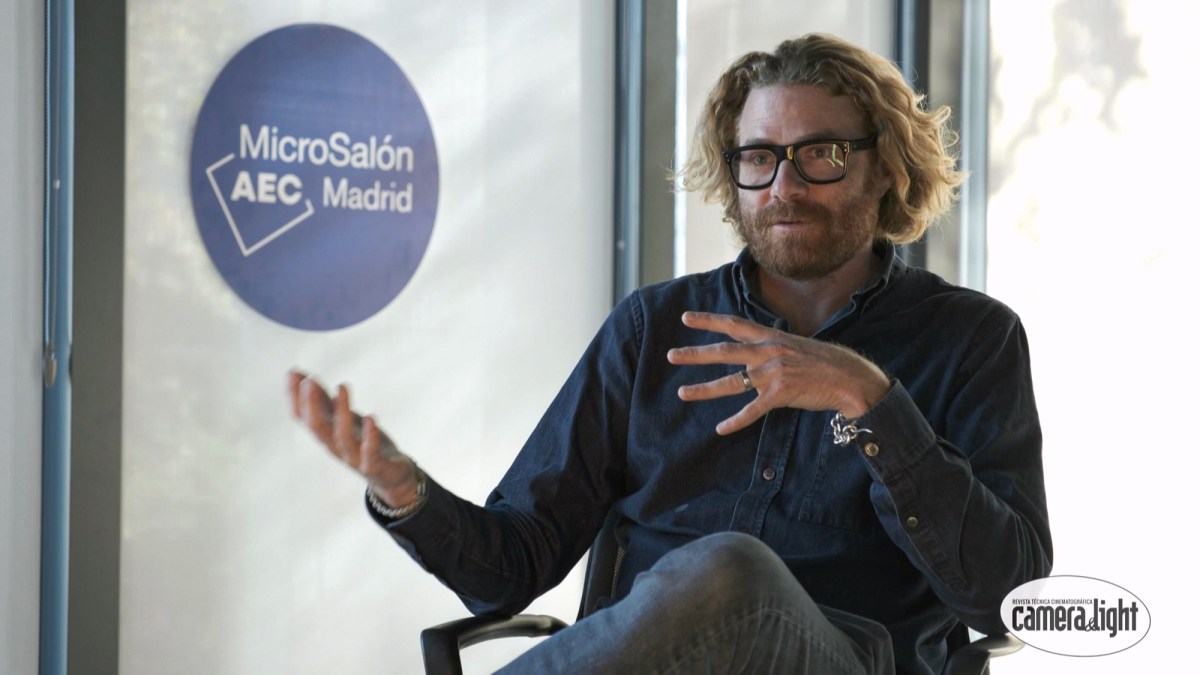
Entrevista a Erik Messerschmidt ASC

Julio Gómez
Diciembre 30, 2022
Camera & Light

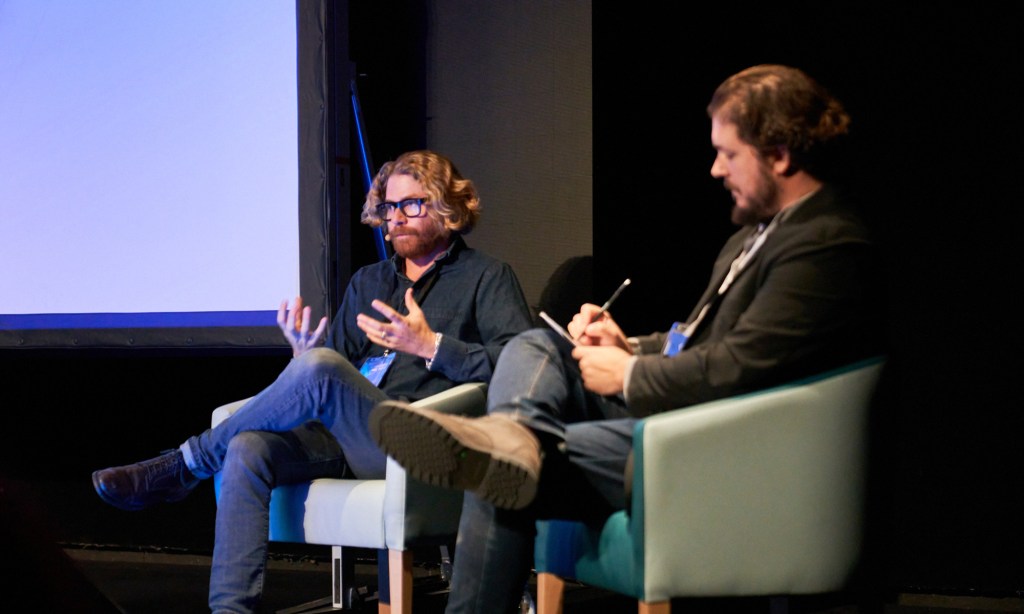
Durante el MicroSalón Madrid 2022 tuvimos la oportunidad de charlar con el invitado especial de la AEC, el director de fotografía Erik Messerschmidt ASC.

Os ofrecemos la conversación que mantuvo con Julio Gómez (al que hemos cortado porque no le pusimos micro) sobre sus trabajos con David Fincher (“Mank“, “Mindhunter“) y también trabajaos recientes en colaboración con Dana Gonzáles, como “Fargo” o “Legión“.

Entrevista filmada y montada por Juan Esparza Cevallos para Camera & Light.

Frame & Reference Podcast: “Devotion” DP Erik Messerschmidt, ASC

Kenny McMillan
December 8, 2022
Frame & Reference

Frame & Reference is a conversation between Cinematographers hosted by Kenny McMillan. Each episode dives into the respective DP’s current and past work, as well as what influences and inspires them. These discussions are an entertaining and informative look into the world of making films through the lens of the people who shoot them.

In this episode, Kenny talks with cinematographer Erik Messerschmidt, ASC, about the new film “Devotion.” Erik has had a very interesting career including work on series such as “Mindhunter”, “Legion”, “Fargo” and as the DP of “Mank” for which he won an Oscar.

Listen to the podcast:

Apple Podcasts
Spotify
YouTube

Support the podcast on Patreon, Buy Me a Coffee
Follow Frame & ReferenceTwitterInstagram
Follow Kenny McMillanInstagramOWL BOT

First behind-the-scenes look at David Fincher’s “The Killer” with Michael Fassbender

Michael Fassbender: Road to Le Mans. Season 4, Episode 1

November2, 2022
Porsche (YouTube)

Follow the fourth season of Michael Fassbender’s journey to compete at the world’s ultimate motorsport event in this weekly YouTube series.

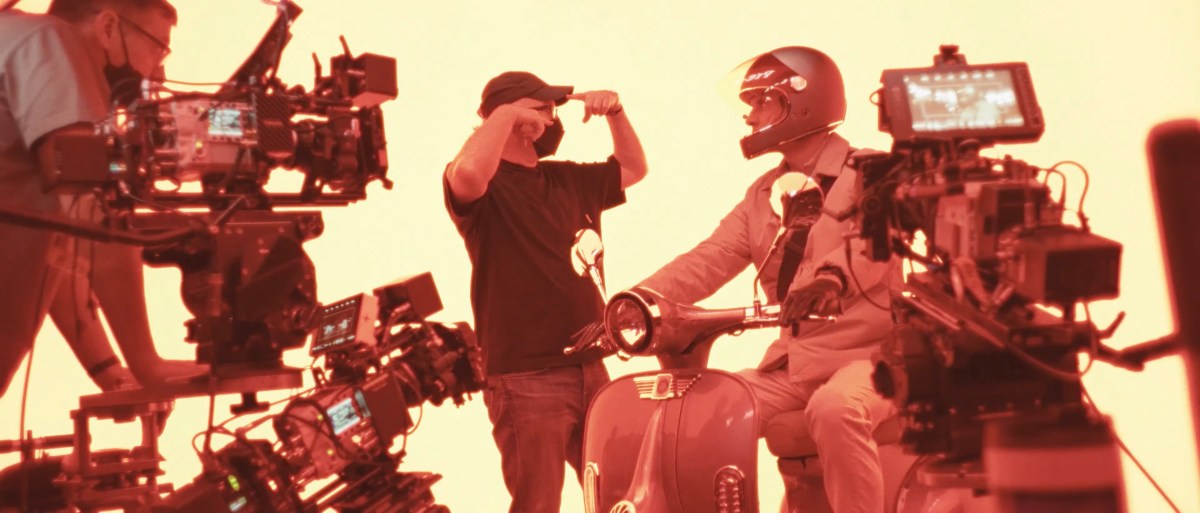
Starting at minute 2:14, there is a three-minute clip of Fassbender shooting car process scenes for The Killer with Fincher and his team on Sound Stage 2 at Triscenic Production Services. Andrew Kevin Walker, the screenwriter of the film, is also visiting.

The actor discusses working on the film during the off-season of his other passion, car racing:

I had the great privilege and honor of working with David Fincher on The Killer. I have the lead role in his film. To have a small window of opportunity to go to work and then to be able to work with one of the best filmmakers out there was just a dream come true.

It felt really good to go back to work. The film that I’ve done before was just before lockdown. But that was 2019, so I was definitely ready to go back to work.

With somebody of David’s caliber, it was a very special opportunity for me: quite a few locations over a five-month period.

What was interesting for me was taking the experience from what we’re doing on track and bringing it on set, especially with somebody like David who films very precisely and everything is dealing in fractions in terms of how you deliver things and movement and exactly how the frame is occupied.

You have to step on and deliver in a period of time. And David is looking for perfection and to do that within a take, however long that take is. It might be 40 seconds. It might be six minutes long, but within that time frame, you’re looking to do everything exactly as it should be.

You’ve taken on board all the notes and there’s plenty of them to digest, but in the moment when you’re trying to deliver those notes, you’re not thinking at all.

It was a real honor. I felt like I learned a lot from him. It was a full-on shoot, very long hours sometimes six-day weeks. So there was literally not enough time for me to get into car and do any training whatsoever.

So we wrapped up the film in L.A., end of March, and I got directly on a flight the next day and then came straight to the track.

Erik Messerschmidt: “El principal enemigo de un director de fotografía es el tiempo”

Fotografía de Suwon Lee. Gentileza de AEC.

Arnau Martín Camarasa
30 noviembre, 2022
Industrias del Cine

Entrevistamos a Erik Messerschmidt, director de fotografía estadounidense, en el marco del evento MicroSalón AEC, con sede en Madrid. Messerschmidt es habitual colaborador del cineasta David Fincher y obtuvo un premio Óscar a la mejor fotografía por Mank.

Me gustaría preguntarte si consideras que el cine proviene de la fotografía, si te parece que el cine proporciona movimiento a las fotografías o si proviene de una transformación técnica más compleja.

Es una gran pregunta. Creo que el cine es storytelling extendido en el tiempo. Es esculpir en el tiempo, como decía Tarkovski. La fotografía tiene que ver con la historia de un momento singular. El cine manipula y hace progresar el tiempo. Tiene más en común con la literatura y los sueños que con la fotografía.

Lee la entrevista completa / Read the full interview in Spanish