‘Mindhunter’ cinematographer Erik Messerschmidt on ‘expanding the scope’ in Emmy-nominated episode

Daniel Montgomery
August 13, 2020
Gold Derby

Erik Messerschmidt earned his first Emmy nomination this summer: Best Cinematography for a Single-Camera Series (One Hour) for his work on the true-crime drama “Mindhunter.” It’s bittersweet, though, since Netflix put the show on indefinite hold after its second season, which aired last summer. “I loved working on the show,” he remembers. “It’s a unicorn in a way. It was a unique situation where everybody was working towards the same goal and everyone was very in sync in terms of what we were trying to accomplish.” Watch our exclusive video interview with the director of photography above.

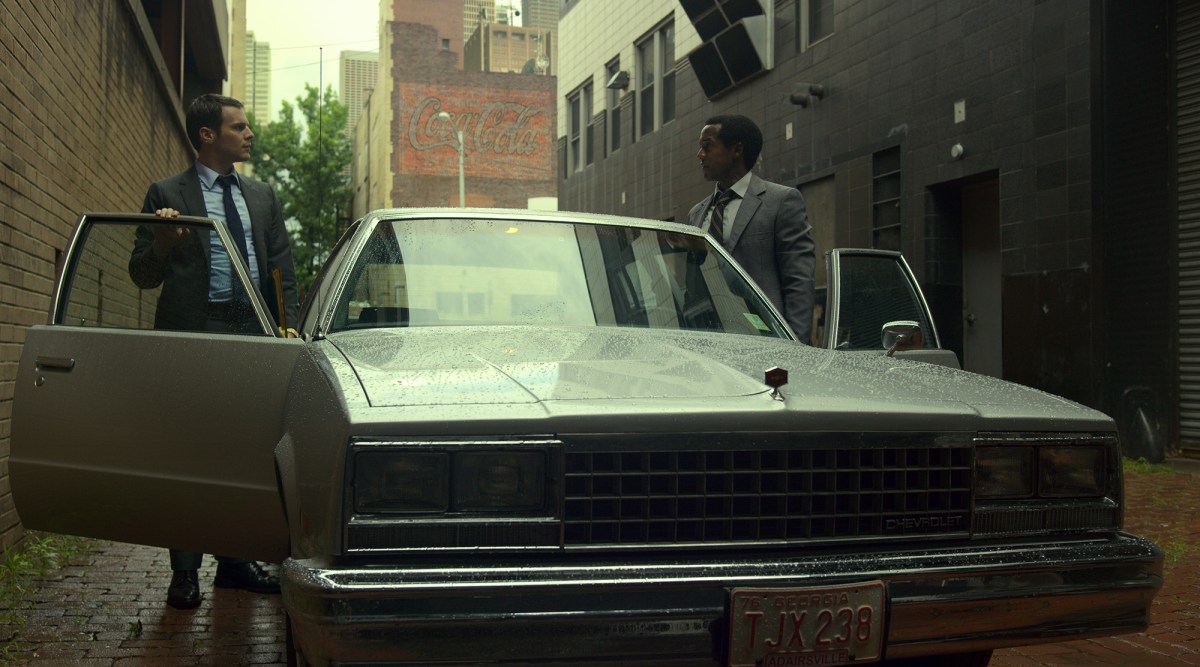
He is nominated specifically for his work in episode six, during which FBI agents Ford and Tench (Jonathan Groff and Holt McCallany) search for missing children in Atlanta while Dr. Carr and Agent Smith (Anna Torv and Joe Tuttle) interview convicted killer Paul Bateson. “I just felt like we had a lot of variety in the episode,” says Messerschmidt. “You have all of the classic ‘Mindhunter’ stuff with the Paul Bateson interview, but you also have the characters out in the field. So we’re expanding the scope a little bit, and we had some new set pieces which the audience hadn’t seen before.”

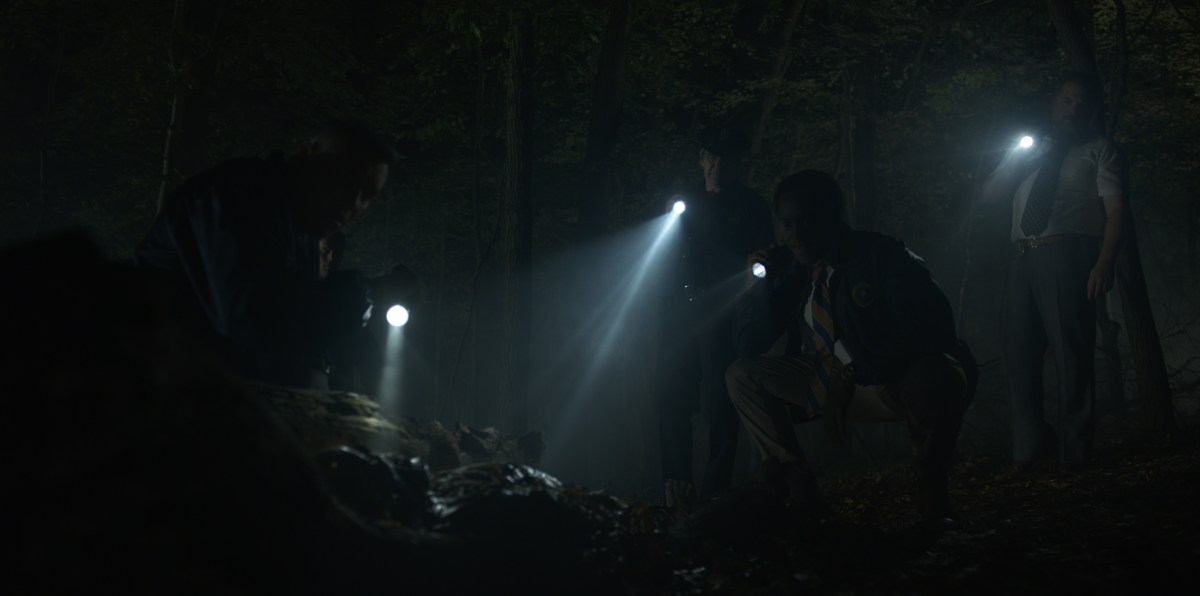
For instance, there is a memorable scene in which law enforcement teams search for murder victims in the eerie pre-dawn light, and another where a grisly discovery in the dead of night is lit primarily with flashlights. “It was a good opportunity to show a little bit of the depth of the show. And it was an episode we were generally pretty proud of.” The season’s focus on the Atlanta child murders influenced the show’s aesthetic in general. Messerschmidt wanted to convey the “hot, humid environment … so we warmed the camera up quite a bit. We made use of atmosphere in some of the interiors. I tried to light it with as much hot, searing sunlight coming through the doors as possible.”

“I would love to go back and do more ‘Mindhunter,’ but who knows? Time will tell, I guess,” he says. In the meantime his creative partnership with “Mindhunter” director/producer David Fincher continues. Messerschmidt is the cinematographer for the filmmaker’s upcoming movie “Mank,” which takes them from murder in the 1970s and 1980s to show business in the 1940s. “That’s what’s great about our job is we get to sort of pick a story apart and figure out what we’re going to do and how we’re going to tell the story.”
Netflix FYC: Mindhunter. Maker’s Marque with Carl Franklin and Erik Messerschmidt


July 2020
Netflix

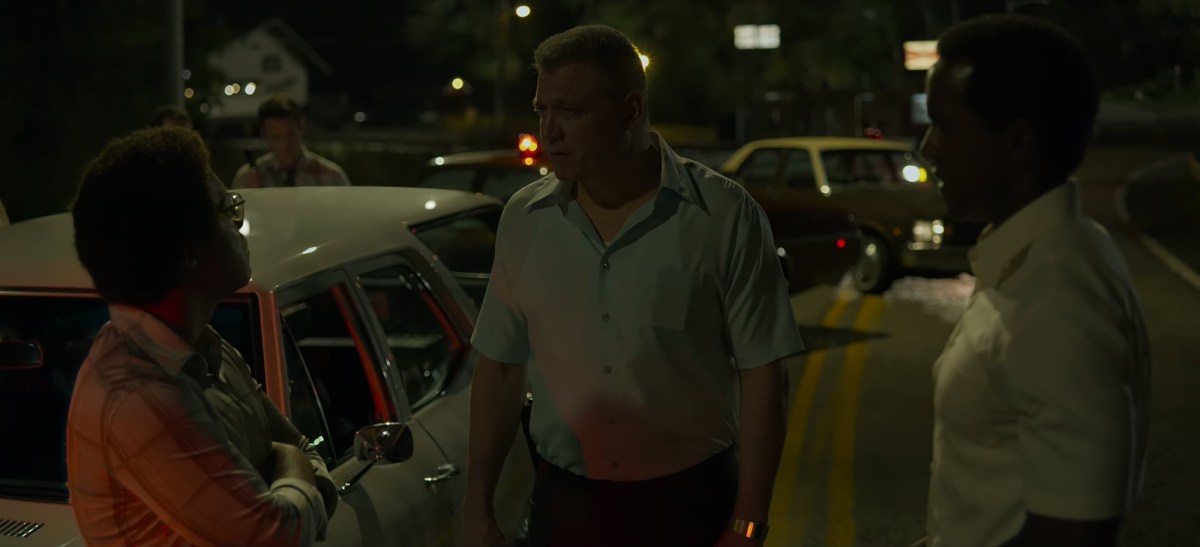
Director Carl Franklin and cinematographer Erik Messerschmidt expound on the visual language of a scene from season two of Netflix‘s acclaimed drama series Mindhunter. They give insights into perspective considerations, the choice of handheld camera over Steadicam and the general stylistic shift employed for the sequence.

For Your Emmy® Awards Consideration

Streaming: Netflix’s Mindhunter

Marc Loftus
July 2, 2020
Post Magazine

Netflix’s Mindhunter series is inspired by true events. Directed by David Fincher, the show focuses on FBI agents Holden Ford and Bill Tench, who try to understand the psyches of notorious serial killers. Mindhunter’s first season debuted in 2017, and the second season returned in the summer of 2019. 

Season 2 stars Jonathan Groff, Holt McCallany, Anna Torv, Joe Tuttle, Albert Jones, Stacey Roca, Michael Cerveris, Lauren Glazier and Sierra McClain. While Fincher was the series’ primary director, Andrew Dominik and Carl Franklin also directed episodes.

SHOOTING

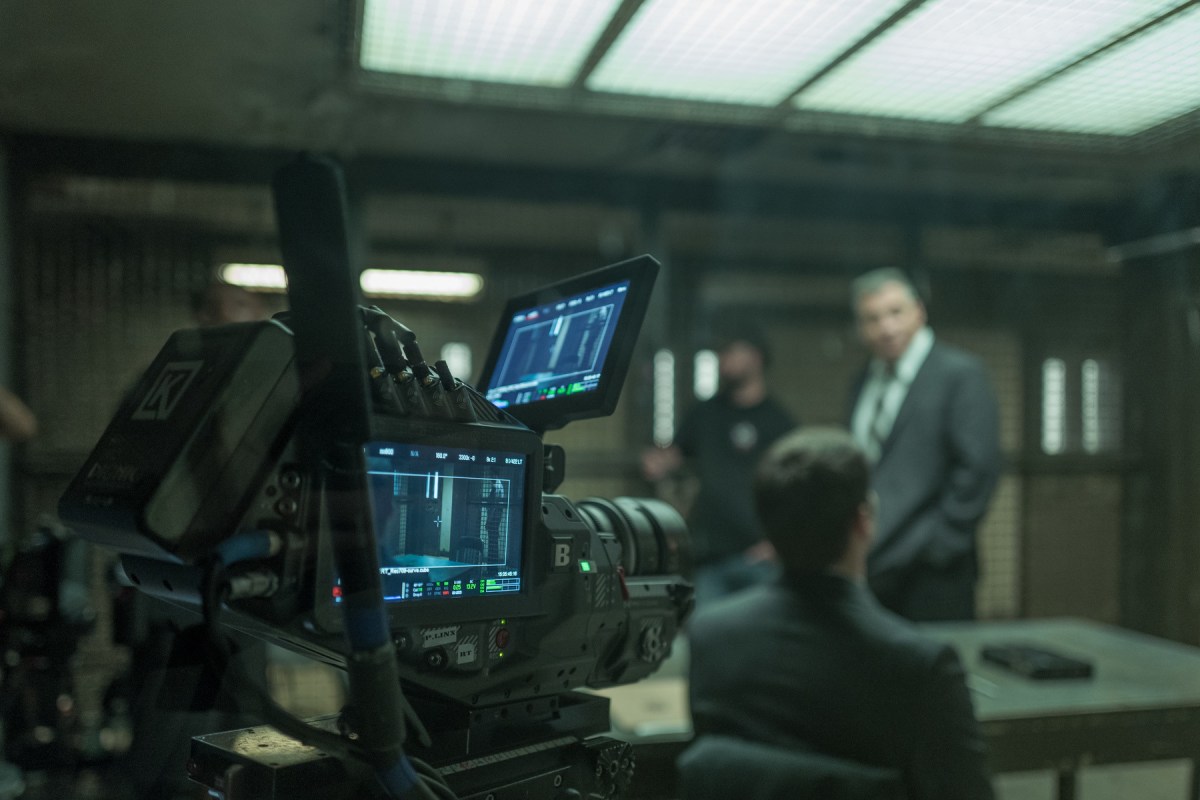
Cinematographer Erik Messerschmidt, ASC, had worked with Fincher in the past. He was a gaffer on the filmmaker’s Gone Girl, and was excited to receive a call, inviting him to come onboard to reshoot part of the pilot and second episode back in 2017. The show was already shooting with a Red camera for Season 1, and upgraded to the newer Hellium 8K sensor for Season 2.

EDITING

Kirk Baxter of Santa Monica’s Exile also has a long-standing relationship with David Fincher. He’s cut The Curious Case of Benjamin Button (2008), The Social Network (2010) and The Girl with the Dragon Tattoo (2011) — all of which won the Oscar for Best Editing, a credit he shared with Angus Wall. He also cut 2014’s Gone Girl (2014), and is currently working on an upcoming Netflix feature with the director titled Mank.

Read the full profile

‘Mindhunter’ Cinematographer Erik Messerschmidt on Expanding the Scope in Season 2 and Fincher’s ‘Mank’

Michele K. Short / Netflix

Adam Chitwood
June 30, 2020
Collider

The Netflix original drama series Mindhunter is one of the best shows on television. It’s compelling and challenging in the best way, as it traces the early days of the FBI’s Behavioral Science Unit through the eyes of a pair of ambitious yet troubled detectives who spend their time interviewing serial killers, looking for insight that could help them catch future killers. It’s also a wildly cinematic show, which should come as no surprise given that it hails from executive producer and director David Fincher.

Season 1 of the series was focused on the origins of the Behavioral Science Unit and found Jonathan Groff’s Holden Ford, Holt McCallany’s Bill Tench, and Anna Torv’s Wendy Carr working mostly out of Quantico and conversing in interrogation rooms. The tremendous second season of the series, however, saw Ford and Tench forced to move into the field as the FBI is called in to consult on the “Atlanta Child Murders” and help track down a serial killer in Georgia.

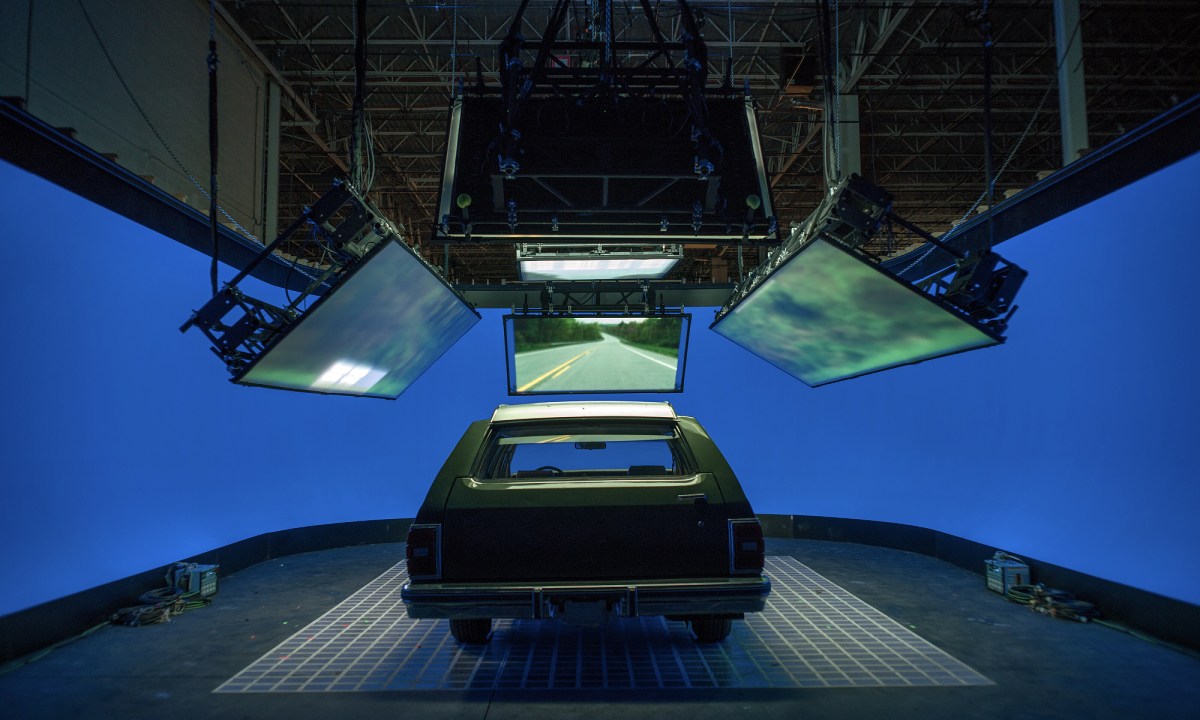
This posed unique challenges and wonderful opportunities for the Mindhunter production team, as cinematographer Erik Messerschmidt told me in an extended interview I conducted by phone back in April. Messerschmidt worked on Season 1 of the series and returned for Season 2, for which he served as director of photography on all nine episodes—a rarity in the television world. During our interview, Messerschmidt talked about why they decided he should be the cinematographer on every episode and offered tremendous insight into how this impeccably crafted show is made. He discussed the intense planning that he and Fincher went through to map out the visual language of Season 2, specifically speaking to how they crafted that incredible interrogation scene set entirely in a car. He also talked about the challenge of shooting a show like Mindhunter on location as the show expanded into the outside world of Atlanta, and what his role as the “visual constant” was like when working with directors Andrew Dominik and Carl Franklin on the season’s later episodes.

With reports having surfaced that a potential Mindhunter Season 3 is “on hold” for the moment while Fincher focuses on making a film, I also asked Messerschmidt about the likelihood of a third season happening. And since Messerschmidt served as Fincher’s cinematographer on his upcoming Netflix film Mank—which is presented in black-and-white and chronicles the making of Citizen Kane—I asked about his experience working on that highly anticipated feature film.

If you’re at all interested in how the Mindhunter team was able to achieve such a handsome, controlled aesthetic this interview offers invaluable insight into that process, and what a collaboration between Fincher and his DP looks like on a longform series. With any luck this excellent show will be rightly recognized by the Emmys folks come voting time…

Read the full interview

Behind the Look: That Shot. DP Erik Messerschmidt, ASC

Naida Albright
June 30, 2020
RED Digital Cinema

RED is Behind the Look with Erik Messerschmidt, ASC who brings a gentle, elegant visual sensibility to the Netflix series MINDHUNTER. We screen and breakdown pivotal shots from Season Two of this crime thriller, and discuss what it’s like to collaborate with the legendary David Fincher.

Portbox: The Desire to Go Noir With Erik Messerschmidt

Madhav Goyal
June 29, 2020
Invisible Storytelling (Portbox)

Erik Messerschmidt (Mindhunter) is an American cinematographer. Erik chats with Portbox about his transition into cinematography with Netflix Original Series: Mindhunter. Madhav inquires about how Erik studies human behavior, both professionally and personally. Erik highlights how working with great cinematographers and highly disciplined directors has informed his workflow and why director-cinematographer relationships work across different films. He also breaks down one of Madhav’s favorite scene from the second season of Mindhunter, while giving us details on his next project with David Fincher, Mank.

Read the episode notes:

How Erik Messerschmidt Uses Psychology to Shape Cinematic Storytelling

Listen to the podcast on:

Apple Podcasts
Spotify
Amazon Music

How Crafts Amplified Berkowitz, Watson, & Manson Scenes in ‘Mindhunter’ Season 2

A look at the crafts behind the killer interrogations, including cinematography, sound editing, prosthetics, editing, and rerecording mixers.

Megan McLachlan
June 20, 2020
Awards Daily

Awards Daily’s Megan McLachlan and the technical team behind Netflix’s Mindhunter Season 2 (cinematography, sound editing, editing, prosthetics, and rerecording mixers) break down why each killer interview is completely different.

Mindhunter Season 2 starts with a “doozy” of a sequence.

“You’re not sure where you are,” said Mindhunter re-recording mixer Scott Lewis.

The opening sequence reacquaints us with the mind of a killer—in this case, specifically the BTK Killer (Sonny Valicenti), who we’ve been following in Season 1 through vignettes. BTK’s wife comes home to discover him tying himself up in the bathroom while wearing a mask. Lewis and his re-recording mixer partner Stephen Urata went back and forth about how the sound of the door, bumping from BTK’s aggression, was supposed to sound from down the hall.

“[Director] David [Fincher] gave some vague directions for that,” said Urata. “We tried to keep it really mysterious. We started with really dreamy, big reverb, did some fabbing, and [the wife] starts picking up on those knocking sounds. We took our liberties with it. The knocking sounds probably wouldn’t be that loud.”

It had to compete with Roxy Music’s “In Every Dream Home a Heartache,” something they had to find the right timing for with the knocks. When it came to editing the sequence with the music, editor Kirk Baxter felt like he was working on a music video.

“The track was predetermined, so I could plot everything to the music, when it was gonna hit,” said Baxter. “So much of the reaching, the hand, it was based around being stretched so the door opened at the exact beat I needed it to. To me, it was like a Christmas present. When you’ve got all of the angles and coverage, you can expand the tension and manipulate the hell out of it.”

The Crafts Behind the Madness of Mindhunter Season 2

It’s specific technical details like this that take Mindhunter to a new level of creepy with each episode. And though these elements are subtle, they add so much to each and every scene, especially when Holden (Jonathan Groff) and Tench (Holt McCallany) interview the killers.

While they might seem like they’re similar in format, each interrogation scene is completely different and tells you so much about the killer they’re questioning, with precise engineering and great care that goes into them. Let’s look at how Berkowitz, Tex Watson, and Manson are all completely different from each other.

Featured crafts:

Kirk Baxter, editing
Kazu Hiro, prosthetics
Scott Lewis & Stephen Urata, rerecording mixers
Erik Messerschmidt, cinematographer
Jeremy Molod, sound editor

Read the full profile

David Fincher’s Mindhunter Cinematography with Erik Messerschmidt ASC

Ben Consoli
May 5, 2020
Go Creative Show

The cinematographer of David Fincher’s hit Netflix series, Mindhunter, Erik Messerschmidt ASC takes us behind the scenes the show.

Erik and Go Creative Show host, Ben Consoli, discuss how he created the distinct look of Mindhunter, why David Fincher shoots so many takes, mastering good camera movement, how Erik preps for shoots, and more!

What you will learn in this episode:

  • Importance of film school and on-set experience (02:22)
  • What Erik is watching during COVID-19 (12:08)
  • Visual approach to MINDHUNTER (15:48)
  • Mastering good camera movement (20:08)
  • Camera and lens package (22:22)
  • Why David Fincher shoots so many takes (27:28)
  • Compositing multiple takes together (42:05)
  • Approach to lighting (44:57)
  • Shot diagrams and storyboarding (54:18)
  • Lighting the prison scenes (01:01:59)
  • Exposing for dark cinematography (01:04:25)
  • Color theory and how it affects the audience (01:05:21)

Listen to the audio or video podcast

Show Links:

The Go Creative Show is supported by:

MZed – Education for Creatives

LiteGear Live: Mindhunter Erik Messerschmidt and Danny Gonzalez

Mike Bauman & Paul Royalty
April 24, 2020
LiteGear

Welcome to LiteGear Live, our community outreach portal where we host panel discussions, educate, and discuss all things related to Set Lighting. Join us for weekly conversations with Cinematographers, Gaffers, Rigging Gaffers, Fixtures Technicians, Programmers, and many more. We’ll be sharing behind-the-scenes photographs, production stills, and clips, all while chatting in real-time with the filmmakers who made it happen.

Our second edition of LiteGear Live presents a conversation with Cinematographer Erik Messerschmidt, Chief Lighting Technician Danny Gonzalez, and Rigging Gaffer Bobby Dechellis, discussing their most recent work on the popular Netflix series Mindhunter.

Hosted by Co-Founder of LiteGear Mike Bauman and Vice President of Sales at LiteGear, Paul Royalty, they delve into a wide range of questions for each guest intended to dig deep into the style choices and challenges faced on the show. The group also shares some behind-the-scenes photographs, production stills, and clips from Mindhunter.

Watch Mindhunter exclusively on Netflix.

Thank you to Netflix for allowing the use of Mindhunter stills and clips.

The Case for 8K Production and How to Manage That Monster Data

There’s no escaping the fact that 8K is four times as many pixels as 4K… but recording 8K is easier and less expensive than you think.

Adrian Pennington
April 13, 2020
Creative Planet

For many, the idea of recording 8K video understandably conjures up images of unmanageable files sizes, long transfer times, huge piles of hard drives, and slow proxy workflows… not to mention a black hole in the budget.

Leaving aside for one moment the fact that HDR and HFR are far more valuable than resolution to the consumer’s eye, there are benefits to an 8K production which an increasing number of projects are taking advantage of.

Mank, directed by David Fincher and lensed by Erik Messerschmidt, ASC, was acquired 8K using the RED Monstro in monochrome (above); and Money Heist, the Netflix drama which in season 4 is shot at 7K to accommodate HDR in a 4K deliverable, are just two of the most recent.

You can’t sell productions made in less than 4K to Netflix and other streaming services now. One day soon, some will mandate 8K to begin with and Netflix will have its fair share in the bank.

Even if the final output is only going to be 4K/UHD, shooting in 8K gives you many options in post that you do not have when starting in 4K. These include downscaling, cut/crop (pan/scan) or headroom for VFX.

“Before making the decision to capture a project in 8K, producers and cinematographers need to consider the project’s long-term goals,” says Bryce Button, director of product marketing, AJA Video Systems. For instance, capturing in 8K makes a lot of sense if there will be future use for the material.

Read the full article