Miles Perkins, Industry Manager, Epic Games July 28, 2025 Unreal Engine
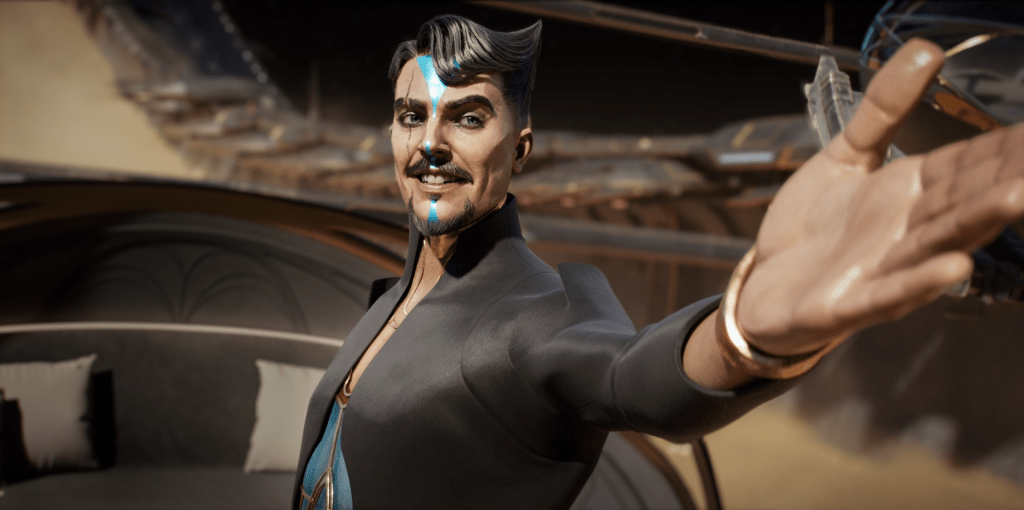
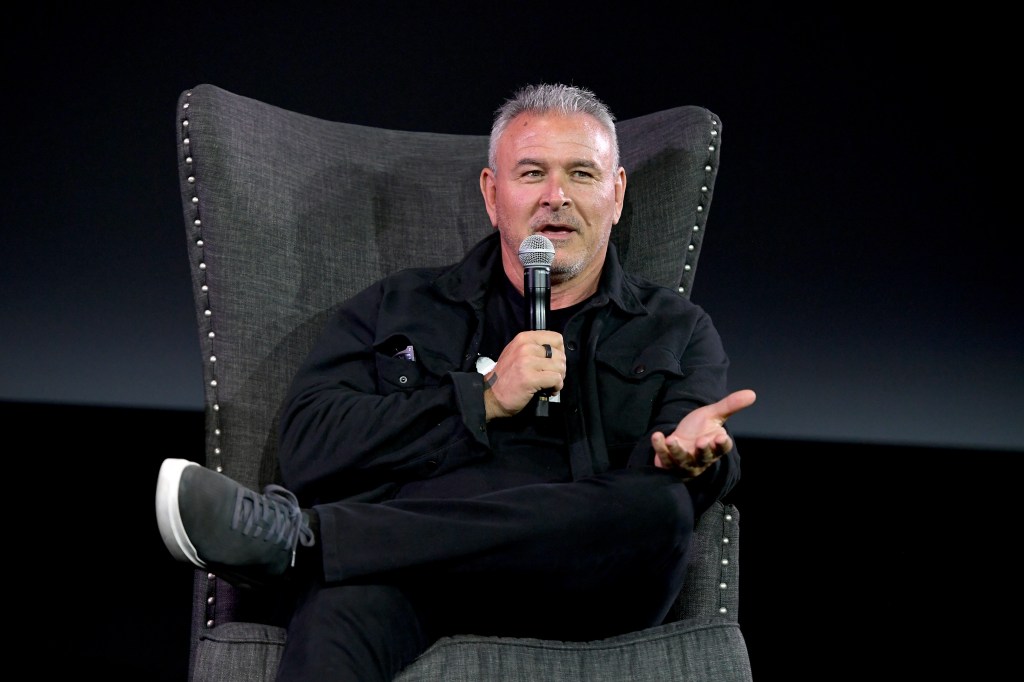
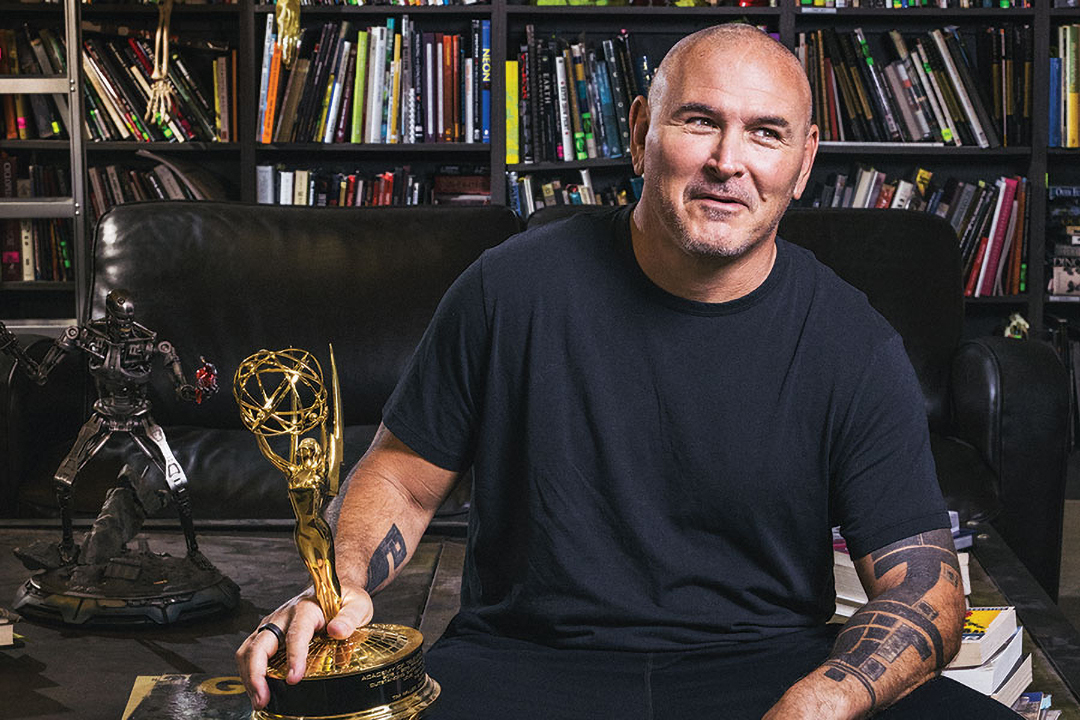
Join Tim Miller, co-founder of Blur Studio and winner of multiple Emmy Awards, for a candid chat on his origins as an animator and visual effects artist, his “story first” philosophy, and his views on creativity. Tim’s curiosity and drive has led him to branch out from traditional visual effects to direct live-action features and explore real-time animation with Blur’s Secret Level series and the LOVE DEATH & ROBOTS anthology series.
Chad Smith remembers the night in 2003 when the Red Hot Chili Peppers played for an audience of 80,000 or so amid the rolling hills of the Irish countryside.
After a somewhat fallow period in the mid-’90s, the veteran Los Angeles alt-rock band resurged with 1999’s eight-times-platinum Californication and its 2002 follow-up, By the Way, which spawned the chart-topping single Can’t Stop. To mark the moment, the Chili Peppers brought a crew to document their performance at Slane Castle, where they headlined a full day of music that also included sets by Foo Fighters and Queens of the Stone Age, for an eventual concert movie.
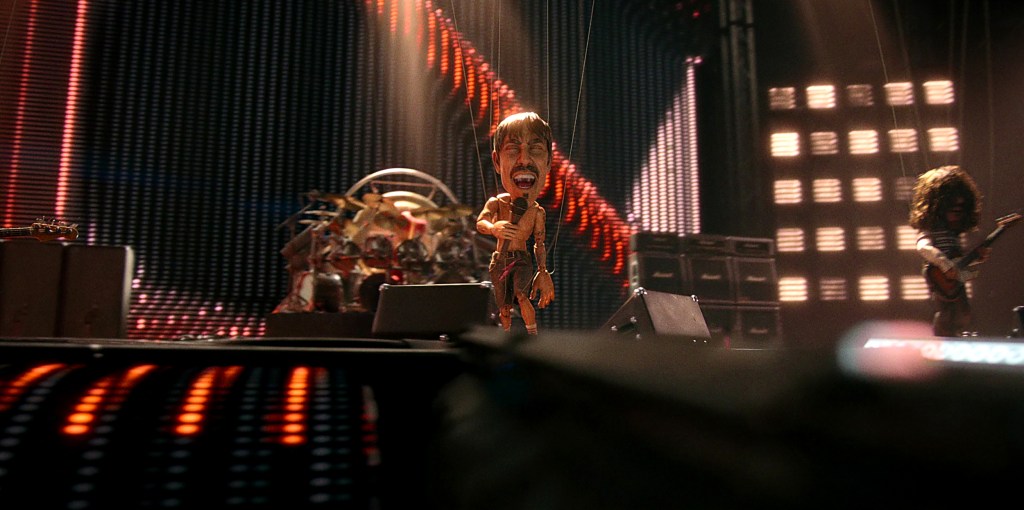
Twenty-two years later, the Chili Peppers are bringing that 2003 gig to screens again — only this time they’re string puppets.
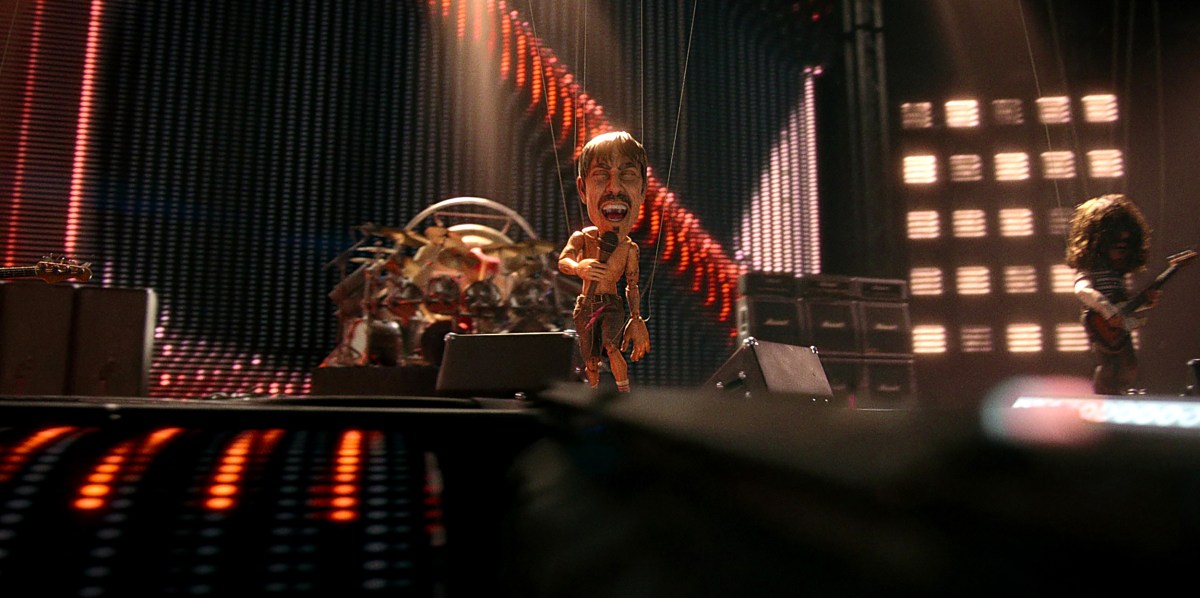
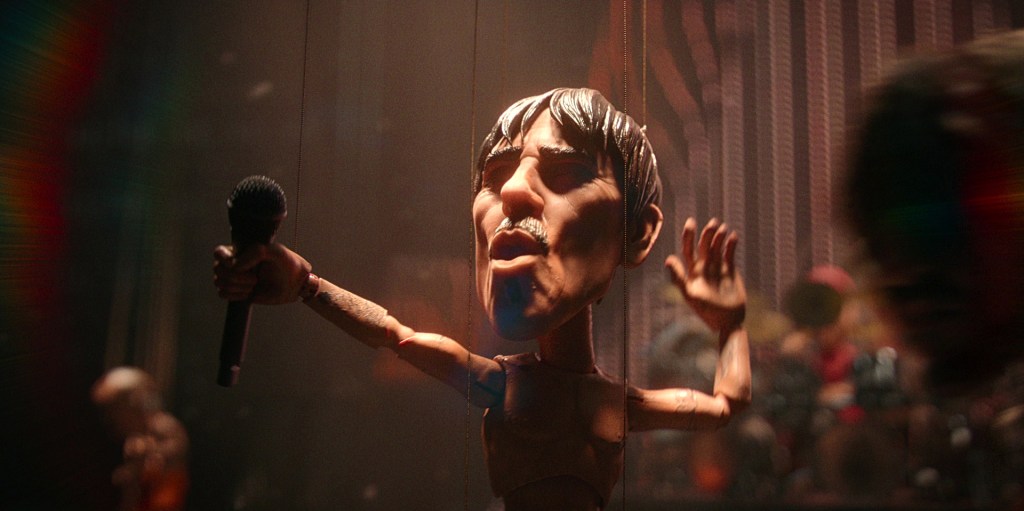
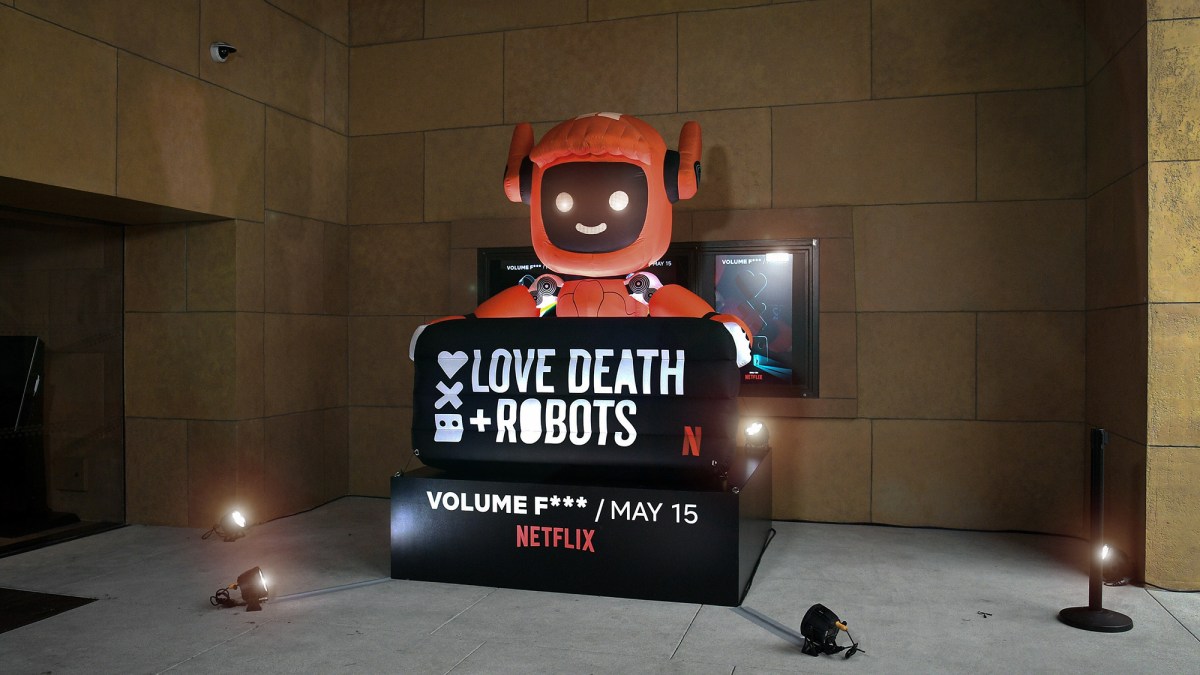
Can’t Stop is director David Fincher’s re-creation of the band’s rendition of that tune at Slane Castle. Part of the just-released fourth season of the Emmy-winning Netflix anthology series “Love, Death + Robots,” the animated short film depicts the Chili Peppers — Smith, Flea, singer Anthony Kiedis and guitarist John Frusciante — as dangling marionettes onstage before a veritable sea of the same. As the band rides the song’s slinky punk-funk groove, we see Flea bust out some of his signature moves and Kiedis swipe a fan’s cellphone for a selfie; at one point, a group of women in the crowd even flash their breasts at the frontman.
The puppets aren’t real — the entire six-minute episode was computer-generated. But the way they move looks astoundingly lifelike, not least when one fan’s lighter accidentally sets another fan’s wires on fire.
So why did Fincher, the A-list filmmaker behind Fight Club and The Social Network, put his considerable resources to work to make Can’t Stop?
“A perfectly reasonable inquiry,” the director, who executive produces LOVE DEATH + ROBOTS, said with a laugh.
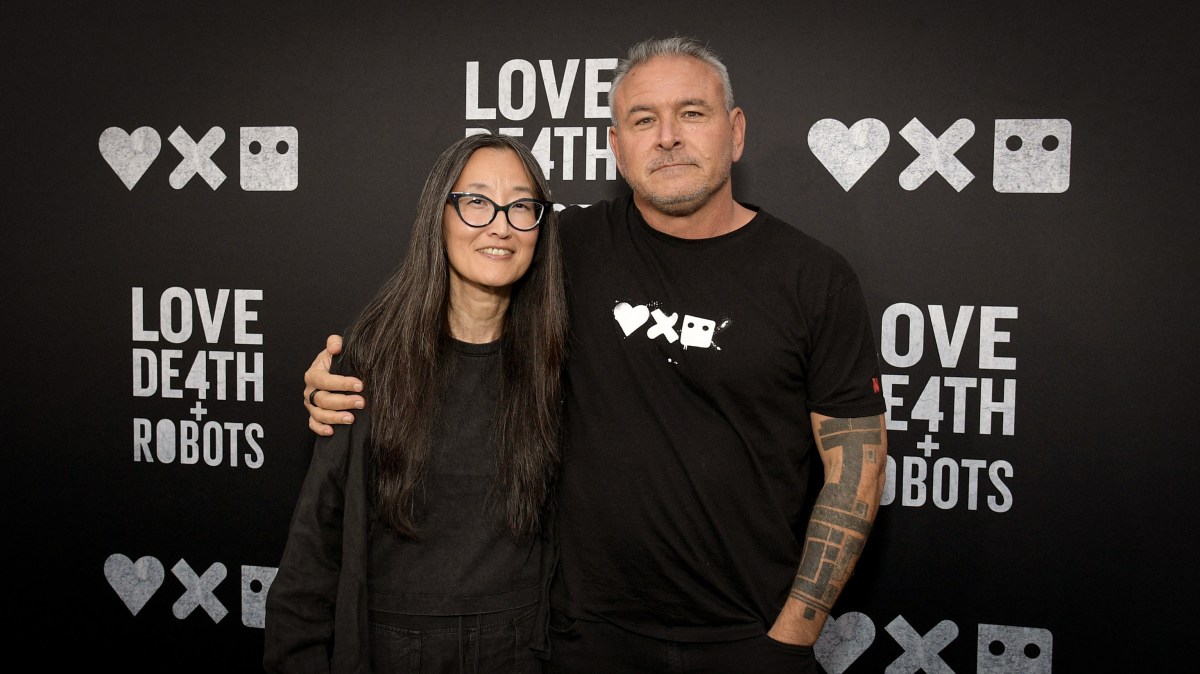
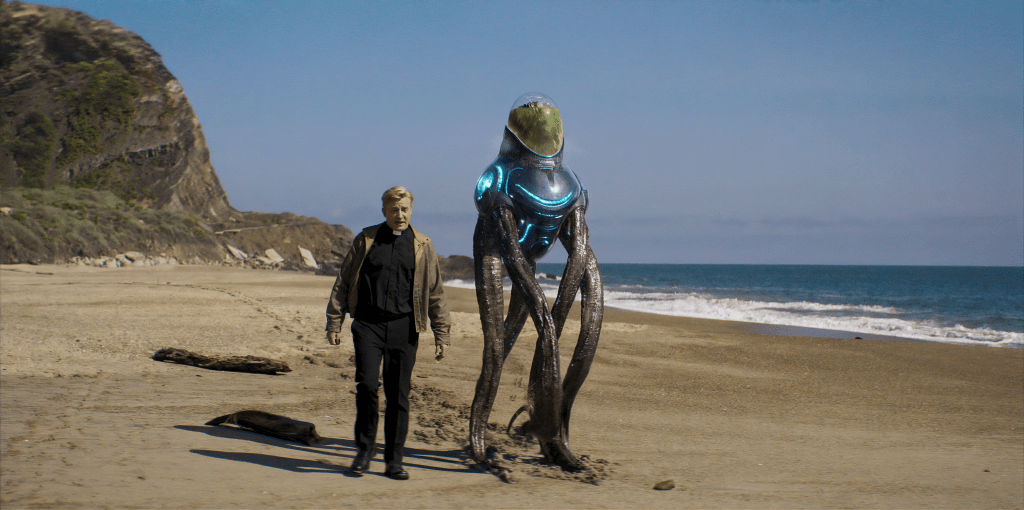
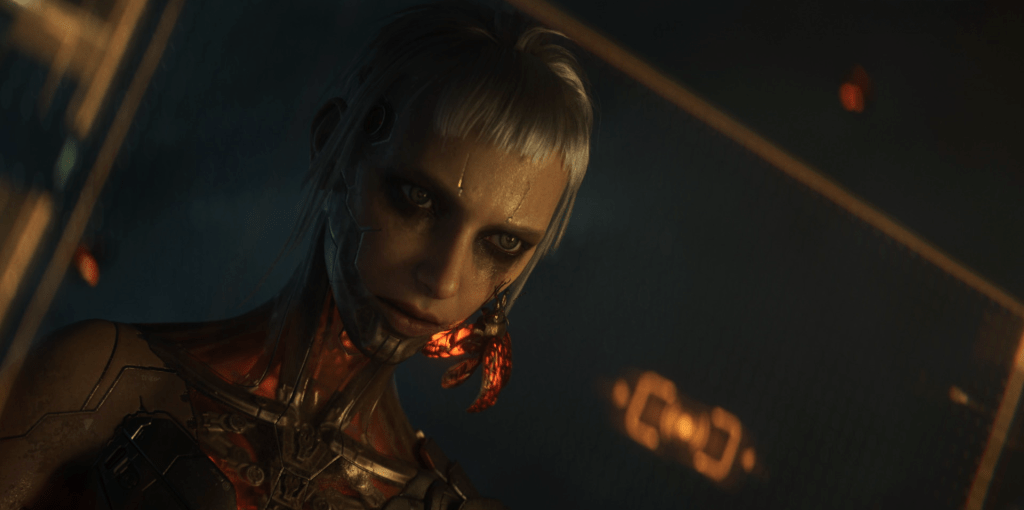
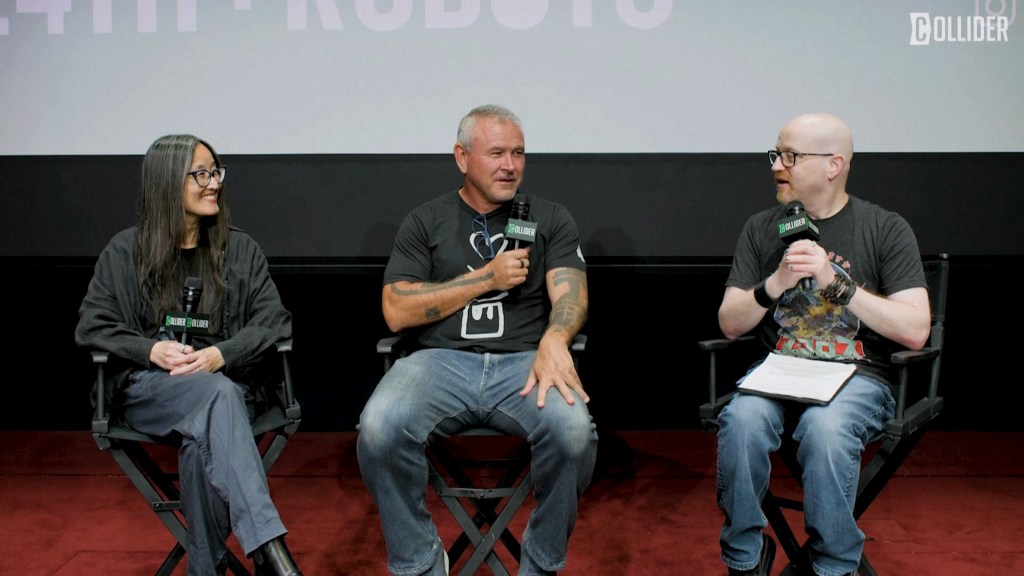
Creator Tim Miller, supervising director Jennifer Yuh Nelson, and designer/director Robert Valley discuss the latest edition of Netflix’s Emmy Award-winning animated short film anthology series that once again delivers a wide selection of funny, frightening, and thoroughly provocative works.
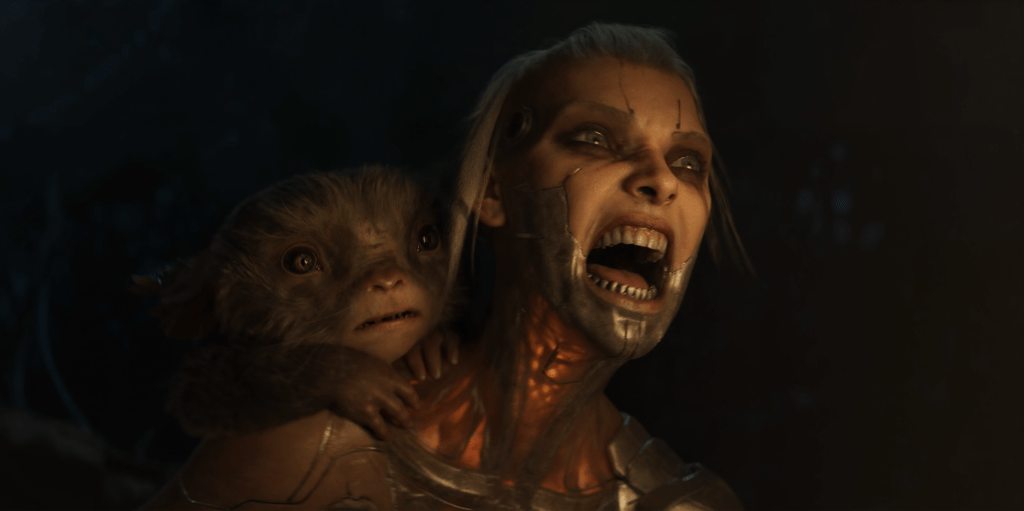
Director Jennifer Yuh Nelson tells IndieWire about being drawn to a grieving cyborg and her alien companion, who knows how to be adorable as a defense mechanism.
Featuring Directors Till Miller, Jennifer Yuh Nelson, Patrick Osborne, Emily Dean, Robert Bisi & Andy Lyon, and Voice Actors Emily O’Brien, and Sumalee Montano.
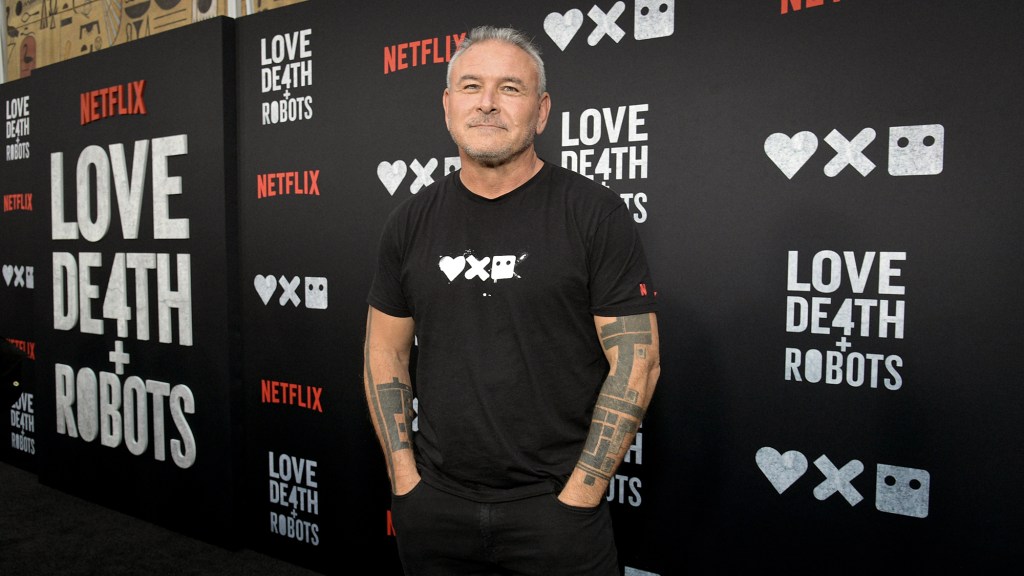
LOVE, DEATH + ROBOTS Vol. 4 Red Carpet Interview The Movie Couple
LOVE, DEATH + ROBOTS VOLUME IV Premiere! Tim Miller, Emily O’Brien, Sumalee Montano, and more! Temple of Geek
LOVE, DEATH + ROBOTS Vol. 4 Premiere: MR. BEAST’s Episode (Snyder Connection & Sonic 4)! Mama’s Geeky
LOVE, DEATH + ROBOTS Season 4 Cast and Creatives on AI & How They’d Expand the Title The Direct Extras
LOVE, DEATH + ROBOTS: Tim Miller & Cast Break Down Epic Volume 4 Episodes Screen Rant Plus
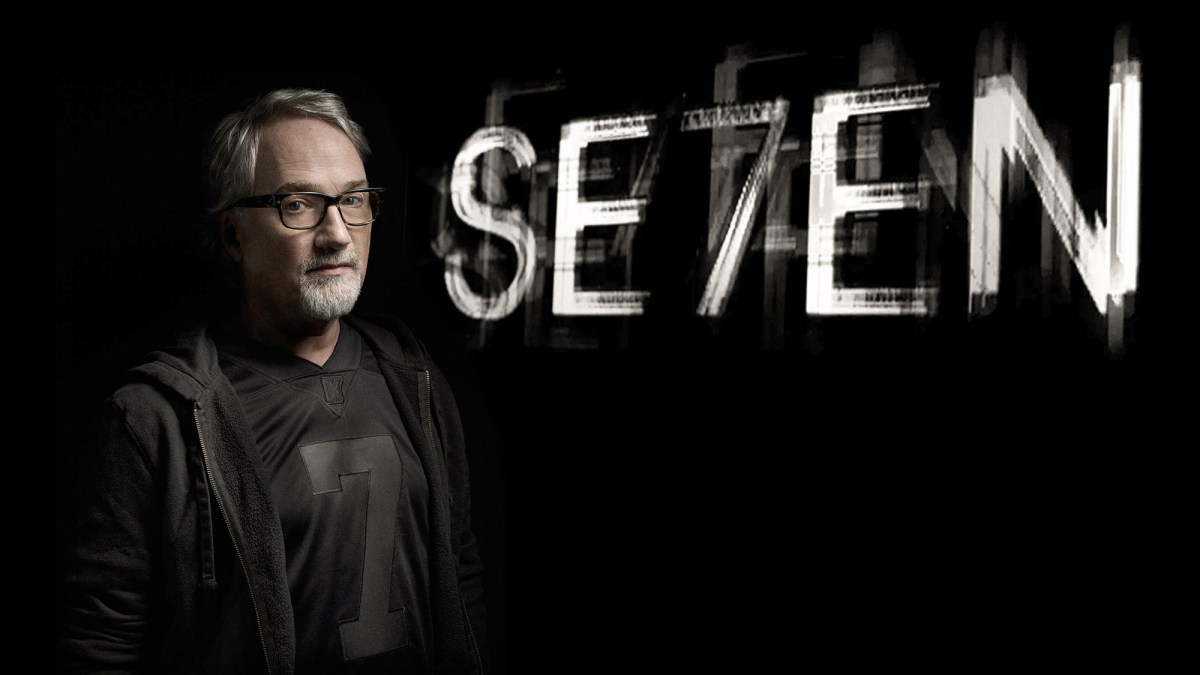
SE7EN turns 30 this year, and to commemorate the anniversary, director David Fincher has overseen the 4K remaster of the seminal crime drama.
The serial killer mystery — which stars Morgan Freeman, Brad Pitt, Gwyneth Paltrow, and Kevin Spacey — first shook up the crime genre in 1995 with propulsive, precise craft and unprecedentedly nasty crime scenes that have influenced everything from Saw to The Batman. The film now has a higher-resolution look that will debut on IMAX screens on Jan. 3 before releasing on 4K UHD Blu-ray Discs and on digital Jan. 7. Fincher and his team painstakingly recreated the film as it was originally printed in 1995, utilizing some AI tools to enhance the image and fix visual mistakes that weren’t visible in previous scans of the film.
Entertainment Weekly chatted with Fincher to discuss the new version of SE7EN and reflect on his memories of helming his feature directorial breakout 30 years later — including what’s really in the box.
It’s officially 2025, and that makes it the year of SE7EN’s 30th anniversary. Released in theaters on September 22, 1995, David Fincher’s second feature film enjoyed a successful run at the box office, scored an Academy Award nomination for Best Film Editing, a BAFTA nomination for Best Original Screenplay, and is still revered as top-tier cinema to this day.
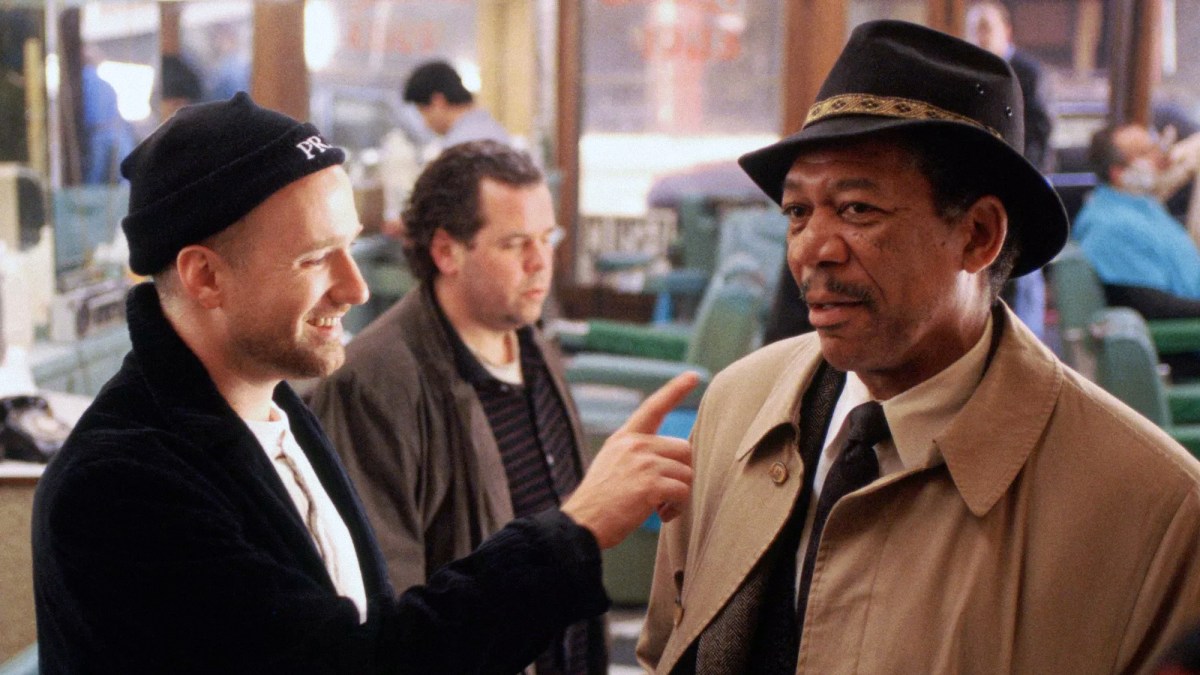
The movie stars Morgan Freeman and Brad Pitt as detectives. Freeman’s William Somerset is a respected veteran on the verge of retirement, while Pitt’s David Mills is a recently transferred detective with loads of confidence, but lots to learn from Somerset. The pair is assigned to investigate a string of elaborate and ruthless murders, each one connected to one of the seven deadly sins.
In celebration of SE7EN’s release on 4K UHD on January 7, and also its first-ever IMAX release on January 3, I got the opportunity to get a peek behind the curtain of the restoration process courtesy of Fincher himself. He broke down the factors he must consider when choosing which of his films to restore, where he draws the line when making changes to the original film during this restoration process, how he used AI to pull off “the most thrillingly stupid fix in the world,” and loads more. You can read about all of that and his thoughts on his Netflix projects getting physical releases in the interview below.
Frame & Reference is a conversation between Cinematographers hosted by Kenny McMillan. Each episode dives into the respective DP’s current and past work, as well as what influences and inspires them. These discussions are an entertaining and informative look into the world of making films through the lens of the people who shoot them.
In this episode, we’re joined by my friend Michael Cioni to talk about his new company Strada (YouTube).
Michael is a serial entrepreneur whose career includes numerous awards for his creative work and technical achievements. He is an accomplished director, cinematographer, musician, four-time Emmy winner, member of the Motion Picture Academy, and Associate Member of the American Society of Cinematographers.
A U.S. patent holder of digital cinema technology, Michael was the founder and CEO of the post house Light Iron where he pioneered tools and techniques that emerged as global workflow industry standards. After Light Iron was acquired by Panavision, Michael served as product director for Panavision’s Millennium DXL 8K camera ecosystem.
He then joined the cloud startup company Frame.io where he served as Senior Vice President of Global Innovation. After Frame.io was acquired by Adobe, Michael led numerous workflow innovations including the breakthrough Camera to Cloud technology program as Senior Director of Global Innovation.
He continues to be motivated by the desire to democratize professional workflows and focuses his efforts on inventing new ways for filmmakers to create through his technology. Michael is a well-known and gifted speaker, advocate for the community, and serves as a mentor and educator throughout the global media industry.



 The Fincher Analyst