Awards Chatter Podcast: Jesse Eisenberg on “A Real Pain,” Acting vs. Writing, and “The Social Network”

The Oscar-nominated writer (he’s a finalist for his semi-autobiographical original screenplay about a transformative trip to Poland) and actor (2010’s The Social Network) talks to THR about his life and career.

Scott Feinberg
January 28, 2025
The Hollywood Reporter

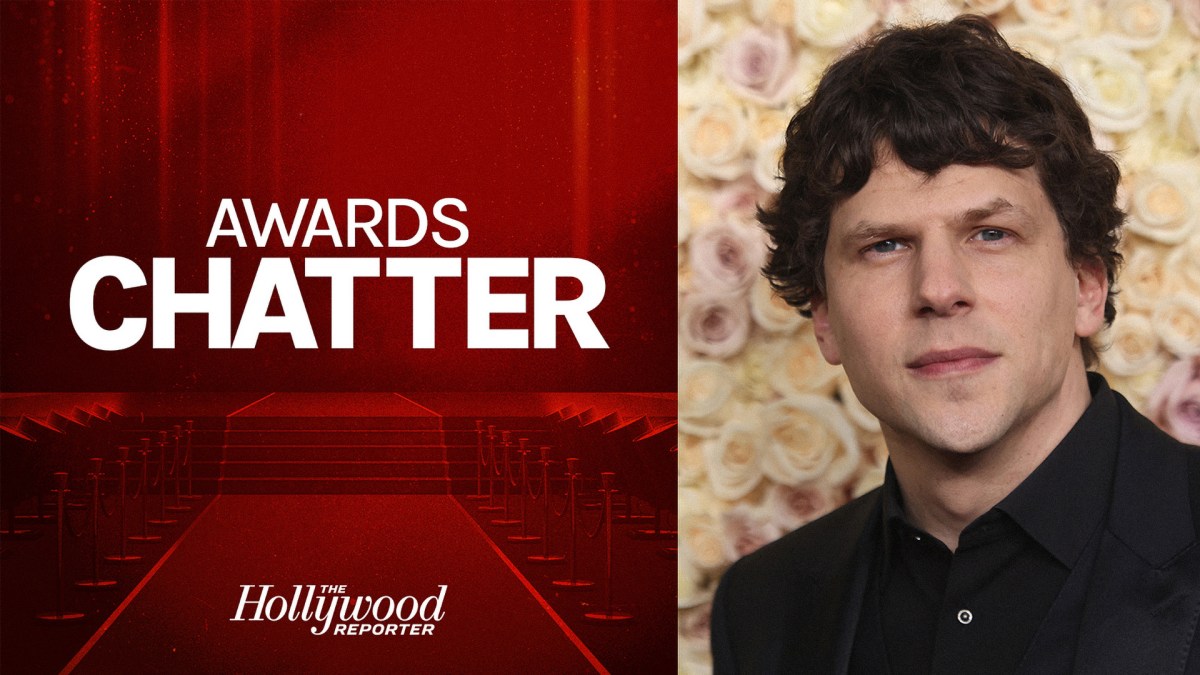
Jesse Eisenberg is the guest on the latest episode of The Hollywood ReporterAwards Chatter podcast. The 41-year-old actor, writer and director is best known for his portrayal of Facebook founder Mark Zuckerberg in David Fincher’s 2010 masterpiece The Social Network. Fourteen years after receiving an best actor Oscar nomination for that performance, the former child actor is an Oscar nominee again, this time for the original screenplay that he wrote for a 2024 film that he also directed and stars in, A Real Pain.

The semi-autobiographical drama is about two very different cousins — one “successful” but anxious, played by him, the other struggling but charming, played by Kieran Culkin — who travel together to Poland to pay tribute to their beloved late grandmother. It premiered at the 2024 Sundance Film Festival, where Eisenberg was recognized with the Waldo Salt Screenwriting Award, and at which its U.S. distribution rights were acquired for $10 million by Searchlight, which released it on Nov. 1, 2024. It has since garnered rave reviews — it’s at 96% on Rotten Tomatoes — and has grossed $16.4 million worldwide.

Over the course of a conversation at the Los Angeles offices of The Hollywood Reporter, Eisenberg reflected on how a shy and socially-awkward kid wound up on the stage and the screen in the first place, in films such as 2002’s Roger Dodger, 2005’s The Squid and the Whale and 2009’s Adventureland; what led him to begin writing, even as his acting career took off thanks to the commercial success of 2009’s Zombieland and 2010’s The Social Network, and why he shifted from penning scripts in the mold of Adam Sandler comedies to more personal material; how A Real Pain — the second feature that he wrote and directed, after 2022’s When You Finish Saving the World — essentially brings together ideas he first explored in other pieces that he wrote years ago; plus much more.

Listen to the podcast

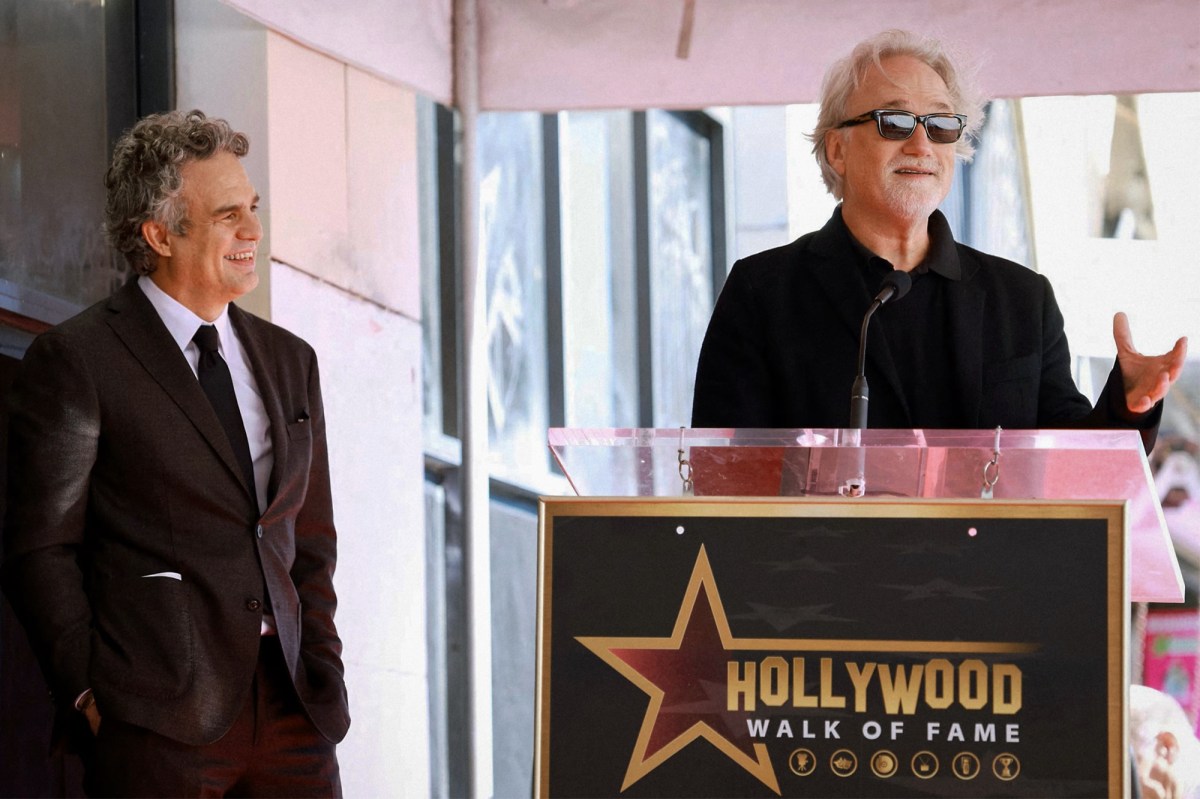
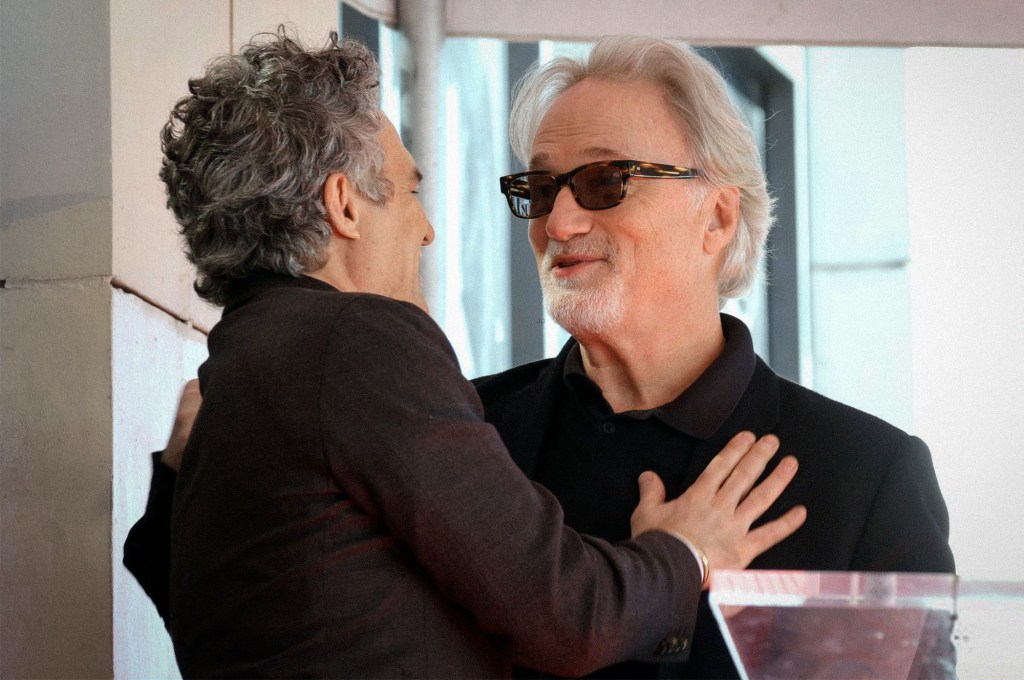
Mark Ruffalo Hollywood Walk of Fame Ceremony

February 8, 2024
Hollywood Walk of Fame

Mark Ruffalo receives the 2,772nd star on the Hollywood Walk of Fame.

MC: Hollywood Chamber of Commerce President & CEO Steve Nissen

Guest Speakers: Actor Tim McNeil, Director David Fincher (min. 22:29), and Actress Jennifer Garner.

Mark Ruffalo Rewatches 13 Going on 30, Poor Things, The Avengers, Zodiac & Spotlight

January 8, 2024
Vanity Fair (YouTube)

In Conversation: David Fincher and The Crew of “The Killer” in New York

October 27, 2023
Netflix: Behind the Streams

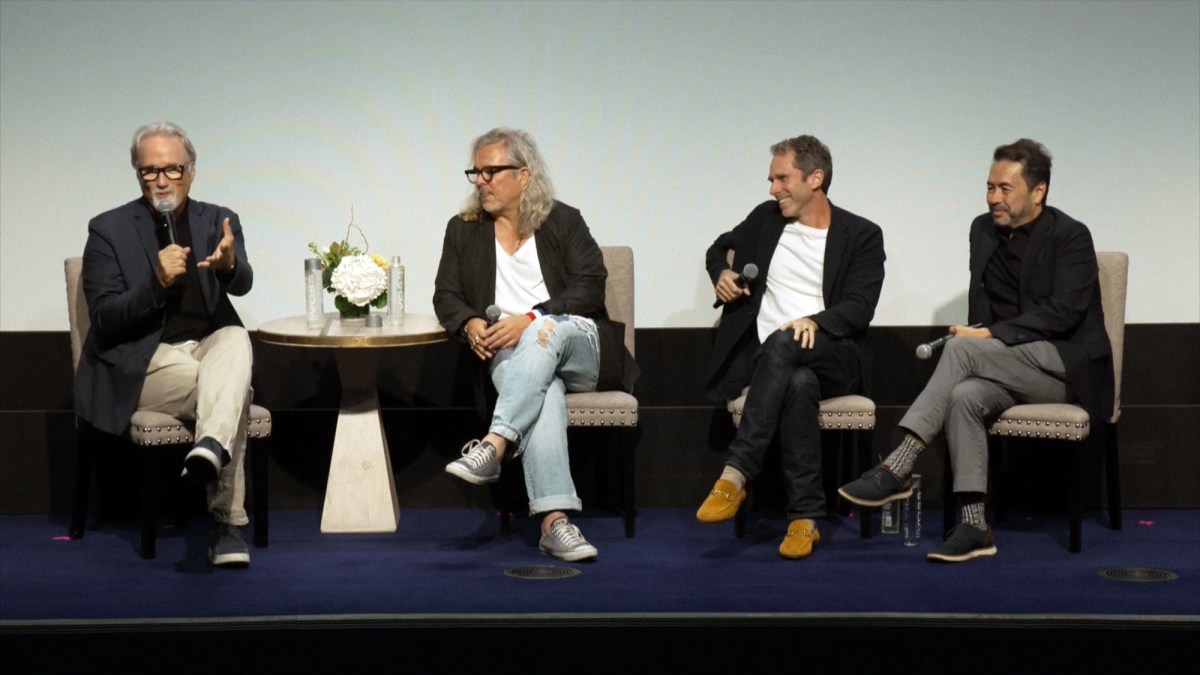
David Fincher discusses the making of The Killer with Writer Andrew Kevin Walker, Editor Kirk Baxter, and Sound Designer Ren Klyce, after the “Tastemaker” screening for The Academy at the Whitby Hotel in New York.

Watch The Killer on Netflix

How Kerry O’Malley Delivered an Unforgettable Turn as a Secretary with Secrets in David Fincher’s ‘The Killer’

Matt Donnelly
December 14, 2023
Variety

SPOILER ALERT: This post contains spoilers for David Fincher’s “The Killer,” now streaming on Netflix.

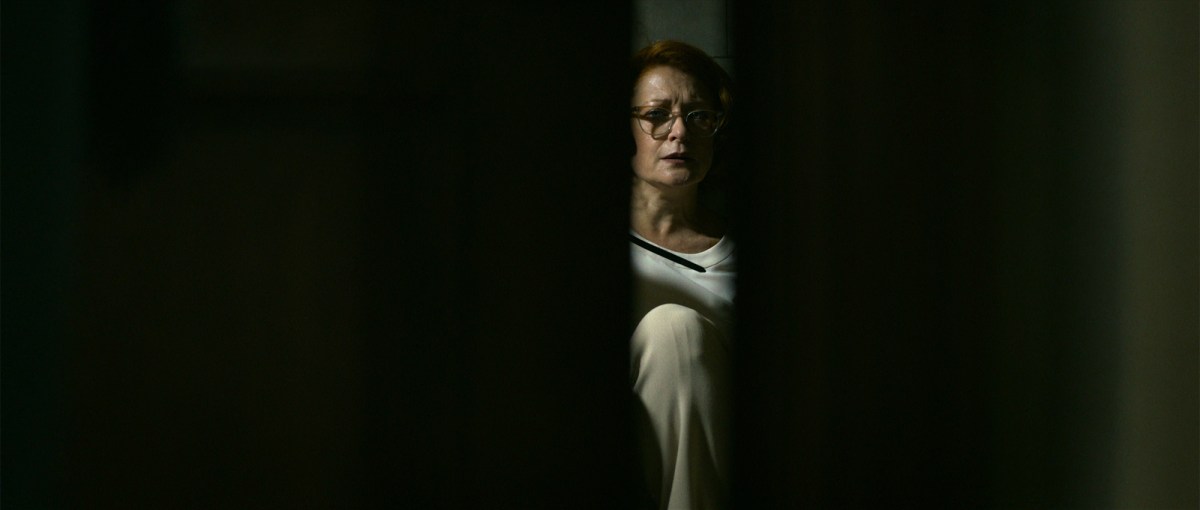
The next few months will be stacked with conversations about the year’s best film performances, but we’d be remiss to let 2023 go dark without mentioning one of its most exciting turns: Kerry O’Malley in David Fincher’s “The Killer.”

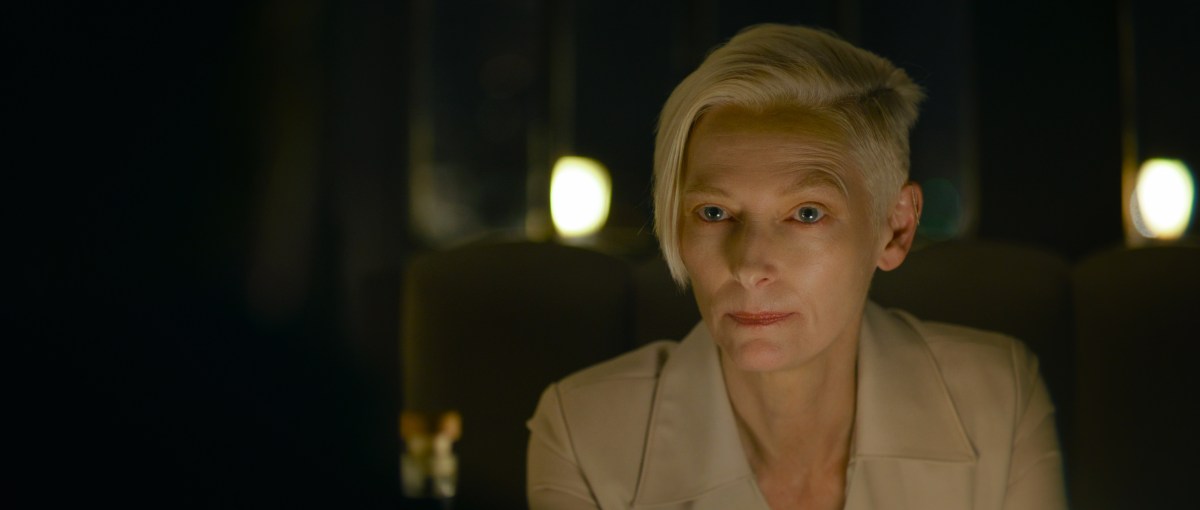
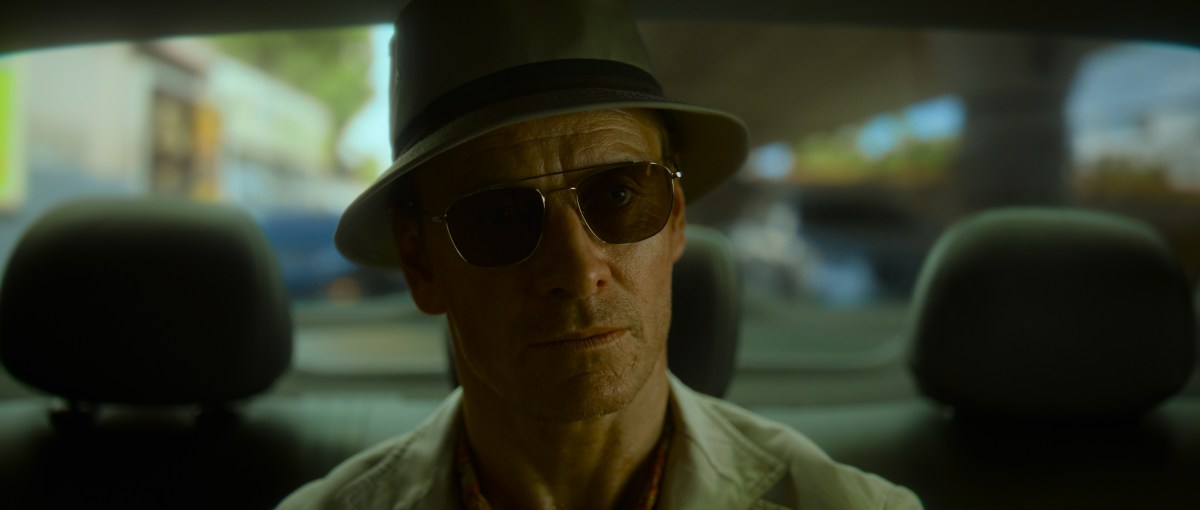
A veteran working actress who has appeared on “1923,” “Grey’s Anatomy” and in features like the “Annabelle” franchise, O’Malley more than held her own alongside Michael Fassbender and Tilda Swinton in the unexpectedly funny tale of a contract killer gone haywire.

O’Malley stars as Dolores, an average-seeming New Orleans woman who serves as dutiful assistant to a lawyer (Charles Parnell), who also happens to dole out high-paid hit orders on the rich and powerful. Fassbender, a protégé of Parnell’s, has been betrayed and seeks revenge — but must first tangle with Dolores, who confuses his own sense of vigilante justice with her pragmatism and air of innocence.

O’Malley’s sequence in the film makes for some of the most riveting character work we’ve seen from Fincher as of late. Dolores is a woman fully aware of how she earns her living, yet appeals to a broader sense of empathy in the viewer (and her own potential murderer). In a chat with Variety, O’Malley discusses auditioning virtually with Fincher, working with Fassbender and the “banality of evil.”

Read the full interview

Actors on Actors: Michael Fassbender & Carey Mulligan

December 10, 2023
Variety (YouTube)

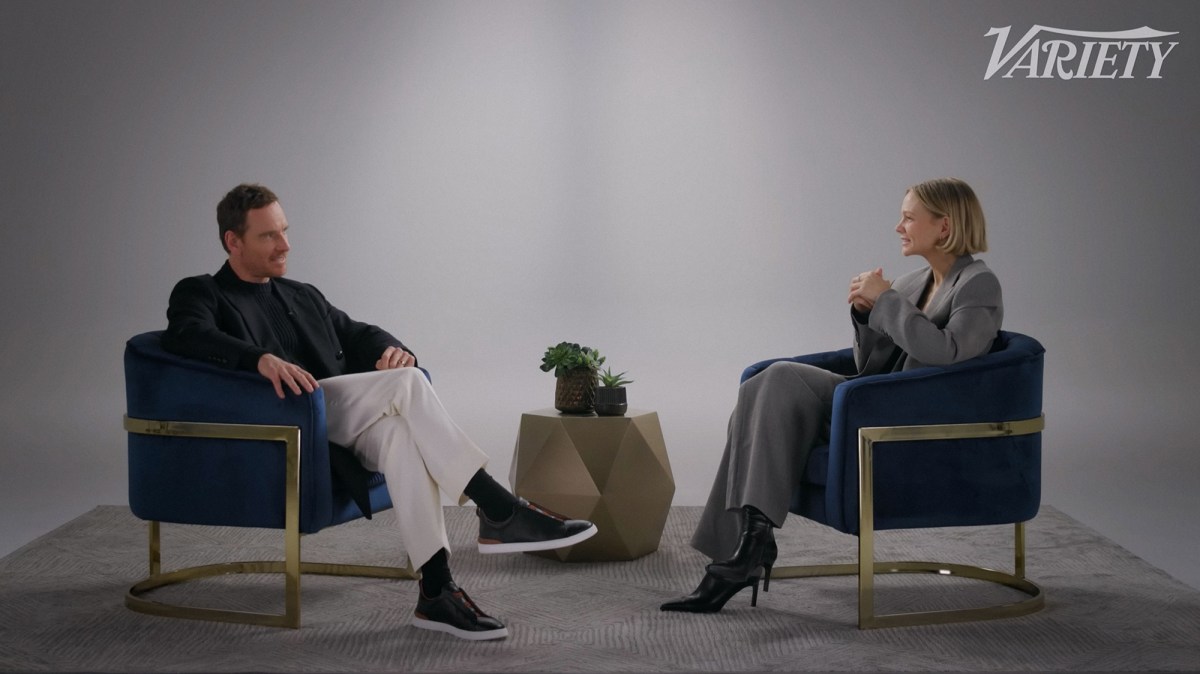
In their Actors on Actors conversation ‘Shame’ costars Carey Mulligan (‘Maestro‘) and Michael Fassbender (‘The Killer‘) reminisce on working with Steve McQueen and talk about the directors they worked with on their current projects, David Fincher and Bradley Cooper.

Variety Actors on Actors presented by AIR from Amazon Studios.

From ‘Shame’ to Netflix Films: Michael Fassbender and Carey Mulligan on Rejection and Being So in Character You Act Without Thinking

Kate Aurthur
Photographs by Alexi Lubomirski
December 10, 2023
Variety

In “Maestro” and “The Killer,” the characters played by Carey Mulligan and Michael Fassbender exist in different worlds. Mulligan’s Felicia Montealegre Bernstein, an up-and-coming actress who becomes conductor Leonard Bernstein’s wife and soul mate, breathes rarefied air among East Coast artists from the 1950s through the ’70s. Fassbender’s tightly coiled, mostly silent assassin, meanwhile, travels the world seeking vengeance, while keeping his focus by doing push-ups on his fingertips.

Twelve years ago, though, Fassbender and Mulligan inhabited the same toxic universe, as dysfunctional siblings in 2011’s “Shame.” The film was writer-director Steve McQueen’s bleak, sexually explicit examination of sex addiction through the eyes of Fassbender’s character, Brandon, a New York City executive brought low by his self-destructive desires. Mulligan’s Sissy, a lounge singer, was sorrowful and also boundary-less.

Read the full interview

Happy Sad Confused: Michael Fassbender talks “The Killer” & “Next Goal Wins”

Josh Horowitz
November 30, 2023
Happy Sad Confused

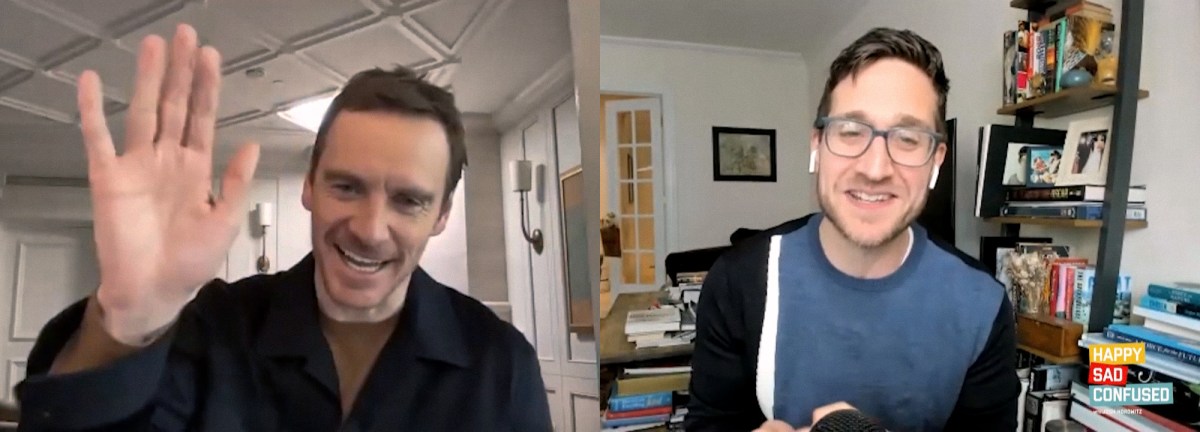
It’s been 4 years since Michael Fassbender was on the big screen but he’s making up for lost time with 2 new movies, Next Goal Wins and The Killer. Josh and Michael catch up on it all including his passion for race car driving and quoting movies.

Listen to the podcast:

Apple Podcasts
Spotify

To get early access to all of Josh’s interviews, go to Patreon.

Follow Josh on Twitter, Instagram, and Facebook.

The Editing Podcast: David Fincher’s Editor Reveals The Key To Make ANY Edit Work

Jordan Orme and Hayden Hillier-Smith
November 22, 2023
The Editing Podcast

Welcome to The Editing Podcast, where storytelling meets the art of post-production. In this riveting episode, hosts Hayden Hillier-Smith and Jordan Orme sit down with none other than the master editor behind the brilliance of David Fincher‘s cinematic wonders—Kirk Baxter.

We delve deep into Kirk’s illustrious career, spanning iconic films that have left an indelible mark on the world of cinema. From “The Social Network” to “Gone Girl” to his most recent thriller, “The Killer”, Kirk Baxter’s editorial prowess has shaped some of the most memorable moments in film history and has influenced the editing landscape forever.

In this episode, we dissect the mesmerizing opening sniper scene, a sequence that hooks audiences from the first frame. Kirk takes us behind the scenes, sharing the secrets of crafting tension and suspense that keep viewers on the edge of their seats. We also explore the intricacies of “The Killer‘s” visceral fight scene, a jaw-dropping display of editing finesse that elevates the film to a new level of intensity. Kirk Baxter’s insights into the creative decisions behind each cut and the rhythmic flow of the sequence offer a rare glimpse into the mind of a true editing maestro.

00:00: David Fincher’s Editor Kirk Baxter
01:00: Use Riverside
02:18: Why Hiding Blinks Creates Intention
05:05: The David Fincher Editing Style
09:50: Choreographing The Vicious Fight Scene in The Killer
12:29: Letting Sound & Music Guide Your Edit
13:57: Comment “Storyblocks is cool”
15:00: Hooking Your Audience In The First 5 Minutes
16:23: How To Cut With Intention
18:14: Breaking Down The Sniper Scene in The Killer
25:15: The Magic Of Vertical Sound Cutting
27:53: Breaking Down The “Cool Girl” Sequence in Gone Girl

Editor: ​⁠ Tyson Pellegrini and Hayden Hillier-Smith
Executive Producer: Vishnu Vallabhaneni
Thumbnail: David Altizer

Listen to the podcast:

Apple Podcasts
Google Podcasts
Spotify

Follow The Editing Podcast: YouTube, Twitter, Instagram

The Filmmakers Podcast: David Fincher’s Cinematographer Erik Messerschmidt, Editor Kirk Baxter, and Sound Designer Ren Kylce, on “The Killer”

Giles Alderson and Dom Lenoir
November 14, 2023
The Filmmakers Podcast

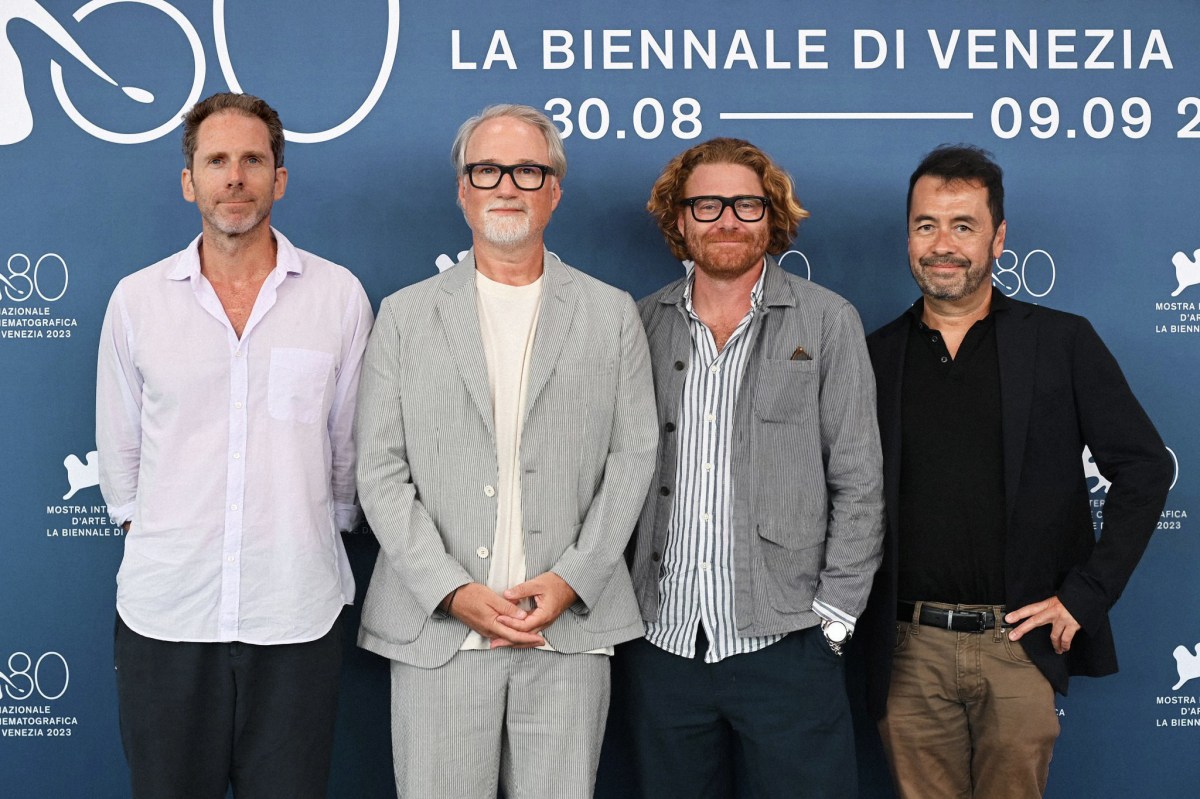
We have a bumper episode for you with not one, not two, but three Oscar-nominated or Oscar-winning filmmakers who work with David Fincher. We have Cinematographer Erik Messerschmidt, Editor Kirk Baxter, and Sound Designer Ren Kylce, who have all worked with Fincher multiple times. We talk about their latest collaboration, The Killer, which starring Michael Fassbender and Tilda Swinton.

Listen to the podcast:

The Filmmakers Podcast
Apple Podcasts
Google Podcasts
Spotify

Follow the podcast on Twitter and Instagram. Support it on Patreon and access bonus episodes, industry survival guides, and feedback on your film projects!

The Film Board: Erik Messerschmidt on The Killer

Justin Jaeger and Tommy Metz
November 14, 2023
The Film Board (TruStory FM)

This month, The Film Board is taking on David Fincher’s latest, The Killer. Cinematographer Erik Messerschmidt sat down with Justin Jaeger and Tommy Metz III to talk about making the movie, how movies are made, and why David Fincher’s reputation in one important area is wildly overstated.

Listen to the interview:

Apple Podcasts
Google Podcasts
Spotify
YouTube

Listen to the full podcast on The Killer:

Apple Podcasts
Google Podcasts
Spotify
YouTube

“I Don’t Think Directors Should Be Amenable”: Erik Messerschmidt on Shooting The Killer and David Fincher’s Simple Process

Nick Newman
November 8, 2023
The Film Stage

One of my most-read pieces last year revolved around two films that hadn’t shown a single frame. Strange except for the fact that it was a conversation with Erik Messerschmidt, whose recent time’s been devoted to shooting new films by David Fincher and Michael Mann––exactly the subjects who will earn eyeballs with just a mention. One year later, with The Killer winding down its limited release before a Netflix debut on Friday, I spoke again with Messerschmidt about the intensive, exhaustive, rewarding process behind one of 2023’s supreme entertainments, and how being guided by modern American cinema’s most-obsessive auteur was the only way to get it right.

The Film Stage: I made a point of seeing The Killer at New York’s Paris Theater––it’s a nice-sized screen, well-projected, a Dolby sound system. The unfortunate truth is that most watching it on Netflix won’t have a comparable experience.

Erik Messerschmidt: Sure.

Millions of people can see it, but then you think about people’s set-ups––let alone competing for their attention. How do you generally feel about this dichotomy, and specifically with this film?

I think the cinema is an extraordinary community experience, and it’s for that reason that it’s worth protecting. I think there is something really extraordinary about being in the room and experiencing something at the same time, and there is something equally extraordinary of being a director and experimenting whether or not you can control the audience response en masse. You know? Which is something you can only really test in the cinema environment. Look: there’s a real thing about being able to pause it and go to the bathroom, or pause it and go grab another glass of wine or whatever––pause it and watch it later. The “captive audience” part of the cinema is what makes it unique and important. I don’t necessarily agree that the technology is the reason to go to the cinema. I think the immersive nature of being in the black room with the single screen without screaming kids and your phone sitting there––all the other distractions––that’s a real thing. And I think the sound is a real thing, although people have home theaters in their homes now and surround sound and stuff. But it’s not the same as being in a calibrated environment.

I sort of go back to my childhood and think… I didn’t see Star Wars projected until I was, probably, 19 years old, but I had seen it 50 times on my parents’ VHS. In the wrong aspect ratio. And it’s the movie that made me want to make movies. As a cinematographer––as a student of cinema––I think it’s vitally important to project cinema and encourage people to see movies in a cinema. This movie in particular is especially well-appreciated in a cinema, but I would argue more for the sound, to be honest––because of what Ren Klyce is doing with the sound. I hope people enjoy the picture, too, obviously. I don’t put much stock in the idea of “Oh, well, it’s going to be on Netflix so people are going to see the film on television.” I just think people see films on television anyway.

Half the movies I see, by the way––and I’m hesitant to admit it, but it’s true––are on airplanes. [Laughs] I think the goal of filmmakers is to reach the audience, and you want to reach as many as possible, and hope people see your movie in the cinema. That’s where it’s intended. But you have to accept the reality that there are many avenues to view the image, and if someone sees it on Netflix, hopefully next time there’s a screening they get up and go. When there’s a screening of Lawrence of Arabia I jump at the opportunity because there are so few opportunities, but it doesn’t mean I don’t enjoy it at home on my Apple TV either. [Laughs]

Read the full interview