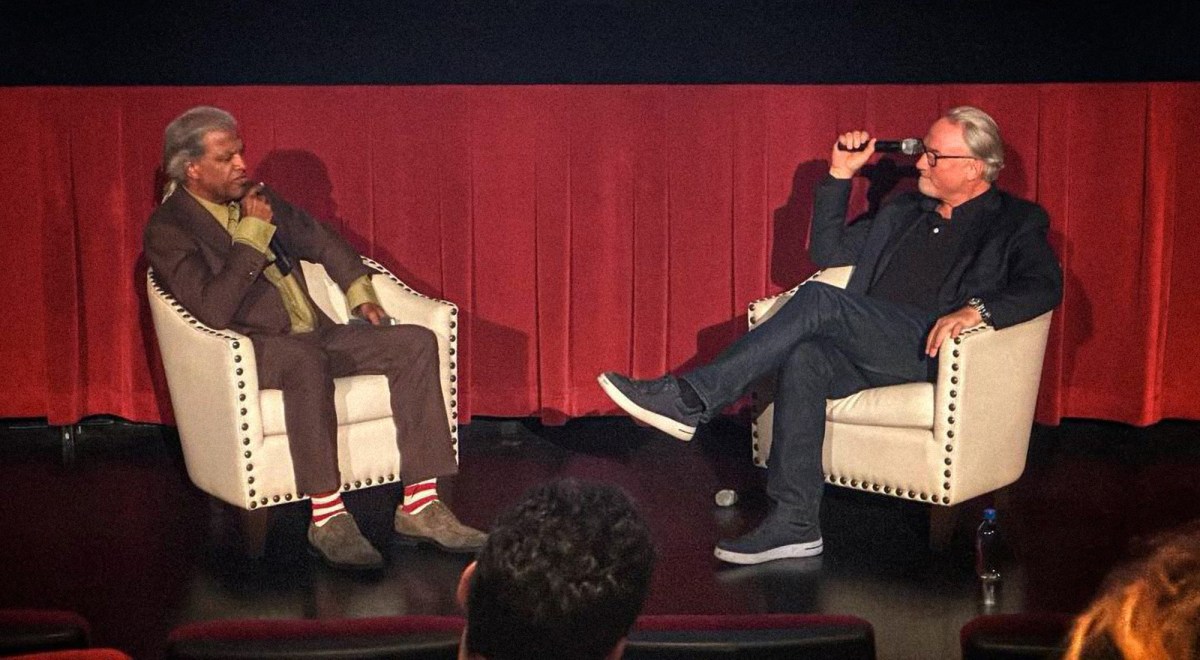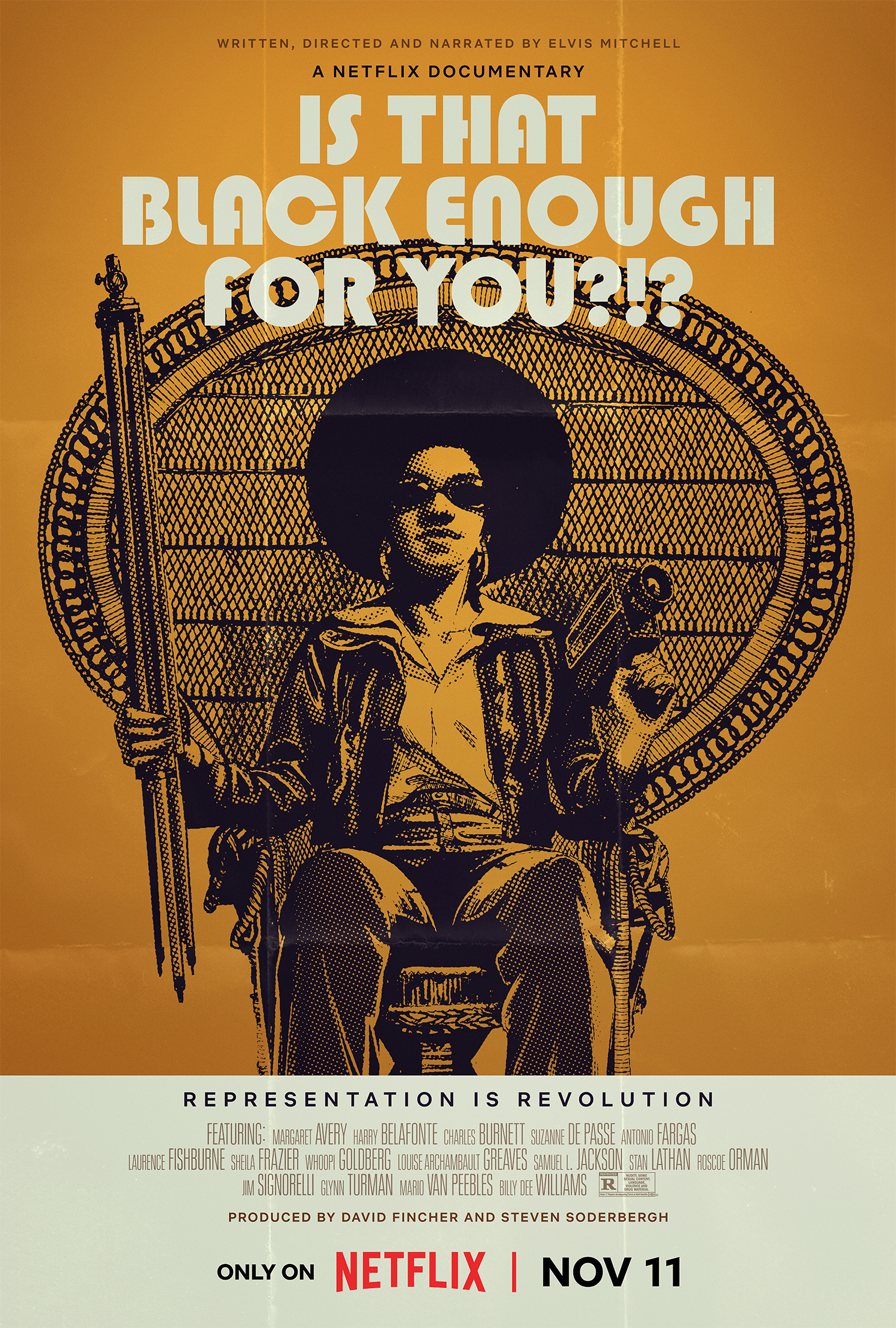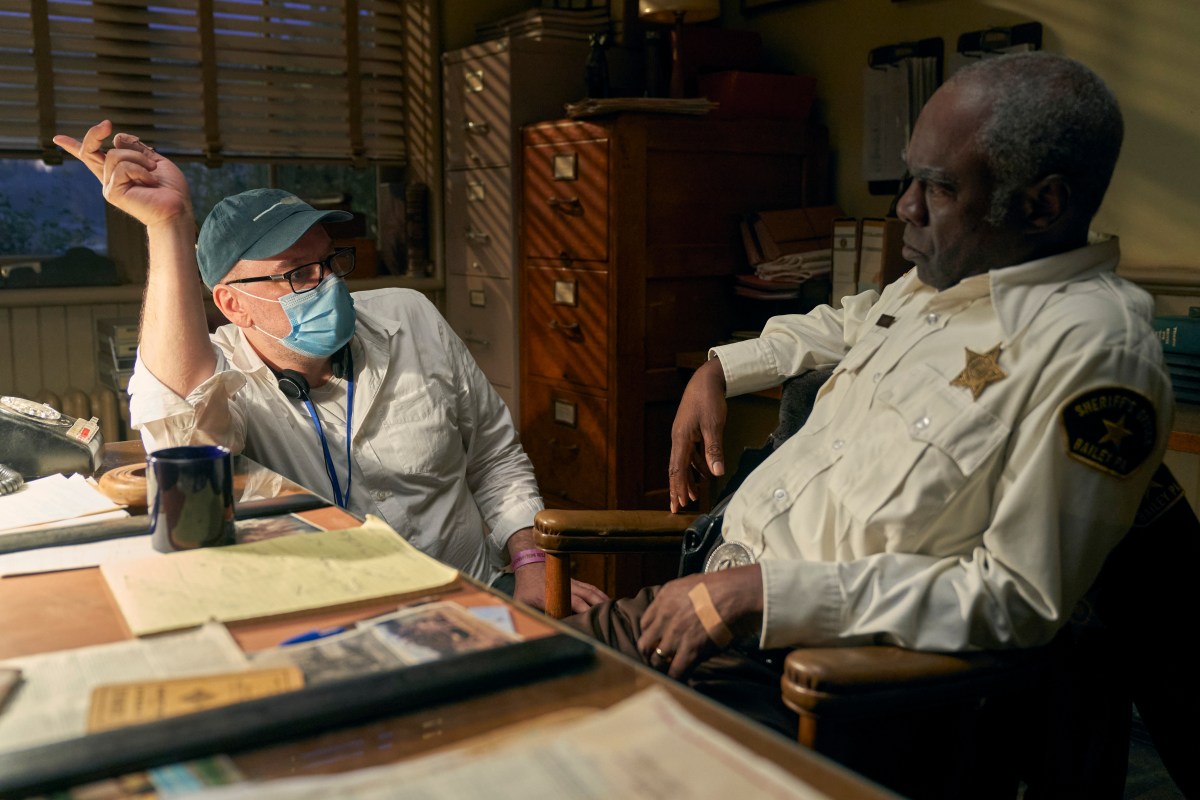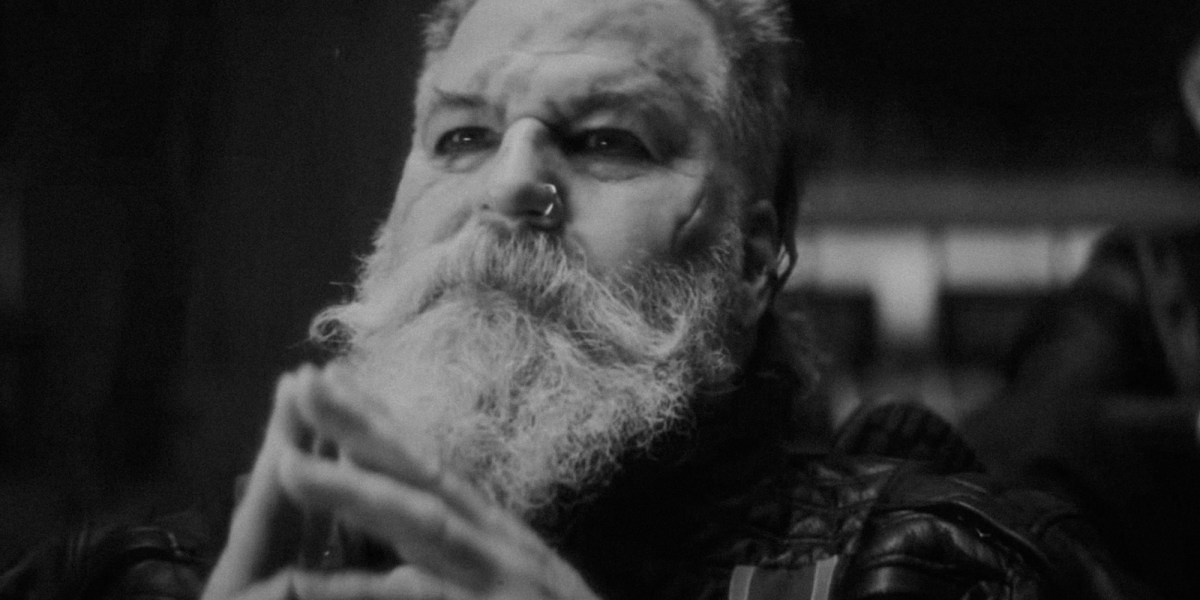
From celebrated writer and film historian Elvis Mitchell, Is That Black Enough for You?!? is both a documentary and a deeply personal essay. The film examines the craft and power of cinema from a perspective often overlooked: the African American contribution to films released from the landmark era of the 70s. It is a deep dive into the impact that point of view had on movies, as well as popular culture, and serves as a love letter to film, posing questions that have never been asked, let alone answered.
Crucial artistic voices, including director Charles Burnett, Samuel L. Jackson, Whoopi Goldberg, Laurence Fishburne, Zendaya and others, offer their distinctive prism on the creators and films that dazzled and inspired. The film provides insight into the history of Black representation going back to the earliest days of cinema, and the cultural impact of witnessing unapologetic Blackness.
Produced by Steven Soderbergh, David Fincher, Angus Wall and Ciara Lacy, Is That Black Enough for You?!? marks Mitchell’s directorial debut.
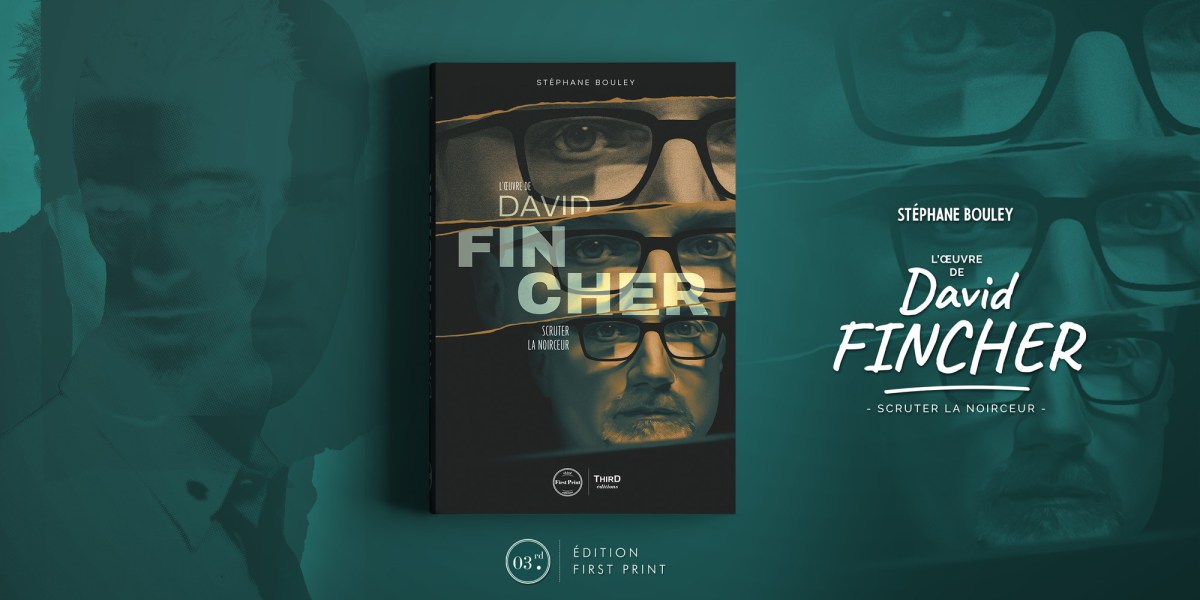
De Seven à Gone Girl, en passant par Fight Club, Zodiac ou encore The Social Network, l’œuvre de David Fincher constitue l’une des plus importantes du cinéma moderne. Ce cinéaste obsessionnel et méticuleux s’est attelé, film après film, à ausculter la nature humaine, ses conflits intérieurs ; ce qui en compose la noirceur.
Déjà auteur de l’essai L’Œuvre de John Carpenter. Les masques du maître de l’horreur, Stéphane Bouley propose, avec L’Œuvre de David Fincher. Scruter la noirceur, d’explorer les recoins de cette filmographie passionnante. L’ouvrage, à la fois dense et accessible, analyse avec force détails et transversalité les choix de mise en scène du réalisateur, ses motifs et thèmes récurrents, ainsi que le travail essentiel de ses collaborateurs.
L’édition First Print (nombre d’exemplaires limité) comprend :
Le livre L’Œuvre de David Fincher. Scruter la noirceur
Une jaquette réversible reprenant la couverture de l’édition classique
Un ex-libris de Ben Turner
Le livre au format numérique (ePub)
Caractéristiques
Pages: 520 Couverture: Cartonnée – Illustration de Ben Turner Format: 160 x 240 mm Edition First Print: Jaquette réversible, ex-libris, fichier ePub Prix: 44,90€
Starting her career producing commercials Lisa Beroud transitioned to James Cameron‘s famous VFX house Digital Domain, where she worked on titles including TRON: Legacy, Oblivion, Her, 47 Ronin, and a multitude of David Fincher projects including Zodiac, The Curious Case of Benjamin Button, The Girl with the Dragon Tattoo, and Gone Girl. Since leaving DD, she has been a VFX producer of hits such as Black Panther, Terminator: Dark Fate, and Sonic the Hedgehog 2.
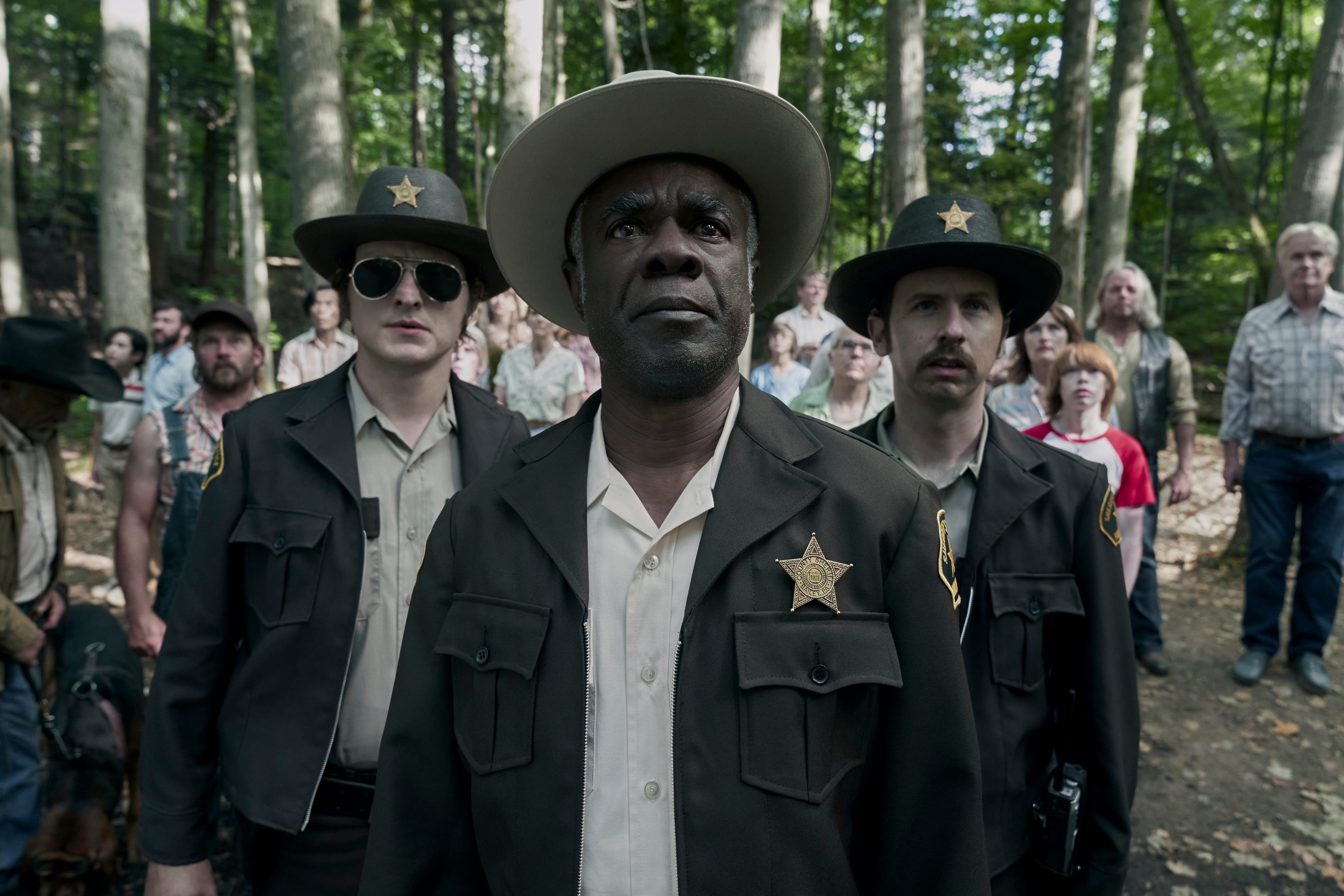
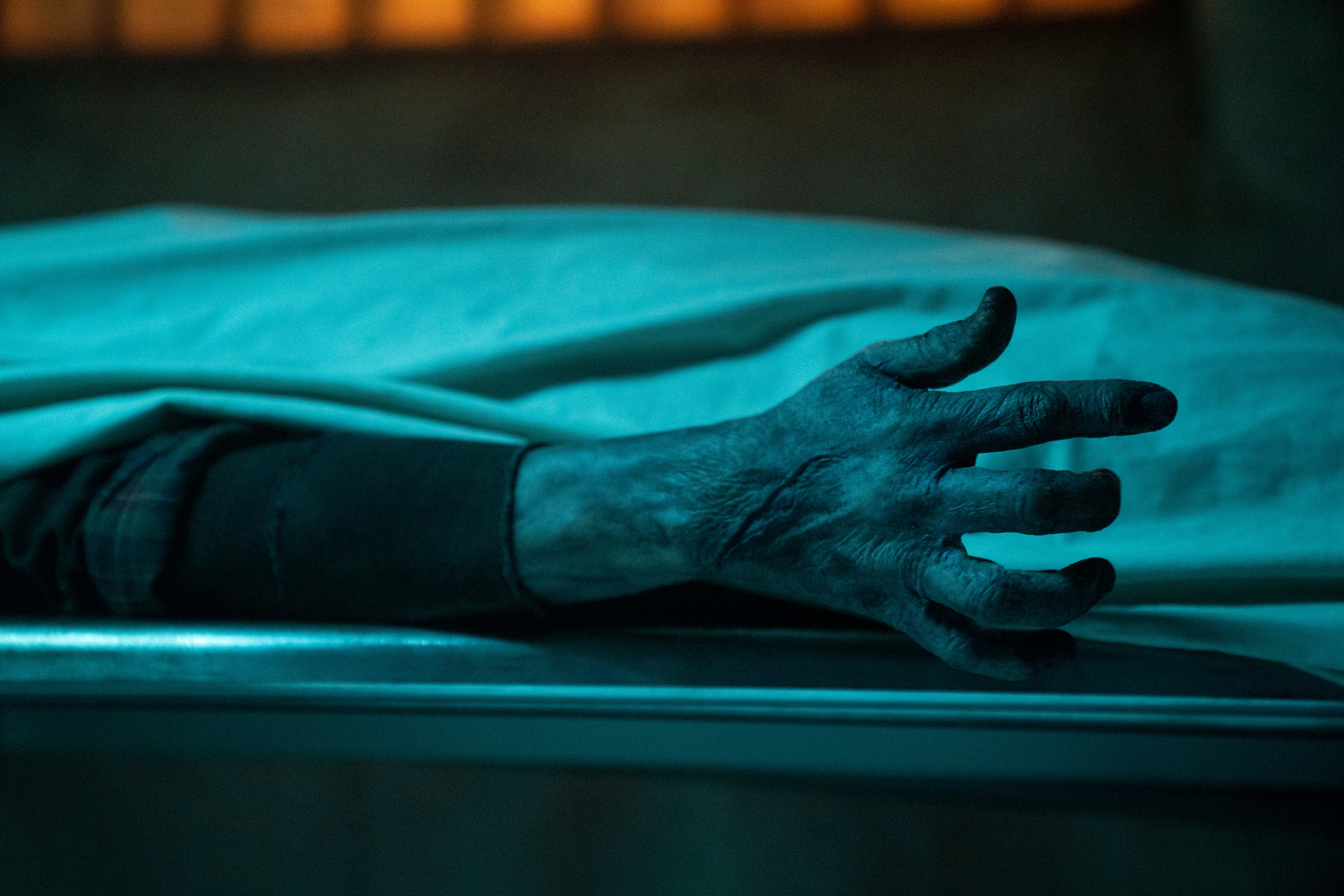
Some bodies are more than meet the eye, as seen in the “The Autopsy” installment of Guillermo del Toro’s Cabinet of Curiosities. Based on Michael Shea‘s short story of the same name, the episode sees a coroner brought in to do the autopsies of several miners who died when one of them set off an explosion with a mysterious object, only to learn of the surprising truth behind him.
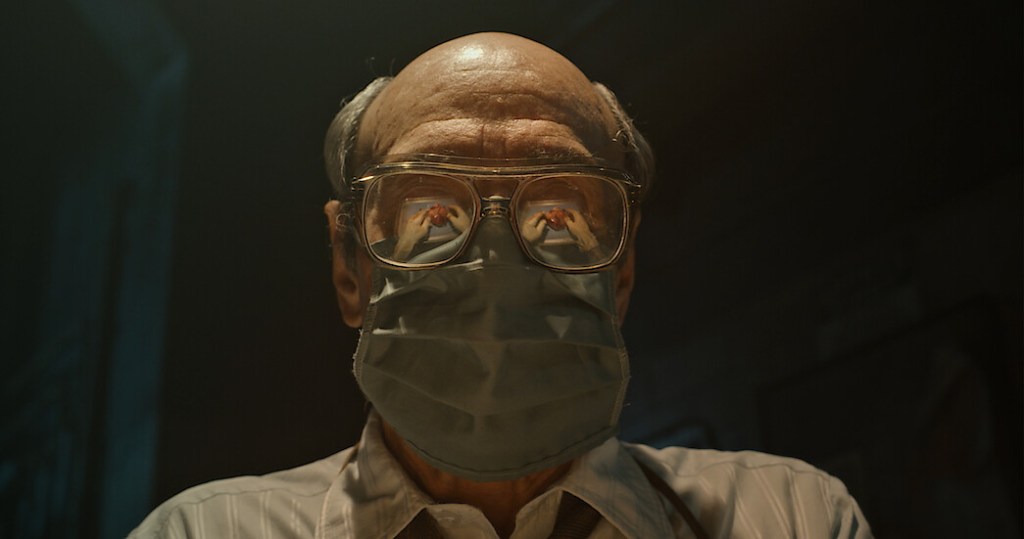
F. Murray Abraham and Luke Roberts lead the cast of “The Autopsy“, which hails from The Empty Man writer-director David Prior. Primarily set in an isolated location, the episode is a chilling game of mental chess as Abraham’s Dr. Carl Winters grapples with the revelation of why the miners died, and how he may be next.
In anticipation of its premiere, Screen Rantspoke exclusively with director David Prior to discuss Guillermo del Toro’s Cabinet of Curiosities, his installment “The Autopsy,” his and del Toro’s shared love of reading, The Empty Man‘s mishandled release, and more.
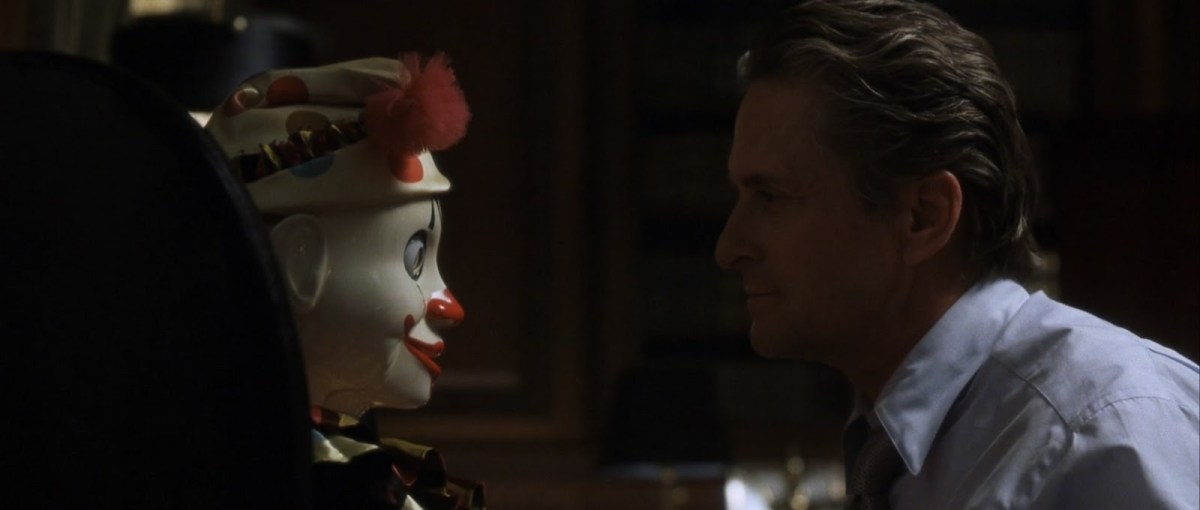
The Game had a lot to live up to. It was the film David Fincher chose as his follow-up to the wildly acclaimed Seven, a film that had thrust the young director into the limelight and prevented his career from reaching a premature end after the mixed reaction to his debut, Alien 3. Suddenly, he was no longer the man who’d killed the little girl we’d spent all of Aliens trying to save. Instead, he was a fully realized auteur ready to carve out his place in the annals of cinema, and all eyes were on him to see what he would do next. What he came back with was The Game, a Hitchcockian thriller for the modern age that toned down the controversial subject matter of its predecessor to focus on being a more straightforward genre pic – a decision that raised a few eyebrows.
The film centers on Nicholas Van Orton (Michael Douglas), a wealthy investment banker who has everything but the one thing money can’t buy – happiness. For his 48th birthday, his estranged brother Conrad (Sean Penn) gives him a voucher for a mysterious game operated by the equally mysterious Consumer Recreation Services. Nicholas initially rejects the gift, but curiosity gets the better of him and he agrees to participate. However, it doesn’t take long before reality and the game become one and the same, and Nicholas finds himself caught in a web of conspiracy that grows tighter the more he tries to escape. It’s classic thriller stuff and would make for perfect late-night viewing for someone looking to escape into the fantastical world of movies. It’s the sort of thing Alfred Hitchcock excelled at, and while it’s an oversimplification to say that that’s all the film has going for it – touches of psychological thriller era Brian De Palma are scattered throughout, alongside the occasional moment of surrealism that feels closer to what Charlie Kaufman would later popularize – it’s undeniably a more crowd-pleasing experience than Fincher’s previous work.
“The Empty Man” director discusses his masterful entry in Netflix’s “Cabinet of Curiosities” anthology series and its creative debts to Guillermo Del Toro, “The Exorcist,” and H.R. Giger.
[Editor’s Note: The following interview contains spoilers for “Guillermo Del Toro’s Cabinet of Curiosities” Episode 3, “The Autopsy.”]
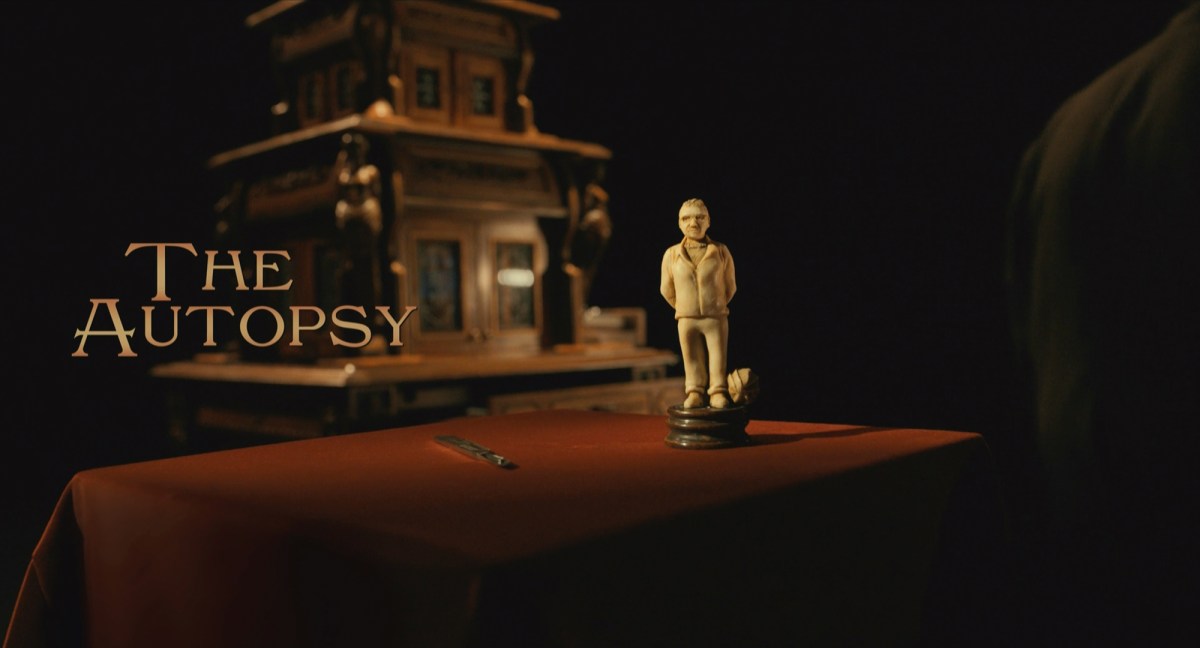
A little while ago, director David Prior got an unexpected gift. A package showed up in the mail. Inside was a tiny figurine of a bearded man.
“I got it in the mail before I even knew what it was. I thought, ‘Oh, that’s nice. A little souvenir. Did Guillermo whittle this himself?’” Prior said. “I assumed it was Dr. Winters when I got it.”
Dr. Winters is the main character in “The Autopsy,” the episode of the Netflix series “Guillermo Del Toro’s Cabinet of Curiosities” that Prior directed. In this version of Michael Shea’s short story, adapted with the help of screenwriter David S. Goyer, Winters is called on to help an investigation into what local police believe is a tragic mining explosion. By the time he gets a chance to examine the bodies pulled from the wreckage, Winters discovers that something about those deaths wasn’t exactly natural.
But as Prior discovered when he watched the completed episode, the small statue was of him, not his protagonist. In each of the “Cabinet of Curiosities” installments, Del Toro continues in the tradition of past anthology hosts with a short introduction. Each ends with him tipping his hat to the director of the episode audiences are about to see, with their figurine likeness front and center.
That kind of onscreen salute is far from the support that Prior’s debut feature, “The Empty Man,” got when it was released almost exactly two years before. A victim of studio merger jockeying, a theatrical distribution model in chaos, and a whole host of marketing bungles, “The Empty Man” took a groundswell of devoted fan support to gradually reach the audience it deserved.
“The Autopsy” doesn’t have quite the immense and global scope of that debut feature, but the same meticulous, precise spirit of Prior’s visual storytelling comes through. It’s a detective story of a different kind, with Winters (played by F. Murray Abraham) bringing a key emotional match to the jargon-heavy work of his profession. What this doctor finds is beyond the anatomical puzzle he expected.
And it’s another story that marries the technical craft of unsettling audiences (split fingernails! corpses in bags covered in insects!) with heady thematic ideas about what life is worth and how to spend it. From the mine explosion set piece to the insert shot of whiskey splashing into a coffee mug, everything in “The Autopsy” serves a purpose. Prior spoke with IndieWire about the process of joining a horror playground in progress and adding another impressive tale to his own collection.
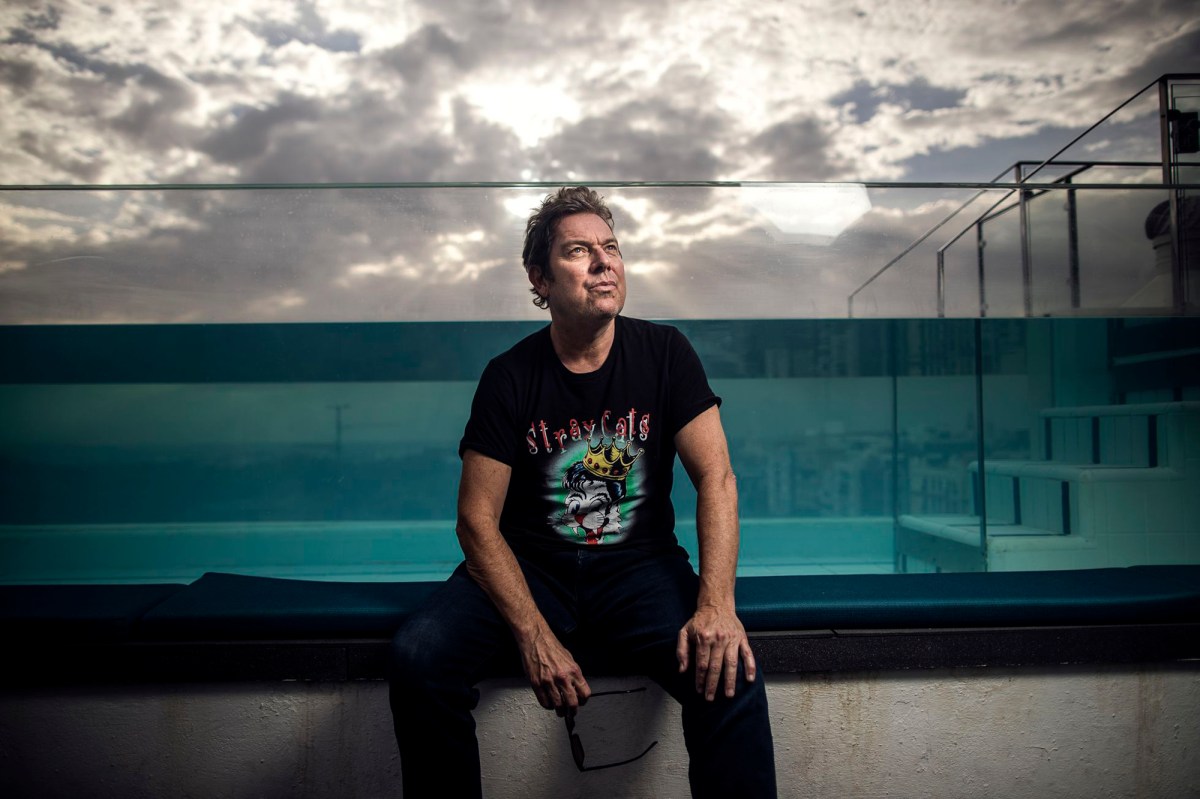
Joe Penhall, creador de la serie ‘Mindhunter’, en Madrid (Samuel Sánchez)
El creador de ‘Mindhunter’ repasa las entrañas de un género en auge en la ficción: “Hollywood los convierte en personajes icónicos, pero solo son seres tristes y muy jodidos”
Aunque la segunda temporada de Mindhunter (Netflix) se emitió en 2019, todavía muchos de sus seguidores siguen preguntando si volverá la producción que, en sus dos entregas, seguía el trabajo de dos agentes del FBI y una psicóloga que ponen en marcha la Unidad de Análisis de la Conducta del cuerpo en los años setenta. La serie, que tiene entre sus directores y productores al cineasta David Fincher, se basa en las memorias del exagente John E. Douglas y el escritor Mark Olshaker. A partir de ese material y muchas entrevistas con policías reales, expertos en análisis del comportamiento, e incluso con los agentes que capturaron a asesinos en serie como Green River y Ted Bundy, el autor teatral y guionista Joe Penhall (Londres, 55 años) ficcionó las vidas de quienes trataron de meterse en la mente de los criminales más peligrosos.
Are we totally saying goodbye to the option of a 3rd season of Mindhunter?
“I think so. Never say never, but Fincher loves making movies, and making movies is easier than 10 episodes of Mindhunter. The thing is that to make series for Netflix you have to make them like in a sausage factory. You have to get the episodes out with little money. I did 25 or 30 script rewrites per episode. It became impossible. Fincher realized that he couldn’t do that for a long time and also make movies. The budget was too high, we had the best directors… To move forward we would have to lower the quality, and that is why I think it will not happen. But I have told David [Fincher] that I have more seasons in mind. He always tells me, ‘well, we’ll see, who knows…’. In fact, Penhall wrote in 75 pages the main lines of what he devised as 5 seasons of the series. “In the 5th, Tench [played by Holt McCallany] and Holden [Jonathan Groff] become authors, they write books. They go to Hollywood premieres and no longer work as agents, become famous and sign autographs, and have a battle with other rivals over who invented behavioral science and even become consultants on a Hollywood movie. It was a very playful idea”, he smiles.
Lakeshore Records Digital release date: September 30, 2022 Catalogue No.: LKS36291
The album features the original music from the Netflixshow’s third season composed by Rob Cairns (Dallas, The Forger, The Bachelor).
It also includes:
The score for the episode directed by David Fincher, Bad Travelling, composed by Jason Hill (Mindhunter, Voir)
The score for the episode directed by Tim Miller, Swarm, composed by Tom Holkenborg (Mad Max: Fury Road, Deadpool, Zack Snyder’s Justice League) with additional music by Shwan Askari
A track from the episode directed by Alberto Mielgo, Jibaro, by Killawatt
Track list:
Rob Cairns – Craters (1:03)
Rob Cairns – Seasteading (1:43)
Rob Cairns – It’s Magnificent (0:54)
Rob Cairns – Extreme Democracy Quintet (1:06)
Rob Cairns – Liftoff (0:54)
Rob Cairns – Io / Tank Rupture (3:26)
Rob Cairns – Wake Up (1:21)
Rob Cairns – Formations (1:42)
Rob Cairns – What Does This Sound Like? (1:25)
Rob Cairns – Electromagnetic Spectrum (2:18)
Rob Cairns – One Last Dream Before Dying (2:38)
Rob Cairns – Open (1:17)
Rob Cairns – Fire and Forget (1:15)
Rob Cairns – Her Name Was Susan (0:41)
Rob Cairns – Uncrating the TT15 (1:16)
Rob Cairns – Battle (1:35)
Rob Cairns – I Salute Your Bravery (0:50)
Rob Cairns – We Got These Fuckers Now (4:17)
Rob Cairns – Light Em Up (1:03)
Rob Cairns – Guard What? (1:40)
Rob Cairns – Contact Rear (1:09)
Rob Cairns – Release Me (2:41)
Jason Hill – From Black to Blood (2:20)
Jason Hill – Me Eat Meat (2:43)
Jason Hill – As You Must Now With Me (3:12)
Jason Hill – Put It to a Vote (3:27)
Jason Hill – Babies (1:54)
Jason Hill – Mutiny (1:54)
Jason Hill – We Have Arrived (3:41)
Jason Hill – Bad Travelling Closing Titles (1:11)
Tom Holkenborg – Adrift on Ancient Chemical Tides (6:31)
In this video, I’m lucky enough to sit down with Andrew Kevin Walker! Screenwriter behind projects such as SE7EN, the David Fincher directed crime thriller, starring Brad Pitt & Morgan Freeman! Andrew is also the screenwriter behind Brainscan, Nerdland, he co-wrote Windfall, and he also wrote an episode of hit TV Show, Love Death and Robots! It was such an honour to chat with Andy!
Over the past five years, Love, Death & Robots has completely resculpted the landscape of animation, feeding Netflixviewers bite-size chunks of violence, sex, and gore. Supervising Creative Director Jerome Denjean is a key player behind-the-scenes, giving Love, Death & Robots’ talented directors the freedom to execute their visions (literally!) while ensuring that each episode fits in with the series’ overall vision and tone.
In his second podcast with Chris, Jerome breaks down some of the amazing episodes in series three: David Fincher’s “Bad Travelling,” Alberto Mielgo’s “Jibaro,” Patrick Osborne’s “Three Robots: Exit Strategies,” and Emily Dean and Polygon Pictures’ “The Very Pulse of the Machine.” Jerome also reveals how episodes are researched and produced, and how Japanese animation has influenced their direction.
0:00:00: Intro 0:06:03: Five years of Love, Death & Robots 0:09:12: Jerome’s role and how he works with different directors and international teams 0:14:28: Working with David Fincher on “Bad Travelling“ 0:18:23: Fincher, mocap, virtual production, and gore 0:23:48: Old friends return: “Three Robots: Exit Strategies” 0:30:19: The style of “The Very Pulse of the Machine“ 0:35:36: The influence of anime and working with Polygon 0:40:16: Alberto Mielgo’s “The Witness” and “Jibaro“ 0:52:39: Nurturing new talent 0:55:17: Producing “Love Death & Robots”