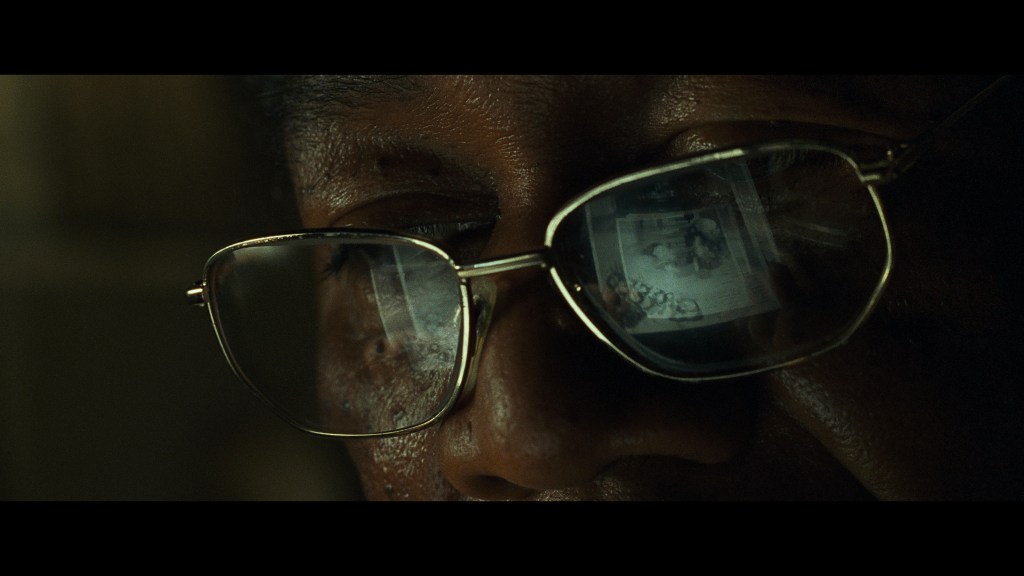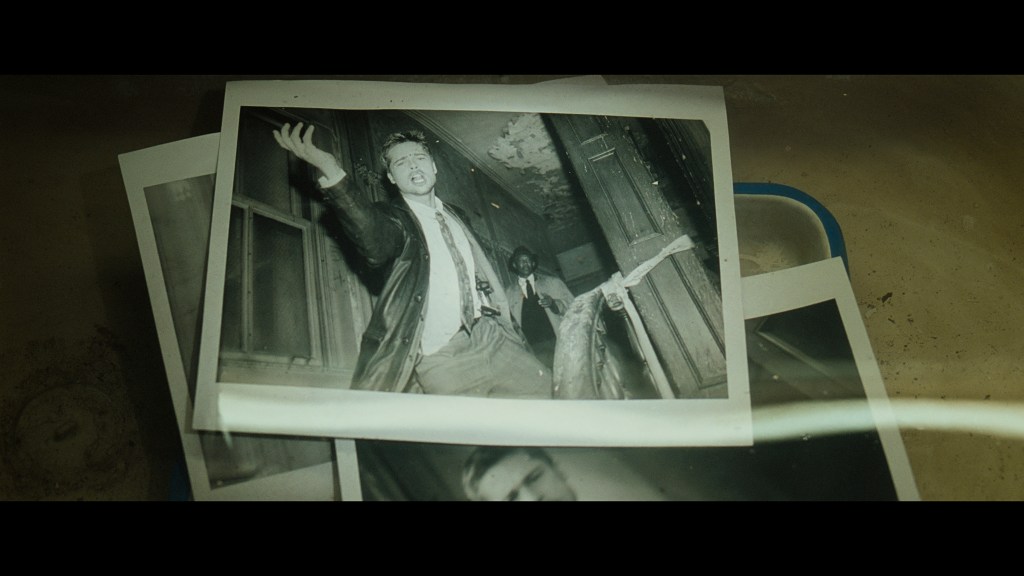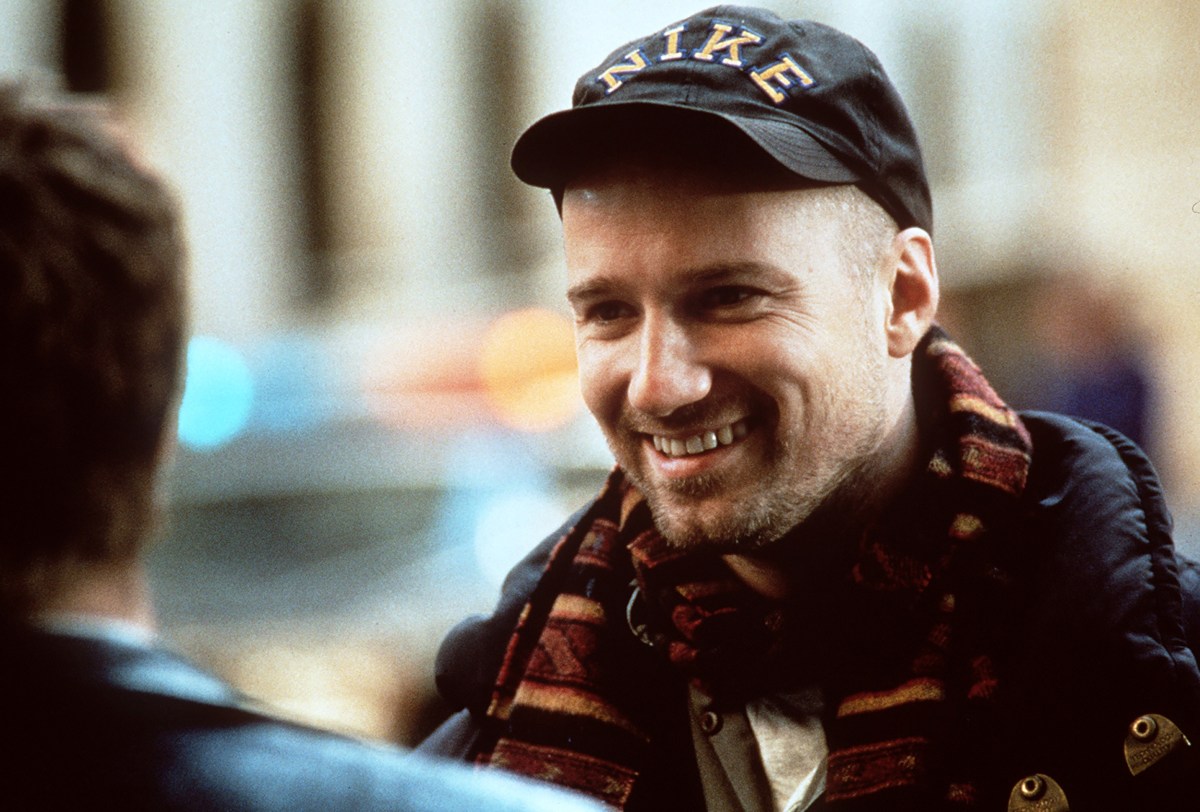
David Fincher Reveals Secrets from SE7EN, from Casting Near-misses to the (False) Rumour about That Head

EXCLUSIVE: Speaking to ‘The Independent’, the filmmaker also revealed the hilariously blunt response he received from Gene Hackman after he offered the veteran actor a part in the film

Adam White
January 7, 2025
The Independent

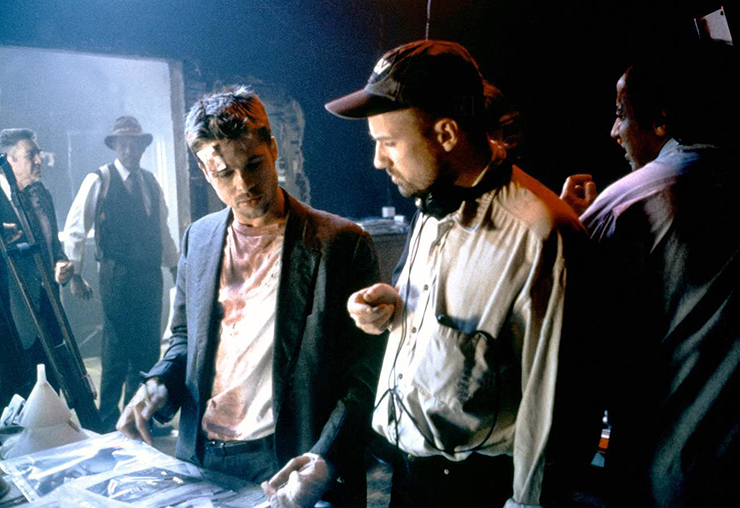
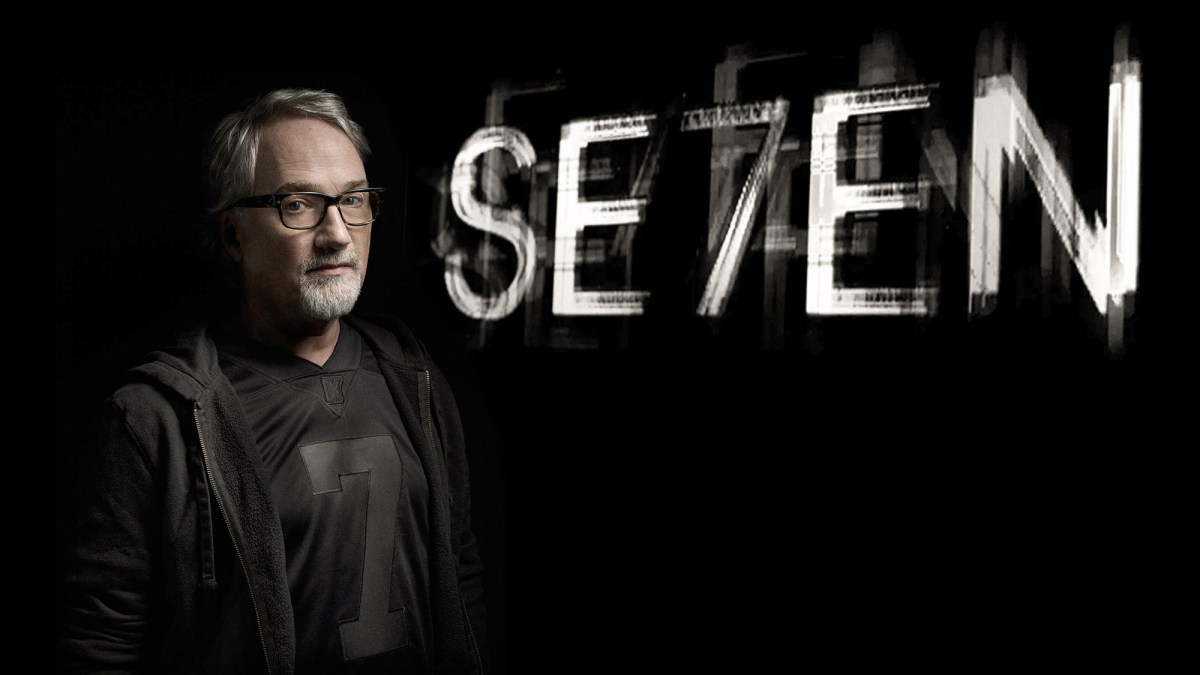
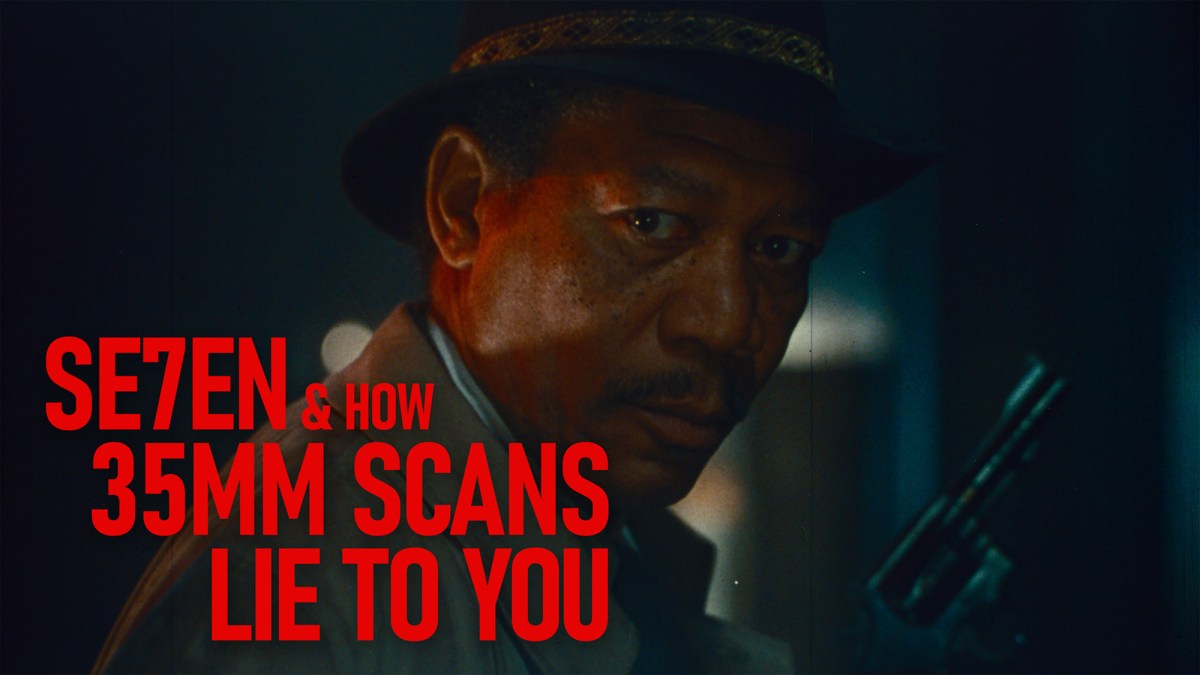
David Fincher has revealed secrets from behind the scenes of his 1995 thriller SE7EN as it’s re-released in an eye-popping new remastered edition.

Speaking to The Independent, the filmmaker discussed some of the actors he initially hoped to cast in the film, poured cold water on a long-standing rumour about its shocking ending, and his memories of how Denzel Washington was initially approached to star in the movie.

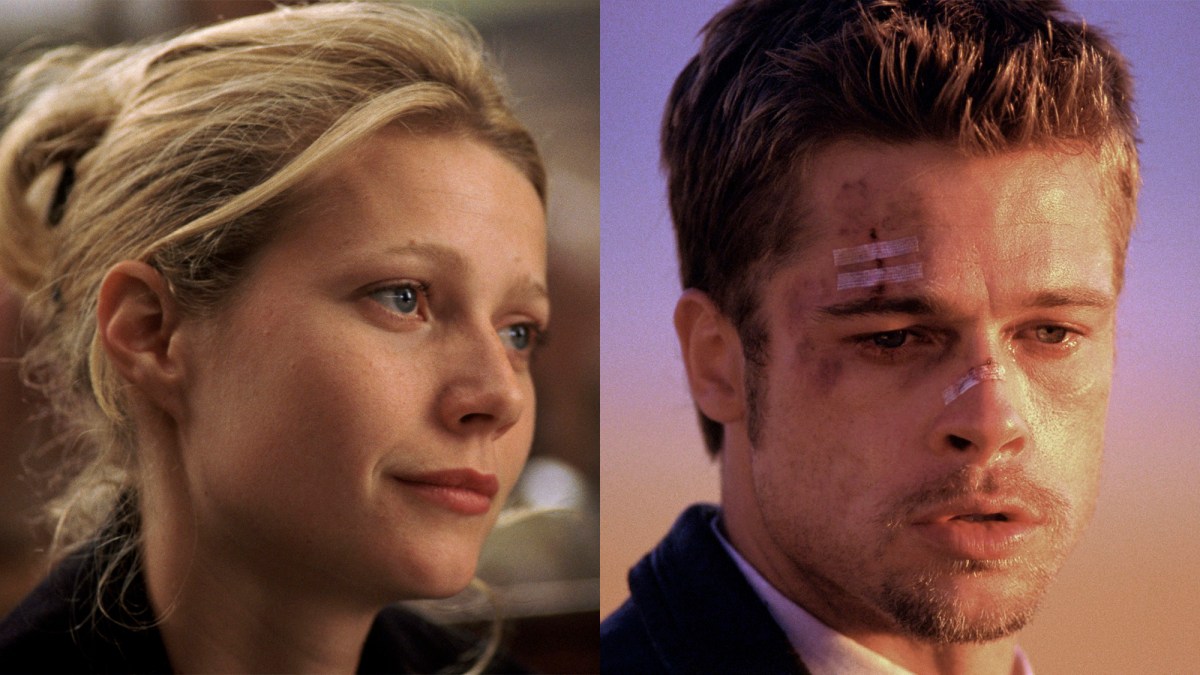
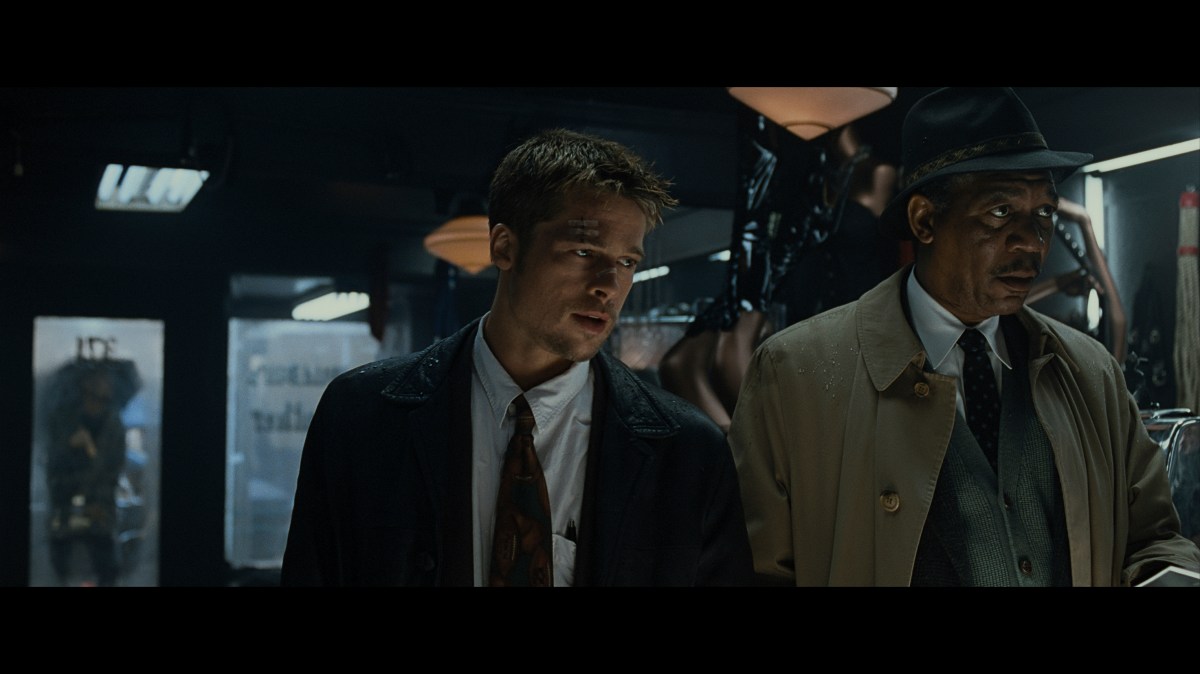
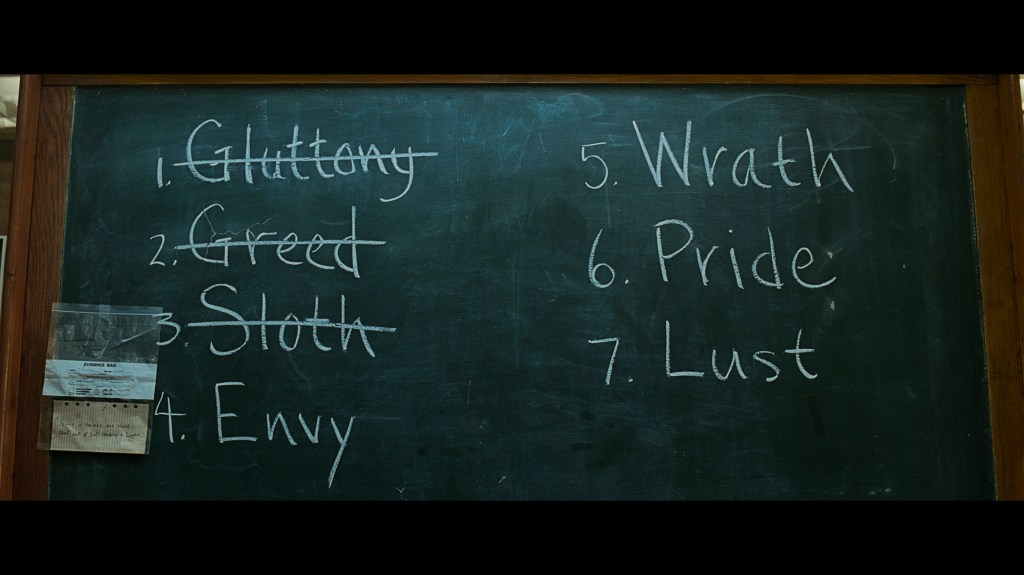
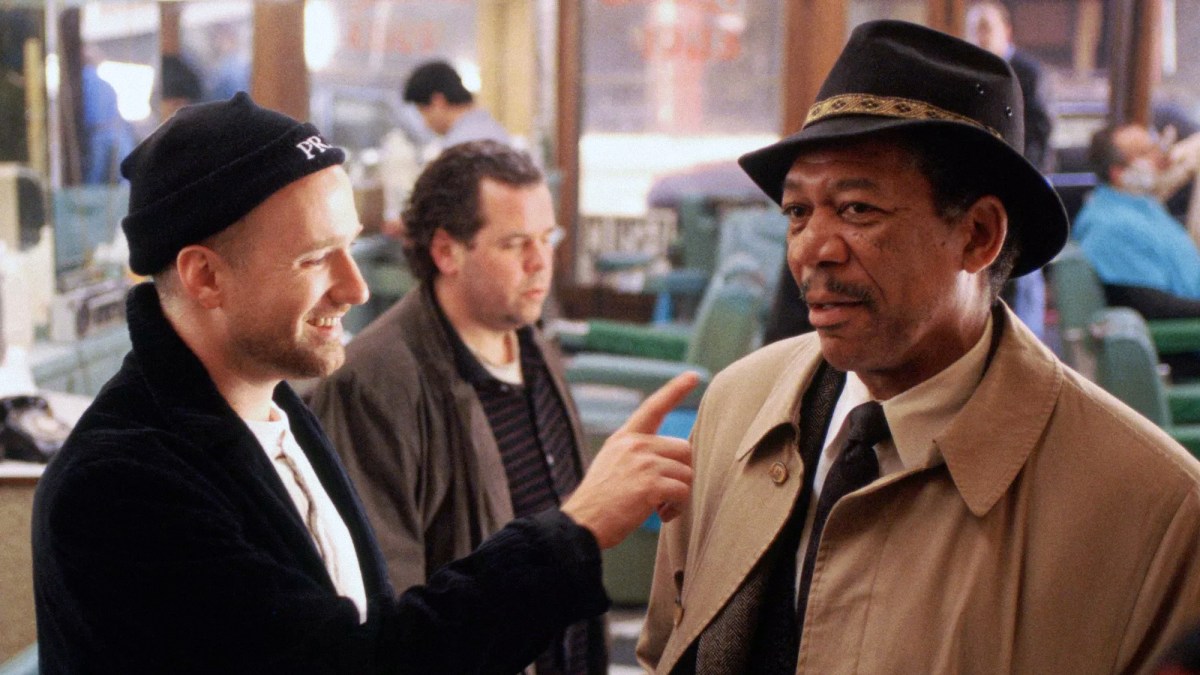
Morgan Freeman and Brad Pitt ultimately led the film as Detectives Somerset and Mills, who are tasked with investigating a serial killer modelling his crimes after the seven deadly sins. Gwyneth Paltrow was cast as Mills’s doomed wife Tracy, while Kevin Spacey starred as the killer John Doe. All four parties collide in the film’s famed climax, which has birthed a particular urban legend linking SE7EN with Steven Soderbergh’s 2011 pandemic thriller Contagion.

*Spoiler warning* Before you read any further, be aware that this article discusses the final scenes of SE7EN and a specific plot point in Contagion.

Read the full profile

LOVE DEATH + ROBOTS. Volume 4

Tim Miller:

“If you look at when we traditionally released the show, you might have some clues as to when. But, yeah, we’re working on it and it’s going to be awesome. There are some big surprises there.”

The Direct Extras. December 10, 2024.

David Fincher:

“I just finished up a Love, Death, and Robots.”

CinemaBlend. January 2, 2025.

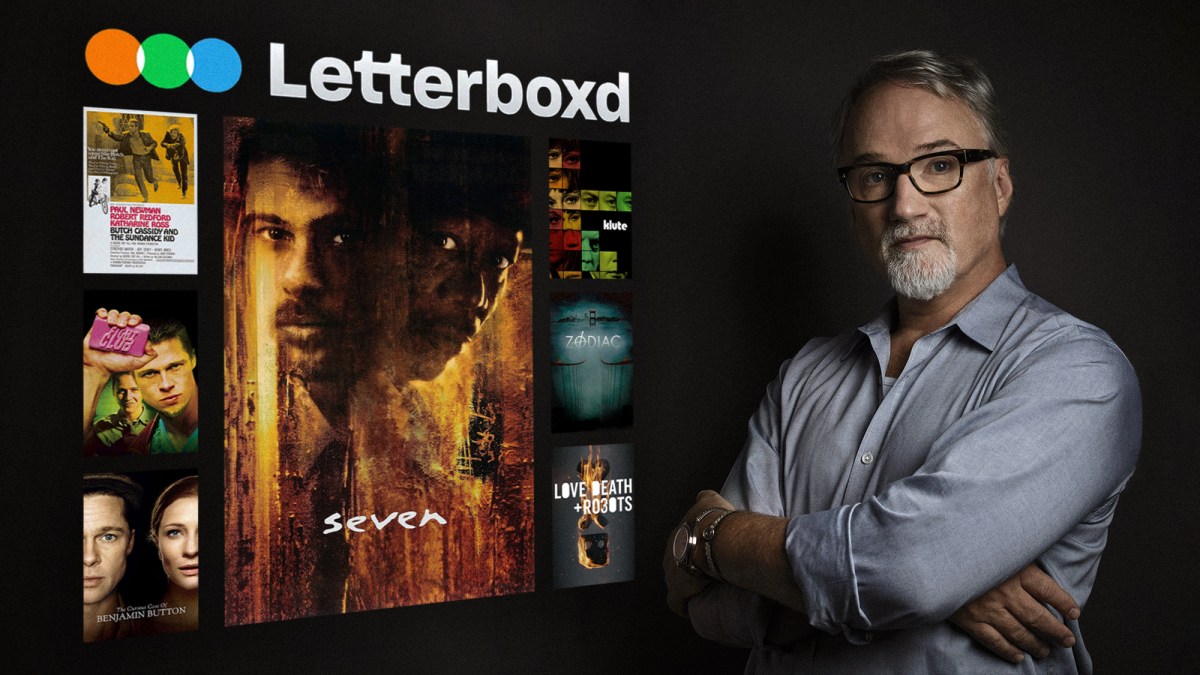
Sinnin’ Ain’t Easy: David Fincher on The Lasting Legacy of SE7EN’s Pervasive Horror

As SE7EN receives an anniversary release in IMAX theaters and on 4K UHD Blu-ray, David Fincher tells Mitchell Beaupre about the film’s enduring impact, Brad Pitt’s basketball ties, John Doe’s memorable entrance and more, including his personal favorite opening credit sequences.

Mitchell Beaupre
January 3, 2025
Letterboxd

Plenty of films want to sell us on the idea that sinning is fun. SE7EN is not that film. Drenched in the cold city rain, grime coming out from the sewers and onto the streets, cockroaches scattering behind furniture and paint peeling off the walls, in the world of Se7en there’s not much fun about life at all. And yet, since its release thirty years ago, David Fincher’s neo-noir-tinged detective thriller/serial killer horror has been a fan favorite, pulling in more than $327 million worldwide and firmly cementing a place on the Letterboxd Top 250 with a whopping 4.3 average rating. Not bad for a movie that makes you want to take a shower the minute you finish watching.

Beneath all of the shocking moments of grotesquerie as Detectives Mills (Brad Pitt) and Somerset (Morgan Freeman) track the meticulously orchestrated slaughters executed by John Doe (Kevin Spacey), SE7EN’s resonance comes from how it invites us to question the futility of feeling good about anything in this life. It’s the ultimate glass half full or half empty story, as these men see some of the worst that humankind is capable of every day, and Mills somehow retains a positive outlook while Somerset has lost all hope for society. Over the course of a week, these two develop a natural bond while their worldviews continuously clash. Director Jim Cummings writes in a Letterboxd review of SE7EN that “outside of the incredible craftsmanship displayed in its filmmaking, it’s an incredible character study with perfect fusion of character-comedy and detective-pornography.”

Cummings is one of many filmmakers who adore Fincher’s sophomore feature, which laid the foundation in 1995 for essentially every gnarly detective thriller that would come in the years to follow. “Easy to forget that this became the template for the genre it reinvented, but beyond that it’s a spectacular piece of provocation and confidence,” Matt writes, which Dirk echoes by saying, “The true star here is David Fincher. He has created an aesthetic that has been copied so many times, but has never really been equaled.” Dirk also opens his review by pondering, “It is always difficult to determine when you are ‘allowed’ to call a film a classic or a masterpiece,” then three paragraphs later ending with the declaration that SE7EN is, indeed, both.

So that settles that. Here’s my conversation with David Fincher.

Read the full interview

David Fincher gives SE7EN a final, 4K UHD Glow Up For Its 30th Anniversary

Lindsey Bahr
January 3, 2025
AP News

For David Fincher, seeing SE7EN in 4K was an experience he can only describe as harrowing. That or a high school reunion.

“There are definitely moments that you go, ‘What was I thinking?’ Or ‘Why did I let this person have that hairdo’?” Fincher said in a recent interview with The Associated Press.

He’s OK with the film being a product of its time in most respects. But some things just could not stand in high-definition resolution.

“It was a little decrepit, to be honest,” said Fincher. “We needed to resuscitate it. There are things you can see in 4K HDR that you cannot see on a film print.”

Ever the perfectionist, he and a team got to work on a new restoration of the film for its 30th anniversary re-release. This weekend the restored SE7EN will play on IMAX screens for the first time in the U.S. and Canada, and on Jan. 7, the 4K UHD home video version will be available as well.

The dark crime thriller written by Andrew Kevin Walker and starring Brad Pitt and Morgan Freeman as a pair of detectives looking for a serial killer was somewhat of a career-reviver for Fincher, whose directorial debut Alien 3 had not gone well. SE7EN was not a sure thing: It was made for only $34 million (and only got that when Fincher managed to persuade studio execs to give up $3 million more). But it went on to earn more than $327 million, not accounting for inflation, and continues to influence the genre.

Fincher has over the years overseen several restorations of the film (including one for laser disc) but decided this needed to be the last. It’s why he insisted on an 8K scan that they could derive the 4K from. He wanted to ensure that it wouldn’t have to be repeated when screens get more advanced.

“I don’t want to do this again,” Fincher said. “What we’ve essentially gotten to with this is that this is the new negative. This will be the new archival storage element.”

For casual viewers, the tweaks should not be terribly noticeable. Fincher didn’t go in and add characters or give Gwyneth Paltrow a happy ending.

“I’m very against the idea of changing any of the content,” Fincher said. “There’s literally zero opportunity for toys in ‘Seven’ so we won’t be introducing any of that.”

But take the opening scene where Pitt’s character selects a pre-tied tie and looks out a window. In the original version, Fincher used a tried and true filmmaking technique where you bounce soft light off a white card outside the window to give the appearance of depth and natural light coming in. He called them the Being There windows, referring to what cinematographer Caleb Deschanel did on that film.

“There’s no expectation by the audience that you see the buildings beyond the window. They’re just overexposed. The inside is dark enough that your eyes don’t adjust. And so outside it’s very bright,” he explained. “In 4K, it’s no good. You could see the sheen of the white card.”

The fix was to add a cityscape and some rain drizzle.

“We’re not showing off that now you can see the city,” he said. “We’re just finally kind of bringing the bottom end of the expectation up a little bit so that it feels like it was intended to because now we have the ability to resolve that stuff.”

There were some exposure issues, some cinch marks, some places where the splices came loose or where the perforations of the print changed the properties. Fincher also removed some of the camera jiggles at the end of the film, explaining that because it was an omniscient camera it was distracting. But he didn’t want to do too much and have it lose its essence.

“It’s a document of its time and I believe that movies should be that,” Fincher said. “For all the primitive nonsense of the equipment that went into making The French Connection, it informs that movie. There is a kind of rugged primitivism in it. And I didn’t want that baked out.

David Fincher on SE7EN 4K Restoration, Post-‘Alien 3’ Redemption and Casting Ned Beatty as John Doe

The making of a masterpiece.

Todd Gilchrist
January 3, 2025
Variety

David Fincher bristles at being labeled a perfectionist.

He makes an unconvincing case in the shadow of his filmography, which includes “Fight Club,” “Zodiac” and “The Social Network” among several other films marked by a meticulous and unerring technical precision. But Fincher’s objections ring especially hollow when it comes in the midst of an explanation — involving corrections to emulsion caused by the device that perforated the original celluloid — why a new 4K version of “SE7EN” took a year to complete. Yet even if one were inclined to describe his approach merely as a “passionate attention to detail,” that attention has nevertheless resulted in some of the most unforgettable cinematic images of the last 30 years — and now, one of the most beautiful restorations produced in the high-definition era.

Perhaps ironically, “SE7EN,” the film that marked his Hollywood breakthrough, was by his description inspired by “movies with dirt under their fingernails.” Following its premiere at the 2024 TCM Film Festival, the upgraded transfer will be released in theaters (including IMAX) Jan. 3, to be followed on 4K UHD Jan. 7. Fincher recently spoke with Variety about the film, describing his approach to the project after the critical and commercial underperformance of his debut feature, “Alien 3;” revealing details about key casting and creative choices in bringing to life the story of a serial killer inspired by the seven deadly sins; and reflecting on its legacy as a film that both inspired countless imitators and defined his reputation — be it as a perfectionist or just a filmmaker who learned to ask for forgiveness instead of permission.

David Fincher:

I bristle at that idea of perfectionism because if you look at an image and you can see that there’s something going on on the left side of it, I’ll admit it was a big problem for me when I moved to high definition because now I could finally see all of the background actors looky-looing and counting, and you go, “Wow, what is this behavior that’s in the background?” So the more you see, the more I feel it’s my responsibility to make sure that the only thing that’s documented is the stuff that focuses your attention on what you need to walk away with. 

Read the full interview

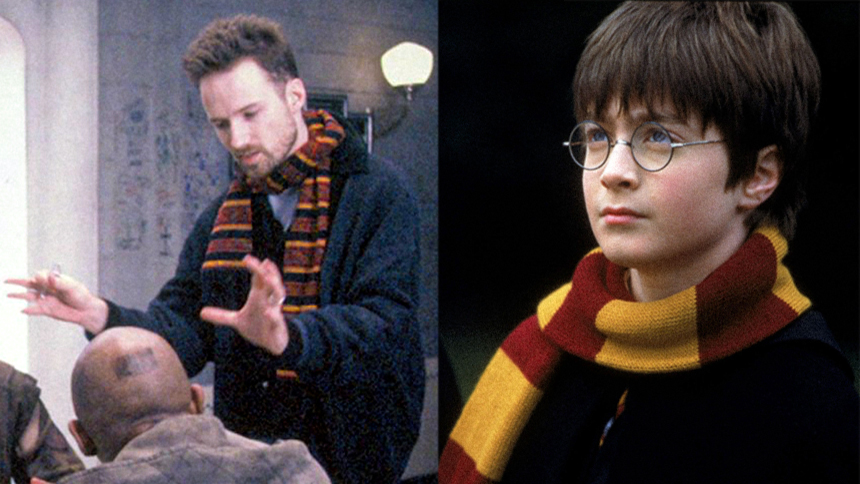
David Fincher Says He Met With Warner Bros. to Direct ‘Harry Potter’ and Told the Studio ‘I Want It to Be Kind of Creepy’

Todd Gilchrist
January 2, 2025
Variety

David Fincher Talks To Us About Brad Pitt’s Crazy Schedule, The Complicated Sloth Makeup, And The Infamous Box As SE7EN Turns 30

The making of a masterpiece.

Sean O’Connell
January 2, 2025
CinemaBlend

Rain drenches an anonymous street in Los Angeles, which is standing in for an anonymous city that won’t be named. Two A-list actors, playing polar opposite detectives assigned to a frightening and ominous case, stand around and wait for their turn to step on set, where they’re poised to discover the next atrocity left for them by a mysterious serial killer named John Doe.

But in this specific moment, director David Fincher is just trying to figure out how to get the body of character actor Michael Reid McKay, transformed into the victim we’ll come to know as Sloth, onto the set without disrupting the man’s intricate makeup job.

That’s just one of many unexpected challenges facing David Fincher (Fight Club, The Social Network, Zodiac) as he labored on SE7EN, the mesmerizing dark-noir thriller that cast Brad Pitt and Morgan Freeman as cops tracking a killer whose victims are modeled after the Seven Deadly Sins. It’s an ingenious hook, designed by screenwriter Andrew Kevin Walker. But it was Fincher’s meticulous execution of the crimes that burrowed under the skin of moviegoers back in 1995, and helped make SE7EN an unforgettable achievement that earned its place in the pop-culture pantheon of contemporary masterpieces.

I’m not sure Fincher knew he was creating a masterpiece at the time of filming. The former music-video director was coming off of a disastrous shoot with Alien 3, was focused on establishing himself and his own voice, and had to deal with a difficult schedule attached to one of his leading men. (More on that in a second). And then, there was this damn Sloth body… the one that wakes up mid-investigation, and scares the daylights out of John C. McGinley (Scrubs).

Speaking with CinemaBlend on behalf of a 30th anniversary 4K UHD release of SE7EN (which arrives on January 7), Fincher started reminiscing about that particular Deadly Sin.

Read the full profile

‘It Kind Of Is A Young Man’s Game’: David Fincher’s Blunt Comments On Retirement Bum Me Out As My Generation of Filmmakers Starts Calling It Quits

Sean O’Connell
January 7, 2025
CinemaBlend

David Fincher talks remastering SE7EN and reveals what was really in the box

The filmmaker says the rumor that the infamous box contained a prosthetic head is “entirely ridiculous.”

Wesley Stenzel
January 2, 2025
Entertainment Weekly

SE7EN turns 30 this year, and to commemorate the anniversary, director David Fincher has overseen the 4K remaster of the seminal crime drama.

The serial killer mystery — which stars Morgan Freeman, Brad Pitt, Gwyneth Paltrow, and Kevin Spacey — first shook up the crime genre in 1995 with propulsive, precise craft and unprecedentedly nasty crime scenes that have influenced everything from Saw to The Batman. The film now has a higher-resolution look that will debut on IMAX screens on Jan. 3 before releasing on 4K UHD Blu-ray Discs and on digital Jan. 7. Fincher and his team painstakingly recreated the film as it was originally printed in 1995, utilizing some AI tools to enhance the image and fix visual mistakes that weren’t visible in previous scans of the film.

Entertainment Weekly chatted with Fincher to discuss the new version of SE7EN and reflect on his memories of helming his feature directorial breakout 30 years later — including what’s really in the box.

Read the full interview

“The Most Thrillingly Stupid Fix in the World”: David Fincher Tells Us How He Restored SE7EN in 4K

Perri Nemiroff
January 2, 2025
Collider

It’s officially 2025, and that makes it the year of SE7EN’s 30th anniversary. Released in theaters on September 22, 1995, David Fincher’s second feature film enjoyed a successful run at the box office, scored an Academy Award nomination for Best Film Editing, a BAFTA nomination for Best Original Screenplay, and is still revered as top-tier cinema to this day.

The movie stars Morgan Freeman and Brad Pitt as detectives. Freeman’s William Somerset is a respected veteran on the verge of retirement, while Pitt’s David Mills is a recently transferred detective with loads of confidence, but lots to learn from Somerset. The pair is assigned to investigate a string of elaborate and ruthless murders, each one connected to one of the seven deadly sins.

In celebration of SE7EN’s release on 4K UHD on January 7, and also its first-ever IMAX release on January 3, I got the opportunity to get a peek behind the curtain of the restoration process courtesy of Fincher himself. He broke down the factors he must consider when choosing which of his films to restore, where he draws the line when making changes to the original film during this restoration process, how he used AI to pull off “the most thrillingly stupid fix in the world,” and loads more. You can read about all of that and his thoughts on his Netflix projects getting physical releases in the interview below.

Read the full interview

‘The Best of the Best’: Honoring the Magic, Guts, and Generational Talent of Cinematographer Harris Savides

Sofia Coppola, Gus Van Sant, Noah Baumbach, Jonathan Glazer, David Fincher, and today’s best cinematographers reflect on the giant hole in the heart of cinema that was left when Harris Savides died in 2012.  

Chris O’Falt
August 15, 2024
IndieWire

This article is part of IndieWire’s 2000s Week celebration. Click here for a whole lot more.

When cinematographer Bradford Young was fresh out of Howard University, he would have done anything to get near the set of his idol Harris Savides. He eventually found a way to shoot behind-the-scenes footage for the French director Fabian Barron, who hired Savides to shoot an Armani fragrance commercial in Hawaii. When Young got to the forest set, with shafts of light streaming through the trees, he became confused when he flipped on his DV camera to capture the scene.

“The model came on set, and I was like, ‘How’s he going to light her face?,’” recalled Young, who couldn’t believe what happened next: Savides walked on to set with a flashlight in hand and shined it at the model. “He was completely secure with this little flashlight on this million-dollar set. With my eye on the day, I didn’t understand what was happening, ‘How’s he still getting exposure?’ And then I saw the commercial. It was that God particle thing that Harris had. This was complete technical mastery and a complete mystery to observe.”

There was a sense of magic surrounding what Savides was able to do. When discussing what his go-to cinematographer was using to light a scene, director David Fincher used to joke, “I don’t know, Harris’ got a jar of fireflies.”

“Beyond the technical process, there was always something else going on in the picture that I couldn’t account for, something that was only him,” writer/director Noah Baumbach told IndieWire. “Something that I guess we call genius.”

Read the full profile

Gregory Crewdson Has Been Making Photographs for Almost 4 Decades. Now He’s Revisiting Them All.

In tandem with his first-ever retrospective at the Albertina, a new book pairs the prolific photographer’s work with writings from directors David Fincher and Matthieu Orléan, and novelist Emily St. John Mandel, among others.

Maggie Coughlan
August 7, 2024
Vanity Fair

“I’ve always said that I think every artist has one central story to tell,” photographer Gregory Crewdson says on a call from Great Barrington, Massachusetts, where he lives and works. “And they circle around that story, over and over again, over a lifetime, reinventing aspects of it and challenging others and trying to push things forward. But at the core of it, it’s like the central preoccupations remain fixed.”

The concept is particularly timely for the photographer, who for the past three-and-a-half decades has been constructing gripping images that call to mind film stills, as his first-ever retrospective opened in May at the Albertina in Vienna. Later this month, the eponymous exhibition takes new form with the release of Gregory Crewdson, its 280-page catalogue edited by the Albertina’s chief curator of photography Walter Moser and published by Prestel. The book features more than 300 photographs and production stills that examine the complexities of American suburbia, be it through someone wandering a parking lot, shirtless and unmoored, or a twosome’s forlorn gazes into a television as its glow illuminates a basement, paired with writings from directors David Fincher and Matthieu Orléan, and novelist Emily St. John Mandel, among others.

Gregory Crewdson – Walter Moser, Editor (Prestel, 2024)

For Crewdson, the process of revisiting nearly 40 years of work was “complicated,” but led him to draw parallels between his earliest endeavors and present-day work. “It’s interesting in that on some basic level everything’s changed and then on another level, nothing’s changed really,” he says. “When I look back at pictures I made when I was in graduate school, [those are] the first pictures in the show, they’re not that dissimilar in terms of the basic concerns—on a much more modest scale, of course.”

In advance of the catalogue’s release, Crewdson spoke with Vanity Fair about the possibility of making the switch from photography to directing feature-length films, and the story he’s been telling all these years.

Read the full interview

A sample of the writing by David Fincher, “A Difficult Truth”:

CLICK TO ENLARGE

Buy the book through the publisher