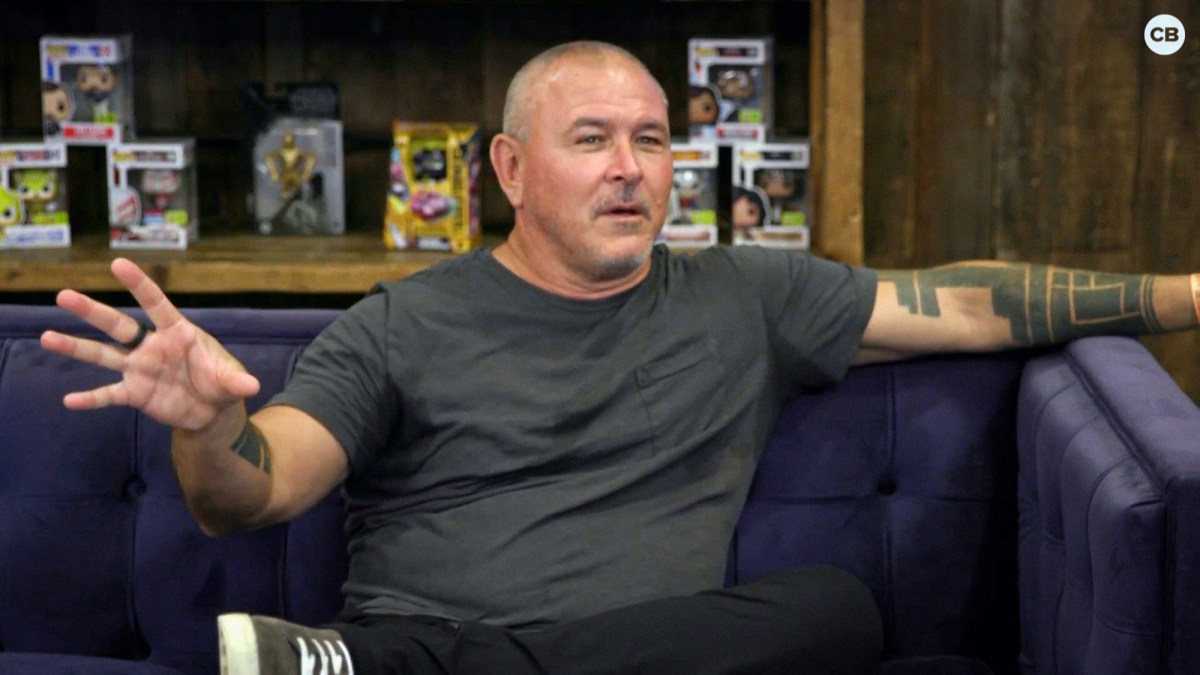
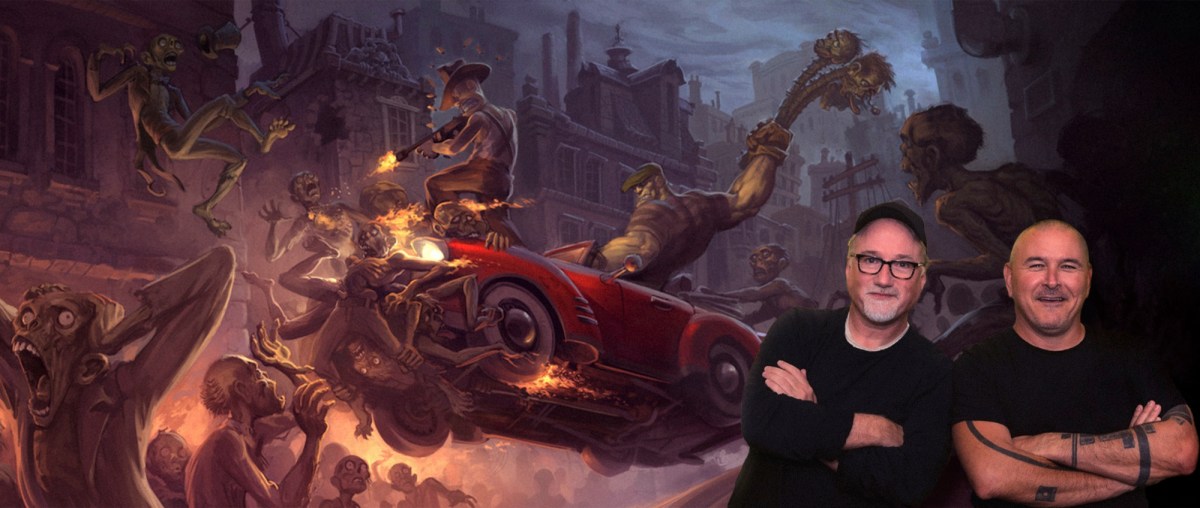
Sitting down with ComicBook‘s Jim Viscardi at San Diego Comic-Con 2022Deadpool Director Tim Miller discusses comic books, video games, The Goon, his abandoned Lone Wolf and Cub classic manga adaptation with David Fincher and screenwriter Andrew Kevin Walker, another abandoned X-Men comic adaptation project, Deadpool, Love, Death & Robots and its “The Art of” book.
San Diego Comic Con is a hell of a time for the entertainment industry, not least of which includes directors, whose involvement in projects is often announced or teased or otherwise revealed. It’s the biggest time of the year for film and television announcements, and Collider was excited to get in on the fun at our “Directors on Directors” panel, hosted in Hall H and featuring some of film’s — and particularly action and sci-fi’s — most iconic directors. Present at the panel were Chad Stahelski, director of all four John Wick films; Andrew Stanton, director of John Carter, as well as animated classics like Finding Nemo and WALL-E; and Tim Miller, director of Deadpool, as well as Terminator: Dark Fate.
‘Shore’s work has been a personal inspiration from my earliest interaction with it. With Modern Instances, I am humbled to have his profound insight into the rigorous over-thinking that made it possible. This insight, delivered with such clarity, grace, and humility, will no doubt affect how you make or appreciate photographs – it might even alter how you see.’ David Fincher
‘Shore’s memoir is as riveting as it is illuminating – an almost deceptively seamless narrative of experiences, associations, correspondences, images, and remarkable erudition that testify to the mind’s eye through which, from the beginning of his career, Shore has transformed the seemingly spontaneous configurations of his photography into profound works of art.’ Jane Kramer
‘Modern Instances is like a conversation among friends. It reveals a deeply inquiring mind, and renders making photographs, and looking at them, one of the most exciting and humane of pursuits.’ Sandra Phillips
‘Although the dream is a very strange phenomenon and an inexplicable mystery, far more inexplicable is the mystery and aspect our minds confer on certain objects and aspects of life.’ Giorgio de Chirico
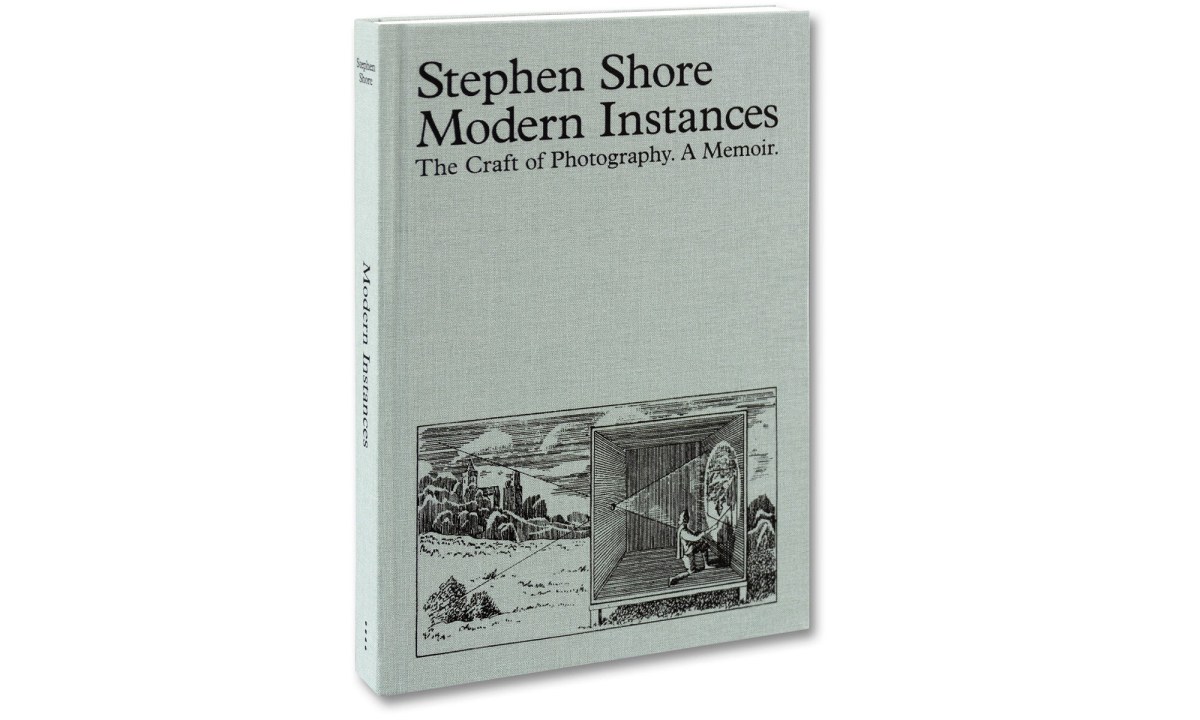
Stephen Shore’s Modern Instances: The Craft of Photography is an experimental new memoir from one of the world’s most prolific artists — an impressionistic scrapbook that documents the rich and surprising touchstones that make up over half a century of ground-breaking work. With essays, photographs, stories, and excerpts that draw on Shore’s decades of teaching, this is an essential handbook for anyone interested in learning more about mastering one’s craft and the distinct threads that come together to inform a creative voice. As much as offering meditation on the influences of a single artist, Modern Instances proposes a new way of thinking about the world around us, in which even the smallest moment can become a source of boundless inspiration — if only we pay attention.
Tim Miller is a Film Director, Animator, Creative Director, and VFX Artist. He was nominated for the Academy Award for Best Animated Short Film for the work on his short film Gopher Broke. He made his directing debut with Deadpool. He is also known for creating opening sequences for The Girl with the Dragon Tattoo and Thor: The Dark World.
In 1995, Tim co-founded Blur Studio with David Stinnett and Cat Chapman. Blur is where animators and artists can collaborate and be in control of their creative destinies. Since then, the Studio has evolved into an award-winning production company with work spanning the realms of game cinematics, commercials, feature films, and more. Committed to their clients, artists, and the telling of great stories, Blur continues to grow as a high-end animation studio and original content creator, having recently helmed Netflix’s first animated anthology Love Death + Robots.
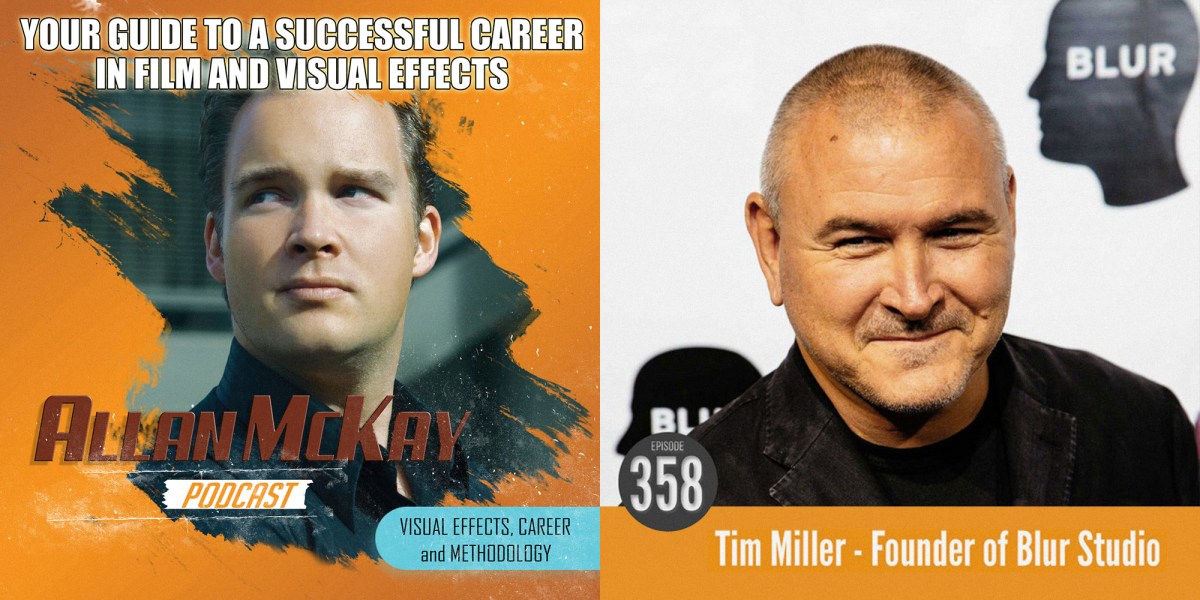
In this Podcast, Allan McKay interviews Tim about the history of launching Blur, its legacy, Tim’s ongoing collaboration with David Fincher, directing Deadpool and Terminator: Dark Fate, and creating Love Death + Robots.
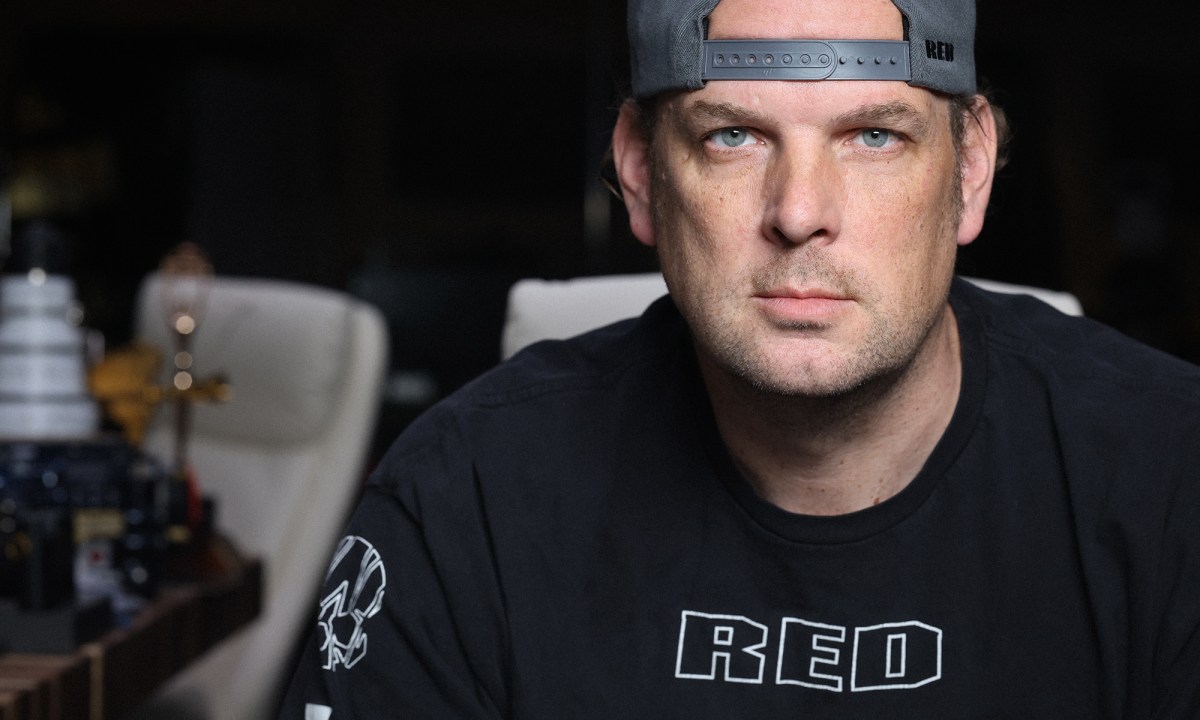
Jarred Land has spent his career in close collaboration and connection with filmmakers, supporting the execution of their vision with powerful and ground-breaking tools.
Jarred Land runs RED Digital Cinema, the company whose 4K camera went from scepticism to admiration on a run of prestige movies like David Fincher’s Oscar-winning Mank and series like The Queen’s Gambit. Since 2013, Land has led a team focused on precedent-setting technology for filmmakers.
Land didn’t found RED but joined Jim Jannard before the launch of the first camera and during the hardcore, technology banging sleepless nights part of the story, where a small group failed, learned, succeeded. From the first conversation Land had with Jannard and still today, the focus is on providing a more complete tool for filmmakers.
Born in Edmonton, Canada, Land’s father ran gas stations and shopping malls, imbuing in him an entrepreneurial spirit. The teenage Land’s passion was mountain biking which he segued into his own bike courier company in Vancouver.
A chance encounter with a client inspired him to take up videography using the Panasonic tape camcorder DVX100. “I couldn’t go to film school because I was running my company and biking 100km a day, so I set up a bulletin board for help,” he says.
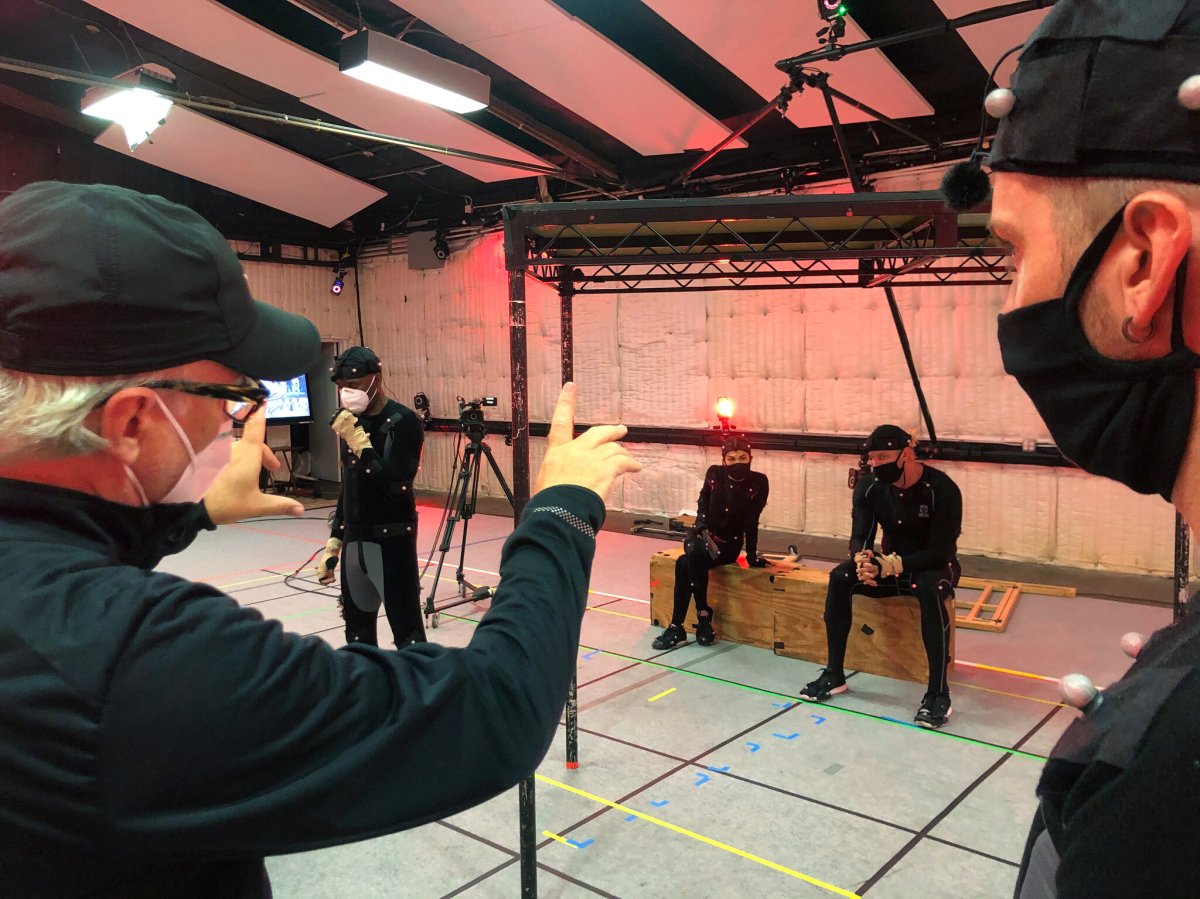
The director made his first animated short for the new season of this Netflix anthology. “It was an incredibly freeing, eye-opening, mind-expanding way to interface with a story,” he said.
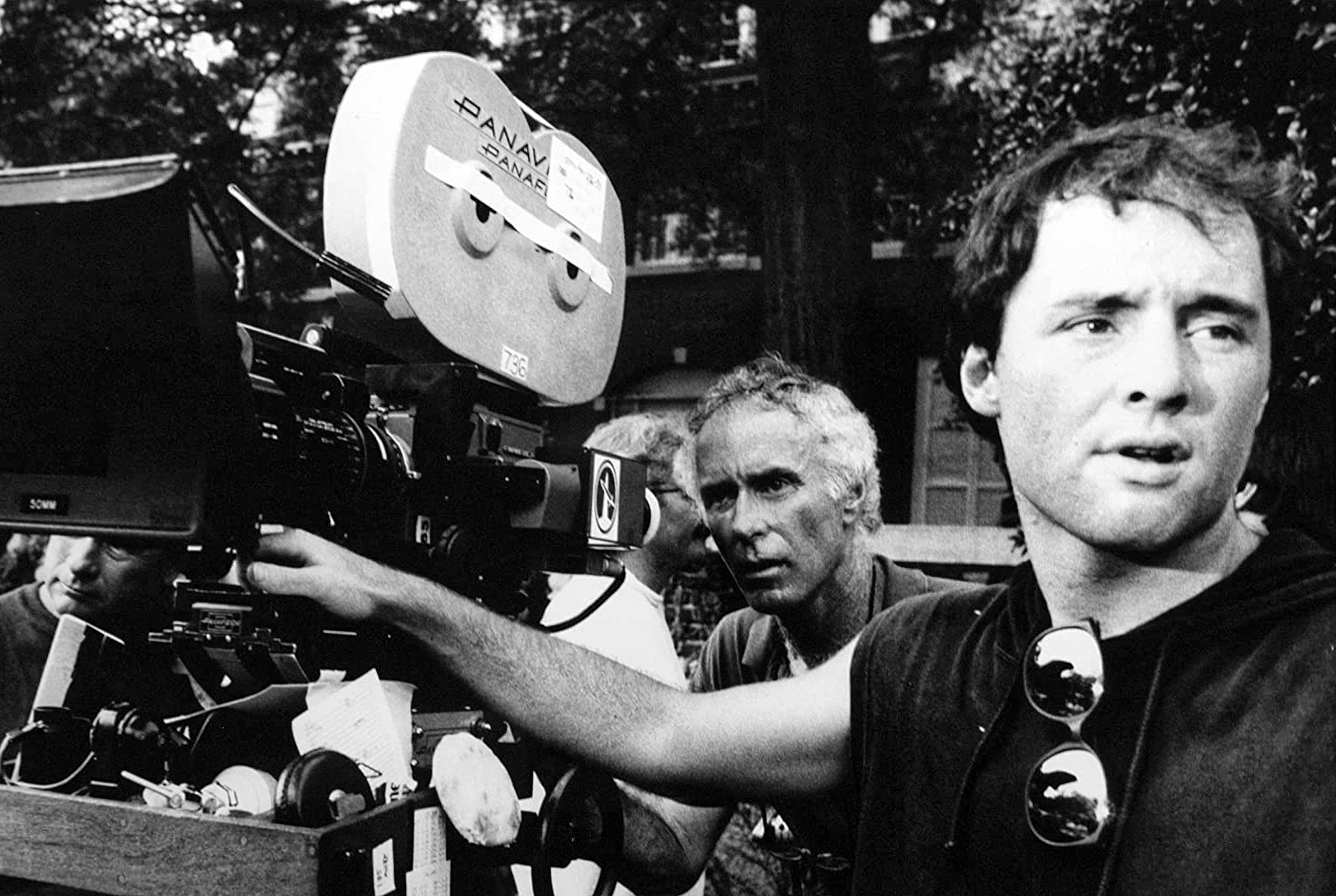
Before David Fincher became an A-list director and multiple Oscar and Emmy nominee — lauded for of-the-moment films like “Fight Club” and “The Social Network” and the TV series “House of Cards” and “Mindhunter” — he was one of the co-founders of the production company Propaganda Films. Propaganda was known for its visually dazzling TV commercials and music videos, and Fincher honed his craft in dozens of miniature movies made in myriad styles.
Yet until recently, he had never directed animation, even though he loves the medium so much that he signed on a few years ago to be an executive producer of the Netflix anthology animation series “Love, Death + Robots,” which returns for its third season on Friday.
“Love, Death + Robots” sprung from the ashes of a project Fincher had been developing with the “Deadpool” director Tim Miller since the late 2000s: a revival of “Heavy Metal,” the animated movie series inspired by the adults-only science-fiction and fantasy comics magazine. The first season of “Love, Death + Robots” debuted in 2019, featuring 18 episodes (ranging in length from 6 to 17 minutes) that adapted short stories by genre favorites like Peter F. Hamilton, John Scalzi and Joe Lansdale. An eight-episode second season followed in 2021.
Despite his involvement, Fincher never made a short of his own until Season 3, when he and the screenwriter Andrew Kevin Walker (who wrote Fincher’s crime thriller “Seven”) tackled a tale by the British science-fiction author Neal Asher called “Bad Travelling.” Set on the high seas on a distant planet, the story follows a merchant ship as it is tormented by a giant, intelligent crab that manipulates the crew members and then eliminates them one by one. Fincher described the short as “like a David Lean movie crossed with ‘Ten Little Indians.’”
Frame & Reference is a conversation between Cinematographers hosted by Kenny McMillan. Each episode dives into the respective DP’s current and past work, as well as what influences and inspires them. These discussions are an entertaining and informative look into the world of making films through the lens of the people who shoot them.
In this episode, Kenny talks with legendary cinematographer Jeff Cronenweth, ASC about the Oscar Nominated film “Being the Ricardos.” You likely know Jeff from his work on films such as “Fight Club“, “Gone Girl“, “The Social Network” & “The Girl with the Dragon Tattoo.”
It’s Showtime! When Steven Soderbergh joins Rob, the two friends get to ask the questions they’ve never asked one another. In this episode find out about Steven’s new film Kimi, and how he thinks Sex, Lies, and Videotape now feels like a Jane Austen novel.
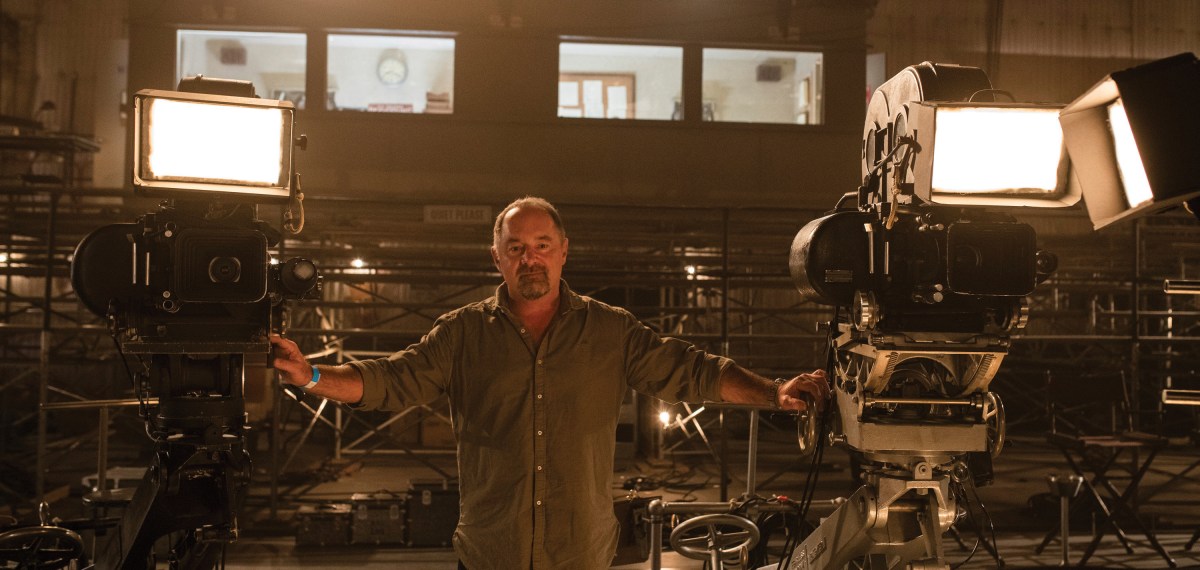
Directors who have worked with Jeff Cronenweth, ASC observe that he is quiet, centered, and possesses a very dry sense of humor. Working in an eclectic mix of genres and styles, he quickly zeroes in on central concepts, often exceeding expectations with the results. His career as a feature cinematographer began auspiciously with David Fincher’s eye-popping Fight Club (AC Nov. ’99), and his filmography since then includes The Social Network (AC Oct. ’10), Gone Girl (AC Nov. ’14), One Hour Photo (AC Aug. ’02) and the Amazon miniseries Tales From the Loop (AC April ’20). Cronenweth has also shot stylistically bold, groundbreaking music videos for David Bowie, Taylor Swift, Janet Jackson, Nine Inch Nails and many other top artists.
Jeff with his father, Jordan Cronenweth, ASC.
It wouldn’t be at all hyperbolic to say Cronenweth was born into filmmaking. His great-grandfather owned and operated a photographic-equipment store in Wilkinsburg, Pa.; his grandfather Edward worked as a portrait photographer for Hollywood studios during the peak of that unique specialty, earning an Academy Award for his work; his grandmother Rosita was a Busby Berkeley dancer; and his father, renowned ASC member Jordan Cronenweth, served as director of photography on Blade Runner (AC July ’82), Peggy Sue Got Married (AC April ’87), Altered States (AC March ’81), Gardens of Stone (AC May ’87), and many classic music videos for leading artists of the 1980s and ’90s.
Taking this lineage a step further, Jeff Cronenweth has also collaborated with his brother Tim, a successful commercial director, on more than 500 spots.
“A storyteller doesn’t want to tell the same story over and over, and I don’t want to, either. I always want to find something new and challenging to work on.” — Jeff Cronenweth, ASC
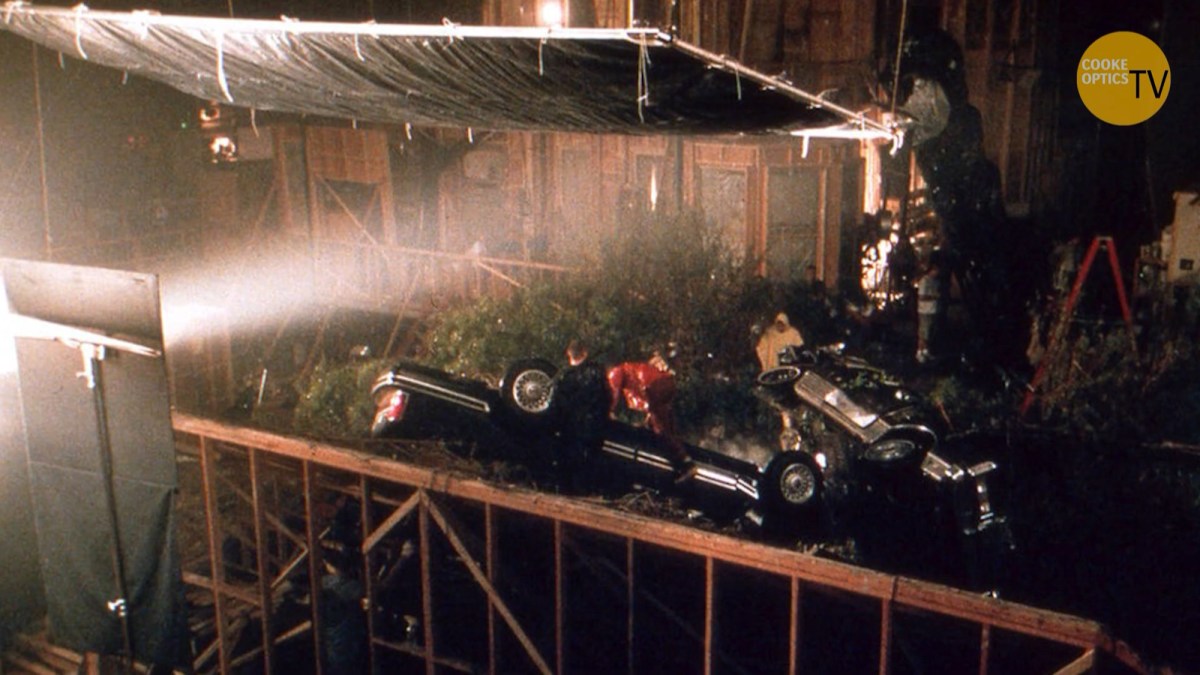
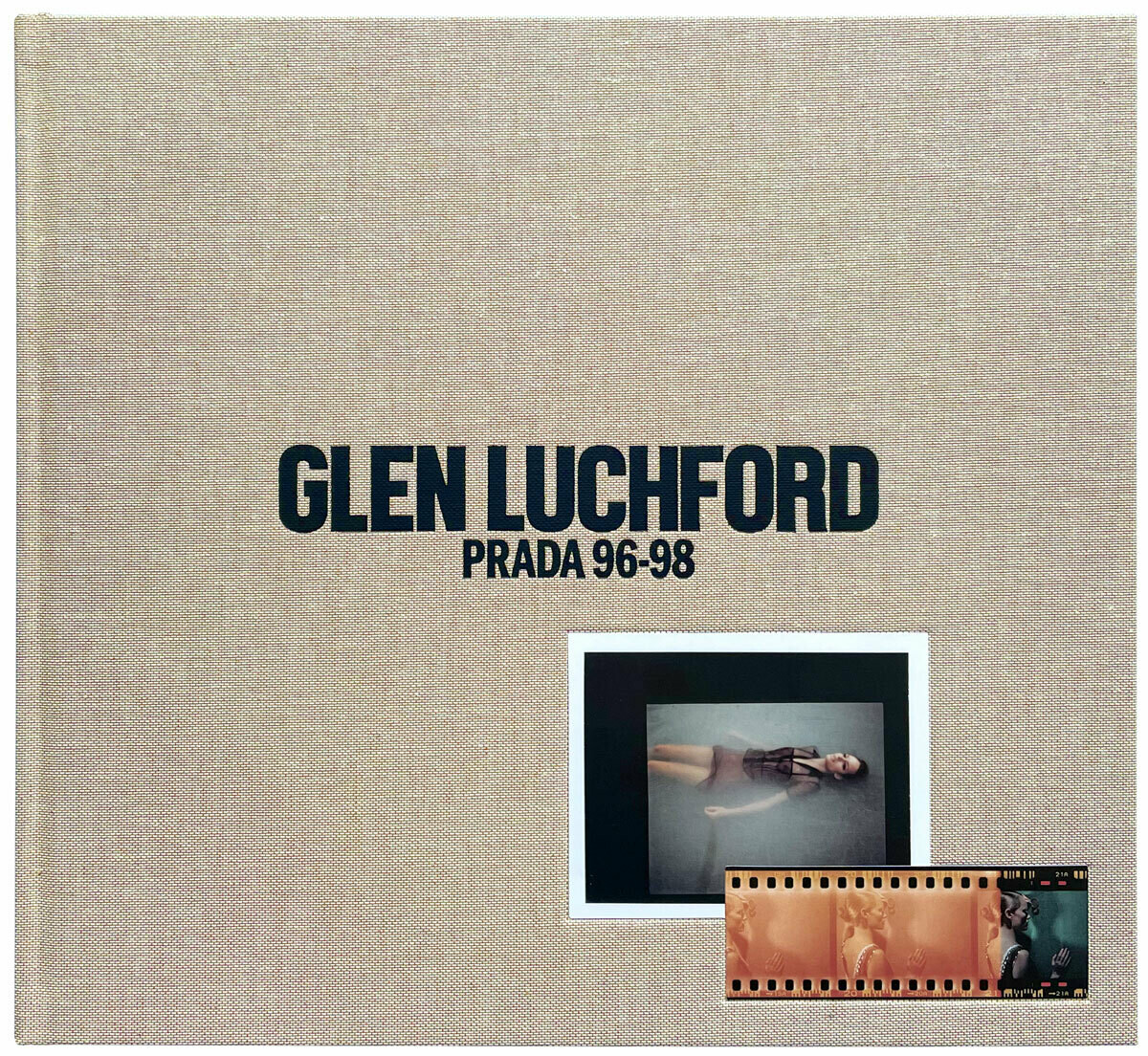
Cinematographer Jeff Cronenweth talks to Cooke Optics TV about working on the iconic 90’s movie Fight Club. A long-time collaborator with director David Fincher, Cronenweth reflects on how they work together, giving insight into how some of the most recognisable scenes were shot, and revealing a surprising inspiration for the look of the movie, a Prada fashion campaign.