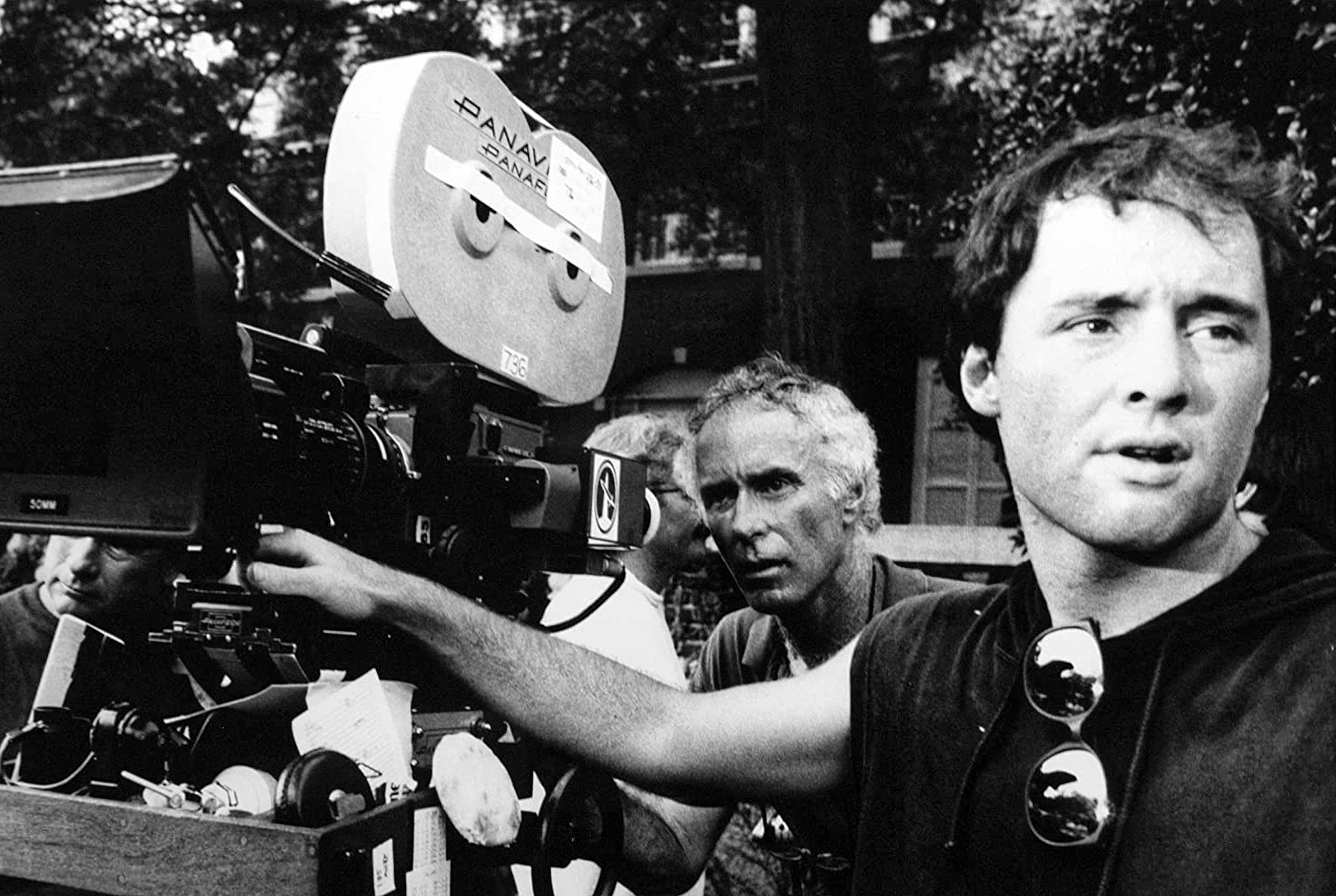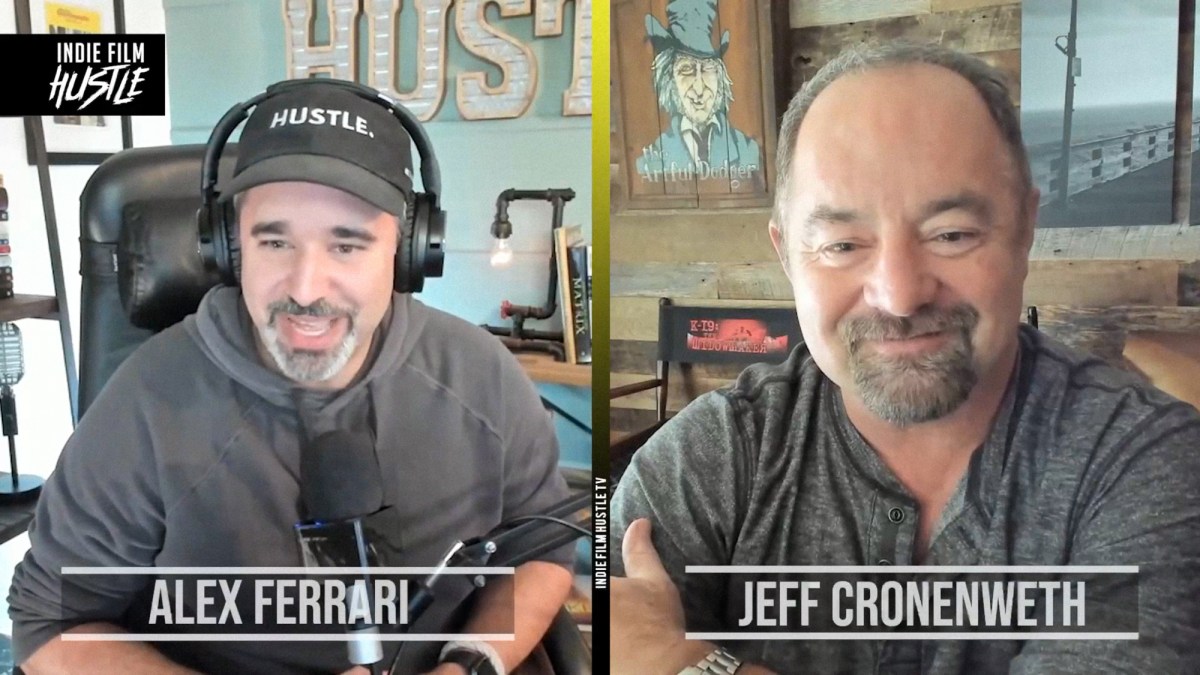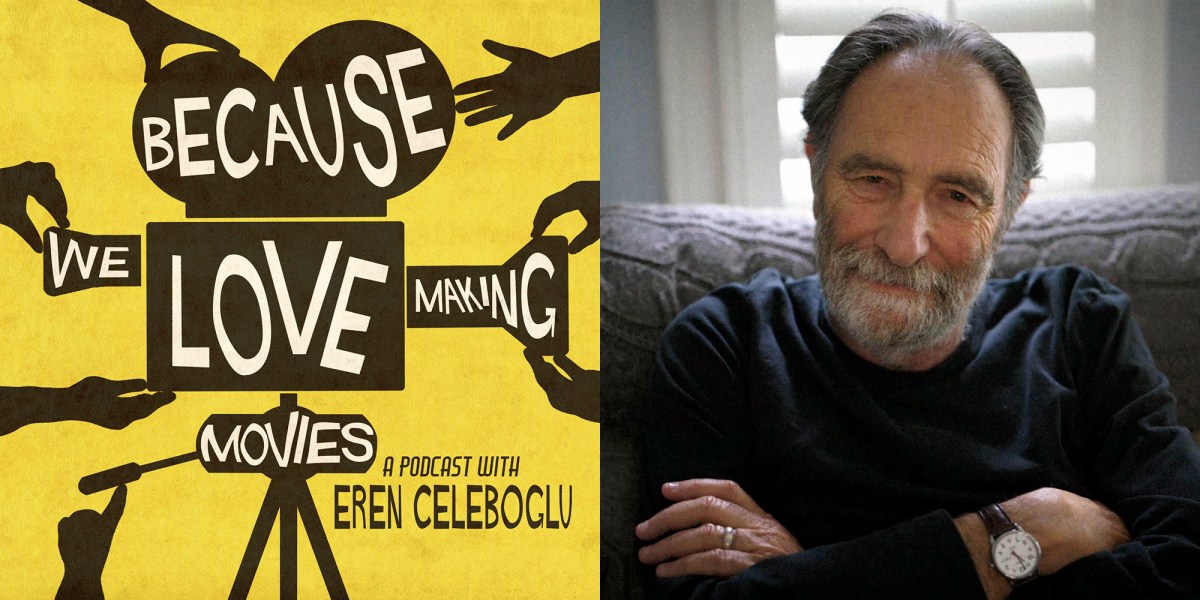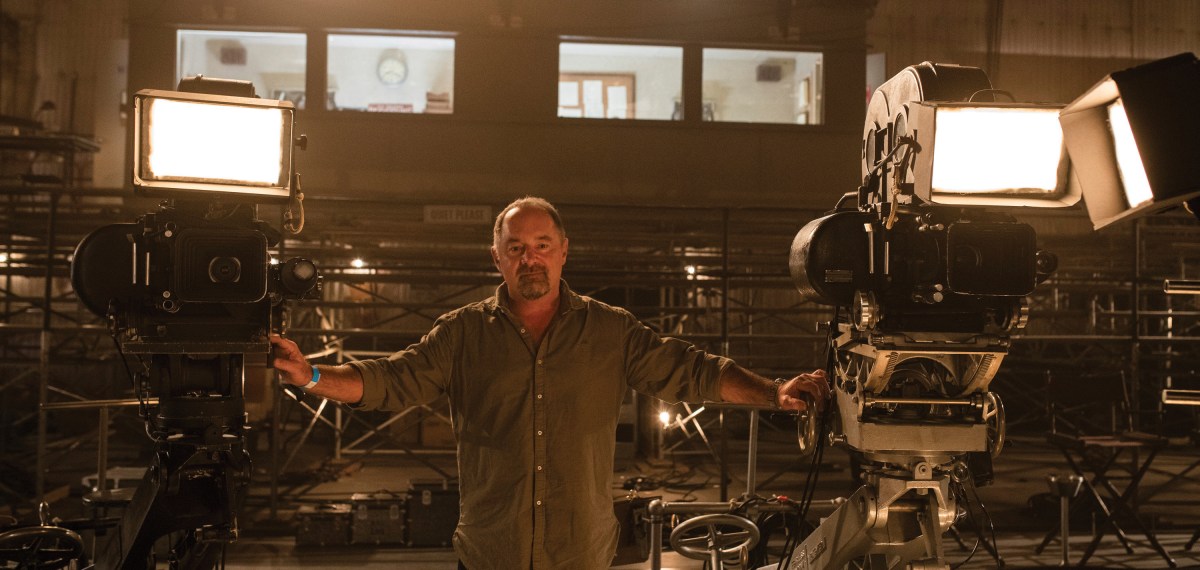
In this episode, we’re joined by one of the world’s greatest Cinematographers, Jeff Cronenweth. Born into the film business, he grafted his way through the rungs of the camera department and music video scene of the 1990s, until he got the call from David Fincher to take the reins of Fight Club. From there it’s been a run of legendary movies including, One Hour Photo and Gone Girl, as well as The Social Network and The Girl With The Dragon Tattoo both of which he picked up Oscar nominations.
What you’ll learn from Jeff:
Jeff’s opinion on whether film school is still necessary
Whether music videos are still useful starting grounds for DPs
How Jeff get imposter syndrome on Fight Club
What it’s like to work with Aaron Sorkin
How does the DP Director relationship work
Jeff’s opinion on the film fanboys that constantly copy the ‘Fincher/Cronwneth aesthetic!’
Whether Jeff has taught David Fincher anything
What a day of prep is like for Fincher and Jeff
And of course in our quick-fire: Jeff’s no 1 piece of advice, favourite film, book to read, person to work with, and more.
The Unmaking Of Movies. In-depth accounts of the ‘Greatest Movies Never Made’, Prominent ‘what ifs?’. Behind the scenes looks at canceled movies, lost projects, and the reasons why some projects went down in flames of development hell… Superman, Batman, Iron Man, Spider-Man, He-Man, Aliens, Hellboy, Robocop,and many more!
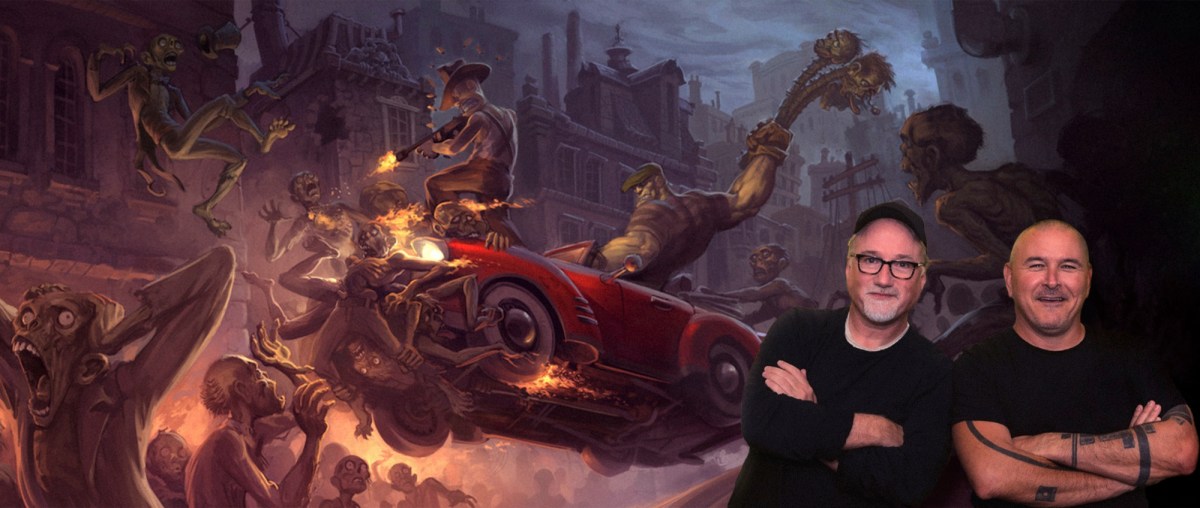
David Fincher has long been signed to produce a movie adaptation of Eric Powell‘s cult comic book: The Goon, published by Dark Horse, to be co-directed by Tim Miller and Jeff Fowler of Blur Studios with an original screenplay by Powell.
Video contains test animation for the David Fincher / Blur Studios / Dark Horse Entertainment produced film The Goon. Based on the Dark Horse Comic series by Eric Powell. Clancy Brown and Paul Giamatti provided the voices for this test. All artwork & footage belongs to its respective creators.
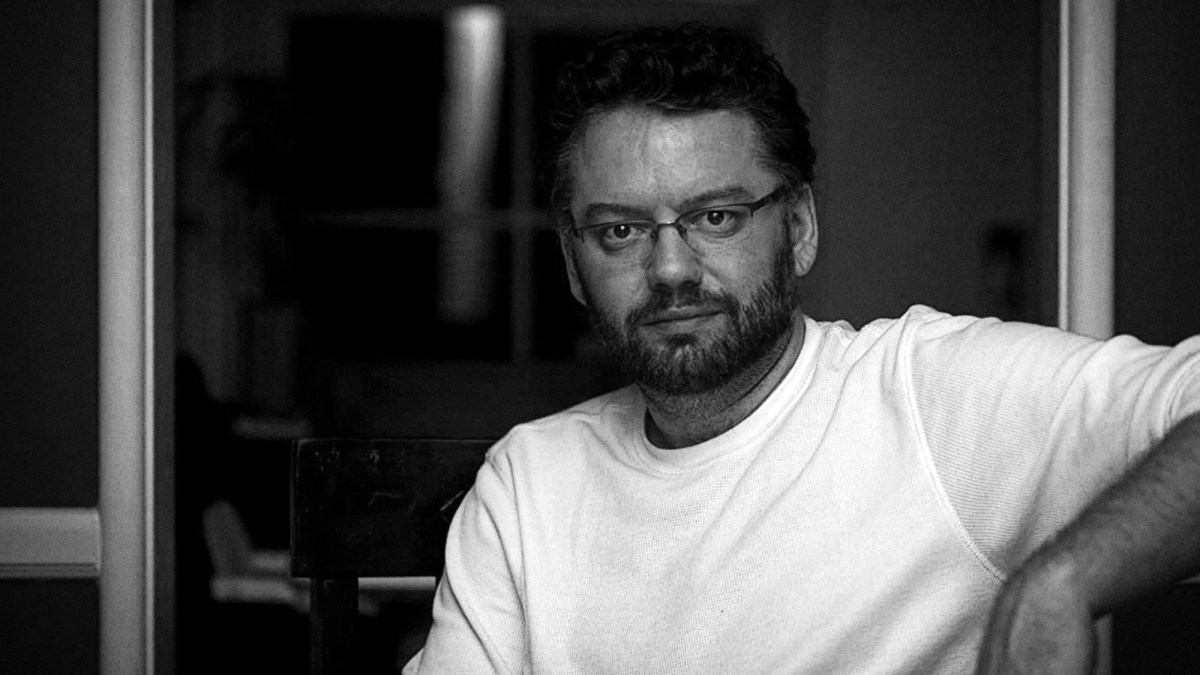
Cinematographer Jeff Cronenweth, ASC, is the son of Jordan Cronenweth, ASC, one of the most influential cinematographers in history, most notable for Blade Runner.
He worked with his father as a camera loader and second assistant camera during high school, graduated from the USC School of Cinematic Arts, and worked his way up to first assistant camera and then camera operator until the mid-1990s. He also worked for legendary Swedish cinematographer Sven Nykvist.
The first major motion picture where he acted as a DP was for David Fincher‘s Fight Club. Other notable feature films on which he worked as a DP are One Hour Photo, directed by Mark Romanek, K-19: The Widowmaker, Down With Love, The Social Network, Hitchcock, The Girl with the Dragon Tattoo, Gone Girl, and recently, Being the Ricardos, written and directed by Aaron Sorkin.
He was nominated twice for an Academy Award for Best Cinematography for his work on Fincher’s The Social Network (2010) and The Girl with the Dragon Tattoo (2011).
This video essay examines the innovative use of sound recording and mixing in David Fincher’s Mank (2020). Whilst Mank received a limited theatrical release, the film is most widely available via the Netflix streaming platform. The essay takes as a starting point the rerecording and spatialisation of the soundtrack, with a focus on the home viewing experience. Donnelly argues that the re-recording process used on Mank’s soundtrack could potentially suggest a method by which films released into the domestic market could retain the reverberant sonic signature of cinematic exhibition. The published screenwork draws upon interviews with Fincher’s sound designer Ren Klyce, as well as the work of experimental composer, Alvin Lucier in order to better understand the experience of listening to Mank in our own rooms.
There’s a specificity of intention to David Prior’s “The Empty Man” that eludes most studio horror projects. Inspired by the Boom Studios! comic (created by writer Cullen Bunn and artist Vanessa del Rey), Prior’s debut could have been a success story were the movie released under different circumstances. Inherited by Disney following the Fox merger, and dumped into theaters mid-pandemic, “The Empty Man” certainly wasn’t given the A24Ari Aster treatment, which is a shame, as Prior’s film would make an outstanding, grief-tinged double feature with “Midsommar” or “Hereditary,” though its shape is far more chimerically hypnotic.
Laying somewhere in the cosmic ether between David Fincher’s serial killer films, “Se7en” and “Zodiac,” Prior’s sepulchral vision slithers like a paranormal odyssey in the guise of a J-horror procedural a la Kiyoshi Kurasawa’s “Cure,” veteran character actor James Badge Dale aiding in making detective work look effortless through a mesmerizing lead performance. “We go looking for things we have lost… More than that, there is no such thing as loss,” a mysterious cult leader, played by Stephen Root, preaches
Audiences missed out on “The Empty Man,” but it’s deservedly found a devoted following. “If the price of making the movie I wanted to make meant getting abandoned by the studio and left to be picked up by passionate people who saw it on their own, that’s not a bad outcome.” Prior told us, “At least it’s the movie I wanted to make. It wasn’t some highly compromised, shortened, messed up version of that probably would have gotten more support from the studio but it would have vanished from everybody’s mind as soon as they saw it.”
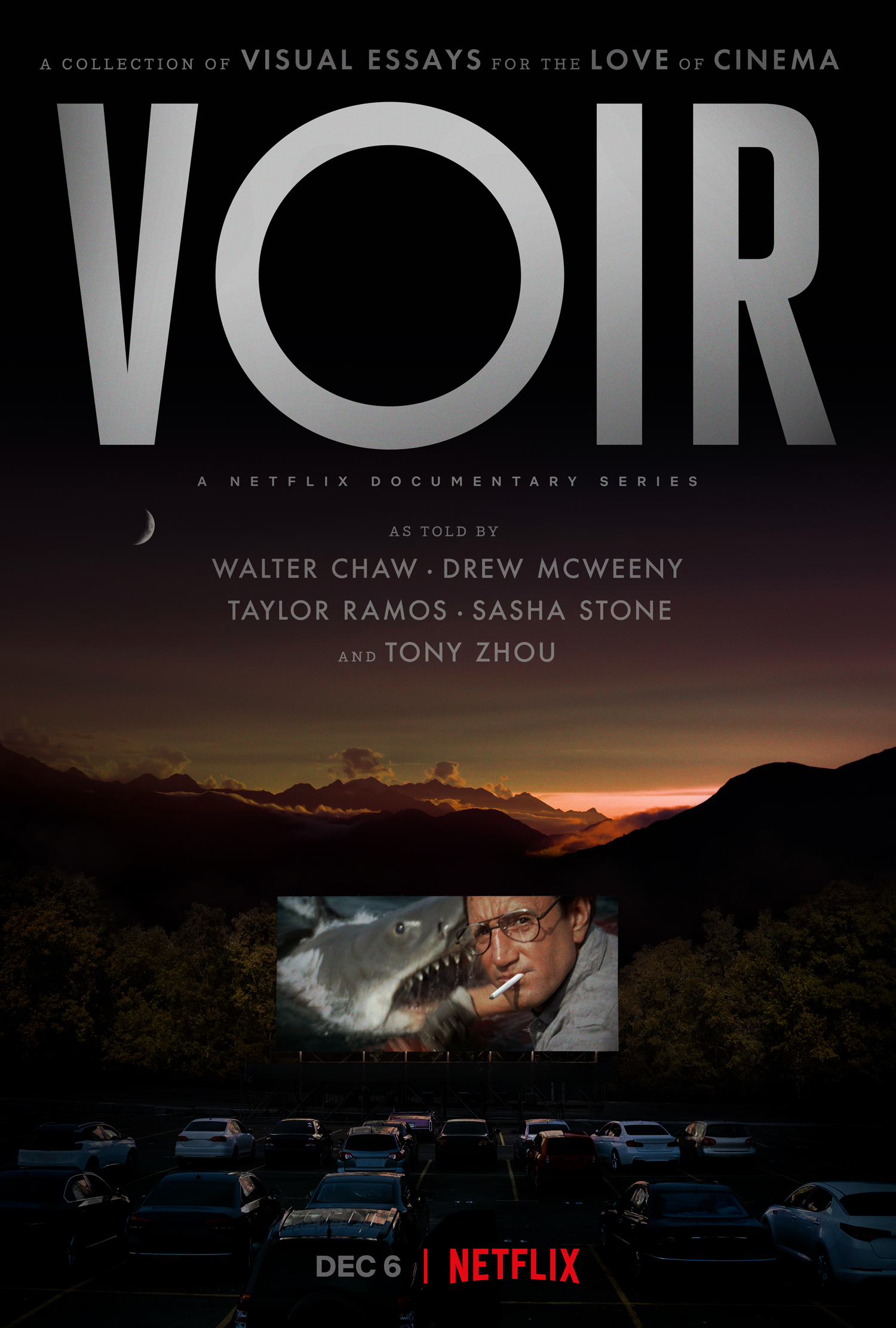
Prior was later approached by David Fincher (for whom he used to direct documentaries) about a new film appreciation series, titled “Voir.” Scheduled to debut at AFI Fest this month, Netflix’s video essay project spotlights “passionate voices that love movies… highlighting the elements that get people excited about cinema.”
In a time when streaming services threaten to swallow up the theatrical experience, “Voir” is an essential look back at what makes film uniquely hypnotic. “Movies cornered the cultural conversation throughout the 20th century.” Prior told us. “It was the art form of the 20th century… [movies] don’t hold the same place in cultural thinking they used to and there’s a lot that’s important being lost.”
No great film deserves to be forgotten, and Prior is keenly aware platforms like Netflix now hold the keys to Hollywood’s kingdom, as “custodians to the cinematic experience.” “The Empty Man,” may not have mopped up box office dollars but revealed its director to be as impassioned and skilled a filmmaking scholar as David Fincher. We were fortunate to sit down for an extensive chat with him ahead of “Voir’s” upcoming premiere. Eerily, both his debut film and new Netflix series stemming from an obsession with “Jaws,” the legendary Steven Spielberg, a fervent supporter of his film appreciation project.
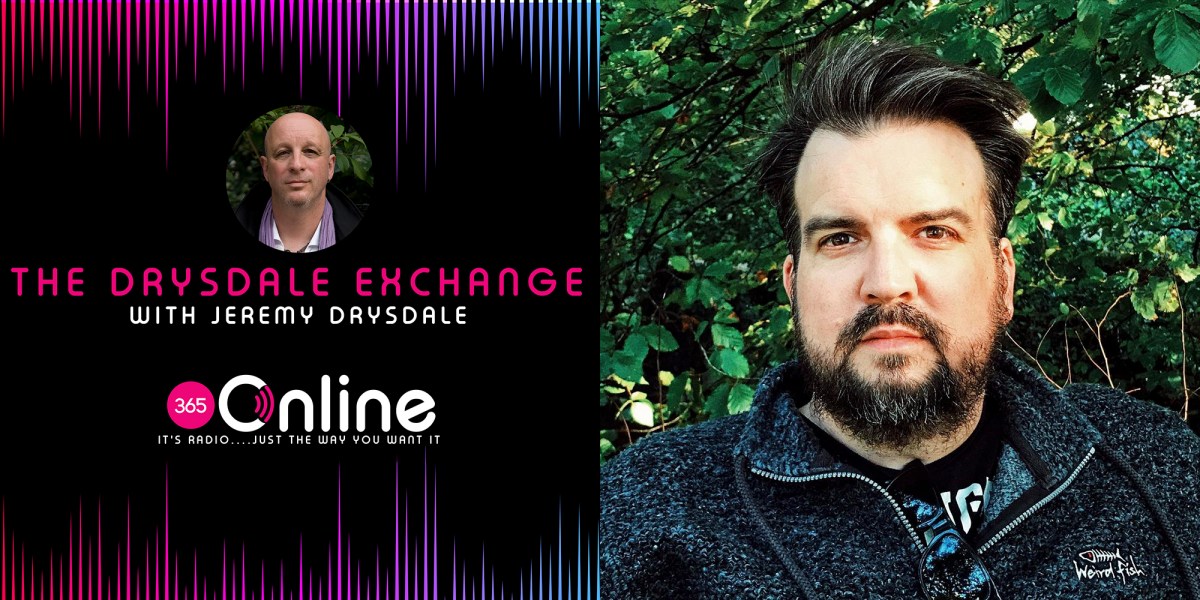
Jeremy is a screenwriter and producer who has written films, computer games, novels, events, and primetime television globally for over two decades.
Each Drysdale Exchange will showcase a penetrating one-on-one interview with an entertainment industry specialist, designed to illuminate an area of film, television, writing, or music which is not generally addressed in the mainstream.
David Fincher called Nev Pierce‘s directorial debut, Bricks, a “classy take on a morbid classic”. Mark Romanek labeled his fourth short Promise“superbly done”. His other films (Ghosted, Lock In) are well praised, too, and not just by A-list directing talents. He’s seen his work played at festivals worldwide, including Fantasia, FrightFest, and the London Short Film Festival. He has various features in development as a director and is also a contributing editor for Empire Magazine.
Today, I sit down with legendary screenwriter Eric Roth.
We talk about his life and his craft and why we should all be more generous of spirit. Truth be told, Eric has been involved in creating so many iconic films that it would have been impossible to try… so I asked him about the films of his that meant the most to me, and he held court and digressed in the loveliest of ways. I hope you have as much fun listening as I did recording this interview. Enjoy!
Eric’s credits include: The Nickel Ride, The Drowning Pool, The Onion Field, Forrest Gump (for which he won an Oscar), The Postman (for which he won a Razzie), The Horse Whisperer, and then one of my favorite films ever, The Insider, followed by Ali, Munich, The Good Shepherd, and The Curious Case of Benjamin Button. He’s also worked in Television, and seen not one but two sea changes, first with HBO, and then with Netflix and House of Cards. And much more recently he wrote A Star Is Born, Dune, and the new Western being Directed by Martin Scorsese, Killers of the Flower Moon. He was also a producer on the Oscar nominated Mank, directed by David Fincher, from a script by Fincher’s father.
Today we welcome back the legendary Eric Roth. An Oscar-Winning Screenwriter & Producer.
We talk about how he writes, and blends craft with pure inspiration. He talks about working with Robert Redford. We re-visit Munich & The Good Shepherd. He talks about being re-written, and his unique creative partnership with Bradley Cooper & Lady Gaga on A Star Is Born. And last but not least, we talk about writing the new Dune film which he thinks just might be something very special.
It’s a wonderful conversation with one of the very best working in Hollywood today, whose generous not only with his talent, but his spirit. Dig it!
Recommended Viewing: The Horse Whisperer, Munich, The Good Shepherd, A Star Is Born (2018), and Dune (See it in IMAX on October 22, 2021)
In this edition I’ll look at Jeff Cronenweth, who, to a large extent, is responsible for popularising a style of ‘dark cinematography’, through his work on movies such as Fight Club or The Social Network.
DISCLAIMER: Some links in this description are affiliate links. If you purchase a product or service with these links I may receive a small commission without an additional charge to you. Thank you for supporting my channel so I can continue to provide you with free videos!
3 Things That Working With Jeff Cronenweth Taught Me About Cinematography
Director: David Prior Screenwriter: Sasha Stone Producers: David Prior and Sasha Stone Director of Photography: Martim Vian Editor: Keith Clark Production Designer: P.L. Jackson Cast: Eva Wild, Olive Bernadette Hoffman, Shannon Hayes, Molly Ann Grotha, Tea Jo Raza
102. Ethics of Revenge
Directors: Taylor Ramos and Tony Zhou Screenwriters: Taylor Ramos and Tony Zhou Producers: Taylor Ramos and Tony Zhou, and Nach Dudsdeemaytha Director of Photography: Alfonso Chin and Martim Vian
103. But I Don’t Like Him
Director: David Prior Screenwriter: Drew McWeeny Producers: David Prior and Drew McWeeny Director of Photography: Martim Vian