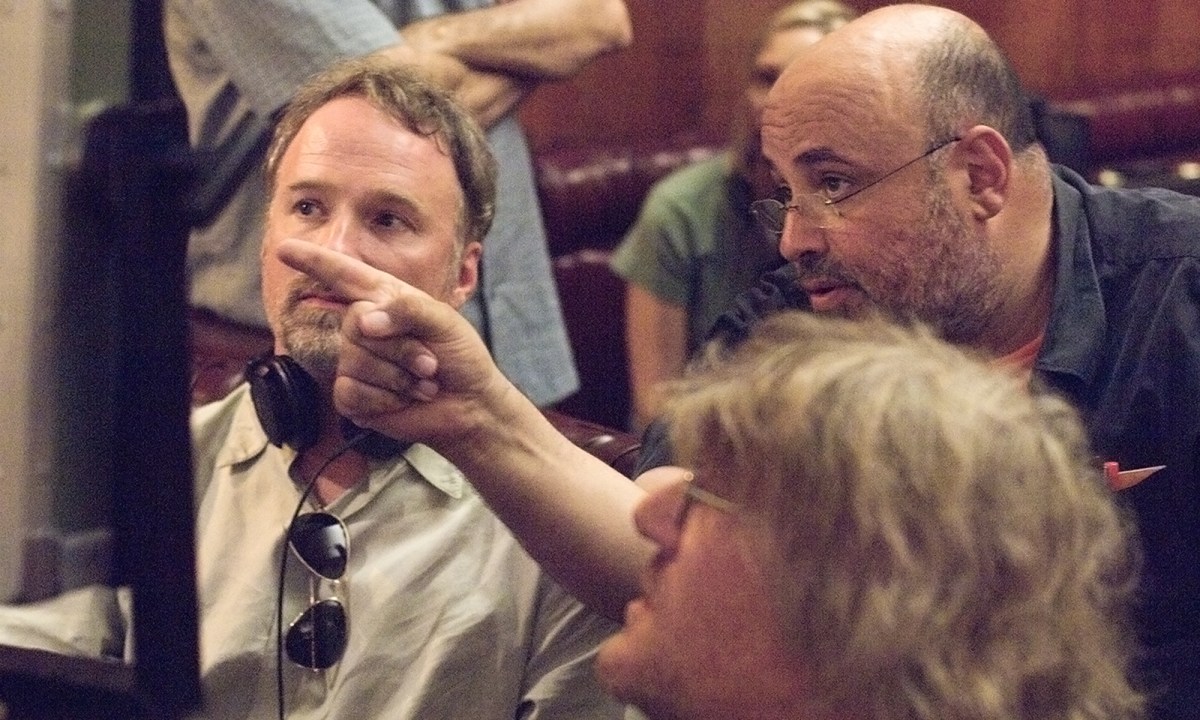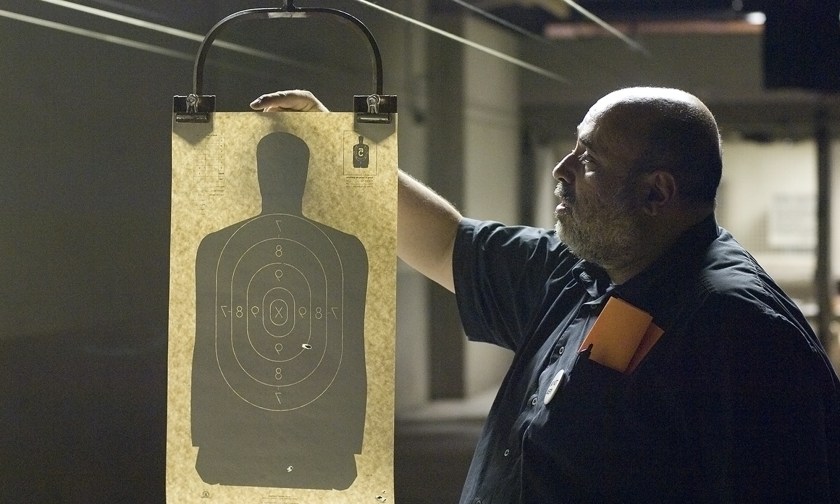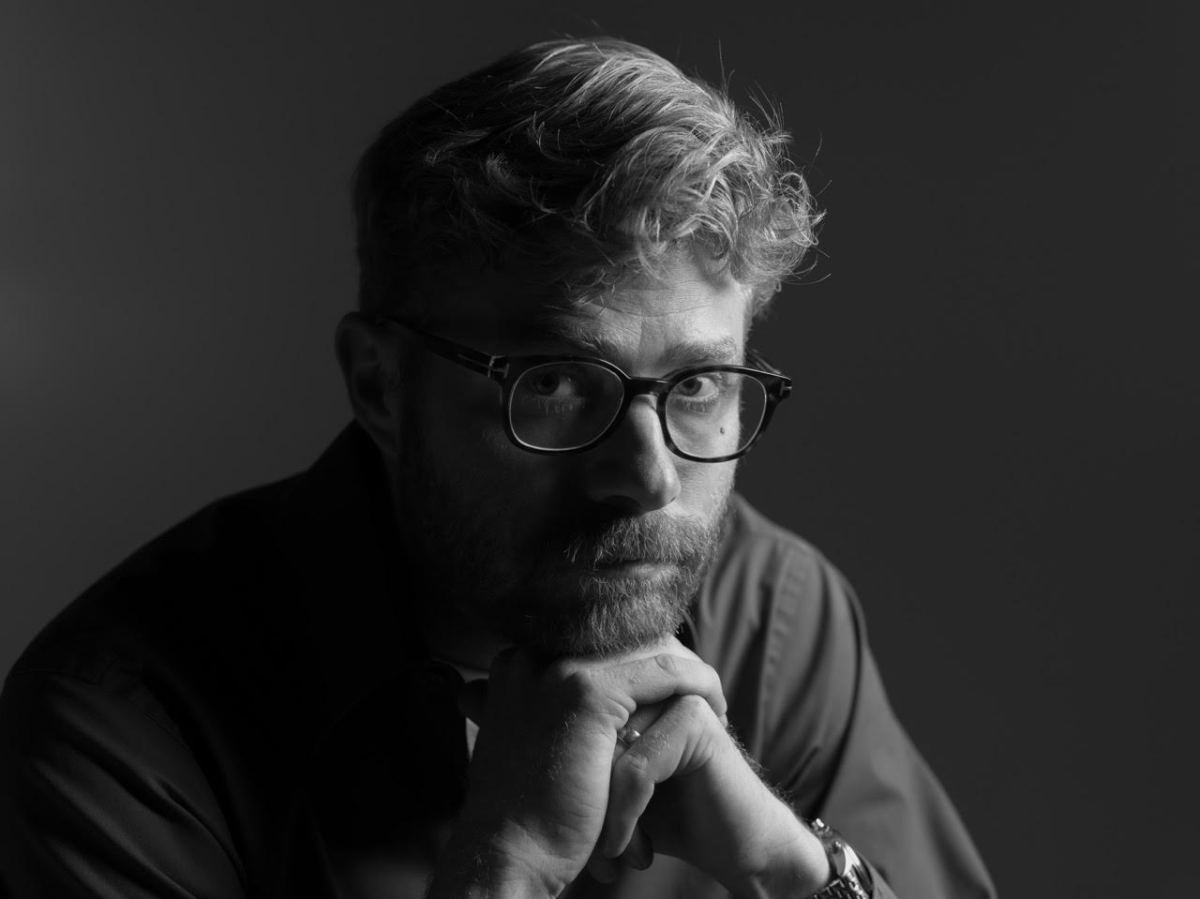
Asif Kapadia on the music of Mindhunter, Amy and Senna

2018-02-09 Soundtracking with Edith Bowman (Audioboom) - Episode 76. Asif Kapadia on The Music of Mindhunter, Amy and Senna

Edith Bowman
February 9, 2018
Soundtracking with Edith Bowman (Audioboom)

Another week, another Oscar winner chats to Soundtracking in partnership with the EE BAFTAs.

These days, the quality and quantity of original programming on streaming services is quite astounding – with A-list talent delivering high-class drama time and time again.

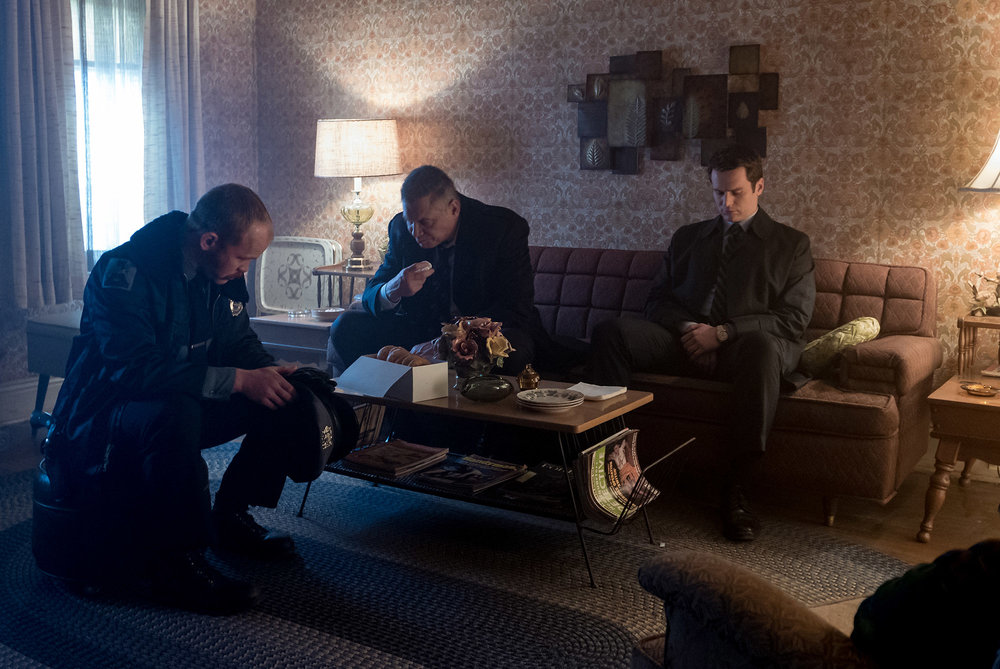
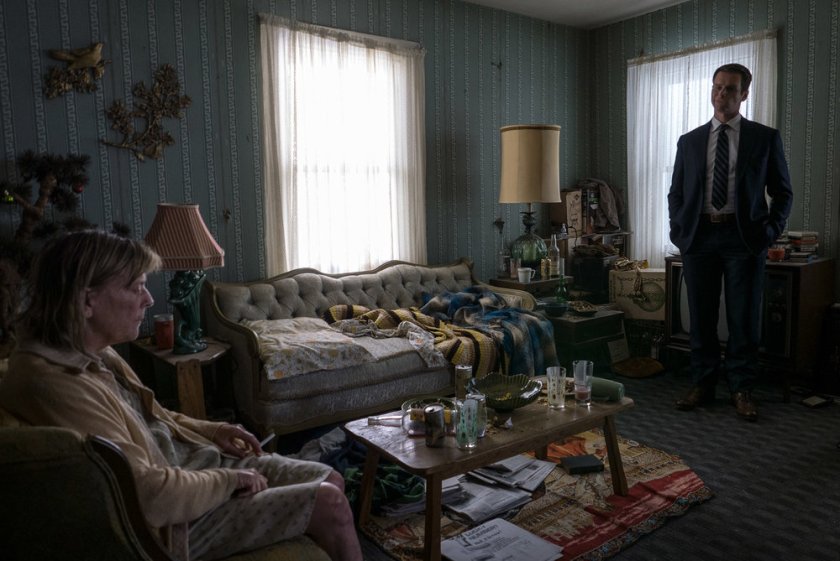
One of Netflix‘s standout series of 2017 was Mindhunter. Overseen by David Fincher, it tells the story of how the FBI’s profiling unit came into being in the 1970s. By turns dark, funny, moving, cool and brutal, it also makes great use of contemporary pop & rock.

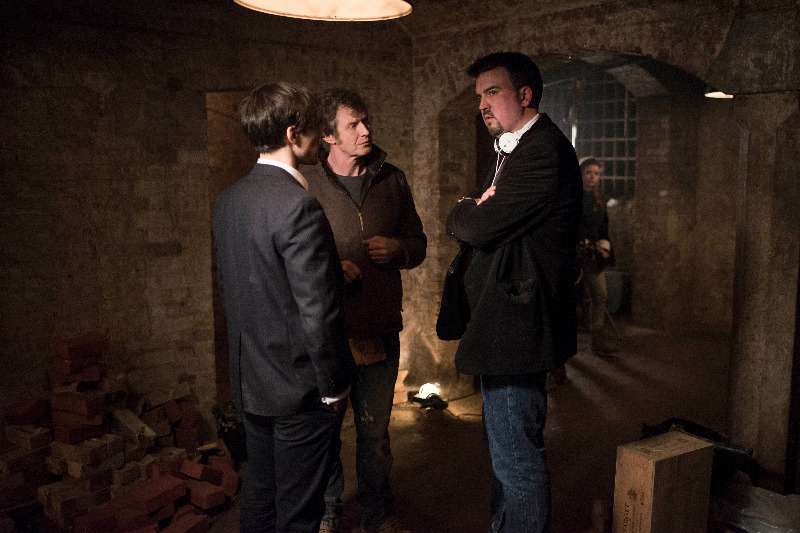
So it’s with great pleasure that we welcome Asif Kapadia to the show, who directed two episodes of the first season.

Asif has won numerous awards for The Warrior, Senna and Amy, with the latter scooping the Oscar for Best Documentary. There will, of course, be plenty of examples of Amy Winehouse‘s music throughout the course of the conversation, as well as composer Antonio Pinto‘s work on both Amy and Senna.

The “FINCHER App”

“The Wire” and “House of Cards” actor Reg E. Cathey has died

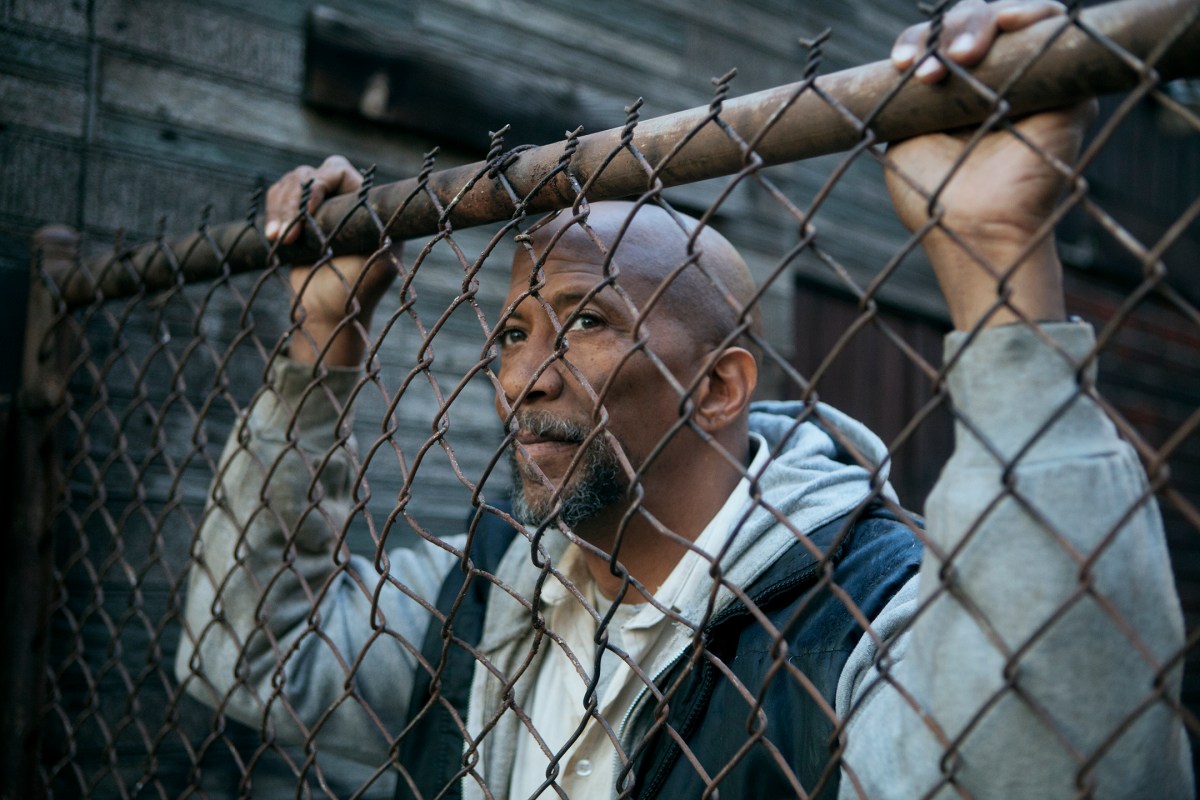
2013. Reg E. Cathey in House of Cards, Season 1 (Patrick Harbron / Netflix)

Veteran character actor, with a distinctive deep baritone voice, Reg E. Cathey has died at the age of 59, after a battle with lung cancer.

He had an extensive career in both TV and film but started being recognized for his work for David Simon and HBO in the mini-series The Corner and in the fourth and fifth seasons of The Wire, where he played newspaperman turned political operative Norman Wilson.

He also was Prison Unit Manager Martin Querns in the HBO series Oz, and boxing promoter Barry K. Word in the FX series Lights Out starring Holt McCallany.

He gained critical acclaim with his role in the Netflix series created by Beau Willimon House of Cards, as the owner of the small barbecue restaurant enjoyed by Frank Underwood, Freddy Hayes, which earned him three consecutive Emmy Award nominations for Outstanding Guest Actor in a Drama Series, including a win in 2015.

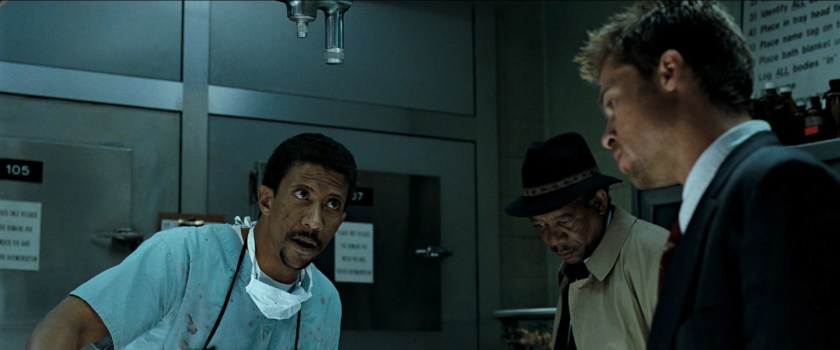
Cathey had already worked for David Fincher before the first two episodes of House of Cards. Almost twenty years earlier, he played the brief but “meaty” role of Dr. Santiago in the chillingly memorable post-autopsy scene in Se7en.

1995. Seven - Reg E. Cathey.jpg

Christopher Probst, ASC, Nominee for the ASC Awards

2018 32nd ASC Awards

The Nominees Are: 2017 Achievements in Cinematography Earn ASC Accolades

The American Society of Cinematographers

The winners will be revealed at the organization’s February 17 ceremony. The event will be held at the Ray Dolby Ballroom at Hollywood & Highland.

The ASC Awards — attended each year by more than 1,500 guests including Society members, other top cinematographers, their crews and representatives from many industry-leading support companies worldwide — is cinematography’s biggest annual event, celebrating the finest work of the year and its exceptional practitioners.

Motion Picture, Miniseries, or Pilot Made for Television:

Pepe Avila del Pino for The Deuce pilot on HBO
Serge Desrosiers, CSC for Sometimes the Good Kill on Lifetime
Mathias Herndl, AAC for Genius (“Chapter 1”) on National Geographic
Shelly Johnson, ASC for Training Day pilot (“Apocalypse Now”) on
CBS
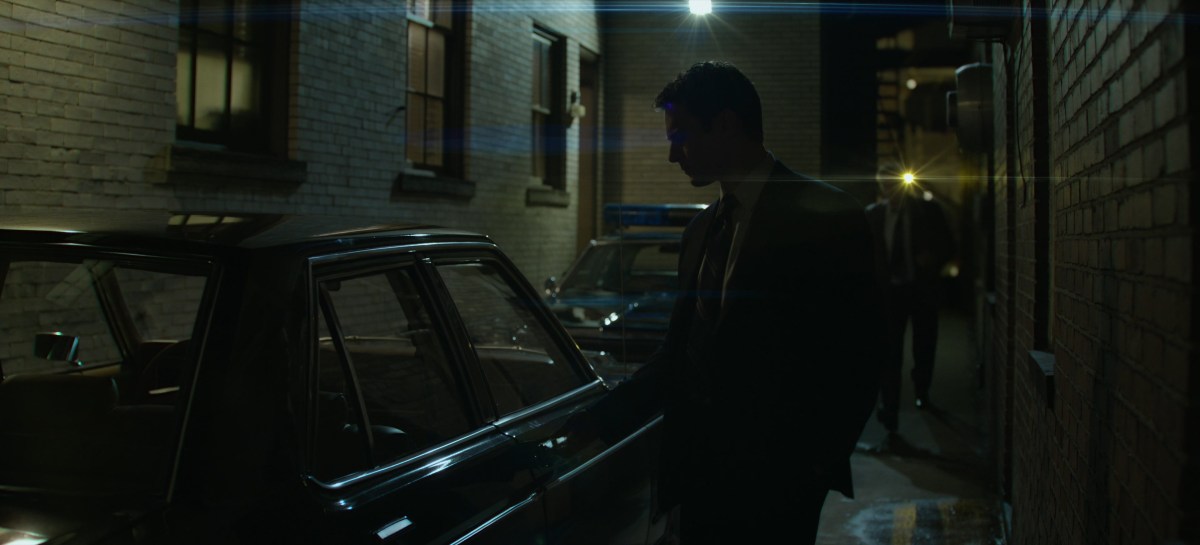
Christopher Probst, ASC for Mindhunter pilot on Netflix

2018-02-01 Christopher Probst, ASC (Instagram) - Ad appearing in the recent issue of American Cinematographer magazine [Ed.]

Netflix (American Cinematographer)

Nev Pierce’s Bricks, Ghosted and LOCK IN are online now

2015. Nev Pierce.jpg

“Ten-minute short films to chill, move and amuse…”

Neville Pierce (vimeo)

nevpierce.com

Click on the posters to open each short:

2015. Neville Pierce - Bricks[Ed.]

2016. Neville Pierce - Ghosted[Ed.]

2016. Neville Pierce - Lock In 00a[Ed.]

“Being a Filmmaker Wasn’t Something It Occurred to Me… You Could Be”: Film Journalist Neville Pierce on His Path Towards Directing

Scott Macaulay
February 5, 2018
Filmmaker

Over nearly 20 years, film journalist Neville Pierce has collected bylines at most of the U.K.’s top film publications, including Empire (where he’s a contributing editor), Total Film (where he was the editor) and The Guardian. And while he worked as a reviewer early in his career, he’s best known for his long-form profiles of actors and directors, pieces that are deep dives into the art and craft of subjects like Michael Fassbender, Mark Romanek and, most consistently, David Fincher, whose sets he has visited and written about no less than seven times.

But since 2011 Pierce has been building a parallel career that particularly resonates with us here at Filmmaker. Moving from covering films to making films, he began to write — and sell — screenplays and, in the last two years, direct short films. Parlaying connections within the U.K. acting community, Pierce has made four shorts, three of which are premiering online today. Strikingly, they are different in style and content, illustrating Pierce’s range while also indicating, perhaps, his own process of artistic discovery — an exploration of different genres and tones while working, one presumes, towards an inevitable first feature.

PIERCE: The biggest lessons probably came from my two favourite contemporary filmmakers. I interviewed Steven Soderbergh for The Informant and he talked about fantasy versus reality, “Are you going to deal with the world as it is or are you going to constantly trying to turn it into something that it’s never going to be?” That thought had a big impact both professionally and personally. Acting out of the facts, rather than out of wishes. The other thing, which I keep at the top of my digital “to do” list, as a constant reminder, is from Fincher: “The lesson of Alien 3 is ‘Take all of the responsibility, because you’re going to get all of the blame.’”

Read the full interview

Interiors: Steve Arnold, Mindhunter

InteriorsMehruss Jon Ahi and Armen Karaoghlanian
January 19, 2018
Interiors

The television show, Mindhunter, created by Joe Penhall and executive produced and directed by David Fincher, is one of the most visually distinctive shows and for good reason. David Fincher’s filmography has become something that we aren’t used to seeing. From the Cinematography to the Production Design, Fincher has achieved a level of mastery that other films and television shows do not seem to have.

Based primarily in Pittsburgh, Pennsylvania, the show depicts incredible locations and interior spaces, such as a variety of interrogation rooms that are both visually stunning and exceptionally detailed.

In an exclusive interview with Interiors, we spoke with Steve Arnold, who is the Production Designer for Mindhunter. The images are property of Steve Arnold and his team.

Read the full interview

Interiors. Dwight's House

Interview with Alec Gillis and Tom Woodruff, Jr. of Studio ADI

JM Prater
January 15, 2018
Perfect Organism: The Alien Saga Podcast

As Alien fans, we’ve become used to change. Different directors; different scripts; different planets; different eras; different timelines; even different film studios. With everything so constantly in flux, it’s easy to forget that Alec Gillis and Tom Woodruff, Jr. have been there since nearly the very beginning. From their pioneering work on Aliens, to the foundation of the legendary Amalgamated Dynamics, Inc., Gillis and Woodruff have been at the vanguard of the effects industry for more than three decades.

In this exclusive, unprecedented interview, our very own JM Prater visited Gillis and Woodruff at Studio ADI in Hollywood for a sit-down conversation about their love for the Alien Saga, their relationships with the fans, and much, much more.

Listen to the full interview (01:18:40)

Interview with Jason Hill

Daniel Schweiger
January 4, 2018
Film Music Magazine

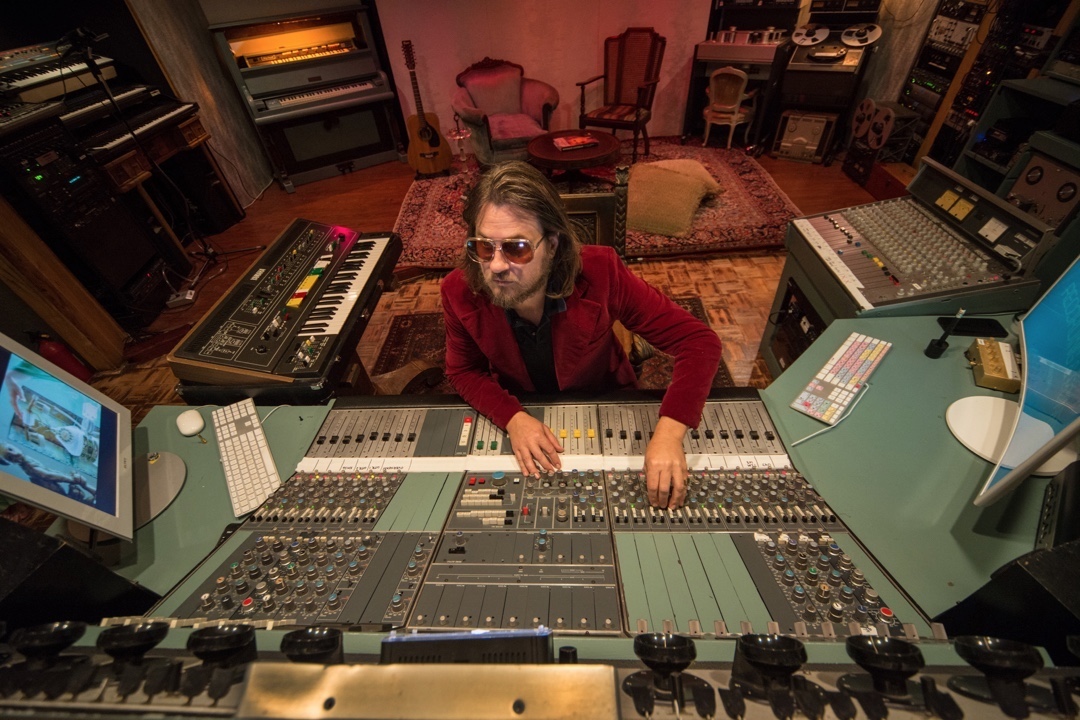
Just about the last thing anyone wants to do is enter the mind of pure evil, let alone hear it meticulously, and deliciously describe its murderous exploits. That a view inside of its horrifying headspace has resulted in such eerily intoxicating music is a testament to the powerfully emerging voice of Jason Hill in “Mindhunter.” Created by serial killer media enabler par excellence David Fincher, this acclaimed Netflix series’ twist is that we barely see any violence at all. Rather, the acts and its reasoning are told to FBI profilers Holden Ford (Jonathan Groff) and Bill Tench (Holt McCallany), who traverse the country to find out what makes madmen tick. That the birth of the agency’s serial killer profiling unit is no work of fiction makes their subjects’ descriptions all the more terrifying, if no less fascinating in the awfulness that’s drawn entertainment to these predators again and again. That Jason Hill hears the recording sessions, and their effect upon the agents, with such dark poetry is all the more unsettling.

If the interview subjects of “Mindhunter” have seemed to emerge from the shadows, seemingly out of nowhere, the same might be said (if not murderously) about how Hill’s innovative talent has burst upon the binge-watching scene. With only one scoring credit for a dirt biking madman behind him, Hill’s production work for the likes of David Bowie, The New York Dolls and The Killers along with his band Louis XIV have led him into Fincher’s company – a band of musical profilers whose work has ranged from the raging orchestra of Howard Shore’s “Se7en” to the subtle, conspiratorial piano of David Shire’s “Zodiac” and the piercing electronics of Trent Reznor and Atticus Ross’ “Gone Girl.”

Hill’s realization of a twisted psyche is just as uncommon and original, eschewing the kind of dissonance that scores most associate with serial killers, Hill’s soundtrack for this hit, ten-part series is poetic, even beautiful in its crystalline use of sound and samples, music that suggests a voyage to an alternate, shimmering universe far more than it does a basement torture dungeon. Its ethereal, even poignant stuff, yet with a tonality that tells us something is unholy in its deceptively surreal bliss. Even as brilliantly crazy as Brian Reitzell’s music was for the equally astounding “Hannibal,” there’s never been quite a serial killer show, or soundtrack like “Mindhunter.” In no small part, we can thank an essentially newfound composer who’s brave enough to hear shocking words that might drive others’ insane, and turn the description of the deeds into things of hypnotic, unearthly beauty that dares us to turn away. And like the subject of the increasingly unnerved agents, Hill is the killer who keeps the tape machine running, now describing in detail to us how he draws listeners ever deeper into “Mindhunter’s” entrancing madness.

Read the full interview

David Fincher Enlists ‘Tron: Legacy’ VFX Supervisor For ‘World War Z’ Sequel

Academy Award®-winning Visual Effects Supervisor Eric Barba joined Industrial Light & Magic’s Vancouver studio as Creative Director in 2016 (Industrial Light & Magic)

Christopher Marc
December 12, 2017
Omega Underground

There is a bit of an update as they’ve hired a Visual Effects Supervisor. Oscar-winner Eric Barba, who is best known for his work on The Curious Case of Benjamin Button, Tron: Legacy and Oblivion has joined the film. His other work for David Fincher includes Zodiac, The Girl With The Dragon Tattoo, and Gone Girl.

Read the full article

Conversations with Jonathan Groff of MINDHUNTER

SAG-AFTRA Foundation (YouTube)
December 4, 2017

Q&A with Jonathan Groff of MINDHUNTER.

How do we get ahead of crazy if we don’t know how crazy thinks? In MINDHUNTER, FBI agents Holden Ford (Jonathan Groff) and Bill Tench (Holt McCallany) study the damaged psyches of serial killers in an attempt to understand and catch them, and in the process pioneer the development of modern serial killer profiling. The series launched globally October 13 on Netflix.

ART OF THE CUT. On editing Mindhunter with Kirk Baxter, ACE and Tyler Nelson

Premiere Pro Screenshot of Mindhunter Episode 1

Steve Hullfish
December 21, 2017
ProVideo Coalition

Mindhunter is one of those binge-able shows that has people talking. I spent a few days last summer at the Fincher production facility in LA where the show is cut and met one of the show’s editors, Tyler Nelson. One of the other editors on the series is Oscar-winner, Kirk Baxter, ACE, whom I interviewed previously for his work on Gone Girl. Both Gone Girl and Mindhunter were edited in Premiere Pro. (I was not able to talk to the third editor on the series, Byron Smith, who also cut the Netflix series, Altered Carbon.)

Kirk’s filmography includes numerous collaborations with director David Fincher. He was the additional editor on Zodiac. He also edited Fincher’s The Curious Case of Benjamin Button, The Social Network, The Girl with the Dragon Tattoo and Gone Girl. He won back to back Oscars for Social Network and The Girl with the Dragon Tattoo. He also cut episodes of Fincher’s House of Cards.

Tyler Nelson recently cut the feature Rememory, and was the assistant editor on Gone Girl, The Girl with the Dragon Tattoo, The Social Network and The Curious Case of Benjamin Button. He was also an assistant editor on House of Cards and The Good Wife.

This installment of Art of the Cut is a little different. I spoke to Kirk and Tyler separately about specific episodes of Mindhunter. Kirk spoke only about his work on Episode 10, the season finale. Tyler talked about several episodes that he cut from earlier in the season, so we’ll start with Tyler’s interview and then move to Kirk’s.

The series is available on Netflix and it may be useful to check out Episode 2, 3 and 10 prior to the interview… or cue them up as you’re reading! The series has been renewed for season 2.

Read the full interview