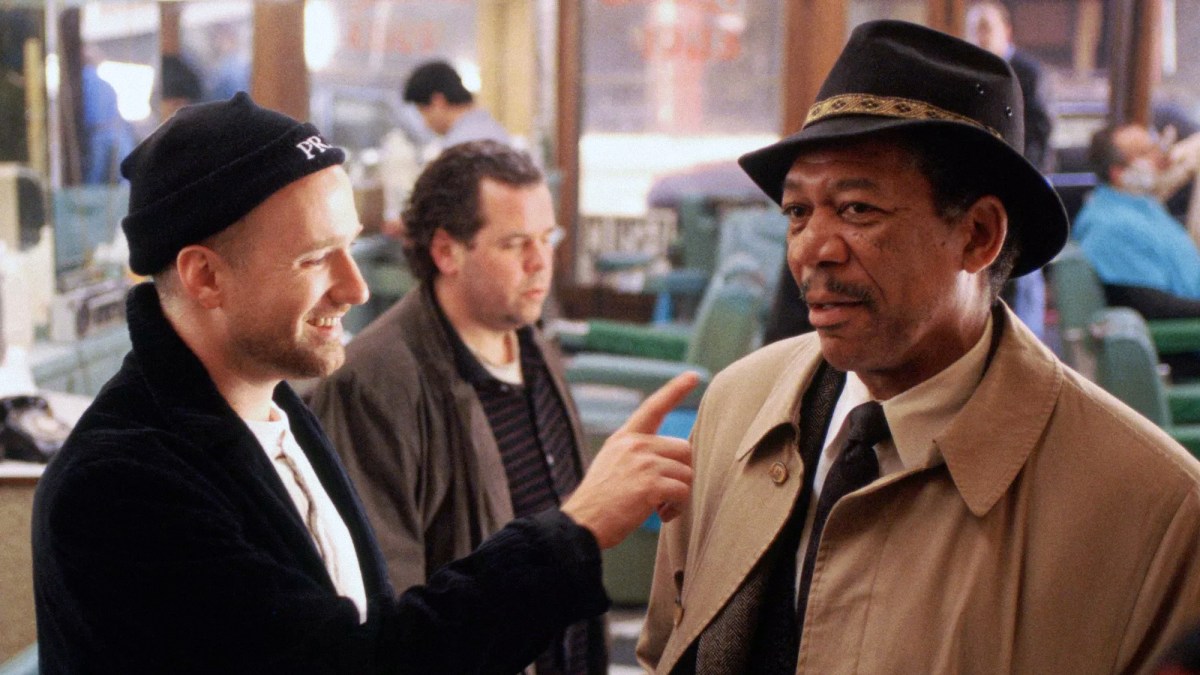
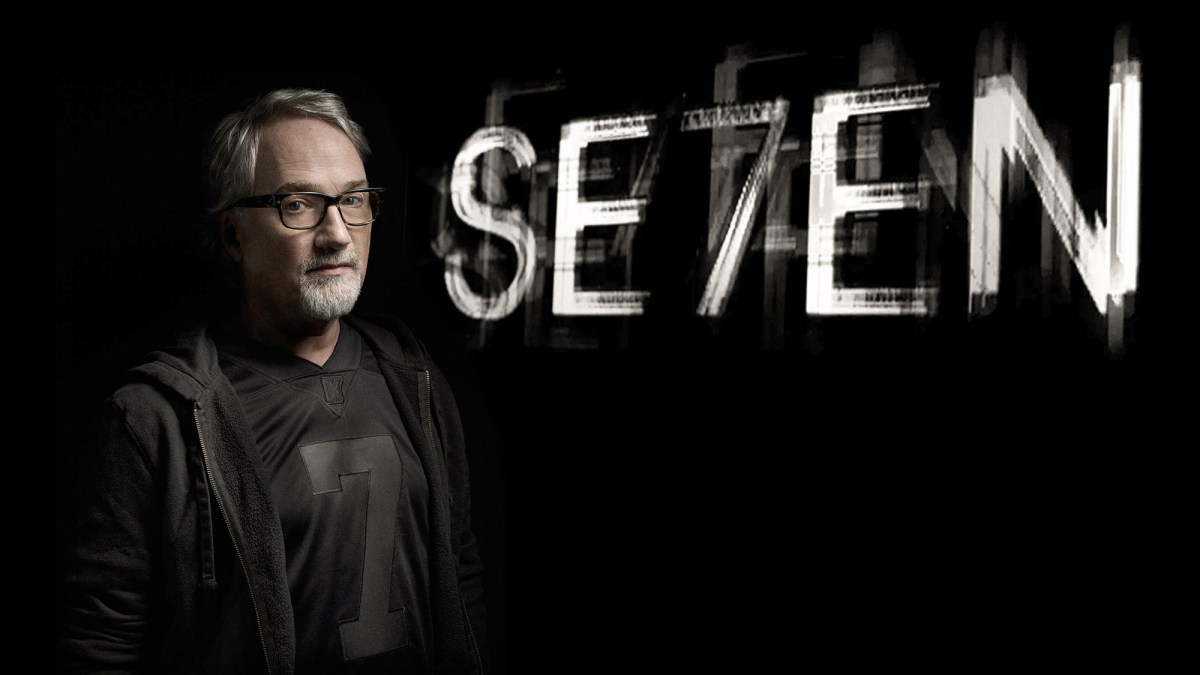
SE7EN turns 30 this year, and to commemorate the anniversary, director David Fincher has overseen the 4K remaster of the seminal crime drama.
The serial killer mystery — which stars Morgan Freeman, Brad Pitt, Gwyneth Paltrow, and Kevin Spacey — first shook up the crime genre in 1995 with propulsive, precise craft and unprecedentedly nasty crime scenes that have influenced everything from Saw to The Batman. The film now has a higher-resolution look that will debut on IMAX screens on Jan. 3 before releasing on 4K UHD Blu-ray Discs and on digital Jan. 7. Fincher and his team painstakingly recreated the film as it was originally printed in 1995, utilizing some AI tools to enhance the image and fix visual mistakes that weren’t visible in previous scans of the film.
Entertainment Weekly chatted with Fincher to discuss the new version of SE7EN and reflect on his memories of helming his feature directorial breakout 30 years later — including what’s really in the box.
It’s officially 2025, and that makes it the year of SE7EN’s 30th anniversary. Released in theaters on September 22, 1995, David Fincher’s second feature film enjoyed a successful run at the box office, scored an Academy Award nomination for Best Film Editing, a BAFTA nomination for Best Original Screenplay, and is still revered as top-tier cinema to this day.
The movie stars Morgan Freeman and Brad Pitt as detectives. Freeman’s William Somerset is a respected veteran on the verge of retirement, while Pitt’s David Mills is a recently transferred detective with loads of confidence, but lots to learn from Somerset. The pair is assigned to investigate a string of elaborate and ruthless murders, each one connected to one of the seven deadly sins.
In celebration of SE7EN’s release on 4K UHD on January 7, and also its first-ever IMAX release on January 3, I got the opportunity to get a peek behind the curtain of the restoration process courtesy of Fincher himself. He broke down the factors he must consider when choosing which of his films to restore, where he draws the line when making changes to the original film during this restoration process, how he used AI to pull off “the most thrillingly stupid fix in the world,” and loads more. You can read about all of that and his thoughts on his Netflix projects getting physical releases in the interview below.
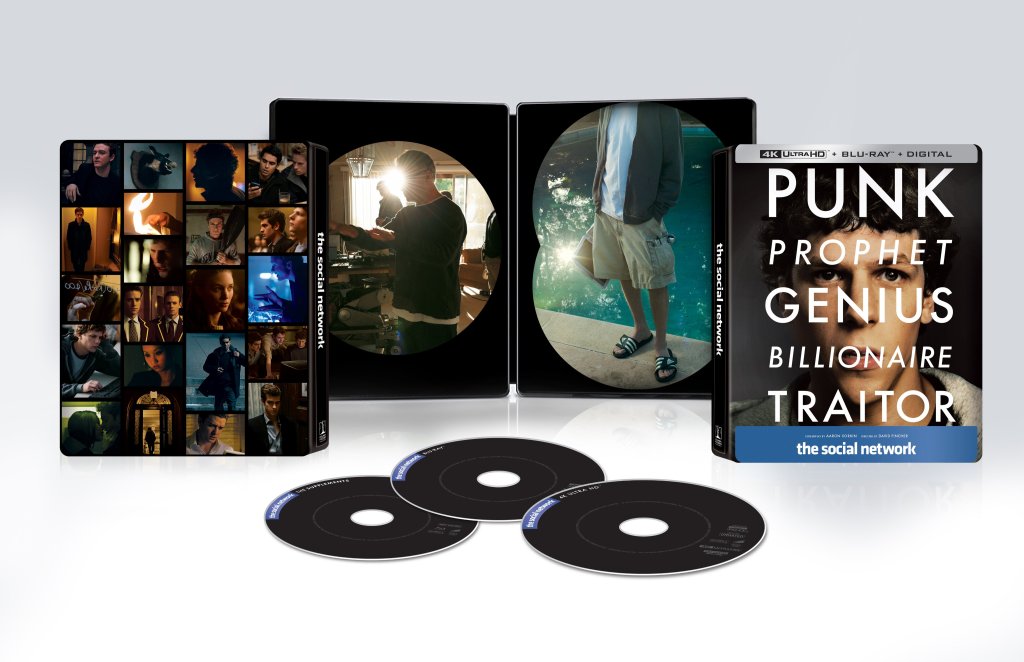
Sony Pictures Home Entertainment has officially announced the standalone UHD HDR release of The Social Network, featuring the 2021 remaster in 4K supervised by David Fincher, previously only available in the Columbia Classics 4K Ultra HD Collection Volume 2 Limited Edition box set.
It will be available as a limited edition Steelbook on February 18, 2025.
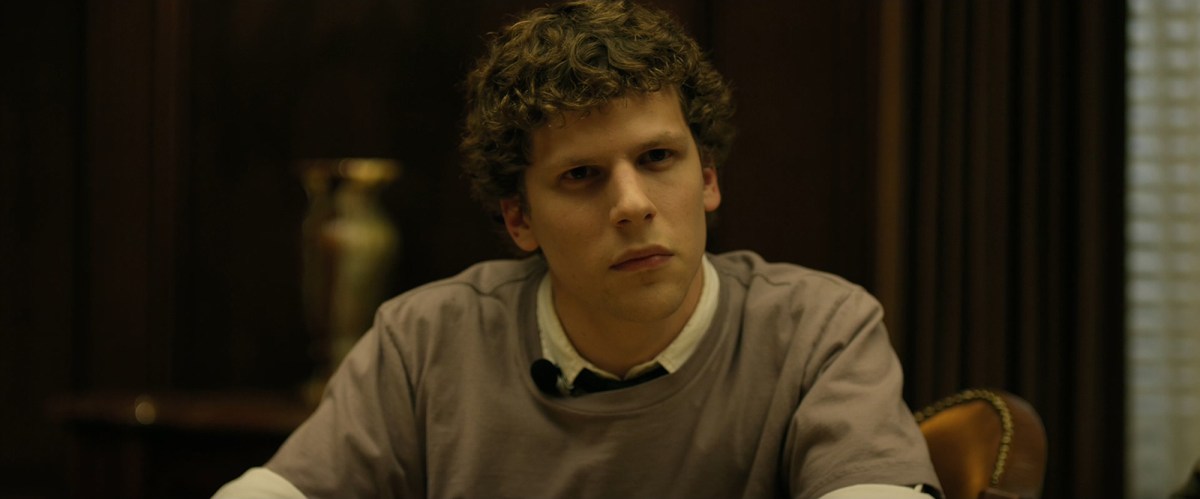
The Social Network, directed by David Fincher, is the stunning tale of a new breed of cultural insurgent: a punk genius who sparked a revolution and changed the face of human interaction for a generation, and perhaps forever. Shot through with emotional brutality and unexpected humor, this superbly crafted film chronicles the formation of Facebook and the battles over ownership that followed upon the website’s unfathomable success. With a complex, incisive screenplay by Aaron Sorkin and a brilliant cast including Jesse Eisenberg, Andrew Garfield and Justin Timberlake, The Social Network bears witness to the birth of an idea that rewove the fabric of society even as it unraveled the friendship of its creators. Nominated for 8 Academy Awards, including Best Picture (2010).
Directed by: David Fincher Produced by: Ceán Chaffin, Scott Rudin, Dana Brunetti, Michael De Luca Written by: Aaron Sorkin, based Upon the Book “The Accidental Billionaires” by Ben Mezrich
Basics
Video: 4K UHD (2160p). 2.40:1 (OAR). HEVC/H.265 Codec HDR: Dolby Vision, HDR 10. Audio: Dolby Atmos / Dolby TrueHD 7.1 (48kHz, 24-bit), DTS-HD Master Audio 5.1 (48kHz, 24-bit) Languages: English, French, German, Italian, Spanish, and more Subtitles: English, English SDH, French, German, Italian, Spanish, and more Discs: 3-Disc Set
Run Time: 120 minutes Rating: PG-13 for sexual content, drug and alcohol use and language, and Unrated
4K ULTRA HD Disc
Feature presented in 4K resolution with Dolby Vision
Unrated Dolby Atmos English audio (with one extra “fuck”)
Unrated 5.1 DTS-HD Master Audio (with one extra “fuck”)
Theatrical 5.1 DTS-HD Master Audio
Optional English subtitles
Theatrical Trailers
Blu-Ray Disc
Feature presented in HD resolution
Theatrical 5.1 DTS-HD Master Audio
Optional English subtitles for the main feature
Commentary 1 by David Fincher
Commentary 2 by Aaron Sorkin & Cast
Blu-Ray Disc with Special Features
All previously available Special Features produced by David Prior.
How Did They Ever Make a Movie of Facebook?
David Fincher and Jeff Cronenweth on the Visuals
Angus Wall, Kirk Baxter, and Ren Klyce on Post
Trent Reznor, Atticus Ross, and David Fincher on the Score
Ruby Skye VIP Room: Multi-Angle Scene Breakdown
In the Hall of the Mountain King: Reznor’s First Draft
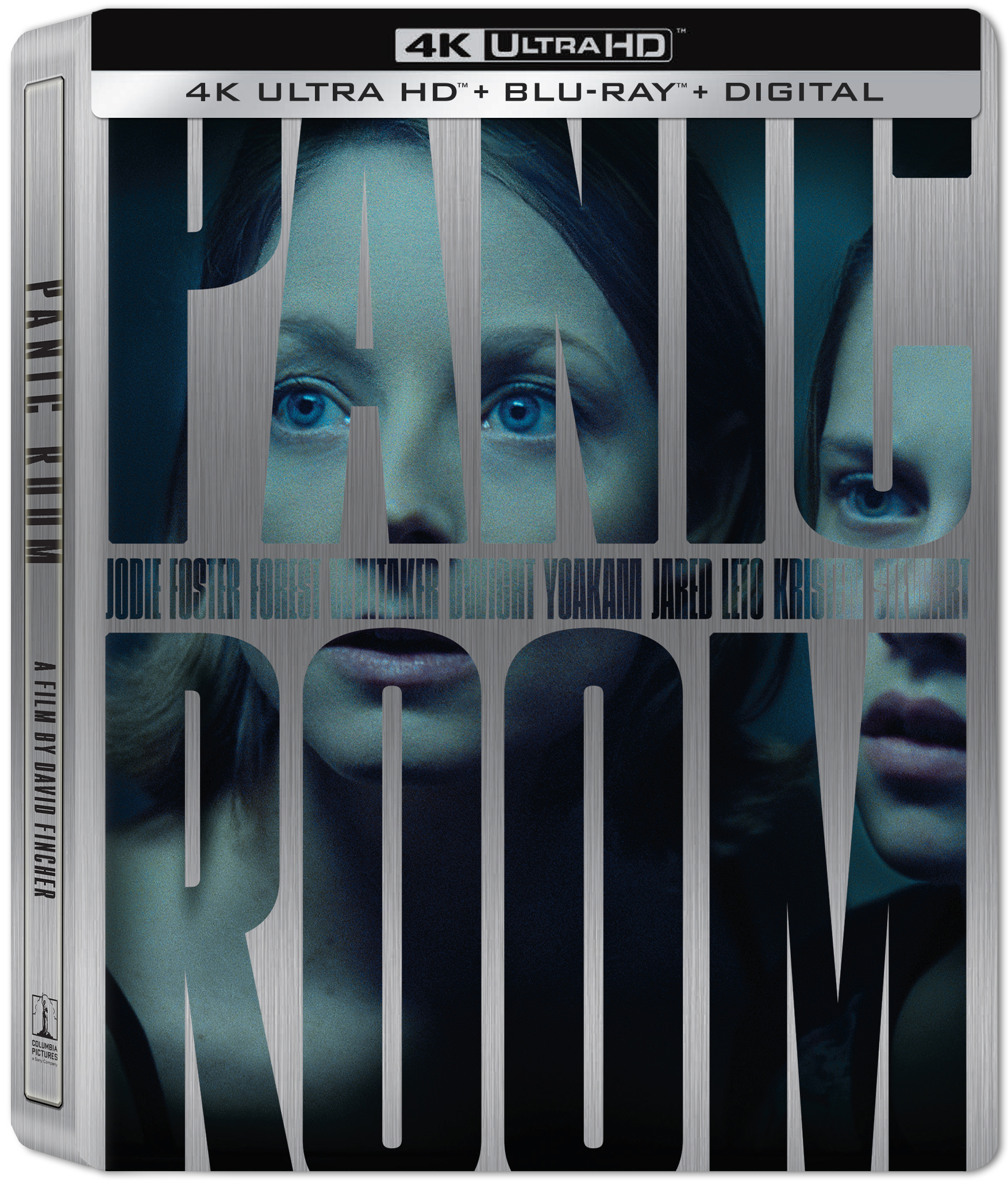
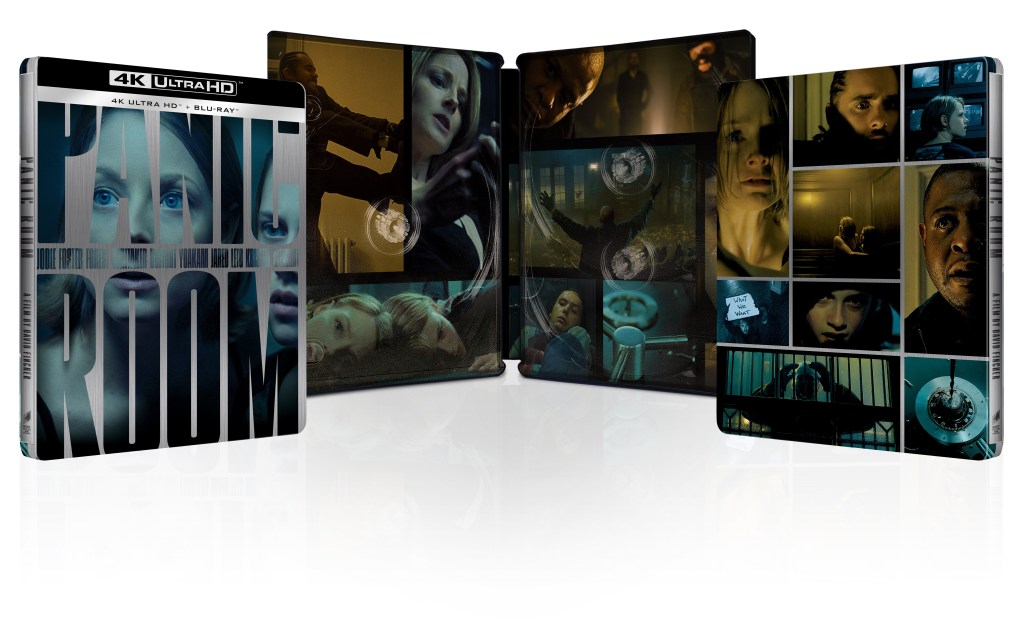
Sony Pictures Home Entertainment has officially announced the long-awaited UHD HDR release of Panic Room, featuring the new remaster in 4K supervised by David Fincher.
It will be available as a limited edition Steelbook on February 18, 2025.
Trapped in their New York brownstone’s panic room, a hidden chamber built as a sanctuary in the event of break-ins, newly divorced Meg Altman (Jodie Foster) and her daughter, Sarah (Kristen Stewart), play a deadly game of cat-and-mouse with three intruders—Burnham (Forest Whitaker), Raoul (Dwight Yoakam) and Junior (Jared Leto)—during a brutal home invasion. But the room itself is the focal point because what the intruders really want is inside it.
Directed by: David Fincher Produced by: Ceán Chaffin, Gavin Polone, Judy Hofflund, David Koepp Written by: David Koepp
Run Time: 112 minutes Rating: R for violence and language
4K ULTRA HD Disc
Feature presented in 4K resolution with Dolby Vision
English Dolby Atmos + English 5.1
Optional English subtitles
Blu-Ray Disc
Feature presented in HD resolution, sourced from the 4K remaster
English 5.1
Optional English subtitles for the main feature
Commentary 1 by David Fincher
Commentary 2 by Jodie Foster, Forest Whitaker, and Dwight Yoakam
Commentary 3 by writer David Koepp and special guest
Blu-Ray Disc with Special Features
All previously available Special Features produced by David Prior.
Pre-Production:
– Six featurettes on the prep phase, from pre-visualization through testing. – Interactive previsualization: Compare the pre-visualization, storyboards, dailies and final film in a multi-angle, multi-audio feature with optional commentary.
Production:
– Shooting Panic Room: An hour-long documentary on the principal photography phase. – Makeup effects featurette with Alec Gillis and Tom Woodruff Jr. – Sequence breakdowns: An interactive look at the creation of four separate scenes in the film
Post-Production:
– 21 documentaries and featurettes on the visual effects. – On Sound Design with Ren Klyce. – Digital Intermediate and other featurettes dealing with the post-production phase. – A multi-angle look at the scoring session conducted by Howard Shore.
This edition will include the fantastic Teaser Trailer narrated by Linda Hunt, edited by Angus Wall, and with Sound Design by Ren Klyce, previously only available in the “SuperBit” Edition and worldwide standard edition DVDs:
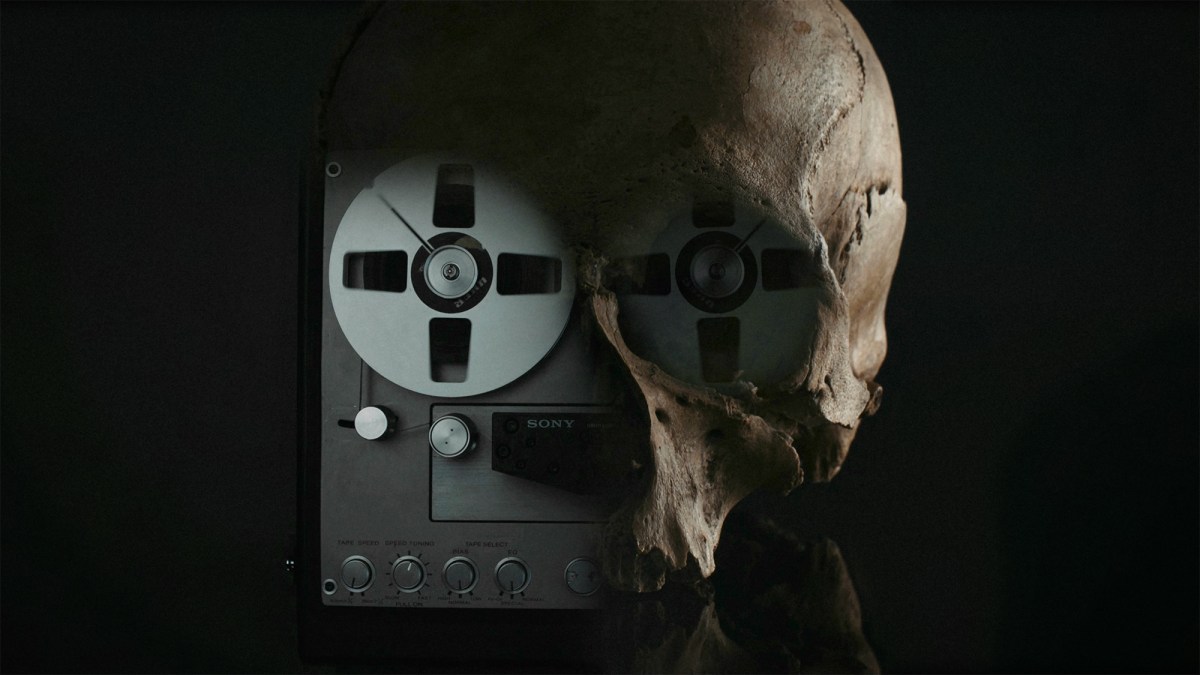
This is a cinematography experiment for fun and education. To explore Macro techniques, we recreate David Fincher‘s iconic MINDHUNTER title sequence and, of course, we give it our very own twist.
We also test & review the new Laowa Sword cine macro lenses. Macro Lenses open a whole world of technical possibilities and perspectives that are impossible to achieve with normal lenses. Macro and extreme close-ups can play an important role in cinematic storytelling, product videography, Stop-Motion work, and practical effects.
Then, we take you behind the scenes and show you how the different scenes were set up and lit. The LAOWA Sword macro cine lenses cover full frame and offer a wide range of focal lengths starting from 15mm all the way up to 180mm. We give you test shots and talk about our experience.
00:00: Intro & Contents 02:23: Extreme close ups in cinema 04:02: What is a Cine Macro Lens 07:52: Laowa Sword introduction 13:20: Laowa Sword Lens Test 18:15: Reimagining the Mindhunter titles 22:10: MACROHUNTER 25:48: Making of & Tutorial 29:10: Staging Marie – Skull shots tutorial 32:12: The Verdict 34:19: Laowa Aurogon introduction 37:19: Thank You
Here is our short with all MACROHUNTER sequences next to behind-the-scenes.
Disclaimer: we collaborated with LAOWA to bring you this episode. As always, we strive to give you our honest opinion based on our experience and our tests. If you are interested in buying the LAOWA Sword, please consider our affiliate link. It doesn’t cost you a dime more, but we get a little for the tip jar. Thanks a lot!
FROM ACCLAIMED DIRECTOR DAVID FINCHER,THE PSYCHOLOGICAL THRILLER WILL BE AVAILABLE FOR THE FIRST TIME IN 4K RESOLUTION WITH HIGH DYNAMIC RANGE (HDR).
AVAILABLE ON DIGITAL AND 4K UHD DISC ON JANUARY 7, 2025.
EXPERIENCE THE FILM IN IMAX® FOR THE FIRST TIME, STARTING JANUARY 3, 2025 FOR A LIMITED ENGAGEMENT.
The film stars Academy Award Winners Brad Pitt, Morgan Freeman,and Gwyneth Paltrow.
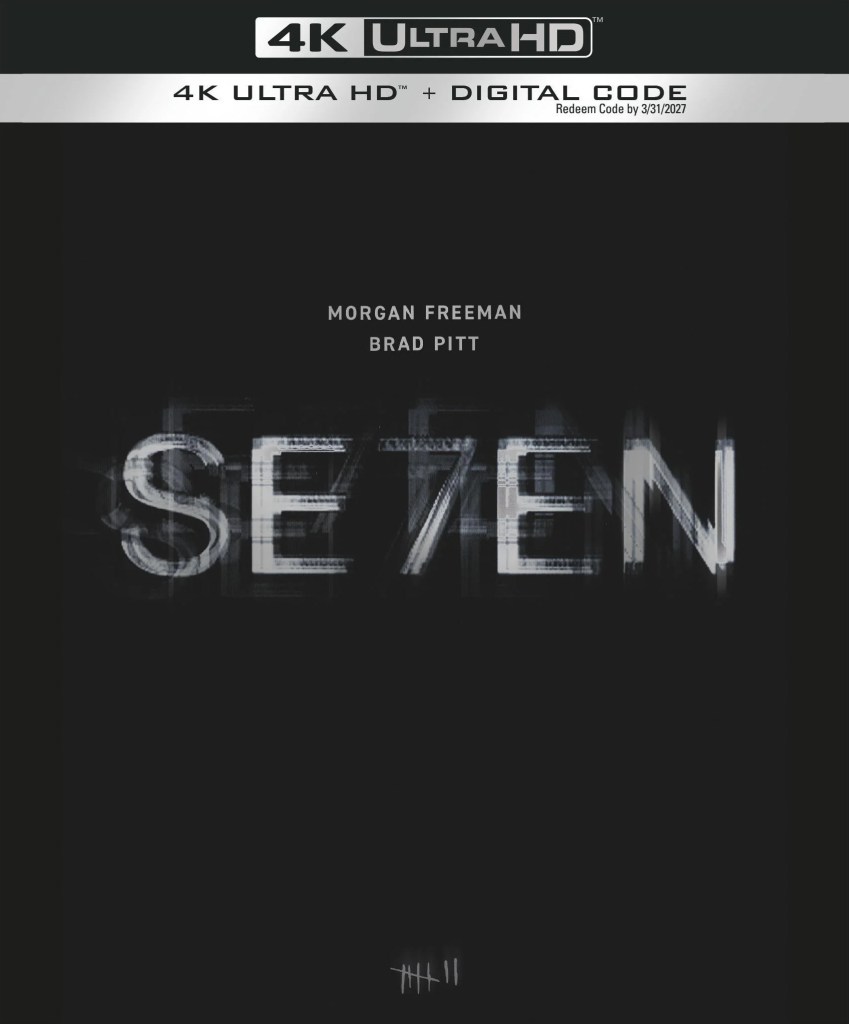
Burbank, Calif., November 19, 2024 – Celebrating the 30th anniversary of the psychological thriller SE7EN from New Line Cinema and acclaimed director David Fincher, the 1995 film will be available for purchase Digitally in 4K Ultra HD and on 4K UHD Blu-ray Disc on January 7, 2025.
SE7EN will be available to purchase on Ultra HD Blu-ray Disc online and in-store at major retailers and available for purchase Digitally from Amazon Prime Video, AppleTV, Google Play, Fandango at Home and more.
Additionally, to celebrate the film’s 30th anniversary, the newly re-mastered version of SE7EN will be offered theatrically worldwide with exclusive IMAX engagements in the U.S. and Canada beginning on January 3, and international theatrical engagements on select dates. To purchase tickets, or for further information, please visit www.imax.com/seven.
Directed by three-time Academy Award nominee David Fincher (The Curious Case of Benjamin Button, The Social Network, Mank) from a screenplay by Andrew Kevin Walker, the film stars Academy Award winner Brad Pitt (Once Upon a Time…in Hollywood), Academy Award winner Morgan Freeman (Million Dollar Baby), Academy Award winner Gwyneth Paltrow (Shakespeare in Love), along with John C. McGinley (Platoon), Golden Globe nominee R. Lee Ermey (Full Metal Jacket), and Academy Award winner Kevin Spacey (The Usual Suspects, American Beauty) as John Doe. The film is produced by Arnold Kopelson and Phyllis Carlyle.
SE7EN received an Academy Award nomination for Best Film Editing (Richard Francis-Bruce) at the 68th Academy Awards. The film was also nominated for Best Original Screenplay (Andrew Kevin Walker) at the 49th British Academy Film Awards.
The 4K restoration of Se7en was completed at Warner Bros. Discovery’s Motion Picture Imaging (MPI) and was sourced from the original camera negative. The restoration was overseen by director David Fincher.
About the Film
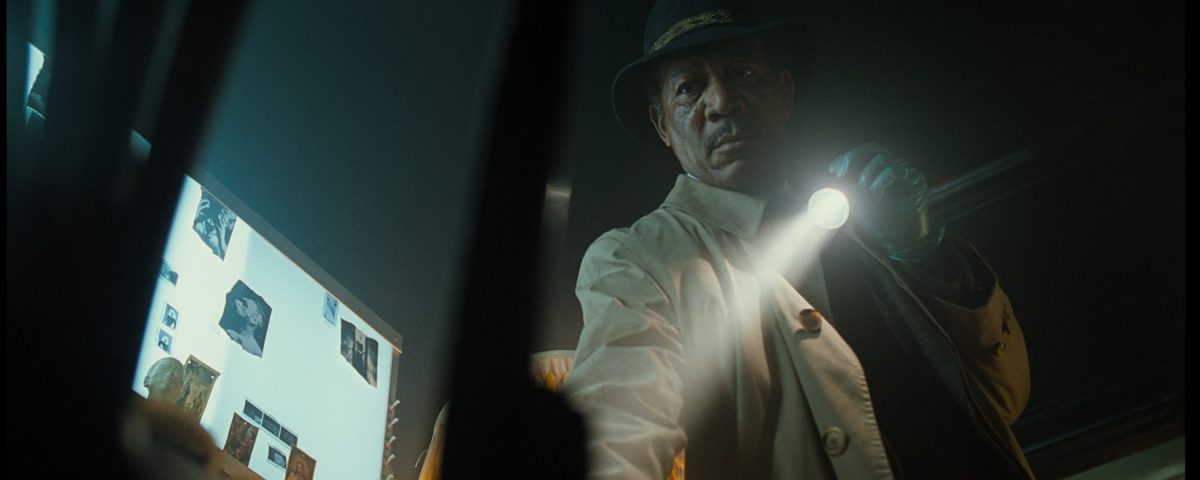
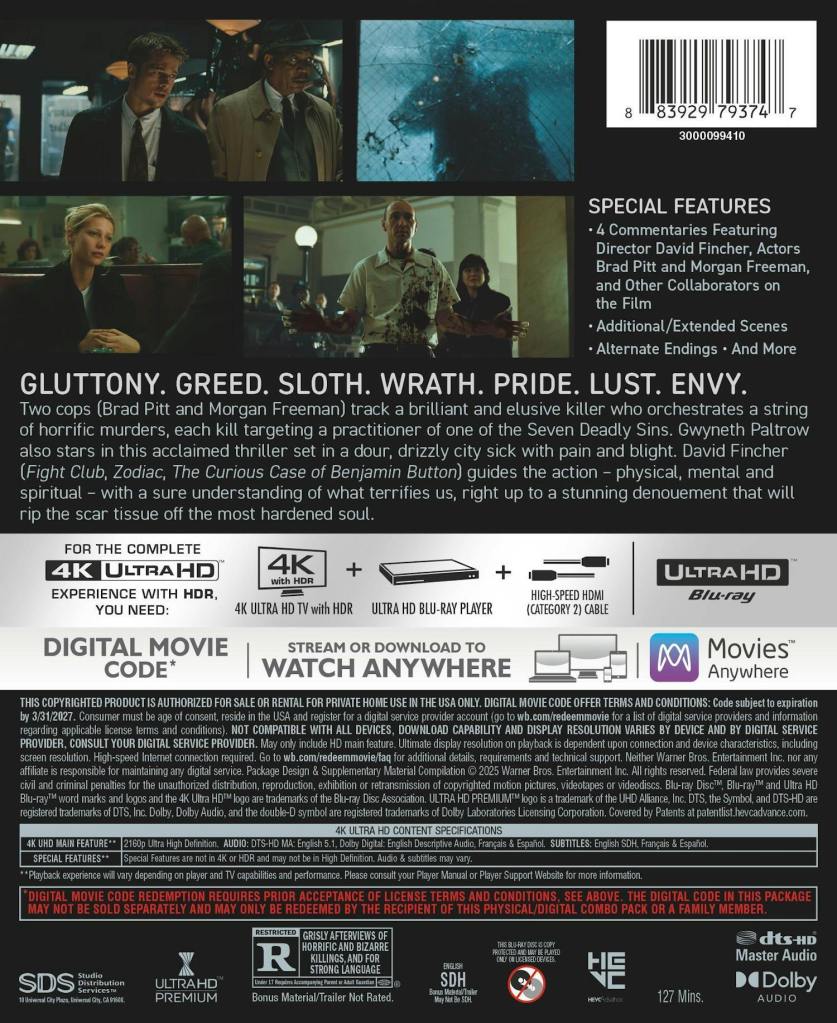
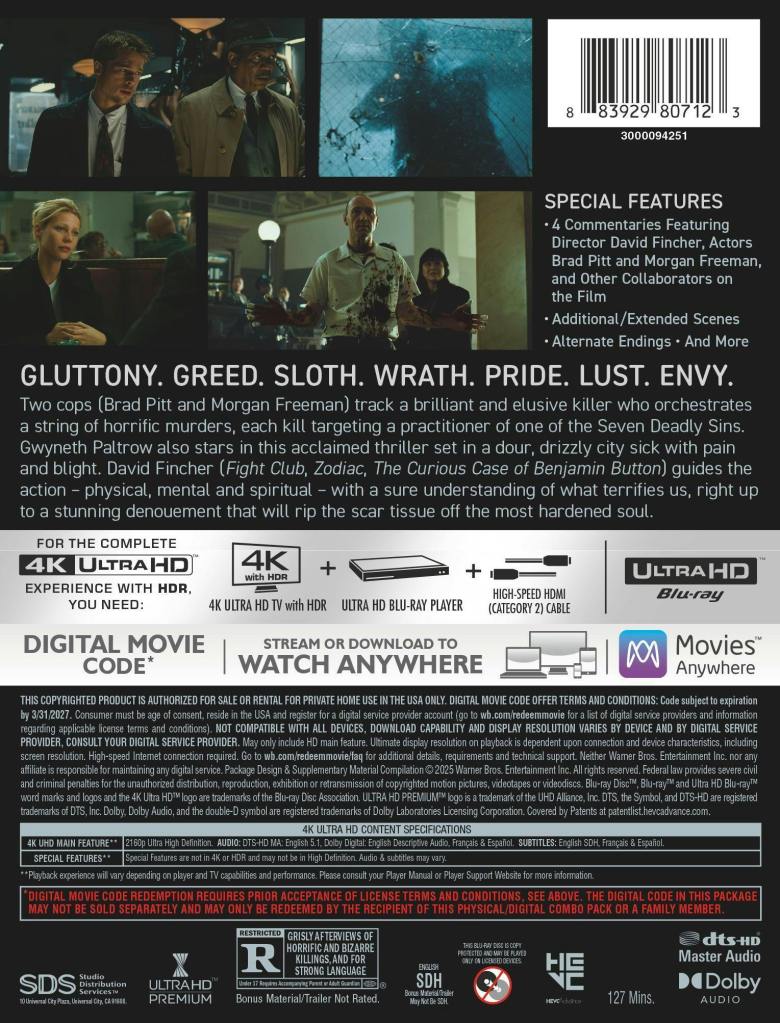
Two cops (Brad Pitt and Morgan Freeman) track a brilliant and elusive killer who orchestrates a string of horrific murders, each kill targeting a practitioner of one of the Seven Deadly Sins. Gwyneth Paltrow also stars in this acclaimed thriller set in a dour, drizzly city sick with pain and blight. David Fincher (Fight Club, Zodiac, The Curious Case of Benjamin Button) guides the action – physical, mental, and spiritual – with a sure understanding of what terrifies us, right up to a stunning denouement that will rip the scar tissue off the most hardened soul.
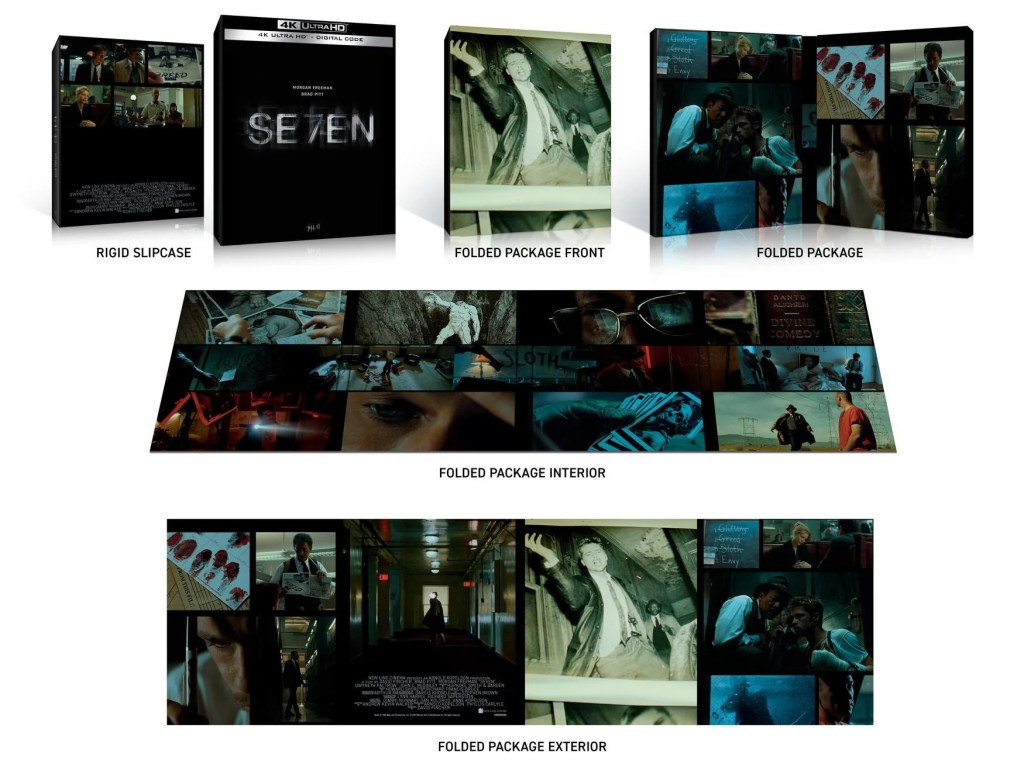
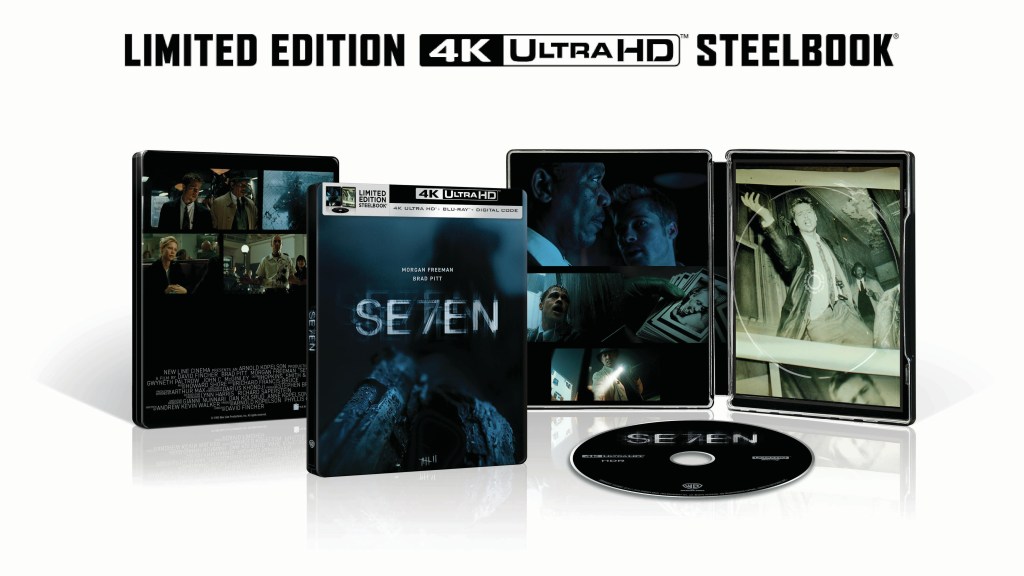
SE7EN 4K UHD Blu-ray. DigiPack Case
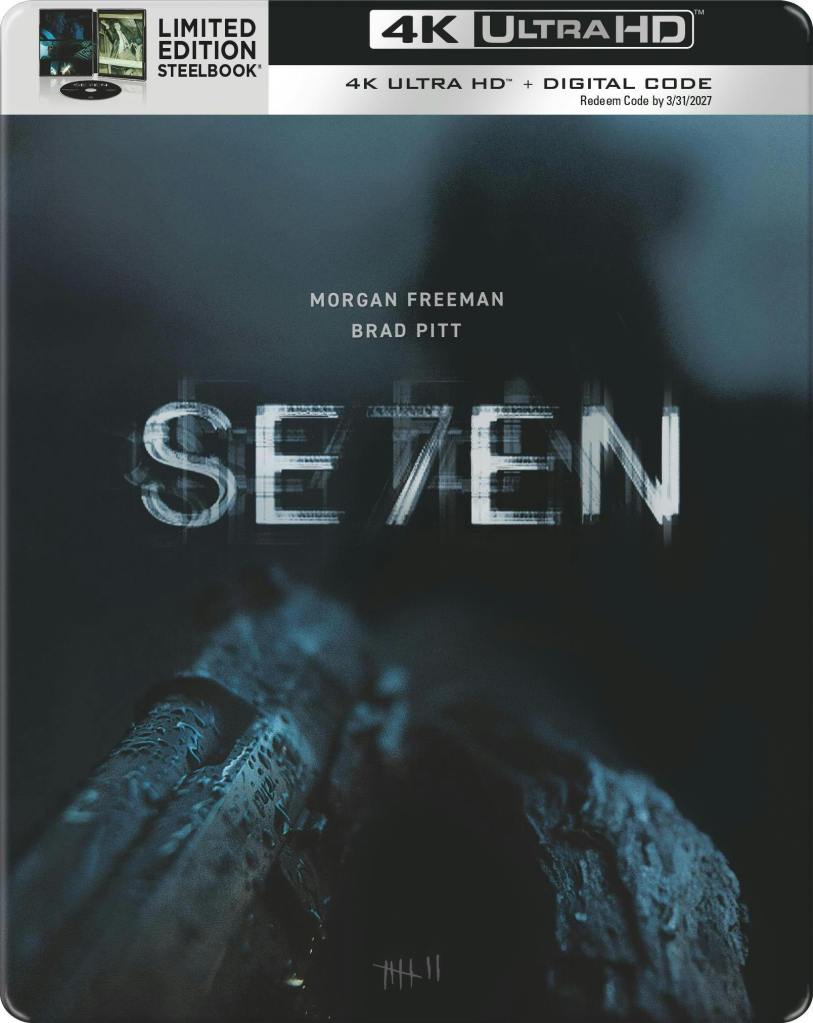
SE7EN 4K UHD Blu-ray. SteelBook Case (Limited Edition)
Basics
Video: 4K UHD (2160p). 2.39:1 (OAR). HEVC/H.265 Codec. HDR 10. Audio: DTS-HD Master Audio 5.1 (48kHz, 24-bit) Languages: English, Spanish, Parisian French Subtitles: English SDH, Spanish, Parisian French
Run Time: 127 minutes Rating: R for grisly afterviews of horrific and bizarre killings, and for strong language
Special Features
SE7EN Digital release and Ultra HD Blu-ray disc contain the following previously released special features:
Commentaries:
– The Stars: David Fincher, Brad Pitt, Morgan Freeman – The Story: Richard Dyer, Andrew Kevin Walker, Richard Francis-Bruce, Michael De Luca, David Fincher – The Picture: Darius Khondji, Arthur Max, Richard Francis-Bruce, Richard Dyer, David Fincher – The Sound: Ren Klyce, Howard Shore, Richard Dyer, David Fincher
Deleted Scenes:
– Car Ride in from Gluttony – My Future – Raid on Victor’s – Spare Some Change? – Tracy Wakes from Light Sleep – Pride
Alternate endings:
– Animated storyboards of un-shot ending – Original “Test” ending
Still Photographs (featurettes):
– John Doe’s Photographs – Victor’s Decomposition – Police Crime Scene Photographs – Production Photographs – The Notebooks
Production Design (featurette)
Mastering for the Home Theater (featurette)
Exploration of the Opening Title Sequence: Early Storyboards (featurette)
Exploration of the Opening Title Sequence: Rough Version (featurette)
Exploration of the Opening Title Sequence: Final Edit (featurette)
Exploration of the Opening Title Sequence: Stereo Audio Commentary One – The Concept – Designer Kyle Cooper (featurette)
Exploration of the Opening Title Sequence: Stereo Audio Commentary Two – The Sound – Brant Biles & Robert Margouleff (featurette)
Fight Club is a cinematic time machine. The film captured the essence of 1999, and, 25 years later, filmmaker David Fincher‘s vision for Chuck Palahniuk‘s novel continues to resonate, cranking up its unsettling relevance in a commercialized and violent world.
The movie hits just as hard today as it did back then.
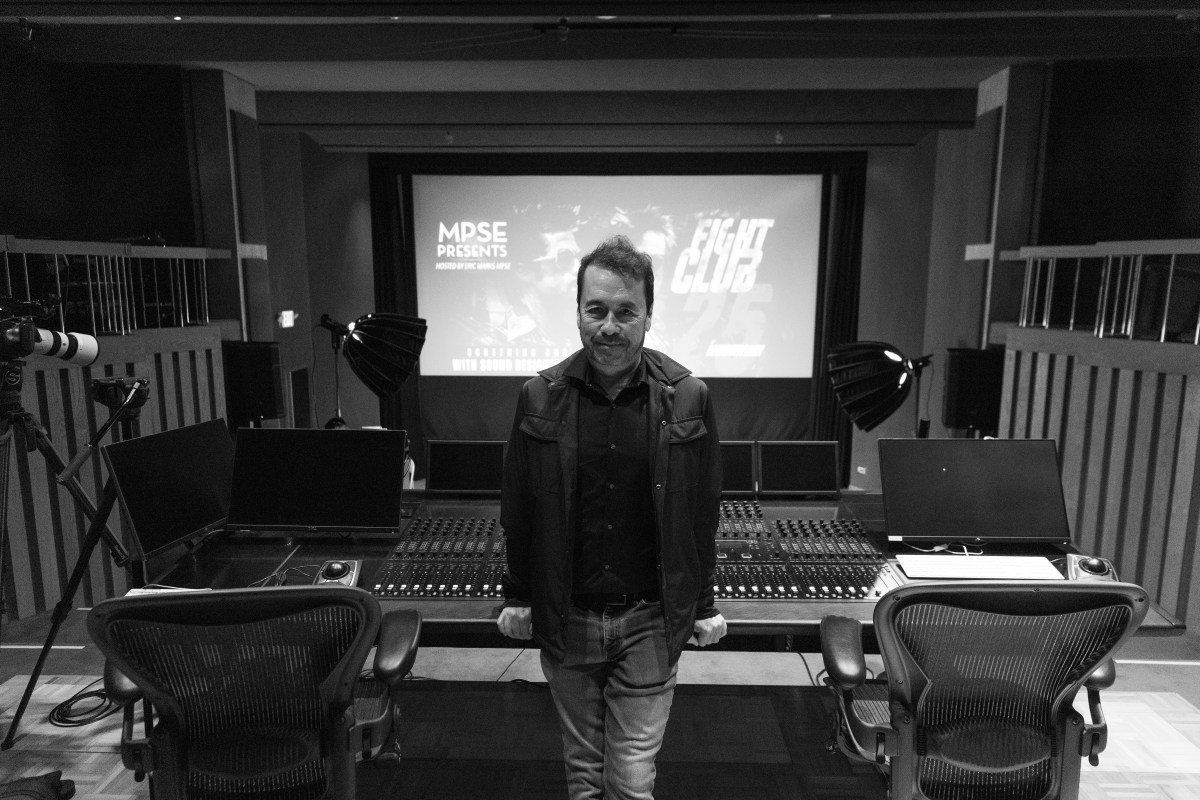
Fight Club remains as overwhelming as the narrator’s life. The sound is relentless; the world almost never quiets down. It’s a controlled yet unrelenting experience for the eyes and ears. Much of the credit goes to sound designer Ren Klyce, who is once again working on the film, remastering it with Fincher & Co. Before attending MPSE Presents: Fight Club 25th AnniversaryScreening, Klyce spoke with Immersive Media about his past and present experiences with Fight Club.
Or so says the mysterious account that discreetly appeared on Instagram on October 15, the 25th Anniversary of Fight Club.
Now, New Regency and 20th Century Studios have officially announced that the subversive film, based on Chuck Palahniuk’s satirical novel, has been “meticulously remastered” in 4K under the supervision of David Fincher, “offering audiences the chance to experience the film with sharper detail than ever before.”
We will be able to experience the new remaster in 2025, in a theatrical re-release and 4K UHD HDR Streaming and Blu-ray releases.
Insight Editions, in partnership with New Regency, is releasing a companion art book (announced on THE FINCHER ANALYST last year), “a collector’s piece, that includes new interviews, unearthed visuals, original artwork, and rare behind-the-scenes material, offering fans the deepest look yet into the making of the film and its enduring legacy.”
“Fight Club is an enduring symbol of cinematic innovation, with its exploration of identity, masculinity, and consumerism continuing to resonate with audiences.”
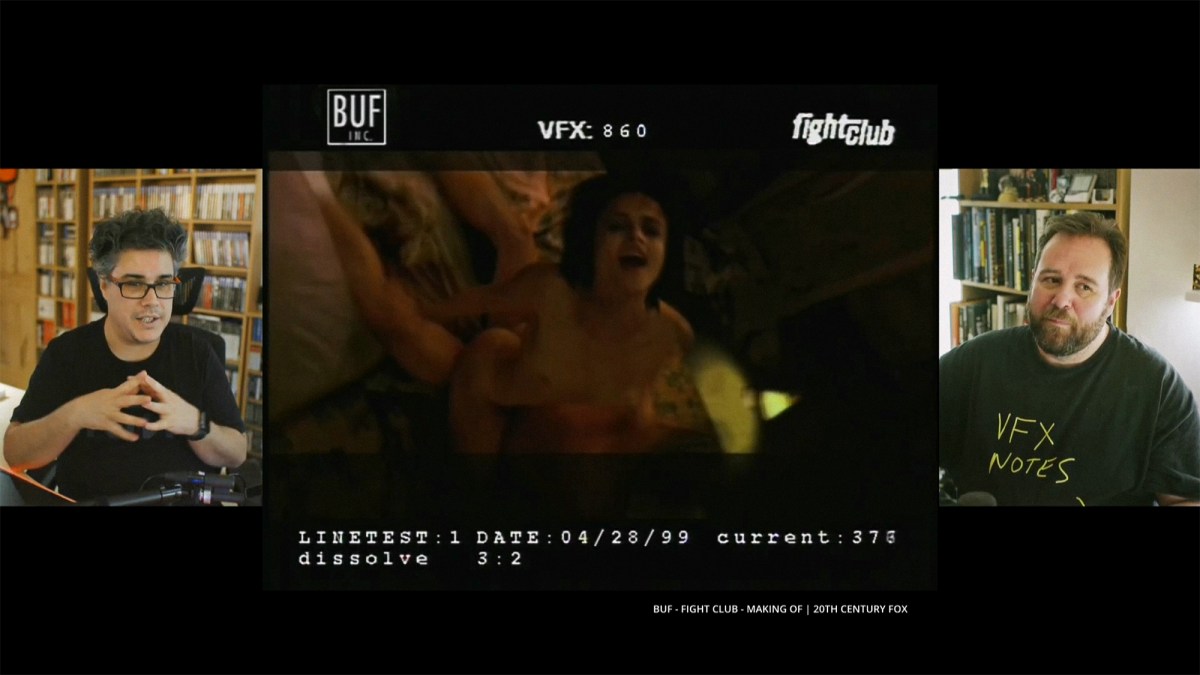
David Fincher’s glorious, mysterious, spectacular Fight Club has just turned 25! A new VFX Notes episode with Hugo Guerra and Ian Failes looks back at the film, and breaks down the incredible, invisible visual effects work.
We dive deep into the photogrammetry side of things from BUF, and look at the variety of work from Digital Domain, the penguin from Blue Sky (!), plus VFX from other vendors. It was an extraordinary achievement from visual effects designer Kevin Tod Haug to oversee this work.
Check out the video below which includes a whole range of behind the scenes and VFX breakdowns.
Chapters: 00:00:00: Intro 00:00:40: A word from our sponsors 00:01:50: The podcast begins 00:04:52: Our first viewing of FIGHT CLUB 00:11:56: The DVD is like film school 00:28:47: Jeff Cronenweth and the visual style 00:37:23: The manny takes of Fincher 00:41:27: Kevin Tod Haug’s amazing work 00:43:20: It would be nominated if it was today 00:45:24: Shaders and radiosity 00:48:03: Photogrammetry and BUF 00:53:07: Previz 00:57:08: The virtual camera moves like the kitchen scenes 01:00:45: BUF VFX and the sex shots 01:06:19: The age of CG tests 01:09:48: The plane crash 01:13:48: High rise collapse 01:21:49: Having fewer artists for a longer time 01:23:49: Peter Ramnsey’s animatics 01:24:23: The cave animal 01:27:08: One of the first behind the scenes featuring HDR spheres and grey balls 01:31:03: The Titanic breath leftovers 01:33:15: The gunshot 01:37:14: The Furni shot 01:39:44: The opening credits 01:45:43: Meat Loaf’s Fat Suit 01:50:00: Members and Patreon credits
Watch the “age-restricted” Fight Club VFX breakdown by BUF: YouTube BUF.com
By Roxana Hadadi, a Vulture TV critic who also covers film and pop culture October 16, 2024 Vulture
Holt McCallany can talk for a long time about filmmaker David Fincher, with whom he’s worked three times. On the beloved crime-thriller series Mindhunter, which was unexpectedly canceled by Netflix after its second season. On Alien 3, the prison-planet sequel that was Fincher’s directorial debut and so plagued with interference from 20th Century Fox that Fincher wouldn’t talk about the movie for years. And on Fight Club, the cult classic that has been misinterpreted in bad faith since it came out 25 years ago. McCallany can mimic Fincher’s tone and jokingly recites his advice from years on set together. And he can just as vividly recall a grudge he’s harbored since the movie’s release.
“I remember sitting in a dentist’s office, and the TV happened to be The Rosie O’Donnell Show. She’s talking about Fight Club and she says, ‘Whatever you do, don’t see Fight Club. It’s demented, it’s depraved. I don’t think I’ve ever hated a movie more.’ I’m thinking, Gee, Rosie. Do we go on TV and bad-mouth your show?Is this really necessary, this kind of abuse?” McCallany says. “It angered me. I won’t pretend otherwise, because we were very proud of the film, we had worked very hard on the film, and we were very loyal to David.”
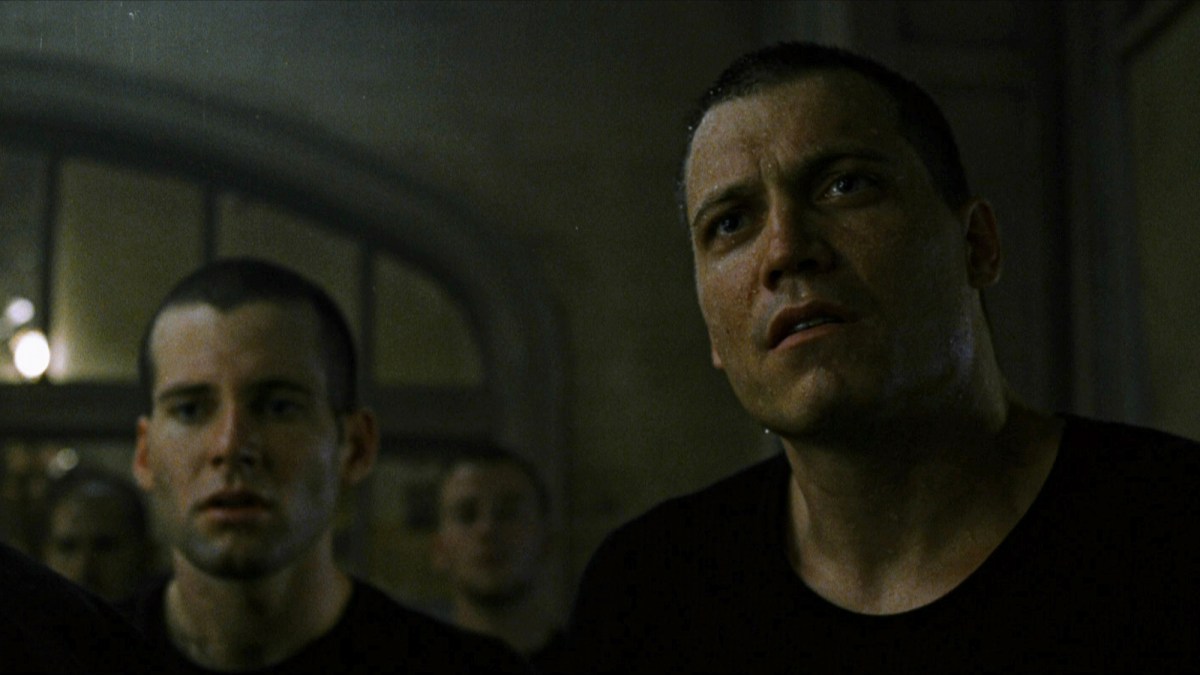
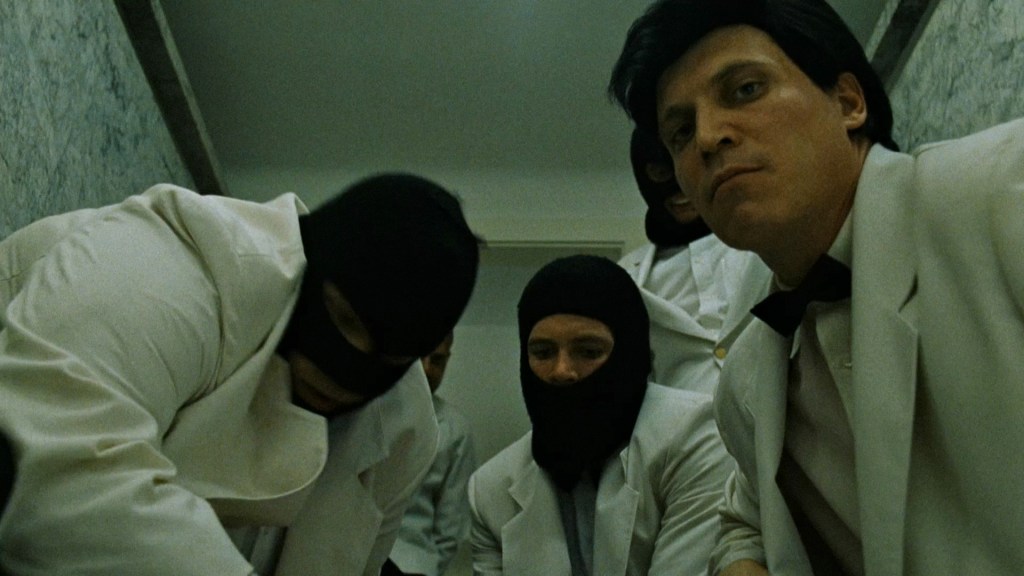
In Fincher’s adaptation of Chuck Palahniuk’s novel, McCallany plays The Mechanic, a devoted follower of anarchist philosopher Tyler Durden (Brad Pitt) whose unflinching glare and menacing physicality are always in service of Durden’s anti-consumerist ideas. McCallany exudes such certainty of self that once you notice the Mechanic cheering in the background of fight scenes, doing chores in The Narrator (Edward Norton) and Durden’s dilapidated mansion, or threatening to “take” a police commissioner’s testicles with a knife, you’ll keep looking for him, wondering what those wild eyes and set jaw are getting up to. The Mechanic tightened McCallany’s relationship with Fincher (who had previously wanted him for a small role in Se7en), and his melancholy-yet-adamant delivery of the film’s iconic mantra — “His name was Robert Paulson” — indicated how fully he could inhabit heavies with a heart.







 The Fincher Analyst