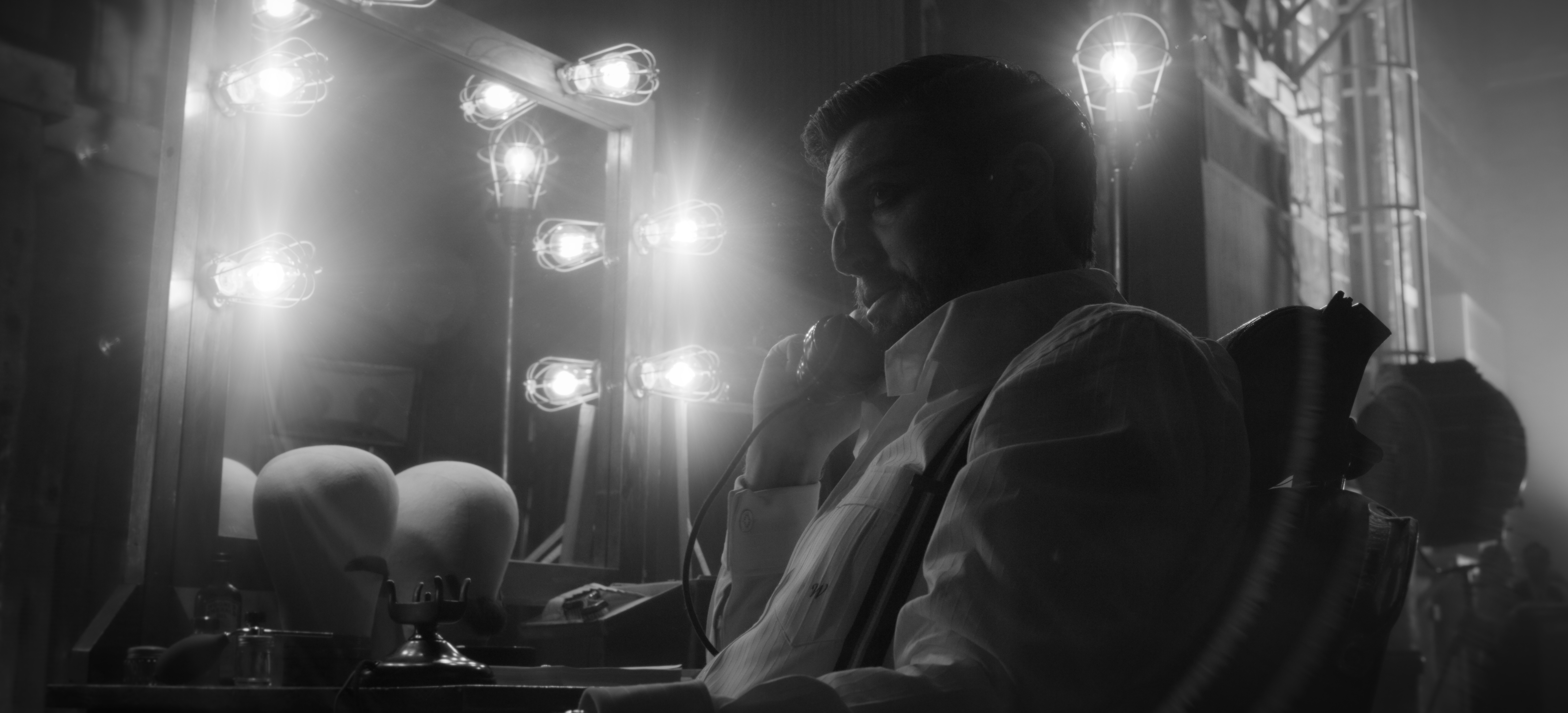
1930s Hollywood is reevaluated through the eyes of scathing wit and alcoholic screenwriter Herman J. Mankiewicz as he races to finish Citizen Kane.
Starring: Gary Oldman, Amanda Seyfried, Charles Dance
Cast: Lily Collins, Arliss Howard, Tom Pelphrey, Sam Troughton, Ferdinand Kingsley, Tuppence Middleton, Tom Burke, Joseph Cross, Jamie McShane, Toby Leonard Moore, Monika Gossmann
2h 11m
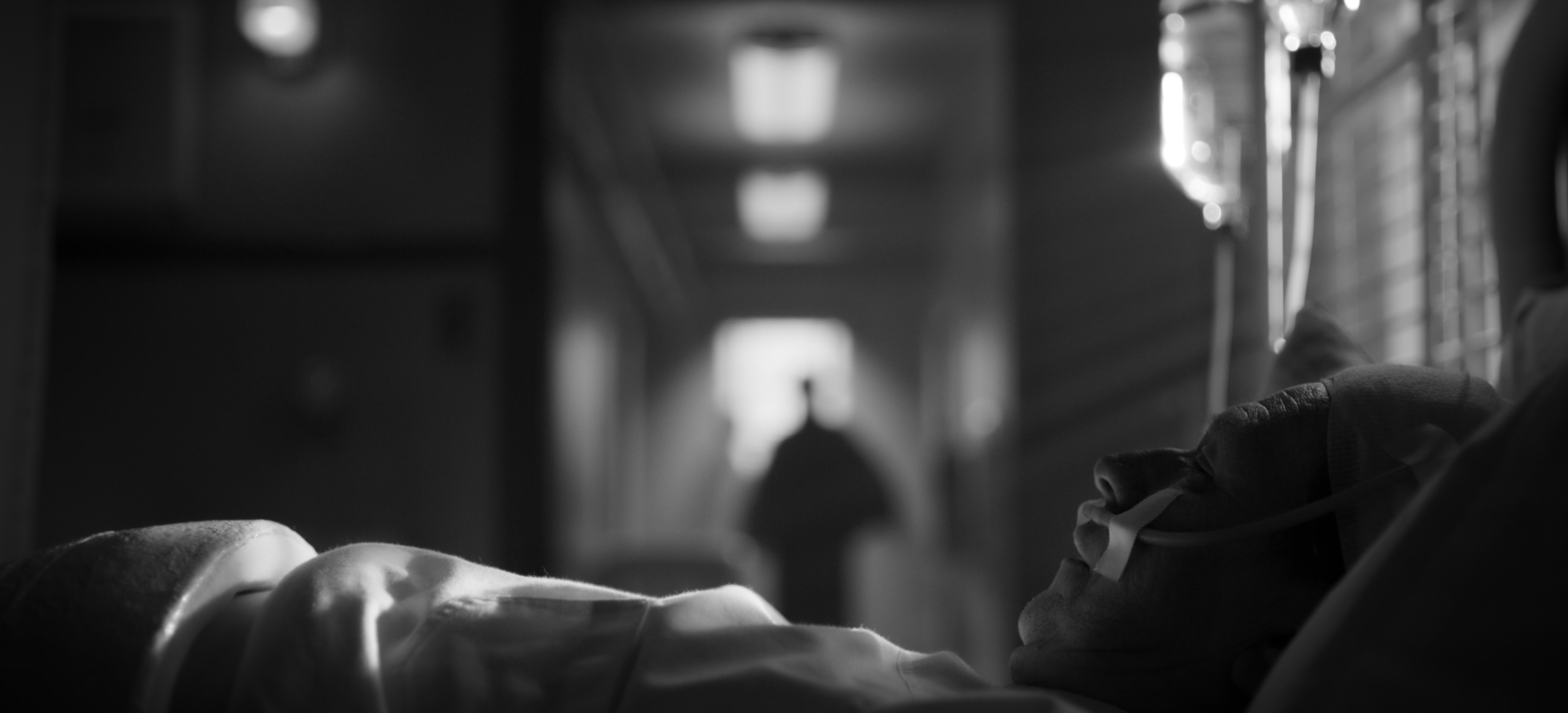
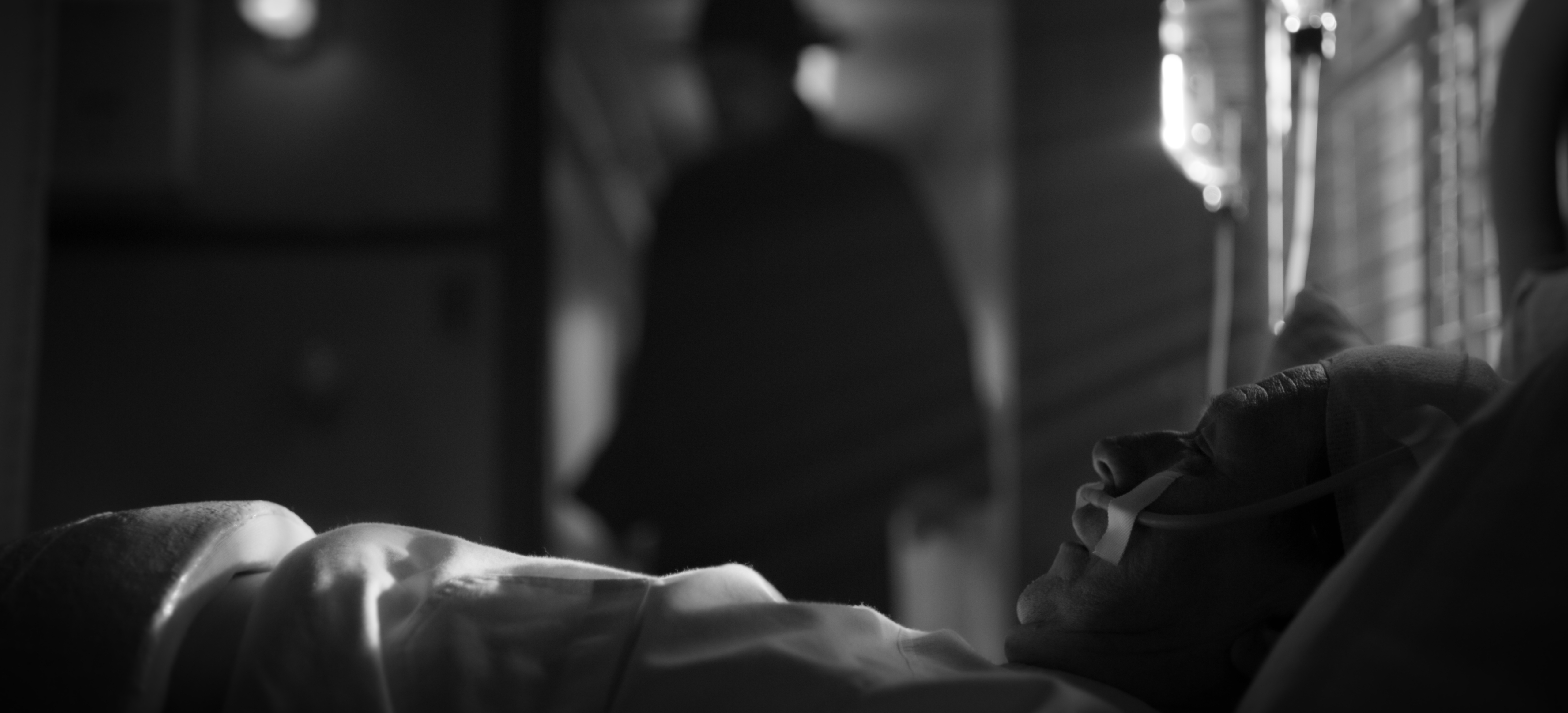
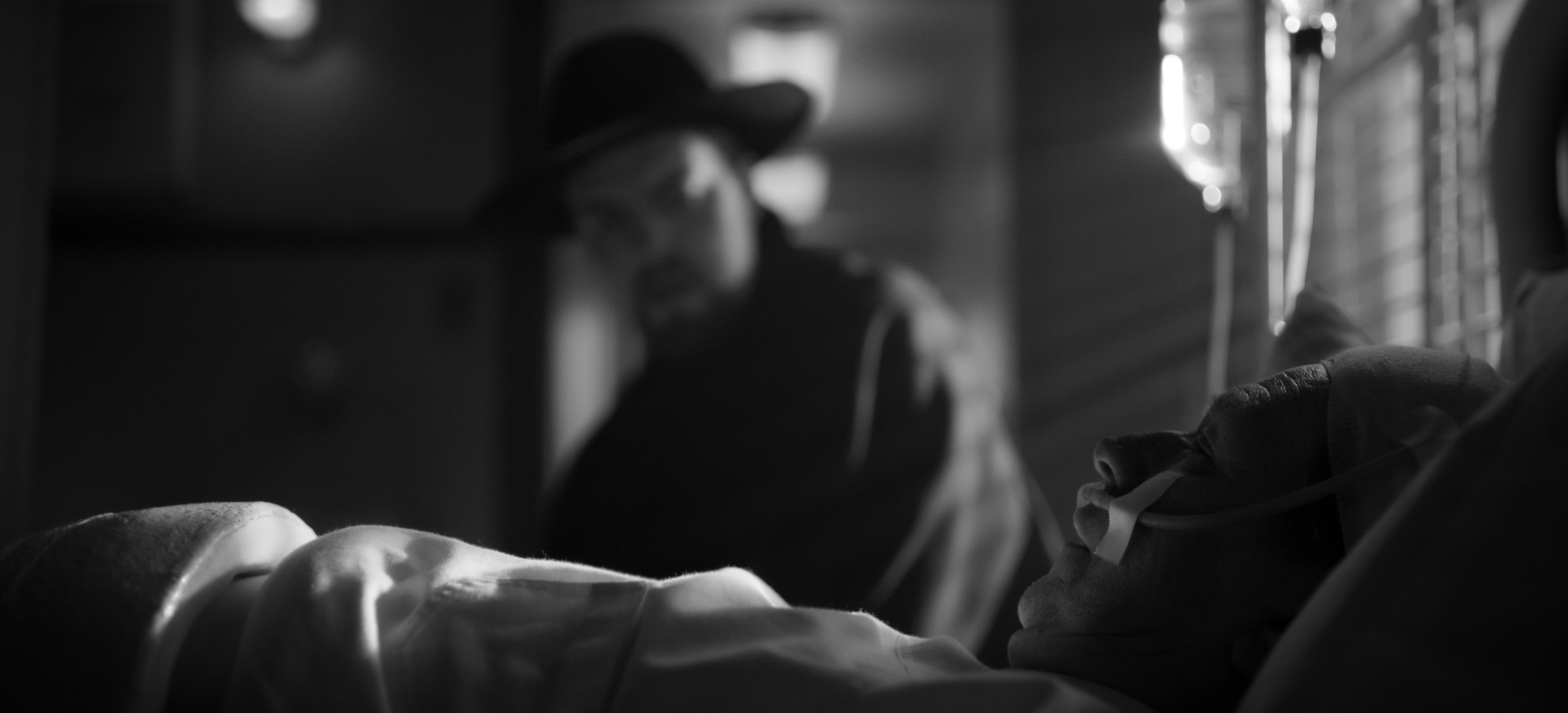
Click to enjoy the images in glorious 5K, full quality, and full screen view:
On the cusp of the 25th anniversary of Se7en and the 10th anniversary of The Social Network, The Ringer hereby dubs the next five days David Fincher Week. Join us all throughout the week as we celebrate and examine the man, the myth, and his impeccable body of work.
The first few minutes of David Fincher’s ‘The Social Network’ is a thesis statement on its protagonist—and a harbinger for a decade defined by assholes
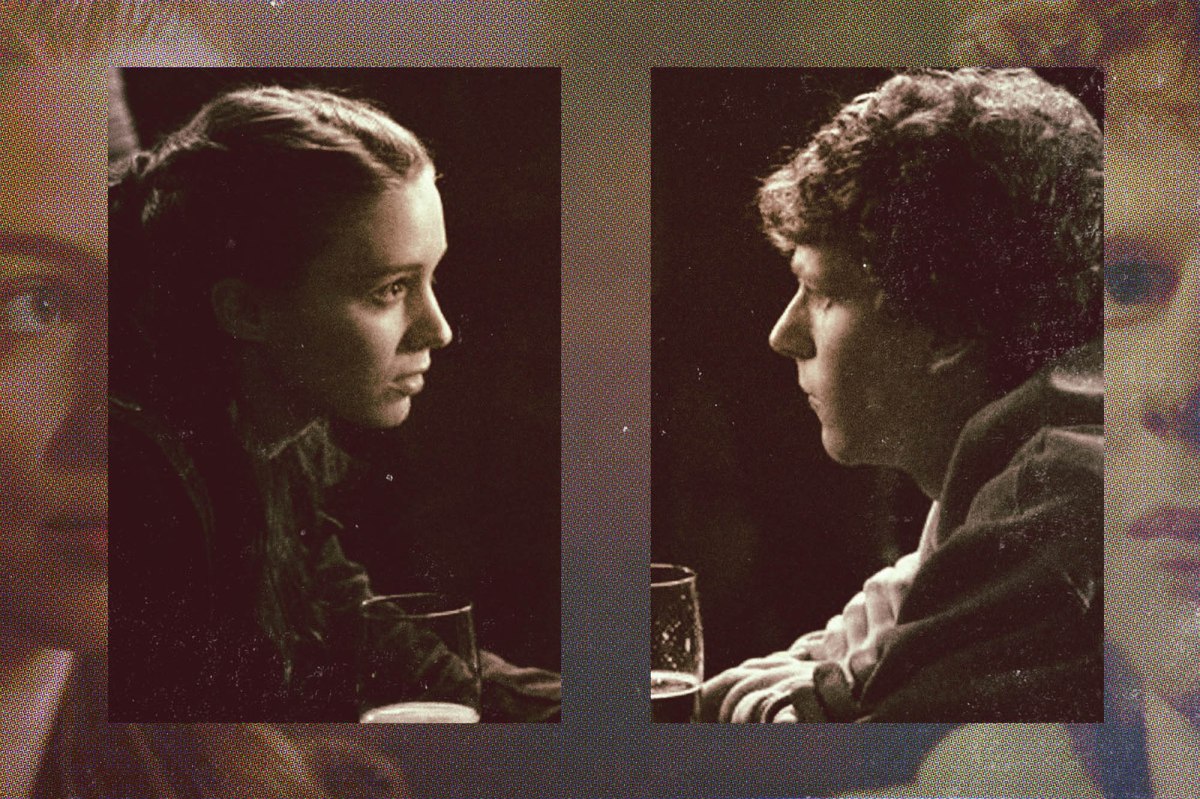
“The scene is stark and simple,” reads the first page of the screenplay. A young couple sits bickering at a campus pub, a tale as old as time. They speak quickly and sharply about pressing student concerns: SAT scores, summer jobs, a cappella groups, and whether one of them used to sleep with the establishment’s bouncer. (He’s just a friend named Bobby, she insists.)
Each character feels increasingly insulted by the other. By the end of the conversation, their relationship is through. “A fuse has just been lit,” notes the script at the scene’s conclusion, describing a dynamic—college breakup as launching pad—that is broadly familiar to audiences yet is also, in this telling, a portal to a great and eventually unrelatable unknown. That’s because this movie is no rom-com; it’s The Social Network, the 2010 deep dive into the hectic and ultimately litigious early days of Facebook that was written with snide perceptiveness by Aaron Sorkin, directed with bold ambition by David Fincher, scored with staccato generosity by Trent Reznor, nominated for eight Oscars, and received by audiences worldwide to the tune of nearly a quarter of a billion dollars.
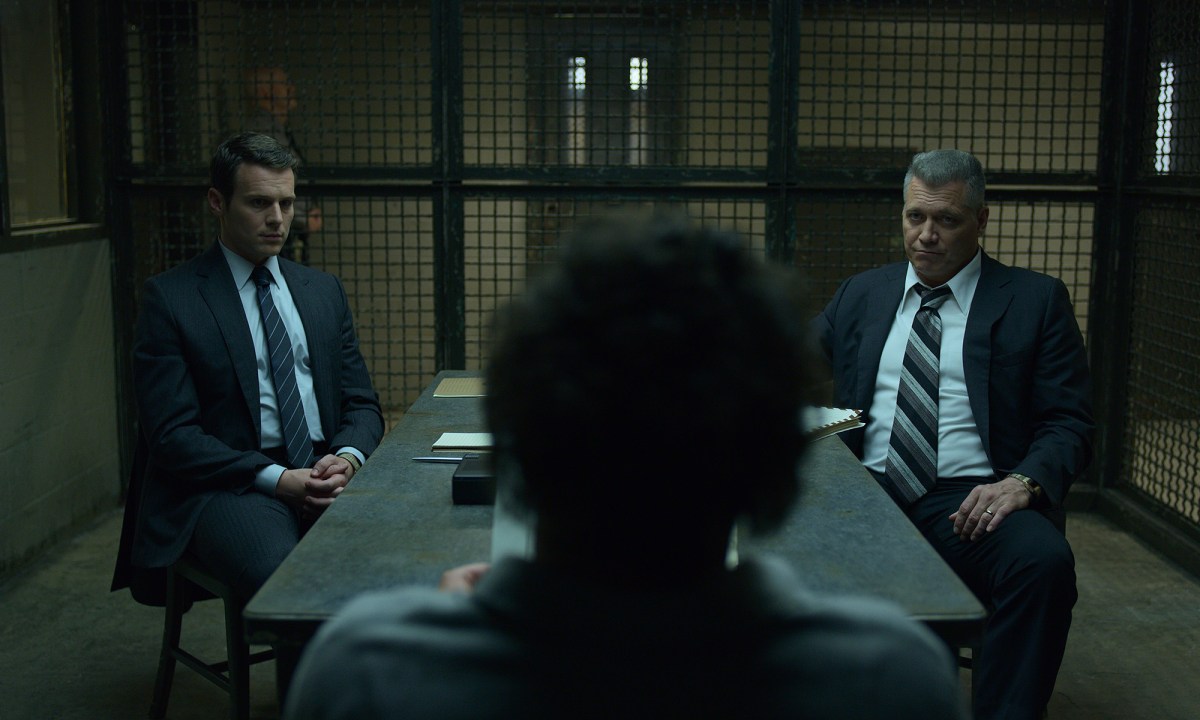
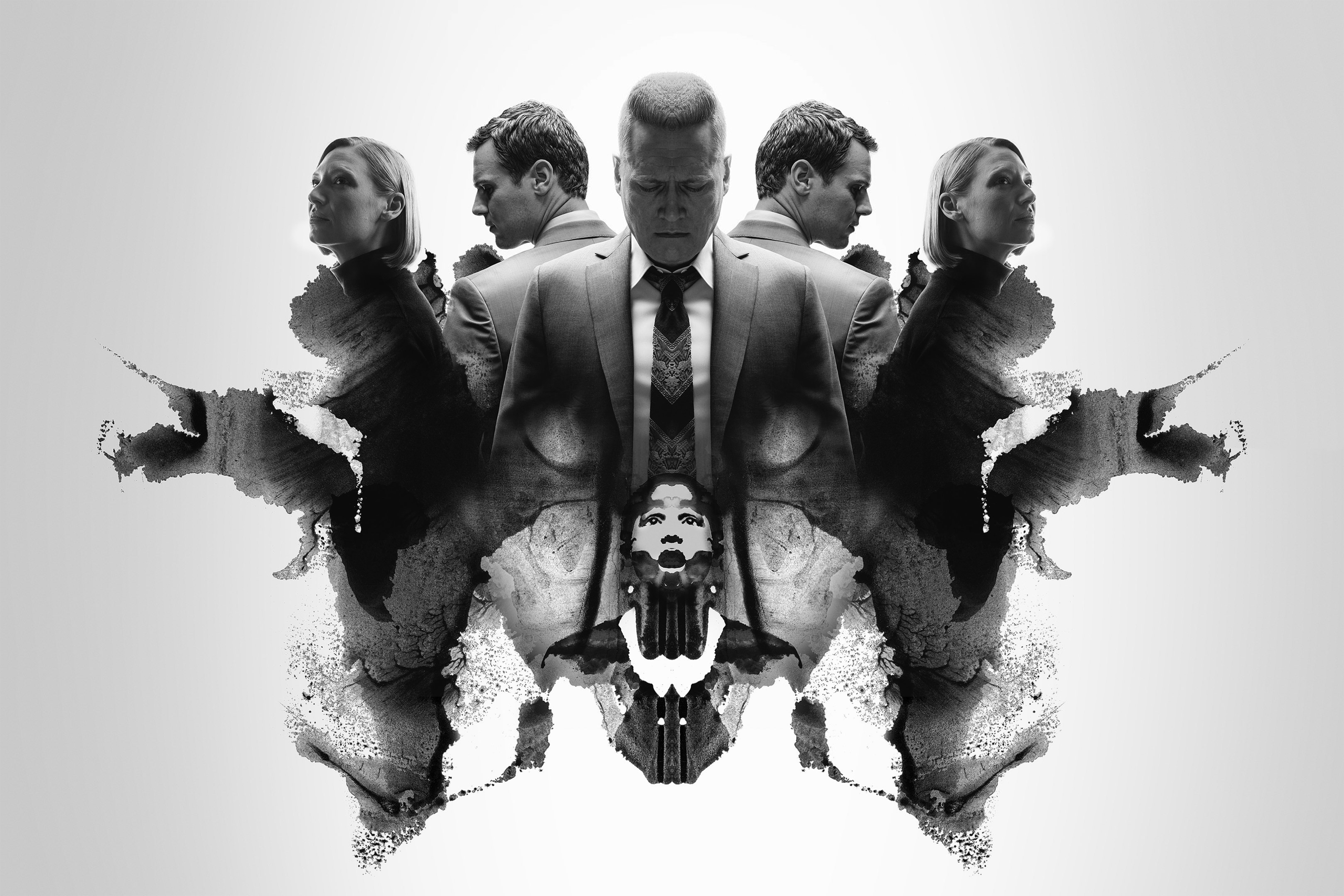
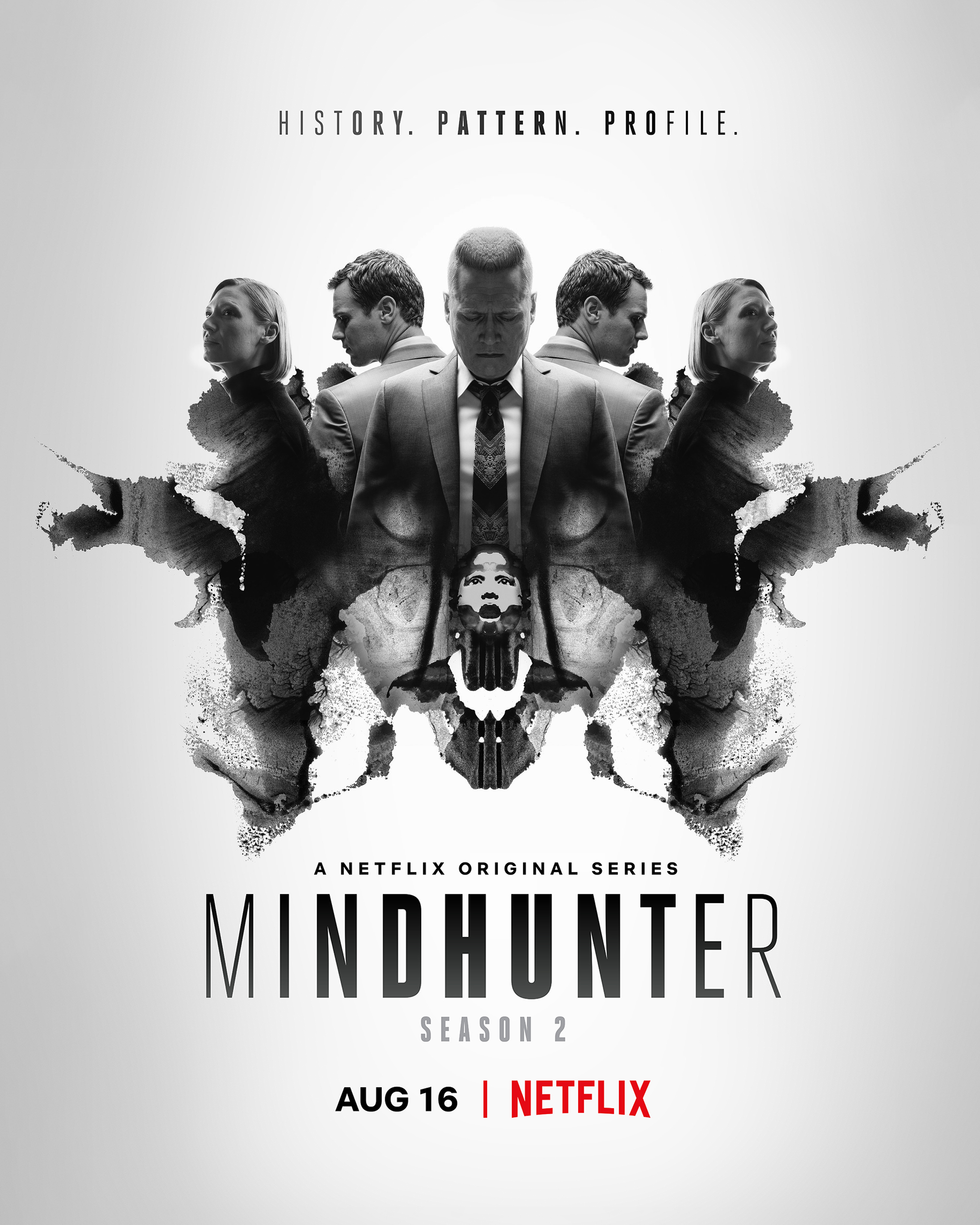
FBI agents Holden Ford and Bill Tench probe further into the psyches of those who have done the unthinkable. With help from psychologist Wendy Carr, they apply their groundbreaking behavioral analysis to hunting notorious serial killers.
Inspired by true events, Mindhunter Season 2 will premiere globally on Netflix on August 16, 2019.
The new season stars Jonathan Groff, Holt McCallany, Anna Torv, Joe Tuttle, Albert Jones, Stacey Roca, Michael Cerveris, Lauren Glazier, and Sierra McClain.
The series is directed by David Fincher (Gone Girl, The Social Network, Zodiac) as well as Andrew Dominik (The Assassination of Jesse James by the Coward Robert Ford, Killing Them Softly) and Carl Franklin (Devil In A Blue Dress, One False Move, episodes of House of Cards and The Leftovers).
David Fincher, Joshua Donen (Gone Girl, The Quick and the Dead), Charlize Theron (Girlboss, Hatfields & McCoys) and Cean Chaffin (Fight Club, Gone Girl) executive produce along with Courtenay Miles and Beth Kono.
Every story, as movie trailers never tire of informing us, has a beginning. The story of the cover-song trend in movie trailers began nine years ago, when the veteran trailer editor Mark Woollen found himself grappling with a difficult assignment. This was not unusual for Woollen, who is known for producing iconic, inventive mood-piece trailers for tough-to-market, tougher-to-summarize films by such directors as Terrence Malick, Steven Soderbergh, Michel Gondry, and Alejandro González Iñárritu. The brilliantly odd trailer for the Coen brothers‘ “A Serious Man,” punctuated by a rhythmically recurring shot of Fred Melamed bouncing Michael Stuhlbarg’s head off a chalkboard? That was Woollen. The trailer for Todd Field‘s “Little Children,” which used the sound of an oncoming train in lieu of music? That was Woollen, too. There are some films that can’t be marketed by traditional means; Woollen is the trailer auteur to whom auteurs turn for a nontraditional solution.
In early 2010, Woollen’s company, Mark Woollen & Associates, was tapped to produce a trailer for David Fincher’s “The Social Network.” As Woollen remembers it, it was March or April; Fincher was still busy in the editing room, and Trent Reznor and Atticus Ross had not yet written the movie’s score (which would win an Academy Award). With the Cambridge Analytica scandal and the election of 2016 still years away, the Facebook story seemed like curiously dry material for Fincher, the director of “Fight Club.” “It was kind of getting beat up in the press,” Woollen said. “Like, ‘How can you make a movie about Facebook? Are you gonna make a movie about eBay or Amazon next?'”
At first, Woollen wasn’t sure how to cut a trailer for a Facebook movie, either. But the answer turned out to be sitting on his hard drive. A few years earlier, while searching for something else, he’d downloaded an MP3 file from what he described as “some GeoCities-looking kind of Web site.” The file was a 2001 live recording of the song “Creep“—the first hit single by the British art-rock band Radiohead—as performed by Scala and Kolacny Brothers, a two-hundred-member girls’ choir from Belgium. The recording had a lot of the things that a trailer editor looks for in a piece of music. “It has this gentle introduction, it has moments that build and swell and rise, and then it can come down and land nicely,” Woollen said. “I felt, like, Here’s a track I can build a piece around.”
More important, the music seemed to work on a thematic level. Woollen, who was not a Facebook user, had been kicking around ideas about connectivity and loneliness. He played the choir recording on repeat while driving to work and thought about “lost, lonely voices that felt like they were speaking from the depths of the Internet.” In his business, Woollen said, “You’re always talking about trailers that invite you in, saying, ‘Come and see us, come and see us.'” He liked the counterintuitive notion of building a trailer around a song whose refrain is “What the hell am I doing here / I don’t belong here.” “The irresistible ingredient,” Woollen said, “was one hundred Belgian girls singing ‘You’re so fucking special’ in full voice.”
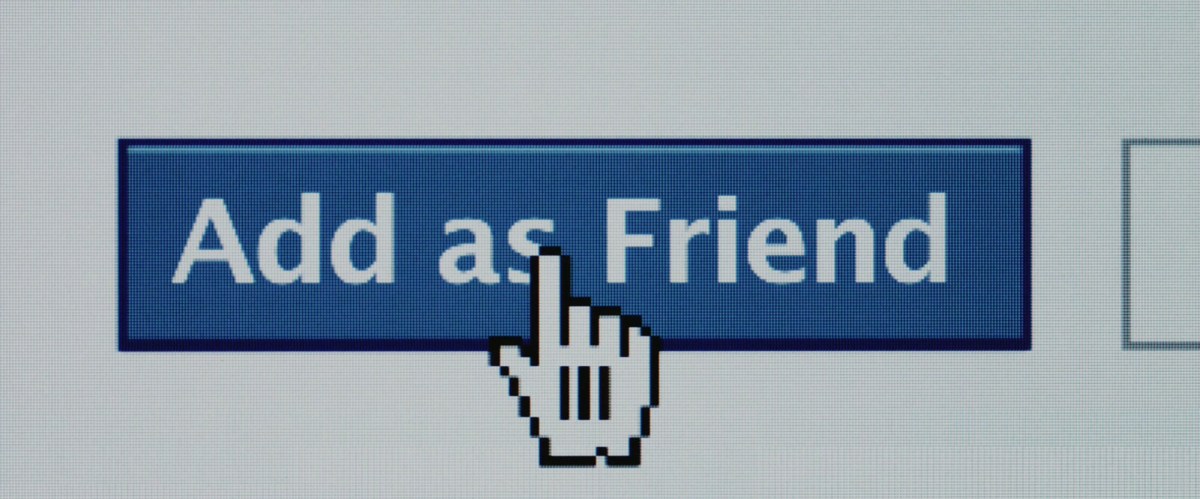
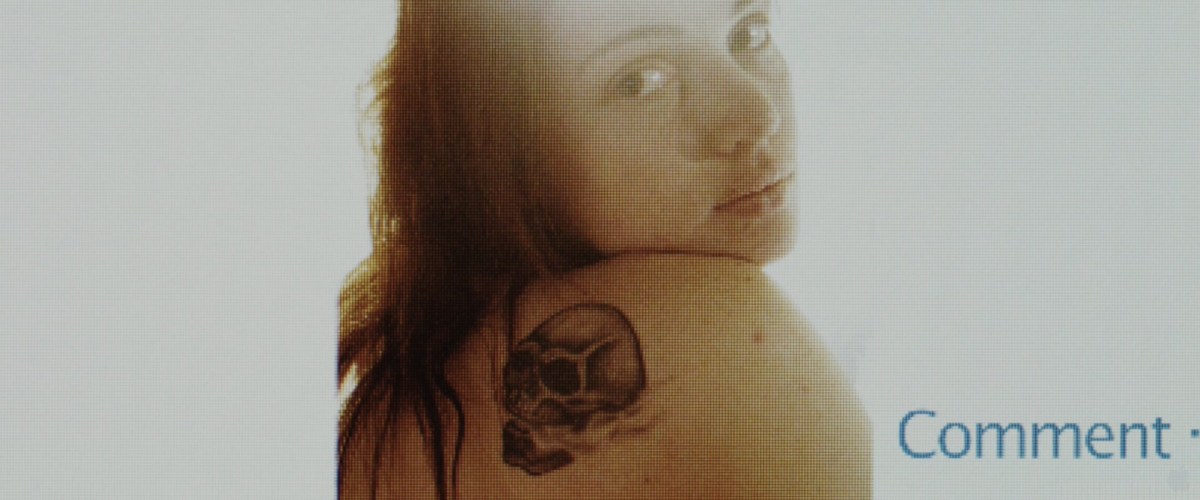
The finished trailer is an unsettling masterpiece. For fifty seconds, it plays like an ad for Facebook—a montage of photos, status updates, and unseen hands confirming friendships with the click of a blue-and-white button. Then, at the one-minute mark, a pixelated image of Jesse Eisenberg’s alarmingly dead-eyed Mark Zuckerberg fades into view. Woollen said that he was nervous about showing Fincher a cut that held back the director’s own footage in favor of stock photos and family pictures supplied by the staff of Mark Woollen & Associates. But Fincher liked it; the first time he screened “The Social Network” for the studio, he played Woollen’s trailer first.
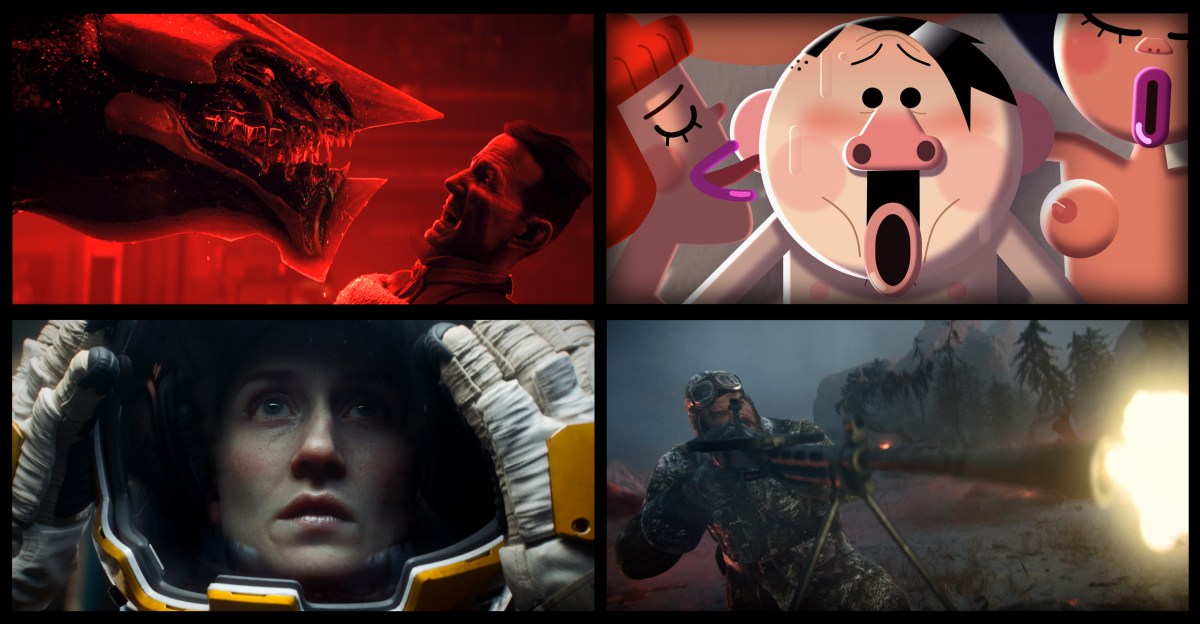
Sentient Dairy Products, Rogue Werewolf Soldiers, Robots Gone Wild, Sexy Cyborgs, Alien Spiders And Blood-thirsty Demons From Hell Converge In An 185-minute Genre Orgy Of Stories Not Suitable For The Mainstream.
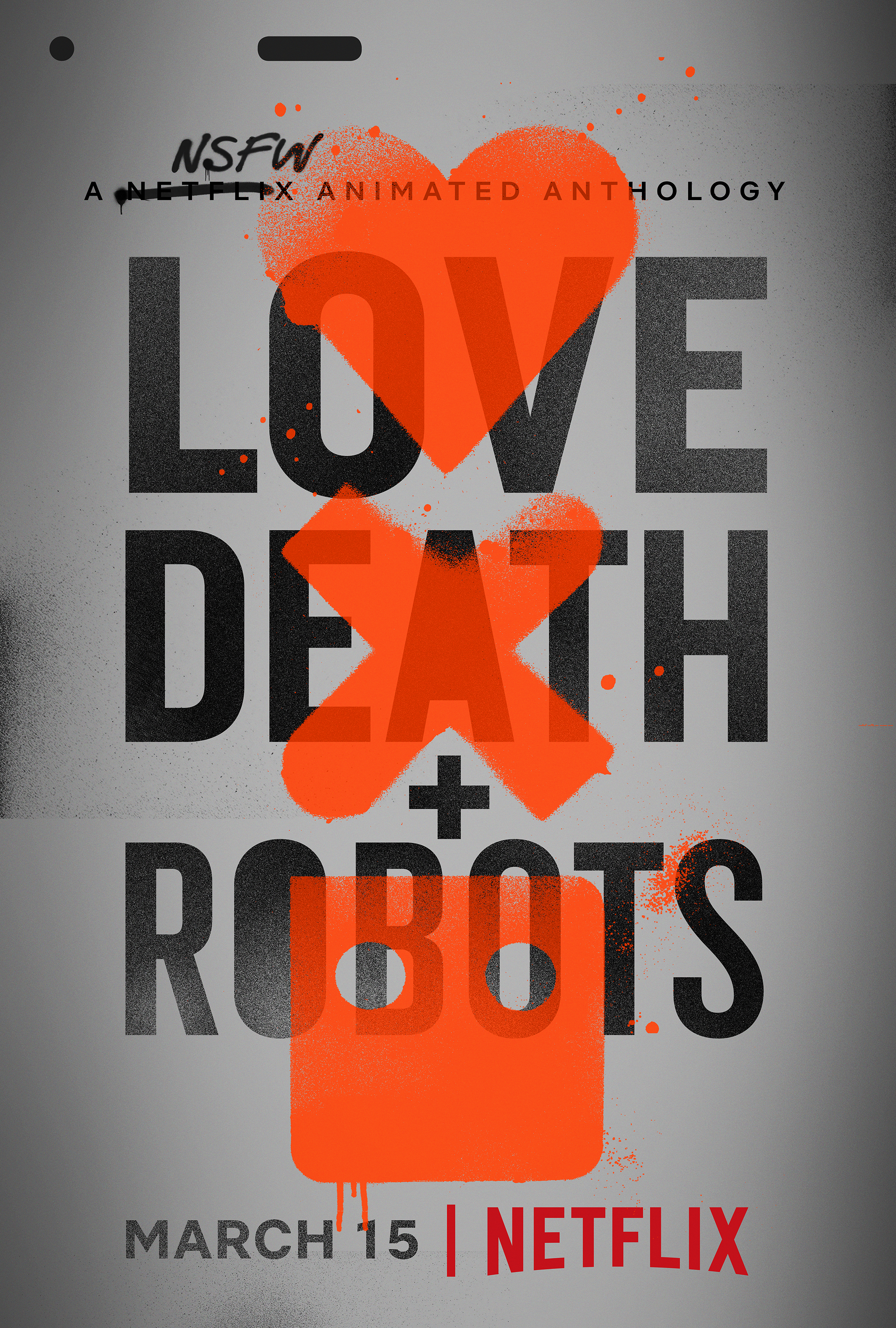
This spring, 18 animated short stories presented by Tim Miller (Deadpool, upcoming untitled Terminator sequel) and David Fincher (MINDHUNTER, Gone Girl, House of Cards) land on Netflix in it’s first ever animated adult anthology series. Love Death and Robots premieres March 15th only on Netflix.
The full roster of stories will cover a variety of adult topics including racism, government, war, free will, and human nature. The anthology collection spans the science fiction, fantasy, horror and comedy genres and each short has a unique animation style: from traditional 2D to photo-real 3D CGI. The creators were assembled for a global calling for best in class animators from all over the world including artists from France, Korea, Hungary, Canada and the US among others. The series draws inspiration from the eclectic and provocative comic book material from the 1970’s that influenced both Miller’s and Fincher’s formative interests in storytelling.
In 2009, shortly after The Social Network—then known only as “the Facebook movie”—was announced, Mashableran a story with the headline, “No, You Cannot Turn Facebook into a (Decent) Movie.” Even after it was reported that the brilliant filmmaker David Fincher would direct Aaron Sorkin’s script about Mark Zuckerberg and the early days of Facebook, the Huffington Postpublished a story proclaiming “The Facebook Movie Puts the zZzZ’s in Zuckerberg.” Some months later, after the film’s cryptic, one-minute teaser trailer hit the internet, the Atlantic remained skeptical, predicting that The Social Network would be “deadly dull.”
Then, eight years ago this week, that all changed. On July 16, 2010, Sony Pictures released the first full-length theatrical trailer for The Social Network, made by the artsy trailer house Mark Woollen & Associates, upending the narrative surrounding the film almost overnight:
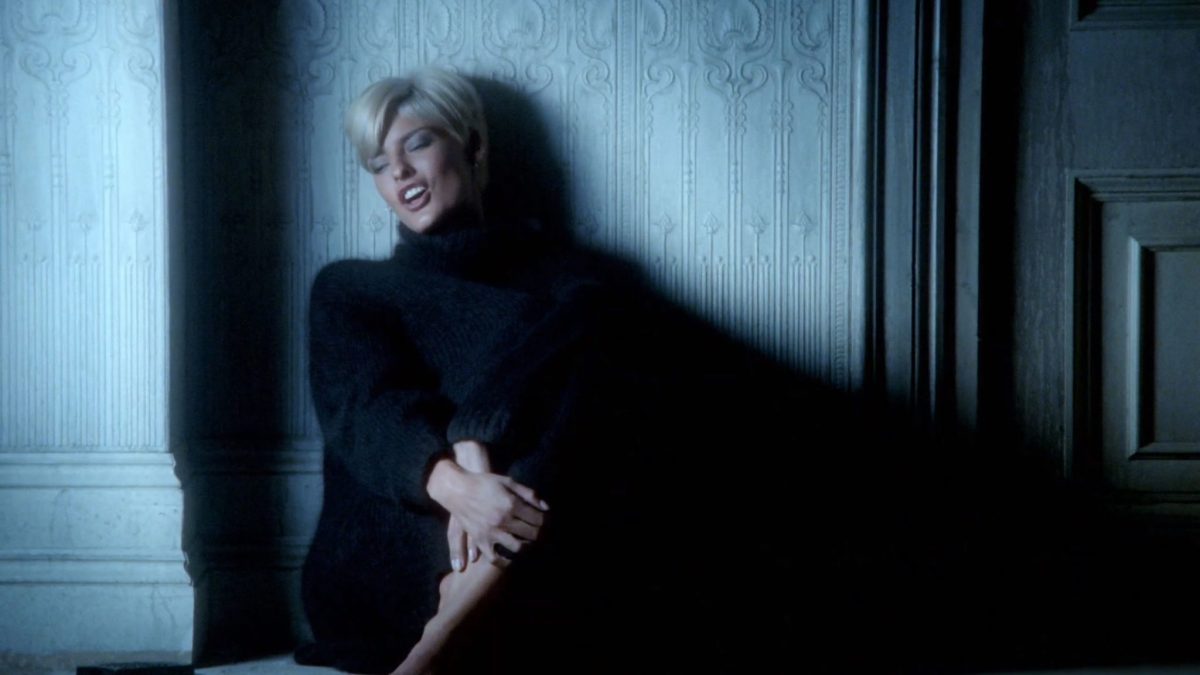
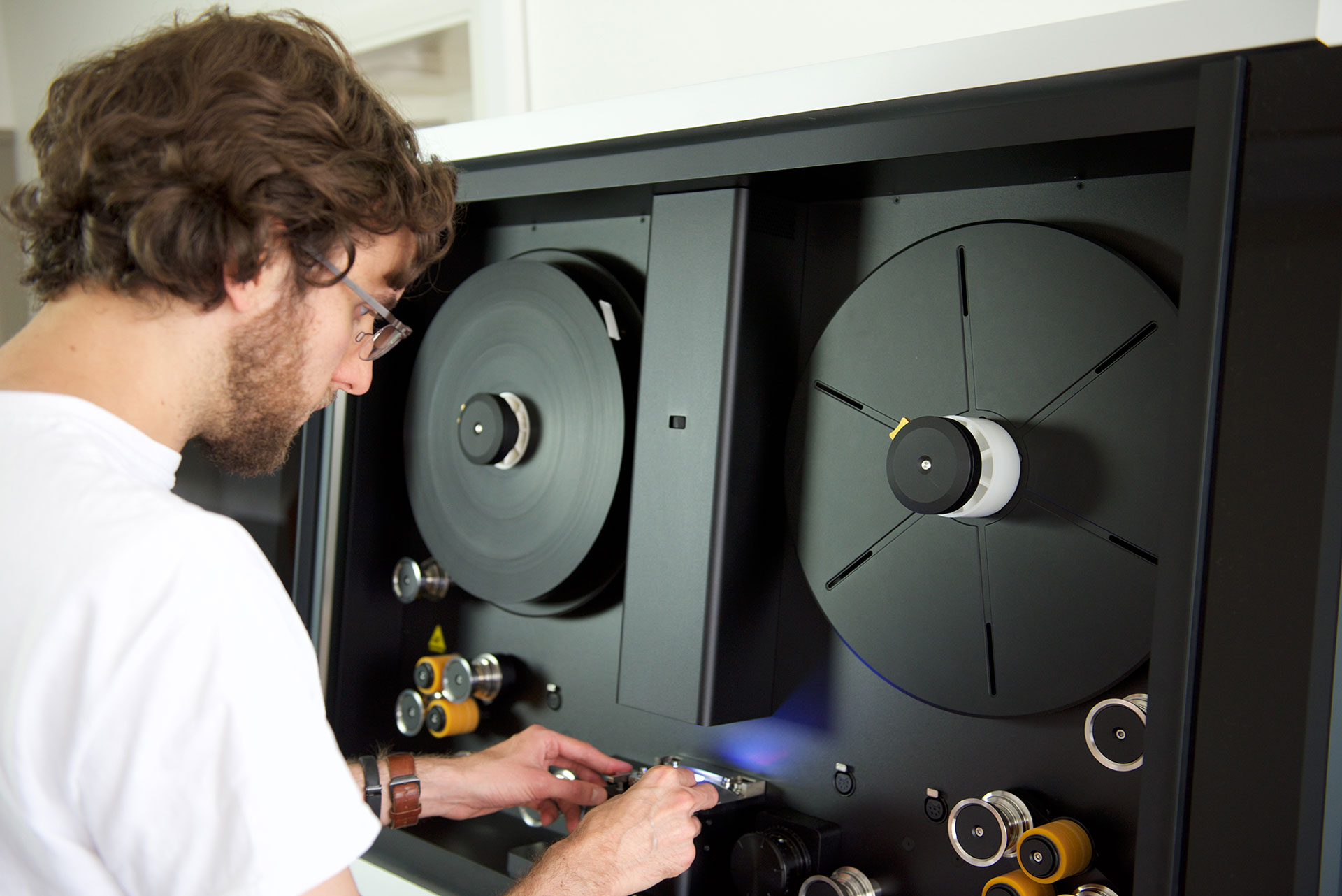
An iconic music video has gotten a rare 4K remaster. As part of a documentary project for U.K. broadcaster Channel 4, director David Fincher’s promo clip for the late George Michael’s “Freedom! ’90” featuring supermodels Naomi Campbell, Linda Evangelista, Tatjana Patitz, Christy Turlington and Cindy Crawford has been rescanned from the original camera negatives at 4K on a Blackmagic Design Cintel Scanner and graded in Blackmagic DaVinci Resolve Studio to match the look of the original, NTSC-resolution music video.





 The Fincher Analyst